This Leafroller Caterpillar Is Quietly Targeting Texas Hackberry Trees
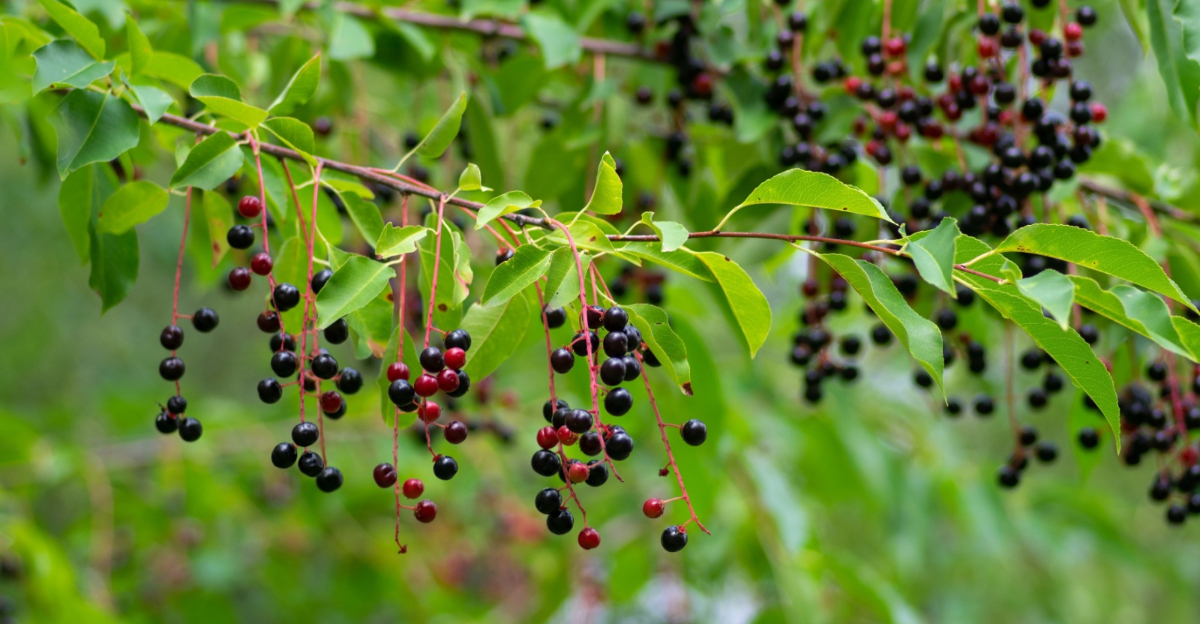
Leaves across Texas are curling shut, and you might not notice why. Inside each roll, you will find active feeding taking place. Something is steadily feeding within your trees, leaf by leaf.
Nobody warns you how fast this mystery pest can spread. Soft, pale, easy to miss, it hides in plain sight. You could walk past infested leaves without seeing a single culprit.
Texas gardens offer perfect conditions for this pest to thrive. Warm seasons let populations grow across entire neighborhoods. Each tree becomes a target the moment eggs quietly hatch inside.
Damage spreads quietly, leaf by leaf, before you notice a pattern. Understanding this pest gives you power over what happens to your garden. Ignoring it only guarantees more rolled leaves next season.
Every gardener deserves to know exactly what is working through their plants quietly. This mystery pest may spread further through your garden if left unaddressed.
What Is The Leaf-Rolling Caterpillar
Most gardeners never see the culprit. They only find the evidence, a curled leaf tied shut with silk thread.
The hackberry leafroller is a small caterpillar, usually pale green or yellowish, with a dark head. It is commonly associated with the Tortricidae family of moths, often called tortrix moths.
Adult moths lay eggs on hackberry leaves in spring. Once hatched, the larvae immediately begin rolling leaves around themselves for shelter.
Inside that rolled leaf, the caterpillar feeds, grows, and eventually pupates. The whole cycle is neatly hidden from view, which is part of what makes this pest so tricky.
Hackberry trees are its favorite host, but the caterpillar has been spotted on other plants too. Some gardeners across central and north Texas have noted more visible damage in recent seasons.
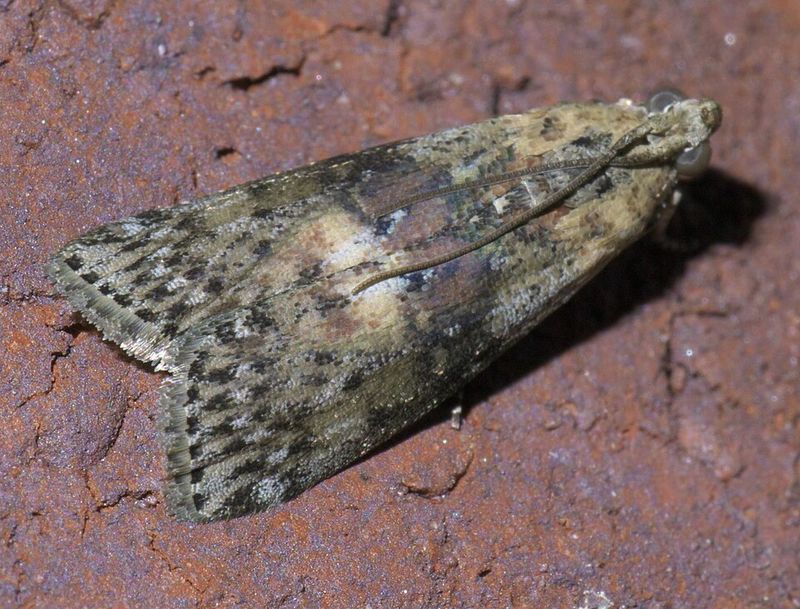
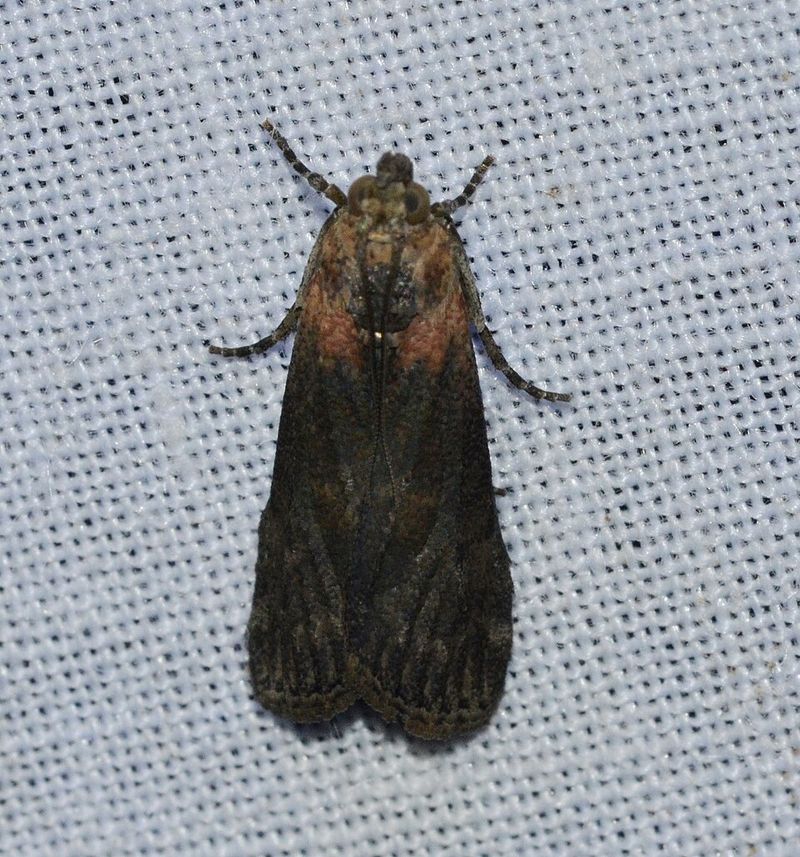
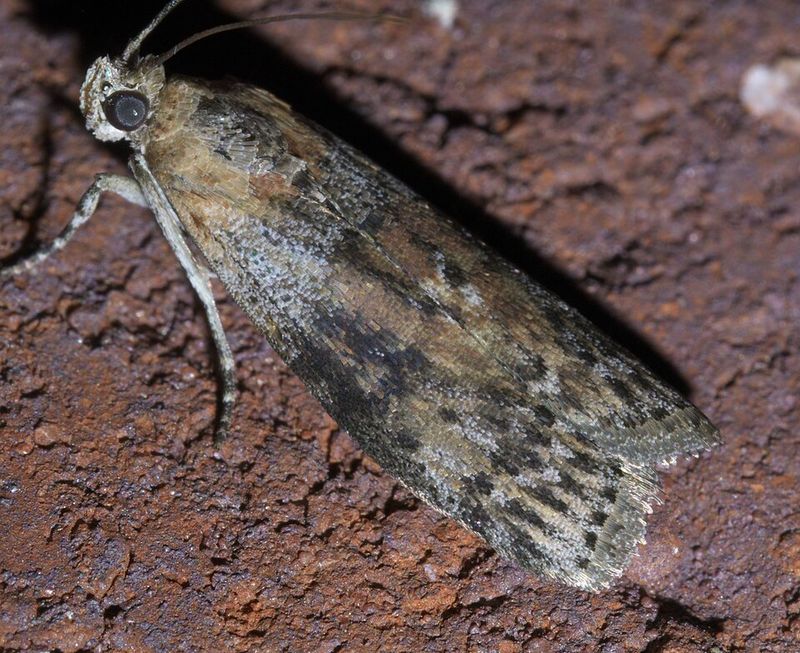
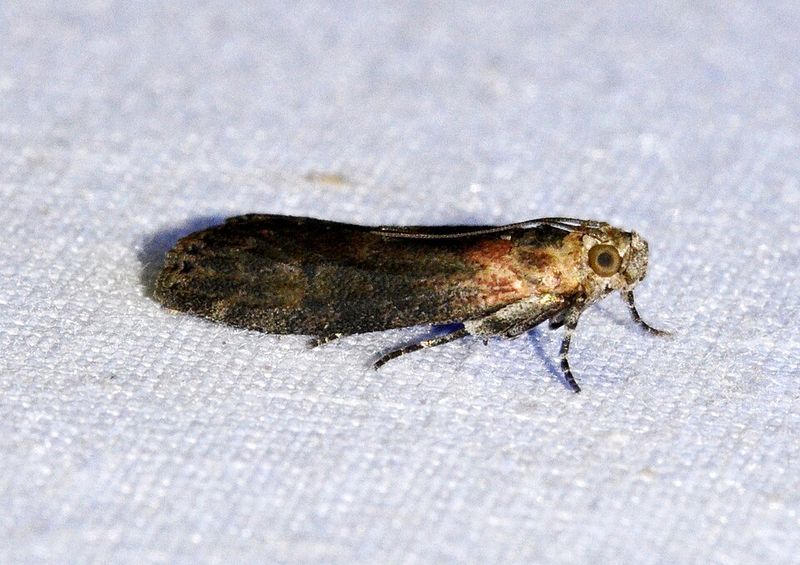
The adult moth is small and easy to overlook. Its wings are brownish with subtle patterns that blend into tree bark almost perfectly.
In warmer climates, multiple generations may occur per year, though exact numbers vary. That means the pest gets several chances to spread and multiply each season.
Knowing what you are dealing with helps you act faster. The leaf-rolling caterpillar is not the most destructive pest out there, but ignoring it lets populations grow unchecked.
Early identification is your biggest advantage. Once you know this tiny roller by name, you will spot its handiwork everywhere.
Spotting Leafroller Damage On Your Plants
Walk up to a hackberry tree and look closely at the leaves. If you see leaves curled into tight tubes held together with thin silk, you found leafroller damage.
The rolled leaf is the most obvious sign. Inside each roll, you will find active feeding taking place.
Unrolling a damaged leaf gently can reveal the pale caterpillar inside. It will wriggle quickly and may drop from the leaf on a silk thread to escape.
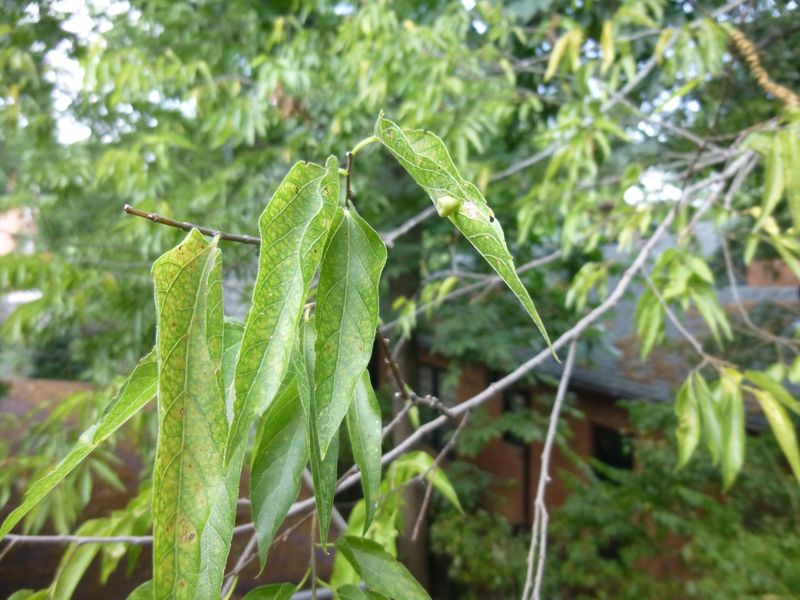
Heavy infestations cause visible browning and curling across the canopy. From a distance, it can look like the tree is stressed from drought or disease.
Your Texas Garden Changes Every Week. Your Plan Should Too.
Gardening in Texas changes quickly throughout the season. Every Friday you’ll receive a simple weekly plan showing exactly what to plant, prune, fertilize, harvest, and protect so you never miss the right timing.
Newer damage appears as green rolled leaves. Older damage turns brown as the leaf dries out while still curled shut.
Branches with dense foliage tend to show more damage. The caterpillars prefer shaded, sheltered spots where they can roll leaves without being disturbed by wind.
You might also notice small holes in leaves nearby. Those are feeding spots where the caterpillar chewed through before rolling up its shelter.
Timing matters when scouting for damage. Look for active infestations in late spring through early summer, when populations peak.
The leaf-rolling caterpillar is sneaky, but its damage has a very distinct look. Once you have seen it once, you will recognize it every time.
Why This Pest Is Spreading Across Texas Gardens
Warmer winters have been a game changer for garden pests. Mild temperatures let more eggs and pupae survive through the cold months, boosting spring populations.
The hackberry tree is one of the most common urban trees planted across the state. More host trees means more habitat for the leaf-rolling caterpillar to thrive and multiply.
Suburban sprawl has also played a role. As neighborhoods expand, hackberry trees get planted in rows along streets and in backyards, creating connected corridors for pests to travel.
Natural predators like parasitic wasps and birds help keep leafroller numbers in check in wild settings. Urban environments often have fewer of these helpful hunters.
Pesticide use in neighborhoods can accidentally wipe out beneficial insects. When natural enemies disappear, pest populations can spike without much resistance.
The caterpillar is also small and easy to miss early in the season. By the time homeowners notice the rolled leaves, populations are already well established.
Drought stress weakens trees and makes them more vulnerable to insect damage. Texas has seen plenty of dry seasons lately, setting the stage for bigger infestations.
Gardeners sharing plants and cuttings can unknowingly spread eggs or pupae. A single infested branch moved to a new yard can start a whole new colony.
The spread is quiet and steady, not dramatic. That is exactly what makes the leaf-rolling caterpillar such a growing concern for home gardeners statewide.
Which Plants Are Most At Risk
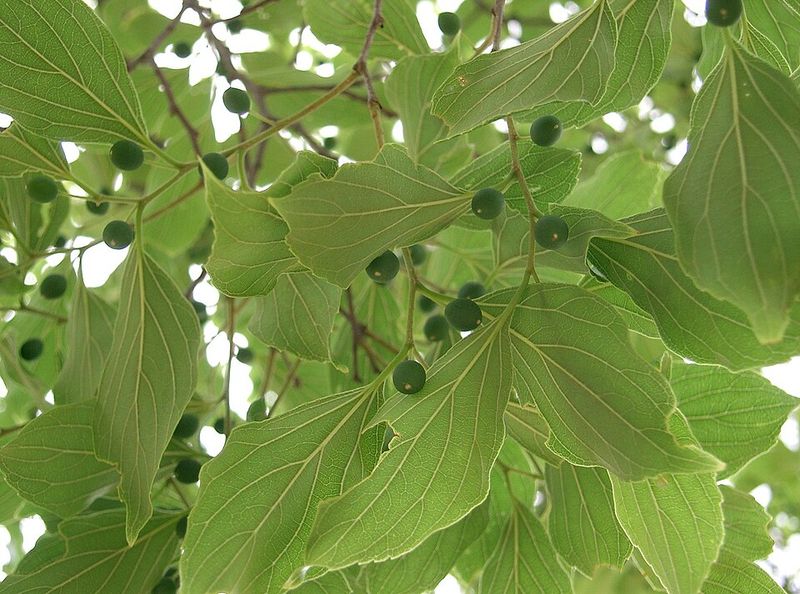
Hackberry trees are the primary target for this pest. Any yard with a hackberry is essentially an open invitation for the leaf-rolling caterpillar to move in.
Celtis species, which include sugarberry and netleaf hackberry, are also targeted. These native trees grow widely across the state and provide plenty of feeding opportunities.
Beyond hackberry, leafrollers have been found on oaks in some regions. Oak trees already face pressure from other pests, so adding leafrollers to the mix is bad news.
Fruit trees are not immune either. Apple, peach, and plum trees can attract different leafroller species that cause similar rolled-leaf damage.
Rose bushes are another vulnerable plant. Gardeners who grow roses sometimes find their leaves curled and tied with silk, especially on new growth in spring.
Young trees and newly planted saplings face the most risk. Their leaf tissue is tender and easier for caterpillars to chew through and manipulate into shelters.
Dense, shaded canopy trees tend to attract heavier infestations. The shelter provided by thick foliage suits the caterpillar’s preference for protected spots.
Ornamental shade trees planted near hackberries can become additional hosts. Once populations are large enough, the caterpillars branch out to nearby hosts.
Knowing which plants are vulnerable helps you prioritize your monitoring. Focus your attention on hackberry first, then check neighboring trees for early signs of the leaf-rolling caterpillar.
Controlling And Preventing Leafrollers
Catching them early is everything. Leafrollers are much easier to manage before they roll up inside their leaf shelters and become protected from sprays.
Hand-picking rolled leaves off small trees works surprisingly well. Drop the rolled leaves into a bucket of soapy water to prevent the caterpillar from crawling back out.
Neem oil is a popular organic option. Spray it on leaf surfaces before rolling begins, which means targeting the newly hatched larvae in early spring.
Bacillus thuringiensis, commonly called Bt, is a naturally occurring bacteria that targets caterpillars specifically. It is safe for birds, bees, and other beneficial insects when used correctly.
Spinosad is another effective organic treatment. It works by affecting the nervous system of caterpillars and breaks down quickly in the environment.
Timing your spray applications matters more than the product you choose. Treat when caterpillars are newly hatched and still exposed, not after they have sealed themselves inside rolled leaves.
Encouraging natural predators helps over the long haul. Planting flowers that attract parasitic wasps gives these natural enemies a reason to hang around your yard.
Avoid broad-spectrum pesticides that wipe out beneficial bugs. Keeping your garden’s ecosystem balanced is one of the best long-term defenses against the leaf-rolling caterpillar.
Pruning out heavily infested branches in early summer reduces the population fast. Bag the clippings and send them out with the trash, not into your compost pile.
When To Call A Professional For Treatment
Sometimes the problem is bigger than a spray bottle can handle. Knowing when to call in a professional saves your trees from serious long-term harm.
If your hackberry tree shows significant leaf loss to leafroller damage, that is a sign professional attention may be needed. Repeated heavy defoliation weakens trees over multiple seasons.
Large, mature trees are difficult to treat without professional equipment. A certified arborist has the tools to reach the canopy and apply treatments evenly across the whole tree.
Soil injection treatments are one option professionals use. These systemic treatments move through the tree from the roots up, reaching insects feeding on leaves throughout the canopy.
If you have tried organic sprays without success, a pro can assess whether a different approach is needed. They can identify whether other pests are compounding the leafroller problem.
Professionals can also spot signs of tree stress that homeowners often miss. A weakened tree is more vulnerable to the leaf-rolling caterpillar and less able to recover after infestation.
Ask any arborist you hire about their approach to beneficial insects. A good professional will avoid treatments that harm pollinators or natural predators unnecessarily.
Look for someone certified by the International Society of Arboriculture. Credentials matter when you are trusting someone with trees that took decades to grow.
Getting professional help at the right moment protects your investment. The leaf-rolling caterpillar may be small, but a healthy, well-treated tree will always have the upper hand.