The Shade Tree Texans Are Planting Now To Cool Yards During 104° Heat
One-oh-four on the thermometer means something different once you step onto Texas concrete at two in the afternoon. Your shirt sticks within a minute, the dog refuses the yard, and even the patio furniture feels like it’s radiating heat back at you.
This is the reality every Texan homeowner faces each June through September. It’s exactly why one shade tree keeps selling out at local nurseries before the weekend crowds even arrive.
Plant it and the ground beneath its canopy can run 20 degrees cooler than open lawn. That difference is enough to transform a scorched patch of grass into a spot where people actually want to sit, even when the forecast reads 104.
One Tree Is Quietly Becoming The Go-To Choice For Cooling Texas Yards
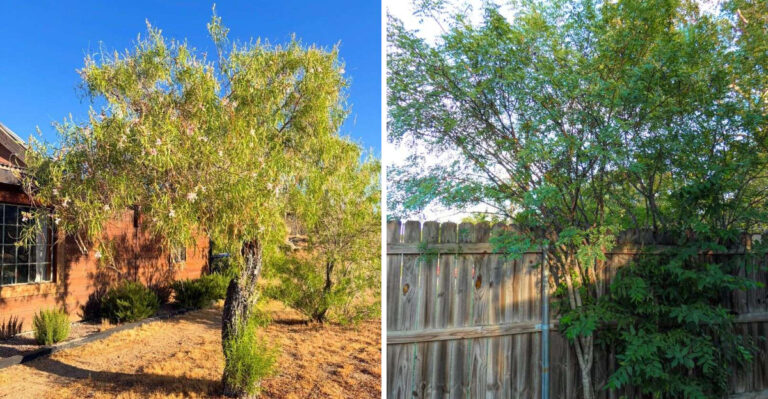
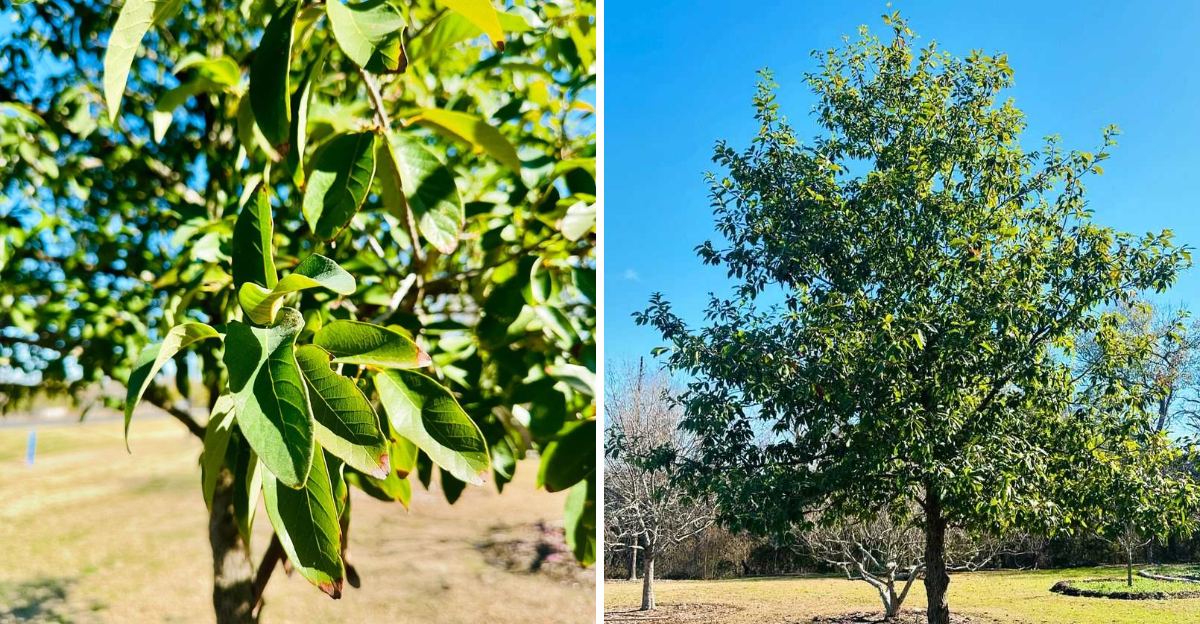
Across Texas nurseries, one tree keeps coming up in customer requests more than any other. The Monterrey Oak has quietly become the top pick for homeowners trying to cool their yards during brutal summer heat.
It spreads wide, grows faster than most oaks, and holds its leaves nearly year-round in South and Central Texas. That combination is hard to beat when shade is your main goal.
Unlike many native trees that take a decade to offer real relief, the Monterrey Oak delivers noticeable canopy within just a few years. Homeowners often plant them along patios and south-facing walls to block the harshest afternoon sun.
The tree thrives in the alkaline, rocky soils that stump so many other species. It does not demand rich soil or constant fertilizing, which makes it practical for busy homeowners.
Shade trees planted on the west and south sides of a home are widely recognized for meaningfully lowering summer cooling costs. That is real money saved every summer for years to come.
The shade tree Texans are planting is not some exotic import either. The Monterrey Oak is native to northern Mexico and naturally adapted to the exact climate conditions that make Texas summers so punishing.
Once established, it tolerates drought, heat, and poor soil with minimal upkeep. That kind of toughness, combined with genuine beauty, is exactly why it keeps flying off nursery lots.
A Wide, Dense Canopy Makes The Biggest Difference In Extreme Heat
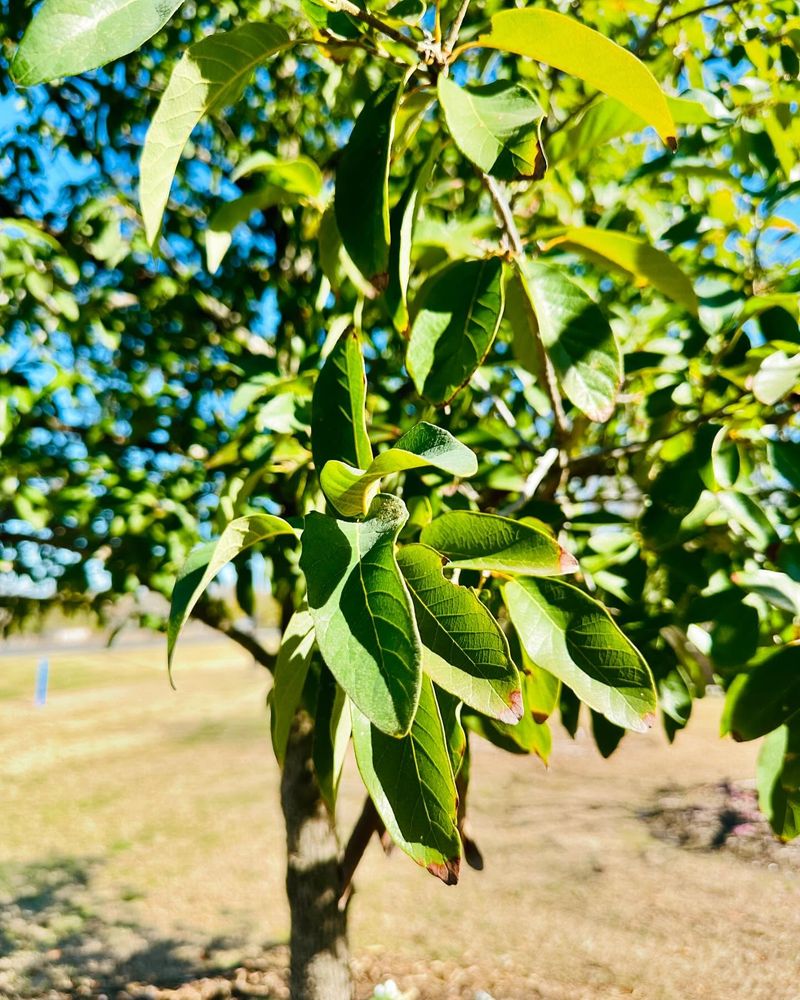
Stand under a Monterrey Oak on a 104-degree afternoon and you will feel the difference immediately. The canopy is not just wide, it is genuinely dense, blocking direct sunlight from reaching the ground below.
Canopy density matters more than most people realize when choosing a shade tree. A tree with sparse leaves lets in scattered sunlight, which still heats surfaces underneath.
The Monterrey Oak grows a rounded, full crown that can stretch 35 to 40 feet across at maturity. That spread creates a massive shadow zone that covers patios, play areas, and even parts of the house itself.
Surfaces under dense shade stay dramatically cooler than exposed ones. Concrete, wood decking, and artificial turf can reach scorching temperatures in direct sun, but shade keeps them touchable and safe.
Families with young children especially appreciate this. Hot pavement and sun-baked decks can cause real discomfort, and shade trees turn those hazards into comfortable play zones.
Your Texas Garden Changes Every Week. Your Plan Should Too.
Gardening in Texas changes quickly throughout the season. Every Friday you’ll receive a simple weekly plan showing exactly what to plant, prune, fertilize, harvest, and protect so you never miss the right timing.
Leaf structure also plays a role in how effective a canopy is. The Monterrey Oak produces large, leathery leaves that pack tightly together, creating an almost umbrella-like effect overhead.
That tight leaf structure also reduces how much radiant heat bounces off the ground and back into the air. The cooling effect compounds, making the whole yard feel more manageable.
Choosing a tree with this kind of canopy quality is a decision you will feel on your skin every single summer. A great canopy is not just beautiful, it is functional relief.
The Monterrey Oak Handles Drought And Triple-Digit Days Without Struggle
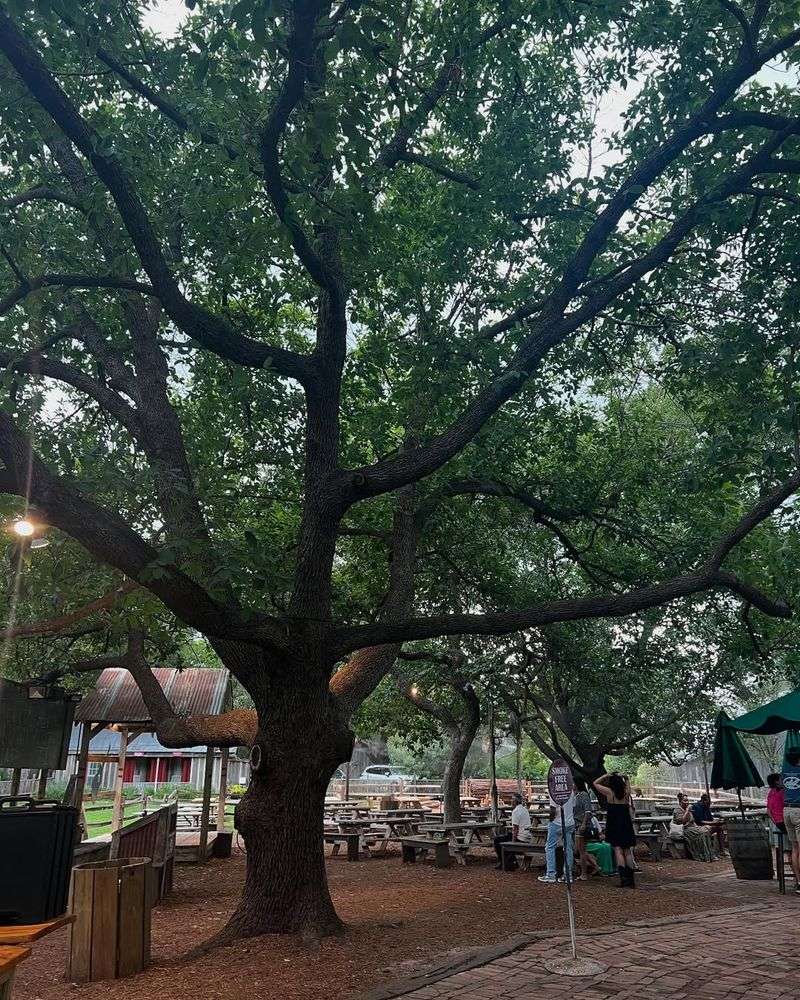
Most trees beg for water when August hits Texas. The Monterrey Oak does not send that message. It was built for conditions that would stress most landscape trees into decline.
Native to the mountains of northeastern Mexico, this oak evolved in rocky terrain with unpredictable rainfall. That origin story translates directly into drought resistance that Texas gardeners can count on.
Once established after its first one to two years, the Monterrey Oak rarely needs supplemental watering. It taps into deeper soil moisture and manages its own hydration with impressive efficiency.
Homeowners who have struggled with other trees dropping leaves or browning out in August often find this oak stays green and full. That visual consistency matters when you want a yard that looks alive, not exhausted.
The tree also handles alkaline soil, which covers a huge portion of the state. Many trees struggle when soil pH climbs too high, but the Monterrey Oak adapts without showing signs of stress.
Root systems on mature specimens run deep and wide, anchoring the tree against strong winds while also seeking out moisture. That deep-root habit also means less competition with lawn grass near the surface.
Triple-digit temperatures are far less likely to cause leaf scorch than in thinner-leafed species. The leathery foliage acts like a natural shield against heat stress.
For Texas homeowners tired of nursing struggling trees through brutal summers, this one is a genuine low-maintenance investment that pays dividends for decades.
This Tree Grows Faster Than Most Long-Lived Shade Trees
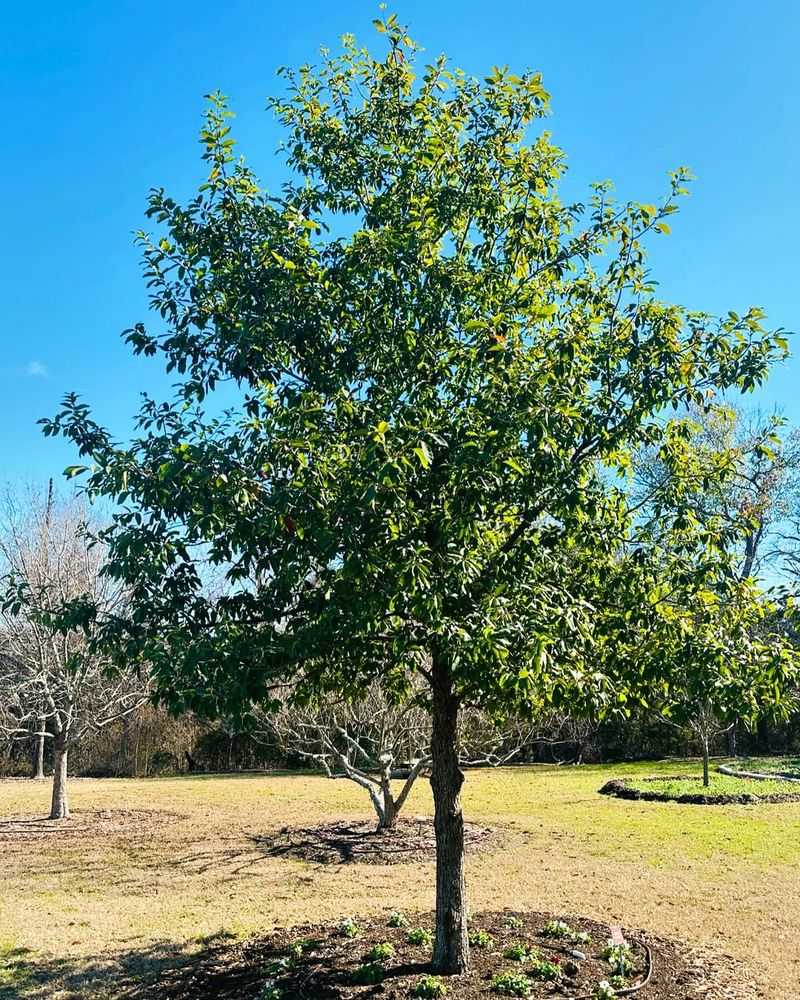
Patience is a virtue, but nobody wants to wait 30 years for shade. The Monterrey Oak strikes a rare balance between longevity and speed that makes it exceptional among shade trees.
Most long-lived oaks grow slowly, adding just 12 to 18 inches per year. The Monterrey Oak can push 24 to 36 inches of growth annually under good conditions, which is impressively fast for the genus.
Plant one today, and within five to seven years, you will have a tree that provides real, meaningful shade over a patio or seating area. That timeline is short enough to feel rewarding.
Compare that to a live oak, which is also beloved in Texas but can take 10 to 15 years to deliver comparable canopy coverage. For homeowners who want results in their lifetime, speed matters.
That faster growth does not come at the cost of structural integrity either. The Monterrey Oak develops strong branch attachments and a solid trunk over time.
Weak-wooded fast growers like silver maple or cottonwood drop limbs in storms and become liabilities. The Monterrey Oak grows quickly without sacrificing the strength you need in a tree that lives near your home.
Buyers looking for a head start often opt for larger container sizes when planting this tree. Planting a 15-gallon or 30-gallon specimen cuts years off the waiting period for meaningful shade.
Fast growth and long life in one package is a rare find. This tree delivers both without compromise.
Planting Location And Spacing Affect How Much Cooling You Get
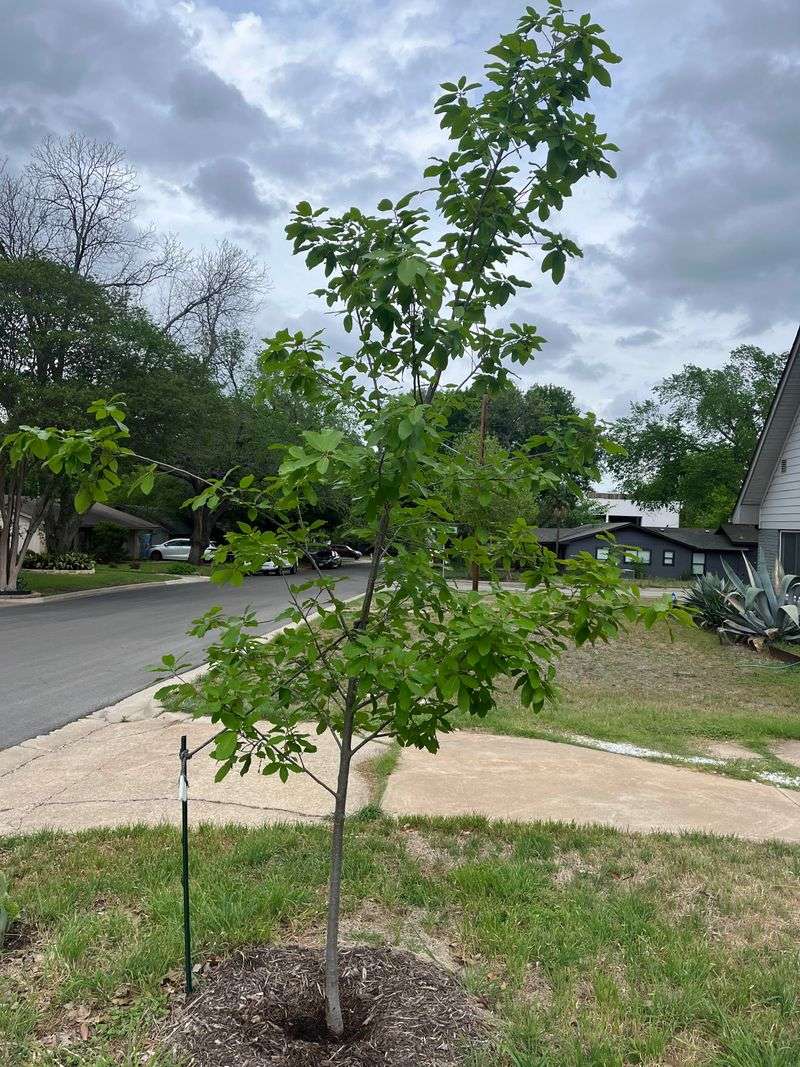
Where you put a shade tree matters just as much as which tree you choose. A poorly placed tree can shade your neighbor’s yard while leaving your patio baking in full sun all afternoon.
The most effective placement for cooling a home is on the west and southwest sides. Afternoon sun in Texas is the most intense, and blocking it before it hits walls and windows makes a dramatic difference.
South-facing walls also benefit from a tree positioned 10 to 20 feet away. That distance allows the canopy to grow and cast shadow across the wall during peak heat hours without crowding the foundation.
Avoid planting directly south if you want winter sunlight inside. A tree too close to the south side can block passive solar warmth during cooler months, raising heating costs.
Spacing between multiple trees also matters. Plant them too close and they compete for resources; too far apart and you lose the cooling corridor effect.
For a patio or outdoor seating area, aim to position the tree so its mature canopy will directly cover that space. Think ahead 10 years, not just today.
Overhead utility lines are another consideration. Planting under power lines invites future problems as the tree matures and branches grow into the lines.
Taking 30 minutes to plan placement before you dig saves years of frustration. Strategic thinking now means maximum cooling payoff every summer for the rest of your time in that home.
Early Care Determines How Well The Tree Establishes
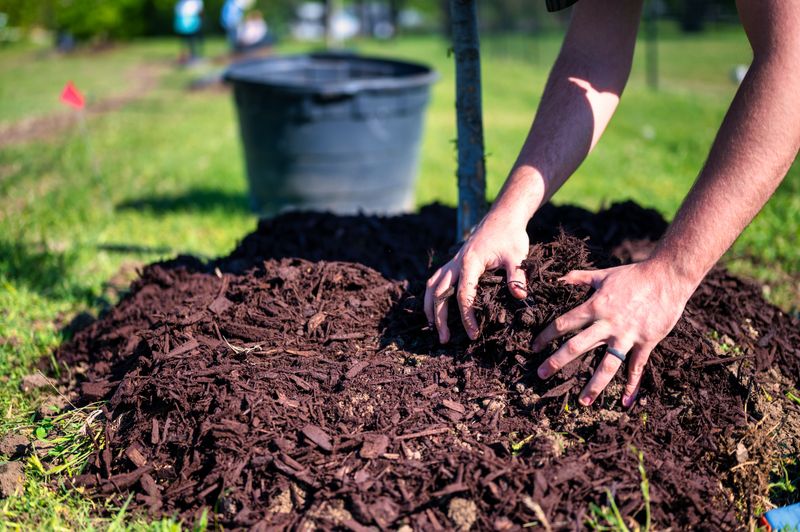
The first two years after planting are the most critical window for any new tree. Get them right, and the Monterrey Oak will reward you with decades of growth; get them wrong, and you will be replanting.
Watering deeply and infrequently trains roots to grow downward. Shallow, frequent watering encourages surface roots that make the tree dependent on you instead of the soil.
A deep watering once or twice per week during the first summer is a solid starting point. Let the top inch of soil dry out between sessions to avoid root rot.
Mulching is equally important and often overlooked. A three-to-four inch layer of mulch around the base retains moisture, regulates soil temperature, and suppresses weeds that compete with young roots.
Keep the mulch pulled back a few inches from the actual trunk. Mulch piled against bark traps moisture and can lead to rot or pest problems at the base.
Fertilizing a newly planted tree is usually unnecessary and can even cause harm. Excess nitrogen pushes fast top growth while root systems are still catching up, creating an unbalanced tree.
Staking is sometimes needed if the planting site gets strong winds. Remove stakes after the first year so the trunk develops natural strength through movement.
Pruning should be minimal in the first few years. Let the tree focus its energy on root establishment rather than healing cuts.
Solid early care sets up the shade tree Texans are planting for a long, healthy life that cools yards for generations.