What Those Giant Wasps Circling Your Illinois Lawn Are Actually Doing
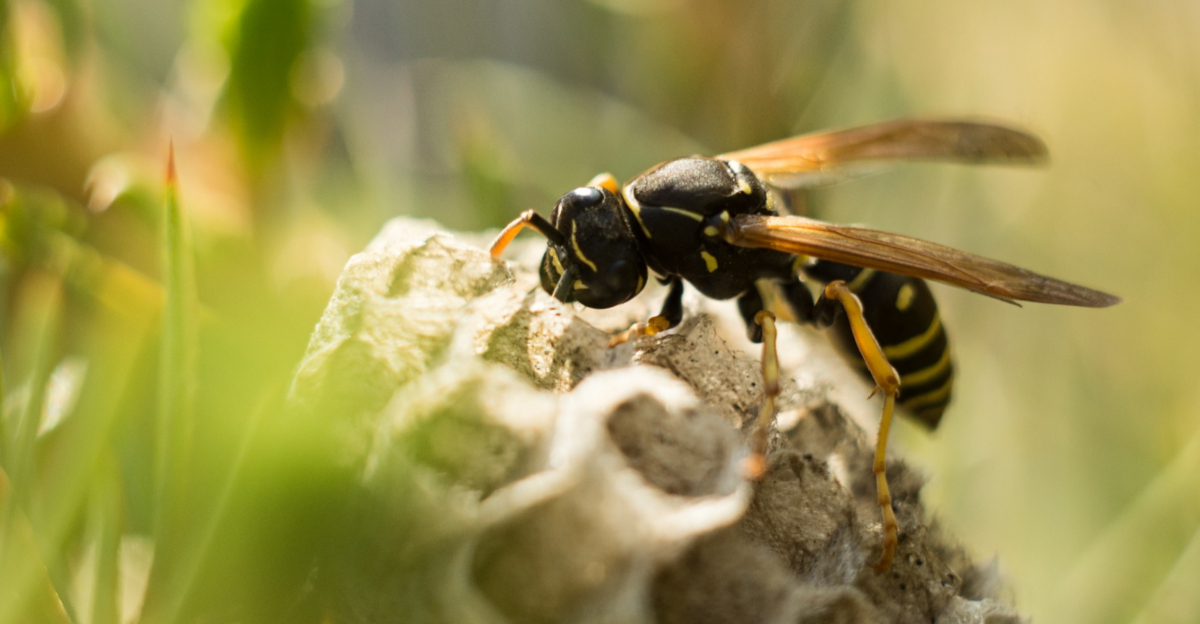
Giant wasps are patrolling your grass with unsettling precision. Bright yellow bands make them look like walking warnings.
Alarm feels instinctive, but that reaction misses the real story. Illinois homeowners spot this insect every summer without understanding why. Size alone convinces most people to reach for spray.
Nothing about their mission involves your backyard barbecue or your safety. Underground, something urgent is unfolding beneath your feet. Cicadas, not humans, are the actual focus of this search.
Local lawns actually benefit from these insects, especially across Illinois. Watching them work reveals a surprisingly skilled underground engineer. Every dive toward the soil serves an exact purpose.
Females locate, subdue, and carry prey into hidden tunnels. Hesitation keeps most people from noticing this incredible process.
Curiosity, though, changes everything about how you react.
Your yard becomes a hidden stage for steady underground strategy. You are about to see why leaving them alone matters.
What Those Big Wasps Really Mean
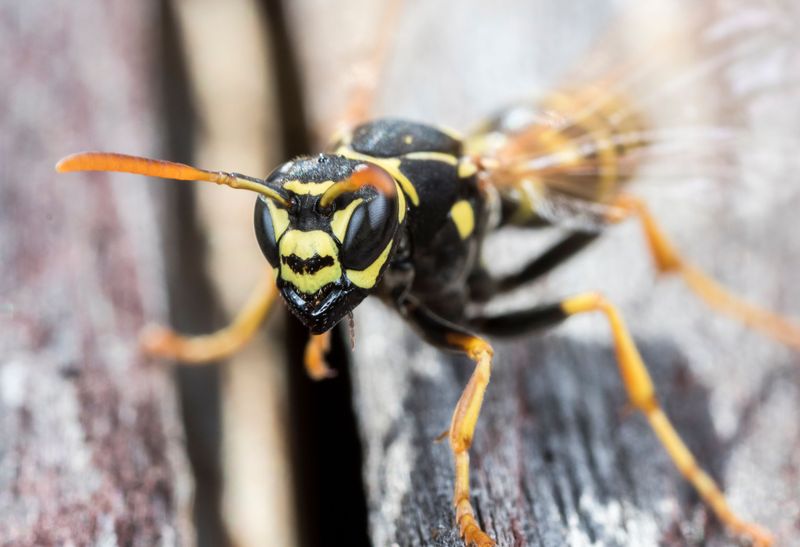
Spotting a wasp the size of your thumb hovering over your lawn is genuinely startling. Most people assume the worst and head straight for the pesticide aisle.
But those giant wasps circling your lawn are sending a very different message than danger.
Chances are, you are watching a wasp that spends its summer on one very specific mission. These solitary insects spend their summers hunting cicadas, not people.
They are focused, purposeful, and almost entirely uninterested in you.
Female cicada wasps dig burrows in the ground, lay their eggs, and stock each tunnel with paralyzed cicadas for their larvae to feed on.
The males patrol the area assertively, but they cannot even sting you. Their hovering flight pattern is territorial display, not a warning sign.
What looks like a group is actually several independent wasps going about separate business. Each one has its own burrow, its own hunting route, and its own agenda.
They do not coordinate efforts or defend a shared nest like yellow jackets do.
Understanding what these insects mean for your Illinois yard reframes everything. A yard full of hovering wasps is not in danger.
It is actually hosting a natural pest control operation that costs you nothing.
These wasps reduce the local cicada population, which protects your trees from feeding damage.
Once you recognize what those big wasps really mean, the panic fades fast. Knowledge is honestly the best tool in your outdoor toolkit.
Reasons Wasps Hover Over Lawns All Summer
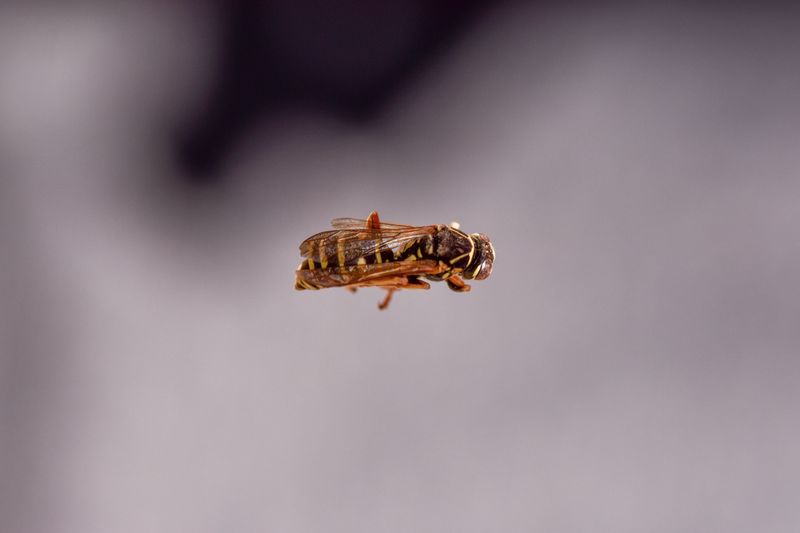
That slow, low-flying pattern you see all summer long is not random. Wasps hover over lawns for very specific biological reasons tied to nesting and hunting. The behavior peaks between June and August, right when cicadas are loudest.
Female cicada wasps are scouting for two things: soft soil to dig in and cicadas to hunt. Your lawn offers both, which is why they keep coming back season after season. Sandy or loose soil near sunny patches is prime real estate for their burrows.
Males hover to establish territory and attract mates. They will zip actively toward anything that enters their zone, including you, your dog, and other wasps. It looks threatening, but it is purely a bluff since they lack stingers.
Your Illinois Garden Changes Every Week. Your Plan Should Too.
Gardening in Illinois changes quickly throughout the season. Every Friday you’ll receive a simple weekly plan showing exactly what to plant, prune, fertilize, harvest, and protect so you never miss the right timing.
The hovering also serves as a kind of reconnaissance flight. Females map out the landscape before committing to a burrow location.
They are calculating, patient hunters who need to know the terrain before investing energy in digging.
Soil temperature matters too. Warm, sun-exposed ground heats up faster and stays stable longer.
That makes south-facing slopes and open lawn patches especially attractive to nesting females. If your Illinois yard gets full afternoon sun, expect more visitors.
The summer-long presence happens because new adults keep emerging on a staggered schedule.
Each wave of wasps circling your lawn is a fresh generation, not the same individuals. The cycle is natural, predictable, and honestly kind of impressive once you see the pattern.
Identifying The Species Behind This Behavior
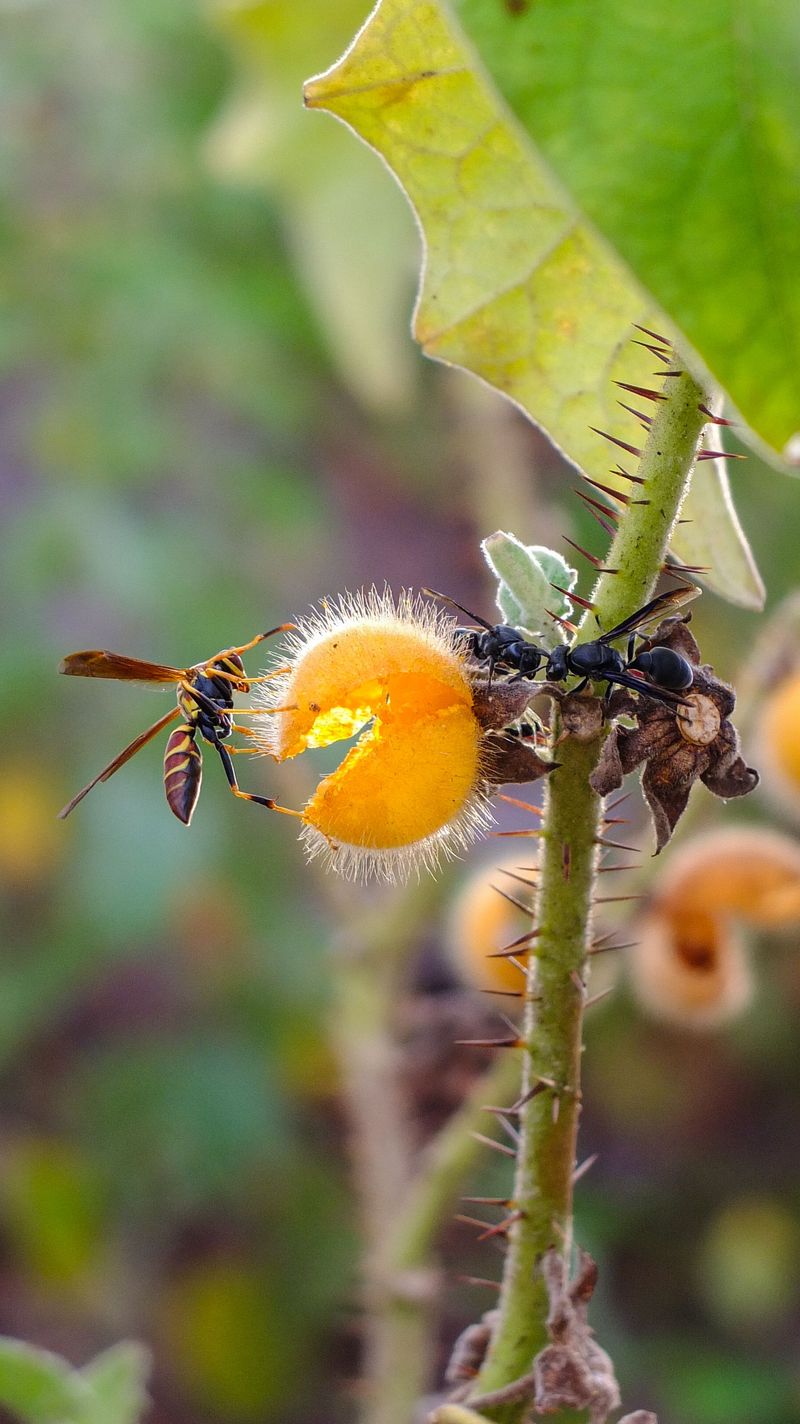
Not every large wasp you spot over your lawn is the same species. Getting the identification right matters, because behavior and risk levels vary significantly.
The scientific name for this species is Sphecius speciosus, one of the largest wasps found in Midwestern yards.
This wasp is big. Females can reach nearly two inches long, making them one of the largest wasps in North America.
Their bodies are black with bold yellow markings, and their wings carry a reddish-brown tint that glints in sunlight.
Another species you might encounter is the great golden digger wasp. It shares similar size and hovering habits but has a more orange-red abdomen.
Both species are solitary and non-aggressive, so the identification mostly satisfies curiosity rather than changes your response.
European hornets are sometimes confused with cicada wasps because of their size. However, hornets are social insects that build paper nests in trees or wall voids. If you spot a large nest nearby, that changes the situation entirely.
Ground-nesting yellow jackets are another look-alike worth knowing. They are smaller, faster, and far more defensive.
If wasps are coming out of a hole in the ground in large numbers, that is a yellow jacket colony, not cicada wasps.
Watching flight behavior is your best identification tool. Slow, deliberate hovering near bare soil almost always points to solitary digger wasps.
Fast, erratic movement near a nest entrance signals something more social and worth giving wider clearance.
Benefits These Wasps Provide Your Yard
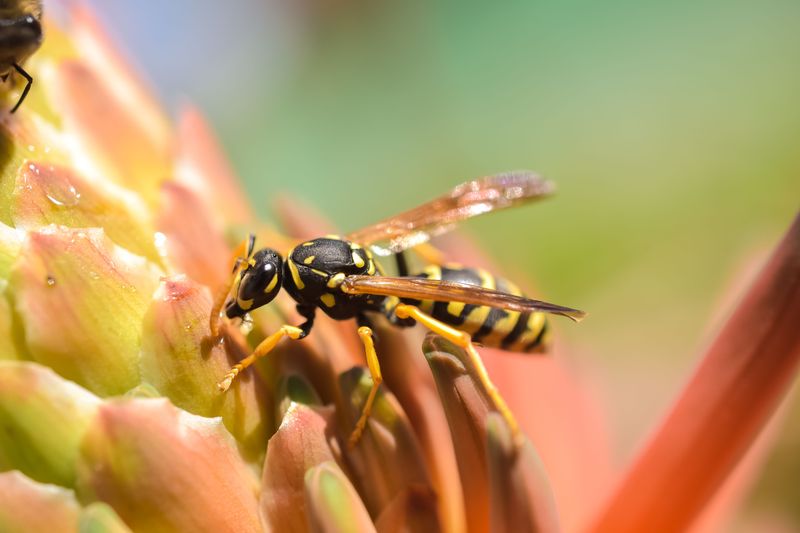
Before you reach for any kind of treatment, consider what you would actually be removing from your yard.
These giant wasps circling your lawn are working hard on your behalf, completely free of charge. The benefits they deliver are surprisingly significant.
Cicada wasps are one of nature’s most efficient pest controllers. Each female catches and paralyzes multiple cicadas throughout the season.
Fewer cicadas means less feeding damage to your oak trees, maples, and fruit trees from egg-laying wounds.
Their digging activity also improves your soil. Burrow tunnels aerate compacted ground, allowing water and nutrients to penetrate more deeply.
Think of it as free aeration service, the kind lawn care companies charge good money for every fall.
The burrows also create microhabitats for other beneficial insects. Once cicada wasps abandon a tunnel, ground beetles and native bees sometimes move in.
Your lawn quietly becomes a richer ecosystem without any effort on your part. Digger wasps are also important food sources for birds. Some birds are known to hunt them near burrow entrances.
A healthy population of these wasps supports the broader food web in your neighborhood. Solitary wasps do not produce honey, but they do visit flowers while searching for energy. That makes them minor but real pollinators for garden plants nearby.
Every creature pulling its weight in your Illinois yard adds up to a more balanced, healthier outdoor space.
Safety Tips For Coexisting With Them
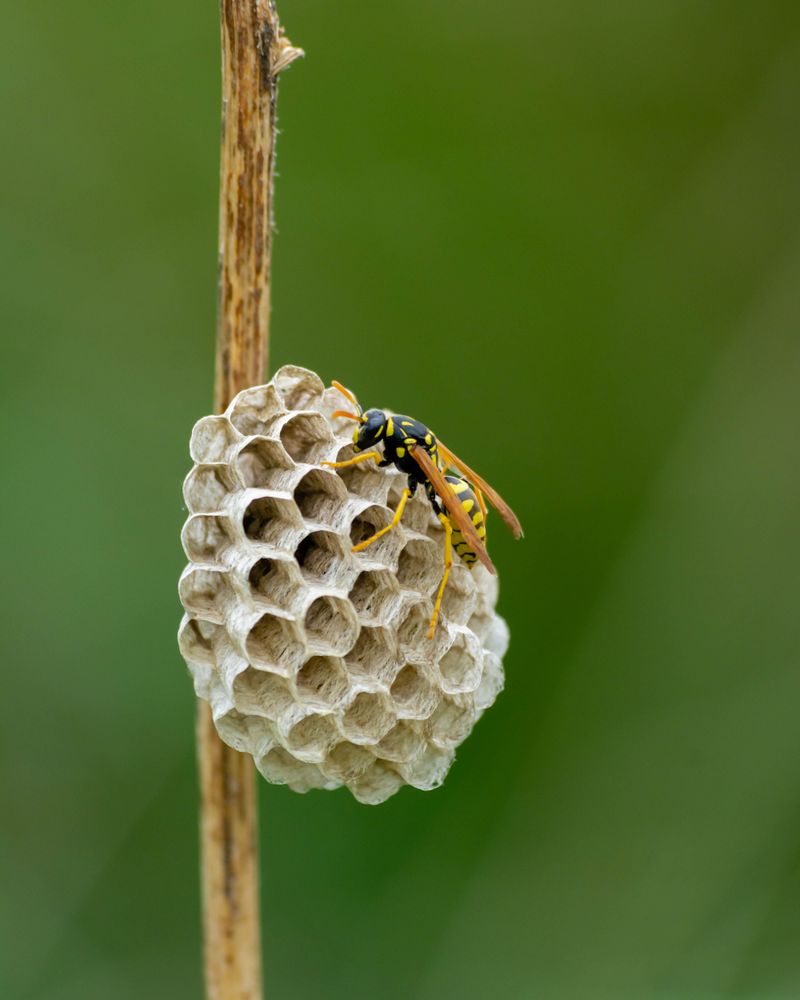
Living alongside large hovering wasps feels uncertain at first, but a few simple habits make coexistence genuinely comfortable. The biggest safety tip is also the simplest: leave them alone.
Cicada wasps show no interest in people who are not threatening their burrows. Walk around active burrow areas rather than directly through them.
If you see small mounds of loose soil with a hole in the center, that is a burrow entrance. Give it a wide berth during peak activity hours, which are usually midday.
Children and pets are generally safe around these wasps. Males may buzz close to investigate, which startles most kids, but males physically cannot sting. Teach children to stay calm, stand still, and walk away slowly if a wasp approaches.
Bare feet are worth watching. Walking through a burrow zone without shoes increases the slim chance of stepping on a female and getting stung. Flip-flops or sneakers are all the protection you need during summer yard work.
Avoid swatting at hovering males. Swatting triggers defensive behavior and escalates a situation that was never actually dangerous.
Staying calm and moving away works every time without any drama. If someone in your household has a known bee or wasp venom allergy, keep an epinephrine auto-injector nearby during outdoor activities.
That precaution applies to any stinging insect, not just cicada wasps. Awareness and preparation turn a potentially unsettling situation into a manageable one.
Common Myths About Lawn-Hovering Wasps
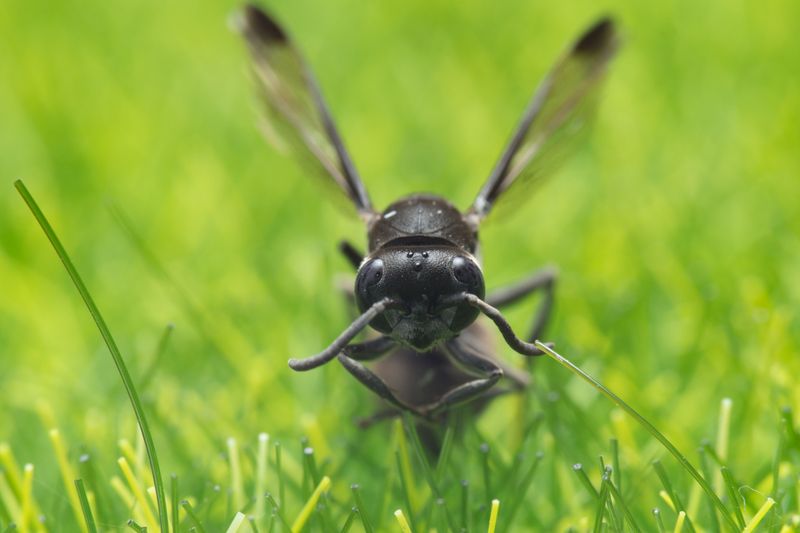
Myths about large wasps spread faster than actual facts, and most of them cause unnecessary concern.
Clearing up the most common misconceptions helps you make smarter decisions about those giant wasps circling your lawn. Let’s start with the biggest one.
Myth one: large wasps mean a dangerous nest nearby. Cicada wasps do not build colonies. Each female operates solo, which means there is no queen to defend and no army to mobilize. The group appearance is coincidental, not coordinated.
Myth two: hovering wasps are about to strike. Hovering is how these insects navigate and hunt. A wasp flying slowly over grass is reading the landscape, not targeting you. Defensive behavior looks completely different and involves rapid, direct flight toward a threat.
Myth three: you need to treat the lawn to get rid of them. Treatment is rarely necessary and often counterproductive. Removing these wasps takes away a natural pest controller and disrupts the soil ecosystem without solving any real problem.
Myth four: all big wasps sting aggressively. Sting risk depends entirely on species and context. Solitary digger wasps are among the calmest stinging insects in North America. Aggression is the exception, not the rule.
Myth five: once they appear, they never leave. Cicada wasp season typically runs six to ten weeks, depending on region and climate.
By late August or early September, activity drops off sharply as adults complete their life cycle. Your lawn returns to normal on its own schedule, naturally and predictably.