Why Ants Cover Wisconsin Peonies, And What It Actually Means For The Plant
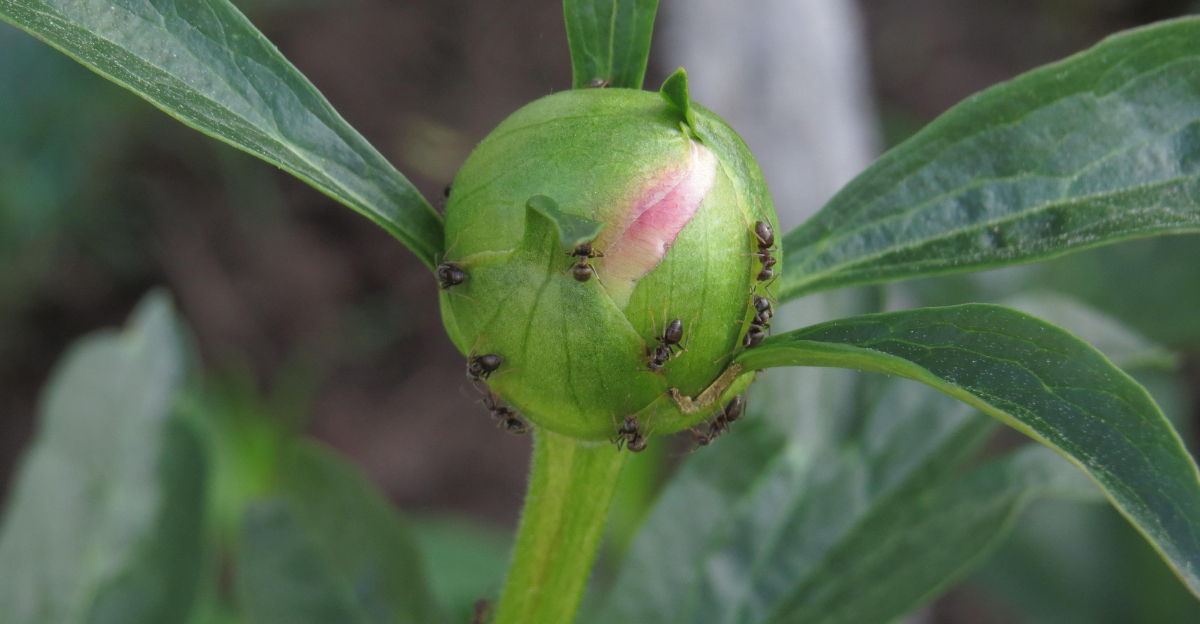
Peony buds covered in ants send half of Wisconsin’s gardeners straight to a search engine every spring. Panic sets in fast, along with the urge to spray something before the buds get ruined.
Here is what actually happens. Peony buds ooze a sugary substance while developing, and ants simply show up to feed on it. Nothing about the plant needs rescuing.
This small exchange plays out in garden beds from Green Bay to Madison every year. Once you understand it, those crawling lines of ants stop looking like trouble and start looking like a quiet sign the flowers are right on schedule.
A Sweet Substance On The Buds Is What Draws Ants In Every Spring
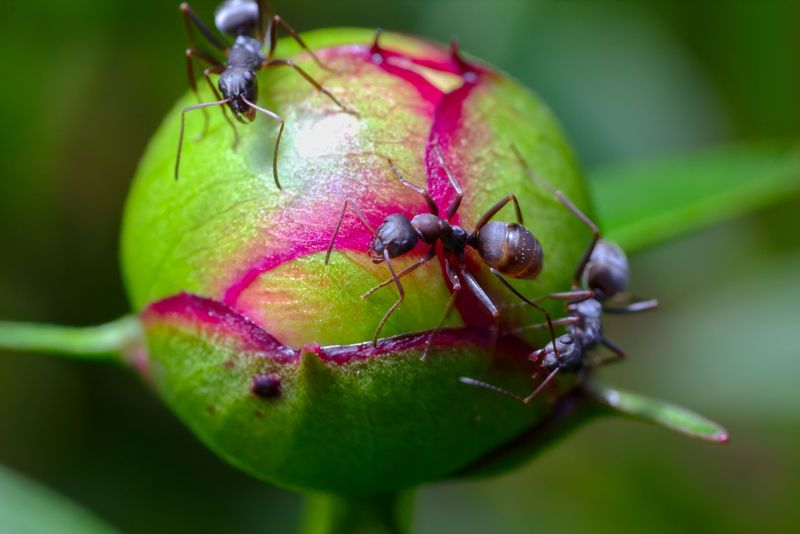
You walk out to your garden one May morning and your peony buds are covered in ants. It looks alarming at first glance.
But what you are actually seeing is one of the most reliable signs of spring in any Wisconsin garden. Ants are not attacking your plants.
They are showing up for breakfast. Peony buds produce a sugary, sticky liquid on their outer surface that ants find hard to resist.
This liquid is called extrafloral nectar. It seeps out of tiny structures on the sepals, which are the green leaf-like parts that wrap around the bud.
The nectar is rich in sugar and gives ants a quick energy boost. Ants have an incredibly sharp sense of smell.
They can detect sweet substances from surprisingly far away. Once one scout ant finds the nectar, it signals the rest of the colony, and the crowd arrives fast.
The timing of this typically lines up with peony blooming season. As buds swell and prepare to open, nectar production ramps up. This is not random. The plant is essentially putting out a welcome mat.
For gardeners in Wisconsin, this annual ant activity is actually a sign your peonies are healthy and on track. The plant is doing exactly what it evolved to do.
Seeing ants on your buds means a beautiful bloom is right around the corner.
Peony Sepals Produce Nectar That Ants Simply Cannot Resist
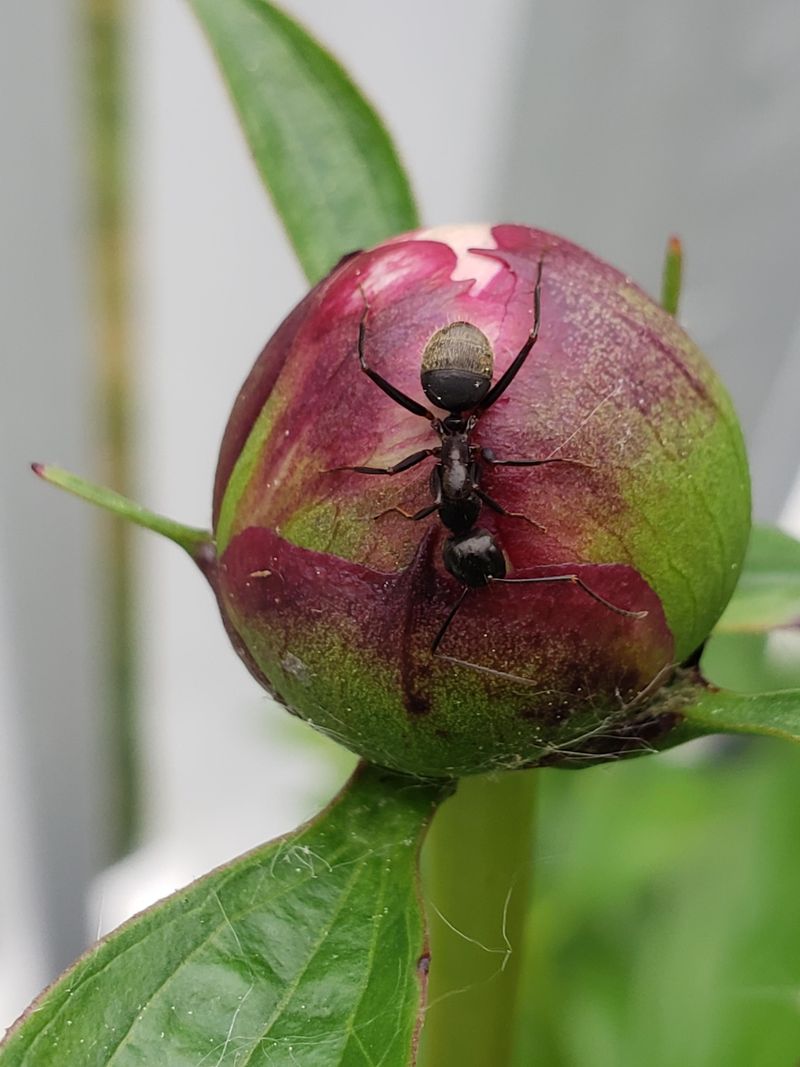
Not every flower feeds its visitors before opening. Peonies are a special case. The sepals on a peony bud are essentially tiny nectar factories that run at full capacity just before bloom.
Extrafloral nectaries are the structures responsible for this output. They sit on the outside of the bud and release a sweet liquid that has nothing to do with pollination. This nectar exists purely as a lure.
Scientists have studied extrafloral nectaries across many plant species. Peonies are a well-documented example of this in home gardens.
Wisconsin gardeners with peonies are essentially hosting a natural feeding station every spring. The nectar is high in sucrose, glucose, and fructose. For an ant colony, that combination is a goldmine.
Worker ants carry the energy back to their colony, making the trip to your garden well worth their effort. What makes this so clever is the timing.
Your Wisconsin Garden Changes Every Week. Your Plan Should Too.
Gardening in Wisconsin changes quickly throughout the season. Every Friday you’ll receive a simple weekly plan showing exactly what to plant, prune, fertilize, harvest, and protect so you never miss the right timing.
Nectar production peaks right when the bud is most vulnerable to insects that could damage it. The plant is essentially hiring its own security team using sugar as the paycheck.
You might notice the ants seem almost frantic on the buds. That urgency is real. They are in competition with each other and with time.
Once the flower opens fully, nectar production slows significantly. The feeding window is short, and every ant on that bud knows it.
Ants Defend The Nectar Source By Fighting Off Other Pests
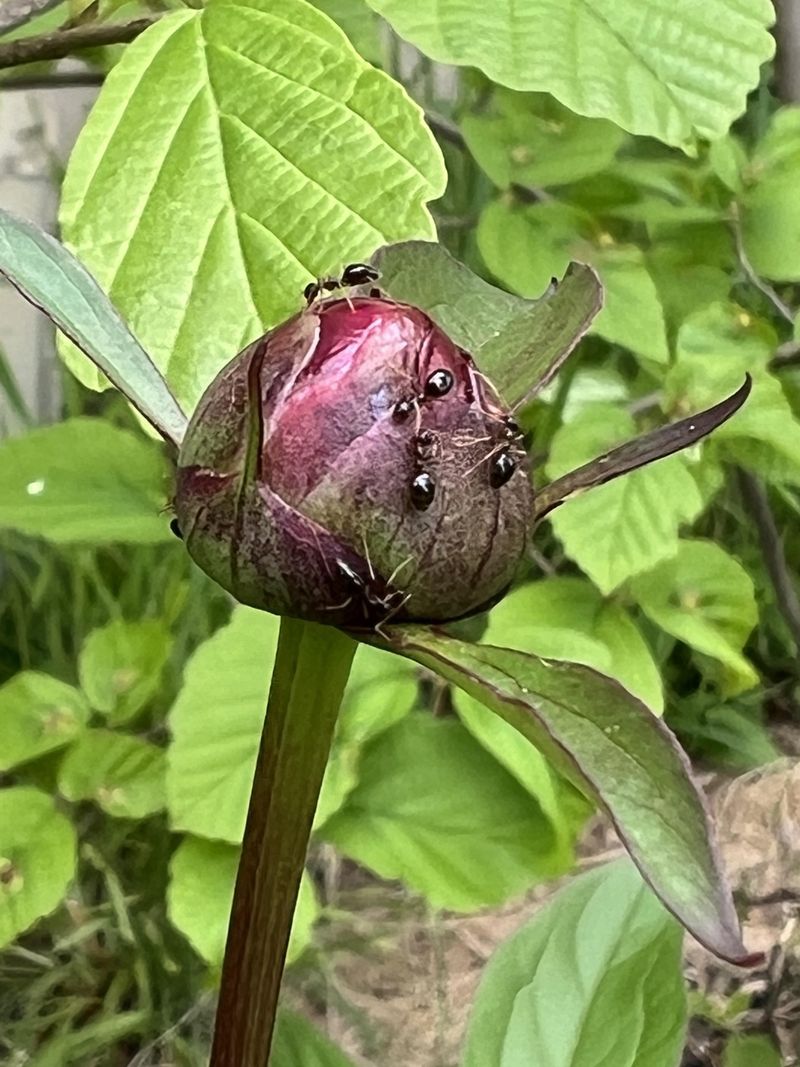
Free food often comes with strings attached, even in nature. When ants claim a peony bud as their food source, they get territorial fast. Any pest that wanders near that bud will not stay long.
Aphids, thrips, and other soft-bodied insects love tender plant tissue. Peony buds are exactly the kind of target these pests seek out. But an ant-guarded bud is a much harder target to crack.
Ants are quick to defend a food source once they’ve claimed it. Some research suggests plants hosting ants on extrafloral nectaries may see less damage from herbivores, though findings vary. The ants act as a living barrier, staying active around the stem and bud.
This is called a mutualistic defense relationship. Both the plant and the ant benefit from the arrangement. The plant gets protection, and the ant gets a steady meal during a critical growth window.
Some gardeners worry that ants might spread disease or harm the buds. In most cases, the opposite is true. The presence of ants tends to reduce the number of harmful insects that can reach the flower before it opens.
Think of it like a bouncer at the door of a club. The ants are not there for you, the gardener. They are there for the nectar.
But their presence has a side effect that your peonies absolutely love. That protective instinct is one reason this relationship has stuck around.
The Old Myth About Ants Being Needed For Blooming Is Not True
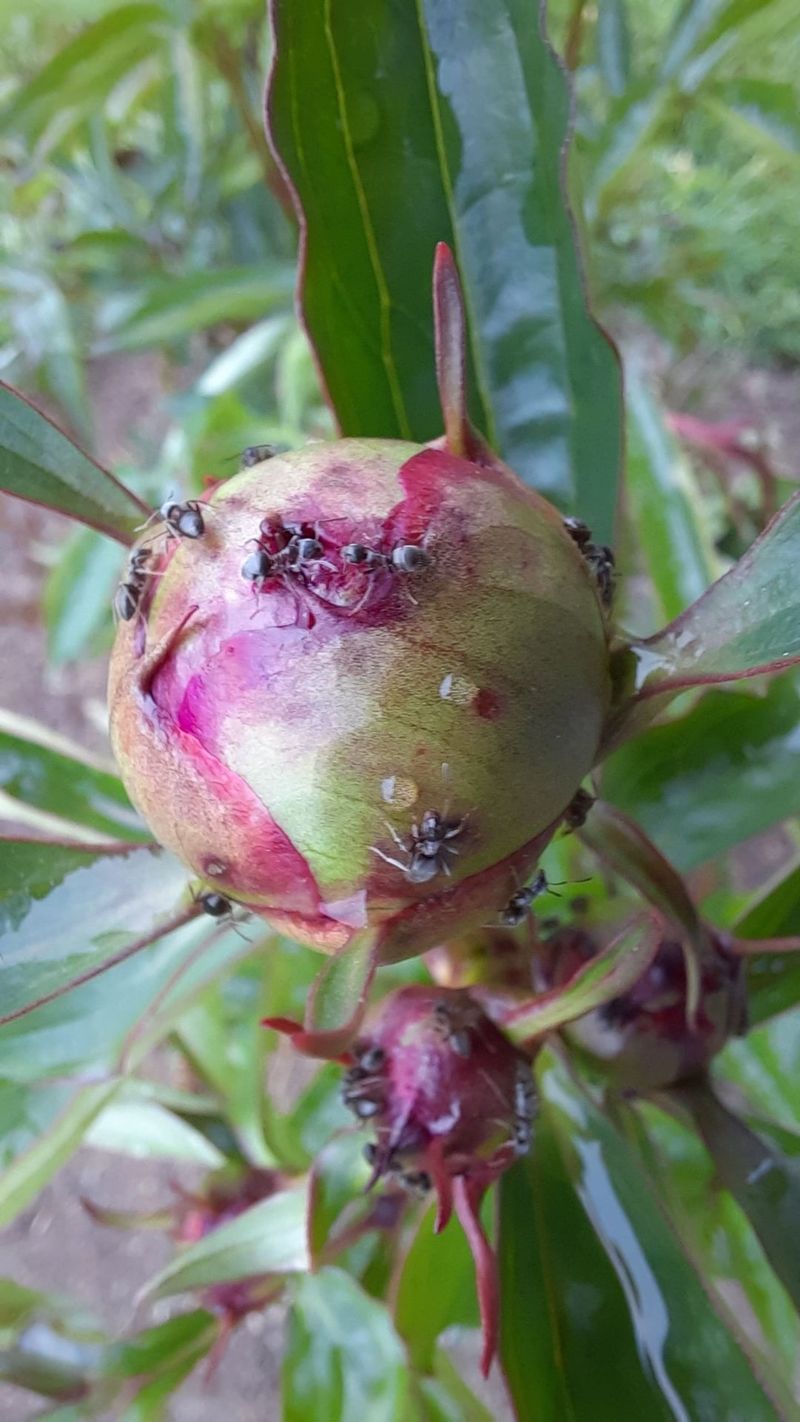
Ask any old-school gardener and they might tell you that peonies need ants to bloom. It is a story passed down through generations of backyard gardeners. It sounds reasonable, but it is simply not accurate.
Peonies bloom on their own schedule, driven by temperature, sunlight, and the plant’s internal biology. Ants have no role in triggering that process. Removing ants from your buds will not stop your flowers from opening.
The myth likely started because ants and blooms always appear together. When two things happen at the same time, people naturally assume one causes the other. That kind of thinking makes sense, but it leads to a wrong conclusion here.
Scientists call this correlation without causation. The ants show up because the buds are producing nectar. The buds produce nectar because they are about to bloom. The bloom happens regardless of whether the ants are present.
Some gardeners have tested this by keeping ants off their plants entirely. The flowers opened just fine. The peonies did not suffer from a lack of ant activity during the bud stage.
So if you have been gently coaxing ants onto your buds thinking it helps, you can relax. Your peonies are perfectly capable of handling their own bloom schedule.
The ants are welcome guests, but they are not the reason your garden looks stunning every June. That credit belongs entirely to the plant itself.
This Relationship Benefits Both The Ants And The Plant
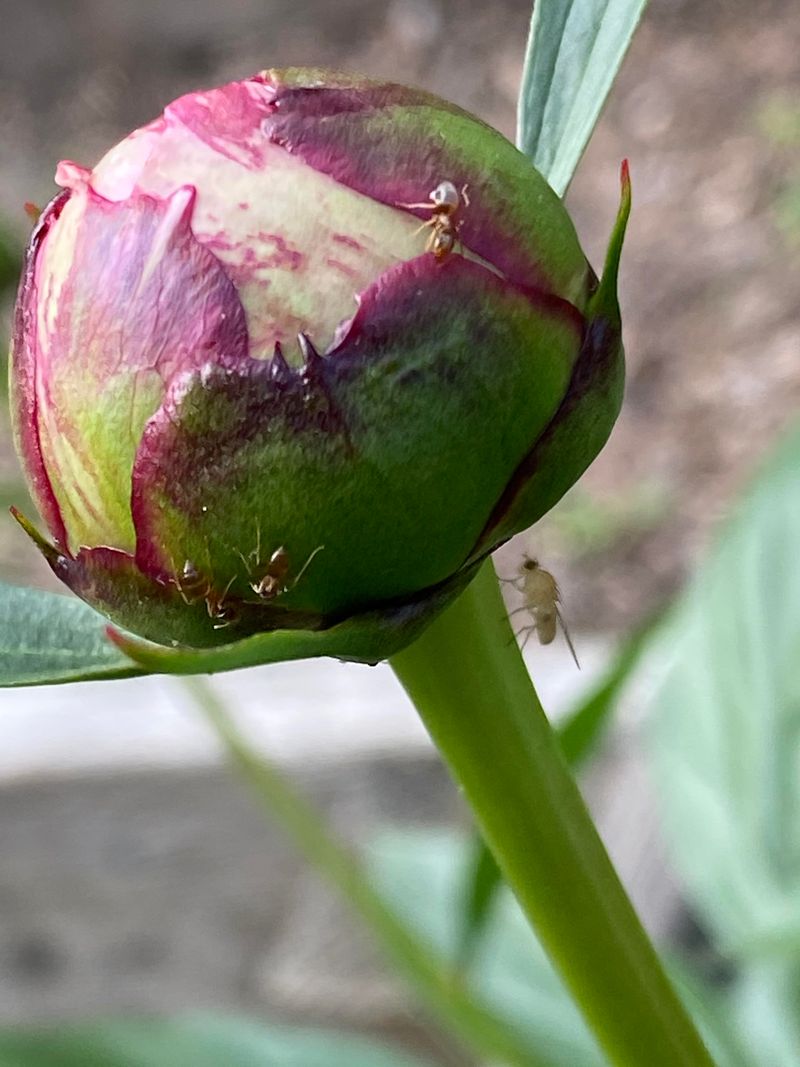
Nature rarely does anything for just one reason. The ant-peony relationship is a textbook example of mutualism, where two very different species help each other without even trying.
It works because both sides get something real out of the deal. Ants get a reliable, sugar-rich food source right when their colonies are growing fastest.
Spring is a high-demand season for ant colonies. Fresh nectar from peony buds gives them the fuel they need at exactly the right moment.
Peonies get a patrol team that keeps harmful insects away during one of their most vulnerable stages. A bud that has not yet opened cannot protect itself.
Having ants present during that window is genuinely useful for the plant. This kind of arrangement has developed over a long evolutionary history.
Plants that attracted protective insects survived longer and passed on their traits. Ants that found reliable food sources thrived and expanded their colonies. Both species got sharper over time.
Wisconsin gardeners benefit from this partnership too, even if they never notice it. Fewer pest-damaged buds mean more flowers. More flowers mean a more vibrant garden with less effort on your part.
You do not have to do anything to encourage this relationship. It happens on its own every spring, quietly and efficiently.
Watching it play out in your own backyard is a small reminder that ecosystems are constantly at work, even in a suburban flower bed.
Ants Naturally Move On After The Bloom
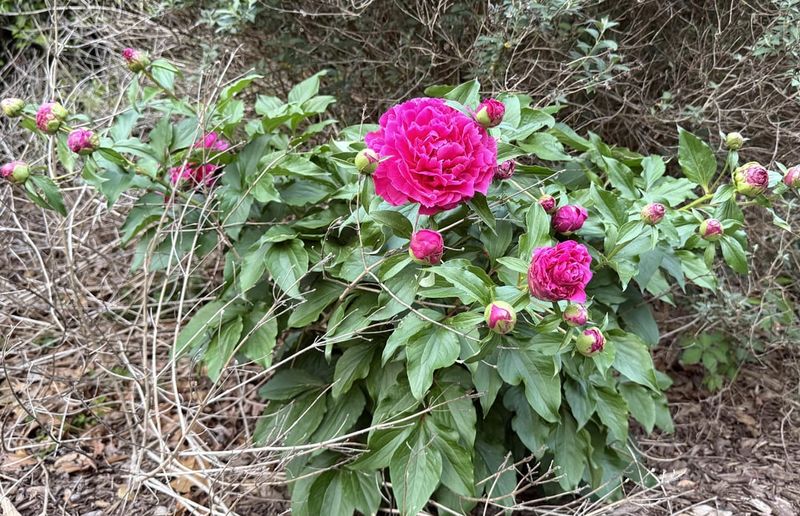
Once your peonies burst open into full bloom, something interesting happens almost overnight. The ants vanish. One day the buds are crawling with activity, and the next the flowers are wide open and quiet.
This is not a coincidence. When the flower fully opens, nectar production from the sepals drops sharply. The food source the ants came for is no longer available in meaningful amounts. So they move on without any drama.
Gardeners sometimes worry they did something wrong when the ants disappear. Maybe they used a spray or disturbed the plant. In most cases, the ants left simply because the job was done and the food ran out.
This natural exit works out well for anyone who wants to bring cut peonies indoors. Once the bloom is open and the ants have moved on, you can cut the stems without worrying about bringing a colony inside your home.
If you cut buds early and ants are still present, a gentle shake over the garden will knock them off. There is no need for sprays or chemicals. The ants are not harming your cut flowers in any way.
The whole cycle, from the first ant scout to the last bloom petal falling, is one of the most satisfying seasonal rhythms in a Wisconsin garden.
Ants on your peonies are not a problem to fix. They are a sign that your garden is alive, balanced, and doing exactly what it should.