Save Seeds From These Wisconsin Garden Favorites Now and You’ll Never Buy Them Again
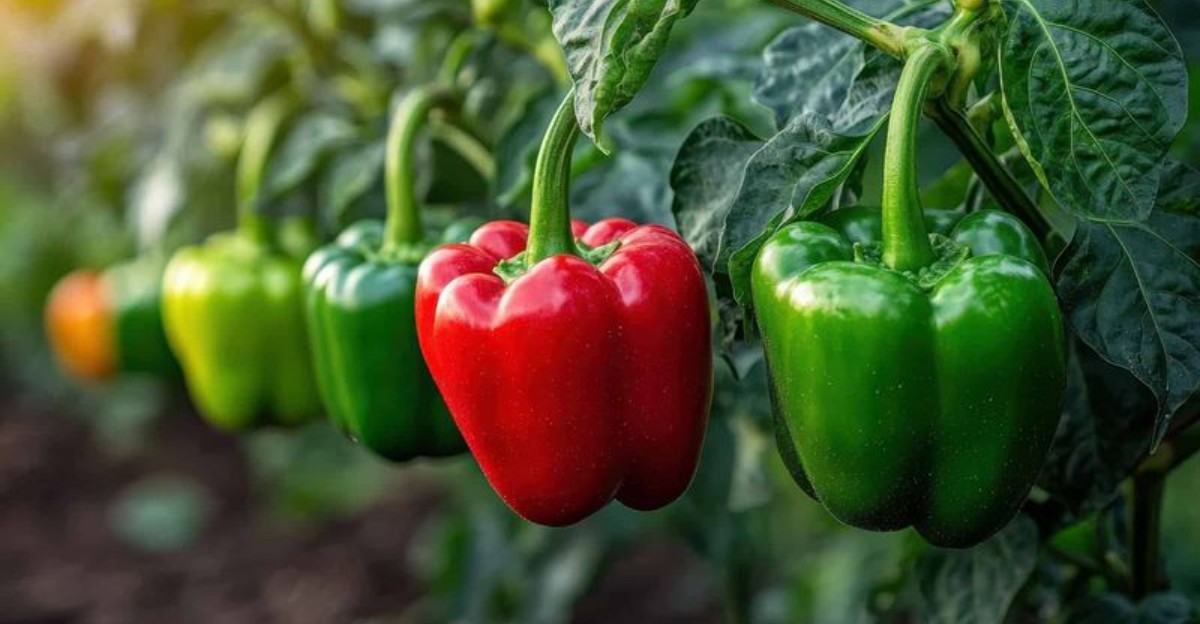
September brings crisp mornings and shorter days to Wisconsin, and your garden is quietly handing you free seeds for next year. As summer crops finish up, many plants are producing mature seeds that are ready to collect and store.
Learning to save seeds means you can grow your favorite varieties again without spending a dime, while helping those plants adapt to your local soil and weather. Here are seven garden favorites worth saving right now.
1. Tomatoes
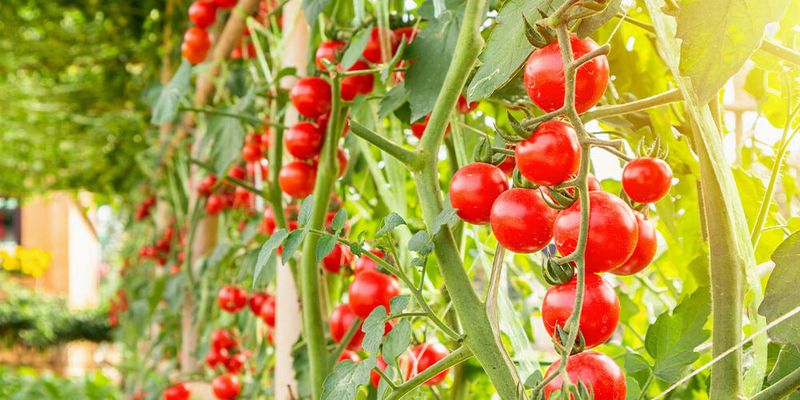
Nothing beats a homegrown tomato, and the seeds hiding inside your best fruit can give you that same flavor next summer. Pick tomatoes that are fully ripe, healthy, and even a little overripe from plants you loved this year in your Wisconsin garden.
Scoop the seeds and their slippery pulp into a glass jar, add a splash of water, and let the mixture ferment for two to five days at room temperature. That funky little process breaks down the gel coating that would otherwise stop the seeds from sprouting.
Pour off the floaters, rinse the good seeds in a fine strainer, and spread them on a glass plate or coffee filter to dry.
Give them about two weeks in a warm, airy spot, breaking up any clumps as they dry. Once they feel crisp, tuck them into a labeled paper envelope in a cool, dark place where they can last four to six years.
2. Green Beans
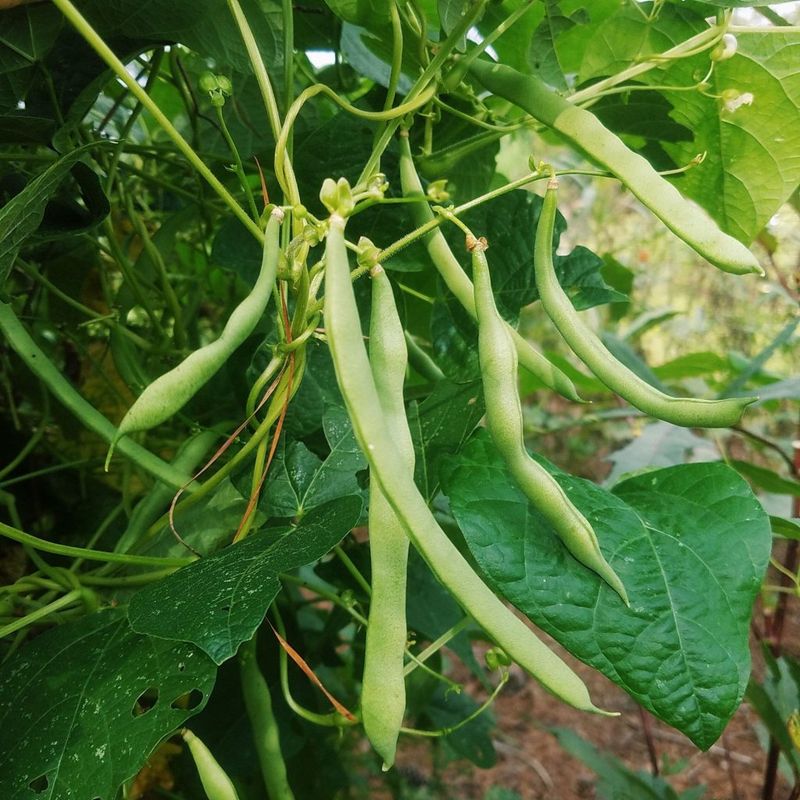
If you have never saved a seed in your life, green beans are the friendly place to start. They practically do the work for you, and they are one of the most forgiving crops for beginners across Wisconsin.
Leave the pods right on the plant until they turn pale, papery, and brittle enough that the seeds rattle inside. Once they are dry on the vine, shell them by hand and toss any beans that look moldy or off-color.
Spread the shelled beans on a baking sheet or screen and let them air dry indoors for another week to chase out every bit of moisture. Store them in airtight jars or breathable paper bags, labeled with the variety and date, in a cool, dark spot.
Properly kept bean seeds stay ready to plant for three to four years, so a single good harvest can carry you through several seasons.
3. Bell Peppers
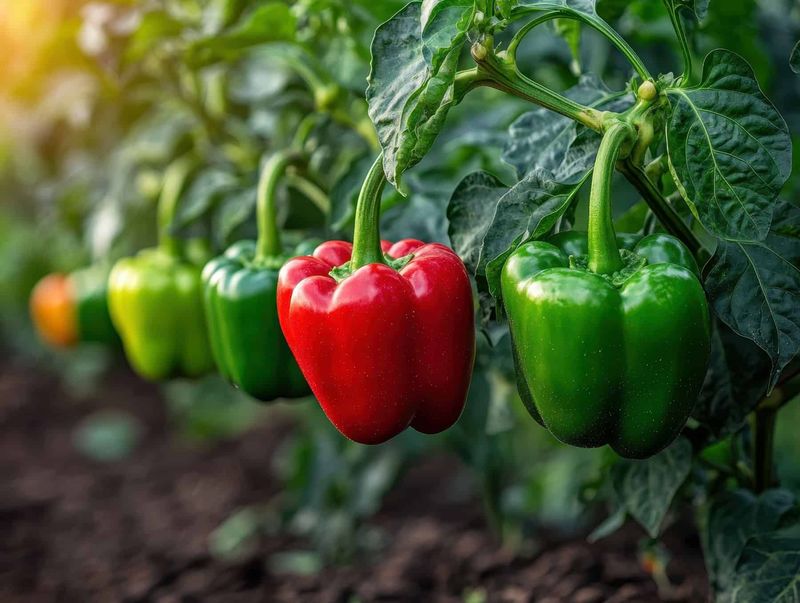
Bell peppers make seed saving almost too simple, since the seeds are right there waiting when you slice one open for dinner. The trick is patience: let a few peppers reach their full final color and even start to wrinkle a bit on the plant before you harvest them for seeds in your Wisconsin garden.
Cut the pepper open and gently pull the seeds off the central cone. If you happen to be working with hot peppers instead, slip on some gloves so you do not rub your eyes later and regret it.
Rinse the seeds in cool water and spread them out on a plate or screen for several days until they snap rather than bend. Want a quick viability check?
Your Wisconsin Garden Changes Every Week. Your Plan Should Too.
Gardening in Wisconsin changes quickly throughout the season. Every Friday you’ll receive a simple weekly plan showing exactly what to plant, prune, fertilize, harvest, and protect so you never miss the right timing.
Drop them in water, and the keepers usually sink. Store the dry seeds in a labeled envelope or airtight container somewhere cool and dark, where they hold for two to five years.
4. Marigolds
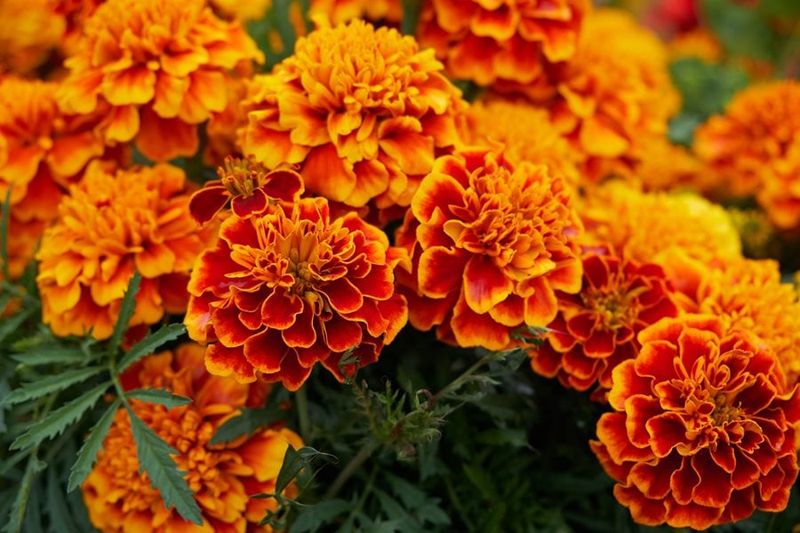
Bright, cheerful, and tough as nails, marigolds reward you with a whole handful of seeds from a single spent bloom. To set yourself up, stop deadheading a few of your best plants and let those flowers fully mature and dry right on the stem.
Harvest the flower heads once they have gone completely brown and feel papery to the touch. Pull apart the dried petals and you will find long, slender seeds, dark at one end and pale or brushy at the other.
Lay the seeds out on a plate or paper towel for a few days to a week so no hidden moisture leads to mold later. Store them in a labeled envelope in a cool, dark, dry spot, and you will have more marigold blooms than you know what to do with in your Wisconsin garden next year.
5. Zinnias
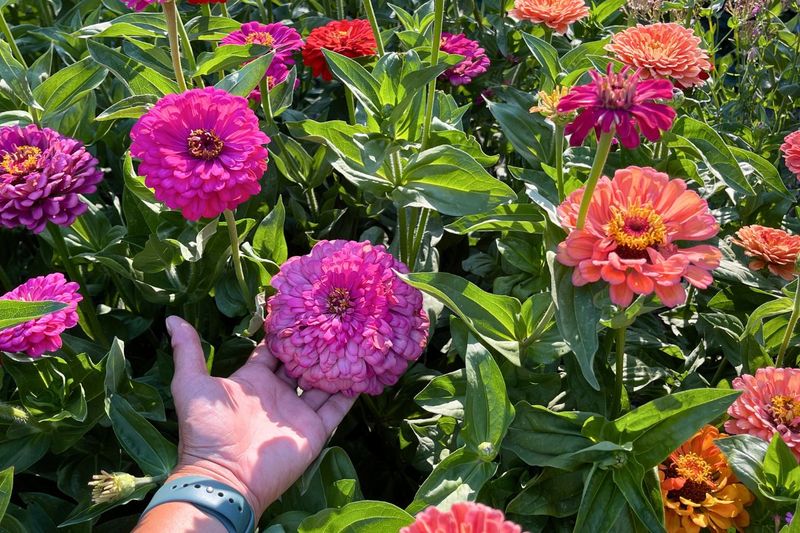
Zinnias bloom their hearts out all season, and come fall they hand you the seeds to do it all over again. Just wait until the flowers have faded, turned brown, and dried on the stem before you snip the heads off.
Crack open a dried head and you will spot flat, arrow-shaped seeds clinging to the base of the old petals. Pick them free from the crispy floral bits, which takes a little patience but goes quickly once you get the hang of it.
Spread the seeds in a thin layer on a plate or screen, out of direct sun, and let them dry for at least three weeks so they store without spoiling. Sealed in a labeled envelope in a cool, dark place, zinnia seeds can stay good for five years or longer, keeping your Wisconsin flower beds full for seasons to come.
6. Sunflowers
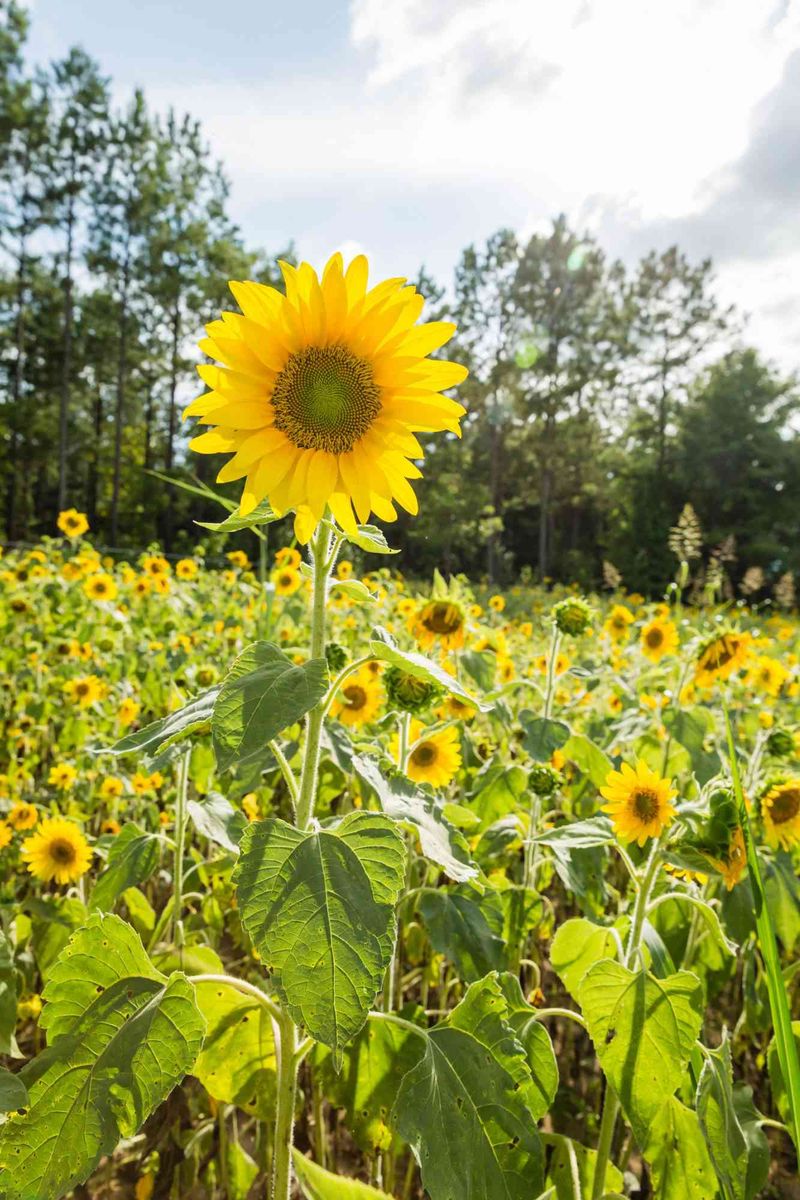
Tall and unmistakable, sunflowers put on a grand finale as their season winds down and their heavy heads begin to droop. That nodding pose, along with fading petals and a back that turns from green to yellow or brown, is your signal that the seeds are ready.
Birds love these seeds as much as you do, so consider draping the heads in cheesecloth a week or two before harvest to keep them from getting there first. Cut each head with about twelve to eighteen inches of stalk and hang them upside down in a warm, dry, breezy spot to finish drying.
Once the heads are crispy, rub or poke the seeds loose and clear away any leftover debris. Make sure the seeds feel firm and dry, then store them in a labeled paper bag in a cool, dry place, where they stay plantable for five or more years in your Wisconsin garden.
7. Dill
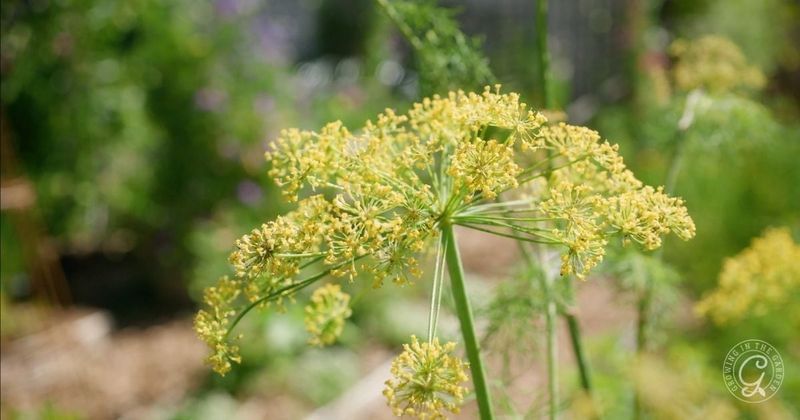
Dill does double duty, flavoring your pickles and then quietly offering up a generous crop of seeds. Watch for the flower umbels to dry out and turn brown on the plant, and try to catch them before the seeds start dropping on their own.
Snip the stems just below the umbels and hang them upside down inside a paper bag, or lay them on a screen to keep drying indoors. When they are fully dry, rub the seed heads between your hands or against a mesh screen to shake the seeds loose.
A gentle breeze helps winnow away the light chaff, or you can simply spread everything on a dry surface for about a week to finish. Store the dry seeds in a labeled envelope in a cool, dark spot, and they will keep for three to five years, ready to plant or flavor a batch of pickles from your Wisconsin garden.