How To Tell If Your Florida Lawn Is Beyond Saving Or Just Dormant Before You Replace It
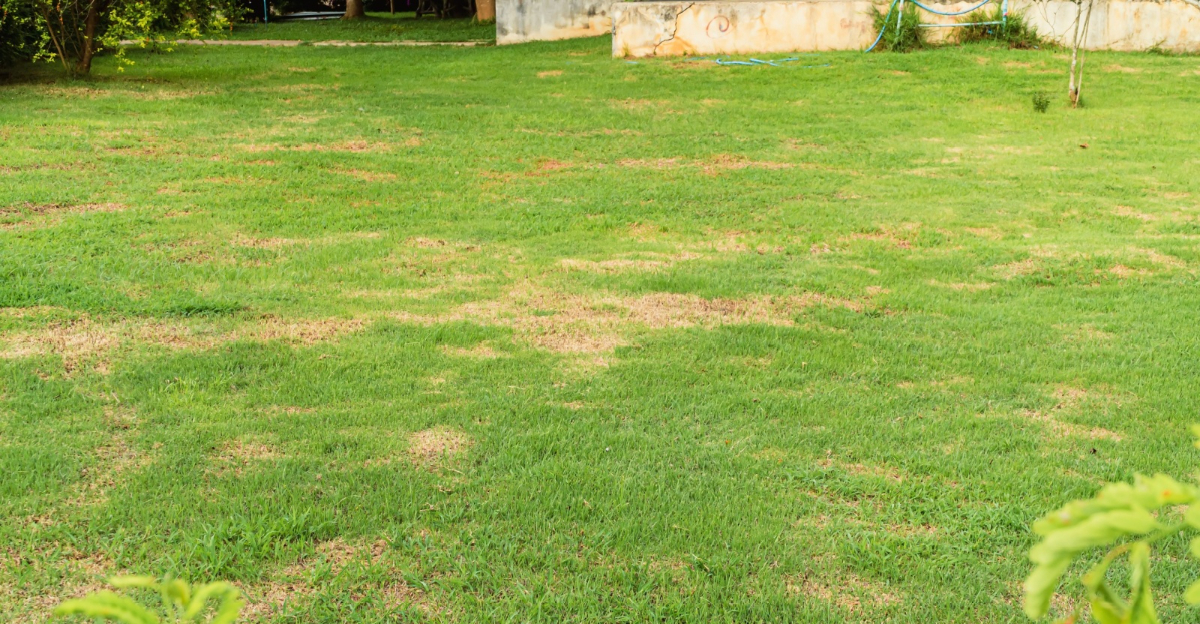
A brown lawn in a Florida summer is one of those problems that looks straightforward until you actually try to figure out what is causing it.
Is it drought stress? An irrigation issue? Insects working through the root zone? A fungal disease that moved in quietly during a stretch of wet afternoons?
The honest answer is that it could be any of those things, and the fix looks completely different depending on which one is actually happening.
Florida’s intense heat, uneven afternoon rainfall, and the wide variety of warm-season grasses grown here make browning one of the trickier lawn issues to diagnose without a closer look.
Some grasses go temporarily off-color during dry stretches and bounce back on their own.
Others are telling you something more serious is going on underneath. Knowing the difference before making any decisions can save a serious amount of time, money, and unnecessary work.
1. Your Grass Type Changes What Summer Browning Means
Not every Florida lawn reacts to summer stress the same way, and a lot of that comes down to which type of grass is actually growing in your yard.
Florida lawns may contain St. Augustinegrass, bahiagrass, bermudagrass, centipedegrass, or zoysiagrass, and each one handles heat and dry conditions a little differently.
Some species have stronger drought-dormancy mechanisms, while others may show stress sooner when moisture becomes limited. Knowing your grass type before jumping to conclusions can save you a lot of unnecessary worry and expense.
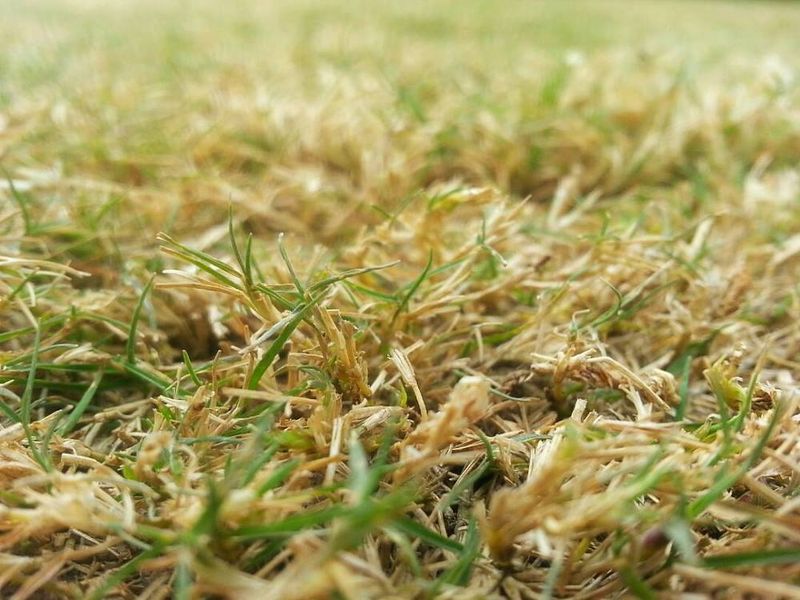
Bahiagrass, bermudagrass, centipedegrass, and zoysiagrass may temporarily reduce growth and lose some green color during extended dry spells, then gradually recover once rainfall or irrigation becomes more consistent.
That kind of color change is a stress response, not a sign that the grass is permanently damaged.
St. Augustinegrass, on the other hand, tends to need a closer look when it turns brown during summer.
Brown St. Augustinegrass may be dealing with drought stress, poor irrigation coverage, insect pressure, disease, root problems, or other site conditions that are not immediately obvious from the surface. Color alone does not tell the whole story.
Identifying your turfgrass species first gives you a much better starting point for figuring out what is actually happening and what, if anything, needs to be done about it.
2. Drought Can Turn Some Florida Lawns Brown
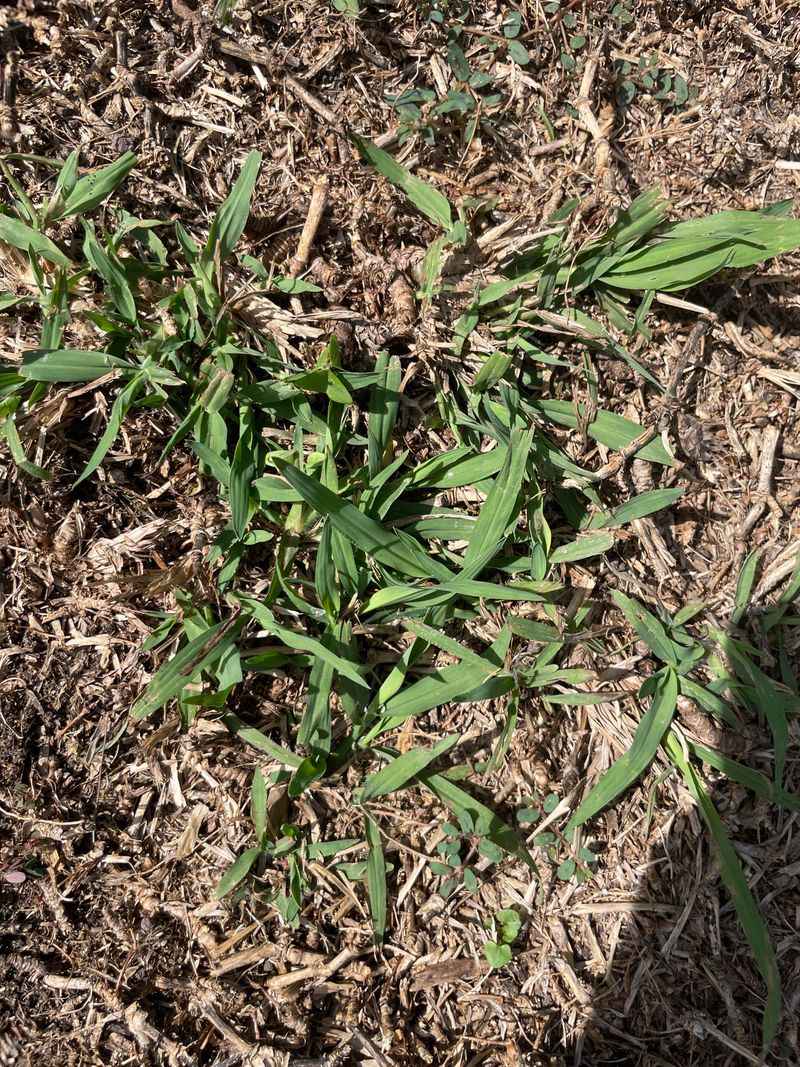
Florida summers can be relentless, with stretches of intense heat and little rainfall that push turfgrasses into a kind of stress response most homeowners are not expecting.
Extended dry conditions can cause some Florida turfgrasses to slow their growth, lose moisture through their blades, and shift from green to tan or brown.
This is not the same thing as winter dormancy caused by cool temperatures, and it does not mean the grass is gone for good.
Bahiagrass, bermudagrass, centipedegrass, and zoysiagrass are among the grasses that may temporarily brown during dry periods and resume normal growth once adequate moisture becomes available.
The crowns, stolons, and root systems of these grasses may still be alive even when the visible blades look dry and lifeless.
Your Florida Garden Changes Every Week. Your Plan Should Too.
Gardening in Florida changes quickly throughout the season. Every Friday you’ll receive a simple weekly plan showing exactly what to plant, prune, fertilize, harvest, and protect so you never miss the right timing.
St. Augustinegrass is generally less tolerant of prolonged drought stress and may need closer attention before assuming it will bounce back on its own.
It is worth keeping in mind that not every brown lawn in Florida is simply conserving moisture during a dry stretch. Some situations involve more than just a lack of rain.
Checking how long the dry period has lasted, observing whether the browning is uniform or patchy, and noting whether any green growth remains near the soil surface are all useful steps before drawing a conclusion about the overall health of your lawn.
3. Rain Or Irrigation May Bring Back Green Growth
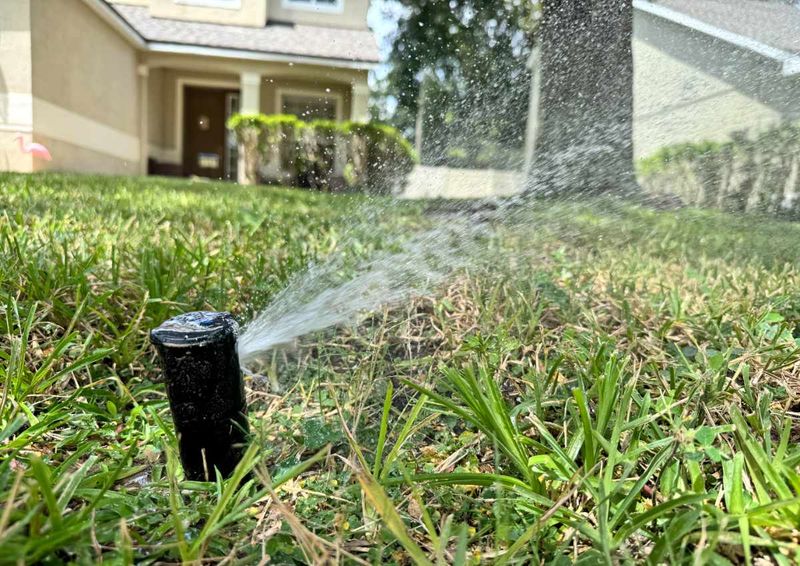
Watching your lawn respond to a good soaking rain can be one of the most telling signs of whether the grass is still capable of recovery.
When moisture becomes available after a dry period, turfgrasses with active crowns, stolons, rhizomes, or roots may begin pushing out new green growth within days.
Seeing that response – even if it is gradual or uneven across the lawn – suggests that at least some of the grass is still functioning.
Recovery after rain or irrigation is rarely instant or perfectly uniform. Some areas may green up faster than others depending on soil conditions, shade, traffic patterns, and how long the dry period lasted.
Gradual improvement is still a positive sign, but it does not automatically mean the entire lawn will fully recover without any additional attention.
Flooding the lawn to test whether it will green up is not a reliable or responsible approach, especially in Florida where local watering restrictions often apply.
Following guidance from your local extension resources and sticking to a schedule that fits those restrictions is a much smarter way to support recovery.
If parts of the lawn do not show any improvement after consistent and appropriate irrigation over several weeks, that lack of response may be worth investigating further rather than simply adding more water.
4. Uneven Brown Areas May Reveal Irrigation Gaps
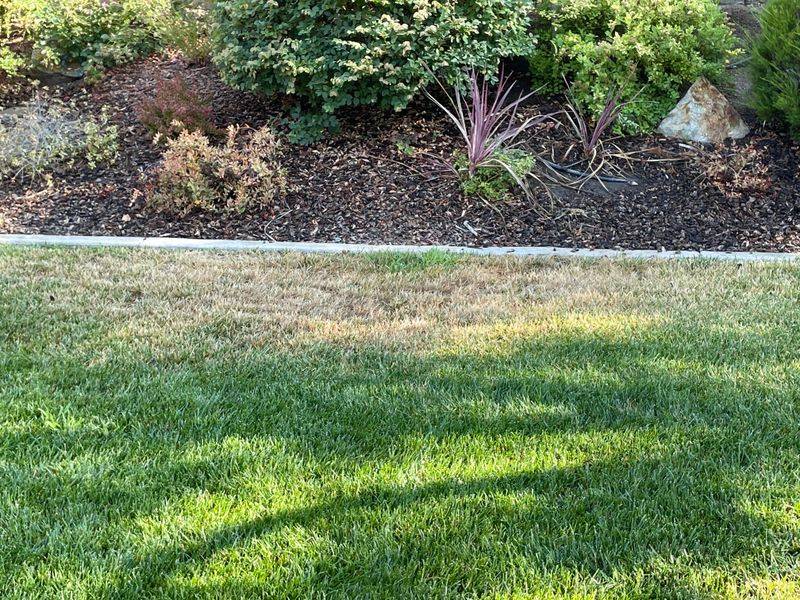
Patchy browning that follows a somewhat geometric pattern – or that appears consistently near sidewalks, driveways, or the edges of the yard – often has more to do with how water is being distributed than with the grass itself.
Irrigation systems that have clogged heads, tilted nozzles, blocked coverage zones, or broken components may leave certain areas without enough water while other zones receive plenty.
Over time, those gaps show up as dry, struggling grass.
One of the simplest ways to check for irrigation problems in your Florida yard is to watch each zone run through a full cycle and observe whether every part of the lawn is actually getting wet.
Sprinkler heads that are partially buried, knocked sideways by a lawn mower, or blocked by overgrown plants may not be delivering water where it needs to go.
Straight dry strips, arcs of brown grass, or consistently dry areas near pavement can all point to coverage problems rather than a grass health issue.
Before adjusting the entire irrigation schedule or increasing run times across the board, it helps to confirm that the system is actually working as intended. Fixing a single clogged or misaligned head may resolve browning that looked serious from a distance.
Increasing irrigation without checking coverage first can waste water, raise utility costs, and potentially create conditions that favor other lawn problems down the line.
5. Sunny Brown Patches May Point To Chinch Bugs
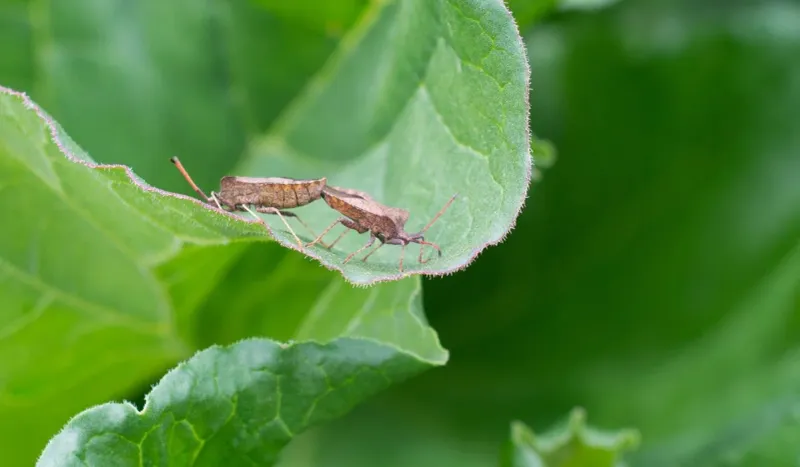
Southern chinch bug damage has a way of looking a lot like drought stress at first, which is part of what makes it tricky to diagnose without a closer look.
These small insects tend to concentrate in sunny, warm, water-stressed areas of St. Augustinegrass lawns, feeding on individual grass blades and causing patches that gradually expand outward.
The affected areas may start out yellow before shifting to a more complete brown as the damage progresses.
Chinch bugs are most commonly associated with St. Augustinegrass in Florida, and their activity tends to increase during the hottest and driest parts of summer.
Simply increasing irrigation in response to what looks like drought stress may not resolve the problem if chinch bugs are actually the cause.
Confirming the presence of insects before applying any treatment is an important step that can prevent unnecessary product use and help protect beneficial organisms in the lawn.
One way to check for chinch bug activity is to part the grass at the edge of a brown patch and look closely at the soil surface and lower stems for small insects. Adults are black with white wings, while younger insects may appear orange or red.
Seeing a consistent pattern of expanding sunny patches during summer, particularly in St. Augustinegrass, is a reasonable reason to inspect more carefully before concluding the problem is simply a lack of water.
6. Warm Wet Weather Can Encourage Lawn Disease
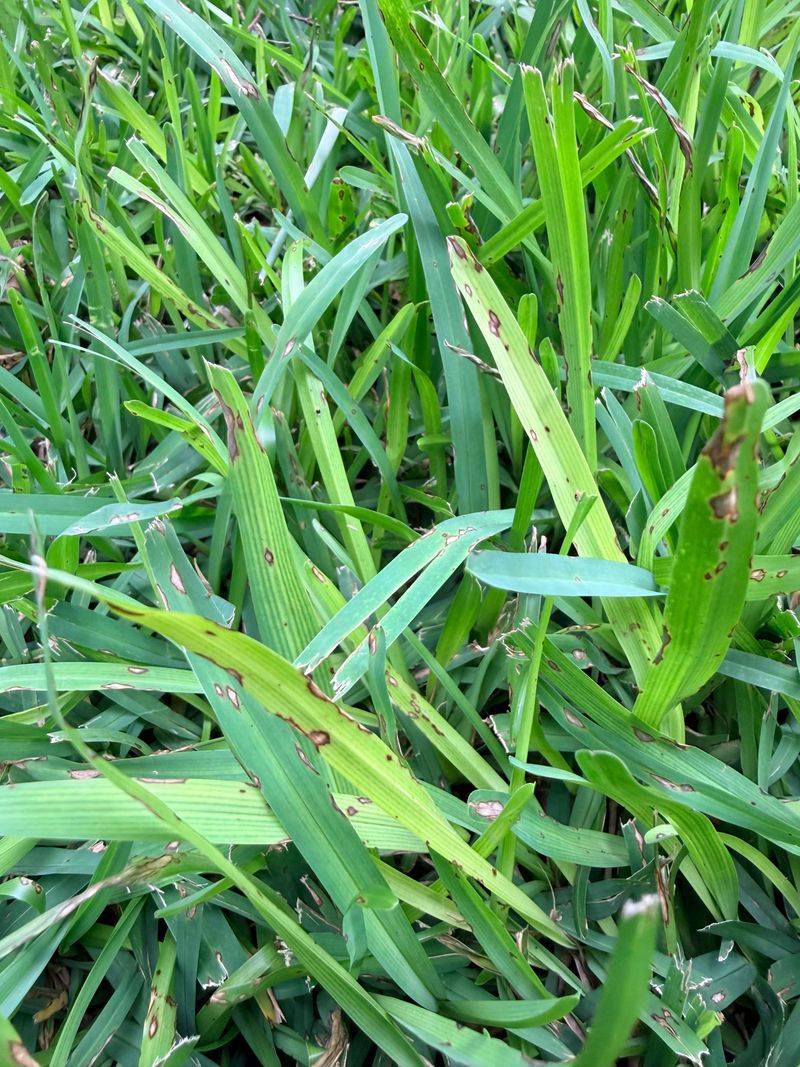
Florida’s warm and wet summer conditions create an environment where certain turf diseases can develop under the right circumstances.
Gray leaf spot is one disease that may affect St. Augustinegrass during periods of high humidity, frequent rainfall, and warm overnight temperatures.
It tends to show up as irregular spots or lesions on individual grass blades before spreading into larger areas of thinning or discolored turf.
Large patch is another disease that can affect several Florida turfgrasses, though it tends to be more active during cooler and wetter conditions rather than the hottest months of summer.
Not every disease is equally common during every season, so it helps to consider the time of year, recent weather patterns, and the specific symptoms you are seeing before assuming a particular disease is responsible.
Leaf spots, thinning areas, discolored patches, and poor drainage near affected zones may all provide useful clues.
Repeated irrigation late in the day, poor drainage, and excessive nitrogen applications can create conditions that may favor disease development.
Careful observation of how and where symptoms appear – whether they follow low spots in the yard, areas with poor air circulation, or zones with frequent evening moisture – can help point toward a disease-related cause.
Identifying symptoms carefully before reaching for a product is always the more responsible approach, and a misidentified problem can lead to treatments that do not actually help.
7. Leaf And Root Symptoms Help Identify The Problem
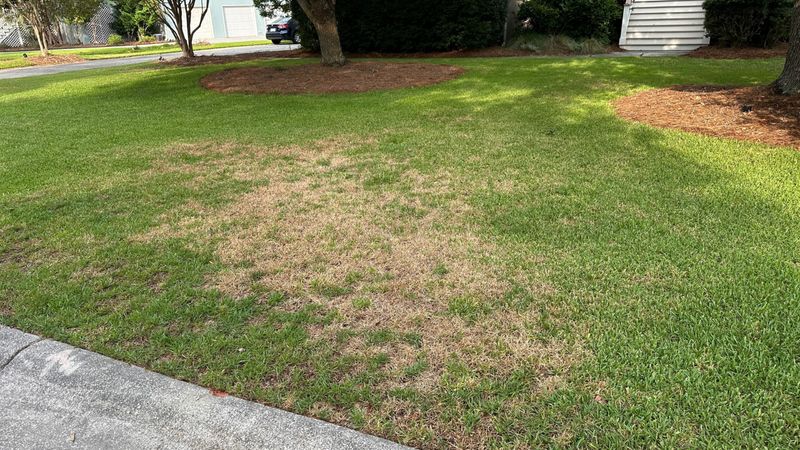
Getting down close to the lawn and actually examining the grass at the blade, crown, and root level can reveal a lot more than standing back and looking at the color from a distance.
Start by checking individual blades for spots, lesions, unusual discoloration, or anything that looks different from a healthy blade.
Spotting or irregular markings on the leaf surface may suggest a disease issue, while clean but dry-looking blades may point more toward a moisture or irrigation problem.
Examining the runners and crowns near the Florida soil surface is another useful step. Healthy stolons and crowns tend to be firm and greenish or white in color, while damaged or decayed tissue may appear brown, mushy, or dried out.
Gently lifting a small section of turf in a brown area and checking whether the roots are still attached and intact can provide additional information about what may be happening underground.
Turf that pulls away from the soil with little resistance may have root, insect, or disease problems worth investigating further, though one symptom on its own is rarely enough to confirm a cause.
Looking for insect activity, checking whether roots appear healthy or rotted, and noting whether nearby areas show similar patterns are all part of building a clearer picture.
Taking time to gather several observations together leads to a more reliable conclusion than relying on any single sign.
8. A Clear Diagnosis Should Come Before Replacement
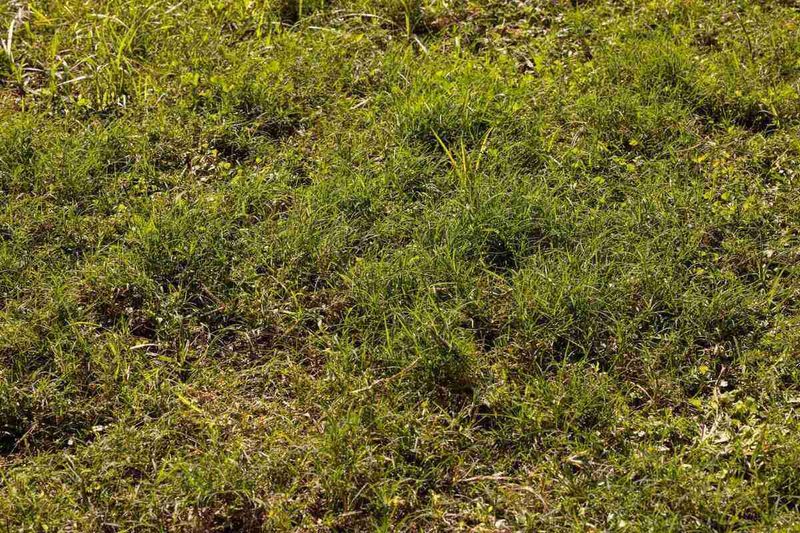
Replacing turf before understanding what caused the browning in the first place is one of the more common and costly mistakes Florida homeowners make.
If the original problem involved poor irrigation coverage, insect pressure, disease, drainage issues, or soil conditions that were never corrected, the same issue may affect the new grass just as quickly.
New sod or plugs installed into an unresolved problem rarely perform the way homeowners hope.
Before choosing a repair method, it helps to think through several factors at once.
Grass type, sun exposure, irrigation coverage, drainage patterns, soil conditions, foot traffic, and any history of insect or disease pressure all contribute to how well a lawn performs over time.
Selecting the right turfgrass for the specific conditions in your yard gives any new installation a much better chance of establishing and staying healthy.
When the cause of browning remains unclear after your own inspection, reaching out to a local UF/IFAS Extension office can be a genuinely helpful next step.
Extension offices can often assist with identification, answer questions about Florida-specific lawn conditions, and point you toward reliable guidance for your area.
Submitting a sample when symptoms are difficult to identify, or consulting a qualified lawn professional, may also help clarify the situation before any money is spent on replacement materials or installation.