The Meaning Behind Seeing More Fireflies Than Usual In Your Ohio Yard This Summer
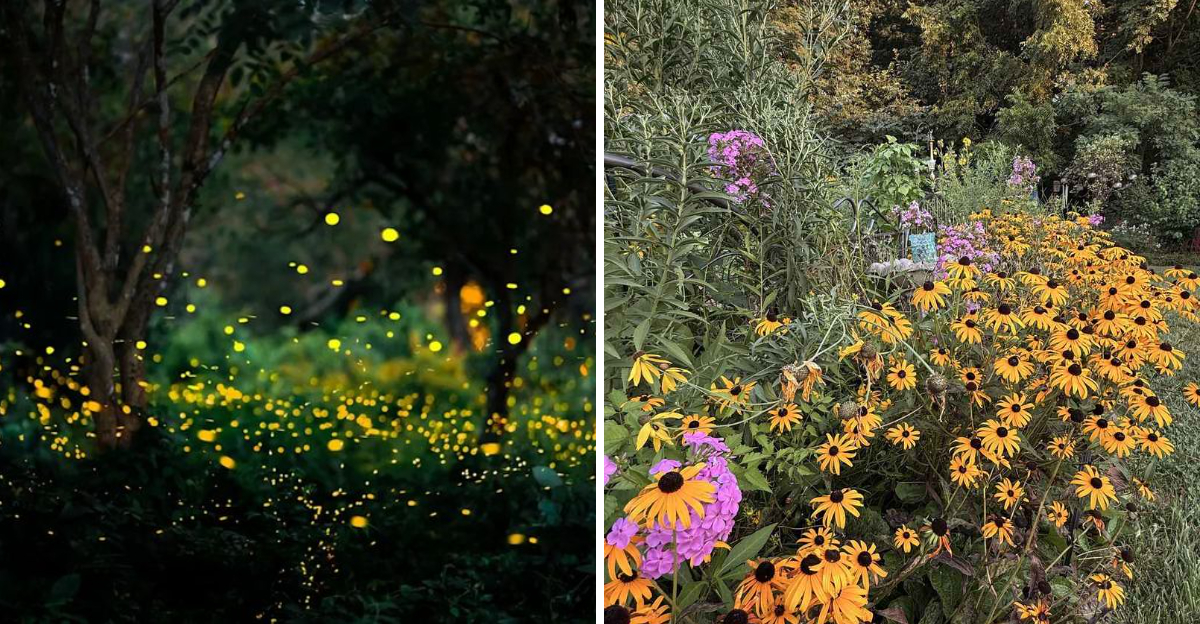
A backyard full of fireflies stops people mid-conversation. One or two blinking across the Ohio lawn is a summer moment.
A yard that suddenly has more than anyone can remember is something else entirely. It tends to prompt a question the spectacle itself does not answer.
Why here. Why this summer. Why more. Fireflies do not surge randomly.
A yard producing an unusually high display is doing something specific right. That something is measurable, ecological, and worth understanding beyond the visual payoff.
Soil moisture, ground level habitat, plant coverage, and the absence of certain lawn practices all factor into firefly density in a given yard. A surge in numbers is feedback.
The yard has crossed a threshold that firefly larvae found worth responding to. What that threshold looks like, and how a yard crosses it, is a more interesting story than the light show suggests.
1. Read The Extra Glow As A Habitat Clue
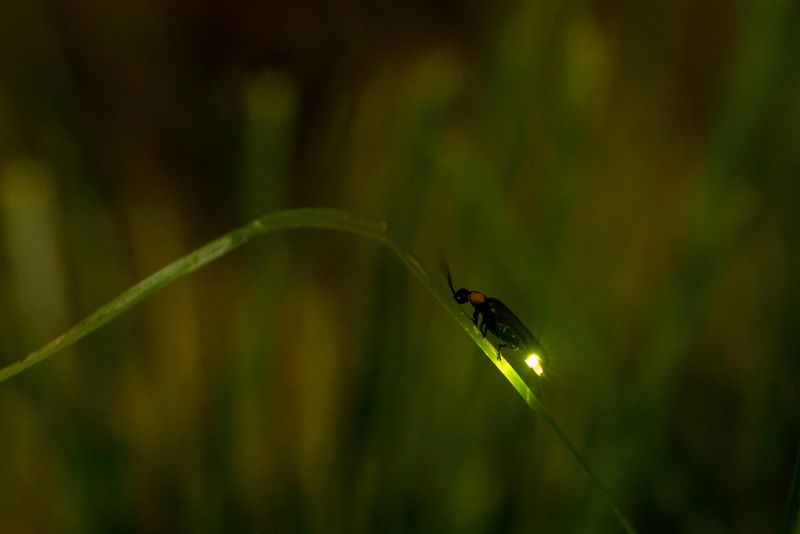
A yard suddenly blinking with more fireflies than last year is not random. Fireflies are beetles, not true flies, and they are sensitive to habitat conditions around them.
Seeing more of them can suggest that your yard has some of what they need right now.
Darkness, moisture, shelter, and low pesticide exposure may all play a role in making a yard more welcoming to these insects. OSU Extension resources note that fireflies tend to appear near moist, sheltered areas with ground-level cover.
That means noticing where the flashes appear matters.
Watch for blinks near taller grass edges, shrubs, damp low corners, or leaf litter patches. Those spots may be offering the shelter and hunting ground fireflies prefer.
A darker part of the yard away from strong porch or path lighting may also show more activity.
Keep in mind that more fireflies do not prove the property is a perfect ecosystem. Weather, emergence timing, and nearby habitat also shape what you see on any given night.
Read the extra glow as a hopeful clue, not a guaranteed report card. It is a signal worth exploring with curiosity and a little careful attention to what your yard is quietly offering this summer.
2. Thank Moist Soil For A Better Firefly Summer
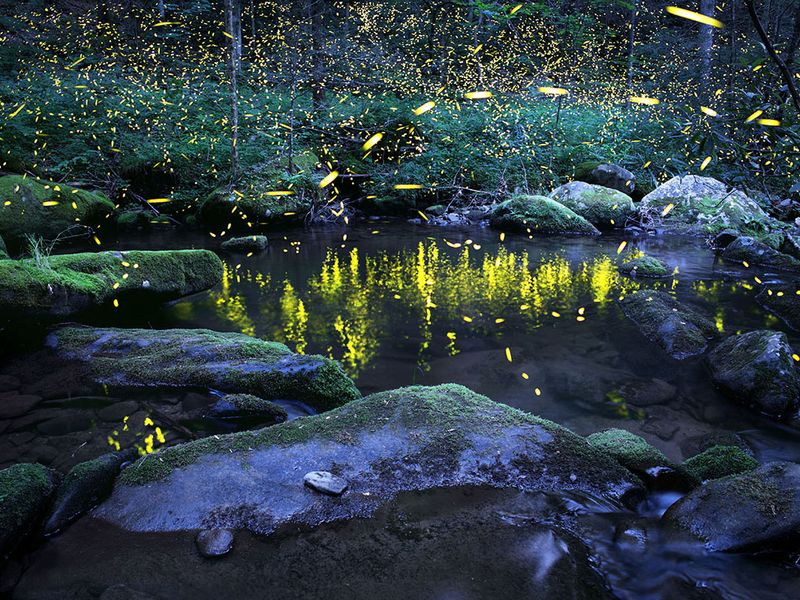
After a rainy stretch in June or a week of humid Ohio evenings, something shifts in the yard. The soil stays damp longer, and the low corners hold moisture that dries out in hotter, drier summers.
Fireflies notice that difference.
University extension sources describe fireflies as insects that are often associated with moist, sheltered habitats at ground level. Larvae live in the soil and leaf litter for one to two years before becoming adults.
Dry, compacted, or heavily drained ground can make those early life stages harder.
Protecting naturally moist areas in the yard can support firefly development over time. Avoid over-draining every low corner or filling in every damp patch with gravel.
Native plants and organic mulch help retain soil moisture while supporting the small invertebrates that firefly larvae eat.
You do not need to create standing water or soggy zones that invite mosquitoes. The goal is simply to avoid stripping every bit of moisture from the landscape.
Your Ohio Garden Changes Every Week. Your Plan Should Too.
Gardening in Ohio changes quickly throughout the season. Every Friday you’ll receive a simple weekly plan showing exactly what to plant, prune, fertilize, harvest, and protect so you never miss the right timing.
Even a small shaded bed with consistent dampness can matter. If your yard held moisture better this summer because of rainfall or smarter watering habits, that may be part of why the firefly count looks higher on warm evenings.
Soil life and firefly life are more connected than most people realize.
3. Notice Where Darkness Lets Signals Shine
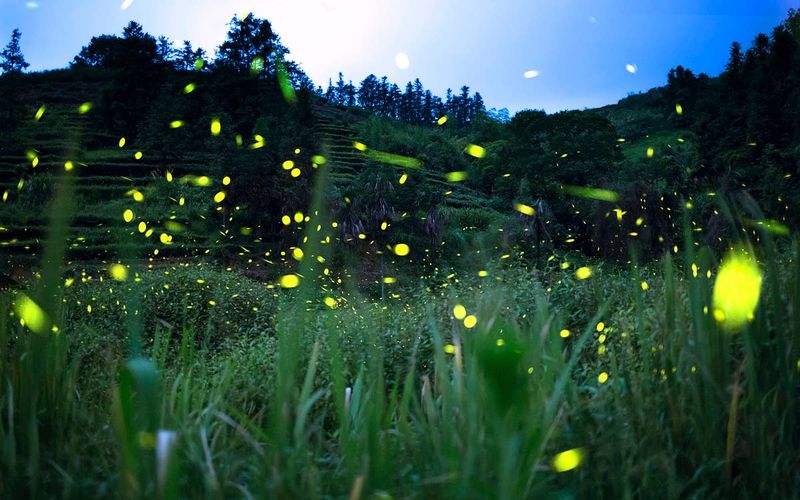
A porch light clicking off can change everything for a firefly trying to find a mate. These beetles rely on precise light signals to communicate, and strong artificial lighting can wash out those flashes or disrupt the timing of their responses.
Xerces Society guidance notes that light pollution is a recognized concern for firefly populations. When background light is too bright, males and females may struggle to see each other’s signals clearly.
That interference can reduce mating success over time.
Turning off unnecessary porch lights, garage floods, path lights, and landscape uplights during peak firefly viewing hours can help. Peak activity for many species runs roughly from dusk to around ten at night during summer months.
Timers or motion sensors can keep safety lighting available without leaving it on all evening.
Shielded fixtures that direct light downward rather than outward reduce sky glow and side scatter. Even choosing a lower-intensity warm-toned bulb over a bright white LED can soften the impact.
You do not need to sacrifice safety to help fireflies. Even one darker corner of the yard can make a difference.
If you have noticed more firefly activity near the shadier or less-lit side of your property, light levels are likely part of the reason. Darkness is not empty.
For fireflies, it is the stage.
4. Look For Leaf Litter Shelter And Taller Edges
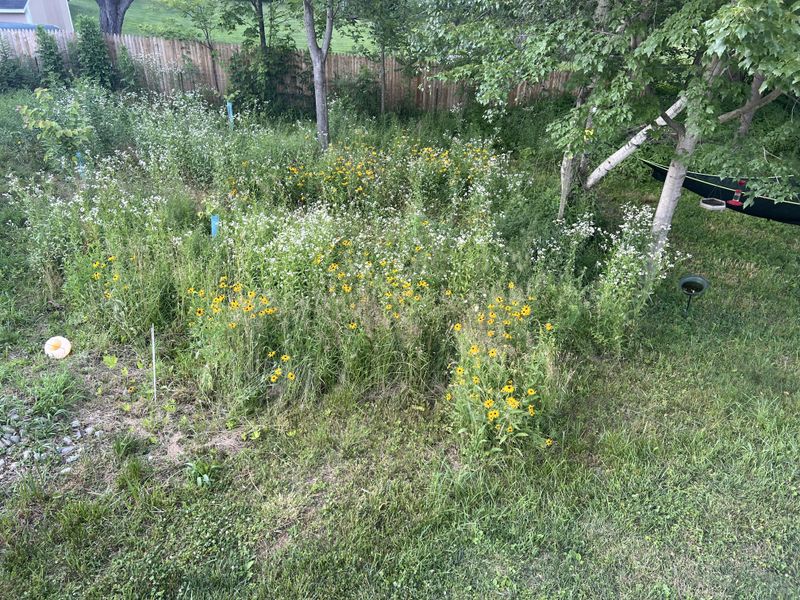
Somewhere between the tidy lawn and the wild hedgerow, fireflies find their favorite spots. A small intentional edge left a little wilder than the rest of the yard can offer the shelter that both larvae and adults rely on through the season.
Entomology resources explain that firefly larvae live in moist soil and leaf litter, where they hunt soft-bodied prey like worms and snails. Adults also rest in low vegetation during the day before emerging at dusk.
Ground-level cover and undisturbed edges support both life stages.
Leaving some fallen leaves in low-risk Ohio garden beds or along a back fence line can help. A small strip of taller grass or native wildflowers at the yard’s edge provides resting cover without turning the whole property into a tangle.
High-use areas like patios, paths, and play zones can stay as tidy as you need them.
The key is choosing one or two spots where cleanup is less aggressive. Raking every corner bare and bagging every leaf removes the habitat structure fireflies depend on.
You do not need a wild backyard to make a difference. A modest leaf-litter border or a low-mow strip along the fence may be exactly what is drawing more beetles to your yard this summer.
Small choices in yard structure can add up quietly.
5. Skip Pesticides Where Fireflies Hunt And Rest
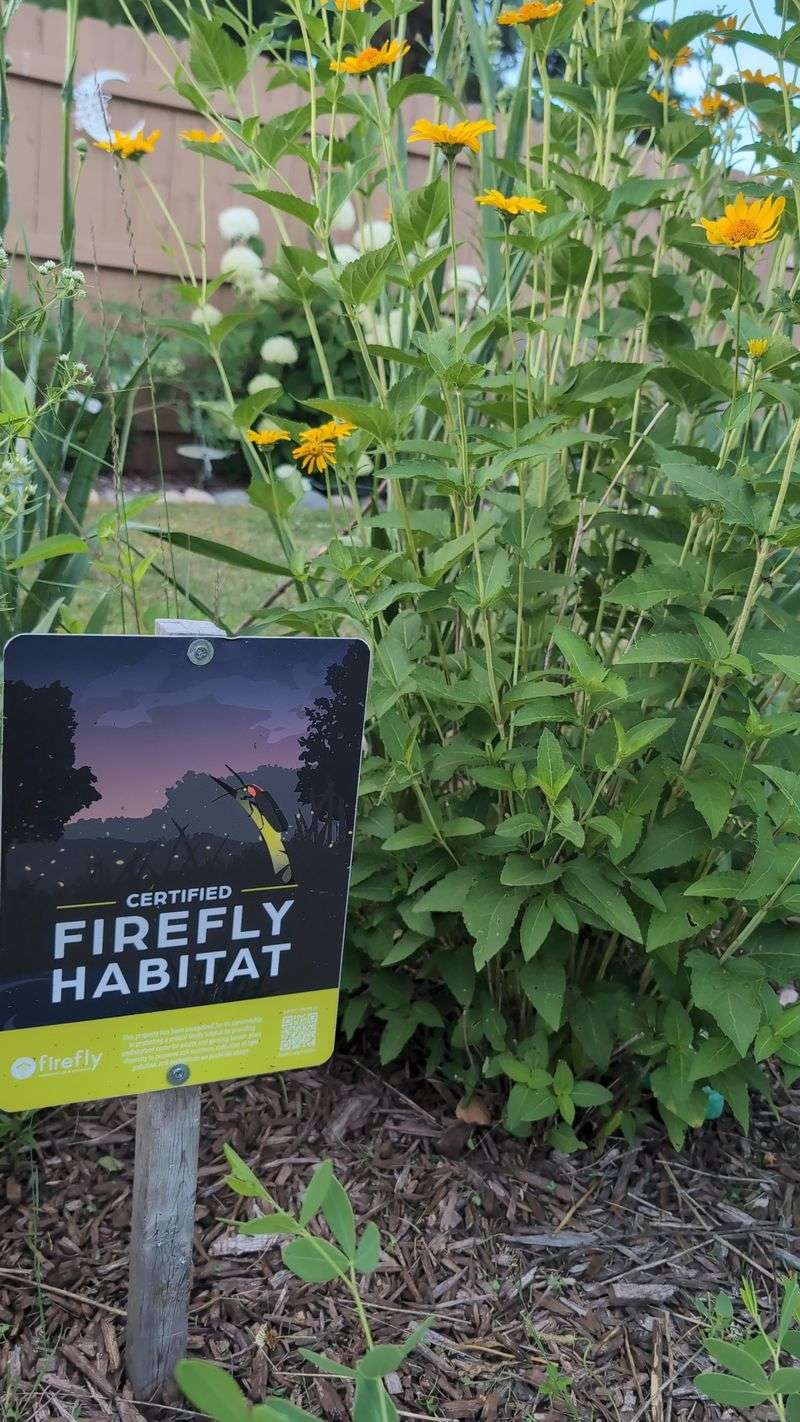
Broad insecticide applications do not distinguish between pests and beneficial insects. When a lawn or garden bed gets treated with a general-use spray, fireflies can be affected too.
They may be resting in grass, hunting in leaf litter, or developing in soil.
Conservation guidance warns that insecticides, including some commonly used lawn treatments, can harm beetles and other non-target insects directly.
Pesticides can also reduce the small invertebrates that firefly larvae eat, making the soil a less productive place for them to grow.
Avoiding broad insecticide use in lawns, garden beds, and leaf-litter zones gives fireflies a better chance. Integrated pest management, or IPM, focuses on using the least disruptive option when a real pest problem must be addressed.
Reading the label carefully and treating only the affected area reduces the impact on surrounding insect life.
If a serious pest issue requires treatment, timing matters. Applying products in early morning or late evening can reduce unintended harm.
So can avoiding bloom time and choosing targeted options over broadcast sprays. A yard that has gone lighter on pesticide use this season may be one reason more fireflies are appearing now.
Protecting the places where they hunt, rest, and develop is one of the most direct things an Ohio homeowner can do to support a better firefly summer.
6. Know More Flashes Do Not Mean More Magic
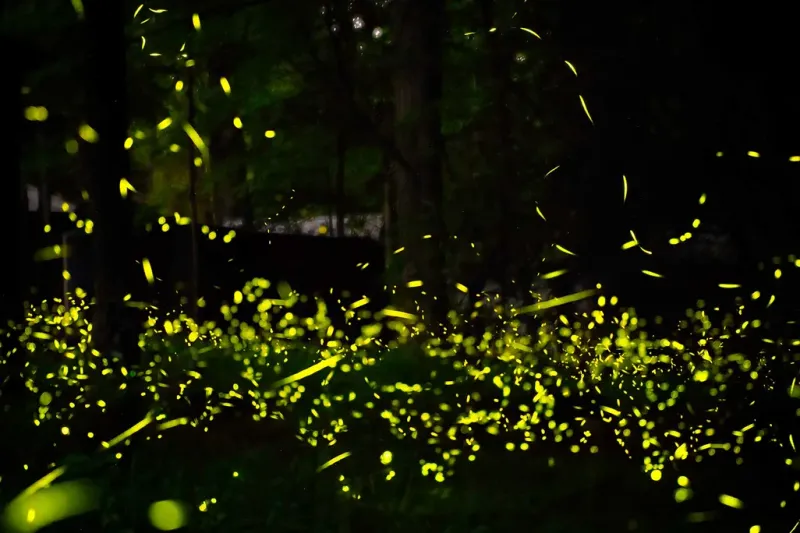
Counting more fireflies than usual on a July night feels like something worth celebrating, and it is. But the glow is not a lucky omen, a supernatural message, or proof that the whole neighborhood ecosystem has healed itself overnight.
Adult fireflies are active for only a few weeks during the summer. A big display on one evening may simply reflect peak emergence timing for a local species rather than a lasting population boom.
Weather patterns, humidity, and temperature can push many adults to emerge and flash on the same night, creating a spectacular show that fades quickly.
Reading the pattern as a habitat and timing clue is more useful than treating it as magic. Ask where the flashes are concentrated, what the weather has been like, and whether anything changed in that part of the yard this year.
Those observations carry more meaning than the emotional rush of a big display.
Folklore around fireflies is genuinely lovely, and the nostalgia many people feel watching them is real and worth honoring. Tying that feeling back to habitat awareness gives it staying power.
The glow is worth more as a reminder to protect conditions than as a sign of luck. More flashes may mean a good night for firefly signals.
What you do with that observation is what actually matters for the seasons ahead.
7. Protect The Yard Conditions That Brought Them Back

More fireflies than last summer is a reason to look back at what changed. Did you mow less aggressively along one edge?
Skip a pesticide application? Leave the back corner leaves in place through spring?
Water more consistently near the garden bed? Small shifts in yard care can create noticeable differences in insect activity.
Keeping a simple observation habit through summer helps connect the dots. Writing down the date, the weather, roughly how many fireflies you saw, and where they appeared takes only a few minutes.
Over two or three seasons, those notes can reveal patterns that even a careful observer might miss in the moment.
Ohio Department of Natural Resources guidance encourages residents to pay attention to wildlife activity in their own yards as part of broader habitat awareness.
Your backyard data, even informal notes, adds to your understanding of what local conditions support.
Do not assume the same firefly count will return automatically next year. Numbers shift with rainfall, temperature, surrounding land use, and species cycles.
What you can control is whether the conditions that seemed to help this summer stay in place. Protect the moist corners, keep the darker edges, hold back on unnecessary sprays, and maintain some ground-level shelter.
Consistency in those choices gives fireflies a better chance of finding your yard welcoming summer after summer.
8. Let A Brighter Summer Change Your Night Garden
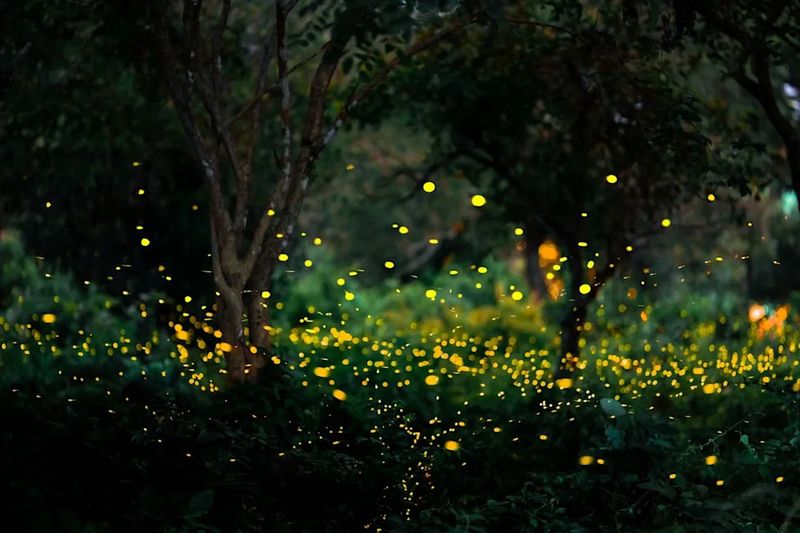
A summer full of extra firefly sightings can shift the way you think about the yard after dark. The night garden is not just a backdrop.
It is an active habitat, and the choices made during the day shape what lives and moves through it after dusk.
Keep some dark areas free from unnecessary lighting, and protect moist ground-level shelter. Plant diverse native vegetation and mow less aggressively in chosen spots.
These practical steps cost little and give a lot back. Watching fireflies quietly from the porch without disturbing them is itself a form of stewardship.
Xerces Society guidance encourages habitat-minded yard management as one of the most accessible ways individuals can support beneficial insect populations. You do not need a large property or a formal pollinator garden to make a difference.
Thoughtful choices in a small yard can add meaningful habitat in a neighborhood that might otherwise offer very little.
Firefly numbers will rise and fall from year to year based on weather, surrounding land use, and species cycles. No single yard decision in Ohio guarantees a bigger show next summer.
But consistent habitat-friendly choices give these beetles a better chance of returning. More flashes over the yard this summer may be the simplest reminder that the yard is still part of the living night, and that the living night is worth protecting.