What Georgia Peach Trees Need Once The Summer Harvest Is Over
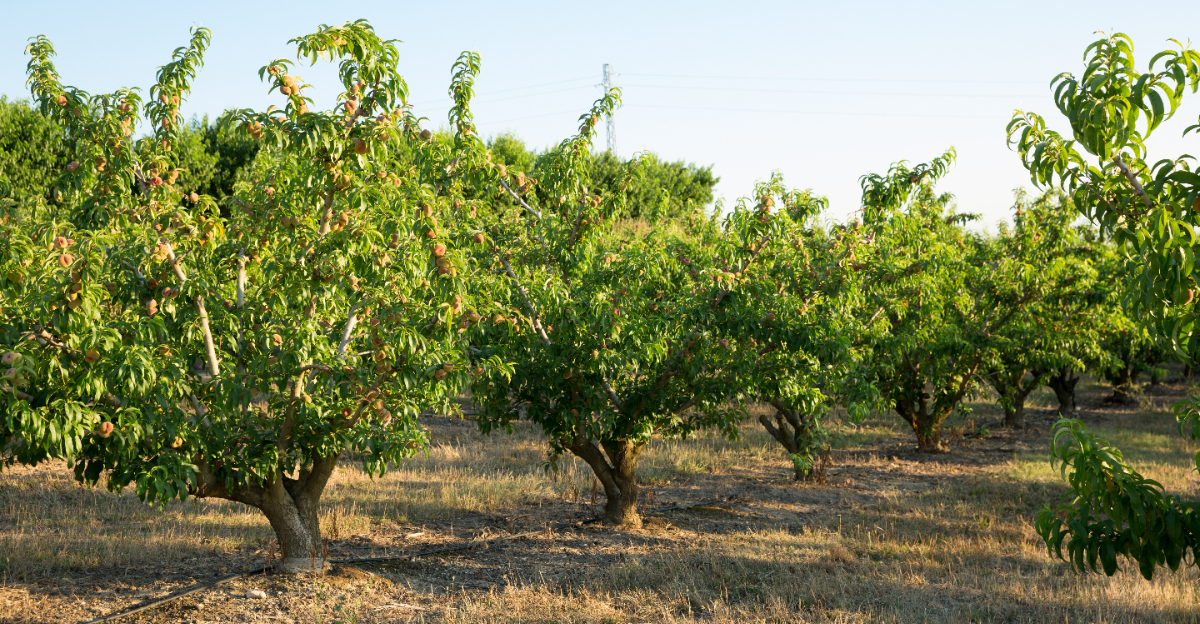
Picking the last peach from the tree feels like the finish line, but your job is not over yet. What happens next can shape how your tree grows, rests, and prepares for another season.
Many yards look quiet after harvest, making it easy to think there is nothing left to do. Georgia peach trees, however, keep changing long after the fruit is gone.
Paying attention now can help you avoid overlooking an important part of the growing cycle.
Before you move on to other garden projects, give your tree another look with fresh eyes.
The weeks after harvest deserve just as much attention as the weeks leading up to it. Once you understand why, you will never look at a freshly picked peach tree the same way again.
1. Water During Long Dry Periods
Dry spells after harvest can quietly weaken a peach tree more than most people realize. Roots are still active long after the fruit is gone.
Without enough moisture, the tree struggles to store the energy it needs for next year.
Late summer and early fall in the Southeast can bring stretches of dry, hot weather. If rain has not fallen in two weeks or more, your tree likely needs water.
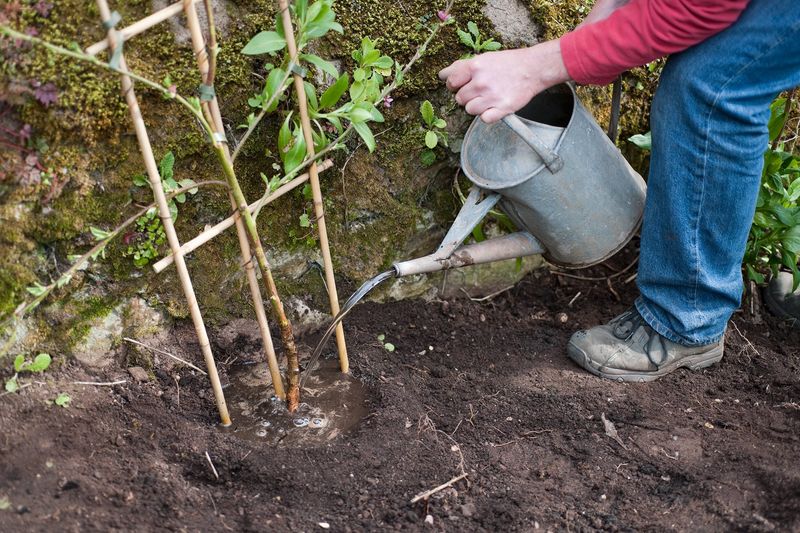
A slow, deep soak works better than a quick surface rinse.
Aim to wet the soil at least 12 to 18 inches deep. Shallow watering encourages surface roots that are more vulnerable to temperature swings.
Deep watering pushes moisture down where the roots can actually use it.
Drip irrigation or a soaker hose placed around the drip line works well. Avoid spraying water directly on the trunk or leaves, especially in humid conditions.
Wet foliage in warm weather can invite fungal problems.
Young trees need more consistent moisture than established ones. A tree planted within the last two or three years has a smaller root system and dries out faster.
Check the soil at root depth before assuming the tree is fine.
Cut back watering gradually as temperatures drop and the tree begins to go dormant. Overwatering during that transition period can cause its own set of problems.
2. Add A Fresh Layer Of Mulch
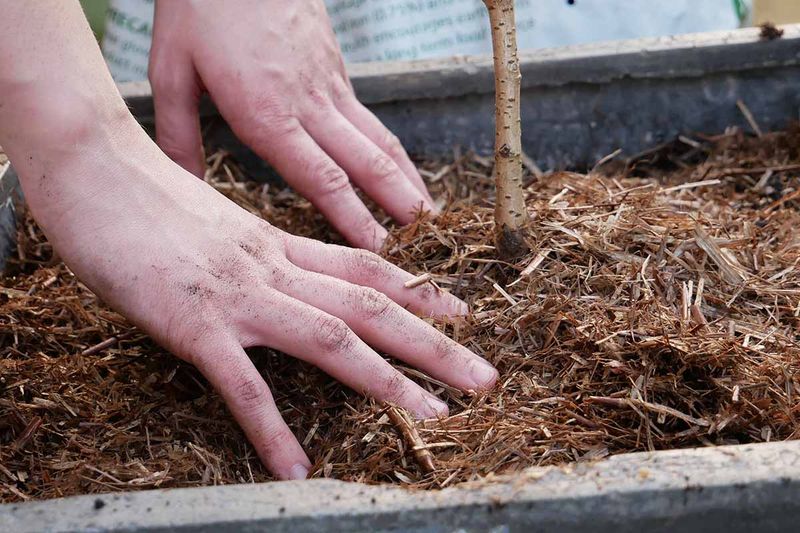
Bare soil around a peach tree is a missed opportunity. A good layer of mulch does several things at once, and most of them matter a lot heading into fall.
Mulch slows moisture loss from the soil. It also moderates soil temperature as the seasons shift.
That buffer helps roots stay comfortable during the swings between warm days and cool nights that are common in Georgia during autumn.
Spread mulch two to four inches deep around the base of the tree. Start a few inches away from the trunk and extend it out to the drip line if possible.
Piling mulch directly against the bark can trap moisture and create conditions where bark problems develop.
Wood chips, pine straw, or shredded leaves all work well. Pine straw is especially common in the Southeast and breaks down at a manageable rate.
Your Georgia Garden Changes Every Week. Your Plan Should Too.
Gardening in Georgia changes quickly throughout the season. Every Friday you’ll receive a simple weekly plan showing exactly what to plant, prune, fertilize, harvest, and protect so you never miss the right timing.
Avoid using fresh grass clippings in thick layers since they tend to mat down and restrict airflow.
Pull back old mulch before adding a fresh layer. Old mulch can harbor pests and fungal spores.
Starting with a clean base gives you better results.
Refresh the mulch layer each fall rather than letting it break down completely between seasons. As it decomposes, it adds organic matter to the soil.
3. Watch For Peach Tree Borers
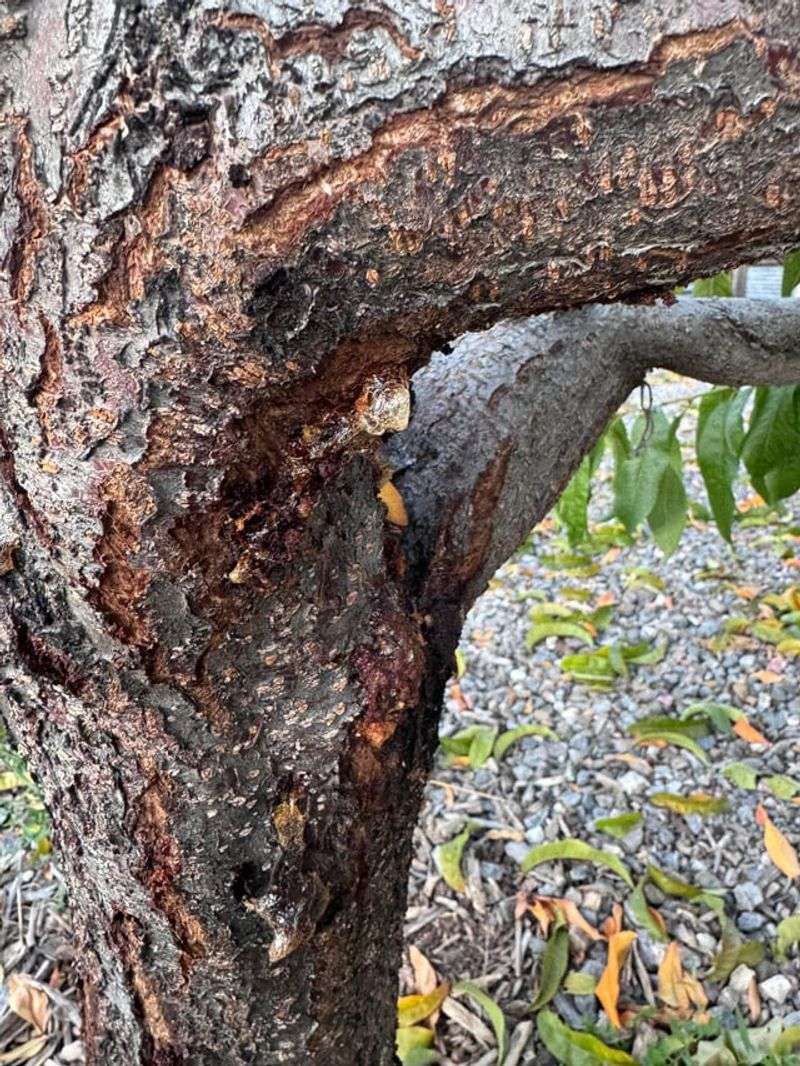
Few pests cause as much hidden damage to peach trees as borers. By the time you notice the signs, larvae may have been feeding inside the trunk for weeks.
Peach tree borers are most active from late summer into fall. Adult moths lay eggs near the base of the trunk during this window.
Once the eggs hatch, larvae bore into the wood and feed through winter.
Look for a gummy, amber-colored sap mixed with a sawdust-like material near the base of the trunk. That frass is one of the clearest signs that borers are present.
Check the area at and just below the soil line since that is where activity tends to concentrate.
Keeping the trunk base clear of weeds, mulch piled against the bark, and excess moisture reduces conditions that attract egg-laying moths. Healthy, vigorous trees tend to push back against minor infestations better than stressed ones.
Pheromone traps can help you track adult moth activity in your area. Trapping alone does not protect the tree, but it gives you a sense of when activity peaks.
That timing can guide when to apply protective treatments if you choose to use them.
Check trees in late August through October in the Southeast. Catching borer activity early gives you more options.
4. Check Leaves For Disease Problems
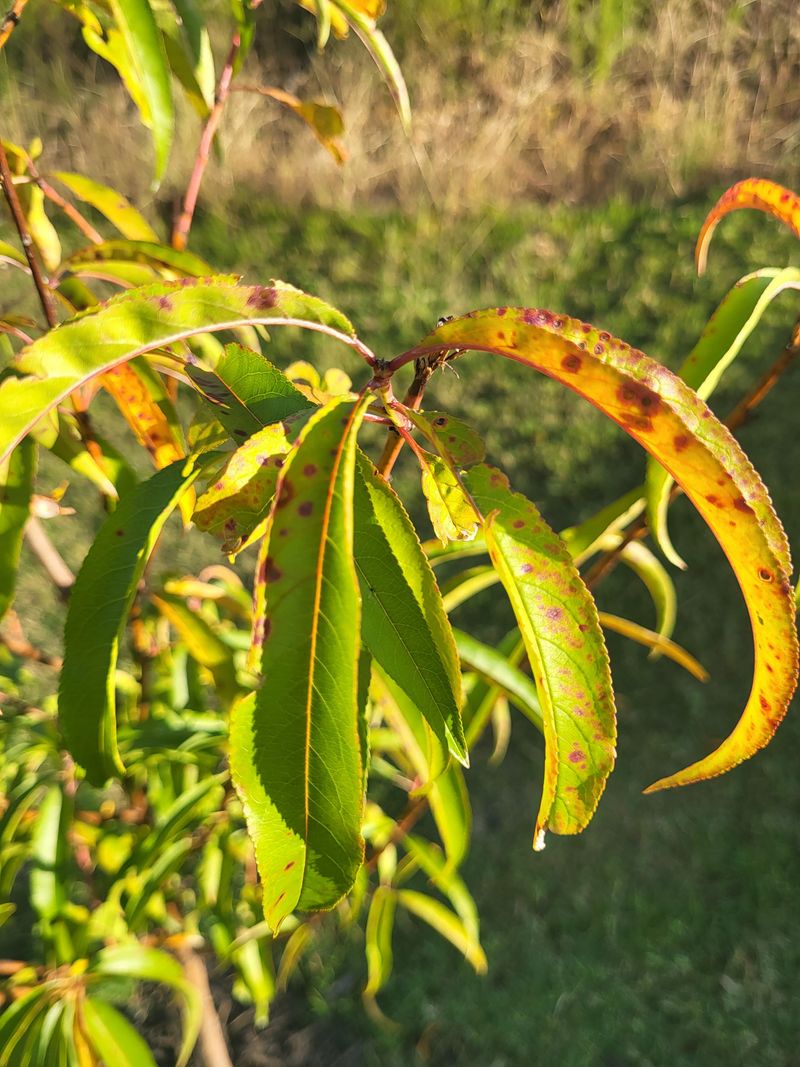
Post-harvest leaves tell a story. Spots, curling, or unusual discoloration are not just cosmetic.
They often signal a disease that could carry over and cause bigger problems next season.
Peach leaf curl is one of the most common issues in humid growing regions. Brown rot and bacterial spot also show up on foliage late in the season.
Identifying what you are dealing with helps you decide whether treatment is needed before the leaves drop.
Look at the undersides of leaves too. Fungal spores and early infections sometimes appear there before becoming visible on top.
A hand lens or even a phone camera zoomed in close can help you spot early signs.
Leaves with heavy spotting or signs of bacterial spot should be removed if practical. Do not leave them on the ground under the tree.
Spores and bacteria can overwinter in fallen debris and reinfect the tree when conditions are right in spring.
Copper-based fungicide sprays are commonly used in the fall after leaf drop to help reduce overwintering disease pressure. Timing and coverage matter.
Follow label directions carefully since application rates vary by product.
Record what you observe each fall. Patterns over multiple seasons help you understand which diseases are recurring in your specific location.
5. Hold Off On Heavy Pruning Until Winter
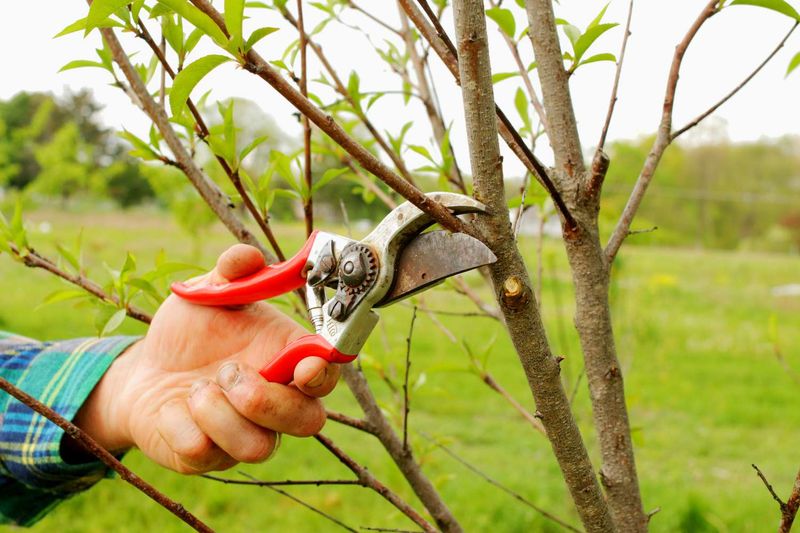
Grabbing the pruning shears right after harvest feels productive. However, cutting back heavily in late summer or early fall can actually set the tree back rather than help it.
Peach trees need time after harvest to pull energy back from the leaves into the wood and root system. Heavy pruning interrupts that process.
Cuts made too early can also stimulate new soft growth that gets damaged when temperatures drop.
Light cleanup is fine in the fall. Remove any broken branches, crossing limbs, or obvious damaged wood.
Save the structural shaping work for late winter, after the tree has gone fully dormant but before buds begin to swell.
Late January through mid-February is a common pruning window for peach growers in the Southeast. Temperatures are cooler, disease pressure is lower, and the tree is not actively growing.
Cuts made during this window tend to heal cleanly as growth resumes in spring.
Sharp, clean tools matter more than most people think. Ragged cuts from dull blades take longer to close and are more vulnerable to infection.
Wipe blades with a disinfecting solution between trees if you are working in an area where disease has been present.
Patience with pruning timing pays off.
6. Stop Feeding With High Nitrogen Fertilizer
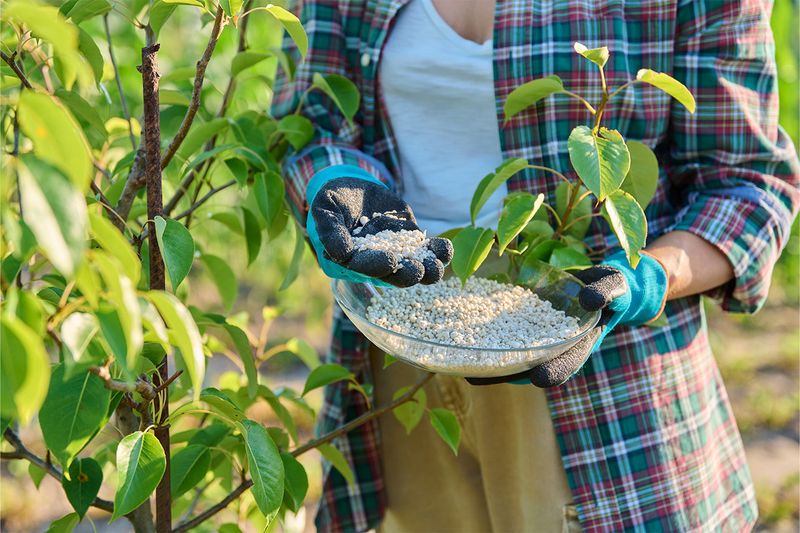
Nitrogen pushes growth. That is exactly what you want in early spring, and exactly what you do not want once summer harvest wraps up.
Feeding with high-nitrogen fertilizer after mid-summer encourages a flush of soft, leafy new growth. That tender growth does not have enough time to harden off before cooler temperatures arrive.
It becomes vulnerable to frost injury in fall and early winter.
Put the nitrogen-heavy fertilizers away after harvest. If you feel the need to feed at all in fall, look for low-nitrogen or phosphorus and potassium-focused options.
Those nutrients support root development and overall tree hardiness rather than pushing new shoots.
Soil testing is a smart move in the fall. A basic test tells you what your soil actually needs rather than guessing.
Most cooperative extension offices in Georgia and across the South offer affordable testing through the fall season.
Many peach trees in home orchards are overfed with nitrogen, not underfed. Excess nitrogen can reduce fruit quality and make trees more attractive to certain pests.
Pulling back after harvest is often the right call even if the tree looks healthy.
Spring is the right time to resume feeding with a balanced fertilizer. Timing the first application to just before bud swell gives the tree what it needs when it can actually use it.
7. Clean Up Fallen Fruit And Leaves
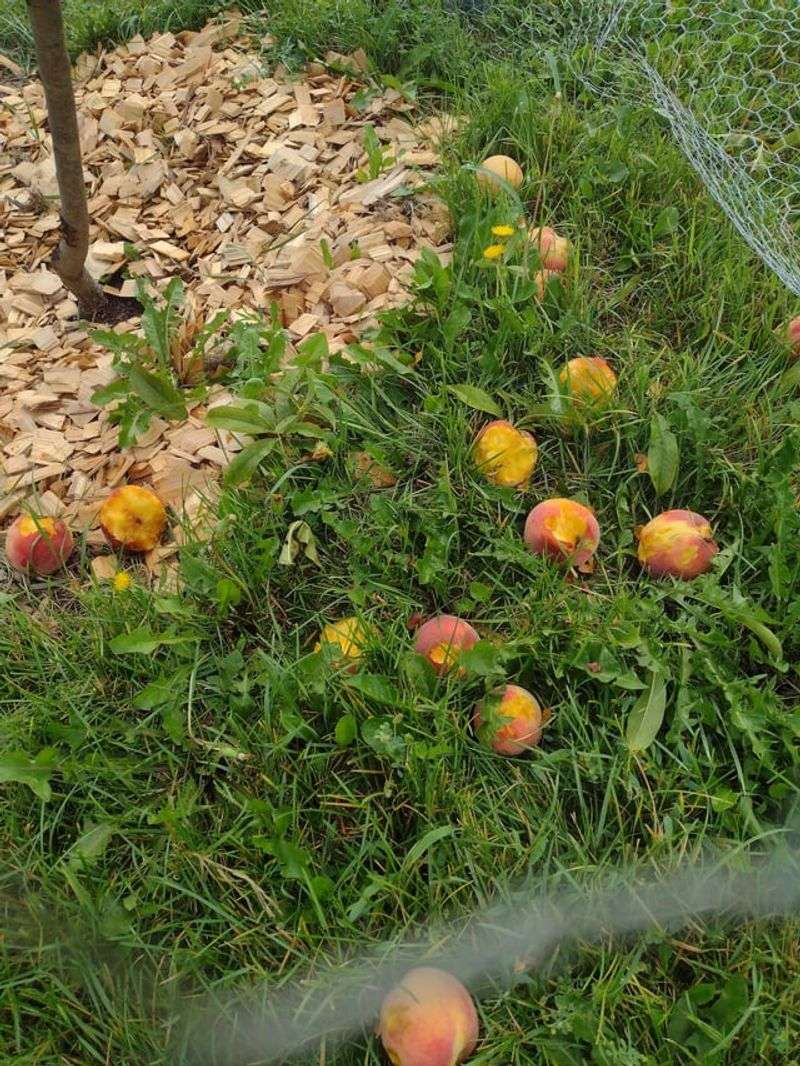
Rotting fruit on the ground is not just an eyesore. It is a reservoir for fungal spores and insect pests that will be waiting to cause problems again next season.
Brown rot fungus, in particular, overwinters in mummified fruit. Those dried-up, shriveled peaches hanging on branches or sitting on the ground can release spores when conditions are right in spring.
Removing them breaks that cycle.
Walk under your trees every week or two in late summer and fall. Pick up dropped fruit as it accumulates.
Do not let it pile up and ferment near the base of the tree.
Fallen leaves carry their own set of concerns. Bacterial spot, leaf curl, and other pathogens can survive in leaf litter through winter.
Raking and removing those leaves reduces the amount of infectious material sitting near your trees.
Composting diseased material is risky unless your compost pile reaches high enough temperatures to neutralize pathogens. When in doubt, bag it and dispose of it rather than cycling it back into the garden.
A clean orchard floor heading into winter is one of the simplest and most effective things you can do. It costs almost nothing and requires no special equipment.
For growers across the Southeast, including those in Georgia, this basic step often makes a noticeable difference in how disease pressure looks the following spring.