Why Florida Plants That Thrived Last Summer Are Struggling In The Same Spot This Year
Florida yards can make gardeners question everything.
Last summer, the plant looked lush, steady, and perfectly placed. This year, in the same bed, with the same sprinkler, it looks yellow, wilted, thin, or just plain annoyed at life.
Nothing obvious changed. That is the tricky part.
Florida gardens shift constantly, even when the yard looks familiar.
Rainfall patterns change. Sandy soil dries faster than expected. Mulch breaks down. Roots spread beyond the original watering zone. Storms redirect runoff.
A tree nearby adds more shade, or one hard pruning job suddenly lets brutal afternoon sun hit a plant that never had to face it before.
So why would a plant thrive one summer and struggle the next in the exact same spot?
Start by looking for the hidden change. The plant may not be failing. The conditions around it may have quietly rewritten the rules while no one was watching.
1. Last Year Had Easier Weather
One good summer can make a plant look tougher than it really is.
Florida weather varies a lot from year to year. One season may bring regular afternoon rain, slightly cooler stretches, and cloudy relief at just the right moments.
The next may bring delayed storms, longer dry spells, higher heat, and humidity that feels like a wet blanket with bad intentions.
A plant can coast through an easy year.
Frequent rain keeps shallow roots comfortable. Cloudy afternoons reduce leaf stress. Mild stretches hide the fact that the plant is not truly matched to the site. It looks successful, but the weather did most of the work.
Then the next summer tells the truth.
Dry sand, hotter afternoons, and inconsistent storms expose every weakness. Roots that stayed shallow last year may not reach enough moisture this year.
Leaves that handled mild heat may wilt once temperatures climb harder and stay there longer.
That does not mean the plant suddenly became weak. It means last year may have been generous.
Watch how the plant reacts across several weather patterns, not just one lucky season. A truly well-placed plant should handle normal Florida swings without constant rescue.
A struggling plant may need deeper watering, better mulch, improved soil, or a different location.
One charmed summer is not a guarantee. In Florida, sometimes the garden had help from the sky and forgot to mention it.
2. Roots Outgrew The Water Zone
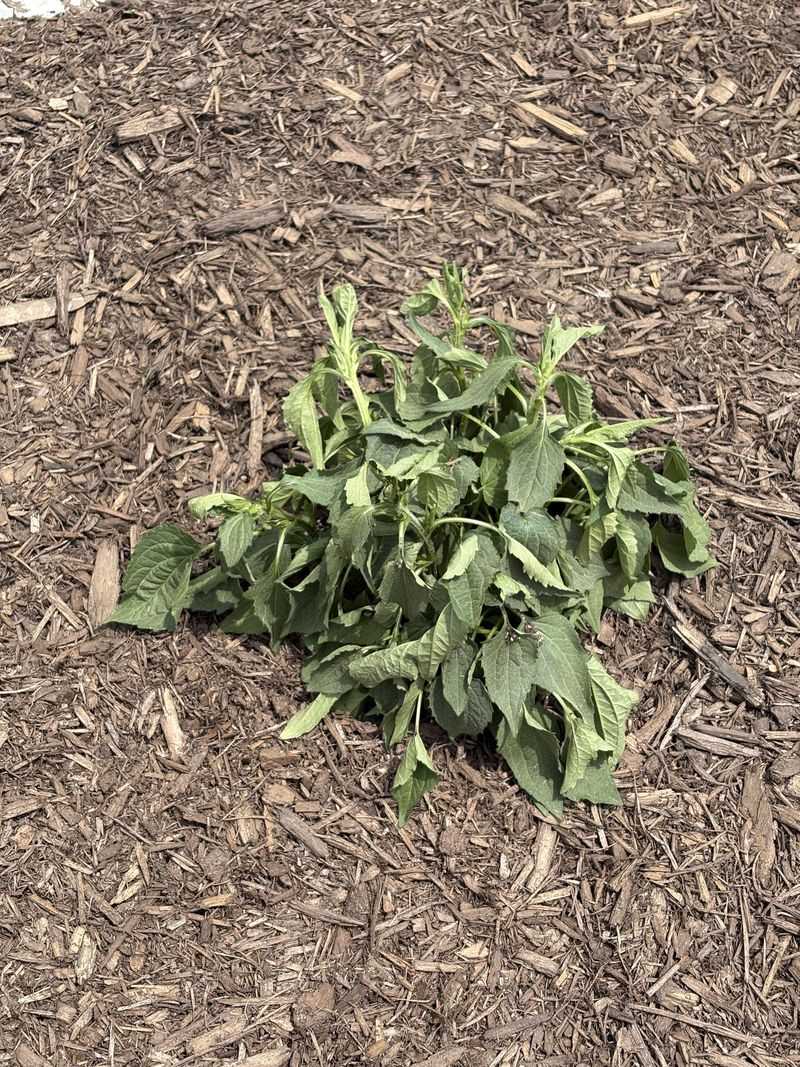
A bigger plant may be thirsty in a different place.
That sounds strange, but it happens often. When a shrub or perennial is newly planted, most of its roots sit near the original root ball.
The irrigation setup may reach that area easily. A year later, the plant has grown, and the active roots have moved outward.
The watering may not have moved with them.
Sprinklers and drip emitters often stay exactly where they were placed on planting day. Meanwhile, roots spread toward the drip line, which is the outer edge of the plant’s canopy.
In Florida’s sandy soil, water does not always move sideways enough to reach those new root zones.
Your Florida Garden Changes Every Week. Your Plan Should Too.
Gardening in Florida changes quickly throughout the season. Every Friday you’ll receive a simple weekly plan showing exactly what to plant, prune, fertilize, harvest, and protect so you never miss the right timing.
That creates a hidden mismatch. The gardener waters the same way as last year, but the plant is no longer using water in the same place. The center may get wet while outer feeder roots sit dry and stressed.
Check the soil around the wider root zone.
Do not test only right beside the stem. Push a finger or soil probe into the ground near the outer canopy edge. That is where many active feeder roots are working now.
Move drip emitters outward as plants mature.
Adjust sprinkler coverage too, especially around expanding shrubs. Water deeply enough to reach roots, not just the old planting hole.
Plants grow. Water plans should grow with them.
A plant that “suddenly” struggles may simply have outgrown last year’s setup.
3. Soil Moisture Changed Fast
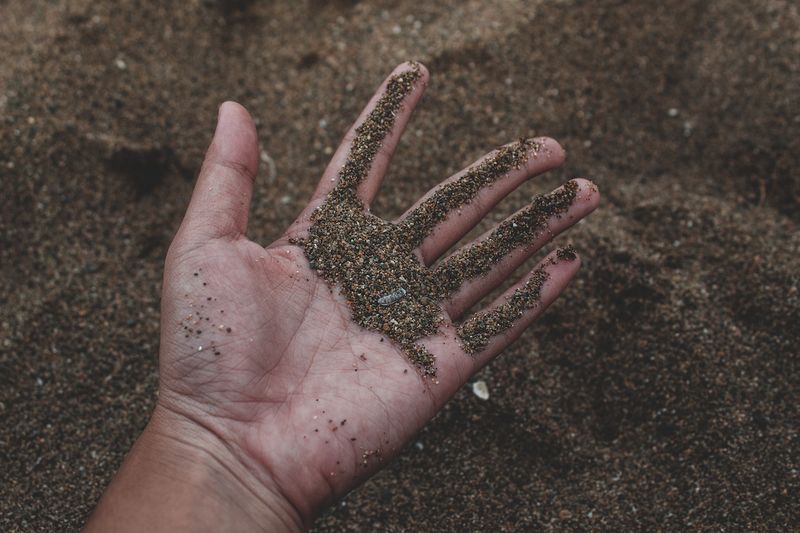
Florida soil can flip from wet to dry with rude speed.
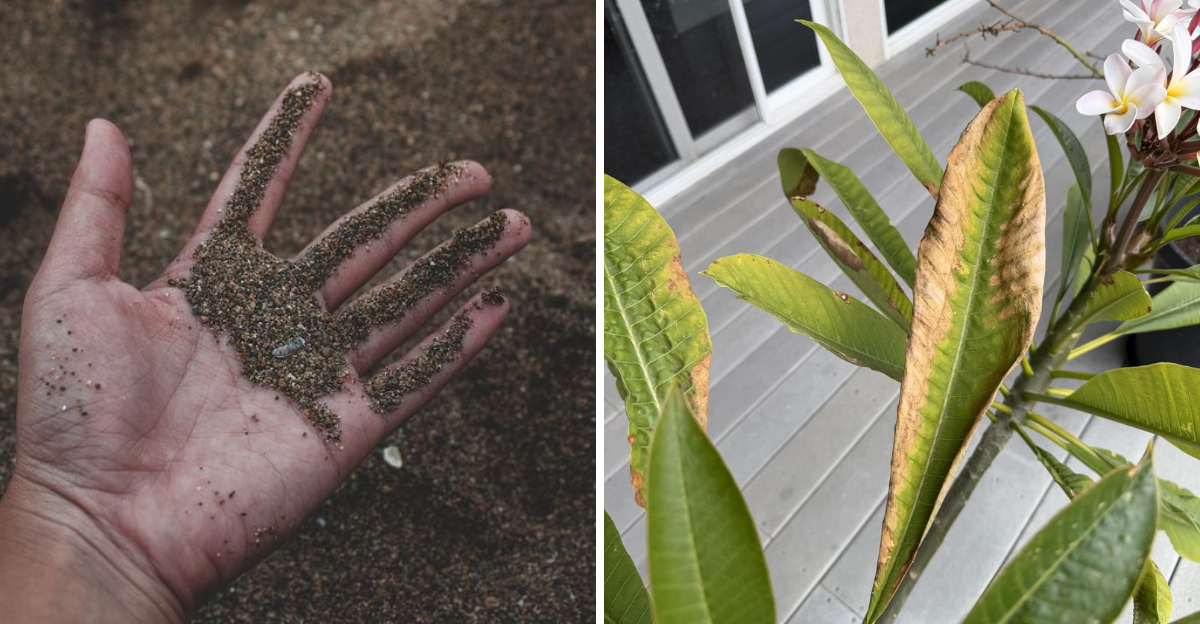
Sandy soil drains quickly, which means a bed can feel damp after rain and dry again sooner than expected. During hot weather, that gap between “fine” and “stressed” can shrink to a day or two.
Low spots create the opposite problem.
After heavy summer storms, water may sit longer than it did last year. Roots can lose air in soggy soil, and the top growth may wilt or yellow even though the plant is surrounded by moisture.
That is what makes this so confusing.
Too dry and too wet can look very similar above ground. Yellow leaves, drooping stems, weak growth, and poor flowering can come from either side of the moisture problem.
The soil has to be checked.
Push a finger two or three inches into the root zone. Dry, loose sand means the plant needs water. Cool, wet, heavy soil means more water will only make things worse. A moisture meter can help in beds where the clues are hard to read.
Compost can improve sandy soil over time.
It helps moisture stay available a little longer without turning the bed soggy. Mulch helps too, especially during long hot stretches between storms.
Do not trust the surface alone.
Florida soil can look dry on top and stay wet below, or look freshly rained on and still leave roots thirsty by afternoon.
The plant is reacting to what the roots feel, not what the mulch looks like.
4. Mulch Broke Down Too Thin
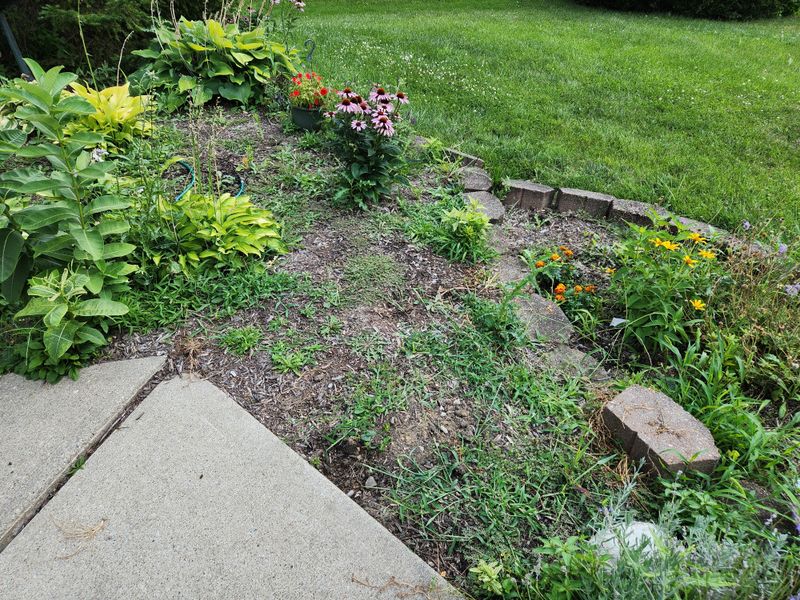
Last year’s mulch may not be doing much anymore.
Florida heat, humidity, rain, and soil life break organic mulch down quickly. A fresh three-inch layer can shrink into a thin, faded covering by the next summer. Once that happens, roots lose a lot of protection.
Bare or thinly covered soil heats fast.
Moisture leaves sooner. Weed pressure increases. Surface roots sit closer to extreme temperature swings. A plant that looked comfortable last year may struggle this year because its root zone lost that insulating layer.
Check the depth.
A useful mulch layer is usually around two to three inches deep for many landscape beds. It should cover the soil broadly but stay a few inches away from stems and trunks. Mulch piled against the base can trap moisture and create problems.
Think donut, not volcano.
Spread mulch wide over the root zone, especially under the outer canopy of shrubs. That is where feeder roots need moisture protection most. A tiny ring near the stem does not do enough.
Use natural mulch when possible.
Pine bark, pine straw, shredded leaves, or wood chips can all help cool the soil and slow evaporation. They also break down into organic matter over time, which supports better soil structure.
Refreshing mulch is not just cosmetic.
It can change root temperature, moisture stability, and plant stress almost immediately. Florida plants notice that kind of help.
So does your watering schedule.
5. Pests Found A Stressed Plant
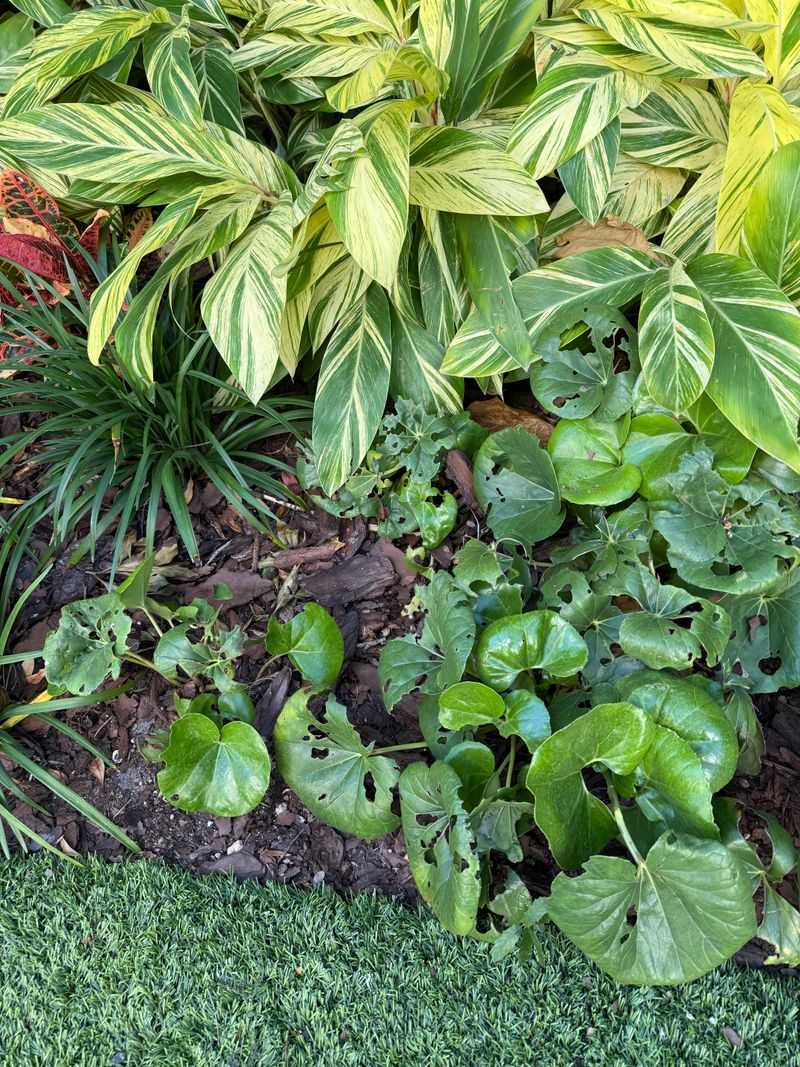
Pests often arrive after the plant is already struggling.
That is the part many gardeners miss. A plant weakened by heat, drought, soggy roots, poor light, or thin mulch becomes easier for insects and disease problems to exploit.
The pest may look like the main issue, but it may actually be the second wave.
Florida’s warm climate keeps pests active for much of the year.
Whiteflies, aphids, scale, mites, caterpillars, and fungal problems can build quickly once a plant loses strength. A small issue in spring can become very noticeable by midsummer.
Look closely before spraying.
Check leaf undersides, new growth, stems, and branch joints. Sticky residue, black sooty coating, bumps on stems, webbing, chewed leaves, or distorted growth can all point to pest activity.
Then look at the site too.
Thin mulch, dry soil, constant wetness, too much shade, or sudden sun exposure may be the real reason the plant became vulnerable. Treating pests without fixing stress is like mopping during a roof leak.
Use targeted controls only after identifying the problem.
A broad spray can disturb beneficial insects that were helping keep pests in check. Many Florida yards already have lady beetles, lacewings, spiders, wasps, and other helpers working quietly.
Restore plant health first.
A strong plant resists pressure better than one stuck in survival mode. Pest control works best when the root cause is handled too.
The bugs may be visible. The stress usually started earlier.
6. Fertilizer Pushed Soft Growth
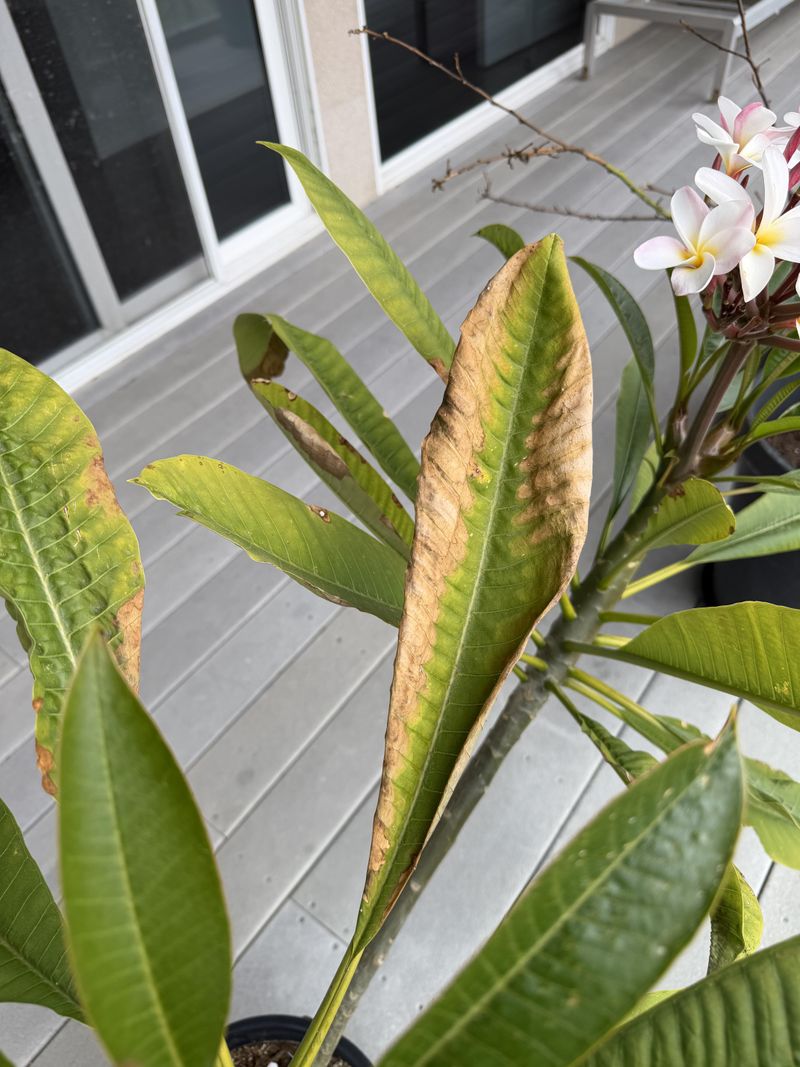
More fertilizer does not always mean a stronger plant.
In Florida heat, too much nitrogen can push fast, soft growth that looks lush at first but struggles later. Tender new leaves lose moisture faster, attract pests more easily, and suffer more during hot, humid weather.
That early flush can fool gardeners.
The plant may look amazing for a few weeks, then collapse into yellowing, wilting, or pest trouble once summer pressure rises. The growth was impressive, but not resilient.
Fast growth needs steady water.
During dry spells, soft foliage can wilt quickly because the plant has more leaf surface to support. During wet spells, lush crowded growth can hold humidity and invite leaf problems.
Fertilizer timing matters too.
Feeding heavily right before the rainy season can send nutrients away from the root zone and into runoff. Feeding during stress can push growth when the plant should be conserving energy.
Use slow, steady feeding instead of big pushes.
A balanced slow-release product, applied at the right time and rate, is usually safer than repeated high-nitrogen boosts. Soil testing helps even more because it shows what the bed actually needs.
Pale leaves are not always asking for fertilizer.
They may point to poor drainage, heat stress, root damage, pH issues, or water problems. Fertilizer cannot fix those, and it may make the plant work harder.
The goal is tough growth, not flashy growth.
Florida summer rewards plants with strong roots and steady habits, not soft leaves trying to impress the neighborhood.
7. Drainage Shifted After Storms
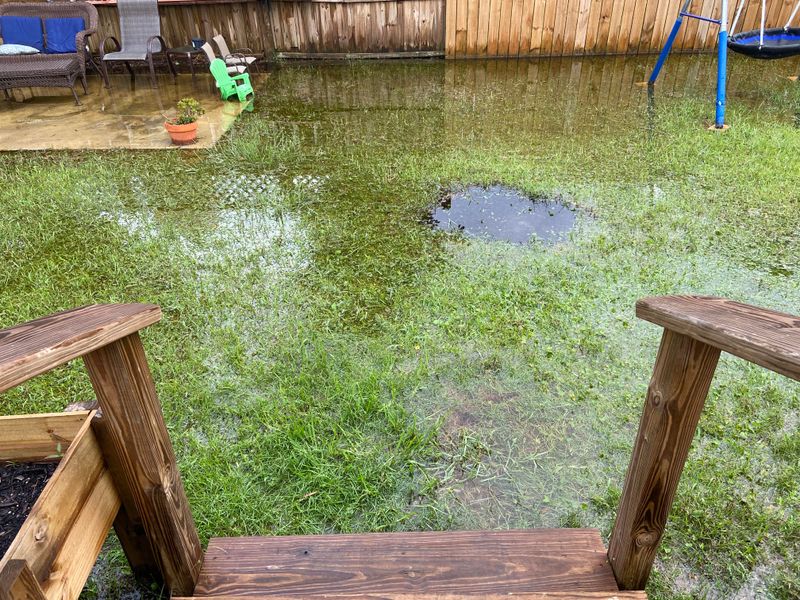
One storm can quietly change the whole yard.
Florida rain does not always fall gently. Heavy downpours can move soil, flatten mulch, carve runoff paths, clog drainage areas, and create wet pockets where water never used to sit.
That matters for plants in the same spot as last year.
The location may look unchanged, but water may now be moving differently. A nearby downspout, new patio, compacted path, neighbor’s grading, or washed-out bed edge can redirect runoff toward a plant that used to drain well.
Roots feel the change first.
Too much water pushes air out of the soil. Without enough oxygen, roots cannot function properly. Above ground, the plant may yellow, droop, and look strangely thirsty even though the soil is wet.
Erosion can cause the opposite problem.
Heavy rain can wash away finer soil and organic matter, leaving a fast-draining area that dries faster than before. Surface roots may become exposed and heat-stressed.
Walk the yard during or right after rain.
Watch where water runs, pools, or disappears too quickly. The wettest and driest spots reveal the new drainage map better than memory ever will.
Fix water movement at the source when possible.
Redirect downspouts, rebuild bed edges, add swales, improve soil structure, or use rain-garden areas where water naturally collects.
The plant did not move.
The water did. In Florida, that can change everything.
8. Nearby Shade Changed The Spot
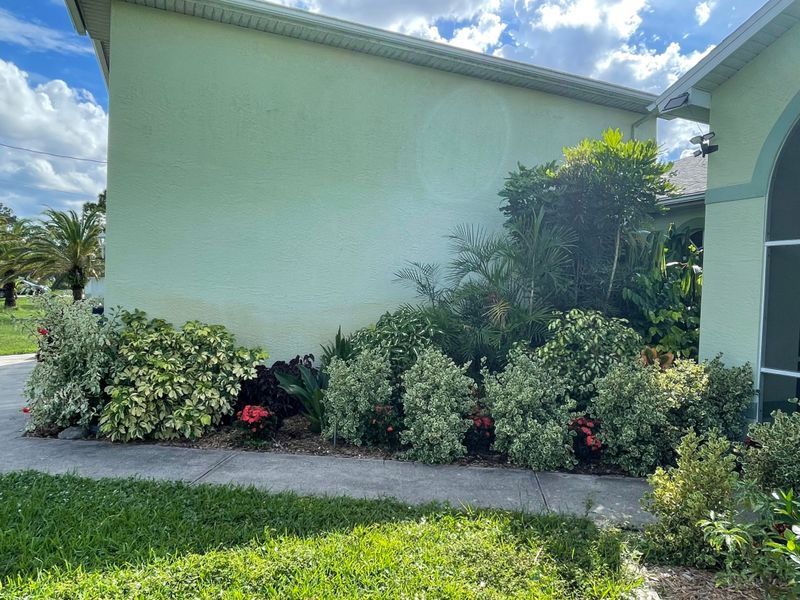
Light changes slowly until one day the plant notices.
Trees grow. Shrubs fill in. Fences go up. Neighbors add structures. A canopy gets pruned. Suddenly, the same garden bed has a different light pattern than it had last summer.
That shift can make a thriving plant struggle.
A sun-loving plant that bloomed beautifully last year may stretch, thin out, or stop flowering when a nearby tree adds more shade. A shade-loving plant may scorch or wilt once a branch is removed and afternoon sun hits directly.
Florida afternoon sun is especially intense.
A plant that can handle morning light may not handle full exposure from 2 p.m. onward. Reflected heat from walls, driveways, pavers, and white fences can make the new exposure even harsher.
Observe the bed again.
Do not rely on what the light used to do. Check it in the morning, midday, and late afternoon. Count the actual hours of direct sun and notice when the strongest exposure hits.
Permanent shade changes may require a move.
A plant cannot water its way out of bad light. It may need relocation, a different companion plant, or replacement with something better suited to the new conditions.
The reverse is true too.
A newly sunny spot may need more mulch, deeper watering, or a tougher plant that can handle heat. Same address does not mean same environment.
In a Florida yard, shade is always moving, and plants are the first to file a complaint.