What This Extreme Heat Warning Really Means For Your Texas Garden
Heat doesn’t ask your garden for permission before arriving. Texas summers push soil past ordinary limits into something intense. Warnings from the National Weather Service signal real concern for your plants.
Your tomatoes wilt while roots struggle silently underground. Nobody escapes unaffected when temperatures climb past uncomfortable thresholds.
Gardens across Texas struggle while distracted owners assume little has really changed. Water disappears from soil before your roots absorb enough.
Tension builds quietly through stems long before leaves show visible change. Outcomes now hinge entirely on choices you make before warnings arrive.
Understanding these alerts helps you protect everything currently growing in your space. Smart gardeners respond fast while distracted ones lose entire beds. Knowledge separates your thriving harvest from a wilted failure.
Every decision you make during extreme heat carries lasting weight. Attention to fine detail now matters more than ever before today. You cannot afford to overlook this warning.
What An Extreme Heat Warning Actually Means
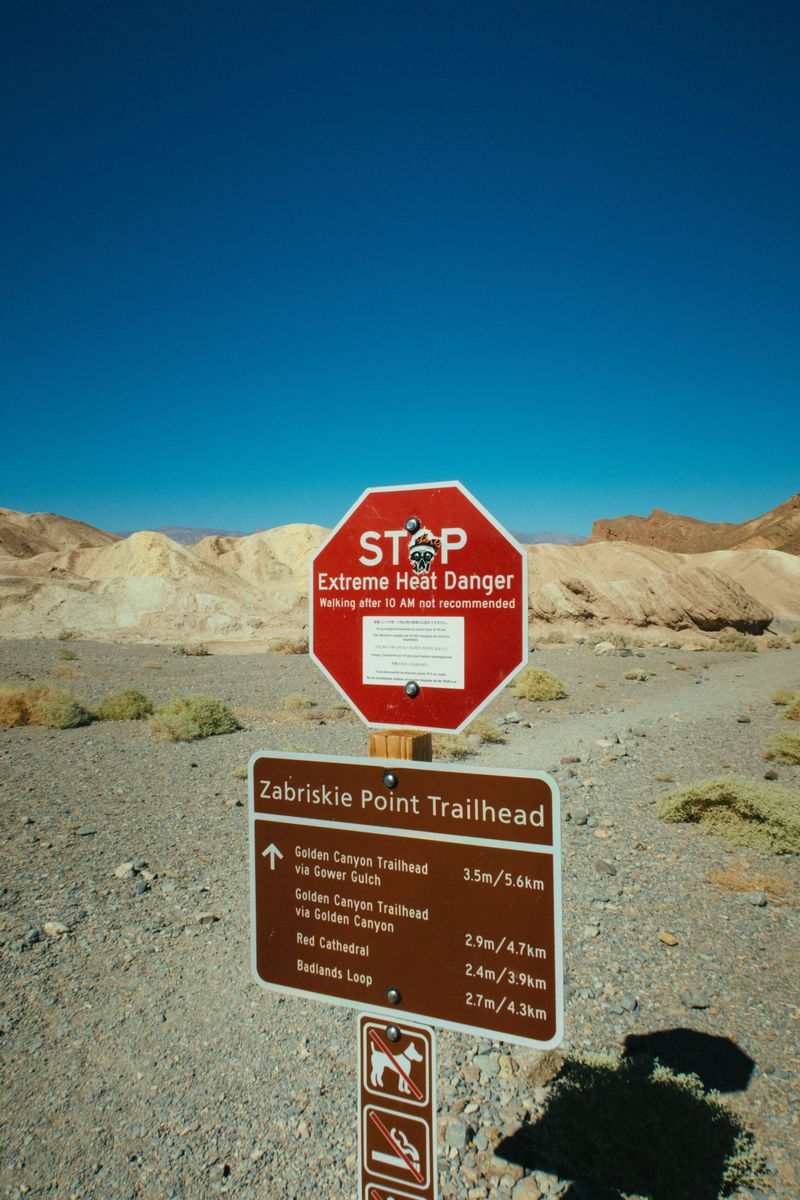
The National Weather Service does not throw around the phrase extreme heat warning lightly. An official warning typically means heat index values will hit dangerous levels.
Often 105 degrees or higher, for at least two hours straight. Your local National Weather Service office sets the exact criteria for your area.
That combination of scorching air and thick humidity is what makes this Texas garden threat so serious. Your body and your plants both struggle hard when conditions reach that level.
A heat advisory is the step below a warning, so do not confuse the two. A warning signals a genuinely dangerous situation that demands immediate action from every gardener.
The warning covers specific counties and specific time windows, usually afternoon into early evening. Checking your local forecast daily during summer keeps you one step ahead of the worst conditions.
Heat warnings often stack for multiple days in a row during a Texas summer. Back-to-back warning days compound plant stress in ways that a single hot afternoon never could.
Soil temperatures can climb far above safe levels on warning days when the sun hits bare ground directly. That level of underground heat begins shutting down root function fast.
Understanding the warning is your first line of defense for protecting your garden. Once you know what you are dealing with, every next step becomes much clearer and more effective.
How Extreme Heat Stresses Garden Plants
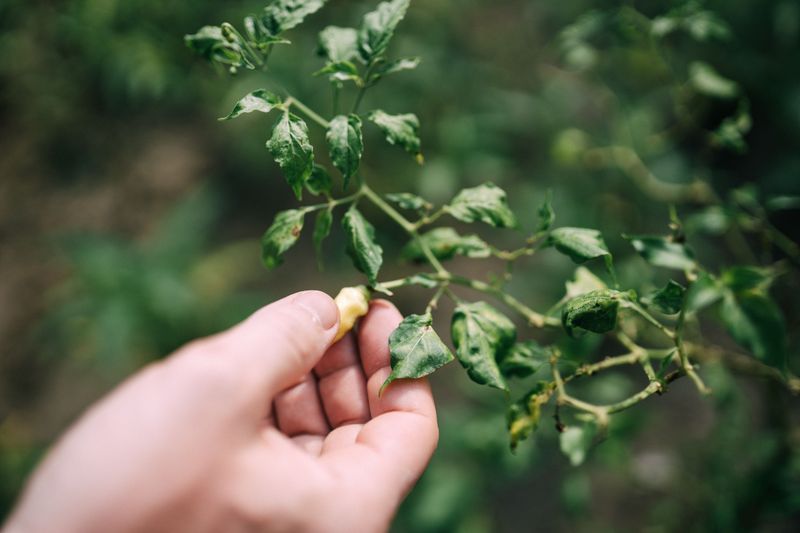
Plants under a heat warning face intense physiological strain with almost no relief. Their internal systems shift into stress response almost immediately when temperatures spike into extreme ranges.
Photosynthesis, the process plants use to make food from sunlight, slows down significantly once temperatures climb into extreme ranges, with exact limits varying by plant species.
Your tomatoes, peppers, and squash stop growing and start just trying to survive. Leaf scorch shows up as brown, crispy edges on foliage that looked perfectly healthy the day before.
Once those cells burn, they do not recover, and the plant must spend energy replacing them. Blossom drop is another frustrating side effect of extreme heat warnings.
Your Texas Garden Changes Every Week. Your Plan Should Too.
Gardening in Texas changes quickly throughout the season. Every Friday you’ll receive a simple weekly plan showing exactly what to plant, prune, fertilize, harvest, and protect so you never miss the right timing.
Flowers fall off before they can turn into fruit, which wipes out your harvest potential for that entire growth cycle.
Root systems struggle quietly underground where you cannot see the damage happening. Overheated roots absorb water and nutrients less efficiently, starving the plant even when plenty of moisture is present.
Some plants show stress through leaf curl, a smart self-defense move that reduces the surface area exposed to intense sun. It looks alarming, but curling is actually the plant fighting back.
Recognizing these stress signals early gives you a real chance to intervene before permanent damage sets in. Your garden is sending you messages during every extreme heat warning, and learning to read them is half the challenge.
Watering Adjustments During Heat Warnings
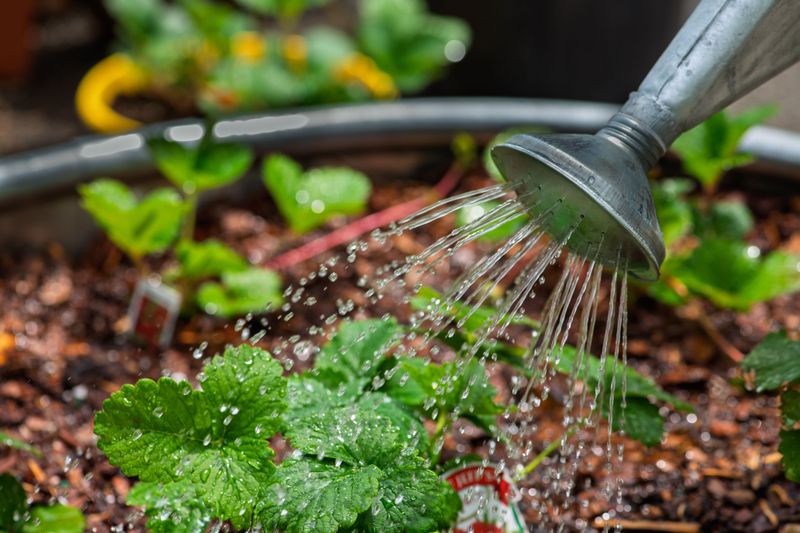
Watering your garden the same way during a heat warning as you do on a normal summer day is a recipe for disappointment. Plants lose moisture through their leaves at a dramatically faster rate when temperatures climb past 100 degrees.
Deep, slow watering at the base of each plant is the most reliable method during warning conditions. Shallow watering encourages roots to stay near the surface, where soil temperatures are dangerously high.
Drip irrigation systems shine brightest during heat warnings because they deliver moisture directly to root zones. Less water evaporates into the hot air, and plants stay consistently hydrated throughout the day.
Watering frequency needs to increase, but the timing matters just as much as the amount. Morning watering between 5 and 8 a.m. gives soil time to absorb moisture before peak heat arrives.
Evening watering can work in a pinch, but wet foliage overnight can invite fungal problems. Aim for the roots, not the leaves, whenever you water after sundown.
Mulch is an underused but powerful tool in heat warning watering strategy. A three-inch layer of organic mulch around your plants can significantly reduce soil moisture loss on scorching days.
Checking soil moisture with your finger before each watering session helps you avoid overwatering, which is also harmful. Moist soil two inches down means your plants are still in good shape for now.
Protecting Vegetables And Flowers From Scorching
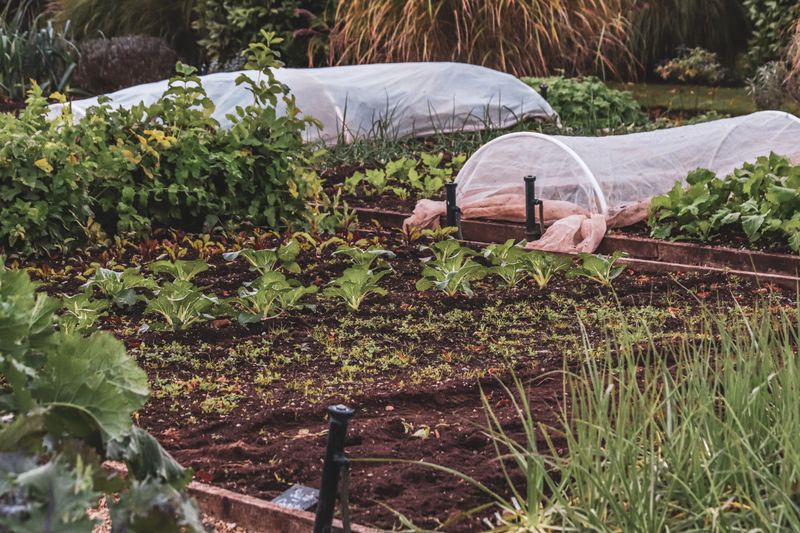
Shade cloth is one of the best investments a summer gardener can make before an extreme heat warning hits.
A 30 to 50 percent shade cloth draped over your beds can meaningfully lower leaf surface temperatures during peak heat.
Row covers made from lightweight fabric also work well for blocking intense afternoon sun. They let air and water through while creating a buffer between your plants and the harshest rays.
Tall plants like sunflowers and corn can act as natural sunscreens for shorter, more sensitive neighbors. Strategic planting earlier in the season pays off enormously when warning conditions arrive in July and August.
Container plants are especially vulnerable during heat warnings because pots heat up much faster than garden beds. Moving containers to a shaded porch or under a tree canopy can prevent severe stress or plant loss.
Mulching around the base of flowers like zinnias and marigolds keeps their roots from cooking underground. These cheerful bloomers can handle Texas heat better than most, but they still need root protection on warning days.
Avoid fertilizing during heat warnings because nutrients push new growth that is too tender to survive scorching conditions. Hold off on feeding until temperatures drop back to a manageable range after the warning lifts.
Covering bare soil between plants with straw or wood chips also reflects some heat away from root zones. Small protective steps add up fast when your garden is under serious stress during an intense warning period.
Best Times To Work In The Garden Safely
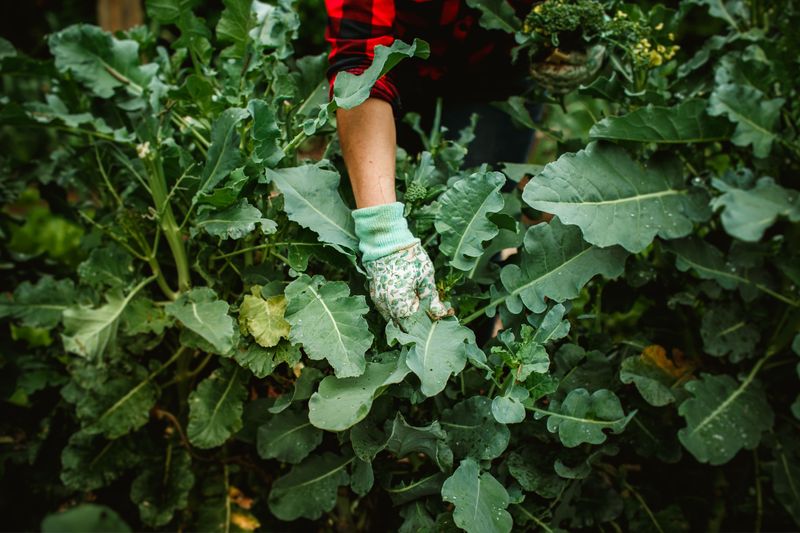
Working outside during an extreme heat warning without a plan is asking for trouble. Heat exhaustion can sneak up on even experienced gardeners who underestimate how fast conditions turn dangerous.
The safest window for garden work during a warning is between 6 and 9 a.m., before the sun climbs high and the air thickens with humidity. Early morning feels almost pleasant compared to the hot afternoon ahead.
Another small window opens after 7 p.m. when the sun drops lower and air temperatures begin their slow decline. Evening garden sessions work well for tasks like harvesting, light pruning, and checking plant conditions.
Avoid working outdoors between 11 a.m. and 5 p.m. during active warning periods without taking serious precautions. That five-hour stretch is when heat index values peak and the risk to your health is highest.
Wearing a wide-brim hat, light-colored loose clothing, and sunscreen is non-negotiable for any outdoor garden session.
UV exposure remains high during summer heat warnings, so sun protection matters just as much as staying cool.
Drinking water before you feel thirsty is the single most important safety habit for summer gardeners. By the time thirst kicks in, your body is already mildly dehydrated and working less efficiently.
Keep garden tasks short and focused during warning periods, ideally in brief stretches rather than long sessions. Your plants need your care, but they need you healthy and functional tomorrow too.
Long-Term Heat-Resilient Gardening Tips
One difficult heat warning season has a way of changing how you think about your entire garden design. Smart gardeners use that hard experience to build landscapes that handle future warnings with far less panic.
Choosing heat-tolerant plant varieties from the start makes every summer more manageable. Varieties like Heatmaster tomatoes, Armenian cucumbers, and Malabar spinach were practically bred for conditions like this extreme Texas summer.
Building raised beds with quality compost-rich soil improves drainage and root depth, two factors that help plants withstand extreme heat. Healthy soil holds moisture longer and keeps root zones cooler than compacted clay ground.
Installing a drip irrigation system with an automatic timer takes the guesswork out of watering during future heat warnings. You can set it, trust it, and stop worrying every time a new warning pops up on your phone.
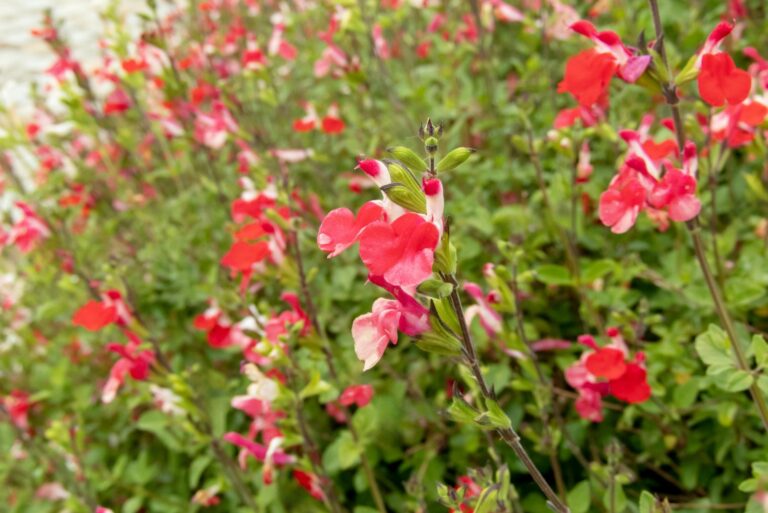
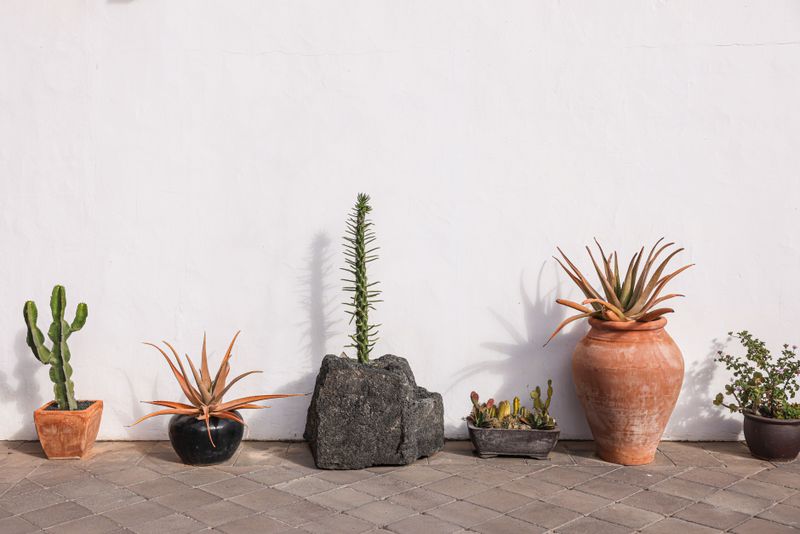
Drought-tolerant perennials like lantana, black-eyed Susan, and salvia are well-suited for this climate. Mixing them into your landscape reduces the number of plants that need emergency intervention during warning periods.
Adding permanent shade structures like pergolas or shade sails over garden beds gives you year-round protection. A little upfront investment in shade infrastructure pays back handsomely every single summer.
Planning your garden around your local climate patterns is the most powerful long-term strategy for Texas garden success. Extreme heat warnings will keep coming, but a well-prepared garden faces them with resilience instead of stress.