What Oregon Gardeners Should Do To Peonies In Midsummer After They Finish Blooming
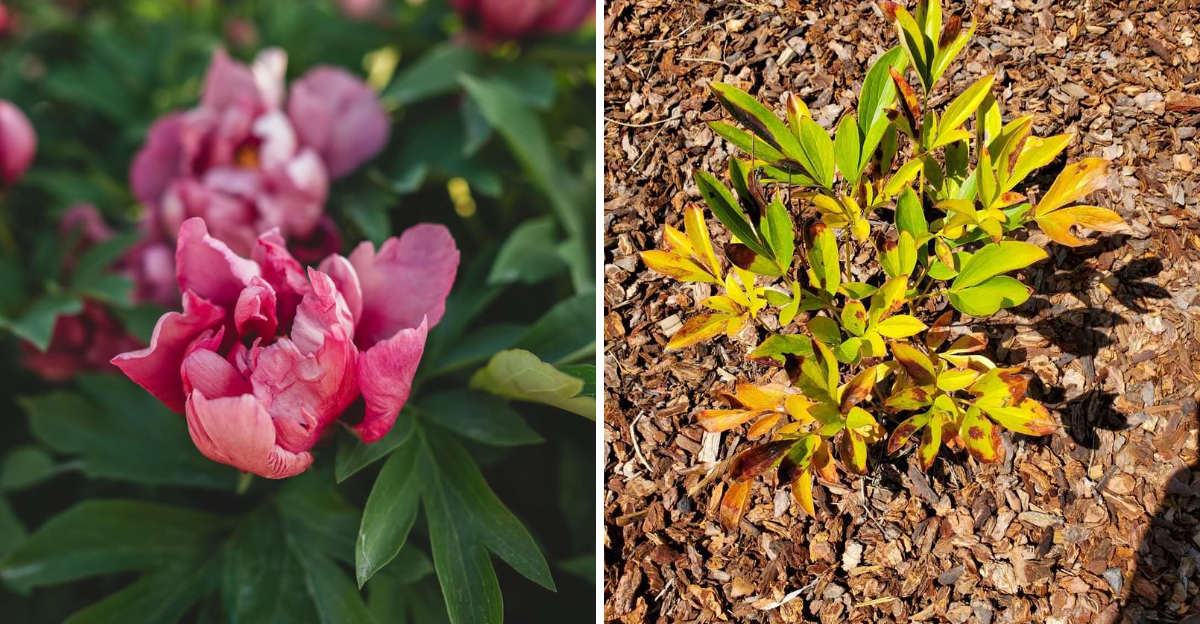
Oregon peonies have a way of making their exit look messy. One week, the flowers are full, fragrant, and stealing the whole garden show.
The next, petals are scattered across the mulch, stems are leaning sideways, and the plant looks like a leafy green shrub taking up more space than seems reasonable. That awkward stage matters.
After blooming, the plant is not finished working. The flowers may be gone, but the leaves are still gathering energy, the roots are still storing strength, and next year’s bloom performance is quietly being built underground.
This is where midsummer care counts.
Cutting too much, feeding too heavily, watering carelessly, or ignoring leaf disease can weaken the plant before fall.
Oregon’s dry summer stretches add another layer, especially in sunny beds where soil moisture can disappear fast after spring rains fade.
So what should Oregon gardeners do with peonies after the blooms are gone?
Start with restraint. Snip the spent flowers, keep healthy leaves in place, support floppy stems, water through dry spells, and save the real cutback for fall.
1. Snip Spent Blooms Cleanly
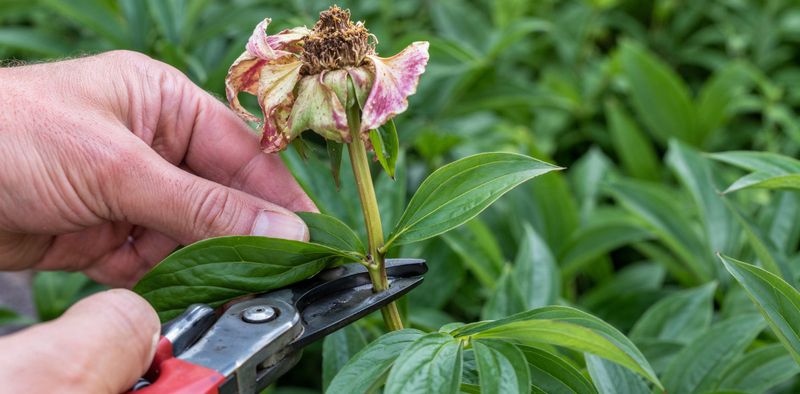
Spent blooms can come off right away.
Once petals drop and flower heads look faded, remove them with clean, sharp pruners or scissors. This keeps the plant tidy and stops it from sending energy into seed production.
That energy belongs underground now.
After flowering, the plant needs to recharge its roots for next spring. Seed pods may look interesting, but they take resources the plant could use to build stronger crowns and future blooms.
Cut just below the faded flower head.
Make the snip above the first healthy set of leaves beneath the bloom. Do not cut the whole stem down to the ground. The leaves below that flower still have an important job, and removing them too early weakens the plant.
Avoid tearing or yanking.
Peony stems can be tougher than they look, and rough pulling can damage tissue. A clean cut heals more neatly and reduces the chance of disease entering through ragged wounds.
Clean up fallen petals too.
Wet petals can cling to leaves and mulch, where they may encourage fungal problems in damp Oregon weather. A quick cleanup around the base helps the plant stay healthier and makes the bed look cared for again.
Trimming is not dramatic work.
It is a small, satisfying reset after the flower show ends. The plant keeps its leaves, the roots keep charging, and the garden stops looking like a wedding reception blew through it.
2. Keep The Foliage Working
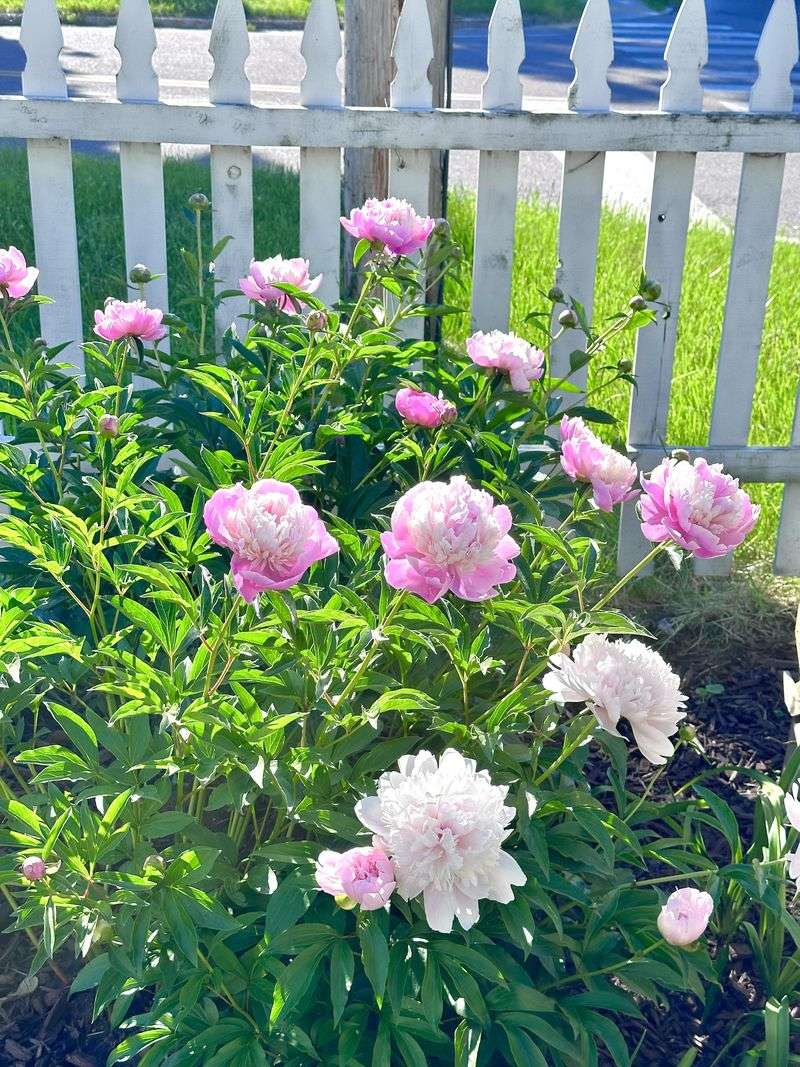
Those green leaves are not decoration.
After the blooms finish, peony foliage becomes the plant’s solar system. Each leaf captures sunlight and helps make the energy stored in the roots for next year’s stems and flowers.
Cutting foliage early interrupts that process.
A plant trimmed down in July loses weeks or months of energy production. The result may not show right away, but next spring can bring fewer blooms, smaller flowers, or weaker stems.
Think of the roots as a battery.
Your Oregon Garden Changes Every Week. Your Plan Should Too.
Gardening in Oregon changes quickly throughout the season. Every Friday you’ll receive a simple weekly plan showing exactly what to plant, prune, fertilize, harvest, and protect so you never miss the right timing.
The leaves are what charge it. Removing them before fall is like unplugging too soon and then wondering why the plant has less power later.
Oregon summers make this even more important.
After spring moisture fades, peonies need healthy foliage to keep building strength through dry, warm weeks. Leaves may not look as exciting as blooms, but they are doing the quiet work that makes the next flower season possible.
Healthy green foliage should stay.
Let it stand through summer and into early fall. Tuck surrounding plants around it, use nearby perennials to soften the view, or accept the leafy clump as part of the garden’s seasonal rhythm.
Peonies are allowed to have an awkward middle chapter.
Do not punish them for it with the pruners.
The flowers got the applause. The leaves do the payroll.
3. Leave Healthy Leaves Alone
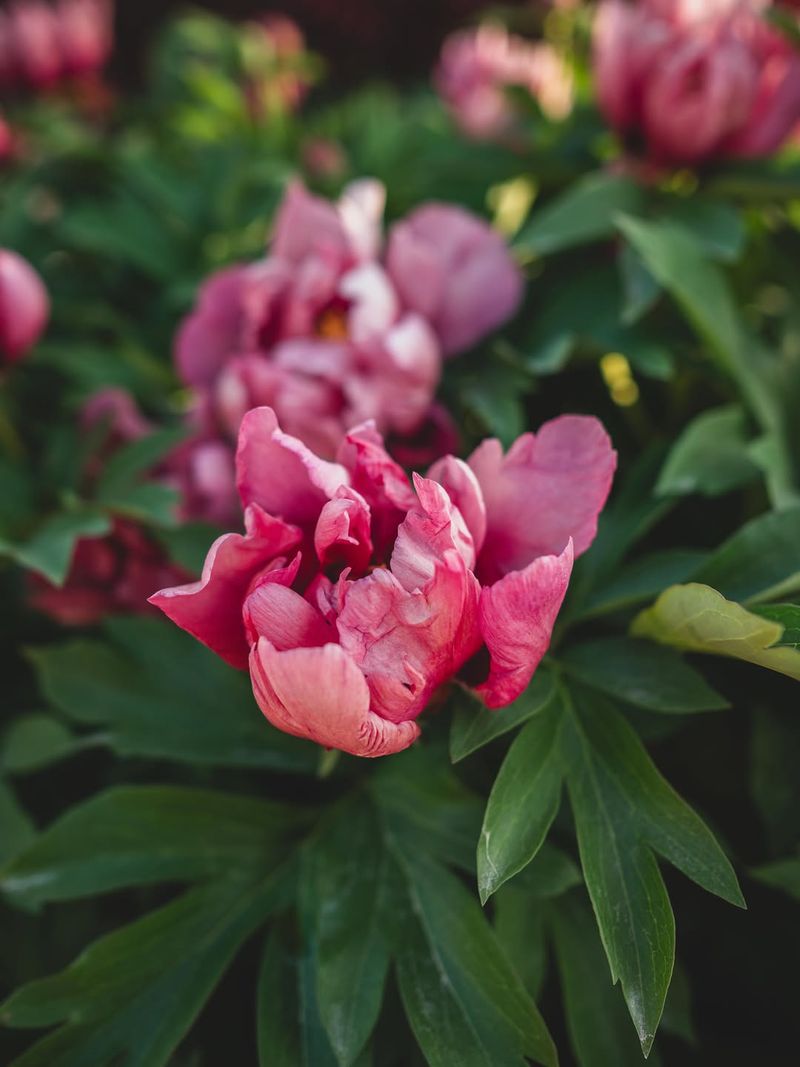
Green means leave it.
Healthy peony leaves should remain on the plant through midsummer, even after the flowers are long gone. Firm, green foliage is still feeding the roots, and that work continues until the plant naturally starts to yellow later in the season.
A slightly tired leaf is not a pruning emergency.
Oregon gardens can bring wind, dry air, hot afternoons, and the occasional summer downpour. Leaves may look a little worn by August, but green tissue is still useful tissue.
Do not cut for neatness alone.
A bare peony crown in midsummer may look tidy for a moment, but the plant pays for that cleanup later. The root system needs those leaves to store enough carbohydrates for dormancy and next year’s bloom cycle.
Remove only problem foliage.
Leaves with clear disease spots, severe damage, or spreading fungal symptoms can be clipped off and discarded. Healthy leaves should stay, even when they are not winning any beauty contests.
Check the whole plant before cutting.
A few damaged leaves do not mean the entire clump needs to be reduced. Take only what is necessary, then let the rest keep working.
This is one of those garden tasks where doing less is doing better.
The plant does not need a midsummer makeover. It needs time, sunlight, and enough green growth to finish the season strong.
Walk past the pruners. The leaves have a job.
4. Water During Dry Spells
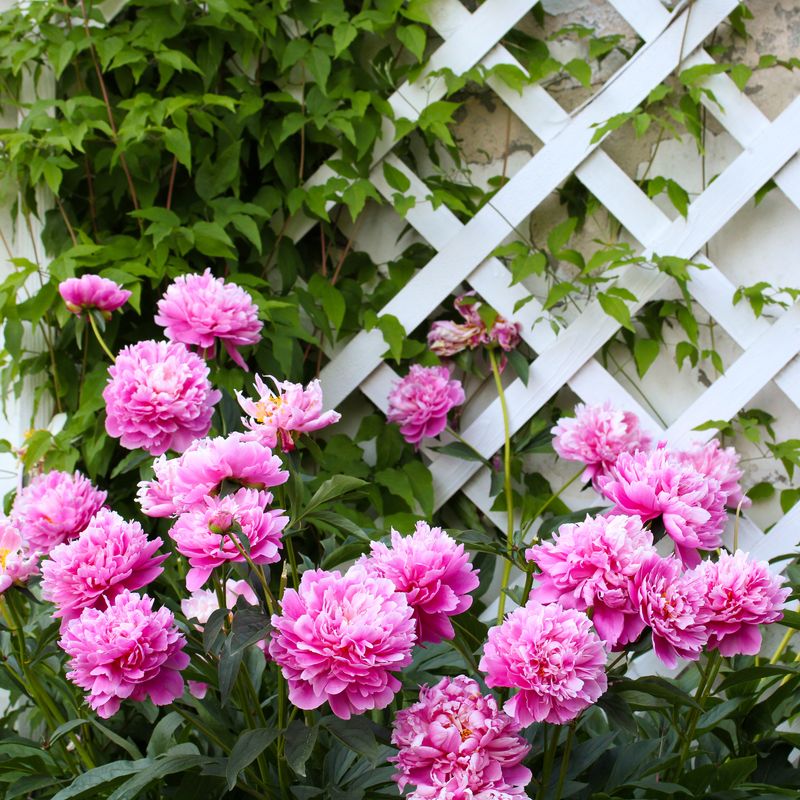
Oregon summer can dry a bed faster than spring gardeners expect.
Peonies are fairly sturdy once established, but they still appreciate steady moisture after blooming. This is the season when roots are storing energy, so long dry spells can affect next year’s performance.
Water deeply at the base.
Aim for the soil, not the leaves. A slow soak near the root zone is much better than a quick splash over the whole plant. Wet foliage can invite fungal issues, especially in crowded beds or coastal areas with lingering humidity.
Check the soil first.
Push a finger a few inches down near the plant. Dry soil at that depth means water is needed. Moist soil means wait. Peonies do not want soggy roots, especially in heavier Oregon clay.
Drip irrigation or a soaker hose works beautifully.
Both deliver moisture slowly without splashing soil onto leaves. Hand watering works too, as long as the water runs gently and long enough to reach deeper roots.
Mulch helps stretch each watering.
A light layer around the plant keeps soil cooler and slows evaporation. Keep mulch away from the crown and stems so moisture does not sit directly against the plant base.
Steady moisture matters more than constant watering.
A peony does not need pampering every day. It needs deep drinks during dry spells, good drainage, and a root zone that never swings too wildly between dust and swamp.
That is summer care with manners.
5. Support Floppy Stems
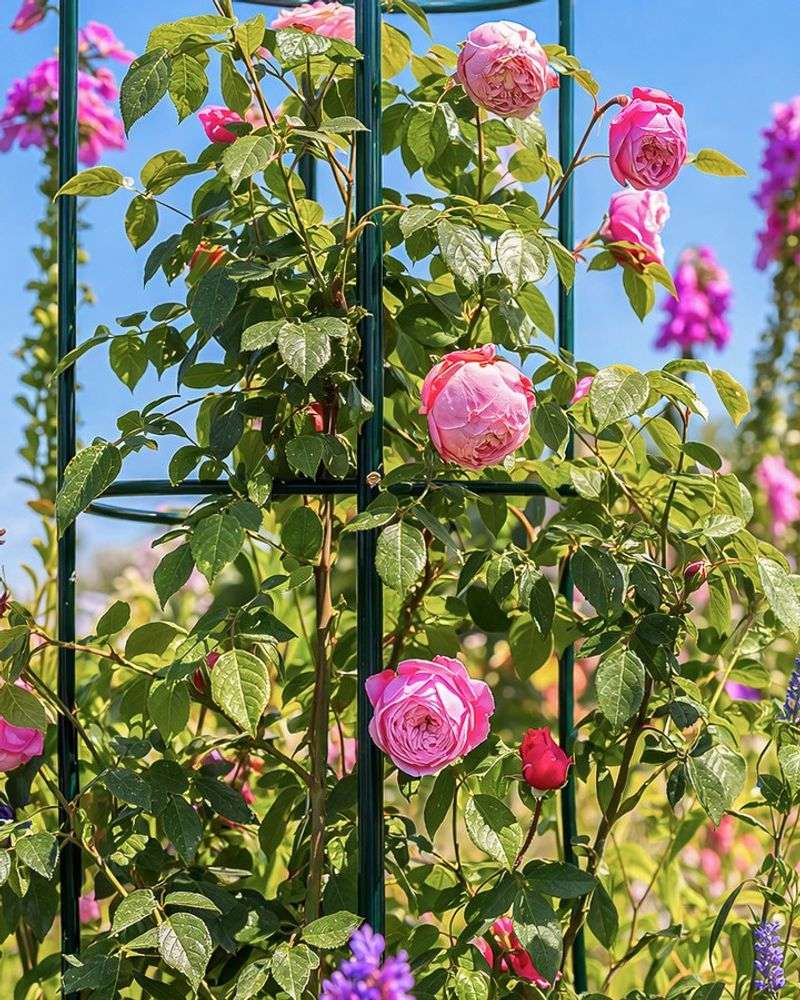
Post-bloom peonies can flop hard.
The flowers may be gone, but the leafy stems still carry weight. Wind, summer rain, or crowded beds can push them outward until the plant looks like it collapsed from the middle.
Support helps the leaves keep working.
Stems lying on the ground get less light, trap moisture, and become more vulnerable to leaf spots or rot. Lifting them gently improves airflow and keeps the plant tidier through the rest of summer.
Peony rings are the easiest option.
These circular supports sit around the clump and hold stems loosely in place. They work best when installed before bloom, but they can still help in midsummer when foliage begins spreading into paths or neighboring plants.
Stakes and twine work too.
Place three or four stakes around the outside of the clump, then loop soft garden twine between them to create a loose corral. Keep the tie relaxed. The goal is gentle support, not a peony prison.
Avoid bundling stems tightly.
Crowding foliage together reduces airflow, which can encourage fungal problems. Let the plant remain open enough for light and air to move through.
Make a note for next spring.
Peonies that flop every year should be supported early, when shoots are still short. It is much easier to guide the plant upward than to rescue it after the stems have already sprawled.
Floppy stems are not a failure.
They are just peonies being wonderfully overbuilt.
6. Skip Heavy Summer Feeding
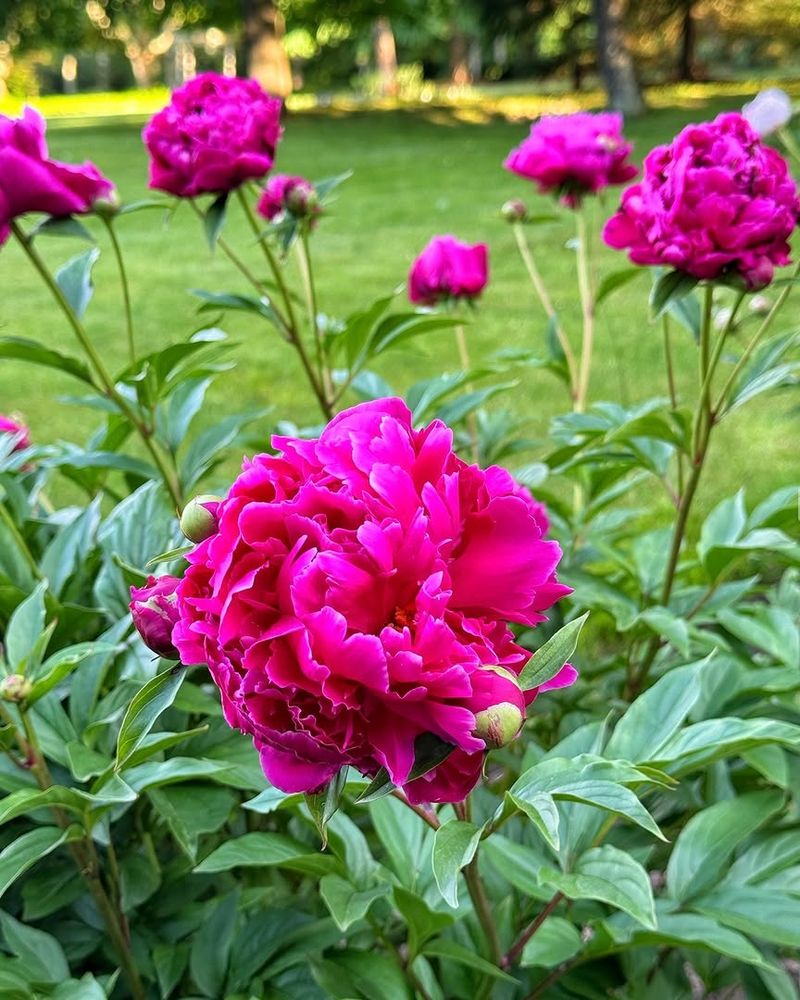
Midsummer is not the time for a fertilizer feast.
After bloom, peonies do not need a big push of nitrogen. Heavy feeding can encourage soft new growth when the plant should be storing energy and settling into the second half of the season.
Soft growth is not the goal.
Tender new leaves can be more vulnerable to disease, heat stress, and water swings. In Oregon’s dry summer weather, forcing extra growth can make the plant work harder than necessary.
Peonies are not heavy feeders.
Too much fertilizer can create lush foliage at the expense of flowers, especially when nitrogen runs high. A plant that looks leafy and impressive may still bloom poorly the following spring.
Compost is the gentler choice.
A light topdressing of finished compost around the plant can improve soil structure and add slow, steady nutrients without overstimulating growth.
Keep it away from the crown so it does not bury the growing points or hold moisture against the base.
Spring is usually the better feeding window.
A modest application before or around early growth gives the plant support as stems emerge. After bloom, keep any feeding light and calm.
Do not try to reward the plant with a giant meal.
The flowers are finished, and the roots are already working. Your job is to support that process, not force a second act.
Peonies like patience more than pep talks in a bag.
7. Watch For Leaf Spots
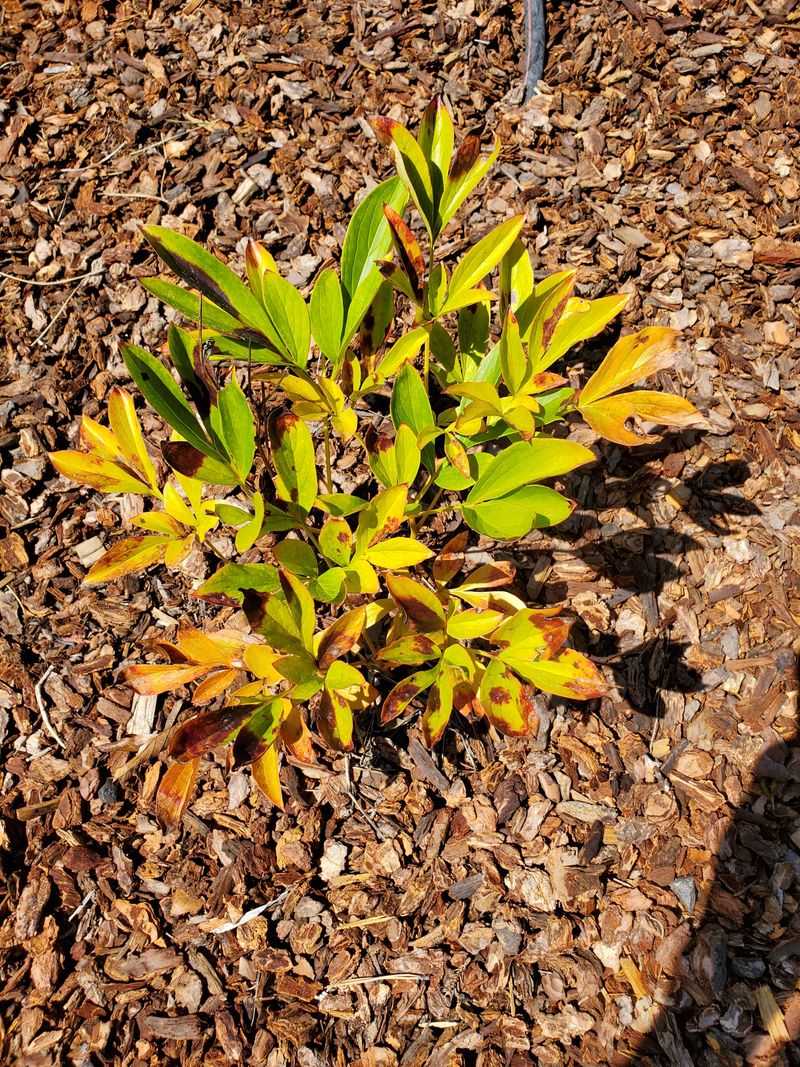
Leaf spots deserve attention before they spread.
Peonies can struggle with fungal problems, especially when airflow is poor, old petals sit around the crown, or overhead watering keeps leaves wet. Oregon’s spring moisture can set the stage, and symptoms may linger into midsummer.
Look for brown, gray, purple, or dark patches.
Some spots may appear along leaf edges. Others show up as blotches on stems or foliage. A fuzzy gray coating can also appear during damp conditions, which is a sign to act quickly.
Remove affected leaves carefully.
Clip only the diseased foliage, then dispose of it away from the garden. Do not leave spotted leaves on the soil under the plant. That can help disease pressure build around the crown.
Skip the compost pile for diseased material.
Home compost may not heat evenly enough to handle fungal spores. Yard waste disposal is safer when disease has been active.
Improve airflow around the clump.
Thin nearby crowding plants, support floppy stems, and avoid letting leaves rest on damp soil. More airflow helps foliage dry faster after rain or watering.
Water at ground level.
Overhead watering splashes soil and wets leaves, which gives fungal problems more opportunity. Morning watering is best when hand watering is needed.
A few spots are not a reason to cut the whole plant down in July.
Remove the problem, clean the area, and let healthy foliage keep feeding the roots.
That is the calm, practical route.
8. Save Cutback For Fall
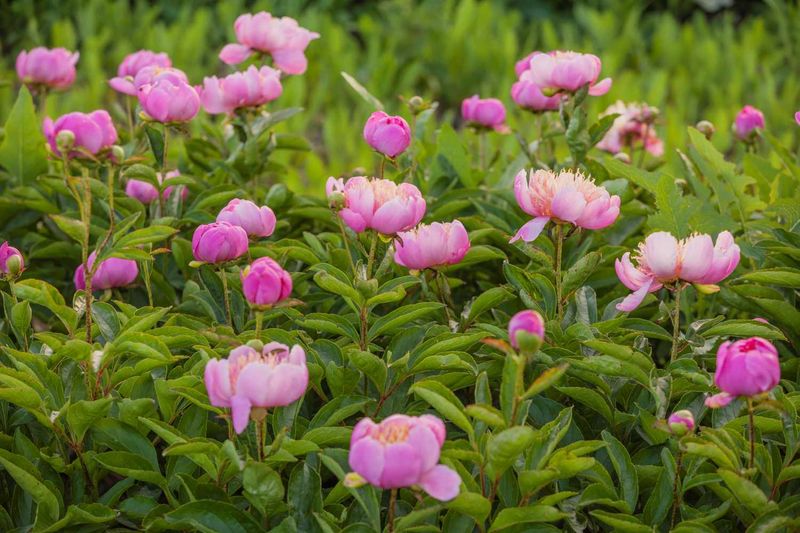
The big cutback waits until fall.
For herbaceous peonies, the right time is after the foliage naturally yellows, browns, and loses strength. In many Oregon gardens, that happens sometime in autumn, often around October depending on weather and location.
That color change is the signal.
By then, the leaves have finished sending energy back to the roots. The plant is preparing for dormancy, and the foliage no longer needs to stay.
Cut stems down to a few inches above the soil.
Use clean pruners and remove the old growth from the bed. This cleanup helps reduce overwintering disease issues and keeps the crown area tidy before winter rain settles in.
Dispose of foliage properly.
Healthy material can go into yard waste or compost where appropriate. Spotted or diseased foliage should stay out of home compost. Bag it or send it away with yard debris to reduce the chance of problems returning next spring.
Avoid burying the crown under mulch.
A light winter mulch can help in colder areas, but peony crowns should not be smothered. In spring, emerging red shoots need room and light. Pull back any mulch that settled too heavily over the crown.
Summer patience pays off here.
The plant used its leaves, stored its energy, and earned its rest. Once fall cutback arrives, the cleanup is simple.
Leave it green until the plant tells you otherwise.
Peonies know the schedule. Gardeners just need to stop rushing the ending.