Why Some California Avocado Trees Drop Leaves During Heat Waves
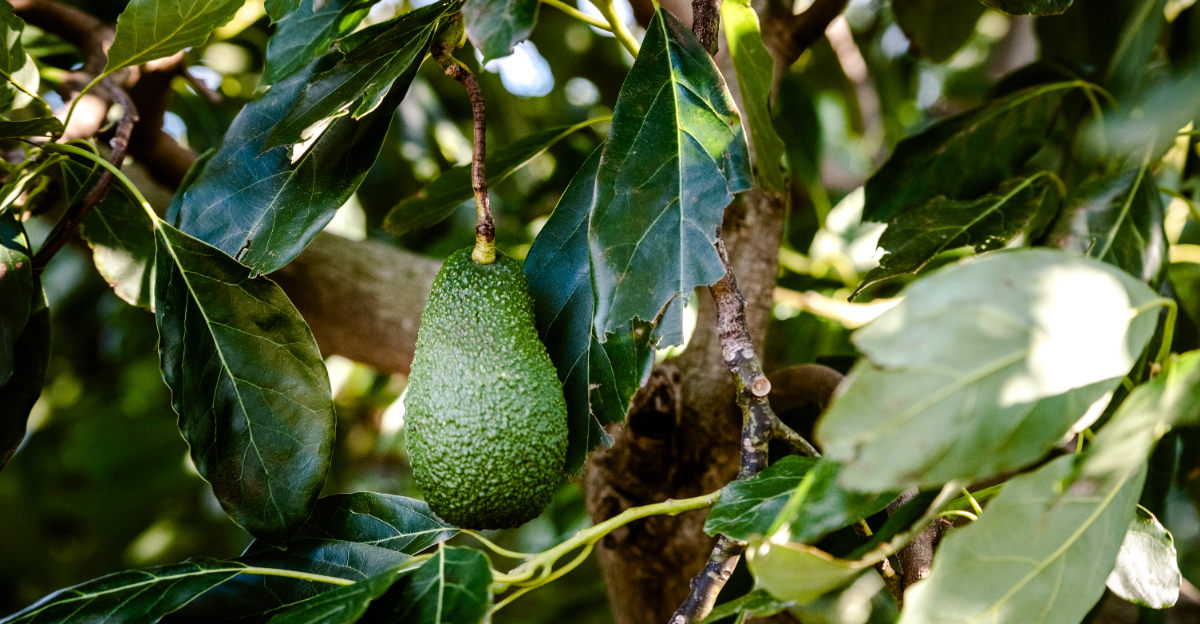
California heat waves can make an avocado tree look alarming fast.
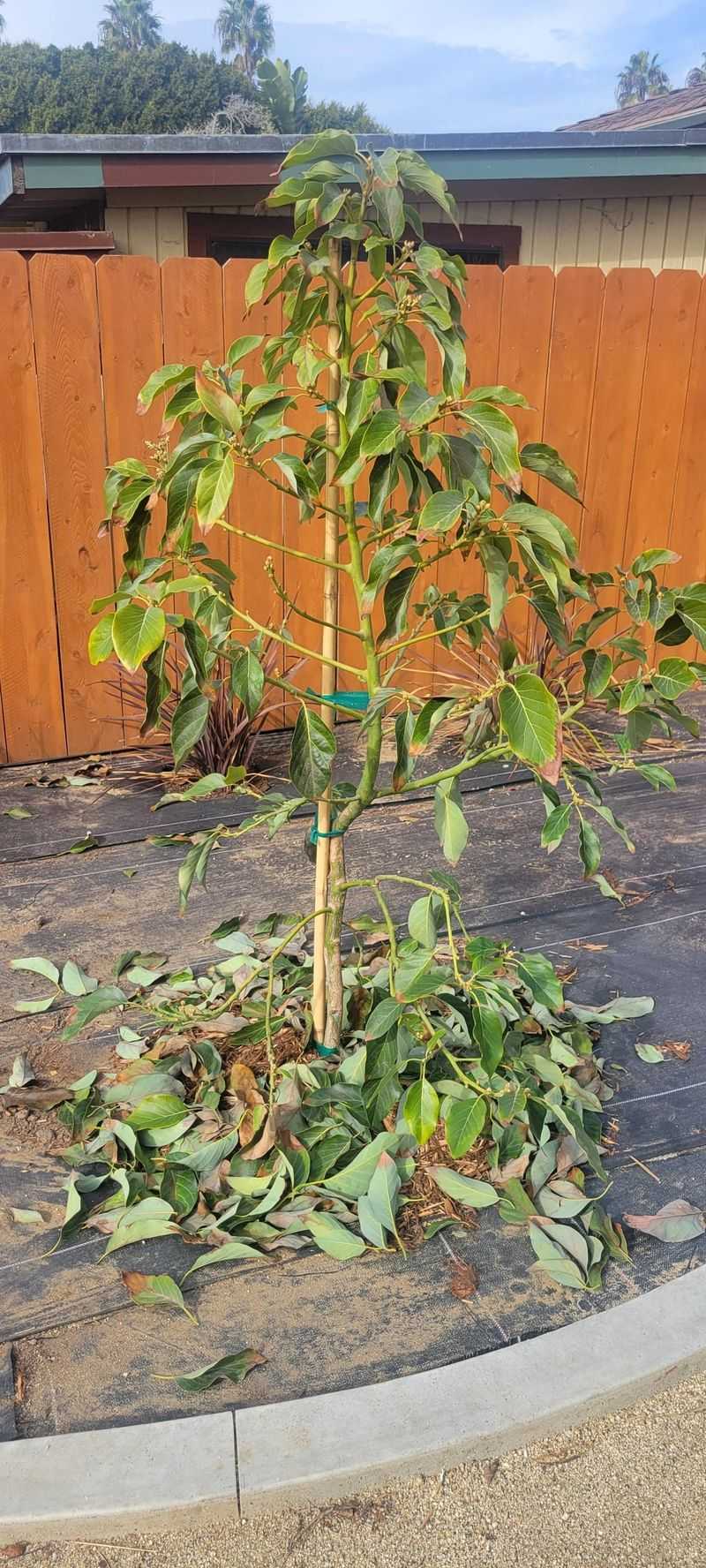
One day, the canopy seems full. The next, leaves are scattered under the branches like the tree made a dramatic overnight decision.
For backyard growers, that carpet of fallen foliage can feel like a warning sign with no translation attached.
But leaf drop during extreme heat is not always a disaster.
Sometimes it is a survival move.
When temperatures soar, dry wind picks up, and the root zone heats too quickly, an avocado tree may shed leaves it can no longer support.
That reduces water demand and helps the tree protect the branches, trunk, and remaining healthy canopy.
The key is knowing what pushed the tree to that point.
So what does sudden leaf drop during a California heat wave really mean?
Start with stress at both ends of the plant. Leaves may be losing water too fast while shallow roots struggle to replace it, especially in dry soil, windy yards, young trees, and hot spots near patios, gravel, or walls.
1. Heat Overloads Leaf Cooling
Avocado leaves act like tiny cooling systems.
On a normal warm day, they release water vapor through small pores called stomata. That process helps cool the leaf surface while the tree keeps photosynthesis moving. Under moderate conditions, the system works beautifully.
Extreme heat overwhelms it.
During a California heat wave, leaves may lose water faster than roots can replace it. The tree then closes its stomata to slow moisture loss. That protects water inside the plant, but it also reduces cooling.
Then leaf temperatures climb.
A leaf can become hotter than the air around it once cooling slows down. At that point, the tree faces a tough trade. It can keep supporting every leaf and risk losing too much moisture, or it can drop some leaves and reduce demand.
That drop can look scary.
A layer of leaves under the canopy feels like a clear sign something went wrong. In many cases, though, the tree is reducing the amount of foliage it has to maintain during a high-stress stretch.
Think of it as low-power mode.
The tree is not giving up. It is cutting back on the most water-demanding parts so the rest of the system can keep functioning.
The right response is support, not panic.
Cool the root zone, check moisture, and help the tree get through the heat without forcing more stress on it.
2. Roots Cannot Keep Up
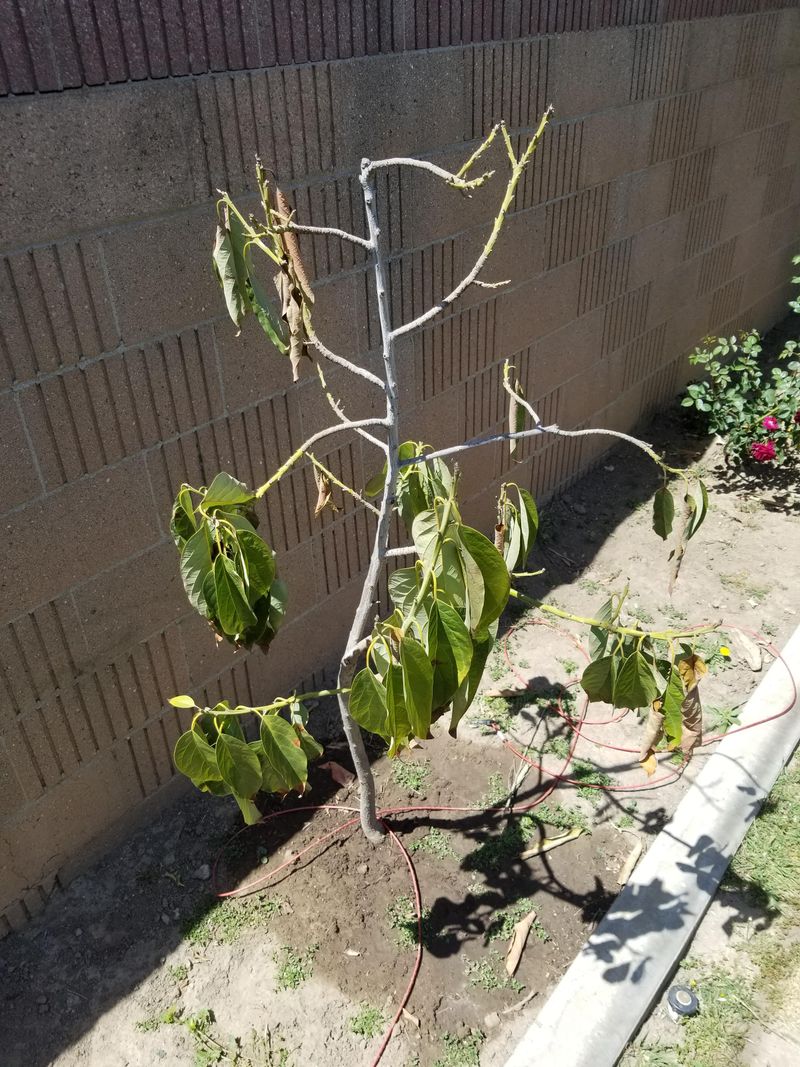
Avocado trees have shallow, sensitive roots.
Most of the active feeder roots sit close to the soil surface, often in the top few inches. That makes them excellent at using surface moisture under normal conditions, but it also makes them vulnerable during heat waves.
The top layer dries first.
Hot sun, dry air, and warm wind can pull moisture from the root zone quickly. Once that upper soil layer dries, the feeder roots lose steady access to water just when the canopy needs it most.
The tree gets caught in a mismatch.
Your California Garden Changes Every Week. Your Plan Should Too.
Gardening in California changes quickly throughout the season. Every Friday you’ll receive a simple weekly plan showing exactly what to plant, prune, fertilize, harvest, and protect so you never miss the right timing.
Leaves are demanding moisture to stay cool. Roots are sitting in soil that may be too dry, too hot, or too compacted to deliver enough. Leaf drop becomes one way the tree reduces the pressure.
More water is not always the answer.
Avocado roots also need oxygen. Soil kept constantly soggy can create root stress and make the tree look worse. The goal is steady moisture, not a swamp around the trunk.
Check deeper than the surface.
Dry mulch or dusty topsoil does not tell the whole story. Test moisture several inches down in the root zone. A soil probe, moisture meter, or even a long screwdriver can help show where water has actually reached.
Water slowly and deeply when needed.
The roots cannot help the leaves through heat when the moisture sits in the wrong place or disappears too fast.
Shallow roots need smart watering, not frantic watering.
3. Dry Soil Raises Stress Fast
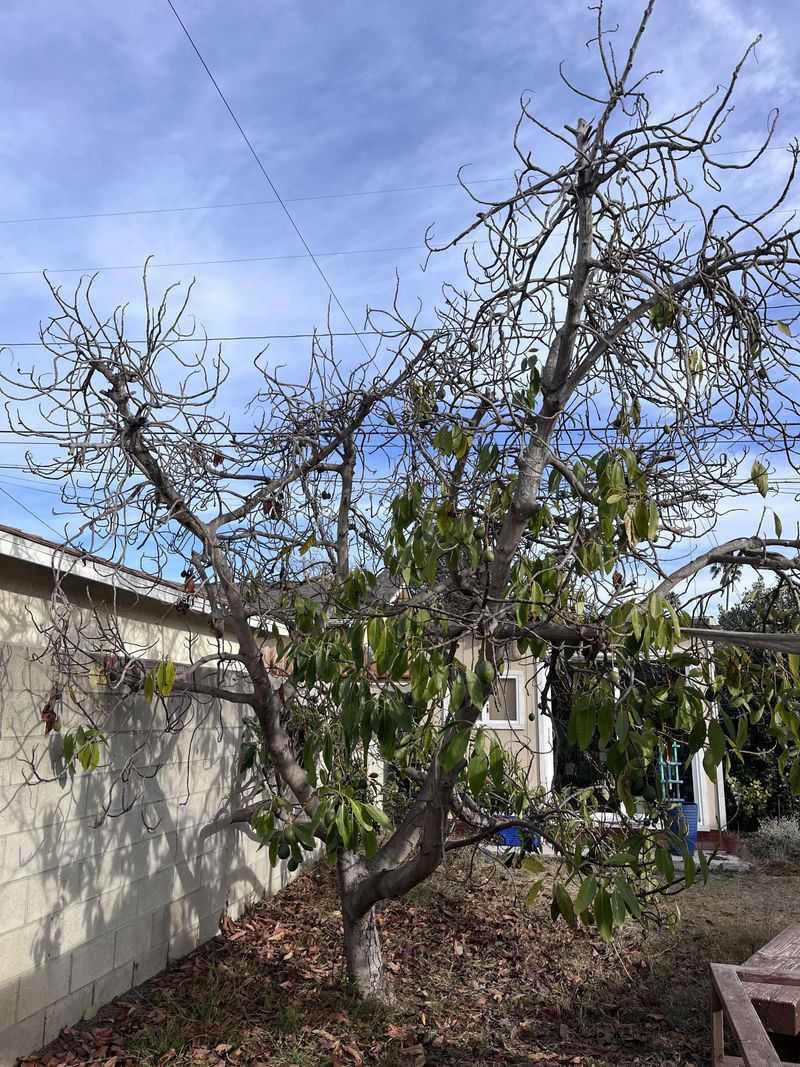
Dry soil turns heat stress into leaf drop much faster.
An avocado tree can handle warm weather better when its root zone stays evenly moist. Once that zone dries out, the tree loses its ability to cool leaves, move nutrients, and keep the canopy hydrated.
The shift can happen quickly.
A young or newly planted tree in a hot corner may look fine in the morning and stressed by late afternoon. Sandy soils can dry especially fast, while exposed sites near pavement or gravel heat the root zone even more.
Fixed watering schedules can fail during heat waves.
A routine that worked in June may not be enough during a stretch of extreme temperatures. The tree’s needs rise, evaporation increases, and the soil dries faster between irrigations.
Check before sticking to the calendar.
Push a probe, finger, or screwdriver into the soil near the root zone. Easy movement usually means moisture remains. Resistance a few inches down often means the ground has dried too much.
Morning watering works best.
It gives moisture time to move into the root zone before peak heat pulls water from the soil and canopy. Slow watering also reduces runoff and helps moisture sink instead of spreading across the surface.
Mulch makes every watering work harder.
A generous organic layer keeps soil cooler and slows evaporation. Keep it a few inches away from the trunk so the bark stays dry.
Dry soil is not just a background problem.
It is often the switch that tells the tree to start letting leaves go.
4. Wind Pulls Moisture Harder
Hot wind can stress an avocado tree faster than heat alone.
Air movement strips moisture from leaf surfaces. During a heat wave, that extra pull can overwhelm the canopy, especially when dry inland winds or Santa Ana conditions move through.
The leaves feel the pressure first.
Wind increases water loss while the sun keeps leaf temperatures high. The tree responds by closing stomata, which slows moisture loss but also reduces cooling and photosynthesis.
That double hit can trigger leaf drop.
The tree is losing moisture faster, cooling less effectively, and producing less energy at the same time. Dropping leaves becomes a way to reduce the total surface area exposed to the wind.
Location makes a big difference.
Trees near open fences, slopes, wide driveways, large lawns, or exposed backyards often lose more leaves than trees protected by walls, hedges, or larger nearby plantings.
Temporary wind protection can help.
Shade cloth on a fence, a temporary screen, or a breathable barrier on the windward side can reduce the force hitting the canopy. Do not wrap the tree tightly. Air still needs to move.
Moisture checks matter even more during windy stretches.
Wind dries the soil surface while also pulling water from leaves. A tree may need more frequent monitoring during wind events, even when the temperature does not hit the highest number on the forecast.
Do not watch only the thermometer.
In California avocado care, wind can be the invisible hand emptying the tree’s water account.
5. Young Trees Have Less Buffer
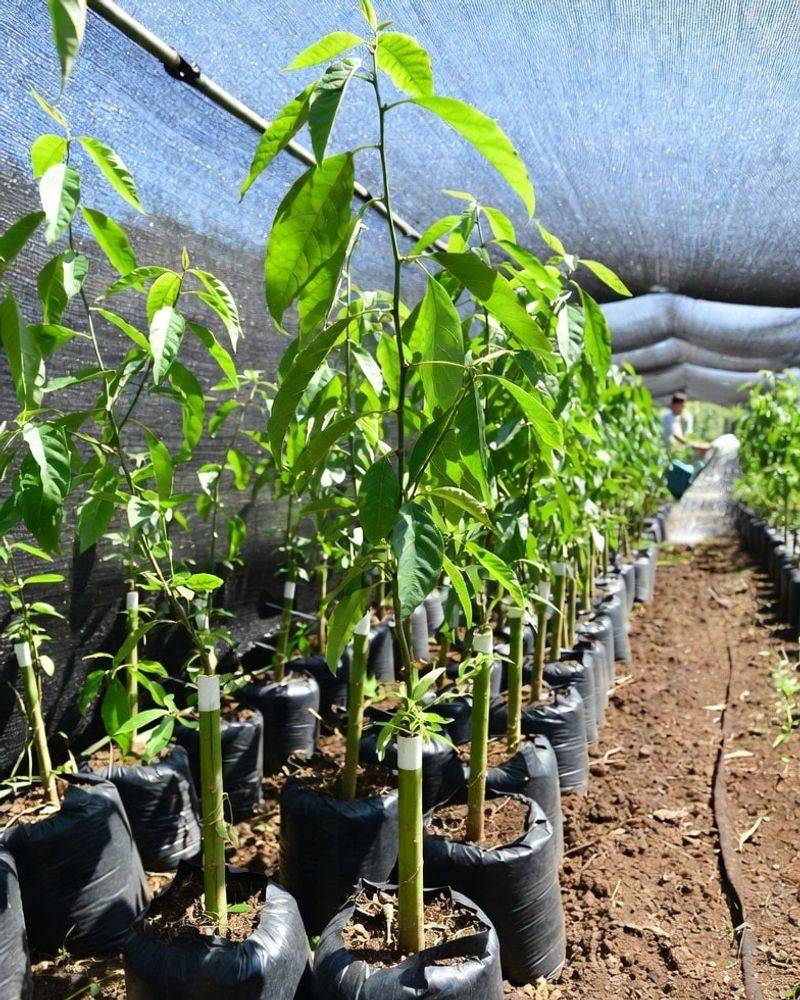
Young avocado trees have fewer reserves.
A mature tree has a wider root system, more stored energy, and a canopy that can shade part of its own root zone. A newly planted tree or one still in its first few years has much less backup.
That makes heat waves harder.
The roots may still sit close to the original planting area. The canopy may be small. The trunk and soil may be exposed. One brutal afternoon can stress a young tree faster than it would stress an older, better-established tree.
Leaf drop in young trees is common during heat.
It does not automatically mean the tree is beyond recovery. It does mean the tree needs faster support, because its margin for error is smaller.
Water the smaller root zone carefully.
Young trees often need more frequent moisture checks during heat events, not one giant soak followed by neglect. The root area should stay evenly moist without remaining saturated.
Mulch is especially important.
Spread wood chips or other organic mulch broadly over the root zone, keeping it away from the trunk. That layer reduces soil temperature, slows evaporation, and protects the shallow feeder roots.
Temporary shade can be worth it.
A young tree in harsh afternoon sun may benefit from shade cloth during the hottest days. Filtered protection can reduce leaf scorch and give the canopy a better chance to hold.
Young trees are not weak.
They are just not fully armored yet. Heat waves demand a little extra backup until the roots catch up with the dream.
6. Reflected Heat Hits Twice
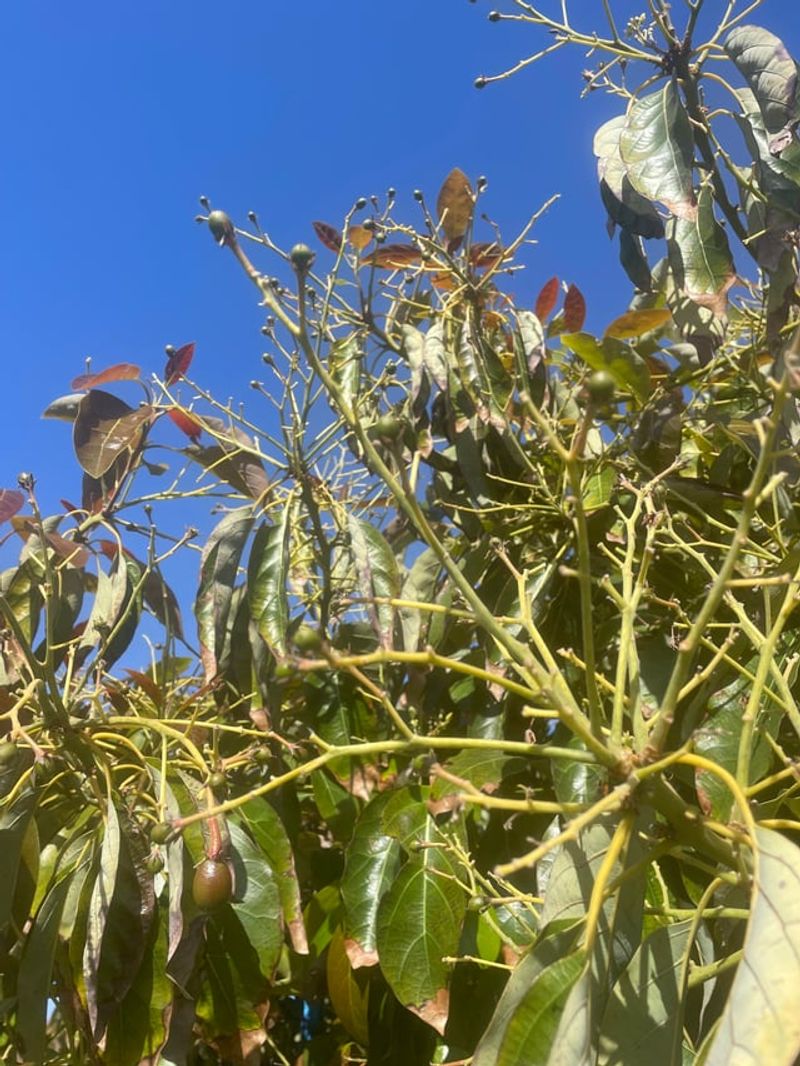
The hottest spot in the yard may not be the one on the weather app.
Concrete patios, sidewalks, stucco walls, block walls, gravel, and light-colored hardscape can all bounce heat and sunlight back toward an avocado tree.
That means the tree is not only dealing with sun from above. It may be getting heat from the side and below too.
That extra heat adds up.
A tree planted near a south or west-facing wall can experience much harsher conditions than one in open soil with organic mulch nearby. Leaf surfaces may heat faster, and the root zone may stay warmer longer into the evening.
Gravel is especially tough.
It absorbs and radiates heat, often keeping the soil warmer after sunset. Avocado roots prefer a cooler, organic surface layer, not a ring of hot stones acting like a slow-release oven.
Swap heat-storing material near the tree when possible.
Wood chip mulch is a better choice around the root zone. It shades the soil, holds moisture, and breaks down into organic matter over time.
Temporary shade can reduce reflected stress.
Shade cloth on the hottest side, a light screen near a wall, or strategic companion planting can soften the heat load during extreme stretches.
Look around the tree, not only at it.
The surrounding surfaces may be making the heat wave worse than the forecast suggests.
An avocado tree planted beside a patio is not being dramatic. It may be getting cooked twice.
7. Sunburned Leaves Let Go
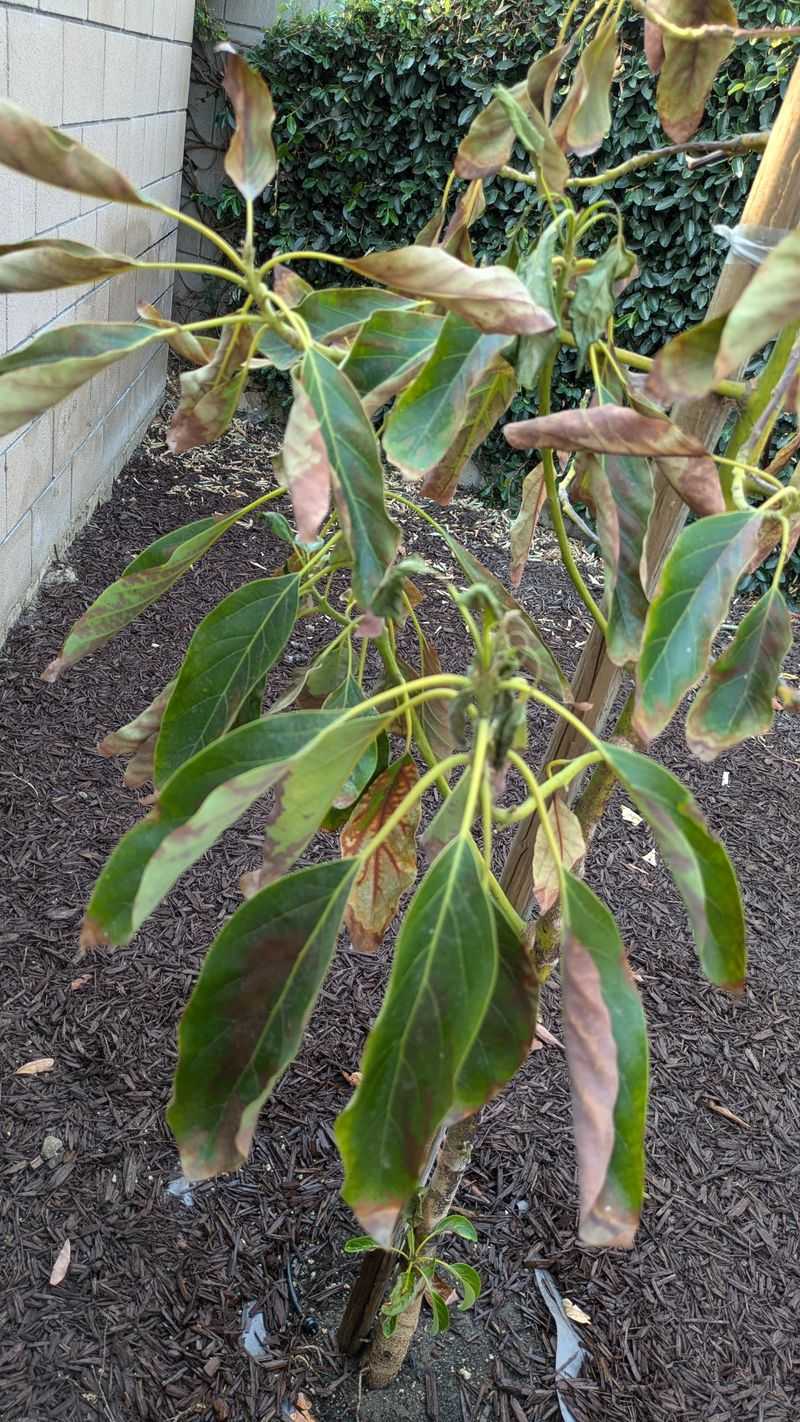
Sunburned leaves cannot return to normal.
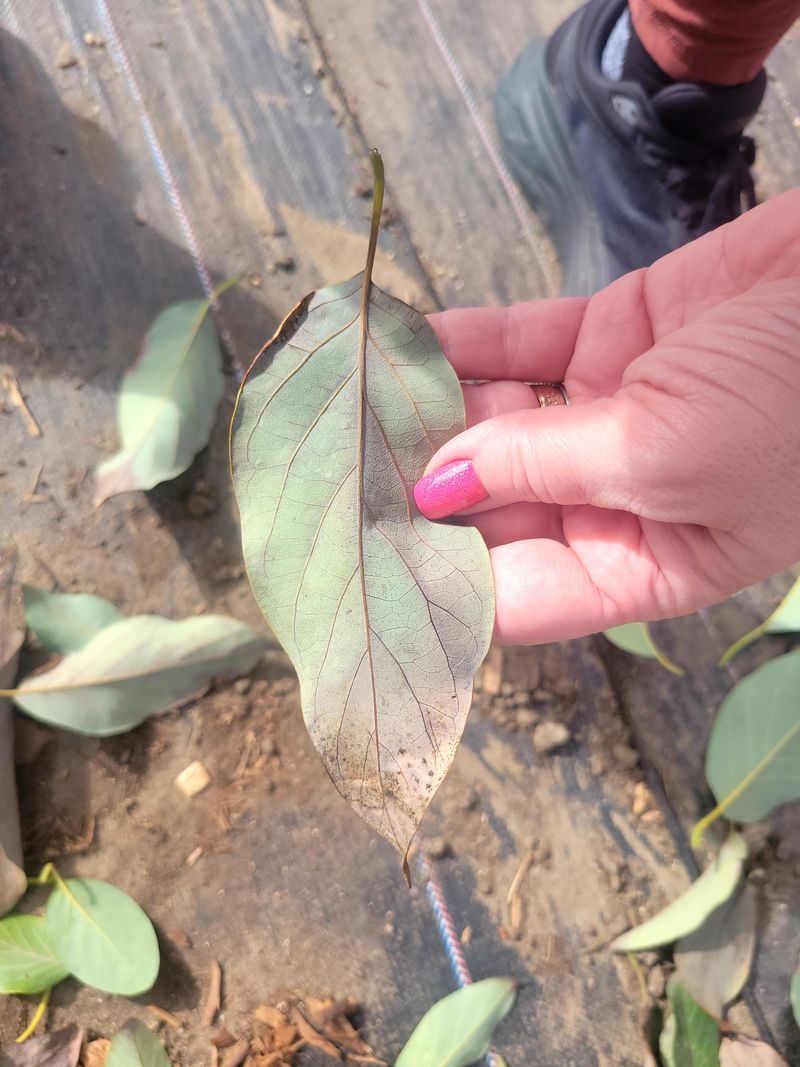
During intense heat, avocado leaves exposed to direct sun may develop pale, tan, or bleached patches. Those damaged areas no longer photosynthesize well, and the leaf becomes less useful to the tree.
Then the tree releases it.
Dropping a sunburned leaf is a practical decision. The tree redirects limited moisture and energy toward healthier foliage, branches, and roots instead of maintaining tissue that can no longer do its job.
The outer canopy usually shows it first.
Leaves on the south and west sides often take the harshest afternoon sun. Interior leaves may stay greener because they are protected by the rest of the canopy.
Do not strip damaged leaves immediately.
Some scorched leaves still provide partial shade to branches and fruit before they fall on their own. Removing too much too quickly can expose even more bark and interior growth to sun.
Shade cloth works best before damage happens.
A thirty to forty percent shade cloth over the most exposed side can reduce leaf burn during heat waves without blocking all light. The goal is filtered relief, not darkness.
Avoid heavy pruning after sunburn.
Bare branches can be vulnerable to more sun damage. Give the tree time to show where fresh growth returns once temperatures settle.
Sunburned leaves on the ground can look like failure.
Often, they are simply leaves that took the hit so the rest of the tree could keep going.
8. Recovery Takes Steady Care
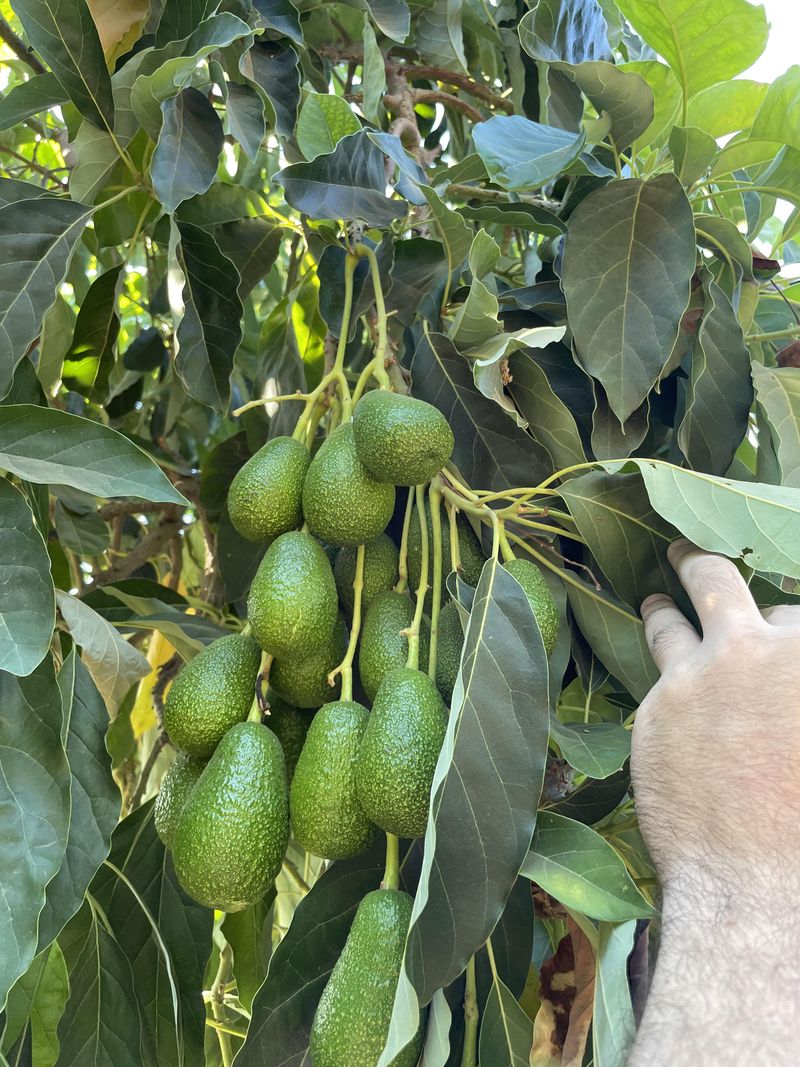
Recovery after heat-related leaf drop is not instant.
An avocado tree may need weeks, or longer, to rebuild canopy density after a severe heat event. The best care is steady, simple, and focused on roots.
Start with mulch.
Spread three to four inches of organic mulch over the root zone, keeping it several inches away from the trunk. That layer cools the soil, slows evaporation, and supports the shallow feeder roots that avocado trees rely on.
Water deeply, then check before repeating.
The goal is moisture several inches down, not daily surface sprinkles. Let water soak slowly into the root zone, then monitor conditions so the soil stays evenly moist without becoming soggy.
Hold off on heavy pruning.
Bare branches may look bad, but cutting too soon can remove places where new growth might emerge. Wait until the tree clearly shows which branches are recovering before making cleanup cuts.
Skip fertilizer during immediate stress.
A heat-stressed tree does not need to be pushed into soft new growth. It needs moisture stability, cooler roots, and time. Feeding can wait until the tree is actively recovering and conditions are milder.
Watch for new leaf buds.
Fresh growth at branch tips or along healthy wood is the sign the tree is moving forward. Some leaf drop may continue briefly after the heat passes, but new growth tells a better story.
Avocado recovery is not a race.
The tree needs calm care, not a dozen fixes at once. Shade, mulch, water, patience. That is the summer comeback plan.