Why Florida Lawns Turn Brown In July And How To Recover Them Naturally
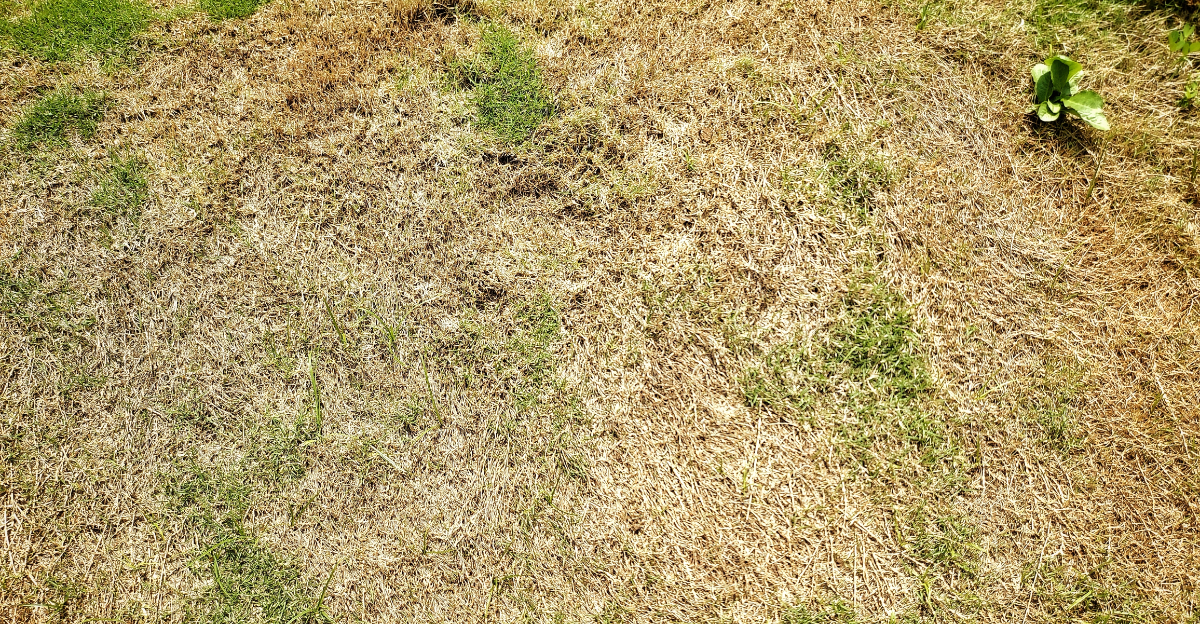
A brown Florida lawn in July looks like a crisis. It feels like one too, especially after the water bill from trying to keep it green.
The browning keeps coming, the spending keeps climbing, and the lawn still looks like it has given up on the season entirely. Most of the time, the lawn has not given up.
It has gone dormant, stressed, or hit a specific problem that water alone was never going to fix. July browning in Florida follows patterns.
Each one has a different cause and a different natural response that works better than the reflex of soaking the lawn and hoping for improvement. The recovery that actually holds does not always require products or professional intervention.
It requires reading what the lawn is actually showing and responding to that specific signal instead of the general one. Brown in July is a message.
The lawn is waiting on the right answer.
1. Heat Stress Shows Up Before Grass Fully Fails
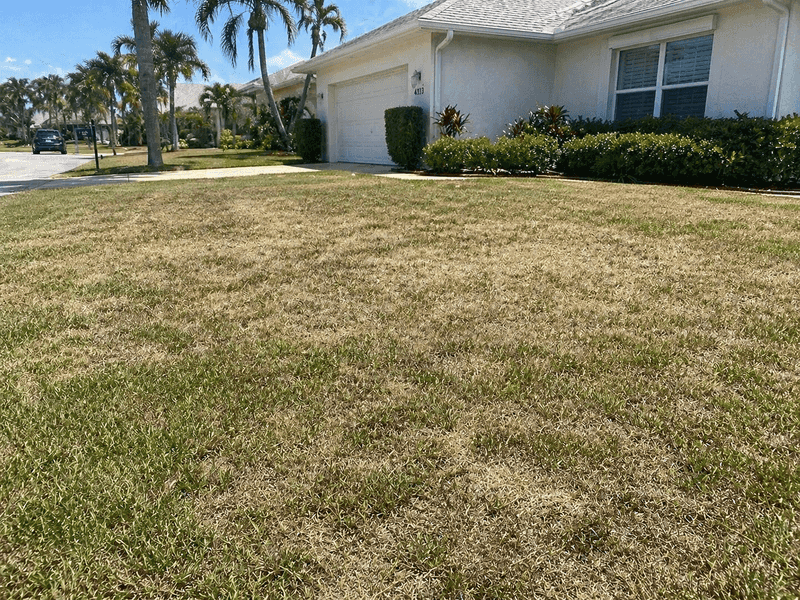
Walk across your Florida lawn on a hot July afternoon and look back at your footprints. If they linger for more than a few seconds, your grass is likely showing early signs of heat stress.
Folded or curled leaf blades, a dull blue-gray color, and flat-looking turf near pavement are classic signs of heat stress. The grass is conserving moisture under extreme heat.
Warm-season grasses handle heat better than cool-season types, but they still have limits. Areas near driveways, sidewalks, or walls can absorb reflected heat and show browning before the rest of the yard.
This does not always mean the grass is beyond recovery. It often means the turf is protecting itself temporarily.
Before changing your watering schedule or adding products, check the soil moisture a few inches down. Press a screwdriver into the ground.
If it goes in easily, the soil may still have moisture. If it resists, the root zone may be dry and in real need of water.
Root health matters more than leaf color right now. Grass with deep roots can recover from heat stress once temperatures ease or proper watering resumes.
Avoid heavy fertilizing during this period, since pushing new growth during peak heat can add more stress. Focus on reading what the turf is telling you before acting.
2. Too Much Water Can Brown Turf Too
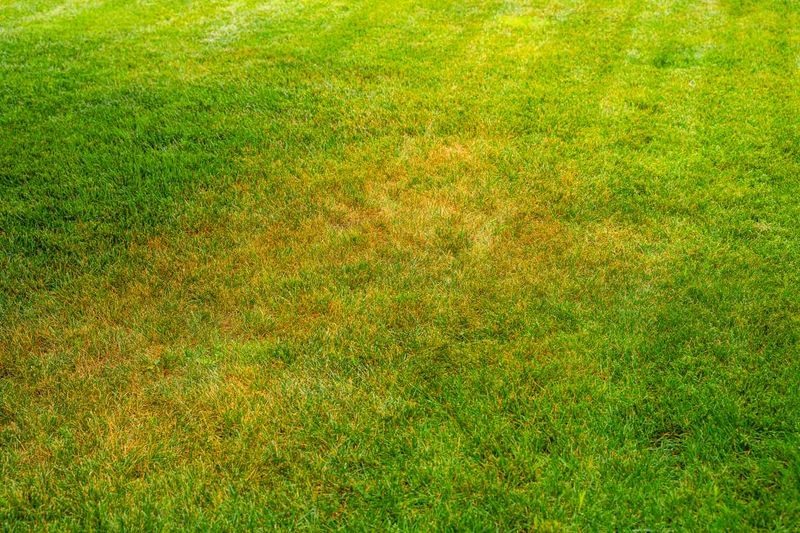
Soggy soil after a week of afternoon storms in Florida is one of the most overlooked causes of July browning. When the root zone stays saturated, grass roots cannot get the oxygen they need to function.
Roots weaken, turf thins out, and the lawn can start to look just as brown and sad as a drought-stressed yard.
Automatic irrigation systems are a common part of this problem. Many systems run on a fixed schedule and keep watering even after heavy rain.
That extra moisture can push roots closer to the surface, where they are more vulnerable to heat and drought swings. Shallow roots make the lawn look worse, not better, over time.
Most water management districts in this state have restrictions on irrigation days and times. Check your local rules before adjusting your system, and use a rain sensor or smart controller if possible.
Your Florida Garden Changes Every Week. Your Plan Should Too.
Gardening in Florida changes quickly throughout the season. Every Friday you’ll receive a simple weekly plan showing exactly what to plant, prune, fertilize, harvest, and protect so you never miss the right timing.
Watering only when the lawn shows actual signs of need, like footprint lingering or blade folding, is a more reliable guide than a fixed timer.
Good drainage matters too. Low spots that hold water after rain can stay wet long enough to create root stress and even disease pressure.
If your lawn has consistently soggy areas, improving drainage or adjusting irrigation zones may help more than any watering schedule change. More water is rarely the natural answer when the soil is already full.
3. July Rain Makes Disease Easier To Miss
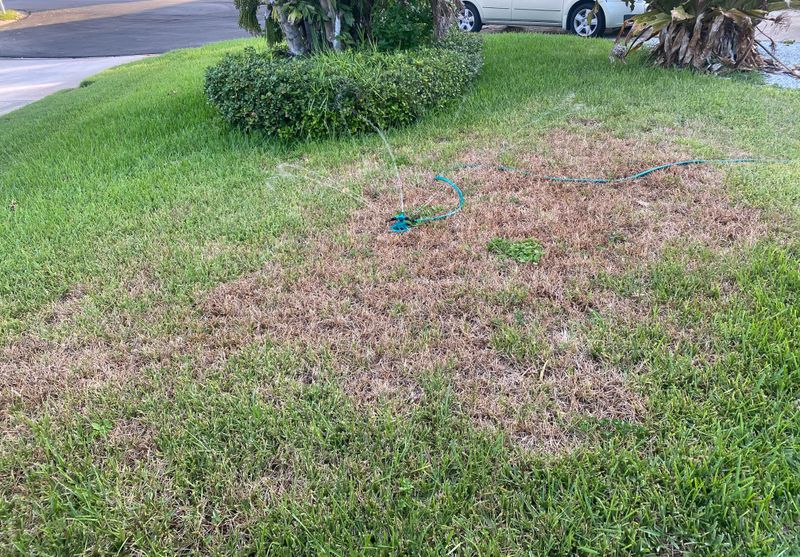
Hot, humid Florida nights combined with afternoon rain create perfect conditions for fungal problems in warm-season turf. Brown patch, gray leaf spot, and other diseases can spread quickly when grass stays wet for extended periods.
The tricky part is that these patches can look a lot like drought stress or insect damage at first glance.
Look closely at the shape and edges of the brown areas. Disease patches are often irregular or circular, and the grass blades near the edges may show spots, lesions, or a water-soaked appearance.
Drought stress, by contrast, tends to follow sun exposure patterns or show up near pavement and high-traffic areas.
Watering habits and mowing practices can raise disease pressure. Watering in the evening keeps leaf blades wet overnight, giving fungal spores a longer window to spread.
Mowing wet grass can carry disease from one part of the yard to another on the mower deck. Rinsing the deck between mowing sessions helps reduce that risk.
Do not apply fungicide based on appearance alone. Photograph the affected areas and compare them to resources from UF/IFAS or your county extension office.
Some diseases require specific fungicides, and using the wrong one wastes money and can harm the lawn further. Correct identification is the first step toward treating disease the right way, without guessing or random product use.
4. Dull Mower Blades Tear Stressed Grass
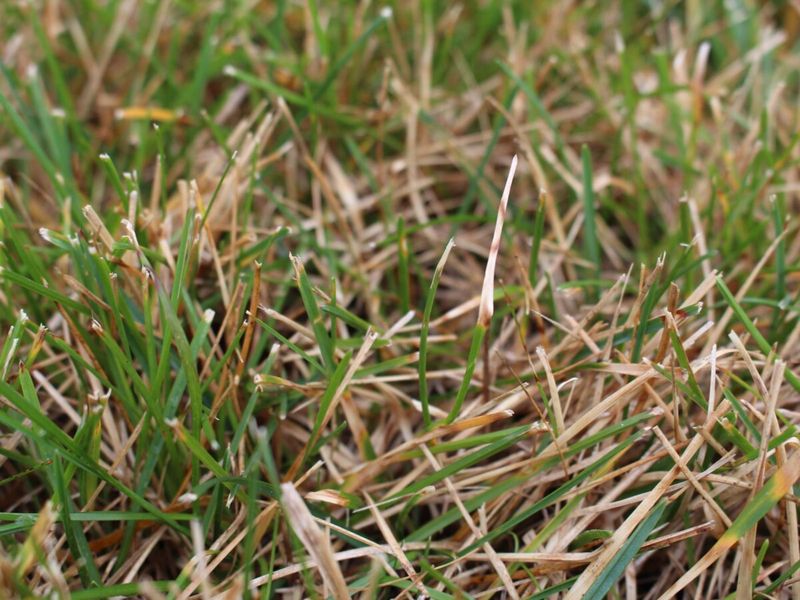
A mower blade that has not been sharpened since spring is doing more harm than good in July. Dull blades do not cut grass cleanly.
Instead, they tear and shred the leaf tips, leaving ragged brown edges that look like the lawn is struggling even when the roots are fine. That torn tissue also loses moisture faster, which adds to the stress the grass is already dealing with in peak heat.
Scalping is another mowing mistake that shows up in summer. Cutting too low removes most of the leaf blade at once, exposing the soil to direct sun and stripping the plant of the energy it needs to recover.
The one-third rule is a reliable guide here. Never remove more than one-third of the leaf blade in a single mowing session, regardless of how tall the grass has grown.
Proper mowing height varies by turf type. St. Augustinegrass is typically mowed at three to four inches during summer stress periods.
Bahiagrass does well at three to four inches as well. Bermudagrass and zoysiagrass can be mowed lower, but raising the height slightly during July heat reduces stress on the plant.
Mow only when the grass is dry enough, and avoid mowing during the hottest part of the day. Sharp blades, the right height, and good timing make a bigger difference in July recovery than most homeowners expect.
Check and sharpen blades at least once during the season.
5. Compacted Soil Keeps Roots From Breathing
Picture a backyard where the kids play every afternoon, the dog runs the same path along the fence, and the mower follows identical tracks every week. Over time, all that repeated pressure squeezes the air pockets out of the soil.
Without those pockets, roots cannot breathe, water cannot soak in properly, and nutrients struggle to reach the root zone.
Compacted soil often sheds water instead of absorbing it. You may notice runoff forming quickly after rain or irrigation, even when the soil below the surface feels dry.
Grass in these areas tends to thin out, turn pale, and eventually brown because the roots simply cannot function well in tight, airless conditions.
Adding more water or fertilizer will not fix compaction. The solution requires improving the physical structure of the soil itself.
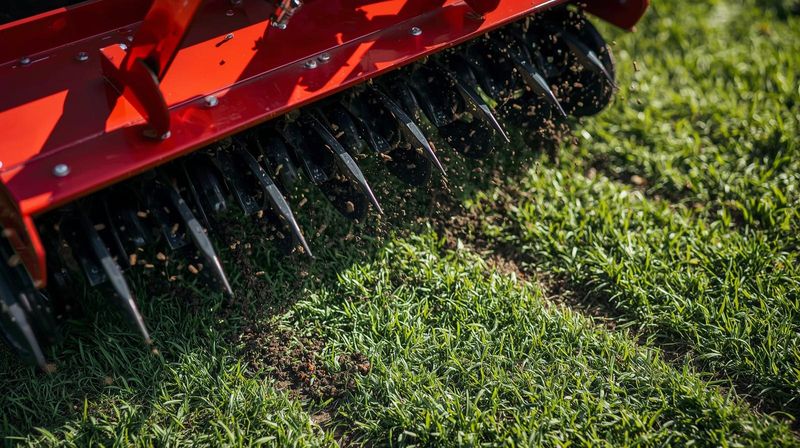
Reducing foot traffic, varying mowing patterns, and allowing the soil to dry between watering cycles all help over time. Aeration can also improve air and water movement in the root zone, but the timing and method depend on your turf type.
Contact your Florida local county extension office for guidance on aeration timing for your specific warm-season grass. Avoid digging deeply in areas near tree roots, underground utilities, septic systems, or irrigation lines.
Gradual soil improvement, combined with reduced compaction pressure, gives roots a real chance to recover during the second half of summer and into fall.
6. Chinch Bugs Can Mimic Drought Damage
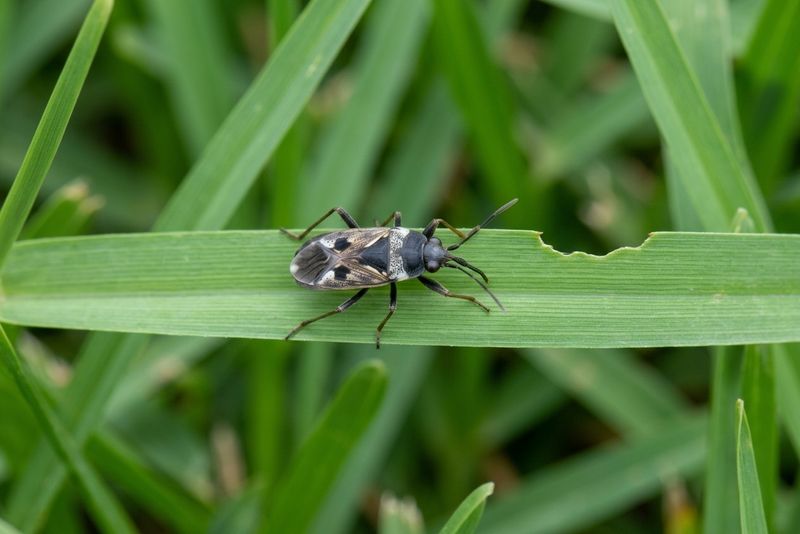
Not every sunny, dry-looking brown patch in July is caused by lack of water. Chinch bugs are small insects that feed on St. Augustinegrass by sucking plant juices and injecting a toxin that blocks the plant’s ability to move water.
The result looks almost identical to drought stress, which is why so many Florida homeowners water and water without seeing any improvement.
Chinch bugs tend to show up first in hot, sunny spots near driveways, sidewalks, and lawn edges. The damaged areas usually spread outward in an irregular pattern as the population grows.
Grass in affected zones may look yellowish before turning brown, and it will not recover with watering alone.
To check for chinch bugs, part the grass at the edge of a damaged area and look at the soil surface. You can also use a coffee can with both ends removed, pushed into the soil and filled with water.
Chinch bugs will float to the surface within a few minutes if they are present. This simple test can save you from treating the wrong problem entirely.
If you confirm chinch bugs, consult UF/IFAS extension resources or your county extension office for identification help and label-directed treatment options. Do not apply insecticide randomly across the whole yard.
Treating only the affected area protects beneficial insects and avoids unnecessary chemical use. Correct identification is the most important step before any treatment decision.
7. Deep Watering Helps Roots Recover Slowly
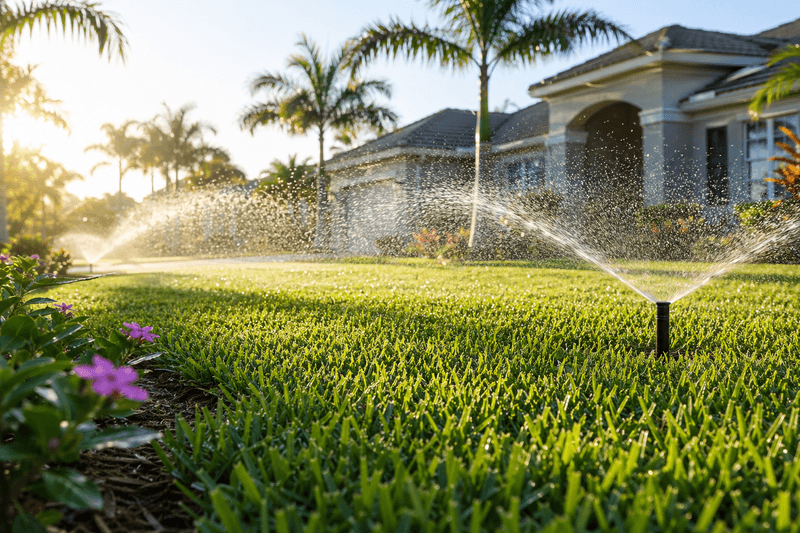
When dry soil is the confirmed cause of browning, the goal shifts to getting water down into the root zone without wasting it. Shallow, frequent watering trains roots to stay near the surface, where heat and dry air can reach them quickly.
Watering deeply and less often encourages roots to grow downward, where soil stays cooler and moisture lasts longer.
A practical way to check irrigation output is to set empty tuna cans or straight-sided cups around the yard during a watering cycle. Measure how much water collects.
Most warm-season grasses in this state need about a half inch to three-quarters of an inch of water per irrigation session. Apply it only when the lawn shows signs of stress.
That number can change based on soil type, turf type, and recent rainfall.
Water early in the morning when possible. Morning watering gives the soil time to absorb moisture before heat peaks, and it allows leaf blades to dry before evening, which reduces disease pressure.
Avoid watering in the evening or at night. Always check local watering restrictions before adjusting your schedule, since irrigation rules vary by county and water management district.
Recovery after drought stress takes time. Brown leaf blades may not turn green again right away, even after proper watering resumes.
Watch for new green growth emerging from the base of the plant. That new growth is the real sign that the roots are alive and the turf is on its way back.
Patience is part of the process.
8. Healthy Habits Bring Color Back Safely
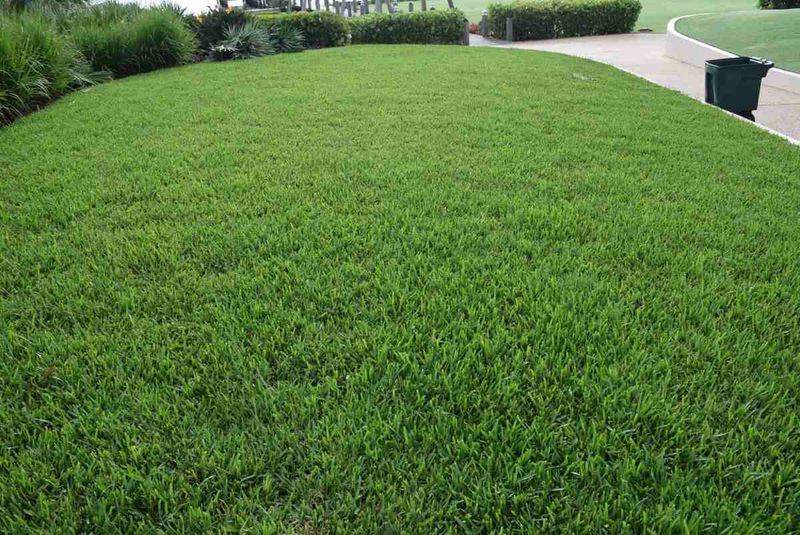
Getting a July-brown lawn back to green is not a one-step fix. Recovery is a process that builds on several small, consistent habits done in the right order.
The first step is always diagnosis. Before changing anything, confirm what caused the browning.
Heat, overwatering, disease, insects, compaction, and mowing stress each need a different response.
Once the cause is clear, reduce the stressors you can control. Raise the mower height, sharpen the blades, water only when the lawn shows need, and avoid heavy fertilizing until the turf is actively recovering.
Nitrogen fertilizer during peak stress can push tender growth that the plant cannot support, making things worse instead of better.
Reduce foot traffic on the most stressed areas as much as possible. Give roots a chance to recover without additional pressure.
Check for new growth at the base of the plant regularly. Fresh green shoots emerging from the crown are a reliable sign that the turf is responding to better care.
Some areas with severe root or crown damage may not fully recover on their own. Bare spots or patches where the grass is no longer living may need plugs or sod repair after summer stress eases.
July is usually the time to stabilize the lawn, not to push aggressive repairs. Work with your local extension office if you are unsure about next steps, and let steady, smart care guide the lawn back to health.