California Groundcovers That Thrive In Part Shade Where Grass Won’t Grow
Patchy grass under trees can make an otherwise polished California yard look strangely unfinished.
The soil may be fine, the sprinklers may work, and the lawn may still refuse to cooperate. Grass can be stubborn like that.
Part shade creates a tricky middle ground. The area gets enough light for some plants, but not enough for many lawn varieties to stay thick and green.
That opens the door to groundcovers with a much better attitude.
The right choice can fill bare spots, soften awkward edges, and bring texture to places that once looked tired. It can also reduce the constant cycle of reseeding, watering, and disappointment.
Not every low-growing plant suits these conditions, though. Some spread too fast, while others fade once summer heat arrives.
A well-matched groundcover can turn that frustrating patch into one of the most attractive parts of the yard.
1. Yerba Buena Softens Dry Part-Shade Beds
Few plants carry as much history as this one. Yerba Buena was so beloved by early settlers that they named the original settlement of San Francisco after it.
Today, it remains one of the most charming native groundcovers you can plant in a part-shade garden bed.
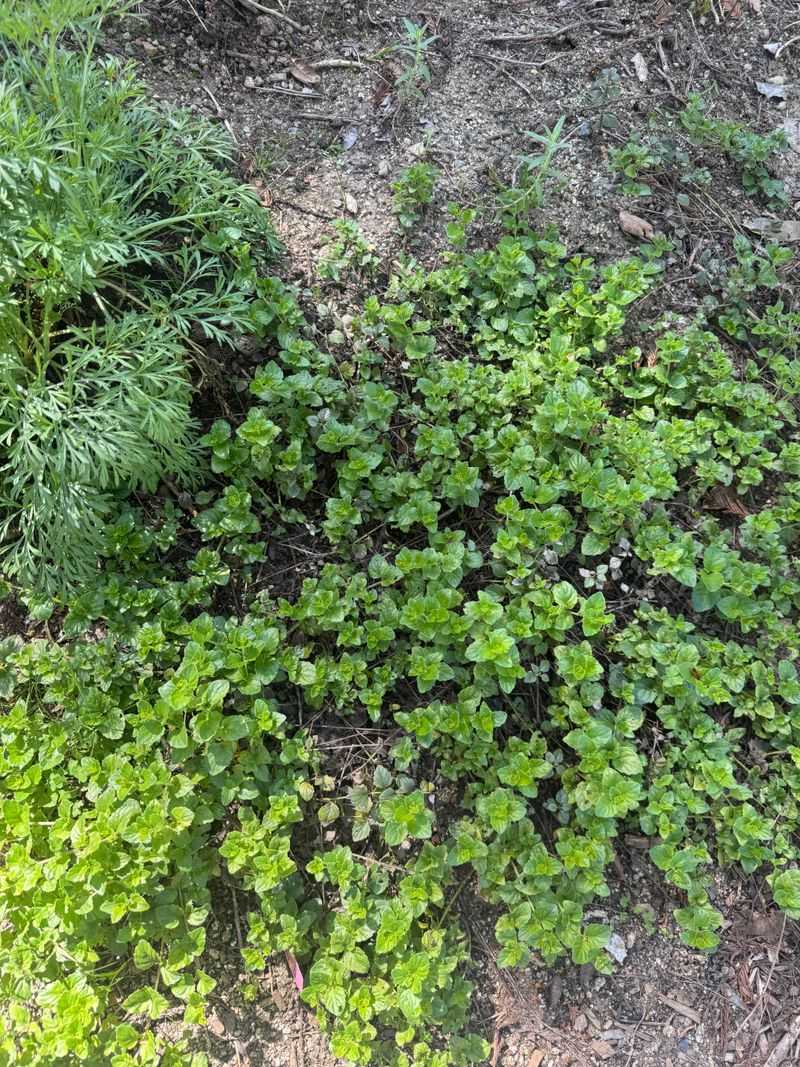
This low-growing plant belongs to the mint family, and its small, rounded leaves release a sweet, minty fragrance when brushed or crushed. It spreads slowly by trailing stems that root as they go, forming a soft, weed-suppressing mat over time.
It works especially well under oaks and other drought-tolerant trees where soil tends to stay dry.
Yerba Buena thrives in well-drained soil with dappled or part shade. Once established, it needs very little water, making it a smart choice for water-conscious gardeners.
It handles the dry summers typical of our state without much complaint.
Plant it about 18 inches apart and let it fill in naturally. Avoid heavy clay soils, which can cause root problems.
A light layer of mulch around new plants helps retain moisture during the first growing season.
Small white flowers appear in spring and early summer, adding a delicate touch to shaded areas. Bees and other pollinators visit those blooms regularly.
If you want a fragrant, historically rich, and low-maintenance groundcover for dry shade, Yerba Buena is hard to beat.
2. Hummingbird Sage Spreads Under Light Shade
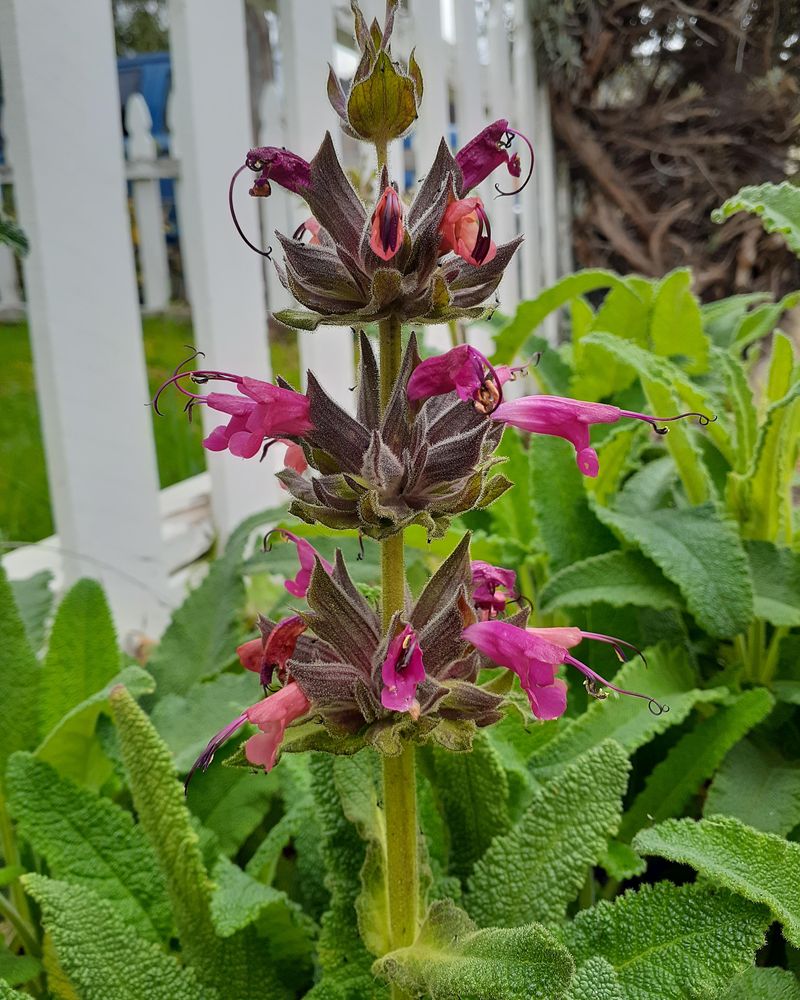
Hummingbirds are not shy about showing their favorites, and this plant is clearly at the top of their list. Hummingbird Sage, known botanically as Salvia spathacea, produces bold, deep magenta flower spikes that attract these tiny birds from early spring through summer.
It is one of the most rewarding native plants you can add to a shaded garden.
What makes this sage especially useful is its ability to spread underground through rhizomes. Over time, it forms a wide, fragrant colony that crowds out weeds and covers bare soil beautifully.
The large, deeply textured leaves give it a bold, tropical look that stands out even when the plant is not in bloom.
It performs best in light to part shade, especially under native oaks or along the north-facing side of a fence or structure.
Your California Garden Changes Every Week. Your Plan Should Too.
Gardening in California changes quickly throughout the season. Every Friday you’ll receive a simple weekly plan showing exactly what to plant, prune, fertilize, harvest, and protect so you never miss the right timing.
Once established, it is extremely drought-tolerant and needs little to no summer water in most regions of California.
Give each plant about two to three feet of space when planting. It will fill in quickly during the second and third growing seasons.
Cutting back old stems in late fall keeps the colony looking tidy and encourages fresh growth in spring.
The fragrance alone makes this plant worth growing. Rub a leaf between your fingers and you get a rich, fruity-herbal scent.
For wildlife value, seasonal color, and easy care in part shade, this sage is a standout choice.
3. Island Alum Root Brightens Shady Borders
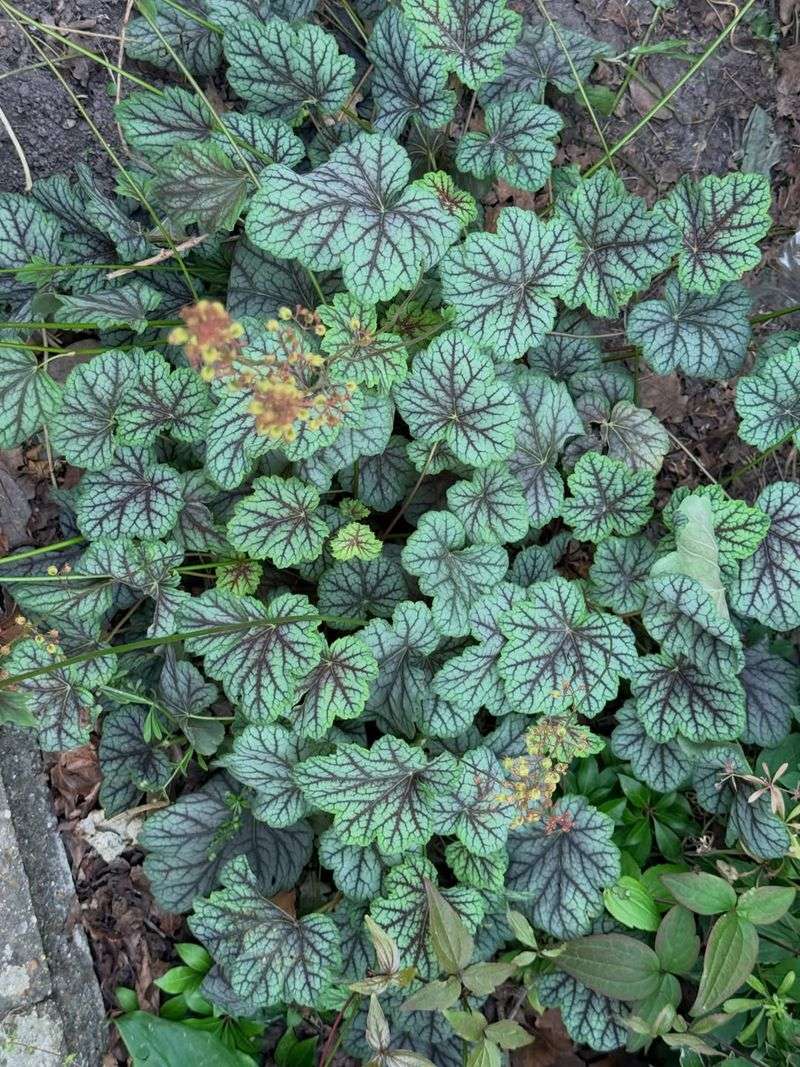
Not every shaded border needs flowers to look stunning. Island Alum Root, a native Heuchera species from the Channel Islands, brings rich foliage color to spots where most plants would simply fade away.
Its ruffled, rounded leaves come in shades of deep green, bronze, and burgundy depending on light exposure and the specific variety.
This plant is a natural fit for the dry, shaded conditions found under large trees or along structures that block afternoon sun. It tolerates poor soil better than most ornamental plants and does not need much fertilizer to look its best.
That low-demand nature makes it easy to work with, even for beginning gardeners.
Slender flower stalks rise above the foliage in spring, carrying small white or pinkish blooms that hummingbirds and native bees find irresistible.
The blooms are delicate and airy, adding a soft vertical element to low garden borders without overwhelming nearby plants.
Space plants about 18 to 24 inches apart for good airflow and even coverage. They prefer well-drained soil and can struggle in areas with standing water.
In warmer inland areas, a bit of afternoon shade protection goes a long way toward keeping the leaves looking vibrant through summer.
Island Alum Root works especially well as an edging plant along shaded walkways or at the base of shrubs. It pairs naturally with ferns, sedges, and other low-growing natives.
Once established, it is a reliable, colorful presence that earns its place in any shaded border.
4. Wild Strawberry Fills Bare Soil Gently
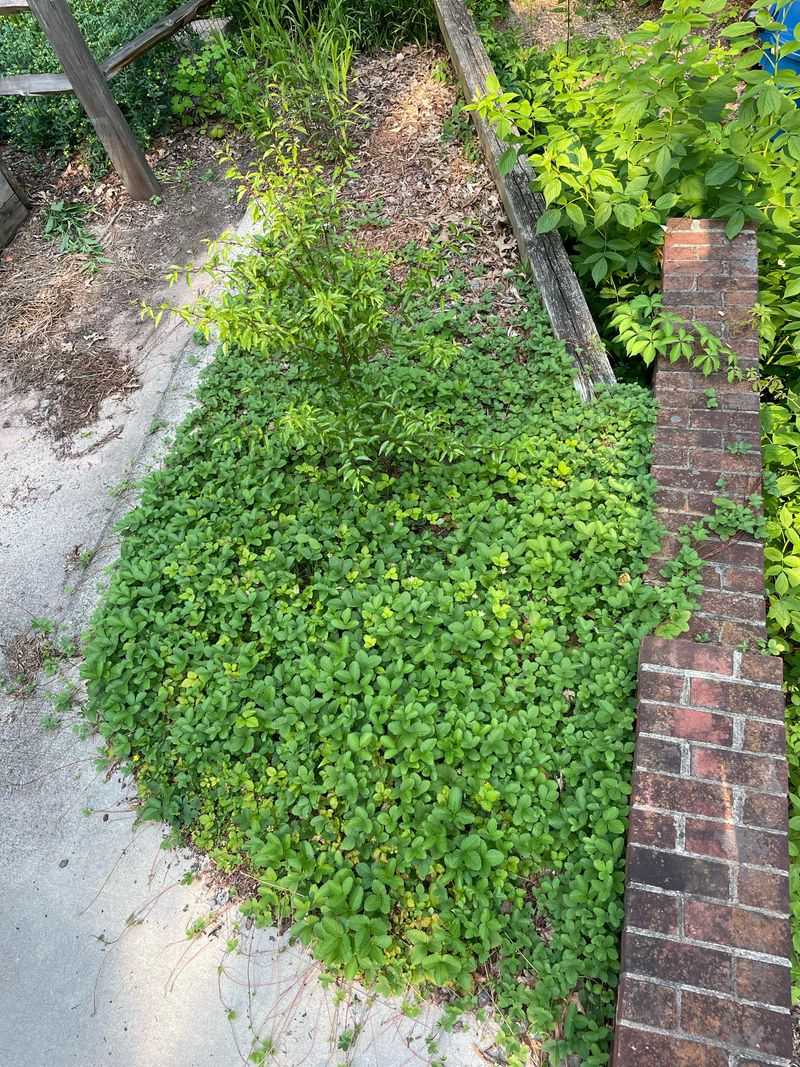
There is something undeniably cheerful about a groundcover that produces actual fruit. Wild Strawberry, or Fragaria californica, spreads by sending out runners that root into bare soil, slowly stitching together a low, lush carpet of green.
It is one of the friendliest and most productive native groundcovers available for part-shade areas.
The small white flowers bloom in early spring, followed by tiny red strawberries that birds and other wildlife absolutely love. The fruit is much smaller than store-bought strawberries, but the flavor is intense and sweet.
Children find them delightful, and so do robins, towhees, and other garden visitors.
It grows naturally in coastal scrub, woodlands, and mixed evergreen forests throughout our state. In the garden, it performs best in part shade with moderate moisture.
It does not love deep, dry shade, but it handles dappled light under trees very well when given occasional summer water during establishment.
Plant runners or small starts about 12 inches apart. They will spread on their own once they settle in.
Mowing or trimming back the mat in late winter encourages fresh, dense growth in spring and keeps the planting looking neat.
Wild Strawberry is a great choice for slopes, shaded lawn replacements, and areas under fruit trees. It provides ground-level interest through every season, from spring flowers to summer fruit to rich green foliage in fall.
Few native groundcovers offer this much seasonal value in such a compact, easygoing package.
5. Redwood Sorrel Works In Cool Shade
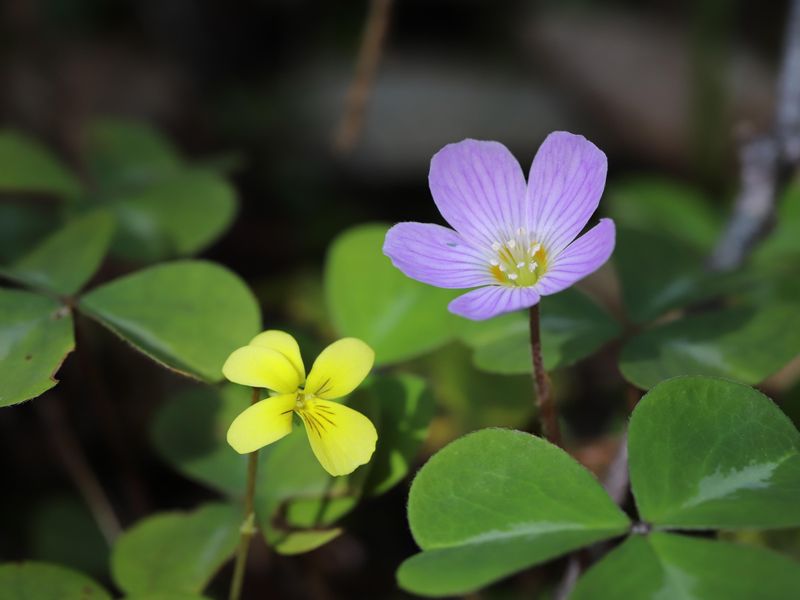
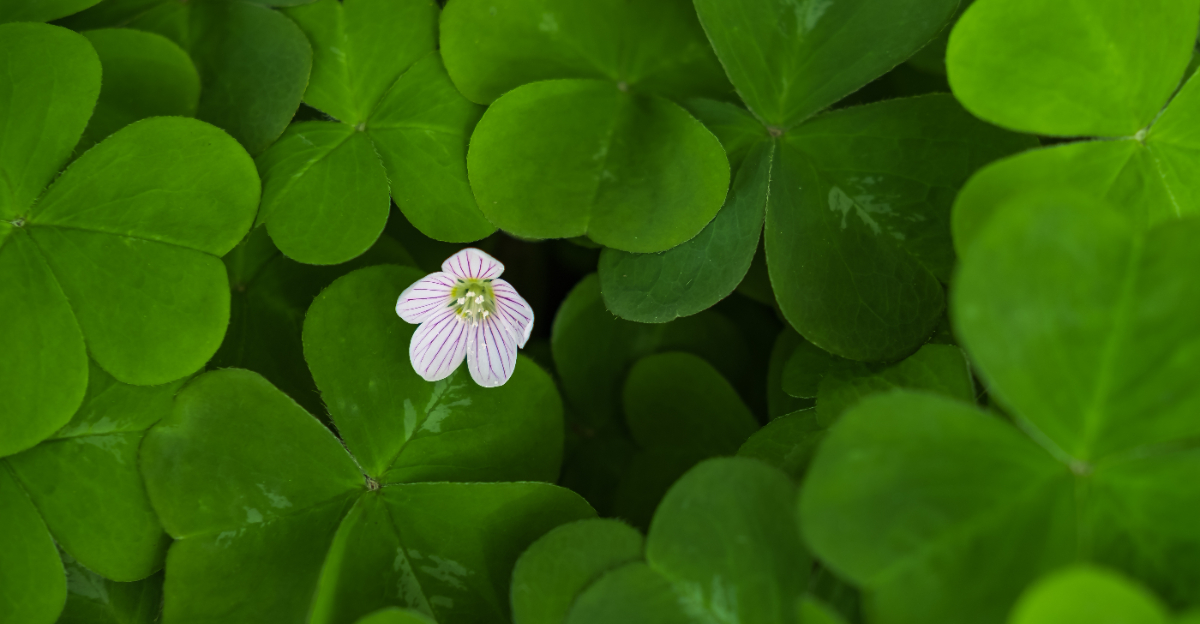
Walk through a coastal redwood forest and you will almost always find this plant blanketing the ground in soft, heart-shaped leaves.
Redwood Sorrel, or Oxalis oregana, is one of the most shade-tolerant native groundcovers found in northern regions of California, and it brings that same forest-floor magic to home gardens.
The leaves are trifoliate, resembling clover, and they have an interesting habit of folding downward in bright light or heat to reduce water loss.
In cool, shaded conditions, they stay fully open, creating a dense, lush carpet that looks almost like a living green quilt.
Delicate white or pale pink flowers appear in spring, adding a soft, woodland charm.
This plant needs consistent moisture to thrive, which sets it apart from many other native groundcovers. It is not the right choice for dry shade, but in areas with natural moisture, morning fog, or supplemental irrigation, it flourishes beautifully.
It pairs especially well with ferns, trillium, and other woodland natives.
Plant it in rich, organic soil with excellent drainage. Spacing plants about 12 inches apart gives them room to spread without overcrowding.
Avoid planting in areas with hot afternoon sun, as intense heat causes the leaves to look stressed and tired.
For gardeners in foggy coastal areas or anyone with a naturally cool, moist shaded spot, Redwood Sorrel is a dream groundcover.
It requires very little care once established and rewards you with year-round greenery that feels like a small piece of the redwood forest right at home.
6. California Field Sedge Gives A Lawn-Like Look
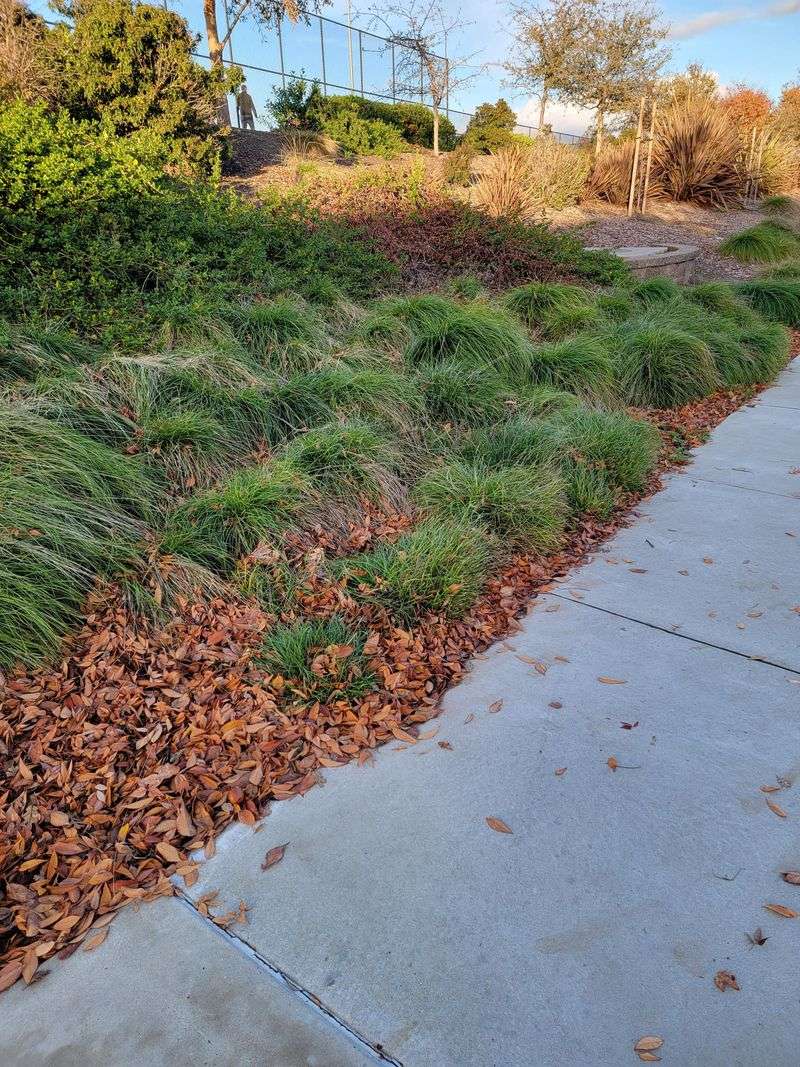
If you miss the look of a lawn but not the work that comes with it, this sedge might be exactly what you need.
California Field Sedge, or Carex praegracilis, grows in fine-textured, dense clumps that spread together over time to create something that looks remarkably like traditional turf.
The difference is that it requires far less water and almost no mowing.
It naturally grows in meadows, along stream banks, and in other seasonally moist areas across our state. In the garden, it adapts well to part shade and can handle periods of drought once established.
It stays green through most of the year, though it may go partially dormant during extreme summer heat in inland areas.
The texture is soft underfoot, which makes it a practical choice for areas where people occasionally walk. It will not hold up to heavy foot traffic like a traditional lawn, but light use is no problem.
Over time, the spreading rhizomes knit together to form a tight, weed-resistant mat.
Plant plugs or small divisions about 12 inches apart. Watering regularly during the first growing season helps plants establish quickly.
Once rooted in, reduce irrigation to occasional deep watering during dry months.
Mowing once or twice a year in late winter keeps the planting looking tidy and encourages fresh spring growth.
California Field Sedge works beautifully under trees, along shaded pathways, or in any spot where you want a green, low-maintenance alternative to traditional lawn grass.
7. Berkeley Sedge Handles Shade Better Than Turf
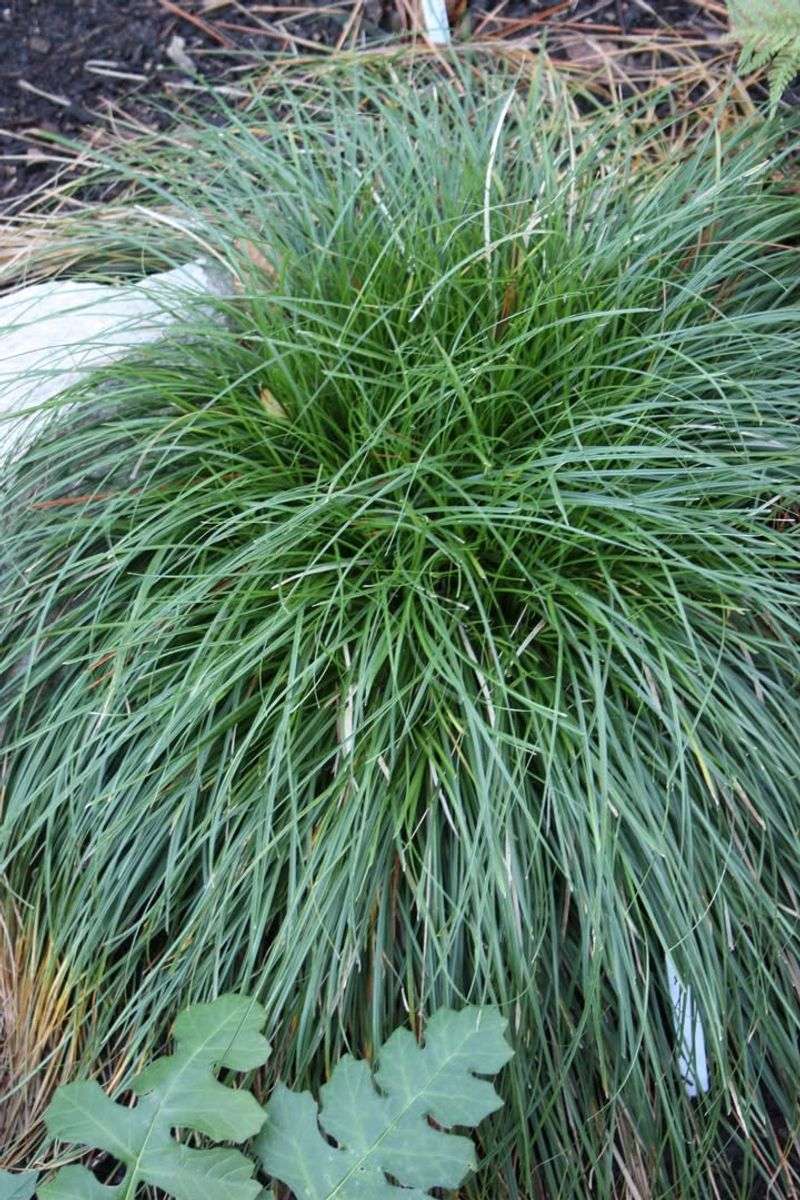
Turf grass practically gives up under a large shade tree, but Berkeley Sedge thrives right where grass fails. Carex divulsa is a fine-textured, evergreen sedge that forms graceful, arching mounds of green.
It is one of the most popular lawn replacements in the Bay Area and coastal regions of California, and for good reason.
Originally from Europe, it has naturalized so well in our climate that it behaves like a true local. It tolerates dry shade, clay soil, and occasional foot traffic with surprising ease.
That combination of toughness and good looks is rare in the groundcover world, and gardeners who discover it tend to use it everywhere.
The leaves are narrow and slightly arching, giving the planting a soft, flowing appearance that feels relaxed and natural.
Unlike some sedges that look stiff or coarse, Berkeley Sedge has an almost feathery quality that moves gently in a breeze.
It looks great as a mass planting under trees or as a border edging along shaded pathways.
Space plants about 18 inches apart for good coverage. They spread slowly by clumping and will fill in over two to three seasons.
Water regularly during the first year, then cut back to once or twice a month in summer once established.
Cutting it back to about three inches in late winter refreshes the planting and promotes lush spring growth.
For shaded areas where nothing else seems to grow, Berkeley Sedge consistently delivers a green, polished result with minimal effort.
8. Foothill Sedge Creates A Soft Green Carpet
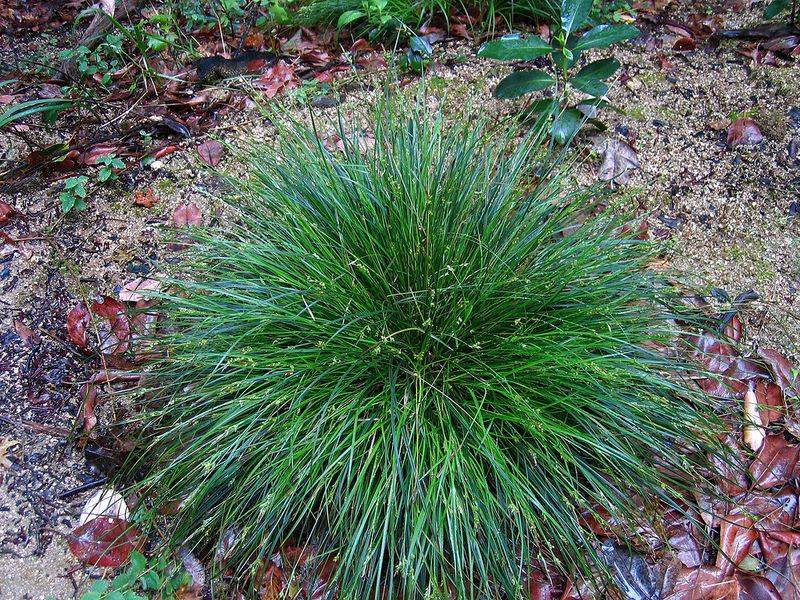
There is a quiet elegance to a well-planted sedge carpet, and Foothill Sedge delivers that beautifully.
Carex tumulicola is a native California sedge that grows in low, dense tufts, spreading gradually to form a seamless, soft green carpet under trees and along shaded slopes.
It is one of the most adaptable native groundcovers for part-shade conditions.
This sedge grows naturally in oak woodlands and mixed forests from the Bay Area into the foothills and coastal ranges. It handles dry shade with more grace than almost any other sedge, making it especially useful under mature oaks where summer water is limited and soil stays dry for months at a time.
The leaves are fine and slightly arching, with a medium green color that stays attractive through most of the year. In cooler seasons, it may take on a slightly bronze tint that adds warmth to the garden.
It does not look dramatic, but it has a calm, consistent beauty that makes shaded spaces feel finished and intentional.
Plant plugs about 12 to 18 inches apart in fall or early spring. Regular watering during the first season is essential.
After that, established plants are largely self-sufficient in coastal and foothill climates.
Mow or cut back once a year in late winter to remove old growth and encourage fresh, dense foliage. Foothill Sedge pairs naturally with native ferns, wild ginger, and other woodland groundcovers.
For a low-effort, high-impact lawn alternative in shaded areas, it is one of the most reliable choices available in our region.
9. Wild Ginger Covers Moist Shady Soil
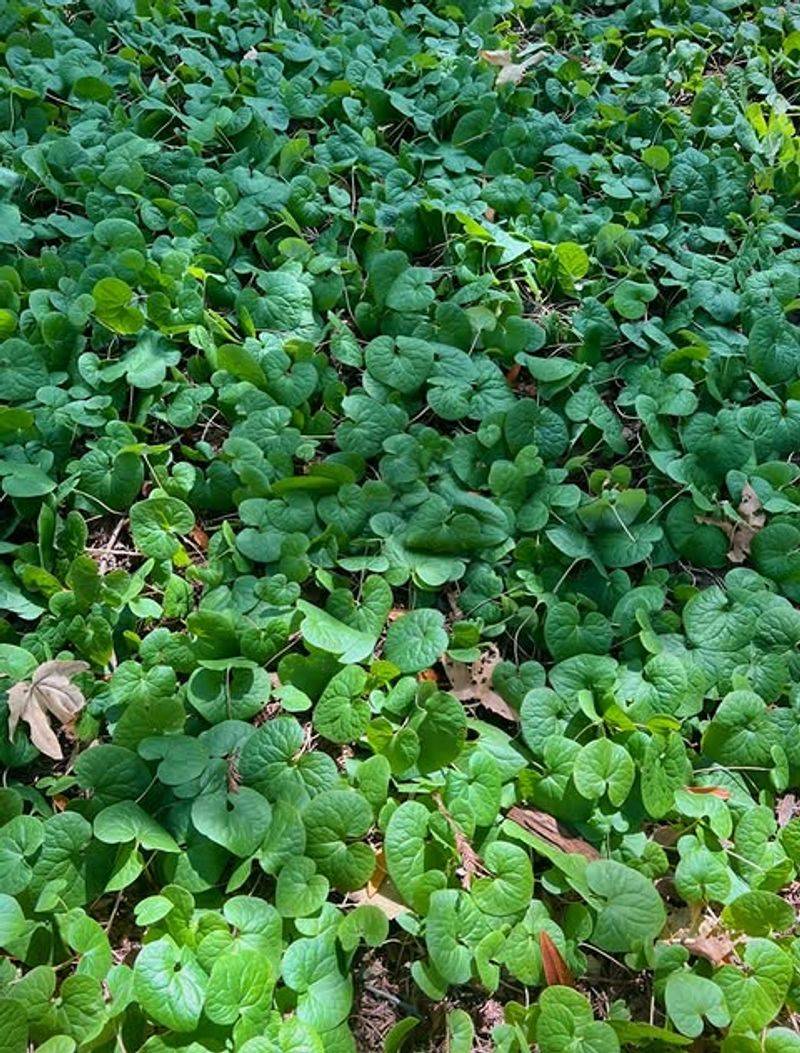
Bold, glossy, and surprisingly tough, Wild Ginger is one of those plants that instantly transforms a bare, shaded area into something that looks intentional and lush.
Asarum caudatum is a native groundcover found along the forest floor of cool, moist regions in California, particularly in northern coastal areas and the Sierra Nevada foothills.
The large, heart-shaped leaves are its main attraction. They grow close to the ground, overlapping to form a dense, weed-suppressing layer that shades out unwanted plants naturally.
The leaves are a rich, deep green and have a slightly glossy surface that catches and reflects whatever light filters through the tree canopy above.
Hidden beneath the leaves in early spring are small, unusual brownish-purple flowers shaped like little jugs. They are pollinated by ground-level insects and are easy to miss unless you look closely.
Discovering them feels like finding a small secret tucked into the garden.
Wild Ginger needs consistent moisture and rich, organic soil to look its best. It is not the right choice for dry, sunny spots, but in moist, cool shade it spreads steadily and reliably.
Plant starts about 12 inches apart and keep the soil evenly moist during the first two growing seasons.
It pairs beautifully with Redwood Sorrel, ferns, and native bleeding heart for a layered woodland garden effect. Once established, it asks for very little in return.
For cool, moist shaded areas where nothing else seems to take hold, Wild Ginger is often the perfect solution.