Foraging And Growing Jerusalem Artichokes For Free In Michigan
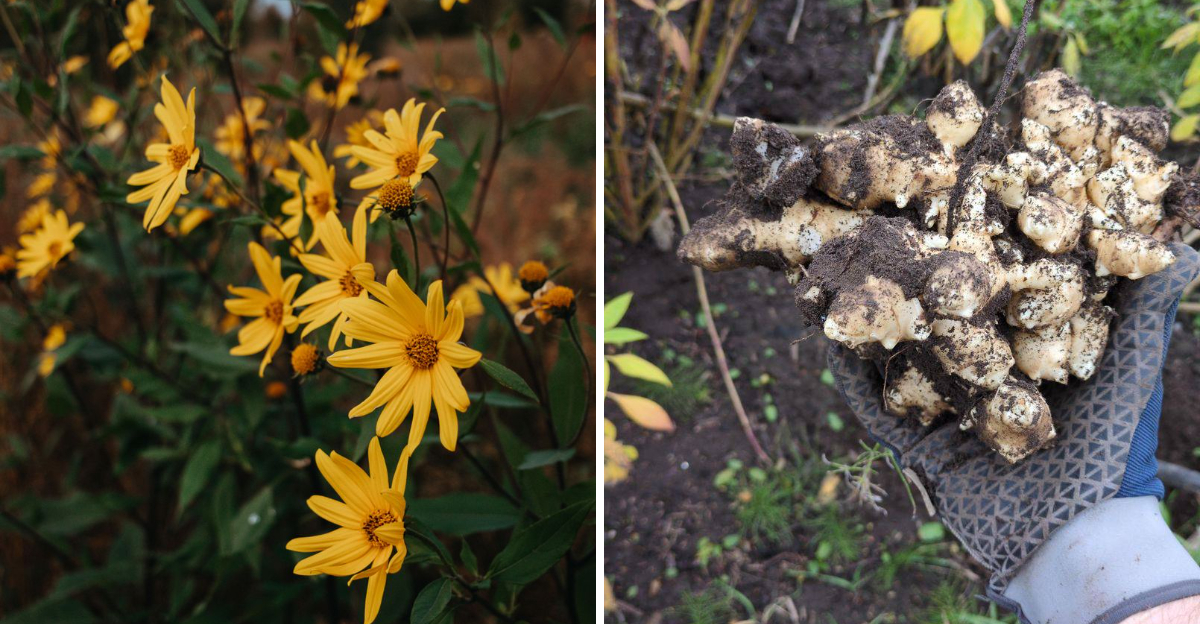
Picture pulling over on a Michigan roadside and digging up dinner. Jerusalem artichokes hide in ditches, fencerows, and abandoned lots statewide, producing knobby tubers that taste like a cross between potato and water chestnut.
Nobody plants most of these patches. Birds, rivers, and old homesteads scattered the seeds decades ago, and the plants kept spreading on their own ever since.
Once you learn to spot the tall yellow flowers in late summer, the tubers underneath become easy pickings all winter long. Foragers prize them for their nutty crunch and their habit of returning bigger the following season.
One tuber left in the ground this fall can turn into a dozen new plants by next July, for better or worse.
Identifying Jerusalem Artichoke In The Wild
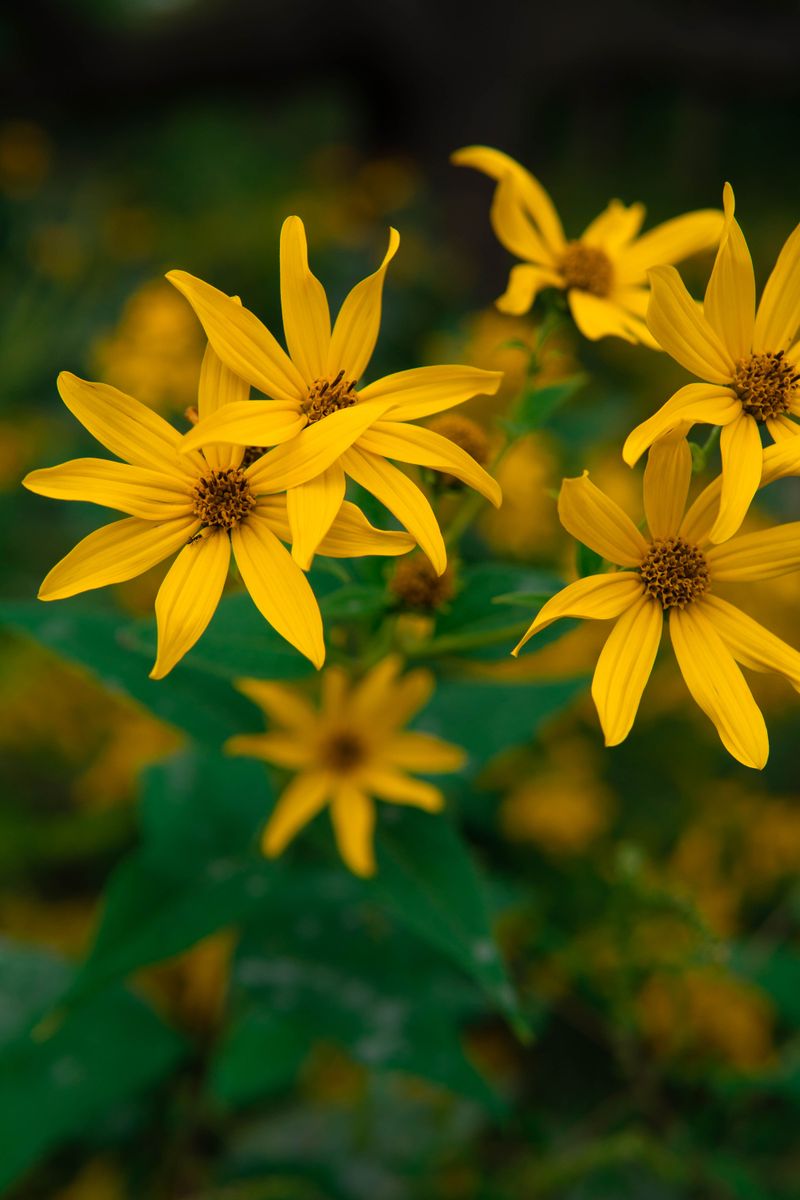
Tall, bright, and impossible to miss. Jerusalem artichokes shoot up like weeds in late summer, sometimes reaching ten feet high along roadsides and field edges.
The leaves feel rough and scratchy, almost like sandpaper on both sides. Each leaf has a pointed tip and a slightly toothed edge that makes it stand out from other tall plants nearby.
The flowers are the biggest giveaway of all. Small yellow blooms that look just like miniature sunflowers appear from August through October, and that connection makes sense because Jerusalem artichokes are actually part of the sunflower family.
The stems are thick, hairy, and sturdy enough to stay standing well into fall. You will often spot them growing in dense clusters rather than as solo plants scattered across a field.
Below ground is where the real prize hides. The tubers are knobby and irregular, ranging in color from pale tan to light purple depending on the variety growing wild in your area.
Foraging Jerusalem artichokes in Michigan starts with knowing exactly what you’re looking at. It’s worth double-checking the flower shape and leaf texture before digging anything up.
Few other common Michigan plants combine all three features at once: rough sandpaper leaves, sunflower-like blooms, and edible underground tubers. Once you see it once, you will recognize it instantly every time after that.
Where And When To Forage It Around Michigan
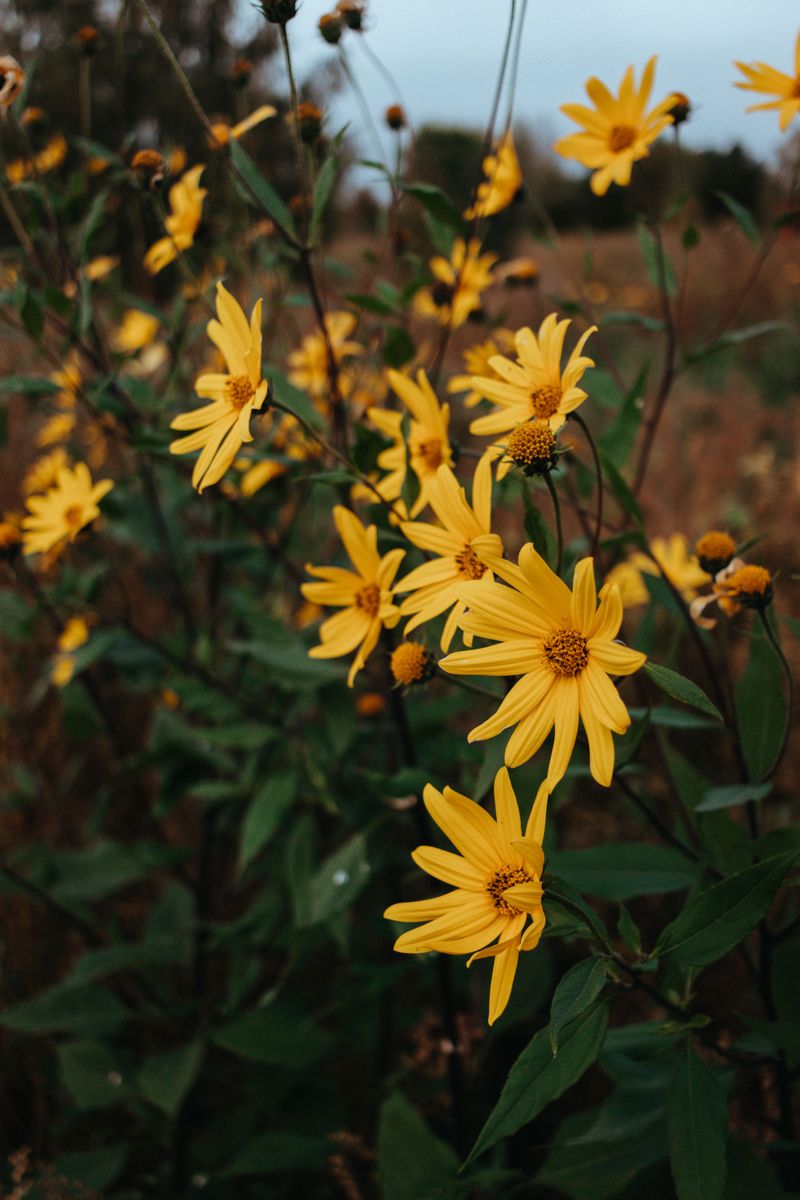
Michigan is loaded with Jerusalem artichokes, and most people walk right past them every day. These plants love disturbed soil, which means roadsides, old farm fields, riverbanks, and vacant lots are prime hunting grounds.
The Upper Peninsula has dense wild patches near logging roads and forest clearings. The Lower Peninsula offers even more spots, especially along rural county roads where nobody is managing the vegetation closely.
Timing your forage right makes a huge difference in what you bring home. The best window for digging tubers runs from late October through early November, after the first frost has had a chance to sweeten them up naturally.
Frost converts some of the inulin inside the tubers into sugar, which softens the slightly bitter edge and brings out a nuttier, sweeter flavor. Waiting even one week after a hard freeze can noticeably improve the taste of what you pull from the ground.
Your Michigan Garden Changes Every Week. Your Plan Should Too.
Gardening in Michigan changes quickly throughout the season. Every Friday you’ll receive a simple weekly plan showing exactly what to plant, prune, fertilize, harvest, and protect so you never miss the right timing.
Spring is the second-best time for foraging, right before new shoots emerge. The tubers left in the ground over winter are still firm and flavorful, and they are easy to locate because last year’s dry stalks still stand tall as a marker.
Get landowner permission before foraging on private property. Public roadsides and state land often allow ethical foraging, but check local rules before you start digging to avoid any trouble with your harvest.
Bring a sturdy hand trowel and a mesh bag to carry your finds. Leave plenty of tubers in the ground so the patch can regenerate and feed you again next season.
Turning A Handful Of Foraged Tubers Into Your Own Patch
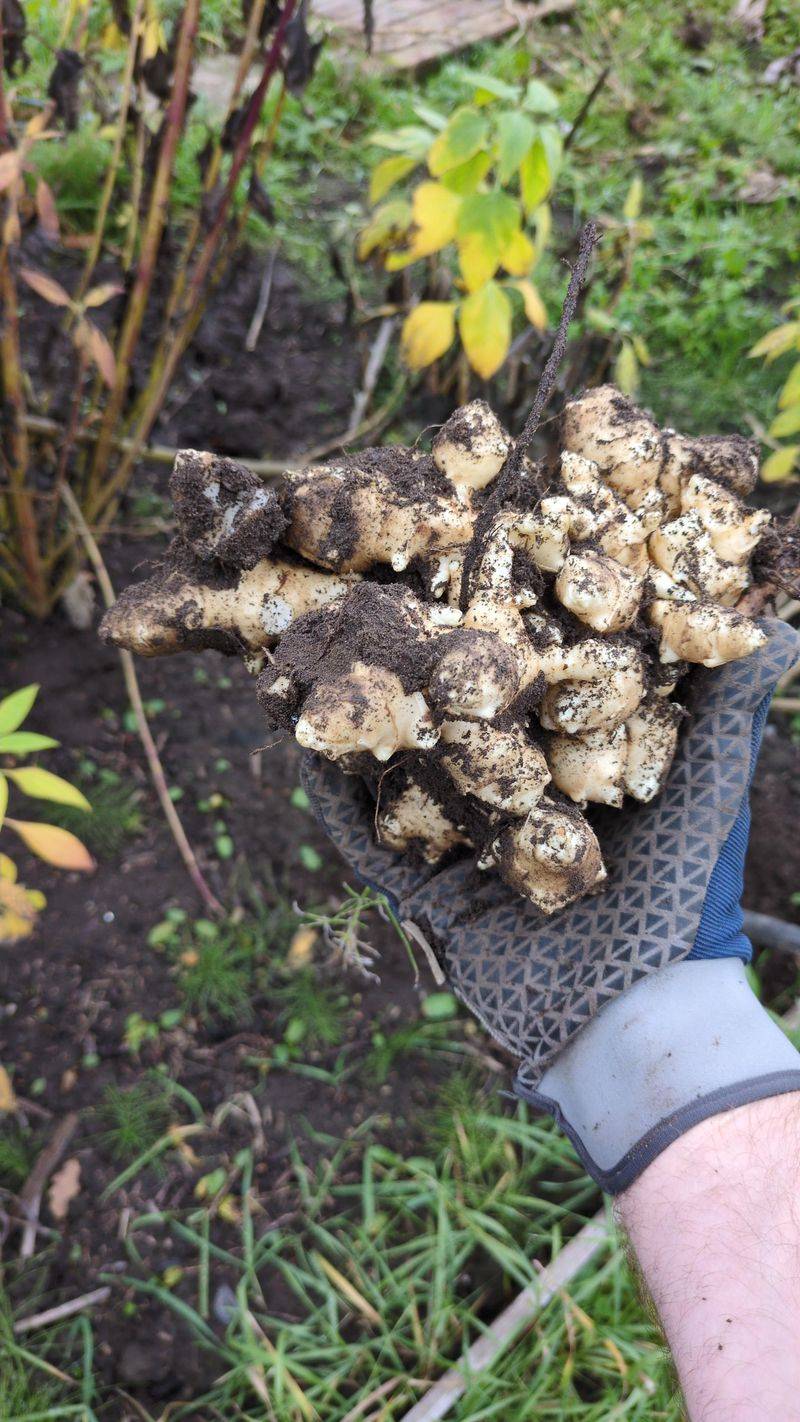
A single afternoon of foraging can set you up with years of free food. All you need is a handful of tubers and a patch of ground willing to let them spread.
Plant foraged tubers in early spring, right around the same time you would plant potatoes. Soil temperature should sit above 50 degrees Fahrenheit before you drop them in the ground.
Choose a spot that gets at least six hours of direct sun each day. These plants are not picky about soil quality, but they need good light to produce a generous underground harvest.
Dig each hole about four inches deep and space the tubers roughly twelve to eighteen inches apart. Closer spacing creates a denser windbreak effect, while wider spacing gives each plant more room to produce bigger individual tubers.
Water them in well after planting, then step back and let nature do most of the work. Jerusalem artichokes are drought-tolerant once established and rarely need much extra attention from you.
Within a few weeks, strong green shoots will push through the soil and start climbing fast. By midsummer, your small patch will look like a miniature forest of tall, leafy stalks buzzing with pollinators visiting the flowers.
Growing Jerusalem artichokes in Michigan is genuinely one of the easiest food projects a beginner can tackle. The plants practically grow themselves once you get them started with a few foraged tubers from the wild.
Keeping This Fast-Spreading Plant From Taking Over Your Yard
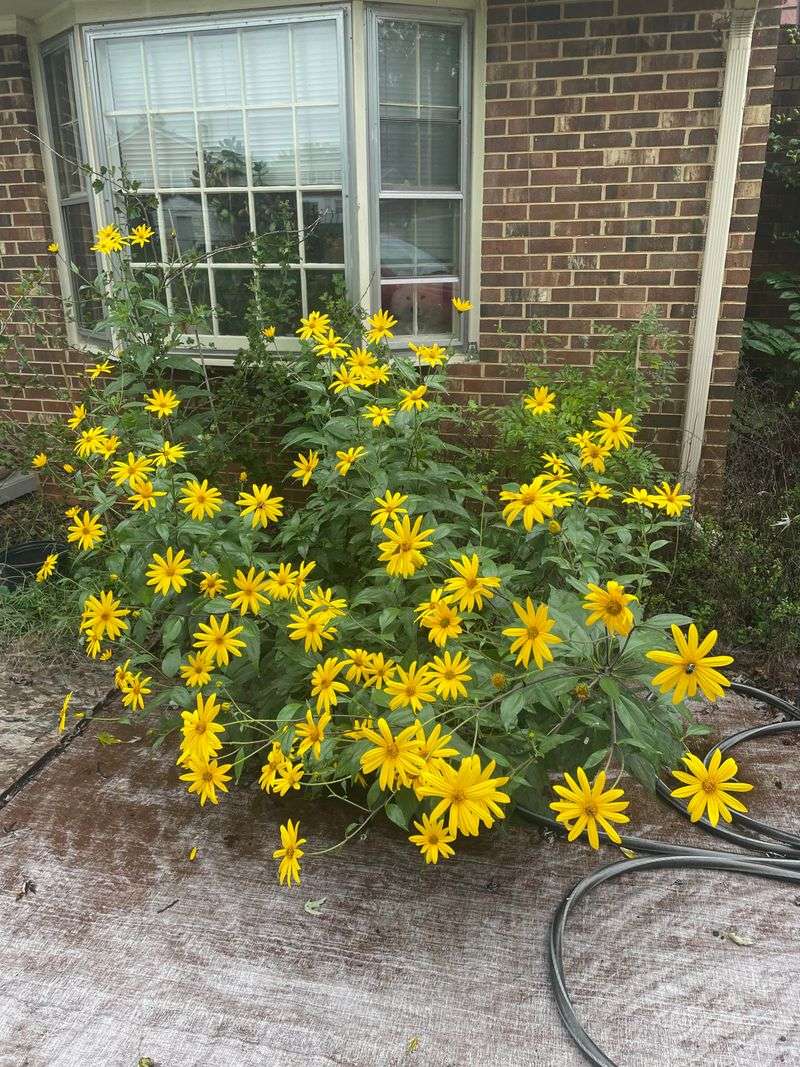
Here is the honest truth nobody tells beginners: these plants spread fast. Any small tuber fragment left in the soil will sprout a brand-new plant the following season without any help from you.
Within two or three years, an unmanaged patch can double or triple in size. That can feel exciting at first, but it becomes a real headache if you planted them near a vegetable garden or flower bed.
The smartest move is to install a root barrier before you plant a single tuber. Plastic edging sunk at least eighteen inches deep around the perimeter of your patch works well at slowing lateral spread.
Raised beds offer another solid containment option. Planting inside a bottomless raised frame gives you natural boundaries and makes harvest cleanup much easier at the end of the season.
Thorough harvesting is your best long-term management tool. Dig every tuber you can find each fall, because the ones you miss are exactly the ones that will send up new shoots come spring.
A sharp garden fork works better than a spade for this job. Fork-digging loosens the soil without slicing tubers into small fragments that could each sprout independently if left behind.
Managing the spread feels like extra work, but it is worth every bit of effort. A well-contained patch gives you reliable harvests for decades without spreading past its boundaries.
The Best Time To Harvest For Flavor And Storage
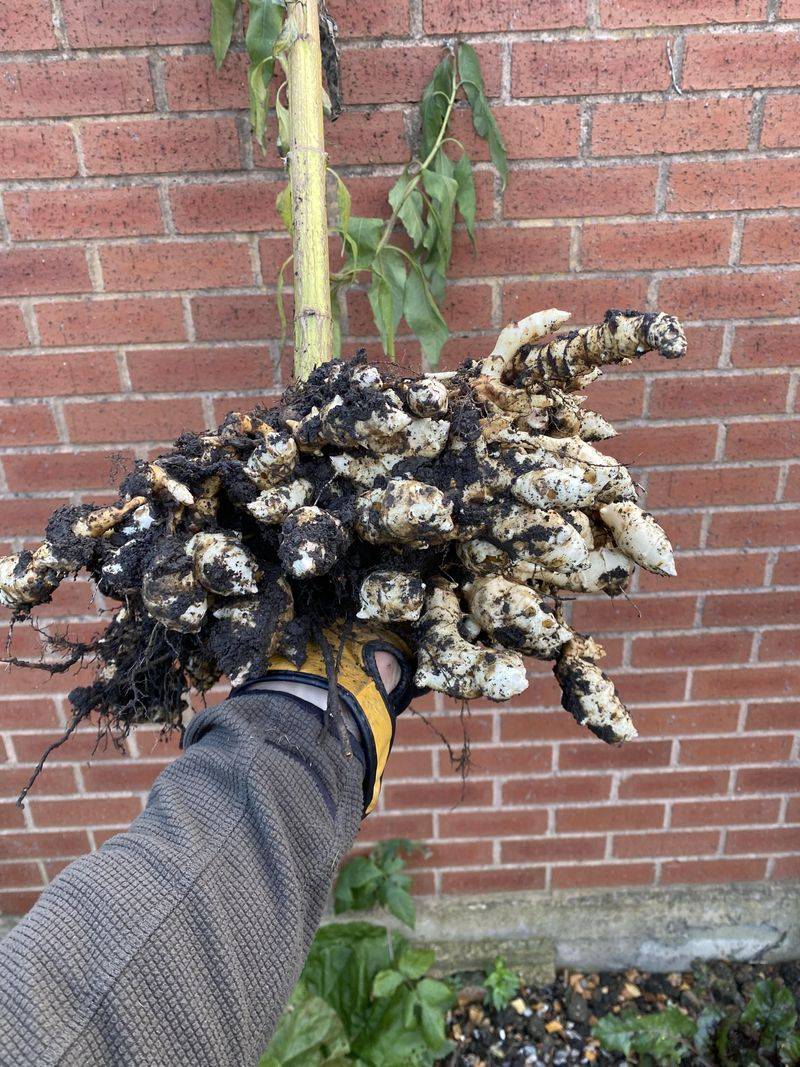
Patience pays off big with this crop. Rushing the harvest before cold weather arrives means missing out on the sweetest, most flavorful tubers the plant can offer.
Wait until the foliage turns yellow and begins to collapse on its own. That visual signal tells you the plant has finished pumping energy into the tubers below ground and they are fully mature.
A light frost is actually your flavor friend here. Chilly nights trigger the plant to convert inulin, a complex carbohydrate, into simpler sugars that taste noticeably sweeter and less starchy on your palate.
Dig only what you plan to use within the next week or two at first. Jerusalem artichokes do not store as long as potatoes, and they begin to shrivel if kept in dry conditions for too long.
For longer storage, keep unwashed tubers in a sealed plastic bag inside your refrigerator. They will stay firm and fresh for up to two weeks using this simple method without any special equipment needed.
Another great storage trick is leaving tubers right in the ground through winter. The frozen earth acts like a natural refrigerator, and you can dig fresh tubers anytime the ground thaws enough to allow it.
Digging up Jerusalem artichokes in Michigan rewards patient harvesters. A tuber dug in November after two frosts tastes noticeably better than one pulled in September.
Simple Ways To Use Your Harvest In The Kitchen
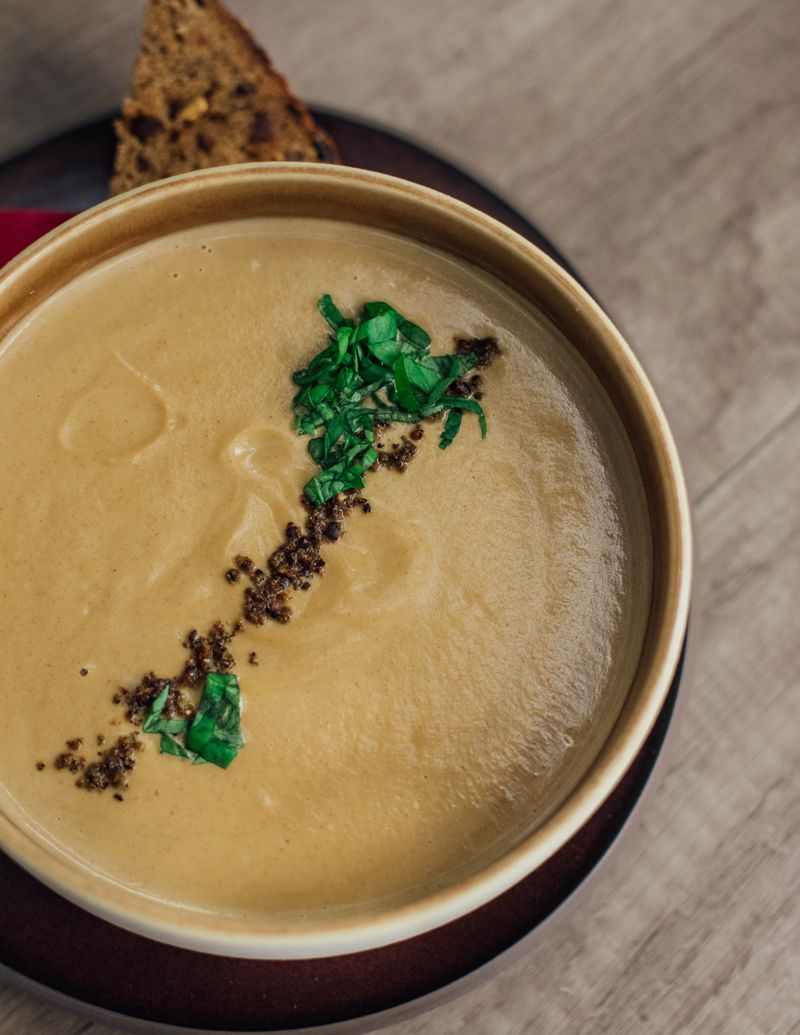
Knobby and weird-looking on the outside, genuinely delicious on the inside. Jerusalem artichokes have a creamy, slightly nutty flavor that works beautifully in a surprising number of dishes.
Roasting is the easiest place to start for total beginners. Toss scrubbed, sliced tubers with olive oil, salt, and garlic, then roast at 400 degrees until golden and caramelized around the edges.
Soups are another natural fit for this ingredient. Pureed Jerusalem artichoke soup has a silky texture similar to potato leek soup, and it pairs wonderfully with fresh thyme or a swirl of cream.
Raw preparation works surprisingly well too. Shaved thin on a mandoline, these tubers add a crisp, slightly sweet crunch to salads and slaws without any cooking required whatsoever.
You can also boil and mash them just like regular potatoes. The result is slightly looser in texture but rich in flavor, and blending in butter with a pinch of nutmeg takes the dish somewhere special.
One heads-up worth mentioning: Jerusalem artichokes contain inulin, which some people find hard to digest in large amounts. Starting with smaller portions lets your body adjust gradually without any uncomfortable surprises after dinner.
Pickling sliced tubers in a simple brine of vinegar, sugar, and salt creates a tangy condiment. It lasts for weeks in the fridge, and it’s ready to elevate everyday meals.