North Carolina Border Plants That Handle Humidity, Clay Soil, And Summer Storms
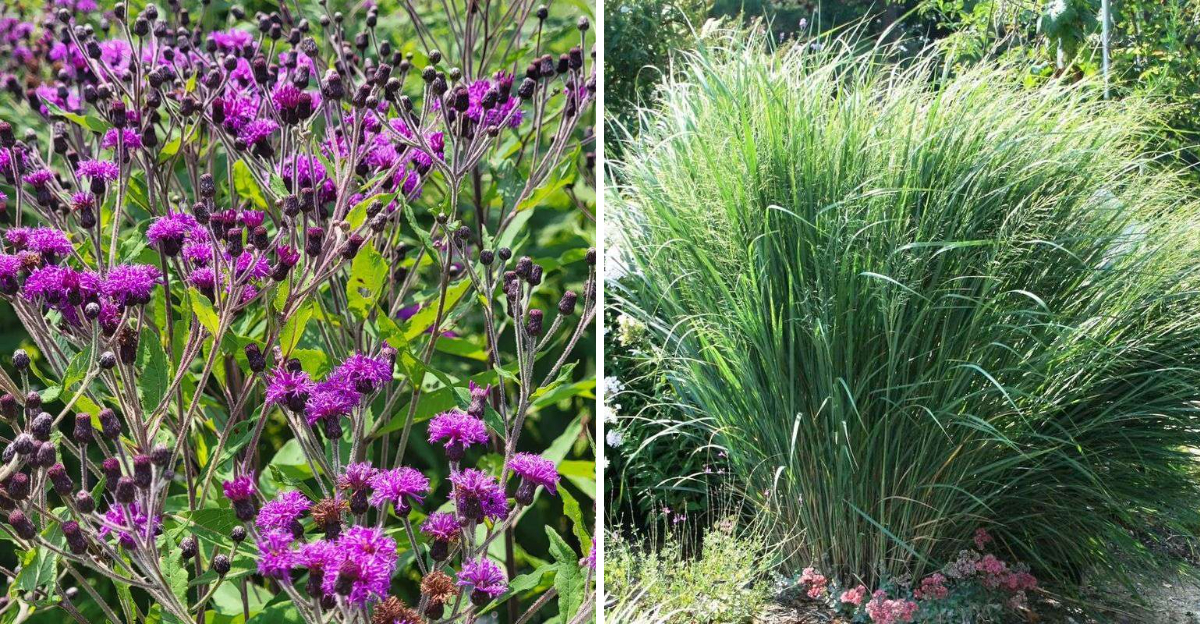
Finding border plants that handle North Carolina’s combination of humidity, clay soil, and sudden summer storms narrows the options considerably, but several stand out.
Abelia tolerates heavy clay well while shrugging off both humidity and occasional heavy rainfall without much complaint.
Itea, commonly known as sweetspire, thrives in consistently moist conditions and handles clay soil better than many traditional border shrubs.
Inkberry holly offers a similar evergreen structure to boxwood while tolerating wet conditions far more reliably.
These plants share a natural resilience to the swings between dry spells and sudden downpours common throughout the growing season.
Amending clay soil with organic matter before planting still helps improve long term drainage and root health.
Choosing well adapted plants reduces the constant troubleshooting that comes with fighting difficult soil conditions. A thoughtful border planted now can handle whatever North Carolina’s weather brings next.
1. Little Henry Virginia Sweetspire Handles Heavy Clay
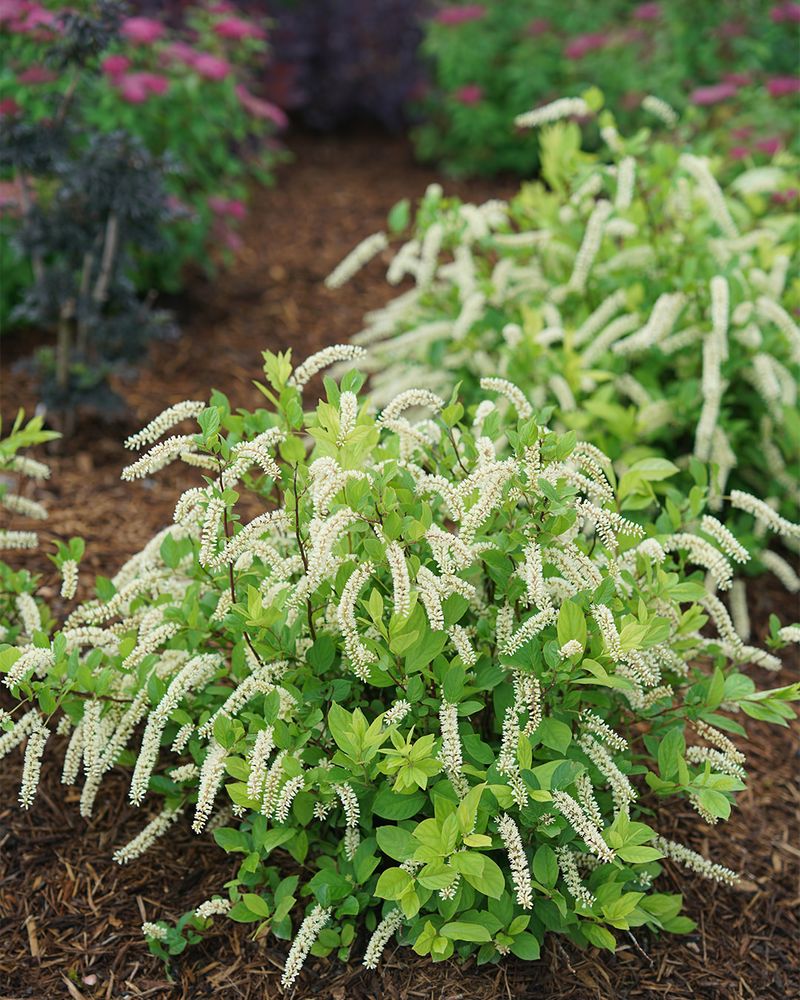
Few native shrubs earn their keep as reliably as Little Henry Virginia sweetspire, known botanically as Itea virginica Little Henry.
This compact, low-spreading beauty tops out at roughly two to three feet tall while slowly stretching a little wider over time.
What makes it genuinely exciting is the combination of fragrant white flower racemes in early summer, followed by stunning orange, red, and burgundy fall foliage that holds on well into the season.
Clay soil is no obstacle for this plant. It handles poorly drained areas with ease and can even tolerate temporary flooding after heavy storms, which is a huge advantage in North Carolina yards where water tends to pool.
Full sun encourages the strongest flowering, but partial shade works well too, especially in spots that get punishing afternoon heat. Just know that bloom production typically drops a bit in deeper shade.
One thing worth mentioning is that Little Henry spreads gradually through underground stems.
That spreading habit is actually useful for stabilizing slopes and controlling erosion along wet edges, but it does mean you should give it enough room from the start. Crowding it against a fence or walkway will create more maintenance work later.
Water regularly during the first growing season to help roots establish firmly. Lay organic mulch around the base, keeping it a few inches away from the main stems to prevent rot.
If shaping becomes necessary, prune selectively right after flowering wraps up so you do not accidentally remove next year’s buds.
2. Crystalina Summersweet Flowers During Humid Weather
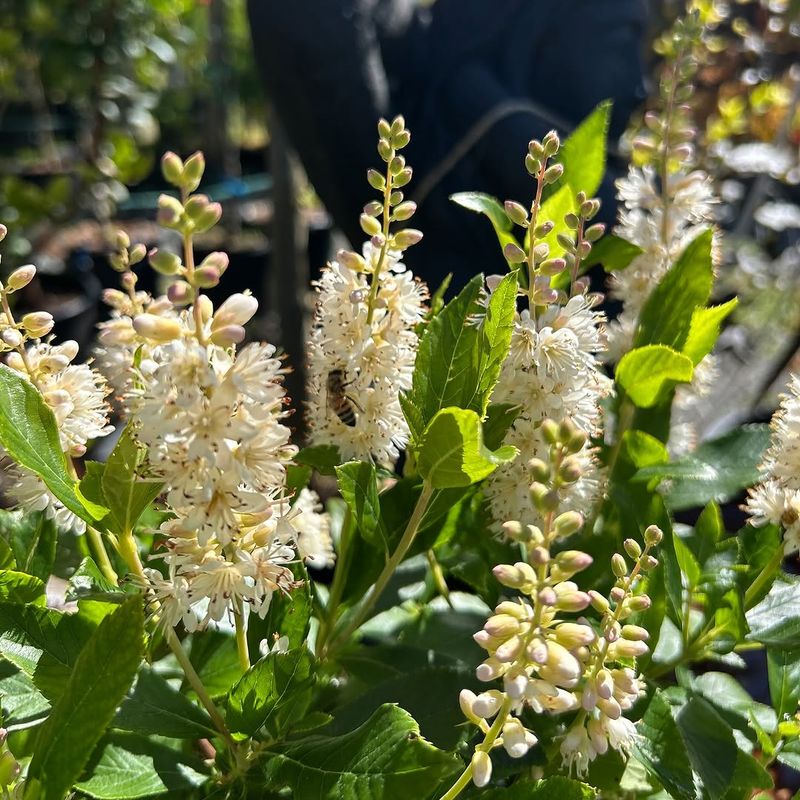
Right in the middle of July and August, when most shrubs are just trying to survive the heat, Crystalina summersweet bursts into fragrant white flower spikes that stop people in their tracks.
Clethra alnifolia Crystalina is a compact form of native summersweet, staying tidy enough for most border situations while still delivering a big seasonal show.
The sweet fragrance it releases during blooming is strong enough to enjoy from several feet away.
North Carolina summers bring plenty of humidity, and this plant genuinely thrives in those steamy conditions. It prefers acidic soil that stays consistently moist, which makes it an excellent fit for clay beds that hold water after rain.
Your North Carolina Garden Changes Every Week. Your Plan Should Too.
Gardening in North Carolina changes quickly throughout the season. Every Friday you’ll receive a simple weekly plan showing exactly what to plant, prune, fertilize, harvest, and protect so you never miss the right timing.
Shade is not a problem either. Light filtered shade or morning sun works well, particularly in the hottest inland areas where direct afternoon exposure can stress the foliage and cause leaf scorch.
Coastal gardeners will appreciate that Crystalina summersweet also tolerates some salt air exposure, making it a flexible option closer to the shore. Plan for its mature width when placing it in the border.
Crowding it against other shrubs reduces airflow, and that is exactly when spider mites tend to move in.
Mites become most problematic when the plant gets excessively hot or stays too dry for extended stretches. Keep the soil consistently moist, especially through the first full summer.
Mulching generously around the root zone helps retain moisture between rain events and moderates soil temperature during heat waves, keeping the plant comfortable and productive through the toughest weeks of the year.
3. Dwarf Yaupon Holly Adds Durable Evergreen Structure
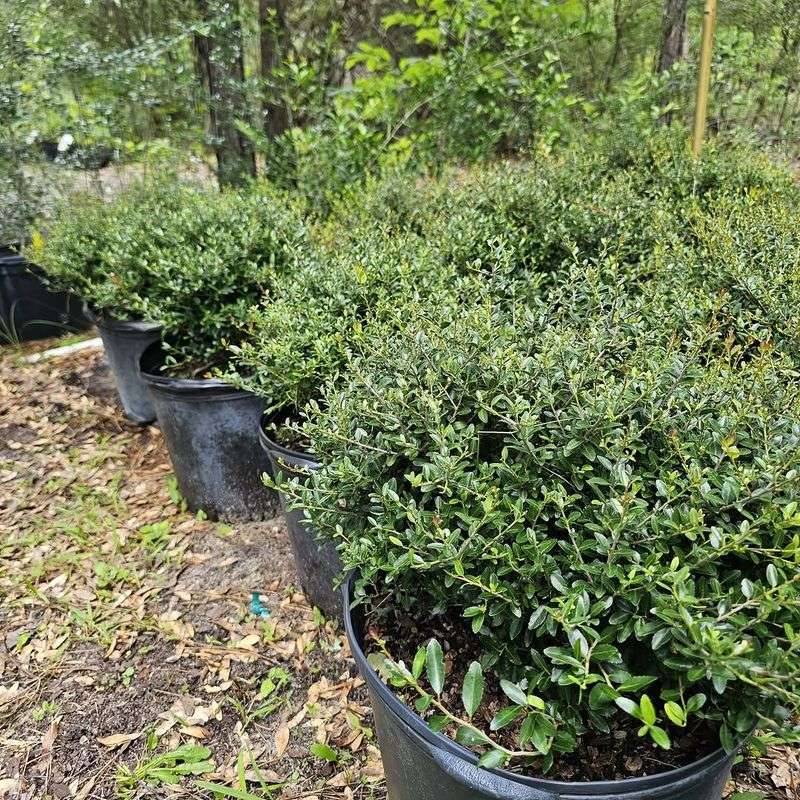
If you want a shrub that simply refuses to complain, dwarf yaupon holly is your answer. Ilex vomitoria and its compact cultivars are some of the toughest evergreen shrubs available for North Carolina gardens.
Small, glossy leaves stay green year-round, giving the border a clean, structured look even in the middle of winter when everything else has gone quiet.
What really sets dwarf yaupon apart is its remarkable adaptability. Clay soil, heat, drought after establishment, urban pollution, occasional wet feet after storms, full sun, or partial shade, it handles all of it without fuss.
That kind of versatility is especially valuable in the Piedmont and Coastal Plain, where conditions can swing from saturated to bone dry within the same season. Very few shrubs manage that range without showing stress.
Before planting, check the mature dimensions of the specific cultivar you choose. The word dwarf is relative in the plant world, and some so-called dwarf forms still reach four to five feet wide at maturity.
Planting too close to a path or window creates unnecessary pruning work and stresses the plant over time.
When you put it in the ground, match the original soil depth from the container exactly. Planting too deeply is one of the most common mistakes with woody shrubs, and it can lead to long-term root problems.
Keep the trunk base visible above the mulch line, and avoid creating a situation where the roots stay constantly saturated, since even tough plants have their limits with standing water around the crown.
4. Cherokee Sedge Covers Wet Border Edges
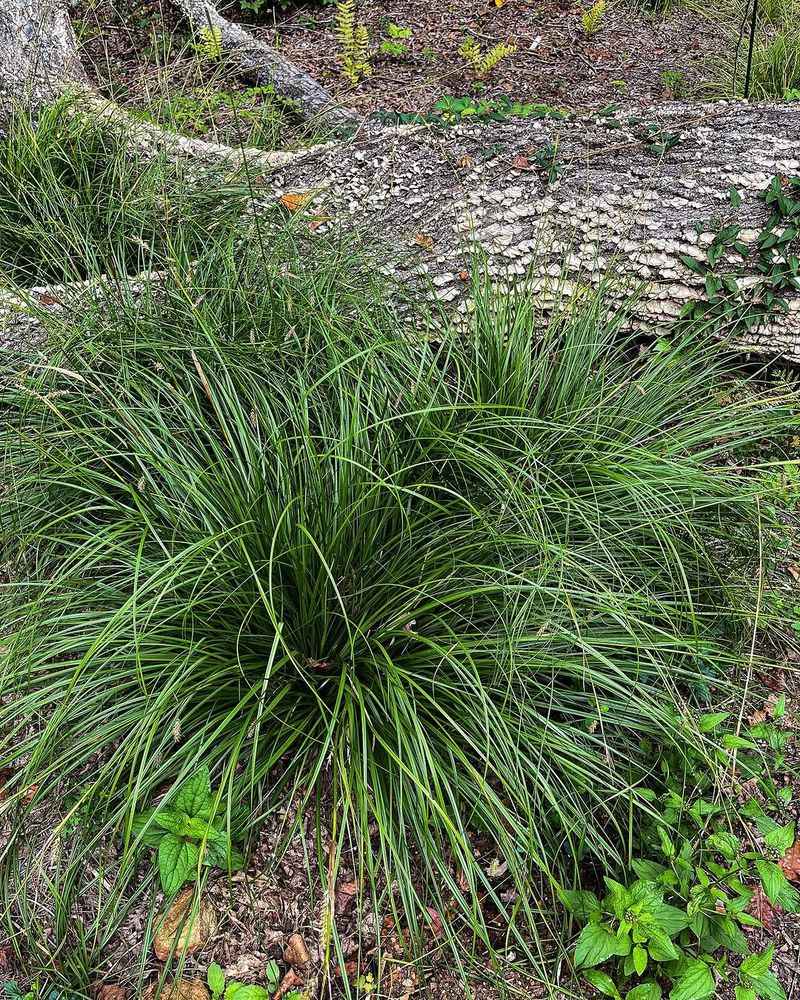
Along the front edge of a moist border, Cherokee sedge brings a graceful, low-maintenance presence that most ornamental grasses simply cannot match in shade.
Carex cherokeensis is a native sedge with arching, strap-like foliage that stays evergreen or nearly evergreen through most North Carolina winters.
The texture is fine enough to feel soft and natural while still creating a clear visual edge along pathways and bed borders.
Moist to wet clay soil is exactly where this plant performs best. It handles heat surprisingly well for a shade lover, which makes it more versatile than many other sedges sold in the region.
Partial sun works fine as long as the soil does not dry out completely during summer stretches between rain events. In spots that receive more sun, keep an eye on soil moisture and water during dry periods to prevent tip burn.
Cherokee sedge works beautifully as an edging plant, a ground layer beneath taller shrubs, a rain garden participant, and an erosion control feature along slopes or stream edges.
Its dense root system grips soil effectively, which is especially helpful on clay banks that tend to wash during heavy summer storms.
Spring care is simple but important. Rather than cutting the entire clump down to the soil level, remove only the worn, tattered, or yellowed leaves individually.
Cutting the clump too aggressively can slow recovery and reduce the lush appearance that makes Cherokee sedge so appealing. A light tidy-up is all it really needs to look fresh heading into the growing season.
5. Marsh Blazing Star Handles Heat And Moisture
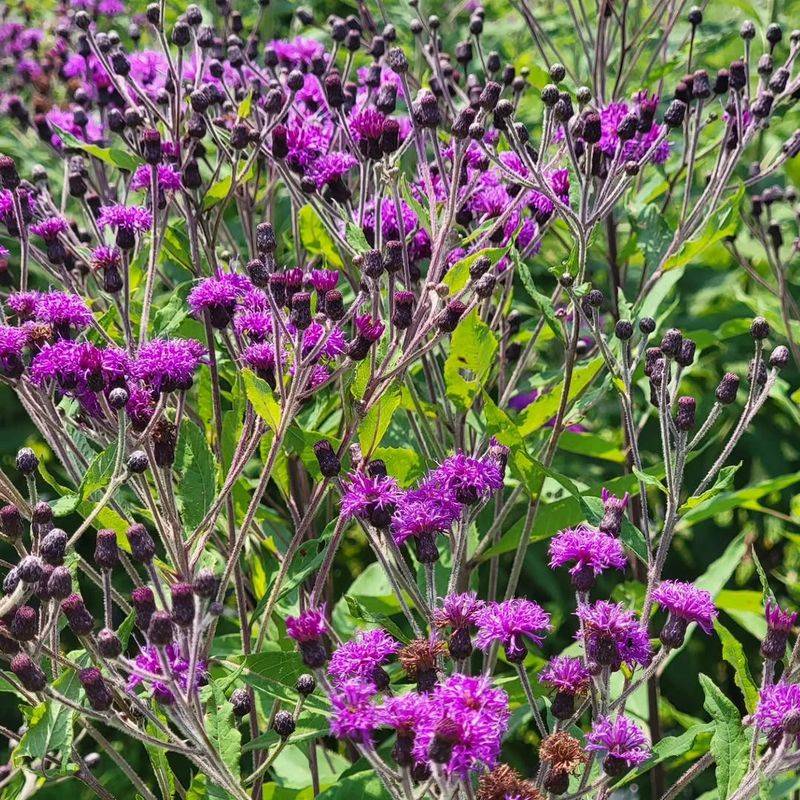
There is something almost electric about a clump of marsh blazing star in full bloom.
Liatris spicata sends up tall, upright spikes covered in rich purple flowers from mid to late summer, right when pollinators like bumblebees and monarch butterflies are actively searching for nectar.
The grasslike foliage is tidy and unobtrusive during the rest of the season, making this perennial an easy fit in mixed borders without creating a messy off-season appearance.
North Carolina summers bring the kind of heat and humidity that wilt many flowering perennials, but marsh blazing star takes it in stride. It prefers average to moist soil with reasonable drainage and performs in full sun or light partial shade.
Rain gardens, pollinator gardens, and traditional perennial borders all work well as planting spots, giving gardeners plenty of flexibility when deciding where to use it.
One practical note worth keeping in mind is stem support. In particularly rich soil or in spots exposed to strong storm winds, the taller flower spikes can lean or tip over.
Planting in groups of three or more helps, since the stems support each other naturally. Spacing plants appropriately also improves airflow through the clump, which reduces the chance of foliar issues during humid stretches.
After flowering finishes, you can leave the seedheads standing for birds to enjoy through fall and winter. Goldfinches especially love picking through the spent spikes.
Cutting back in late winter before new growth emerges keeps the clump looking tidy and gives fresh foliage plenty of room to fill in strongly come spring.
6. Northwind Switchgrass Stands Through Summer Storms
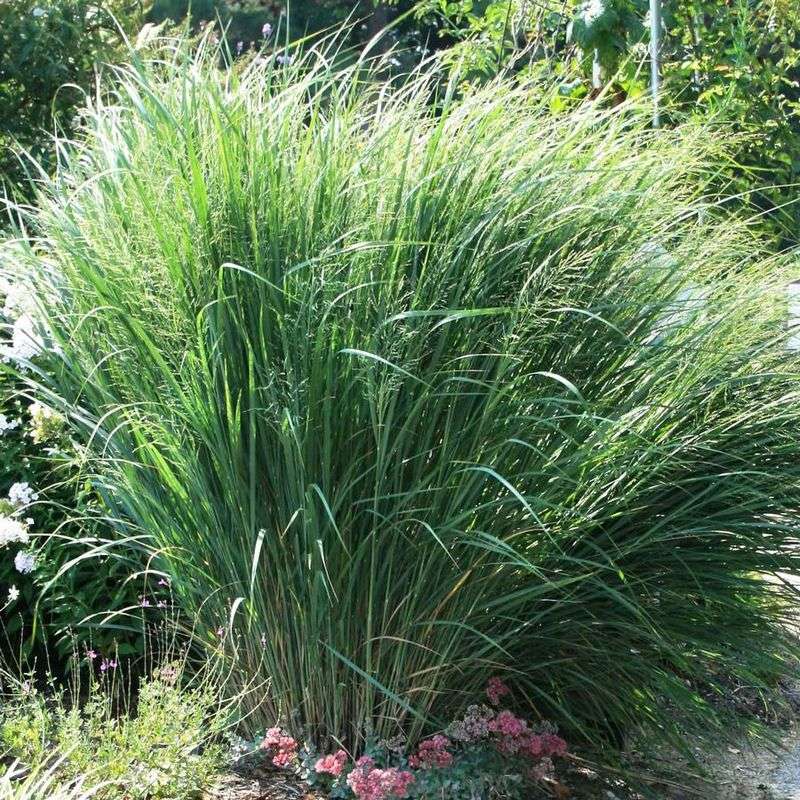
When a summer storm rolls through North Carolina and flattens half the garden, Northwind switchgrass is usually still standing straight.
Panicum virgatum Northwind is one of the most reliably upright native grasses available, and that stiff vertical posture is exactly what makes it so valuable in the middle or back of a border where height and structure matter.
The stems hold their form through wind, heavy rain, and humidity without flopping over the way many ornamental grasses do.
Clay soil, occasional wet conditions, brief dry spells, summer heat, and coastal humidity are all well within its comfort zone.
The dense, fibrous root system does important work underground too, binding clay soil and reducing erosion in areas prone to runoff after storms.
Above ground, the stems add beautiful movement on breezy days, and the soft seed heads that develop in late summer catch light in a way that looks almost magical toward evening.
Full sun is strongly recommended for the strongest upright habit. In shadier spots or in beds that receive heavy fertilizer applications, the stems tend to lean and lose that signature vertical structure.
Rich soil also encourages lush, soft growth that is more prone to flopping, so skip the extra fertilizer and let this grass grow lean and tough.
Plan carefully for its mature size before planting. Northwind typically reaches five to six feet tall and two to three feet wide, so it needs adequate clearance from paths, windows, and smaller neighboring plants.
Cutting it back to about four to six inches in late winter keeps the clump tidy and ready for vigorous spring regrowth.
7. Pink Turtlehead Thrives In Moist Partial Shade
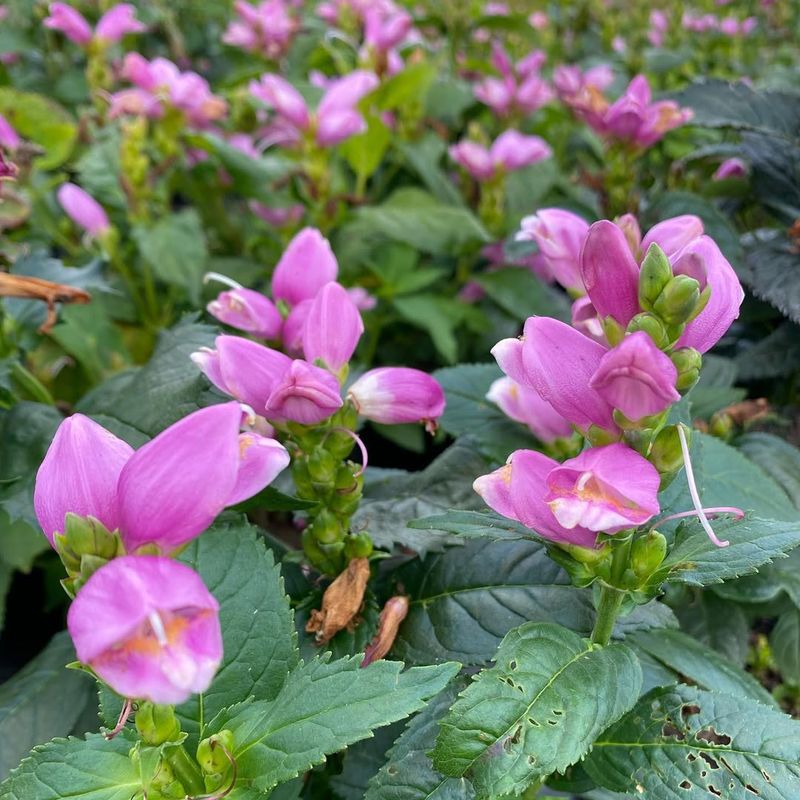
Named for the way its blooms resemble the head of a turtle peeking out of its shell, pink turtlehead is one of those plants that surprises people every time they see it for the first time.
Chelone lyonii produces clusters of deep pink, tubular flowers in late summer and early fall, filling the border with rich color right when many other shade perennials are winding down. The timing alone makes it worth growing.
Moist clay soil and partial shade are where this native perennial genuinely excels. Woodland edges, shaded rain gardens, areas near ponds, and spots along drainage channels are all excellent locations.
Consistent moisture matters more than anything else for keeping pink turtlehead healthy and productive. It can handle medium soil moisture but truly thrives when the ground stays reliably moist through the growing season.
Organic matter worked into the planting area improves both water retention and soil structure, which benefits the plant over the long term.
Airflow around the clump is also worth thinking about because powdery mildew can appear when plants are crowded together or when the foliage stays damp with poor air circulation.
Spacing plants appropriately and avoiding overhead watering in the evening reduces that risk considerably.
Stems may start to lean if the shade becomes too deep, which is a sign the plant would benefit from a slightly brighter spot.
Dividing the clump every few years keeps growth vigorous and prevents the center from becoming woody and unproductive.
New divisions establish quickly in prepared, moist soil and reward you with fresh, full growth the following season.
8. Swamp Sunflower Fills The Back Of A Wet Border
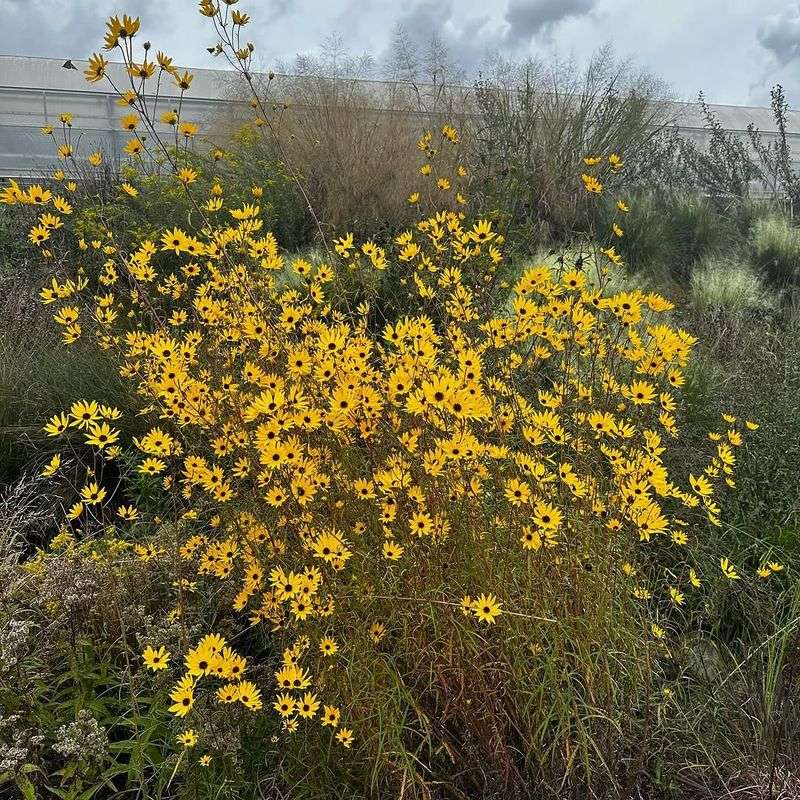
Bold, bright, and unapologetically tall, swamp sunflower is the kind of plant that transforms the back of a border into something genuinely spectacular.
Helianthus angustifolius produces masses of cheerful yellow, daisy-like flowers from late summer into fall, arriving just as the garden starts to feel a little tired and ready for the season to wrap up.
That late burst of golden color is hard to beat, and pollinators absolutely flock to it.
Moist to occasionally wet, acidic soil in full sun is where this native sunflower does its best work. Clay is not a problem at all.
Along pond edges, drainage areas, fence lines, and naturalized borders, it fills space with confidence and provides excellent late-season structure.
The mature height, which can reach six to eight feet or even taller in ideal conditions, makes it completely wrong for the front of a small formal bed but absolutely perfect for larger, informal settings.
Room to spread is something swamp sunflower needs and will take if given the opportunity. The clump expands steadily over time, so plan for it rather than fight it.
Cutting stems back by about one-third in early to mid summer encourages a shorter, fuller, more branched plant that is less likely to tip in strong storm winds.
Gardeners in particularly windy spots may also want to stake taller growth before late summer storms arrive.
Leaving the seedheads standing through winter benefits birds and adds quiet structure to the off-season garden.
Cutting the stems back in late winter prepares the clump for another season of energetic, eye-catching growth that will impress neighbors and pollinators alike.