Why Texas Gardeners Shade Their Fall Tomato Transplants From Afternoon Sun
Fall tomatoes in Texas start under summer rules.
The calendar may say August or early September, but the garden still feels like a skillet by midafternoon.
Tomato transplants need to get growing early enough to set fruit before frost, yet they arrive in the bed with small root balls, tender leaves, and very little defense against 100-degree sun.
That is why shade cloth matters.
Afternoon shade gives new transplants a short recovery window. It slows water loss, keeps leaves from scorching, protects moist soil, and gives roots time to spread into the bed before the plant has to handle full sun.
This is not babying the tomatoes.
It is smart timing in a climate that does not ease gently into fall.
So why do Texas gardeners shade fall tomato transplants from afternoon sun?
Because the first two weeks decide how fast those plants recover, root, grow, and start racing toward a fall harvest.
1. Transplants Need A Gentle Landing
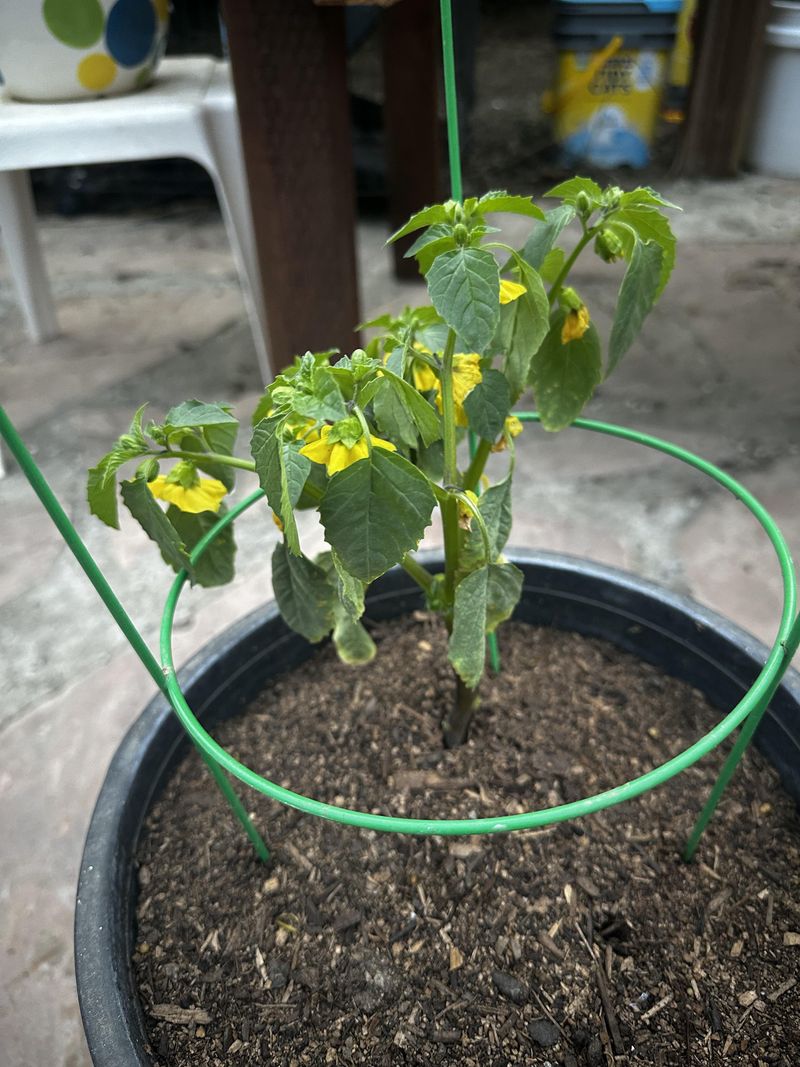
A nursery tomato has not lived a Texas garden life yet.
It may have spent weeks in filtered light, greenhouse benches, partial shade, or a small nursery pot. Then it gets planted into hot soil with blazing afternoon sun hitting every leaf.
That is a rough welcome.
The root ball is still small and tight. It has not reached into the surrounding bed, so the plant cannot pull up water as quickly as the leaves lose it.
Transplant shock starts there.
Leaves wilt because demand is higher than supply. The plant may look dramatic by late afternoon, even when the soil was watered that morning.
Shade slows the water loss.
Filtered afternoon light keeps the leaves cooler and reduces the pressure on that tiny root system. The plant can keep functioning instead of spending the day in survival mode.
The goal is not darkness.
Tomatoes still need light. A shade cloth setup should soften the hottest sun while allowing enough brightness for growth.
Water before and after planting.
Moist soil gives roots something to move into right away. A dry planting hole makes the transplant work harder from the first hour.
Shade is the soft landing.
Give the plant a calmer start, and it can shift from shock to growth much faster.
2. Afternoon Sun Hits Too Hard
The west sun is the problem child.
Morning light helps tomato transplants grow. Late afternoon Texas sun can slam tender leaves right when air temperatures are already near their daily peak.
That timing matters.
By midafternoon, soil, pavement, fences, walls, and raised bed edges have stored heat for hours. A young transplant gets hit from above and from the hot surroundings at the same time.
Leaves can overheat quickly.
When a tomato plant gets too hot, it closes tiny leaf pores to reduce water loss. That protects moisture, but it also slows the movement of gases the plant needs for photosynthesis.
Growth pauses under pressure.
A transplant that should be building roots and new leaves may spend those hours just trying to avoid collapse.
Your Texas Garden Changes Every Week. Your Plan Should Too.
Gardening in Texas changes quickly throughout the season. Every Friday you’ll receive a simple weekly plan showing exactly what to plant, prune, fertilize, harvest, and protect so you never miss the right timing.
The west and southwest sides need the most protection.
Those angles usually bring the harshest exposure in Texas gardens. Shade placed on that side often helps more than shade over the entire bed all day.
Use moderate shade.
Thirty to forty percent shade cloth is often enough for tomatoes. It cuts the intensity without making the plants stretch weakly toward light.
Block the worst hours first.
Protection from early afternoon through evening gives transplants relief when they need it most.
The sun is not the enemy.
The timing and intensity are what make new tomatoes struggle.
3. Roots Need Time To Spread
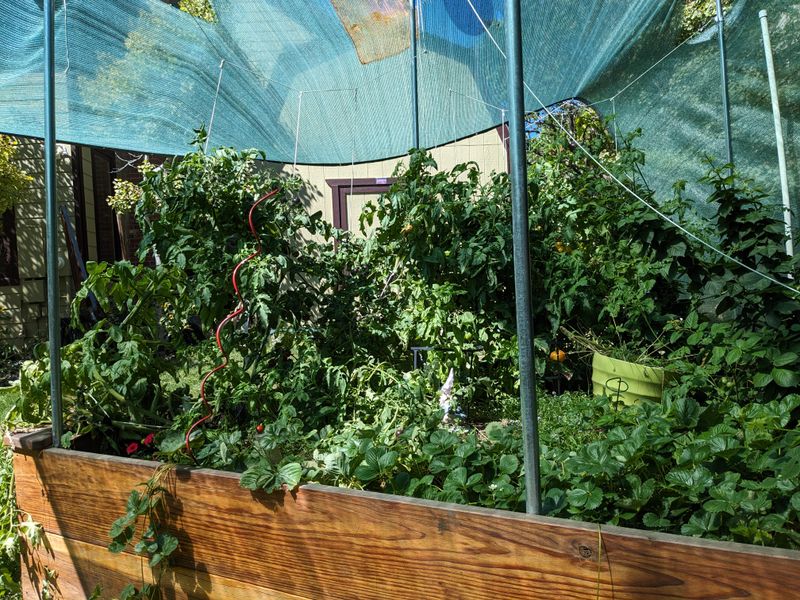
A tomato cannot act established before its roots are established.
Fresh from the pot, the roots are still working inside a small ball of soil. They need time to loosen, branch, and move outward into the garden bed.
That takes more than a day.
The first week or two after planting is when the plant starts making real contact with its new soil. Until then, the transplant is living partly on the limited root system it arrived with.
Hot soil slows that work.
Texas beds can hold heat well into the evening. Roots grow best when the soil stays warm but not punishing, and shade can lower the temperature around the planting zone.
Moisture keeps roots moving.
Dry soil does not invite new root tips forward. Water deeply before planting, then keep the root zone evenly moist while the plant settles in.
Mulch helps hold the start.
A two to three inch layer of straw, shredded leaves, or fine wood chips keeps the surface cooler and slows evaporation. Keep mulch slightly away from the stem.
Do not rush the plant into full exposure.
A tomato with new root growth can handle much more sun than one still trapped in its nursery root ball.
Watch for fresh growth.
New leaves, firmer stems, and less afternoon droop all signal that roots are starting to do their job.
Strong roots are the whole harvest engine. Shade buys them the time to get started.
4. Shade Cloth Prevents Leaf Scorch
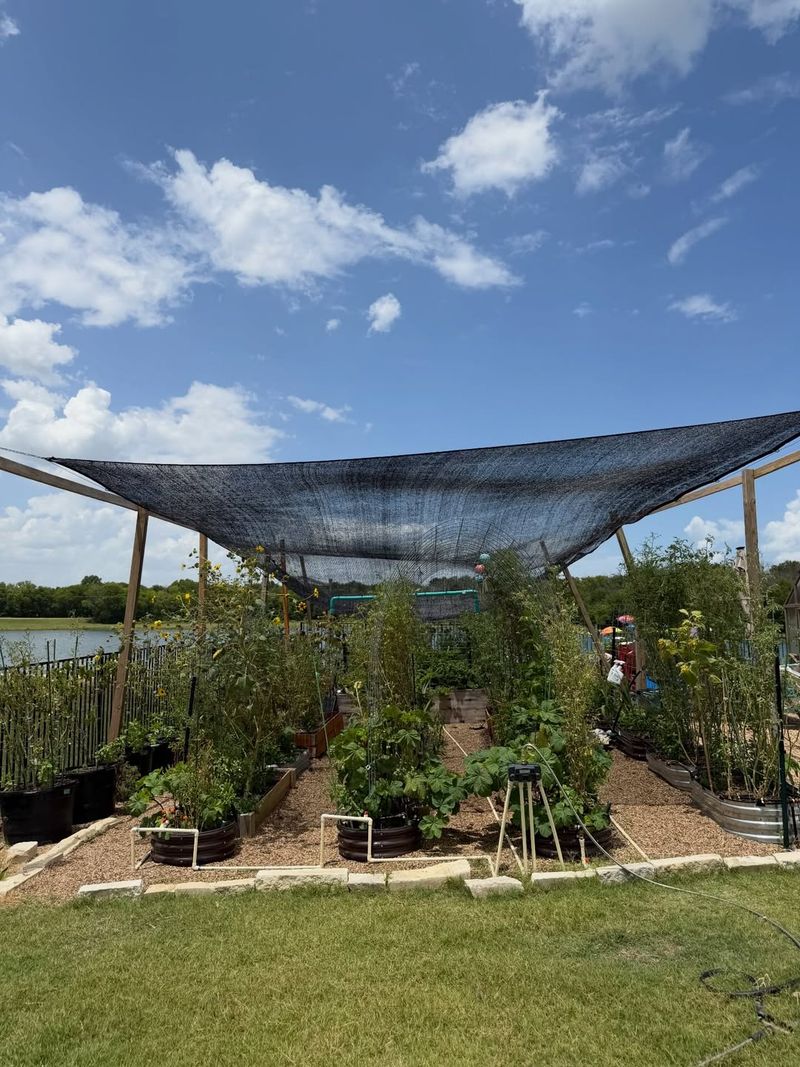
Tender tomato leaves can burn before they toughen up.
Leaf scorch often appears as pale, bleached, papery patches on the side of the plant facing the strongest sun. Once that tissue is damaged, it does not turn green again.
Small transplants cannot spare many leaves.
A mature tomato plant can lose a little foliage and keep going. A new transplant may only have a handful of leaves, so every scorched one matters.
Shade cloth filters the light.
Instead of direct afternoon radiation hitting the leaf surface, the plant receives softer, diffused light. That lowers heat stress while still allowing the tomato to grow.
The percentage matters.
Too much shade can make plants stretch and weaken. Too little shade may not reduce stress enough during extreme heat. A moderate cloth is usually the best balance.
Use real shade cloth.
Knitted or woven garden shade cloth breathes and lets air move. Solid plastic traps heat and can turn the bed into a hot little tent.
Keep the cloth above the leaves.
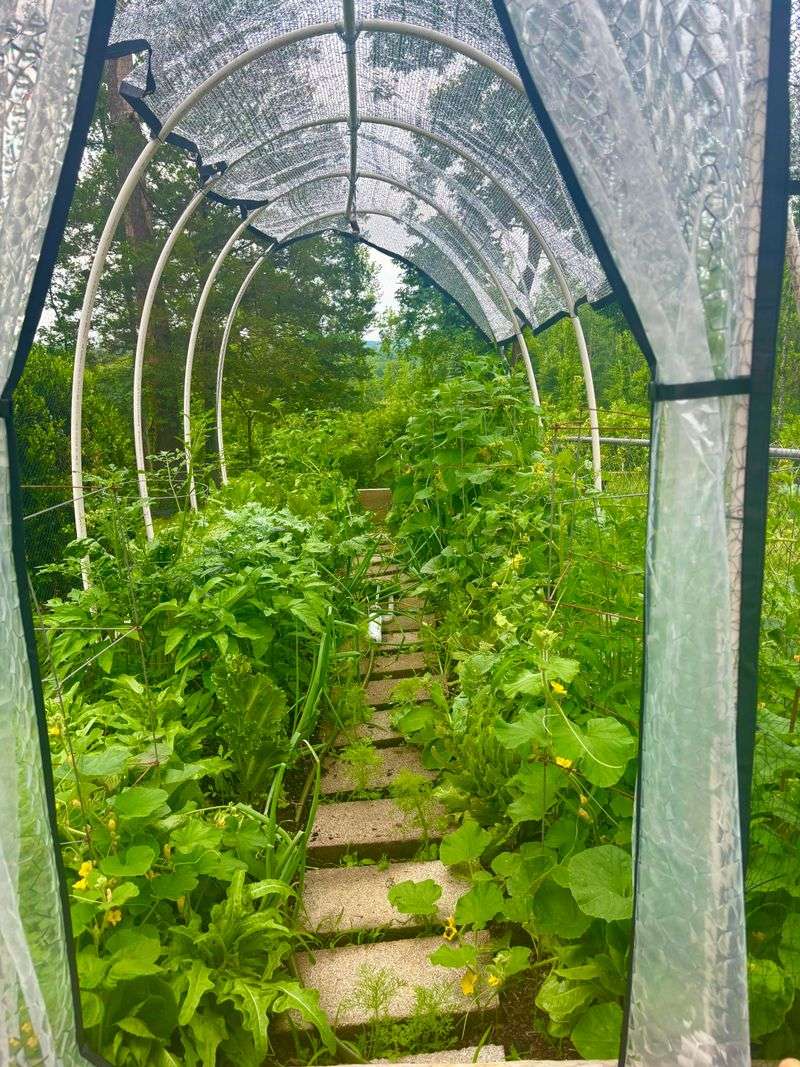
A frame made from PVC, stakes, wire hoops, bamboo, or tomato cages keeps fabric from resting directly on the plants.
Airspace is protection too.
Leaves stay cooler when shade and airflow work together.
The first leaves are the plant’s solar panels.
Protect them early, and the transplant has more energy to build the rest of the season.
5. Moist Soil Holds The Start
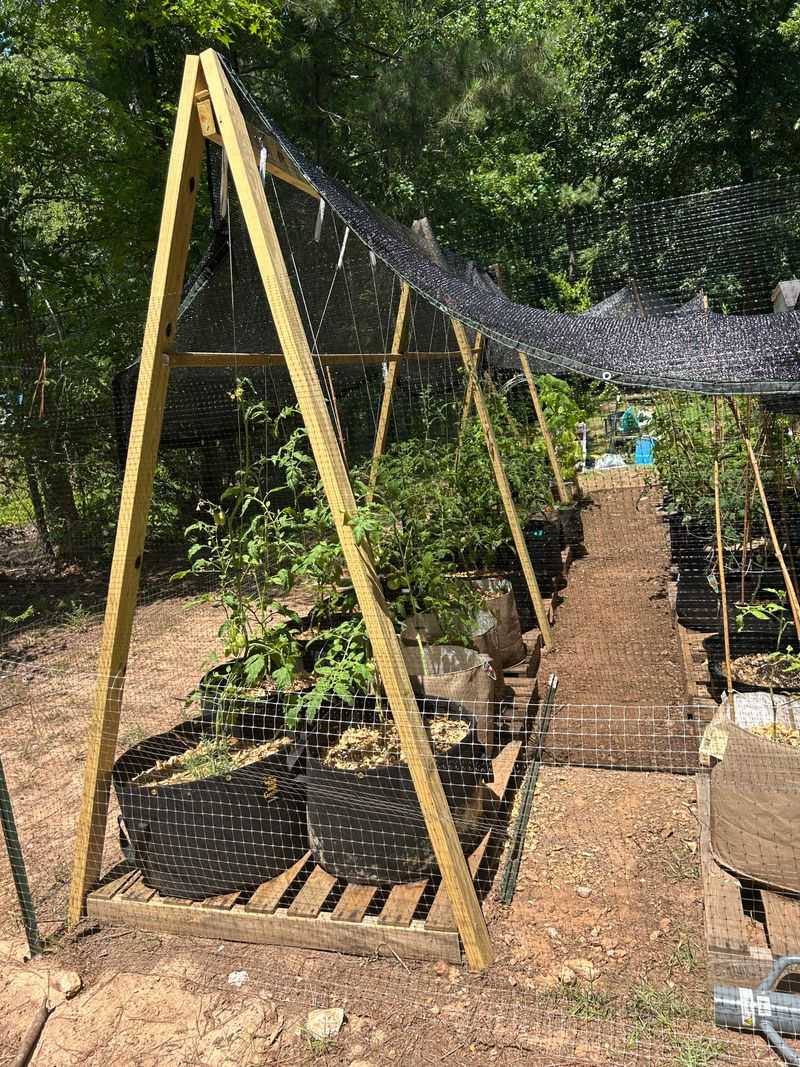
Dry soil after planting can stop momentum fast.
A tomato transplant needs steady moisture while roots move from the potting mix into the garden bed. In Texas heat, that planting zone can dry faster than gardeners expect.
The surface is not enough.
A quick sprinkle may darken the top of the bed while the deeper root zone stays dry. New roots need moisture several inches down, not just a damp crust.
Soak before planting.
Water the bed well the day before transplanting so moisture has time to move through the soil. That gives roots a better place to expand after planting.
Water again after planting.
A deep drink settles soil around the root ball and removes dry pockets. Water should reach at least six to eight inches into the bed.
Mulch slows the loss.
Bare soil heats quickly and dries quickly. A mulch layer keeps the root zone cooler and helps moisture last through the afternoon.
Check daily at first.
Push a finger two inches into the soil near the plant. Dry soil at that depth means the transplant needs water.
Avoid soggy roots.
Consistent moisture does not mean standing water. Tomatoes need oxygen in the soil along with moisture.
Shade and water work as partners.
Shade reduces demand, and moist soil improves supply. Together, they help the transplant hold steady during its roughest stretch.
6. Airflow Still Matters
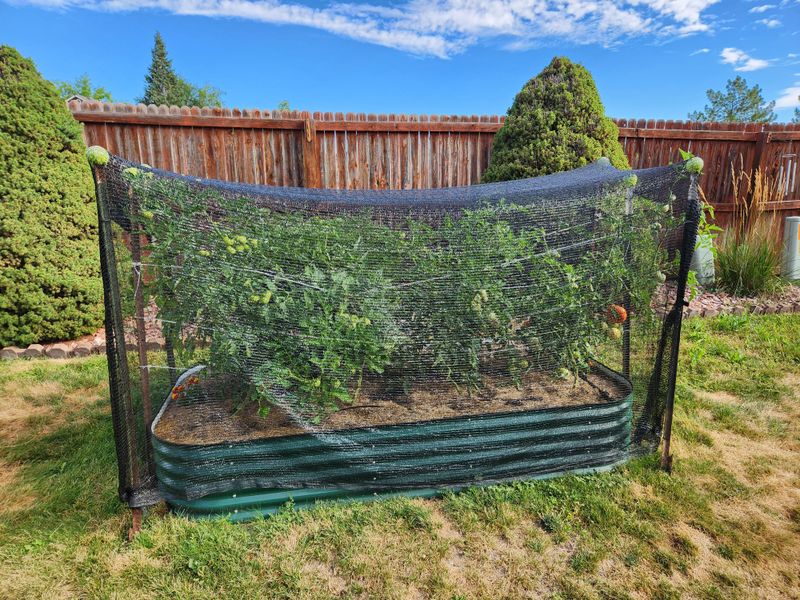
Shade should not turn into a steam trap.
A cover draped too tightly over tomato transplants can hold heat and humidity around the leaves. That creates the wrong kind of protection, especially in a Texas fall garden with warm nights and morning dew.
Tomatoes need moving air.
Airflow helps leaves dry after watering, rain, or dew. Dry leaves are less inviting to common tomato disease problems.
Keep the sides open.
A shade structure should act more like a breezeway than a sealed tent. Air needs to enter, move through, and escape.
Lift the cloth above the canopy.
Even a few inches of space makes a difference. More space is better as the plants grow, since leaves should not press against the fabric.
Choose breathable material.
Woven or knitted shade cloth lets air pass through while reducing light intensity. Plastic sheets and tarps are poor choices for this job.
Water at the soil level.
Wet foliage under shade dries more slowly. A drip line, soaker hose, or careful watering at the base keeps leaves cleaner and drier.
Watch dense setups.
Rows packed too closely under shade can trap humidity. Give each transplant enough room for air to move between plants.
Good shade protects without smothering.
Tomatoes need relief from afternoon sun, not a humid blanket wrapped around their leaves.
7. Morning Sun Builds Strength
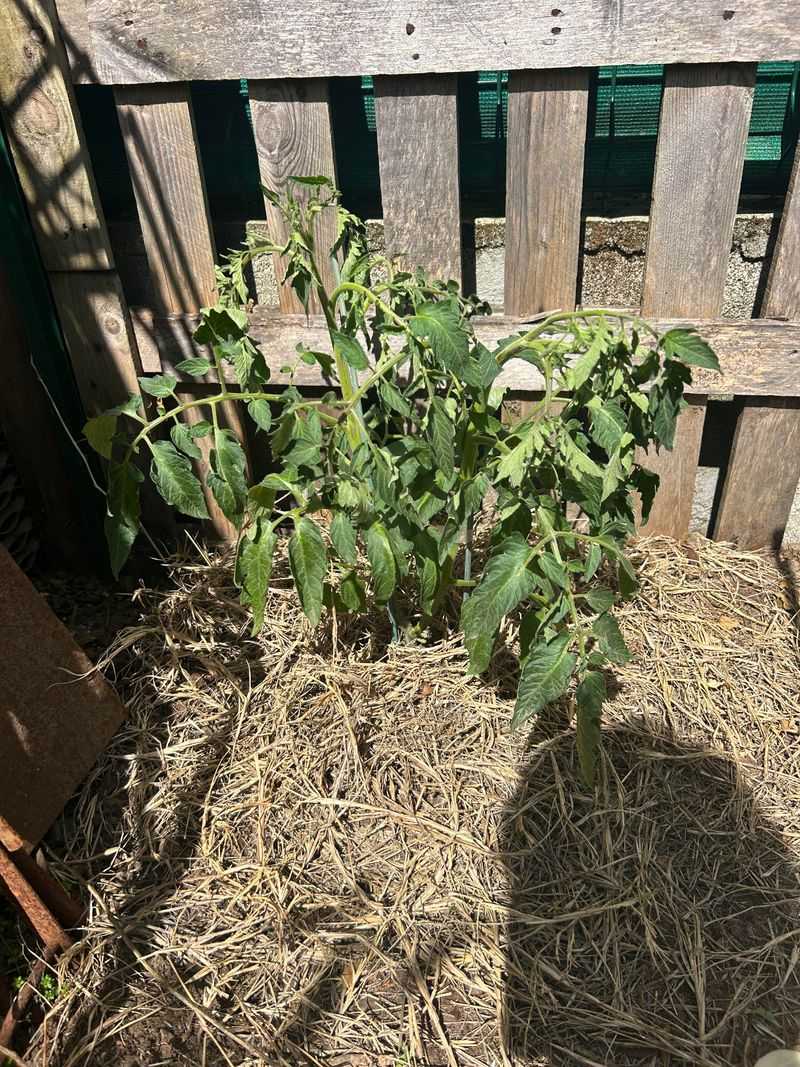
Morning sun is the light fall tomatoes need most.
It is bright enough to fuel growth but gentle enough to avoid the harshest heat load. A transplant that gets strong morning light can build energy before the afternoon turns brutal.
That early light supports recovery.
Photosynthesis works better when the plant is not overwhelmed by heat. Morning conditions give tomatoes a chance to produce sugars, firm up stems, and push new roots.
East exposure is valuable.
A bed with open morning sun and afternoon protection gives transplants the best of both worlds during establishment. They get light early and relief later.
Morning sun also dries dew.
Dry leaves reduce disease pressure, which matters in warm fall gardens where nights can stay humid.
Do not shade all day without reason.
A tomato kept too dim may stretch, pale, or stall. Afternoon protection is the goal, not full-time darkness.
Let the plant tell you.
Firm leaves, upright stems, and new growth show that the transplant is using the morning light well.
Shade can shift later.
Once roots establish, the plant can handle more hours of direct sun. Morning sun prepares it for that transition.
Fall tomatoes are racing the calendar.
Morning light helps them build speed without burning out in the afternoon.
8. Remove Shade Gradually
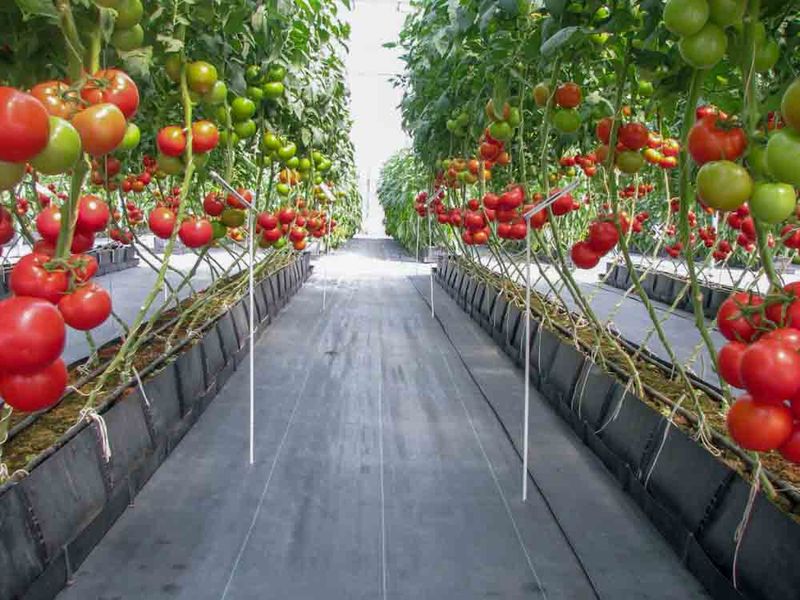
Shade should come off in stages.
A tomato that has spent two weeks under filtered light can struggle when exposed to full Texas sun all at once. Sudden exposure can cause wilting, bleaching, and another growth setback.
Start with the coolest hours.
Pull shade back in the morning first, then replace it before the strongest afternoon sun. This lets the plant experience direct light without the full heat punch.
Watch the leaves.
Firm, upright leaves are a good sign. Drooping, curling, or pale patches mean the plant still needs protection during the hottest hours.
Extend exposure slowly.
After a few good mornings, leave the shade off a little longer. Move toward midday sun before asking the plant to handle late afternoon exposure.
Keep watering steady during the change.
More sun increases water demand. Check soil moisture as the plant adjusts.
Do not remove shade during a heat spike.
A week of extreme temperatures is the wrong moment to test toughness. Wait for a slightly milder stretch when possible.
Use temporary shade again when needed.
A newly established tomato can still need help during a brutal heat wave, especially in raised beds or containers.
Gradual exposure trains the plant.
By the time the shade comes off completely, the tomato should have stronger roots, tougher leaves, and a better shot at turning fall sunlight into fruit.