The Meaning Behind Seeing A Woolly Bear Caterpillar In Your Ohio Garden
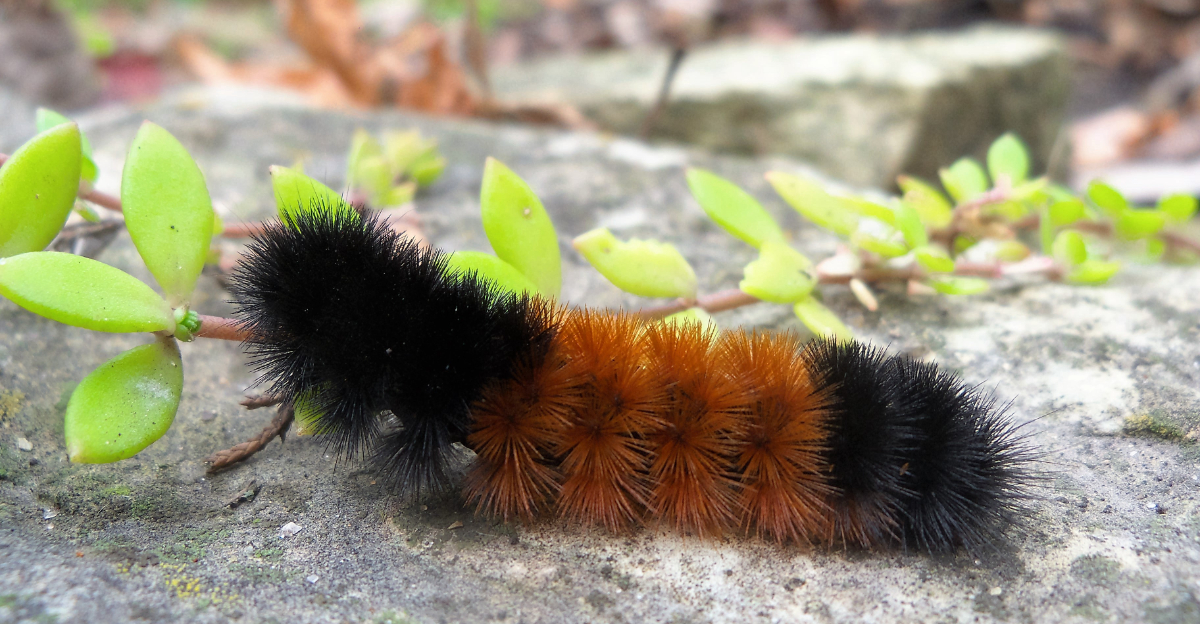
A fuzzy caterpillar inching across your driveway might seem like nothing special. But that black and brown banded body carries centuries of backyard folklore behind it.
Ohio families have been crouching down to inspect these little crawlers every autumn, convinced the stripes hold a forecast. Wider brown bands mean a mild winter, narrower ones spell trouble, or so the story goes.
Entomologists tell a quieter story. The banding actually reflects the caterpillar’s age and how wet the previous season was, nothing more mystical than that.
Still, science or superstition, there’s something magnetic about spotting one mid-journey across the grass. Pause for a second next time you see one. That small striped body has survived freezing temperatures before, and it’s about to do it again.
Seeing One Means Your Garden Is Heading Into A Healthy Winter Cycle
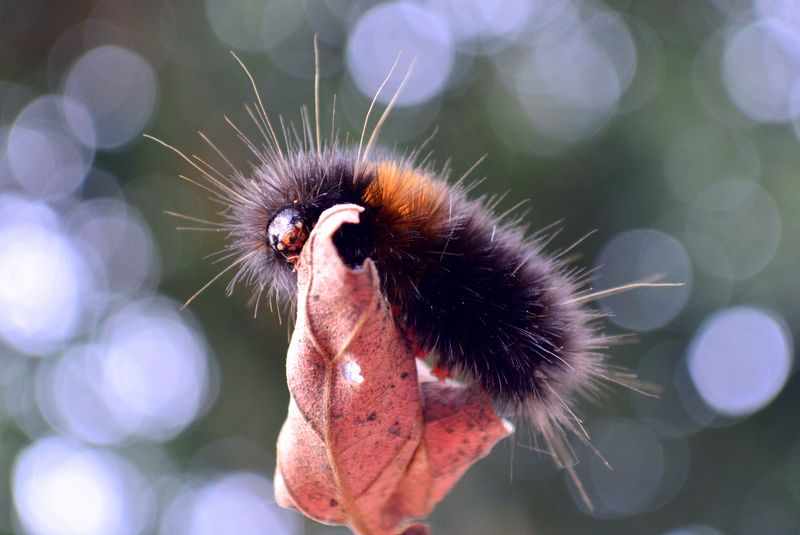
A woolly bear caterpillar crossing your garden path is one of fall’s best signs. Spotting one means your outdoor space supports a full, functioning ecosystem.
These caterpillars need specific conditions to thrive. Leaf litter, wild grasses, and undisturbed soil patches all signal a garden that works with nature.
Woolly bears feed on low-growing plants like clover, dandelions, and plantain. Finding one means those food sources exist in your yard, which is actually a good thing.
Healthy gardens attract healthy insects. A woolly bear caterpillar strolling through your space confirms your patch of earth is doing its job well.
Many gardeners panic when they see insects and reach for pesticides. Resisting that urge protects creatures like this one, which pose little threat to your garden plants.
Seeing a woolly bear also means your Ohio garden has enough natural debris for overwintering. These caterpillars tuck under bark, leaves, and mulch when cold weather arrives.
A garden that supports their survival is one that supports all kinds of beneficial insects. Think of the woolly bear as a quiet report card on your gardening habits.
If your yard feels too manicured, one small change makes a big difference. Leave a corner unmowed and watch what moves in over the following weeks.
That fuzzy visitor is telling you something folklore never could. It’s a small, wordless report on how healthy your Ohio backyard really is.
The Brown And Black Bands Come From Age, Not Weather Prediction
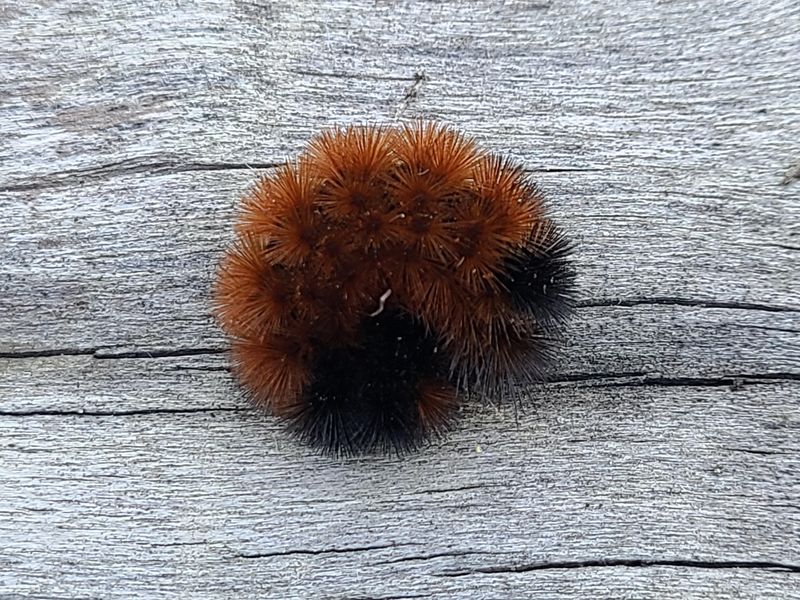
People have studied woolly bear caterpillars for decades hoping to crack a winter weather code. The truth is a little less magical but still genuinely fascinating.
The ratio of brown to black on a woolly bear reflects how old the caterpillar is. Older caterpillars tend to have wider brown bands, plain and simple.
A 1948 study by Dr. C.H. Curran sparked the popular prediction myth. He examined only a small number of caterpillars, making his findings far from scientific.
Later research found no reliable link between band width and winter severity. The caterpillar’s coloring just does not work as a forecast tool, no matter how fun the idea sounds.
Molting also affects band appearance. Each time a woolly bear sheds its skin, the brown section typically grows a bit wider.
Your Ohio Garden Changes Every Week. Your Plan Should Too.
Gardening in Ohio changes quickly throughout the season. Every Friday you’ll receive a simple weekly plan showing exactly what to plant, prune, fertilize, harvest, and protect so you never miss the right timing.
Caterpillars that hatched earlier in the season have gone through more molts. So a mostly brown woolly bear is usually just older, not sending you a weather report.
Genetics and local food availability can also shift coloring. Two caterpillars from the same field might look strikingly different despite facing the same upcoming winter.
Knowing this actually makes the creature more interesting. You are looking at a living record of that individual bug’s personal journey through the season.
Next time you spot those bold bands, appreciate what they really show. Every stripe tells a story of survival, growth, and a life well-lived in your Ohio garden.
Woolly Bears Survive Freezing Temperatures In A Way Few Caterpillars Can
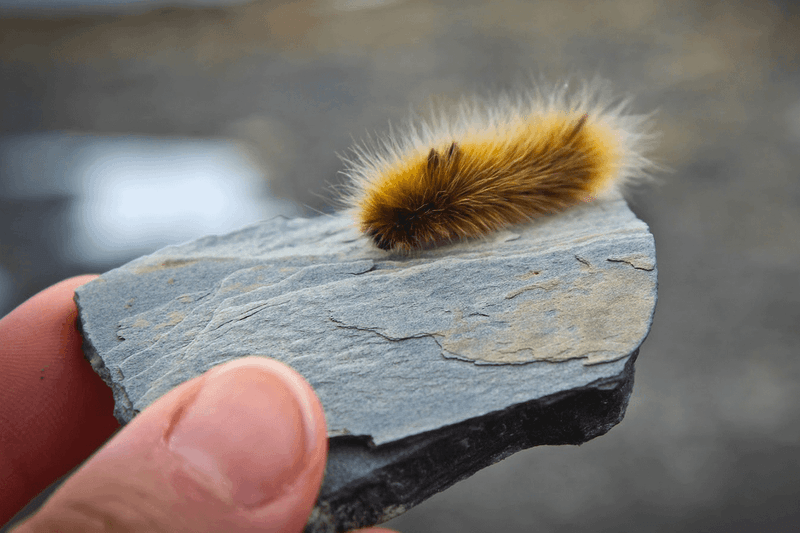
Most insects avoid freezing by heading underground or migrating somewhere warmer. Woolly bear caterpillars take a strikingly different and borderline unbelievable approach.
They actually allow their bodies to freeze solid during winter. Ice forms between their cells, and they simply wait for spring to thaw them back out.
Their bodies produce a natural antifreeze called cryoprotectant. This chemical prevents ice crystals from forming inside their cells, which would otherwise cause serious internal damage.
When temperatures drop, woolly bears curl into a tight ball and go still. They can survive this frozen state for months without any food, water, or movement.
Come spring, they thaw out and immediately start feeding again. The whole process is almost like hitting a pause button on life itself.
Scientists have studied this ability hoping to learn from it. Understanding biological antifreeze could one day help with human medicine and organ preservation research.
Woolly bears are not the only insects that freeze and recover, but they are among the most studied. Their resilience makes them a favorite subject for cold biology researchers.
For gardeners, this means leaving leaf piles undisturbed through an Ohio winter is genuinely helpful. Raking everything away in November removes the shelter these caterpillars count on.
A small brush pile or leaf corner costs you nothing but protects an extraordinary creature. Watching one crawl out alive in March feels like witnessing a minor miracle up close.
The Next Stage Of Life Brings A Dramatically Different Appearance
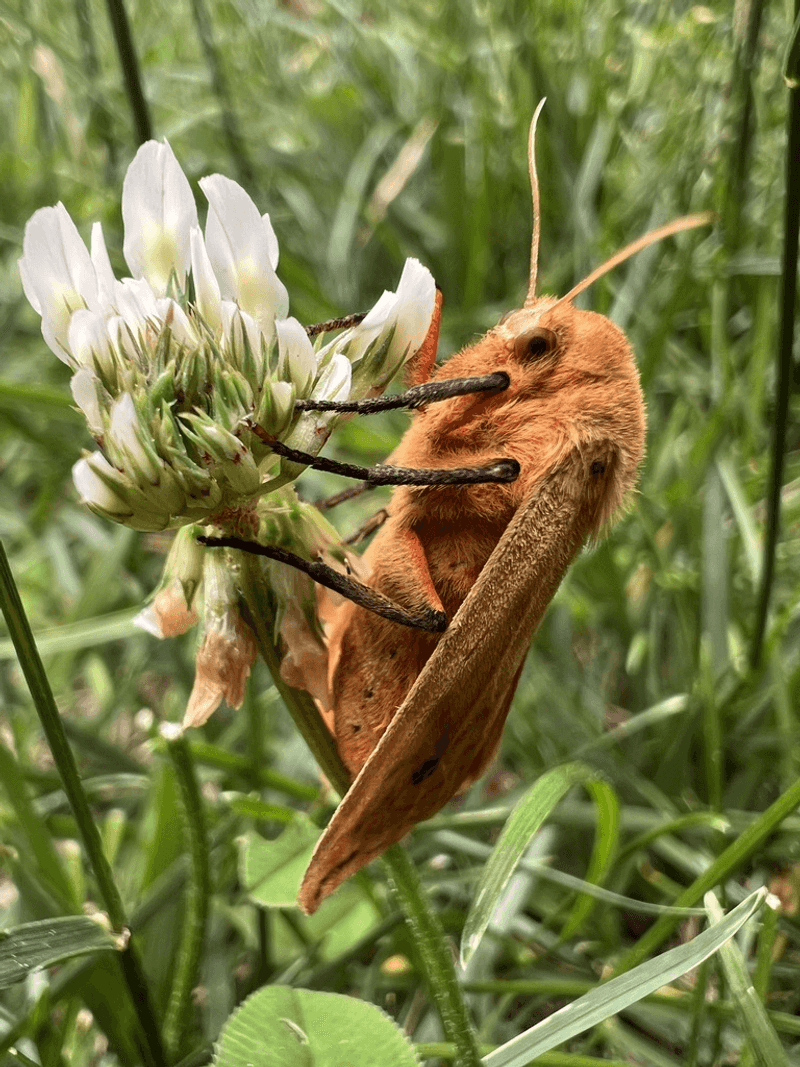
Seeing a woolly bear caterpillar is actually your first look at a future moth. Most people never connect the fuzzy crawler to the elegant insect it becomes.
Woolly bears transform into Isabella tiger moths, which are creamy yellow-orange with small dark spots. The contrast between the two stages is striking and a little hard to believe.
After overwintering, the caterpillar forms a cocoon using its own bristly hairs mixed with silk. The transformation inside takes only a few weeks once warm weather returns.
Adult Isabella tiger moths are nocturnal, so most gardeners never notice them. They flutter around lights at night and are far less famous than their caterpillar stage.
The moth’s main purpose is reproduction. Adults do not feed much and live only long enough to find a mate and lay eggs for the next generation.
Females lay eggs on the underside of leaves near low-growing plants. The tiny caterpillars that hatch spend the warm months eating and preparing for their first winter freeze.
This cycle repeats every year across Ohio backyards, fields, and forest edges. Each woolly bear you spot is one chapter in a story that spans an entire calendar year.
Planting native flowers and leaving wild patches encourages moths to return and lay eggs. A garden that welcomes the caterpillar also invites the moth back season after season.
Watching this full life cycle unfold in your own backyard is genuinely rewarding. One fuzzy crawler holds an entire story if you take the time to follow it.
Common Beliefs About These Caterpillars Don’t Hold Up To Scrutiny
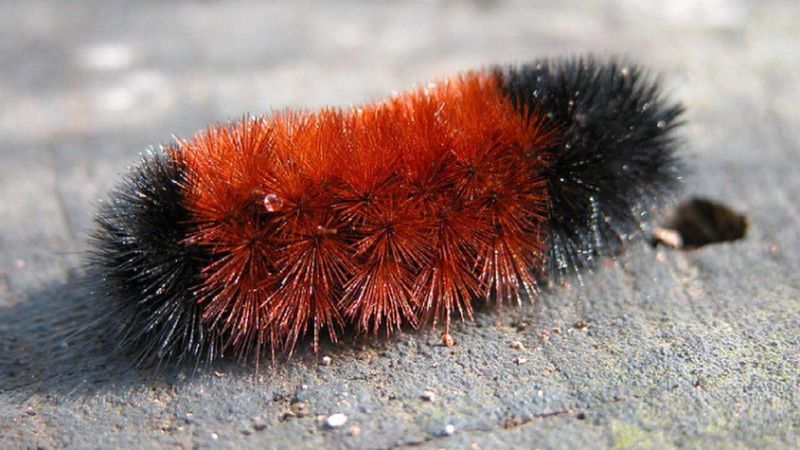
Every October, headlines pop up asking woolly bears what kind of winter is coming. It is a charming tradition, but the science simply does not back it up.
Studies checking caterpillar predictions against actual winter data found no consistent pattern. The forecasts land right about half the time, which is no better than a coin flip.
Some believe a mostly black woolly bear means a harsh winter ahead. In reality, a darker caterpillar may just be younger or from a different local population.
Another popular idea claims the direction the caterpillar crawls reveals something meaningful. Researchers have found no evidence that direction of travel predicts anything at all.
Woolly bear festivals celebrate this folklore in a joyful, community-centered way. Enjoying the tradition for fun is perfectly fine as long as you keep it separate from actual forecasting.
The National Weather Service does not consult caterpillars when making seasonal predictions. Professional forecasters rely on ocean temperatures, atmospheric patterns, and decades of climate data instead.
Folklore often outlasts the evidence because it feels good and connects us to nature. There is real value in that connection, even when the prediction itself misses the mark.
Letting go of the weather myth does not make woolly bears less special. Their actual biology is far more interesting than the forecast folklore ever gave them credit for.
Forget the forecast angle entirely. What matters is slowing down long enough to notice the little Ohio garden dweller in front of you.
Small Habitat Changes Keep Your Garden Welcoming For Them
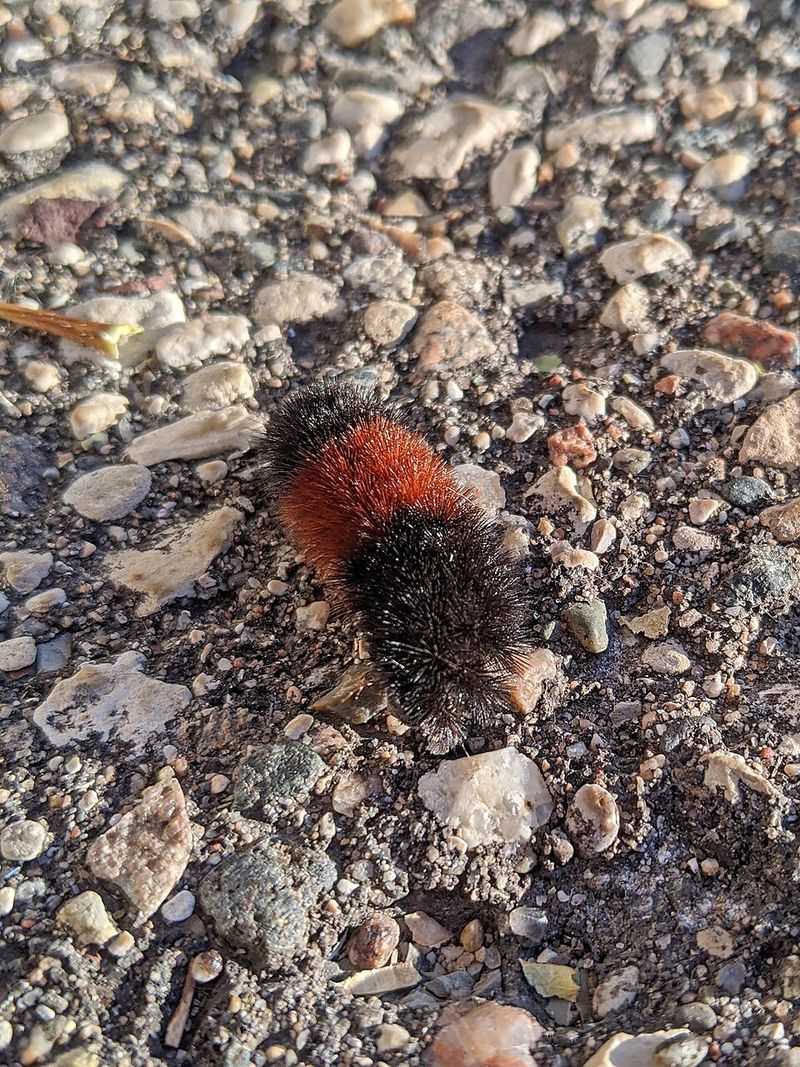
You do not need a wild meadow to support woolly bear caterpillars in your yard. A few small, intentional changes go a surprisingly long way for these creatures.
Leaving a section of your lawn unmowed through fall gives caterpillars both food and cover. Low plants like clover and wild violets are favorites they actively seek out.
Avoid using broad pesticides in areas where you want to encourage natural insect life. Even products labeled as safe can disrupt the food chain that woolly bears depend on.
A simple leaf pile tucked near a fence or garden border creates ideal overwintering shelter. Woolly bears crawl under debris and stay there until March or April arrives.
Logs, flat stones, and bark pieces also serve as excellent hiding spots. Scattering a few natural materials around your garden costs nothing and supports a wide range of insects.
Native plantings attract more insects overall, which creates a richer, more balanced garden. Plants like goldenrod, asters, and wild grasses support the whole ecosystem woolly bears live within.
Reducing outdoor lighting near garden edges helps nocturnal moths return to lay eggs. Bright lights can disorient adult Isabella tiger moths during their short breeding season.
Sharing these small tips with neighbors multiplies the impact across your whole street. A connected patchwork of welcoming gardens creates a real corridor for wildlife moving through your neighborhood.
Consider this fuzzy crawler your cue to act. A few small changes to your Ohio garden, and it becomes a place this creature wants to stay.