What It Really Means When Blue Jays Keep Visiting Your Texas Yard In August
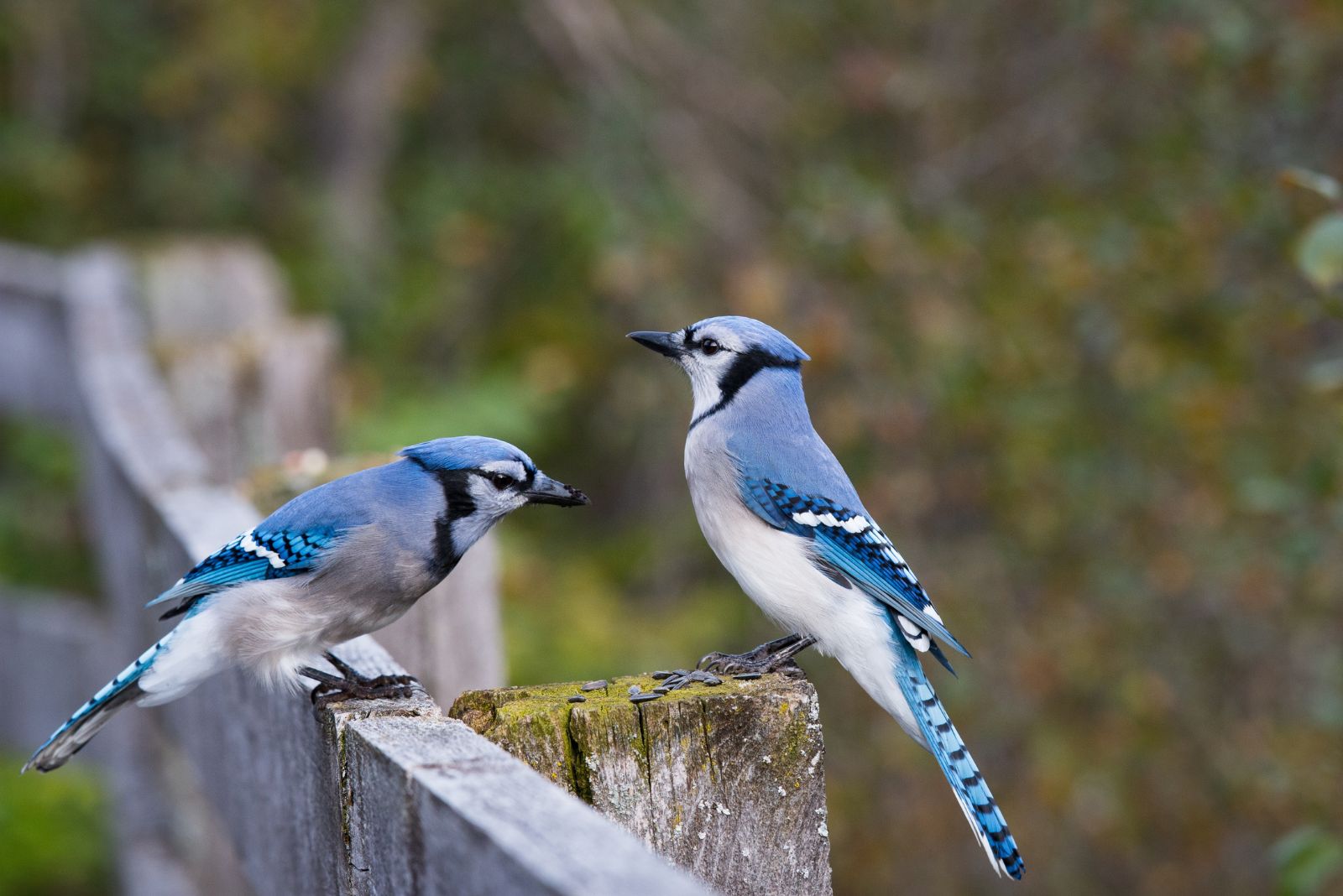
Blue jays in Texas are hard to miss. Bold, loud, and striking with that vivid blue and white plumage, they announce themselves the moment they arrive and make no effort whatsoever to be subtle about it.
But if blue jays have been showing up in your Texas yard repeatedly in August, there’s more to those visits than noise and attitude. Their presence in August specifically is worth paying attention to.
August is a transitional month for blue jays in Texas, and the reasons they concentrate in certain yards during this stretch of the season tell you something real about what your property is currently offering.
Food sources, tree cover, water availability, and habitat conditions all factor into why blue jays show up where they do and keep coming back when they find something worth returning for.
Beyond the practical side, blue jays carry rich symbolism and folklore that has followed them across cultures and generations for as long as people have been watching birds.
1. Your Yard Is Probably Part Of Their Regular Home Range
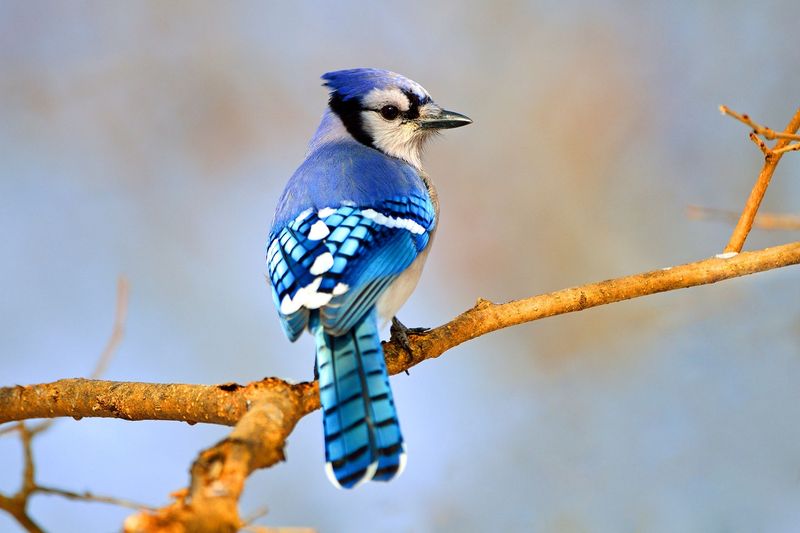
Blue Jays are not strangers passing through your neighborhood. In East and Central Texas, these birds are year-round residents, meaning they stick around through every season, including the sweltering heat of August.
So when you see the same jays popping up day after day, chances are good that your yard falls right inside their regular home range.
A Blue Jay’s home range is the area it travels through regularly to find food, water, and shelter. It can cover several acres.
Your yard might be just one stop on a loop they make every single day. That is why you might notice them at roughly the same time each morning or evening.
Although some Blue Jays do migrate, especially those living farther north, the majority of Texas Blue Jays stay put. Research suggests that many individual jays remain loyal to the same general area for years.
So the birds visiting your yard this August may very well be the same ones you saw last fall and last spring.
Knowing this changes how you think about your yard. You are not just a random stop for these birds.
You are part of their world. If your property has mature trees, dense shrubs, or open feeding areas, it fits naturally into what a Blue Jay needs to survive and thrive.
Paying attention to their patterns can be surprisingly fun. Watch which direction they come from and where they go after leaving.
You might start to piece together a mental map of their daily route. It is one of the most rewarding parts of backyard bird watching, and it starts right outside your own door.
2. They Have Discovered A Reliable Food Supply
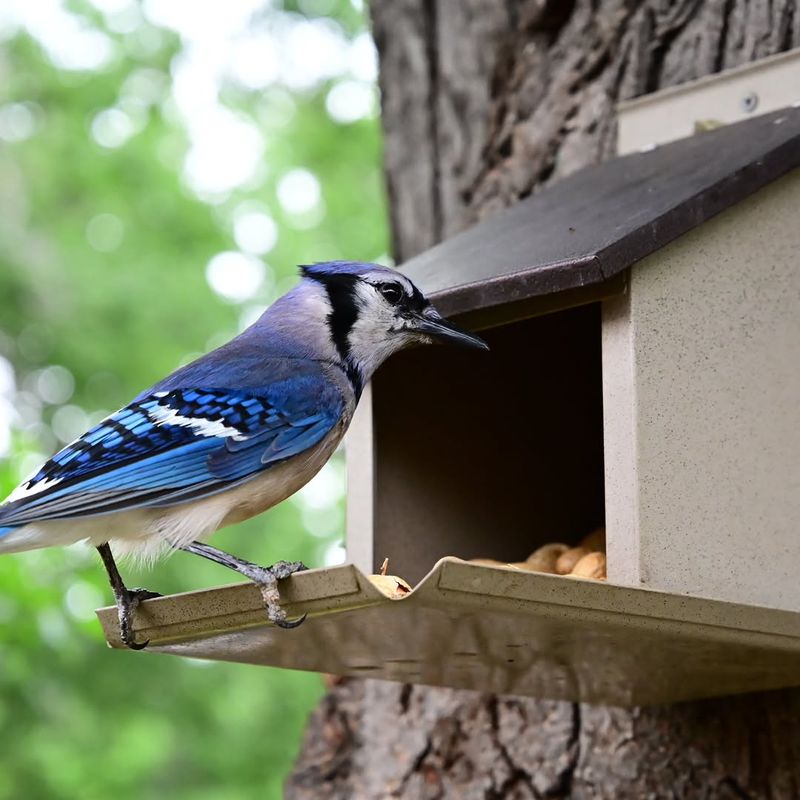
Picture this: you find a restaurant that serves your favorite food, the portions are generous, and it is open every day. Would you stop going? Probably not. Blue Jays think the same way.
Once they discover that your yard offers a steady, dependable source of food, they will return again and again without hesitation.
Your Texas Garden Changes Every Week. Your Plan Should Too.
Gardening in Texas changes quickly throughout the season. Every Friday you’ll receive a simple weekly plan showing exactly what to plant, prune, fertilize, harvest, and protect so you never miss the right timing.
Blue Jays are true omnivores. They eat a wide variety of things, including insects, berries, seeds, nuts, and occasionally small animals.
In August, Texas yards can be full of grasshoppers, beetles, and caterpillars, which are all excellent protein sources for jays. If your yard has natural insect activity, that alone can attract them regularly.
Oak trees are a major draw. Blue Jays have a strong connection to acorns and are actually known to help spread oak trees by burying acorns and forgetting some of them.
Even in August, before the full acorn drop of fall, jays scout oaks and begin their work early. Having mature oak trees in or near your yard is like rolling out a welcome mat for them.
Feeders make a big difference too. Tray feeders or platform feeders loaded with peanuts in the shell or sunflower seeds are almost impossible for a Blue Jay to resist.
They will visit multiple times a day if the supply holds up. Shelled peanuts are especially popular and can turn your feeder into a daily Blue Jay hotspot.
If you want more visits, keep the food fresh and the feeder clean. Stale or moldy seeds can actually discourage birds from returning.
Consistency is the key to keeping Blue Jays coming back throughout the rest of summer and into fall.
3. Your Yard May Offer Water And Relief From The Heat
August in Texas is no joke. Temperatures regularly climb above 100 degrees Fahrenheit, and the heat can be punishing for every living creature outside, including birds.
When Blue Jays keep showing up in your yard during this brutal stretch of summer, your property may be offering something they absolutely cannot live without: clean, accessible water and a bit of shade.
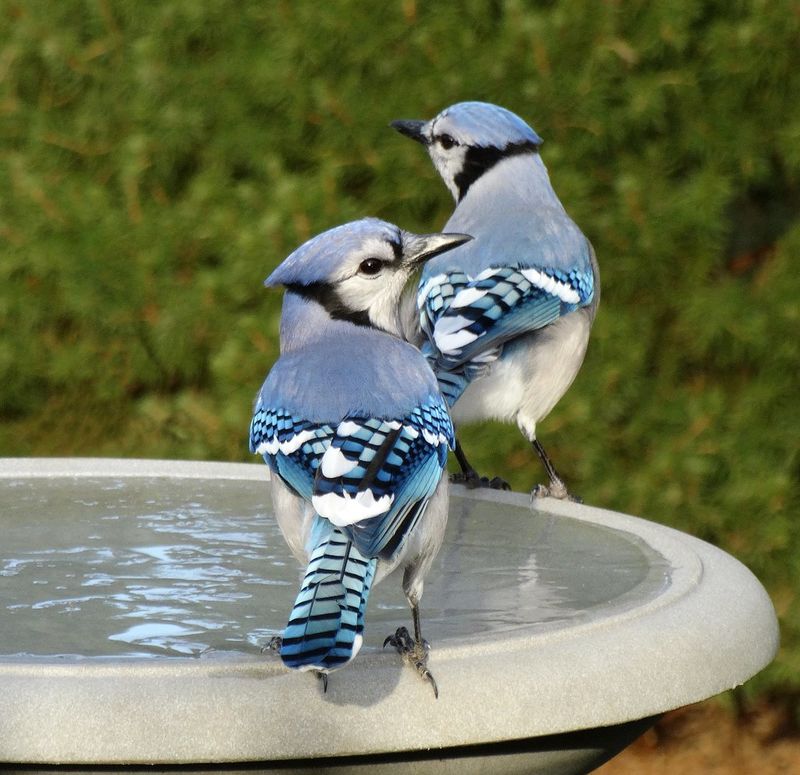
Birds need water every single day. They use it for drinking and also for bathing, which helps them maintain their feathers and stay cool.
A birdbath placed in a shady spot can become one of the most visited spots in your entire yard during summer. Blue Jays are enthusiastic bathers.
They will splash around energetically and visit multiple times throughout the day when the heat is at its worst.
Moving water is even more attractive to birds than still water. A small solar-powered dripper or fountain attachment for your birdbath creates ripples and sound that jays can detect from a distance.
It signals that fresh, clean water is available, and that signal travels surprisingly far. Adding one of these is one of the easiest upgrades any backyard birder can make.
Shade matters just as much as water. Dense shrubs, large trees, and even covered patio areas give birds a place to rest out of direct sunlight.
Blue Jays will often perch quietly in the shade during the hottest part of the afternoon, conserving energy before becoming active again in the late afternoon when temperatures begin to drop slightly.
Making your yard a true heat refuge for birds is simple and affordable. Clean the birdbath every two to three days to prevent algae and bacteria. Keep it filled, keep it shaded, and the Blue Jays will keep coming.
4. Several Jays May Be A Family With Recently Fledged Young
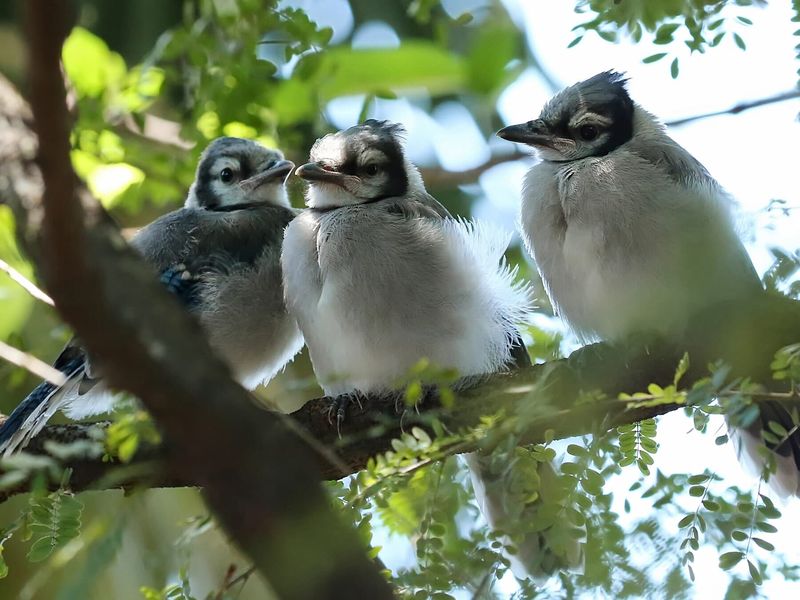
Ever notice a noisy group of Blue Jays all showing up at once, with some looking slightly scruffier or less vibrant than others? That is a pretty reliable sign that you are watching a family, not just a random gathering of unrelated birds.
August is right in that sweet spot when Blue Jay families are still very much together and active.
Blue Jays typically nest in spring and early summer. By August, the young birds, called fledglings or juveniles, have already left the nest but are still closely bonded to their parents.
Young jays can continue receiving food from their parents for up to two months after leaving the nest. That extended care period is unusual among many bird species and shows just how invested Blue Jay parents are in their offspring.
Juvenile Blue Jays look a lot like adults at first glance, but there are subtle differences. Their colors may appear slightly duller or less crisp.
They may also act less confident, staying closer to the adults and sometimes begging loudly for food even when they are capable of finding it themselves. That begging call is distinctive and once you learn it, you will recognize it immediately.
Watching a Blue Jay family interact is genuinely entertaining. Adults will call out warnings when threats appear, and the young birds respond quickly, learning the rules of survival in real time. It is like watching a nature documentary play out right in your backyard.
If you want to encourage family groups to stick around, offer generous amounts of food and keep your yard as calm as possible.
Reducing foot traffic near feeders and birdbaths during peak morning hours can make a real difference in how comfortable the family feels visiting your space.
5. Their Loud Calls May Signal A Nearby Threat
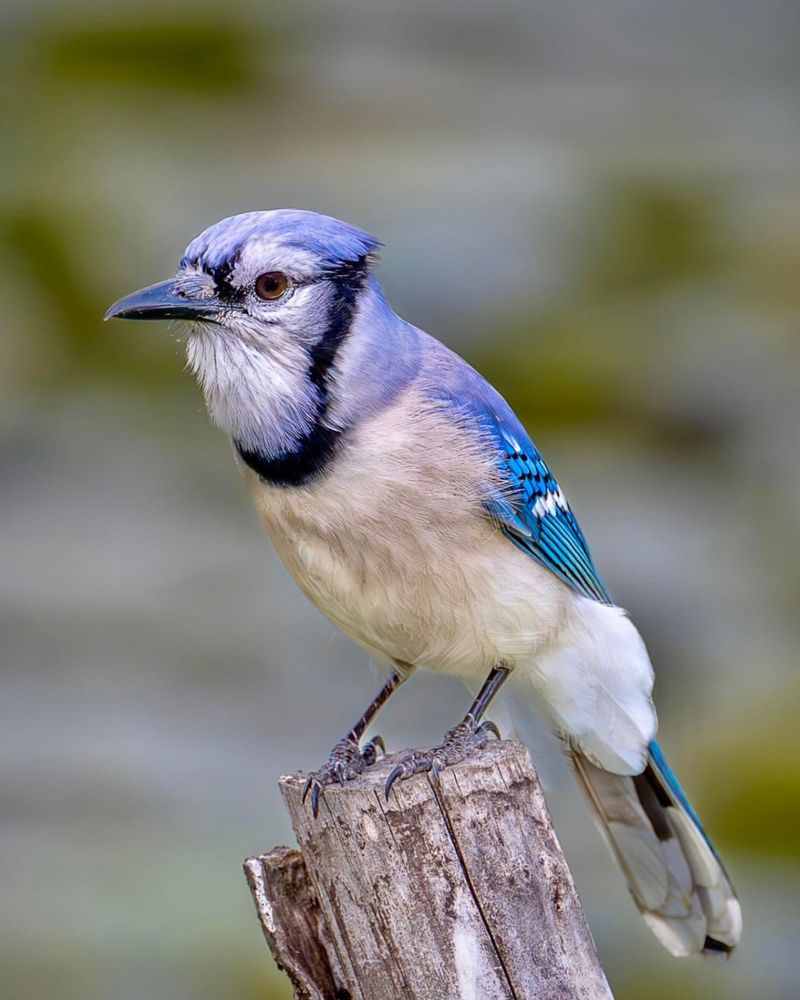
Blue Jays are the neighborhood watch captains of the bird world. When something feels off, they make sure everyone knows about it.
If you hear a sudden burst of loud, urgent jay calls in your yard, do not brush it off as background noise. Something has likely caught their attention, and it is worth taking a look around.
These birds have a remarkable range of vocalizations. They use different calls for different situations, and experienced bird watchers can often tell what a jay is reacting to just by the sound.
One of the most fascinating behaviors is mobbing, where Blue Jays and other birds gather together to harass a predator like a hawk, owl, or snake until it moves on. The combined noise and movement can be surprisingly effective at driving threats away.
Blue Jays can also mimic the calls of Red-shouldered Hawks and Red-tailed Hawks with impressive accuracy.
Researchers believe this mimicry may serve as a warning to other birds, or it may help jays bluff their way into claiming a feeding area without a real confrontation. Either way, it is a clever trick that makes these birds even more interesting to observe.
When jays are raising an alarm in your yard, take a slow look through your trees and shrubs. You might spot a Cooper’s Hawk perched quietly nearby, or even a rat snake draped over a branch.
These are natural parts of a healthy Texas ecosystem. The jays are not causing the problem. They are simply reporting it loudly and clearly.
Appreciating Blue Jays as alarm callers adds a whole new layer to watching them. They are not just colorful visitors.
They are active, intelligent communicators helping keep the whole yard community informed and safer throughout the day.
6. A Ragged Or Partly Bald Jay May Simply Be Molting
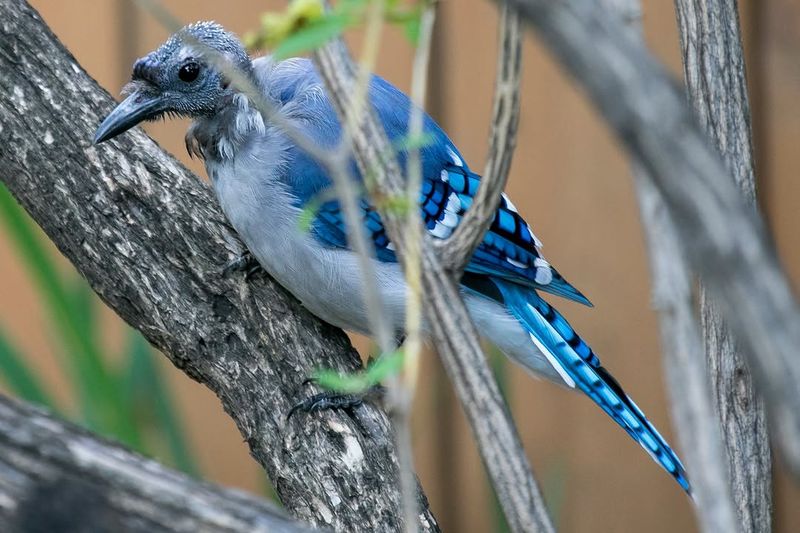
Spotting a Blue Jay that looks like it is having a seriously bad feather day can be a little startling. Maybe the head looks patchy, or the bird appears almost bald on top.
Before you worry too much, take a breath. What you are most likely seeing is molting, and it is completely normal, especially in late summer.
Molting is the process by which birds shed old, worn feathers and grow fresh new ones. For most birds, this happens gradually so that they never lose too many feathers at once.
But Blue Jays are a bit different. They sometimes shed most or all of their head feathers at the same time, creating that startling bald or disheveled look that can make the bird seem sick or injured when it is actually just fine.
This happens most often in late summer, typically from July through September, which lines up perfectly with those August visits you are noticing. Young birds going through their first full molt can look especially rough during this period.
Their new feathers are growing in underneath, and within a few weeks, they will look sharp and vibrant again.
There is no need to intervene when you see a molting jay. They do not need special food or medical attention.
Continuing to offer your regular seed and peanut supply is the best thing you can do. Keeping the birdbath clean and filled helps too, since bathing supports healthy feather growth and maintenance during the molt period. Molting is actually a sign of a healthy bird moving through a natural cycle.
Once those new feathers come in fully, your scruffy-looking visitor will be back to its brilliant blue-and-white best, ready to rule your backyard all over again with its bold personality and unmistakable voice.