How Texans Should Water Their Gardens Deeply Through An August Drought
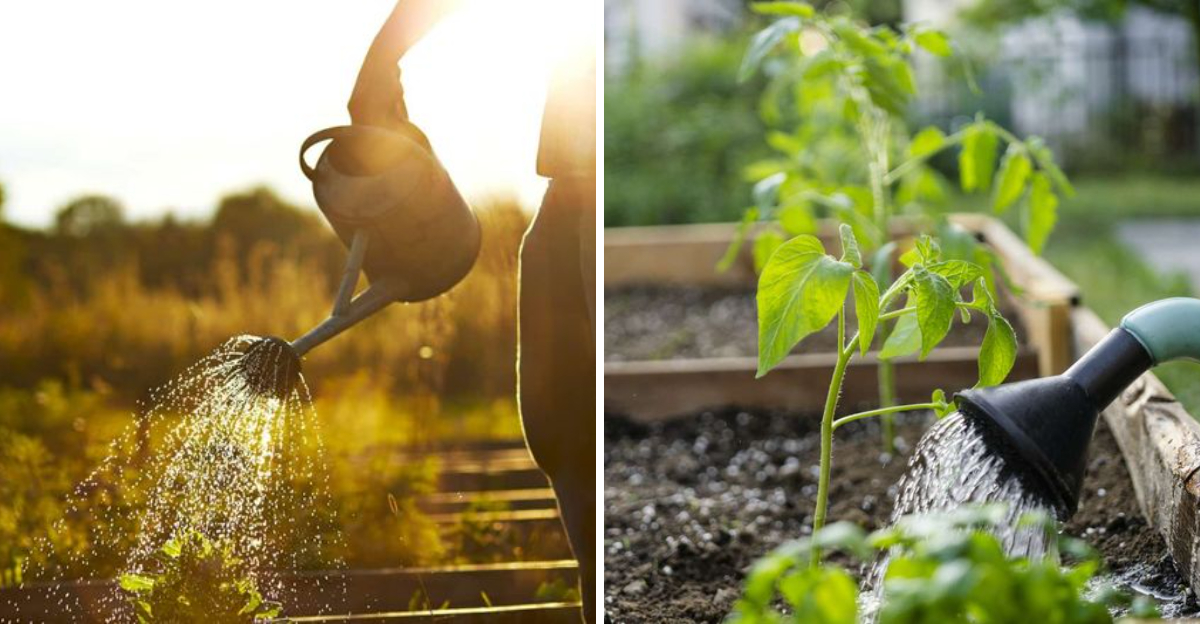
August drought conditions in Texas push every plant in the garden to its limits, and the way you water during this stretch makes a bigger difference than most homeowners realize. It’s not just about how much water you’re putting down.
It’s about how you’re delivering it, when you’re delivering it, and whether it’s actually reaching the part of the plant that needs it most.
Shallow watering in August drought conditions is one of the most common and most damaging mistakes Texas gardeners make.
It looks productive. The surface gets wet, the leaves may perk up temporarily, and the immediate stress response eases for a few hours.
But roots that are being watered shallowly stay near the surface, exactly where soil temperatures peak during August heat and where moisture evaporates fastest.
Those roots are not building the depth and resilience the plant needs to get through an extended dry stretch. Deep, infrequent watering changes the entire equation. Here’s exactly how to do it effectively for different plants and soil types in a Texas August drought.
1. Check The Soil Before Turning On The Water
Grabbing the hose the moment your tomatoes start to droop in the afternoon heat is a really common mistake. Plants in Texas often wilt midday simply because the heat is intense, not because the soil is dry.
Watering at that moment can actually waste a lot of water on soil that is already moist enough.
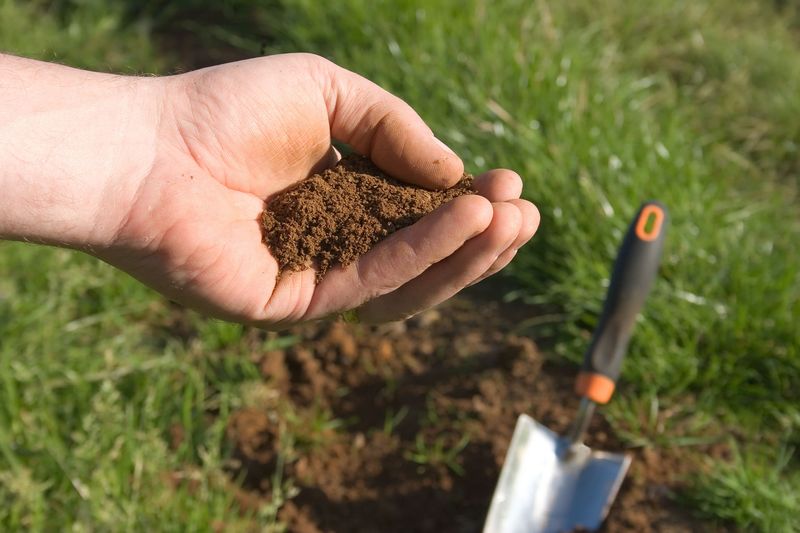
Before you turn anything on, do a quick soil check. Push your finger, a screwdriver, or a soil probe about an inch into the ground.
If the soil feels moist at that depth, your plants are probably fine. If it feels dry and crumbly, that is your signal to water.
Vegetable gardens generally need water when the top inch of soil is dry. Established shrubs and trees can often wait until the soil is dry two to three inches down.
Checking the soil takes about ten seconds and saves you from both overwatering and underwatering.
Overwatering in summer is more common than most gardeners realize. Soggy soil suffocates roots and invites fungal problems, especially in Texas clay where water drains slowly. Dry surface soil does not always mean dry root zones.
A simple soil probe from a garden center costs very little and gives you an accurate read at root depth. Some gardeners keep one near the garden hose as a reminder to check before watering.
Making this a daily habit during August droughts will help you use water smarter and keep your plants genuinely healthy rather than just surviving.
2. Water Early In The Morning
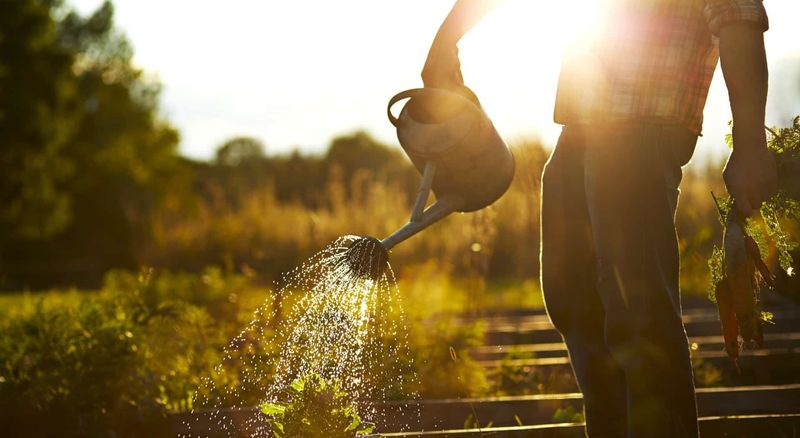
There is a reason experienced Texas gardeners are out in their yards before 8 a.m. during summer. Morning is simply the best time to water, and the science behind it is straightforward.
Temperatures are lower, winds are calmer, and evaporation rates are at their lowest point of the day.
When you water in the early morning, more of that water actually reaches the roots where it belongs.
Your Texas Garden Changes Every Week. Your Plan Should Too.
Gardening in Texas changes quickly throughout the season. Every Friday you’ll receive a simple weekly plan showing exactly what to plant, prune, fertilize, harvest, and protect so you never miss the right timing.
Watering in the afternoon or evening means a significant portion evaporates before it ever soaks into the soil. On a 105-degree August afternoon in Texas, that loss can be dramatic.
Morning watering also gives any wet foliage time to dry before nightfall. Leaves that stay wet overnight create the perfect environment for fungal diseases like powdery mildew and leaf spot.
Both problems are already common in Texas summers, so there is no reason to make conditions worse.
Always check your local municipality’s drought watering schedule before you start. Many Texas cities, including those in the Dallas-Fort Worth area, San Antonio, and Austin, have specific days and times when outdoor watering is allowed during drought conditions.
Watering outside those windows can result in fines. Setting a timer on your phone or using an irrigation controller with a built-in clock makes early morning watering easy without requiring you to actually wake up at dawn.
Many smart irrigation systems let you schedule cycles from your phone the night before. Getting your water down early is one of the simplest and most effective habits you can build for summer gardening in Texas.
3. Deliver Water Slowly And Directly To The Root Zone
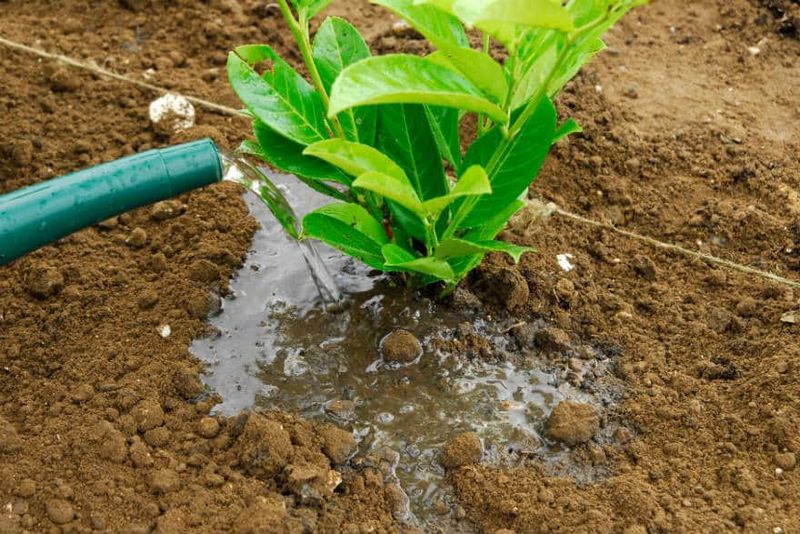
Overhead sprinklers flinging water into the hot Texas air might look satisfying, but a lot of that water never reaches the roots.
Fine spray nozzles create tiny droplets that evaporate quickly, especially when temperatures are high and wind is blowing. A smarter approach puts water right where plants actually use it.
Drip irrigation lines, soaker hoses, and low-output bubblers are the gold standard for deep, efficient watering in Texas gardens. These tools release water slowly and directly at ground level, right around the root zone.
Because the water is delivered slowly, the soil has time to absorb it rather than letting it run off the surface.
Soaker hoses are especially budget-friendly and easy to set up in vegetable beds. Simply lay them along the base of your plants and connect them to a standard hose bib.
A timer makes the whole system nearly automatic, which is a huge help during busy August weeks.
Position your drip emitters or soaker hose around the active root area of each plant. Roots spread outward from the base, so placing water only right at the stem is less effective than spreading coverage a bit wider.
Avoid watering sidewalks, driveways, or bare soil between beds where no roots exist. Switching from overhead sprinklers to drip or soaker systems can reduce outdoor water use by 30 to 50 percent, according to Texas A&M AgriLife Extension.
During an August drought, that kind of efficiency is not just good for your water bill. It is genuinely important for keeping your garden alive when rainfall is nowhere in sight.
4. Wet The Soil Several Inches Deep, Not Just The Surface
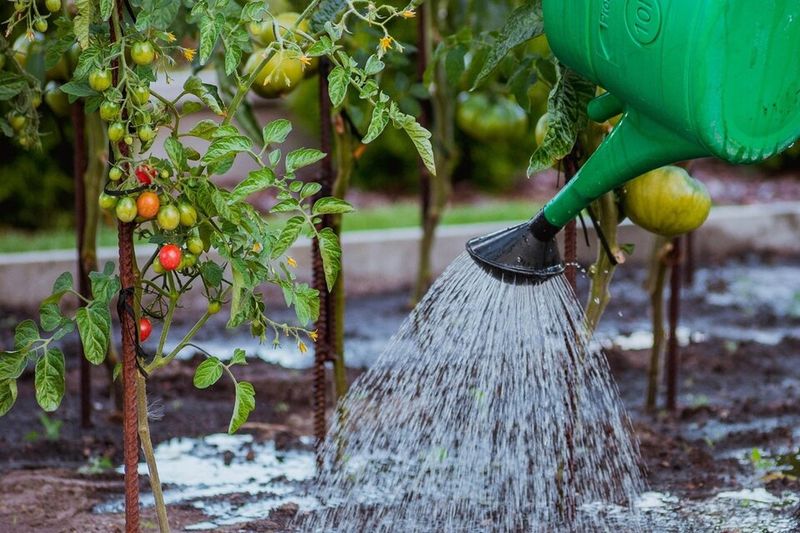
Shallow watering is one of the sneakiest problems in summer gardening. It looks like you are doing the job, the surface gets wet and dark, but just an inch or two down the soil is still bone dry.
Plants that only receive surface moisture develop shallow root systems that struggle badly when August heat arrives.
Texas A&M AgriLife Extension recommends wetting the upper six inches of soil for vegetable gardens. For landscape beds with established shrubs and perennials, aim for at least four to six inches of moisture depth.
That deeper water encourages roots to grow downward, where soil stays cooler and holds moisture longer.
The only reliable way to know if you have watered deeply enough is to check after watering. Push a soil probe, a long screwdriver, or even a wooden dowel into the ground after your irrigation cycle ends.
If it slides in easily through six inches of soil, you have done the job right. If it hits resistance before that, run your system a little longer next time.
Most gardeners dramatically underestimate how long it takes to wet soil six inches deep, especially in hard Texas clay. A 15-minute sprinkler run might only wet the top inch or two.
Deep watering often takes longer than you expect, which is why setting up drip systems or soaker hoses on timers is so practical.
Getting water deep into the soil also helps buffer your garden against the days between watering sessions.
Plants with deep roots can access that stored moisture even when the surface dries out completely, giving them much better resilience during Texas drought conditions.
5. Use The Cycle-And-Soak Method When Water Runs Off
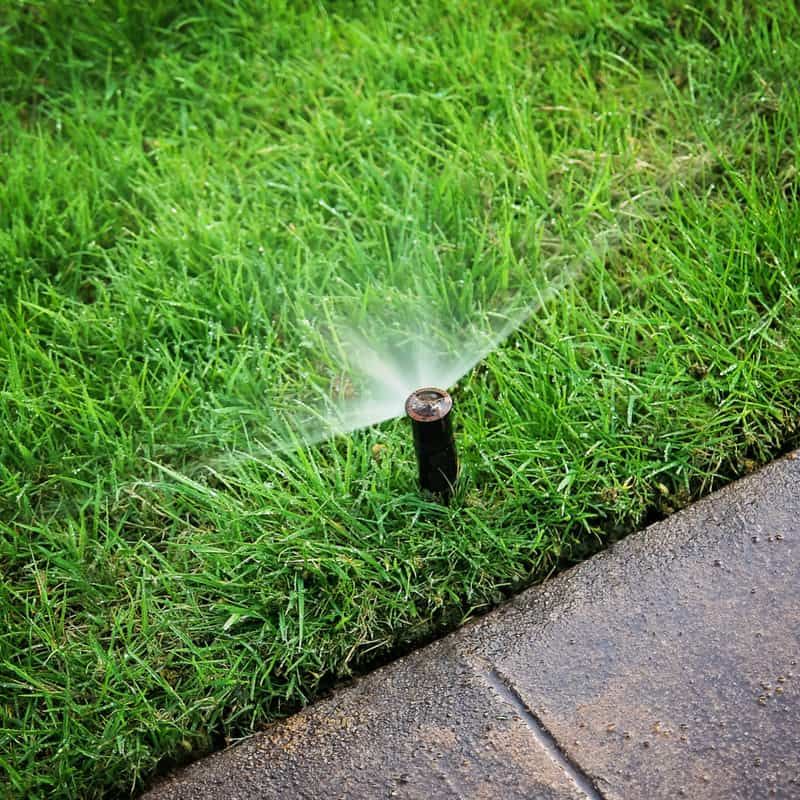
Clay soil is everywhere in Texas, and it has a frustrating habit during droughts. When it dries out completely, it becomes almost water-repellent.
Water poured onto bone-dry clay tends to puddle and run off rather than soaking in, which means a long sprinkler run can waste a surprising amount of water without actually wetting the root zone.
The cycle-and-soak method is the practical fix for this problem. Instead of running your sprinklers for one long uninterrupted stretch, you break that total runtime into two or three shorter cycles with soaking breaks of 30 to 60 minutes in between.
During each break, water already on the surface has time to slowly penetrate the soil before the next cycle begins.
For example, if your lawn or bed normally needs 30 minutes of irrigation, try running it for 10 minutes, pausing for 45 minutes, then running it for another 10 minutes, and repeating once more. The total water applied is the same, but the absorption rate improves significantly.
This method works especially well on slopes where runoff is a constant problem. Water running downhill off your garden beds is not helping your plants at all. Breaking up cycles keeps water in place long enough to do its job.
Most modern irrigation controllers have a cycle-and-soak setting built right in. If yours does not, you can set up multiple start times manually to achieve the same result.
Compacted soil and heavily trafficked areas of the yard also benefit from this approach. It is one of those simple adjustments that makes a real difference in how effectively your garden uses every gallon of water during a tough Texas drought.
6. Water Deeply, Then Wait Before Watering Again
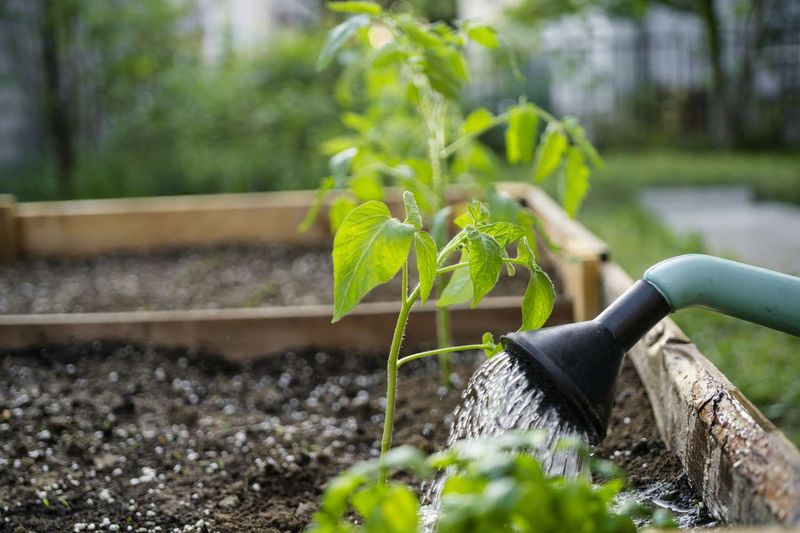
Here is something that surprises a lot of new Texas gardeners: watering every single day is usually not the best approach. Frequent shallow watering trains plant roots to stay near the surface, where soil dries out fastest.
Deep, less frequent watering pushes roots downward into cooler, moister soil layers where they are far better equipped to handle drought stress.
After a thorough deep watering session, established landscape plants and vegetable crops can often go two to three days before they need water again. The key word is established.
New transplants, seedlings, and container plants dry out much faster and genuinely do need more frequent attention during August heat.
Soil type plays a big role in timing. Sandy soil drains quickly and may need watering every one to two days during extreme heat.
Clay soil holds moisture longer and might only need deep watering every three to four days once you have built up a good moisture reserve. Checking the soil before each watering session, as mentioned earlier, takes the guesswork out of the decision entirely.
Containers are their own category. Pots sitting in full Texas sun can dry out completely within 24 hours in August.
Check container soil daily and water thoroughly until water drains freely from the bottom holes. Grouping containers together in a shadier spot can slow moisture loss considerably.
Giving your established plants time between waterings also encourages stronger root development over the season. Plants that learn to seek out deeper moisture become noticeably more resilient by late summer.
That toughness is exactly what you want heading into the most intense weeks of a Texas drought.
7. Cover The Wet Soil With Mulch
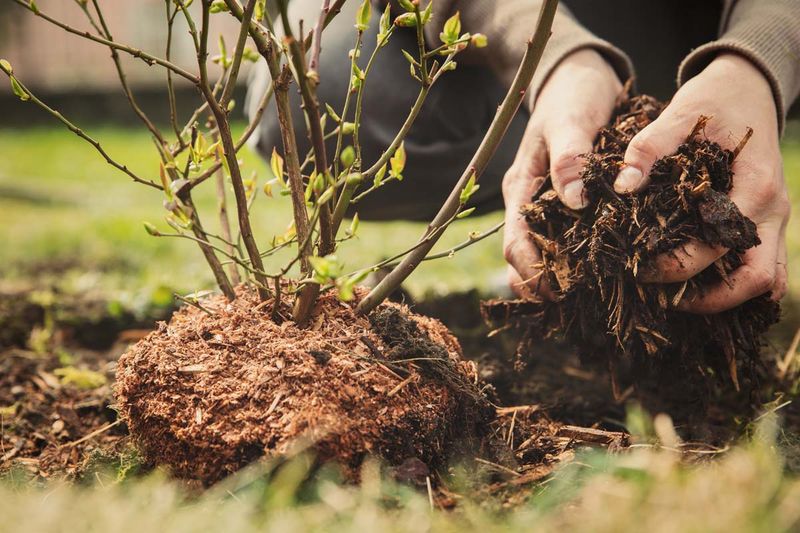
Mulch might be the single most underappreciated tool in a Texas gardener’s arsenal during drought season.
A good layer of organic mulch sitting on top of moist soil acts like a blanket, slowing evaporation dramatically and keeping the root zone cooler even when air temperatures are punishing.
Texas A&M AgriLife Extension recommends maintaining about three to four inches of mulch in landscape beds throughout summer. Wood chips, shredded bark, pine needles, and straw all work well.
Finer-textured mulches like shredded hardwood tend to stay in place better during the occasional summer downpour or strong wind event.
Mulch also suppresses weeds, which is a bigger deal than it sounds. Weeds compete directly with your garden plants for the limited soil moisture available during a drought.
A thick mulch layer blocks sunlight from reaching weed seeds, reducing the competition your vegetables and ornamentals face for every drop of water in the ground.
One important detail: keep mulch pulled back a few inches from plant stems, trunks, and crowns. Piling mulch directly against a plant base traps moisture against the stem and creates conditions that encourage rot and pest problems.
A small gap around each plant base is all it takes to avoid this issue. Refreshing your mulch layer at the start of August is a smart move. Mulch breaks down over time and thins out, especially in beds that get foot traffic or heavy rain.
Topping it off before the hottest weeks arrive gives your soil the best possible protection. A single afternoon spent spreading mulch can save you multiple extra watering sessions throughout the rest of the summer.