Why Toads Hide In Your Missouri Garden Beds During The Day
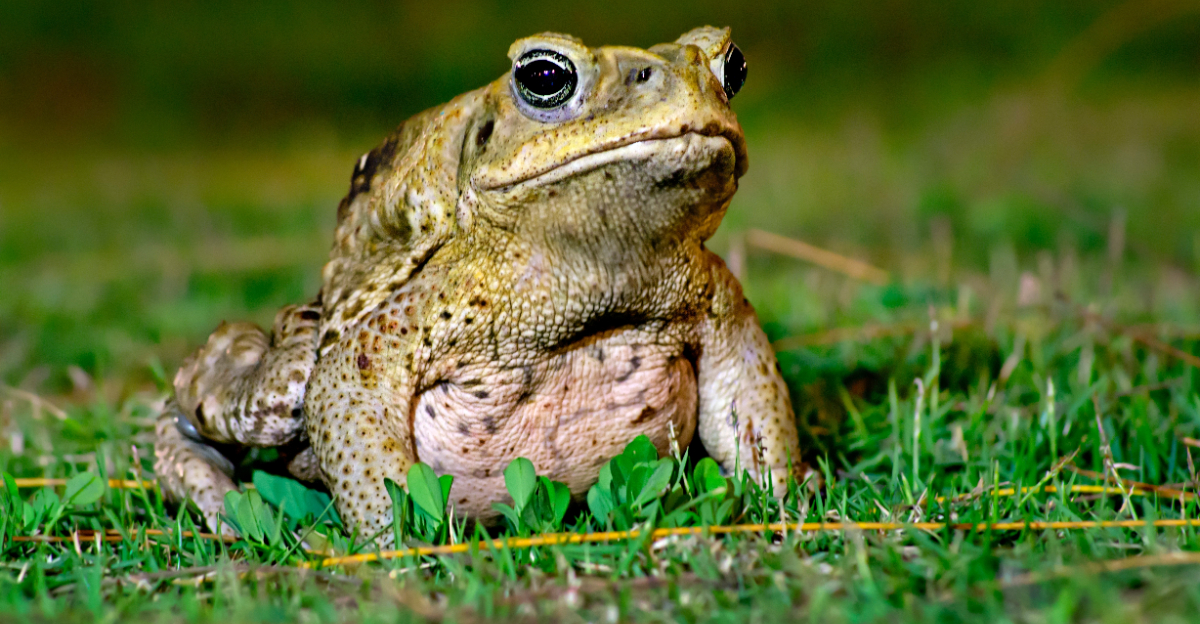
You flip over a stepping stone and there it is: a toad, motionless, staring back like you just walked in on something private. Missouri gardeners hit this exact moment more often than they’d guess.
The instinct is to worry, maybe even relocate the poor thing somewhere “safer.” That instinct is almost always wrong.
What looks like a toad in distress is actually a toad running its own quiet operation. Once you know what’s really going on under that mulch, you’ll never look at your garden beds the same way again.
The Reason Toads Burrow Into Loose Soil And Leaf Litter
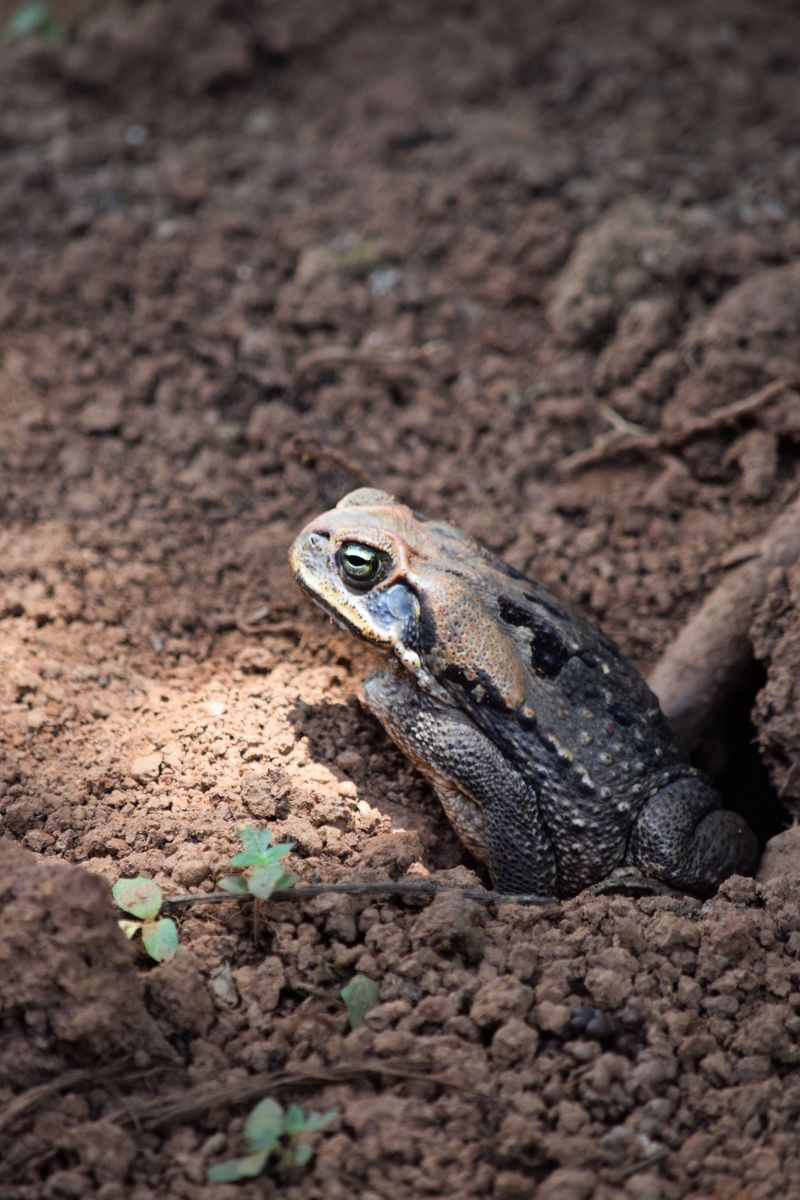
Toads are not lazy, they are smart survivors with a brilliant daytime strategy. When the Missouri sun climbs high, your garden bed becomes the safest spot on the block.
Loose soil and leaf litter act like a natural air conditioner for toads. Burrowing just a few inches down drops the temperature dramatically compared to open ground.
Toads do not sweat like humans do, so they depend heavily on their environment to stay cool. A shaded garden bed full of damp mulch gives them everything they need to thrive.
Leaf litter adds an extra layer of protection beyond just temperature. It shields toads from hawks, raccoons, and other predators hunting in broad daylight.
Rock piles, hollow logs, and dense ground cover work just as well as mulch for this purpose. Toads are not picky about the exact spot, only about how cool and hidden it feels.
The loose texture of garden soil also makes burrowing effortless. Toads use their back legs to scoop and spin themselves downward in seconds.
This burrowing habit comes down to pure survival math. Cool, moist, hidden spots are everything a toad needs to stay healthy.
Compacted or dry soil does not attract toads the way fluffy, amended garden beds do. If you add compost and mulch regularly, you are essentially sending toads an open invitation.
Toads that find a reliable hiding spot will return to it day after day. Once a toad claims your garden bed, it becomes a loyal, long-term resident you will want to keep around.
A Toad’s Skin Absorbs And Stores Moisture
Forget everything you think you know about toads and water. Unlike fish or frogs, toads don’t drink the way most animals do.
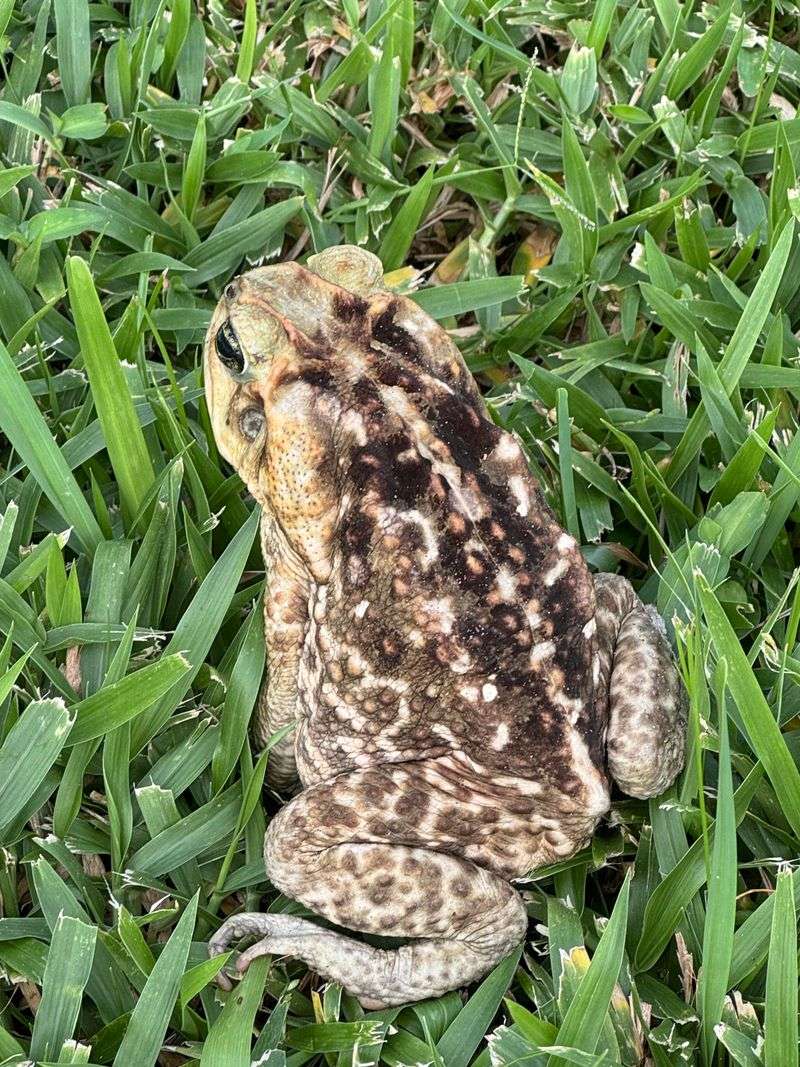
Nearly all the water a toad takes in enters through its skin. That bumpy exterior is actually a sophisticated hydration system working around the clock.
A toad has a special patch of skin on its belly called the “seat patch.” Press that patch against damp soil, and moisture flows right into the toad’s body like a sponge.
This explains a major part of their daytime disappearing act. Moist garden soil gives them constant access to hydration without ever leaving their hiding spot.
Dry conditions are genuinely dangerous for toads. Spending too long on hot pavement or dry lawn can cause serious dehydration within just a few hours.
Your Missouri Garden Changes Every Week. Your Plan Should Too.
Gardening in Missouri changes quickly throughout the season. Every Friday you’ll receive a simple weekly plan showing exactly what to plant, prune, fertilize, harvest, and protect so you never miss the right timing.
Garden beds that stay consistently moist after watering are prime real estate for these amphibians. Mulched beds hold moisture far longer than bare ground, making them especially attractive.
Toads also absorb oxygen through their skin, not just water. A damp environment supports both hydration and healthy respiration at the same time.
When you water your garden, you are not just feeding your plants. You are maintaining the moist conditions that keep resident toads healthy and coming back each season.
A thriving toad is a well-hydrated toad, and your garden bed makes that possible every single day.
Toad Species Common In Missouri Gardens
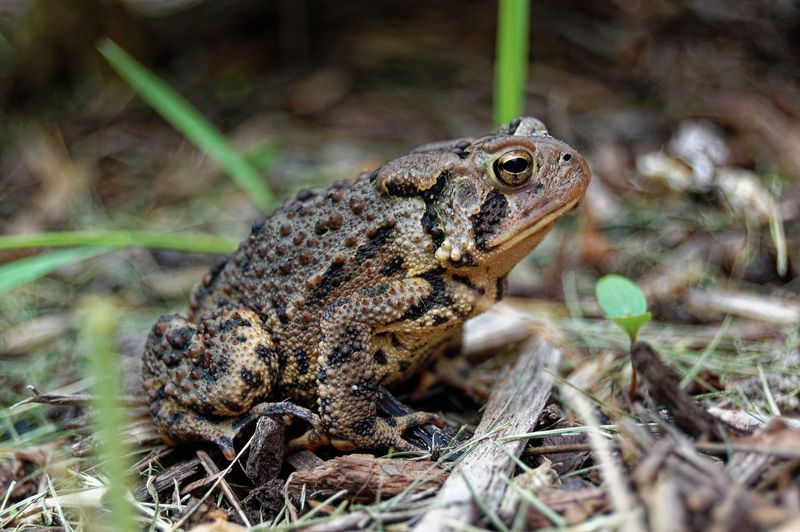
Missouri is home to several toad species, but two show up in backyard garden beds more than any others. Getting to know them makes every garden discovery feel like a fun wildlife encounter.
The American Toad is the largest of Missouri’s garden toads. It is stocky, brown to reddish-brown, and covered in warts that gardeners quickly learn to recognize.
American Toads can grow up to four inches long, making them hard to miss when you uncover one. Their call is a long, musical trill that fills spring evenings with sound.
Fowler’s Toad is the other frequent visitor you should know. It looks similar to the American Toad but has more warts per dark spot on its back.
Fowler’s Toads tend to prefer sandier soils and are a bit smaller overall. Their call sounds more like a nasal bleat than a trill, which helps you tell them apart at night.
Both species are nocturnal hunters that spend Missouri days tucked beneath mulch, leaves, or loose soil. Your garden bed offers exactly the cover they need to rest safely.
Eastern Narrow-mouthed Toads also live in Missouri but are far less common in garden settings. They prefer grassland edges and are tiny enough to fit on a quarter.
Knowing which toad is in your garden deepens your appreciation for local wildlife. Each species plays a slightly different role in keeping your outdoor space balanced and pest-free.
A Toad’s Nighttime Hunting Routine
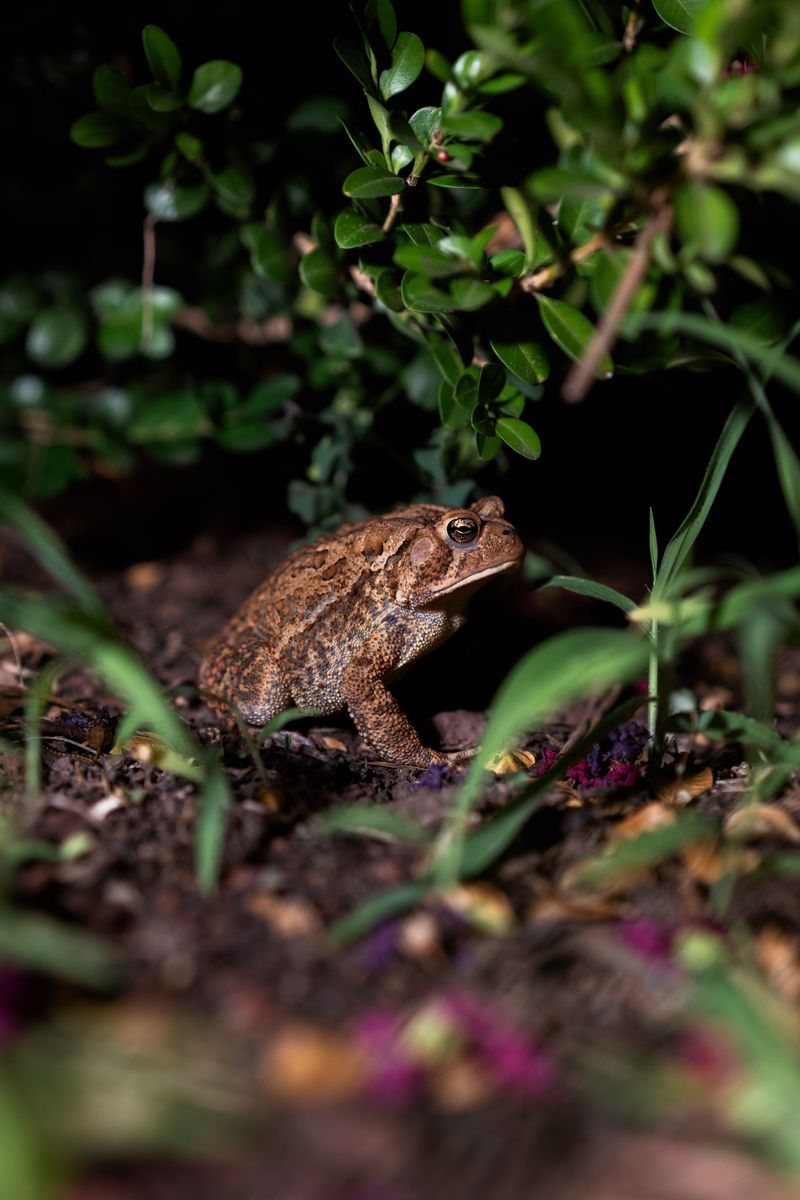
When the sun goes down in Missouri, your garden toad gets to work. What happens next is basically free pest control delivered fresh every evening.
Toads are patient hunters with lightning-fast tongues. A single toad can consume up to 10,000 insects across one growing season.
Slugs are at the top of a toad’s favorite menu. Gardeners who struggle with slug damage on hostas and lettuce often see dramatic improvement once a toad moves in.
Beetles, grubs, earwigs, and cutworms are also fair game. Toads eat almost any creature small enough to fit in their wide mouths, which is quite a lot.
Mosquitoes are another target toads pursue enthusiastically after dark. Fewer mosquitoes around your patio is a very welcome side effect of hosting a garden toad.
Toads do not chase prey across the garden. They sit patiently near lights, compost piles, or moist areas where insects naturally gather, then strike with precision.
Porch lights and garden path lights attract moths and beetles at night. Savvy toads position themselves beneath these lights to intercept a steady stream of insects.
Their daytime routine makes the nighttime hunting even more impressive. They rest, rehydrate, and then emerge as efficient, silent pest managers.
Encouraging toads means spending less money on pesticides and getting better results naturally.
Telling A Toad Apart From A Frog In Your Garden Bed
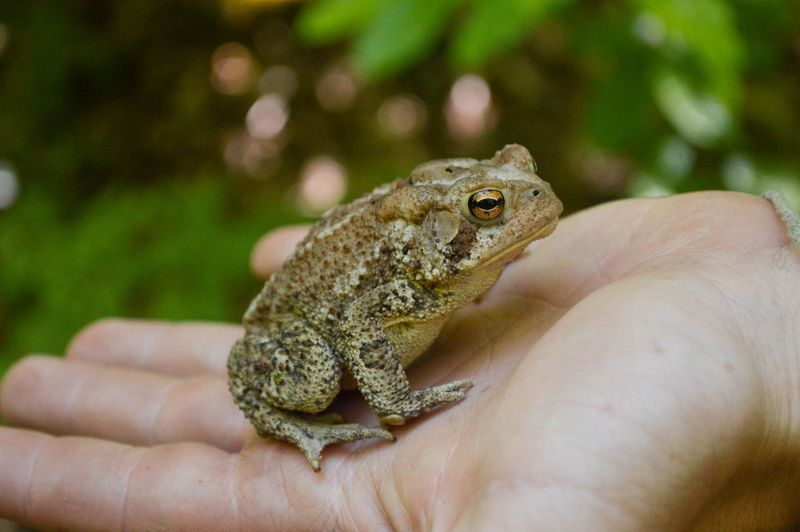
Spotting something bumpy in your garden bed and calling it a frog is one of the most common mistakes backyard naturalists make. Toads and frogs are cousins, but they live very different lives.
Skin texture is your fastest clue. Toads have dry, bumpy, warty skin, while frogs have smooth, moist, almost shiny skin.
Body shape is another giveaway worth learning. Toads are rounder and more compact, built for crawling, while frogs are longer and leaner, built for jumping.
Frogs almost always stay close to open water like ponds, streams, or rain puddles. Toads roam much farther from water and feel right at home in dry garden beds.
Leg length tells the story clearly. Frog legs are long and powerful for leaping great distances, while toad legs are shorter, making their movement look more like a slow, deliberate walk.
Eye placement is a subtle but reliable difference. Toads have parotoid glands, which are large bumps just behind each eye that frogs simply do not have.
Color can mislead you, since both animals come in browns and greens. Focus on texture, shape, and behavior rather than color when making your identification.
Garden beds simply suit a toad’s lifestyle far better than a frog’s wet habitat preferences. Knowing the difference helps you appreciate exactly which species has chosen your garden as home base.
Signs A Toad Has Made Your Garden Its Home
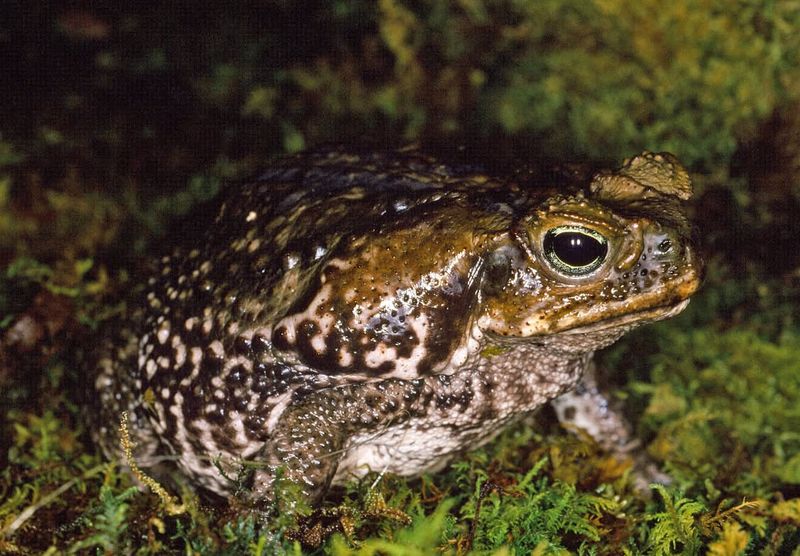
You might have a toad living in your garden right now without even knowing it. These masters of disguise blend into mulch and soil with impressive skill.
Small shallow depressions in your garden bed are one of the clearest signs. Toads create snug little hollows just big enough for their bodies, returning to the same spot each day.
Noticeably fewer slugs and beetles over time is another strong indicator. When pest populations drop without any intervention from you, a toad is likely the reason.
Look for small, dark droppings near the base of plants or along garden borders. Toad droppings are surprisingly large for the animal’s size and often contain insect parts.
A toad may leave faint tracks in soft soil near your garden edge after a night of hunting. The tracks look like tiny hand prints with a dragging belly mark between them.
Hearing a trill or musical call near your garden on warm spring nights is a joyful sign. Male toads call to attract mates, and they do it loudly from safe, familiar territory.
Shallow strings of eggs in nearby water features or birdbaths in spring confirm that toads are breeding close to your garden. The eggs appear in long, jelly-like strands, unlike frogs’ egg clusters.
Recognizing these signs helps you protect a resident that’s already earning its keep. A toad that feels safe will stay for seasons, quietly earning its keep every single night.