The Meaning Behind Hearing An Owl Call Near Your Pennsylvania Home At Night
There is something about hearing an owl call through a quiet Pennsylvania night that makes everything else go still for a moment.
It drifts in from the tree line or echoes across the backyard, and suddenly you are standing there in the dark wondering what is actually out there and what it is trying to say.
Owls are genuinely fascinating vocal communicators, using different calls for territory, courtship, pair bonding, and young birds demanding a meal with impressive persistence.
The species matters a lot here too, because a barred owl, an eastern screech-owl, a barn owl, and a great horned owl each produce sounds that are remarkably different from one another.
One call does not carry one universal meaning, and despite what folklore suggests, no owl sound reliably predicts weather, personal events, or anything beyond the bird’s immediate intentions.
1. The Owl May Be Advertising Its Territory
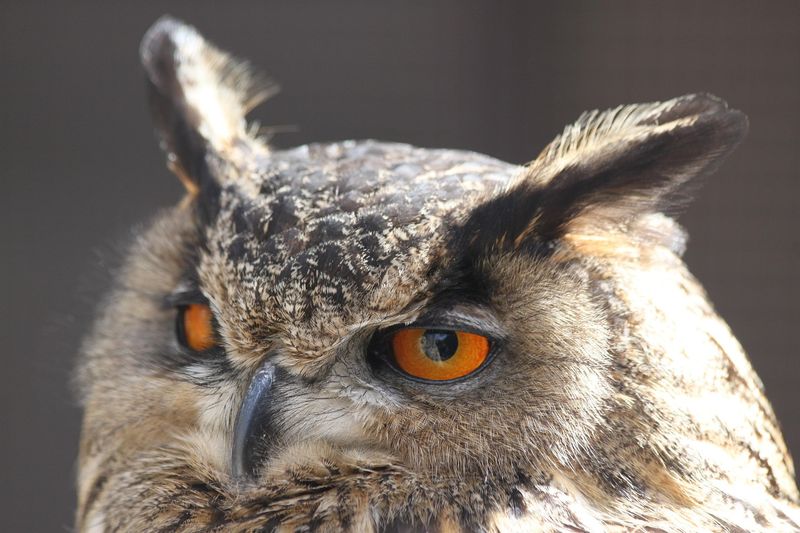
Deep, resonant hoots rolling through the woods on a still night are one of the strongest signs that an owl is staking its claim.
Territorial communication ranks among the most common explanations for repeated owl calling, and it is worth understanding before drawing any other conclusions.
An owl uses a consistent call to announce that it occupies a particular area and to signal its presence to neighboring owls.
Both great horned owls and barred owls rely on hooting calls during territorial communication, though their patterns and tones sound noticeably different from each other.
Hearing a similar call coming from roughly the same direction on several consecutive nights may suggest that an owl regularly uses habitat nearby.
Territories often extend well beyond a single yard or property line, so the bird may not be roosting anywhere near the home itself.
Mature trees, woodland edges, open hunting corridors, and areas with healthy prey populations can make a neighborhood attractive to an owl moving through or patrolling a larger range.
Suitable foraging habitat, not a specific backyard feature, tends to draw these birds into residential areas.
Hearing repeated calls is interesting and worth noting, but one call alone does not confirm that the habitat is unusually pristine or that the owl has selected a particular tree as a permanent home.
2. A Mated Pair May Be Calling Back And Forth
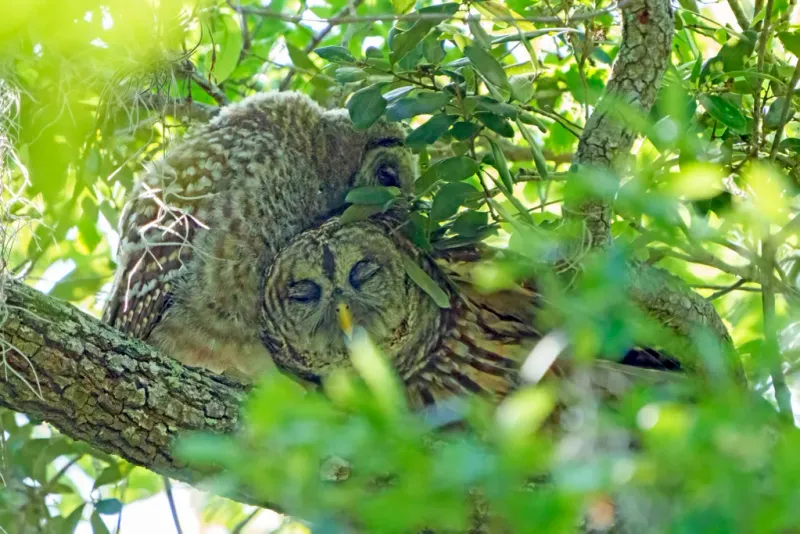
Two voices answering each other across a dark tree line can feel almost conversational, and in a real sense, it is. When two owls respond to each other in a back-and-forth pattern, they may be a mated or bonded pair maintaining contact within their shared territory.
These exchanges can help birds coordinate activity, reinforce their pair bond, or simply confirm each other’s location across a stretch of woodland.
Male and female great horned owls may exchange calls with each other, and the female generally produces a somewhat higher-pitched voice than the male.
Body size and differences in vocal anatomy contribute to that variation in pitch, with the larger female paradoxically producing the higher tone.
Barred owl pairs may take these exchanges even further, combining hoots, cackles, caws, and other sounds into lively duets that can be startling if heard up close.
Your Pennsylvania Garden Changes Every Week. Your Plan Should Too.
Gardening in Pennsylvania changes quickly throughout the season. Every Friday you’ll receive a simple weekly plan showing exactly what to plant, prune, fertilize, harvest, and protect so you never miss the right timing.
Not every two-bird exchange is related to courtship. Paired owls communicate for several reasons throughout the year, and a duet in late summer sounds very different from one during the breeding season.
Echoes bouncing off hills, buildings, or dense tree cover can sometimes make a single calling owl sound like two birds.
Listeners near wooded Pennsylvania neighborhoods may need to pay close attention to rhythm, timing, and direction before concluding that a pair is present.
3. The Calling May Be Connected To Courtship
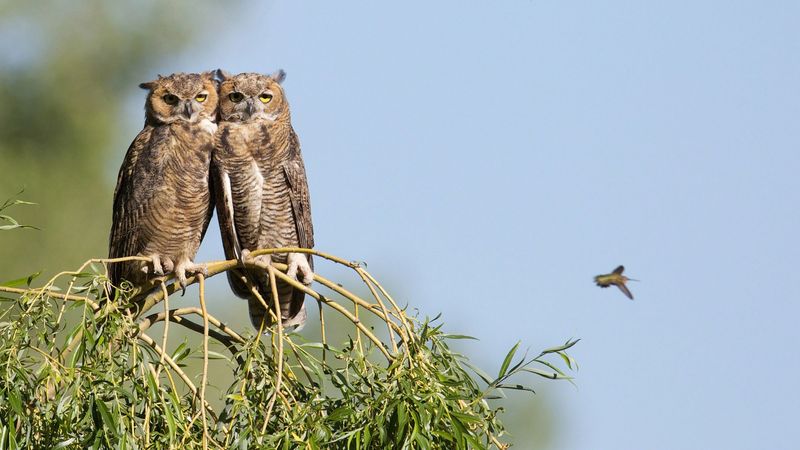
Owl calling tends to increase noticeably during courtship and nesting periods, and certain vocalizations are closely tied to attracting a mate or maintaining contact with an existing partner.
Listening carefully during these periods can offer clues about what is happening nearby, even if the birds themselves stay well hidden in the canopy.
Great horned owls are a useful Pennsylvania example because their courtship activity may become noticeably vocal during colder months, well before most other birds begin their breeding cycles.
The exact timing can shift depending on local weather, latitude, and seasonal conditions, so one statewide date does not apply everywhere.
Hearing increased calling during winter evenings in wooded parts of the state is worth noting, though it does not confirm that a nest is immediately nearby.
Owl calls carry through woodland and across open areas with surprising efficiency, especially on calm, clear nights. A bird calling from a stand of trees several hundred yards away may sound much closer than it actually is.
Homeowners who enjoy hearing these sounds are encouraged to listen from a comfortable distance and resist the urge to play recordings to draw the birds closer.
Repeated playback can disrupt normal communication and territorial behavior, particularly during breeding season.
Observing quietly and respectfully remains the most rewarding approach for anyone hoping to appreciate local owls.
4. A Familiar Hoot May Belong To A Barred Owl
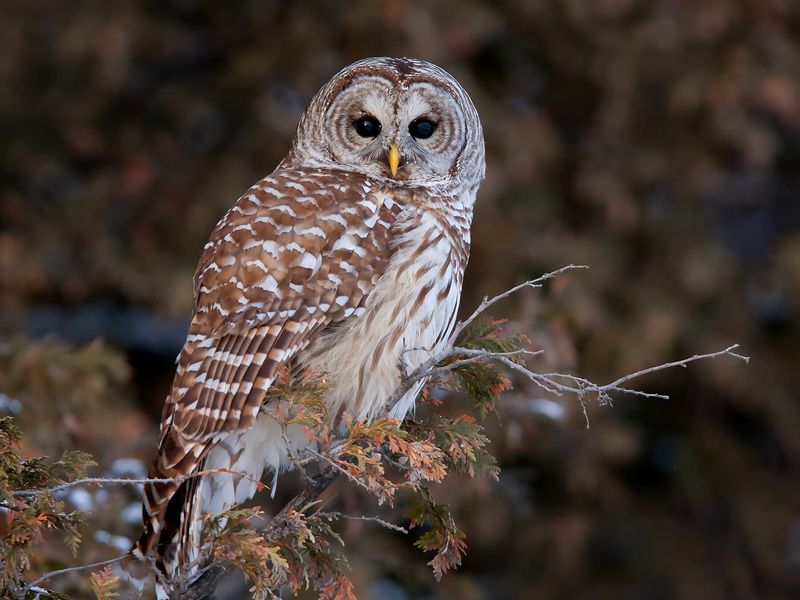
That rhythmic, patterned call drifting out of a wooded hollow is one of the most recognizable owl sounds in Pennsylvania.
The barred owl, Strix varia, is a year-round resident associated with mature woods, wooded wetlands, stream corridors, and other areas with substantial tree cover.
Its presence in the state is consistent, and many Pennsylvania residents have heard it without realizing exactly what they were listening to.
The familiar call is often described as a series of roughly eight or nine notes represented by the memory aid phrase “Who cooks for you? Who cooks for you-all?” That phrase is simply a tool for remembering the rhythm and is not a literal meaning.
The call has a rolling, deliberate quality that makes it easier to count the notes once a listener knows what to listen for.
Barred owls are capable of producing many sounds beyond that familiar hoot, including cackles, caws, gurgles, and the energetic exchanges described in pair duets.
They may call during the evening, at night, around dawn, or occasionally during overcast daytime conditions.
Noticing the number of notes, the pauses between phrases, the pitch, and whether another bird responds can all help with identification.
Not every strange sound from a wooded Pennsylvania area belongs to this species, but the barred owl is a very reasonable first guess in the right habitat.
5. A Whinny Or Trill May Come From An Eastern Screech-Owl
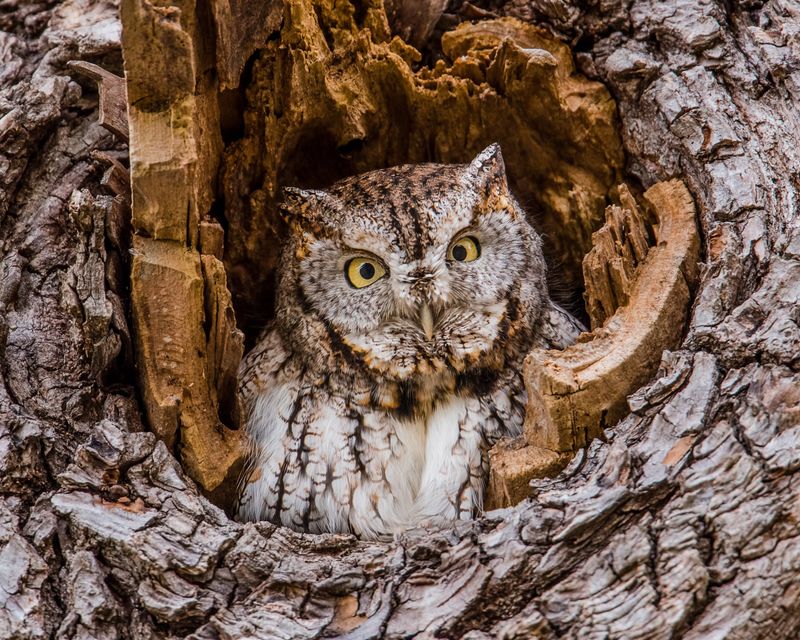
Unexpected sounds coming from a mature oak or old apple tree in a wooded Pennsylvania neighborhood may belong to one of the state’s smallest resident owls.
The eastern screech-owl, Megascops asio, lives in wooded neighborhoods, parks, orchards, forest edges, and areas with mature cavity-bearing trees.
Its small size and remarkably effective camouflage mean it can be calling just a few feet away without ever being spotted.
Two well-known vocalizations set this species apart from its larger neighbors. The first is a descending, horse-like whinny that carries a trembling, almost anxious quality.
The second is a steady, soft trill that can go on for several seconds at a time. Neither sound resembles the deep hoot that most people picture when they think of owls, which is why screech-owl calls often go unidentified or get mistaken for insects or frogs.
The trill may serve communication between mates or family members, while the whinny may play a role in territorial or defensive signaling, though context always shapes meaning.
Eastern screech-owls may use natural tree cavities or suitable nest boxes, though putting up a box does not guarantee a bird will move in.
Readers curious about these owls are encouraged to listen carefully rather than shine lights into tree cavities or search around potential nest sites. Quiet observation from a respectful distance is the most responsible approach.
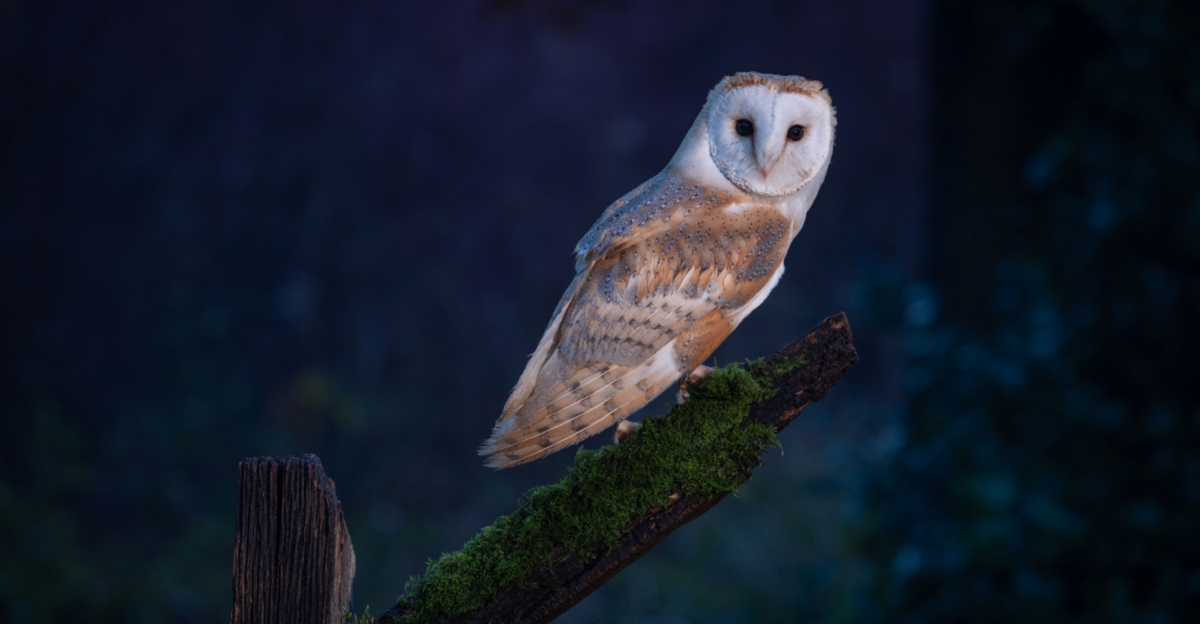
6. A Harsh Scream May Come From A Barn Owl
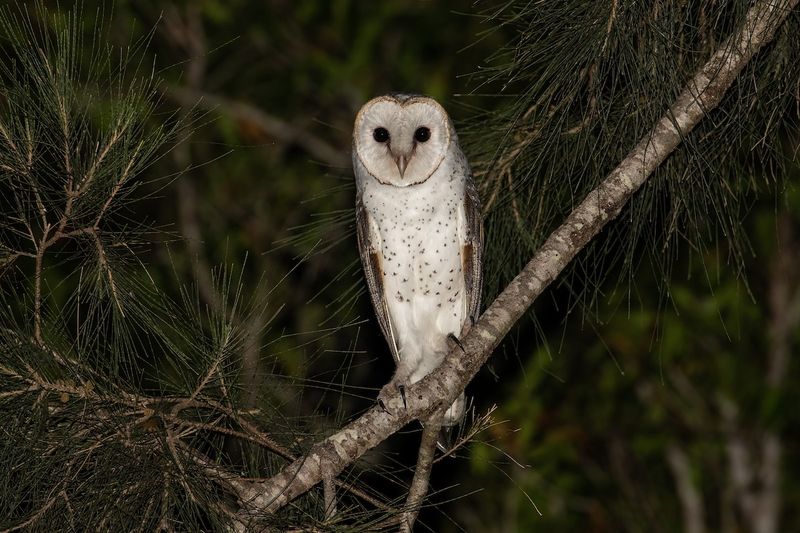
Raspy, drawn-out screams cutting through a quiet rural night near a Pennsylvania farm can be genuinely startling, and the source is not always obvious.
The American barn owl, Tyto furcata, produces harsh screams, hisses, clicks, and other sharp sounds rather than the rounded hoots associated with most owls.
That vocal difference is one reason homeowners may not immediately recognize the caller as an owl at all.
Pennsylvania barn owls are associated with open habitats such as hayfields, pastures, meadows, and farmland that provide space to hunt, along with barns, silos, tree cavities, or other suitable nesting structures.
Their presence in the state is tied closely to the availability of those specific conditions, and they are not equally common in every part of Pennsylvania.
Local land use, habitat quality, and nesting opportunities all influence where these birds are found.
Hissing sounds near a barn or outbuilding may occur when a barn owl or young bird feels disturbed close to a nesting or roosting area. Giving the area space rather than investigating closely is the most helpful response.
Not every scream or strange noise near a farm belongs to a barn owl. Foxes, raccoons, domestic cats, and several other animals produce unexpected nighttime sounds that can be easy to misidentify.
Comparing a recording with verified barn owl audio from a trusted source is a reliable way to confirm the identification.
7. A Young Owl May Be Begging For Food
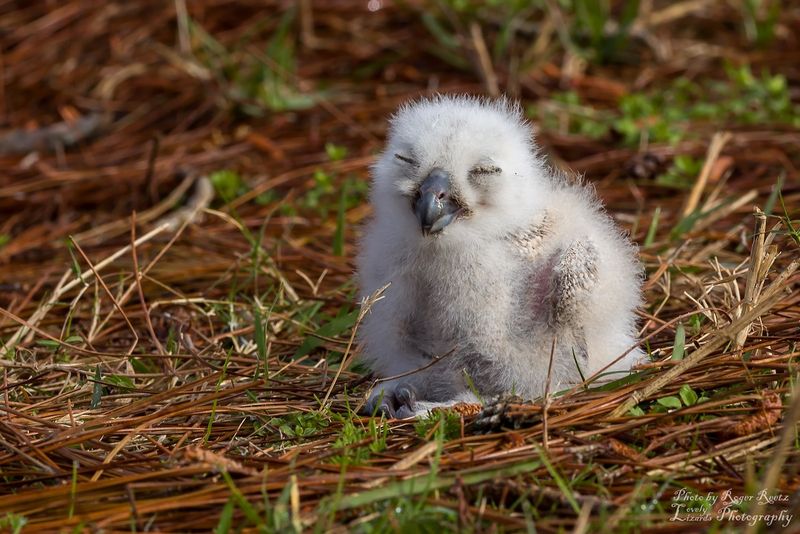
Persistent, piercing cries repeating through the night with an almost demanding quality may not be coming from an adult owl at all.
Juvenile owls, particularly young great horned owls, are known for producing insistent begging calls that continue well after they have left the nest.
These cries can be surprisingly loud and carry a raspy, urgent tone that sounds quite different from a typical adult hoot.
Young birds often spend time on branches near the nest area while they continue developing their flight and hunting skills. Hearing these calls does not necessarily mean the birds have been abandoned or are in trouble.
Adult owls may remain in the vicinity even when they are not visible, returning with food after people and pets have moved away from the area.
Homeowners who notice these calls are encouraged to observe from a distance and keep pets away from the immediate area when possible.
Moving a young owl or placing it in a box or artificial nest is not recommended without guidance from a licensed wildlife rehabilitator or the Pennsylvania Game Commission.
The persistent calling may be most noticeable after sunset, when adult owls become more active and begin making feeding trips.
If a bird appears visibly injured, trapped, or in immediate danger, contacting a licensed Pennsylvania wildlife rehabilitator or the Pennsylvania Game Commission is the appropriate first step.
8. The Sound May Not Be An Owl At All
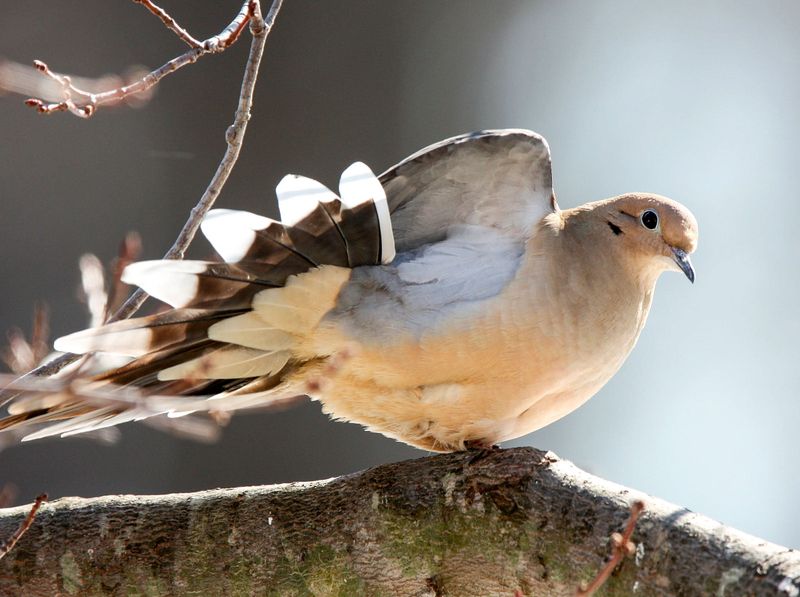
Not every soft hoot, coo, or whistle drifting through a Pennsylvania night actually comes from an owl.
Mourning doves rank among the birds most frequently mistaken for owls because their slow, repeated cooing can resemble distant hooting when heard from inside a home or across a yard.
Their call is softer and more mournful than the patterned territorial hoots of most owl species, but the similarity is strong enough to cause regular confusion.
Mourning doves generally call during daylight or around dawn and dusk, though the time of day alone should not be the only clue used for identification.
Other possible sources of unexpected nighttime sounds include foxes, raccoons, domestic cats, frogs, and several bird species that are active after dark.
Narrowing down the source takes a combination of clues rather than one factor alone.
Making a short recording when practical and comparing the rhythm, pitch, pauses, and note count with verified audio from the Cornell Lab of Ornithology or the Pennsylvania Game Commission is one of the most reliable ways to identify an unfamiliar sound.
Habitat clues also help.
Dense mature woodland may suggest barred or great horned owls, wooded residential areas may support eastern screech-owls, and open agricultural land is more suitable for barn owls.
These are useful starting points rather than firm identification rules, and combining several clues together produces a much more reasonable conclusion.