This Stunning Low-Maintenance California Shrub Is Becoming A Popular Alternative To Lantana
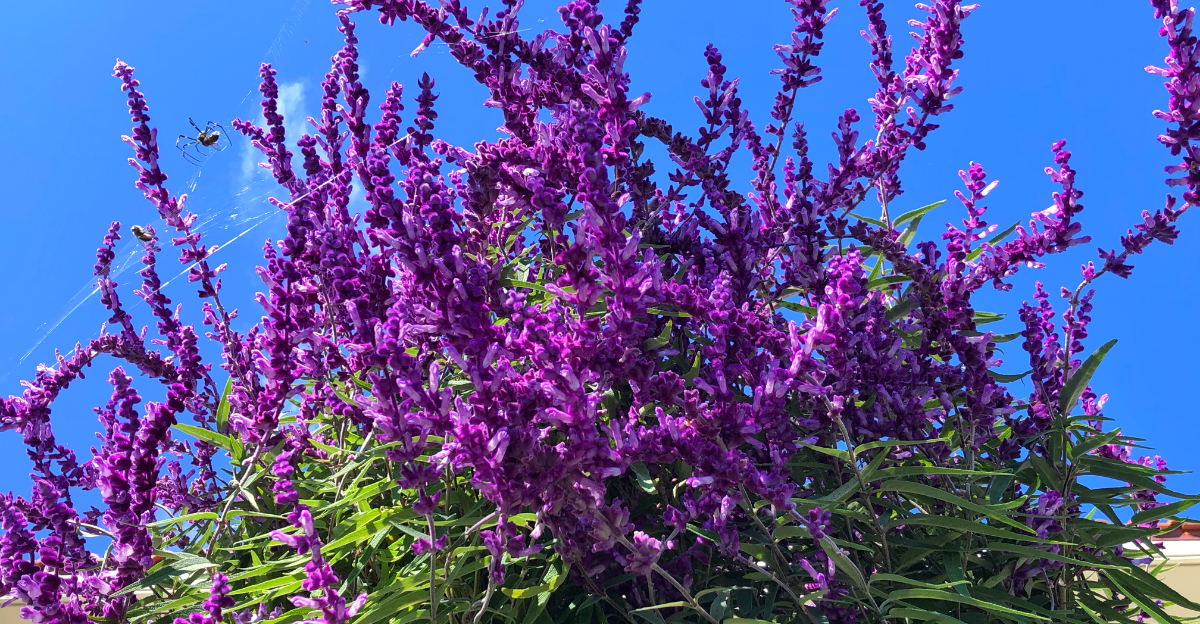
Lantana may be the familiar choice for sunny California yards, but a more distinctive shrub has started to win attention.
Its unusual flowers bring serious personality, while its soft foliage adds a wild, almost silvery look that feels right at home in a dry landscape.
This plant does not need constant fuss to make an impression. Once established, it can handle tough conditions with far more confidence than many flashy garden favorites. That alone makes it hard to ignore.
Its appeal also comes from the way it supports local wildlife. The blooms can turn a quiet planting bed into a much livelier space without making the garden feel overworked.
Set it beside the usual garden favorites, and this shrub feels like the one with the better story. It brings bold character to a dry yard without asking for constant attention.
1. The Fresh Lantana Alternative
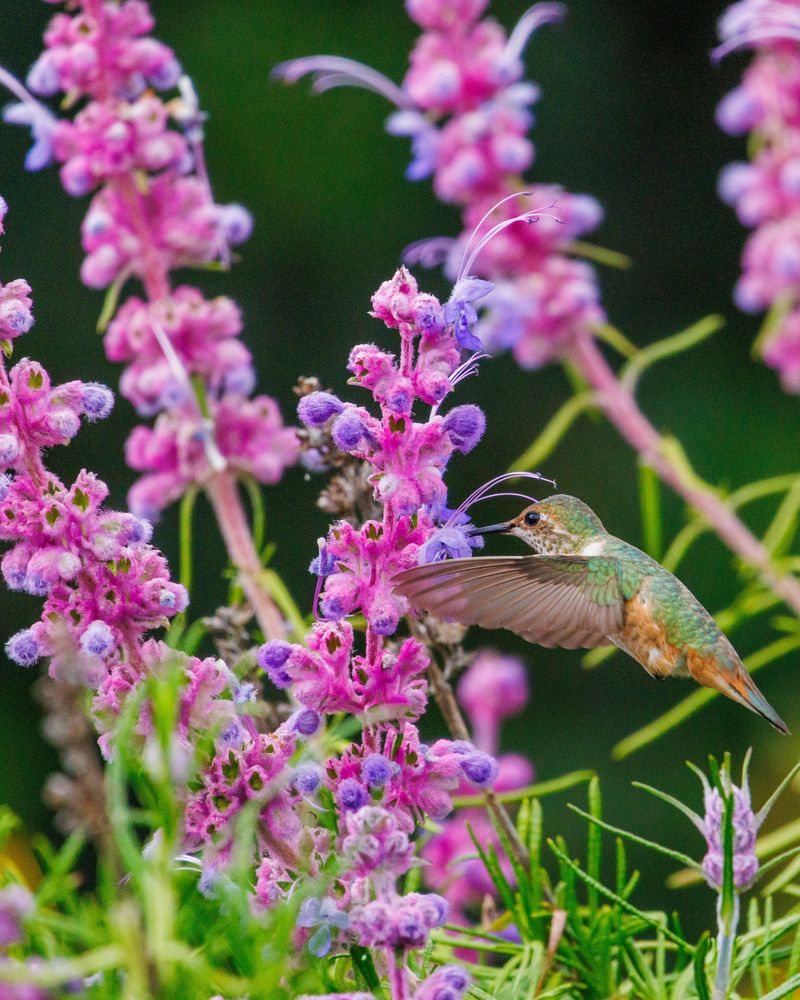
Few plants turn heads quite like Woolly Bluecurls. Known scientifically as Trichostema lanatum, this native shrub is packed with personality.
It grows in the wild across the dry chaparral slopes of California, and it has been quietly waiting for its moment in the garden spotlight.
Lantana is colorful and tough, but it comes with baggage. In some regions, it spreads where it should not and can crowd out other plants.
Woolly Bluecurls does not have that problem. It stays where you plant it and plays nicely with other natives in the landscape.
What makes this shrub such a strong alternative is how much it delivers with so little effort. The flowers are tubular and vivid purple, wrapped in a woolly coating that gives the plant its name.
They bloom from spring all the way through summer, sometimes stretching into fall.
Beyond the flowers, the whole plant has a unique look. The stems are fuzzy, the leaves are narrow, and the entire shrub has a wild, textured appearance that feels right at home in a dry garden.
It grows to about three to five feet tall and wide, making it a solid mid-border plant.
Gardeners who make the switch from Lantana often say they wish they had done it sooner. Woolly Bluecurls brings the same bold color punch with added fragrance and wildlife value.
2. Purple Flowers Make Hot Borders Stand Out
Hot, dry garden borders can be tough to fill with plants that actually look good. Many flowering shrubs wilt, fade, or stop blooming once summer heat kicks in.
Woolly Bluecurls handles the heat differently. It thrives in it.
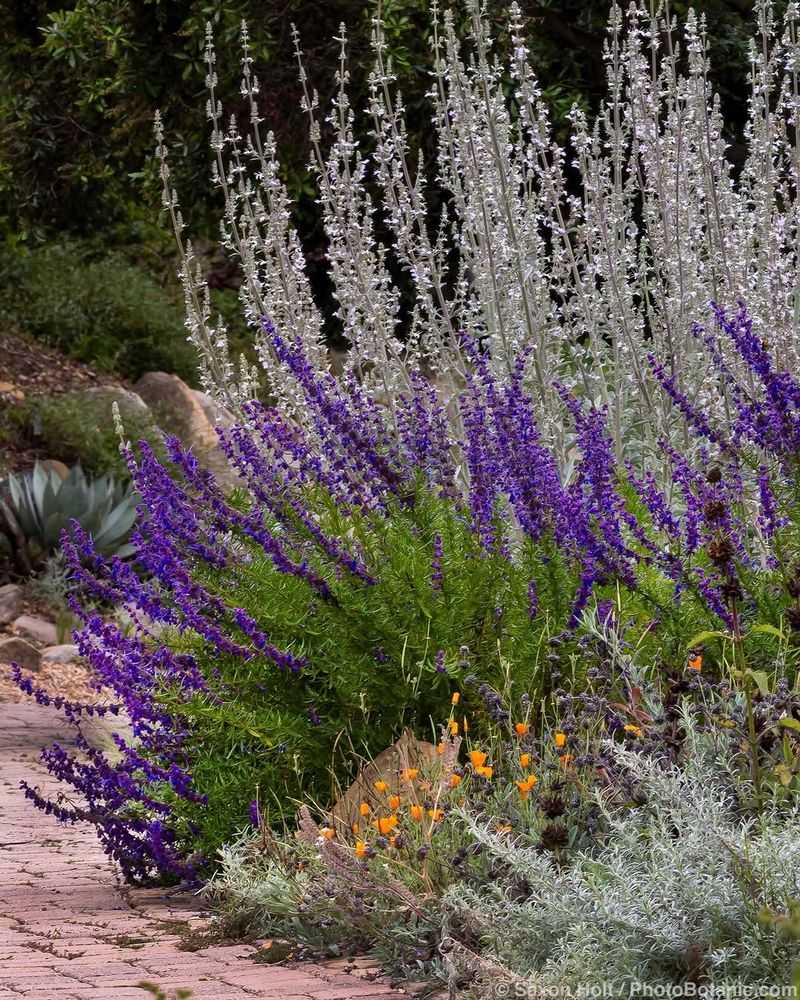
The flowers are a rich, electric purple that really pops against dry soil, gravel, and golden grasses. Each bloom spike rises above the foliage in a way that draws the eye immediately.
You cannot miss it, even from across the yard.
Color in a summer garden is hard to maintain. Most flowering plants peak in spring and then fade out.
Woolly Bluecurls keeps going strong through the hottest months, offering steady color when the rest of the border looks tired and brown.
Planting it alongside other sun-loving natives like sage, buckwheat, or penstemon creates a layered, naturalistic look. The purple tones blend beautifully with silvery foliage and warm earth tones.
Your California Garden Changes Every Week. Your Plan Should Too.
Gardening in California changes quickly throughout the season. Every Friday you’ll receive a simple weekly plan showing exactly what to plant, prune, fertilize, harvest, and protect so you never miss the right timing.
It creates a palette that feels both wild and intentional at the same time.
Spacing matters when planting for a bold border effect. Give each shrub about four to five feet of room so it can fill out naturally.
Crowding slows growth and reduces flowering. With enough space and full sun, this shrub will reward you with months of spectacular color that makes every hot border look like it was designed by a professional.
3. Fragrant Foliage Adds More Than Color
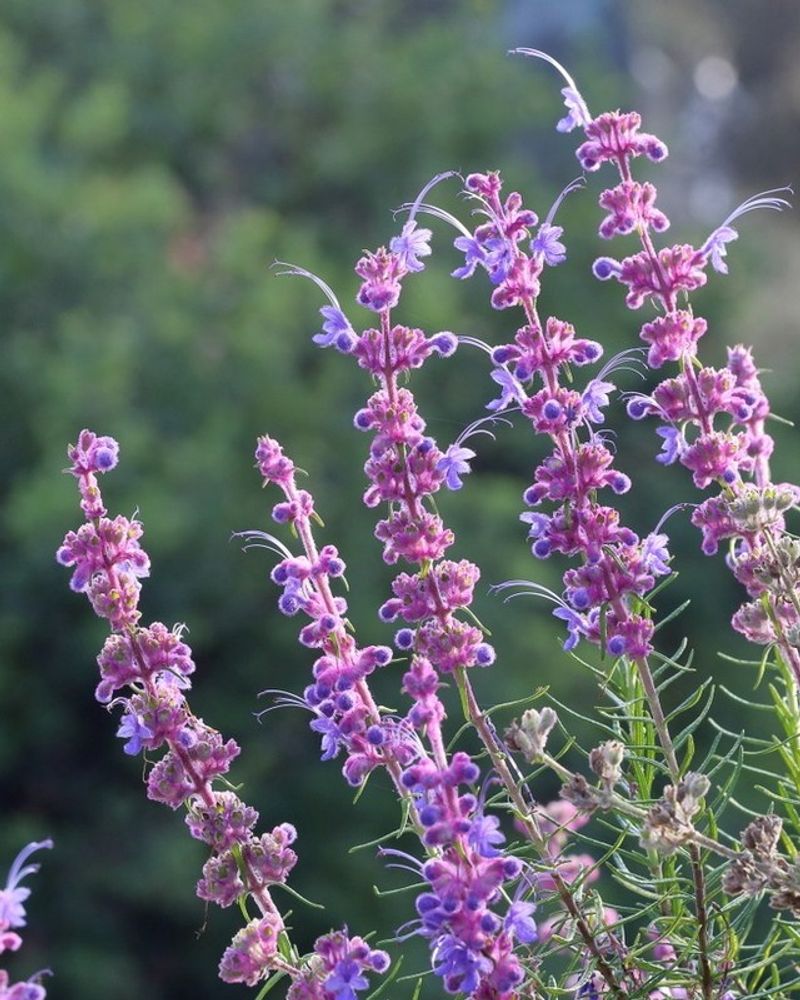
Walk past a Woolly Bluecurls on a warm afternoon and you will immediately notice something special. The air around it carries a strong, piney, almost medicinal fragrance.
That scent does not come from the flowers alone. It rises from the leaves every time the sun heats them up or a breeze brushes through the branches.
This kind of aromatic foliage is a bonus that many flowering shrubs simply do not offer. Lavender gets a lot of attention for its scent, but Woolly Bluecurls holds its own in that department.
Some gardeners say the smell is closer to rosemary or camphor, bold and clean at the same time.
The narrow, dark green leaves are interesting on their own too. They have a slightly waxy surface that helps the plant conserve moisture in dry conditions.
That texture also adds visual depth to the shrub even when it is not in full bloom.
Planting Woolly Bluecurls near a patio, walkway, or entry path is a smart move. Every time someone walks by, the movement of the air releases that signature scent.
It turns a simple garden stroll into a sensory experience.
Fragrance in the garden is often an afterthought, but it should not be. A plant that smells as good as it looks brings an extra layer of enjoyment to outdoor spaces.
Woolly Bluecurls delivers on both counts without any extra effort from the gardener.
4. This Native Shrub Loves Sun And Drainage
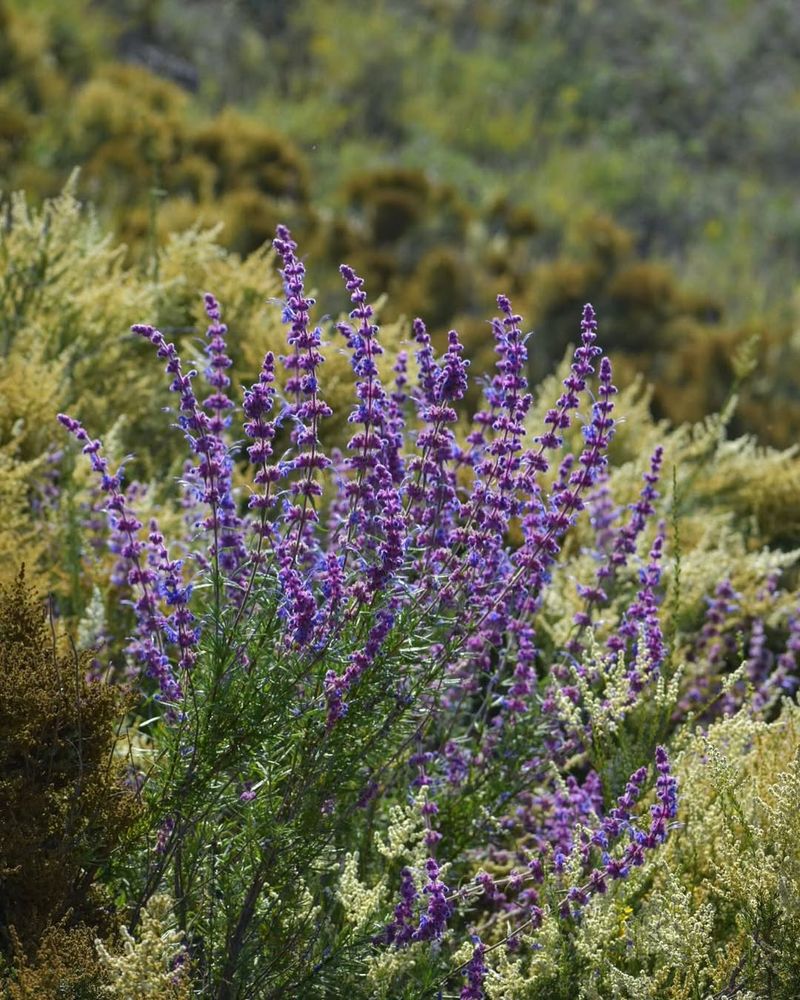
Some plants are picky. They want shade in the afternoon, rich amended soil, and just the right amount of moisture.
Woolly Bluecurls is not one of those plants. It actually performs better when conditions are a little tough.
Full sun is non-negotiable for this shrub. It evolved on open, sun-baked hillsides in the chaparral regions of California.
Give it a spot that gets at least six to eight hours of direct sunlight daily, and it will reward you with dense growth and heavy flowering.
Drainage is just as important as sunlight. This shrub absolutely does not tolerate wet feet.
Roots sitting in soggy soil will cause serious problems fast. Sandy, loamy, or rocky soil is ideal.
If your garden has clay soil, amend the planting area or build a raised mound before planting.
In northern regions, Woolly Bluecurls can handle light frost but prefers protected spots during cold snaps. In warmer inland and coastal areas, it is virtually carefree once established.
The plant was built for conditions that would stress most ornamental shrubs.
Choosing the right planting location from the start makes all the difference. A south-facing slope or a raised bed with fast-draining soil gives this shrub the best possible start.
Get those two things right, and you will have a thriving, beautiful plant for many years to come.
5. Hummingbirds And Bees Find It Fast
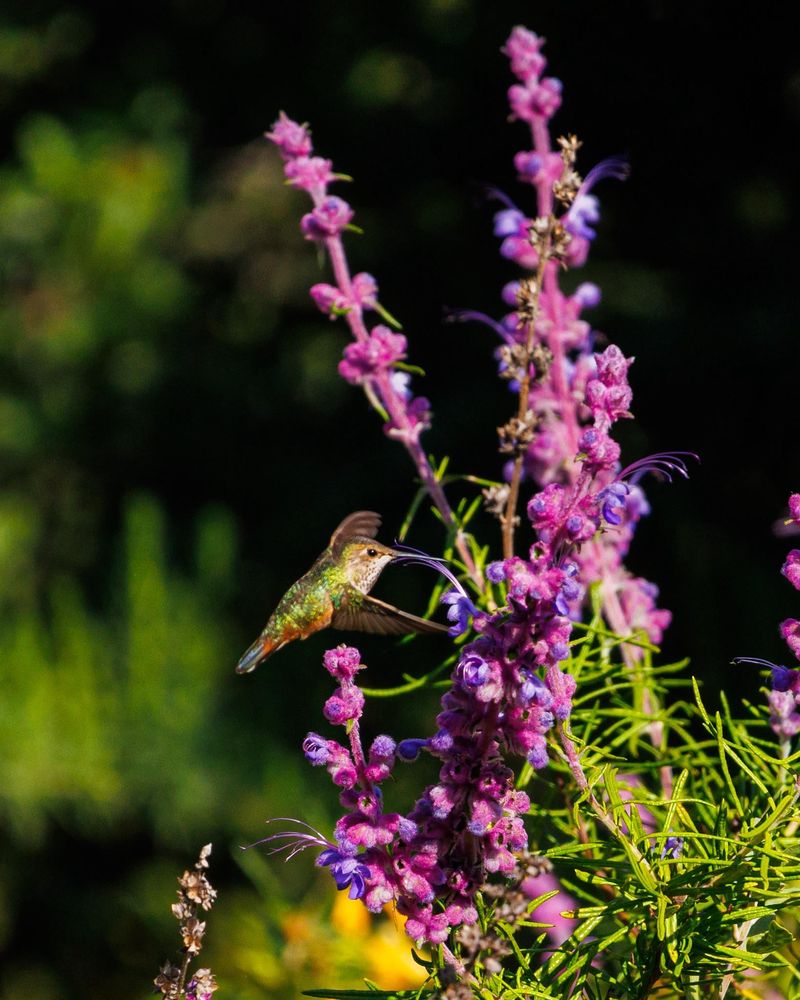
Within days of a Woolly Bluecurls blooming in your yard, the wildlife will show up. Hummingbirds are drawn to those long, tubular purple flowers like magnets.
The shape of each bloom is perfectly designed for a hummingbird’s beak to reach the nectar inside.
Bees love it just as much. Native bees, bumblebees, and honeybees all visit regularly throughout the blooming season.
Watching a shrub buzz with activity on a summer morning is one of those small joys that makes gardening so rewarding.
Providing habitat for pollinators has become a priority for many homeowners. Planting Woolly Bluecurls is one of the easiest ways to support local bee and hummingbird populations.
It produces abundant nectar over a long season, making it a reliable food source when other plants have already stopped blooming.
Unlike some ornamental plants that attract insects but offer little real food value, this shrub is the real deal. Native insects evolved alongside it for thousands of years.
They recognize it, seek it out, and depend on it as part of a healthy ecosystem.
Creating a pollinator-friendly yard does not have to be complicated. One well-placed Woolly Bluecurls can make a meaningful difference.
Add a few more, and you have a genuine wildlife garden that supports biodiversity without requiring a lot of work or water from you.
6. Low Water Keeps Summer Care Simple
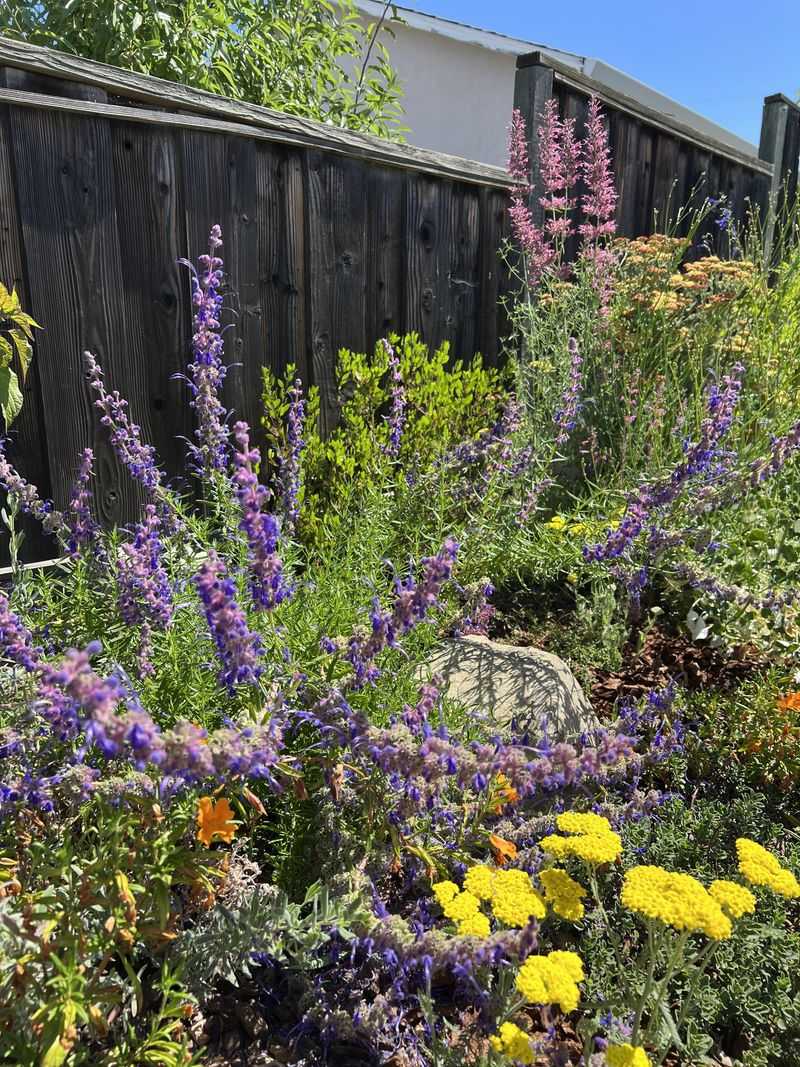
Water bills in summer can climb fast when you have a thirsty garden. Woolly Bluecurls flips that script entirely.
Once it settles in after its first year, it needs very little supplemental watering. In many parts of California, winter rainfall alone is enough to keep it healthy.
During the first growing season, some regular watering helps the roots establish. After that, deep but infrequent irrigation is the way to go.
Watering every two to three weeks during the dry season is usually plenty. The key is letting the soil dry out completely between waterings.
This drought tolerance is one of the biggest reasons gardeners are replacing Lantana with Woolly Bluecurls. Lantana is also fairly drought tolerant, but Woolly Bluecurls takes it further.
It actually prefers dry summers and can look stressed if given too much water during hot months.
Pairing it with drip irrigation on a timer makes summer care almost effortless. Set it and forget it.
The shrub handles the heat on its own while you enjoy your yard instead of worrying about keeping plants alive.
Water-wise gardening is more than a trend in our state. It is a necessity in many regions.
Choosing plants that naturally thrive with minimal moisture is one of the smartest decisions any homeowner can make. Woolly Bluecurls makes that choice easy and beautiful at the same time.
7. It Looks Best In Dry Native Borders
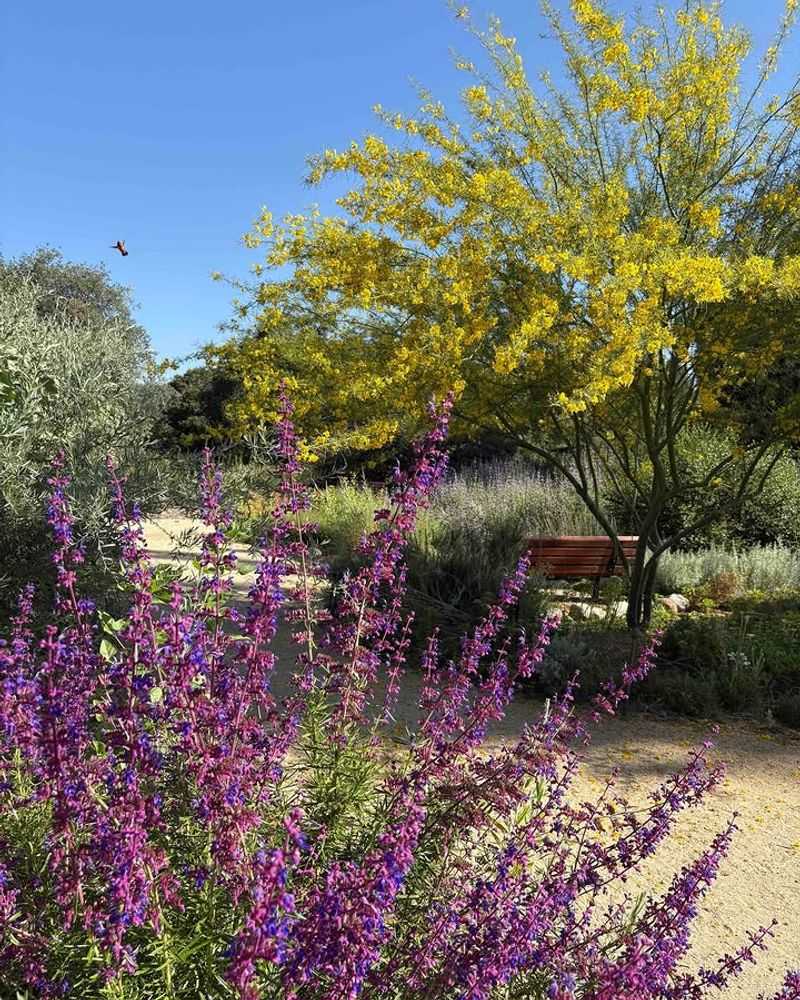
Woolly Bluecurls was born for the dry native garden. Put it in the right setting and the whole landscape comes alive in a way that feels completely natural.
The key is pairing it with plants that share the same needs and aesthetic.
California buckwheat is a classic companion. Its cream and rust-colored flower clusters contrast beautifully with the purple spikes of Woolly Bluecurls.
White sage adds silvery texture and another layer of fragrance to the mix. Ornamental grasses bring movement and soften the overall look.
The border does not need to be perfectly manicured to look great. In fact, a slightly wilder arrangement suits this shrub perfectly.
Let it spread to its natural shape without heavy pruning. A light trim after the main bloom season keeps it tidy without stressing the plant.
Gravel mulch around the base of the plants ties the dry garden look together and helps with drainage. It also reduces weed pressure, which means less maintenance for you throughout the season.
A two-inch layer of decomposed granite or pea gravel works well.
Designing a dry native border around Woolly Bluecurls is genuinely satisfying. The plant brings structure, color, fragrance, and wildlife value all at once.
It anchors the border visually and pulls the whole planting scheme together. Few other native shrubs can do all of that while asking for so little in return.