These Are The Signs Your Michigan Fruit Trees Need Extra Water During August Heat
Michigan fruit trees often show subtle signs of stress during August heat well before serious damage becomes visible.
Leaves that curl slightly or appear duller than usual often indicate trees are working harder to conserve moisture.
Fruit that drops earlier than expected, even while still appearing underdeveloped, can signal the tree is prioritizing survival over full fruit development.
Checking soil moisture several inches down, rather than just the surface, gives a more accurate picture of what roots are actually experiencing.
Bark that appears slightly wrinkled near the base can also indicate prolonged water stress affecting the whole tree.
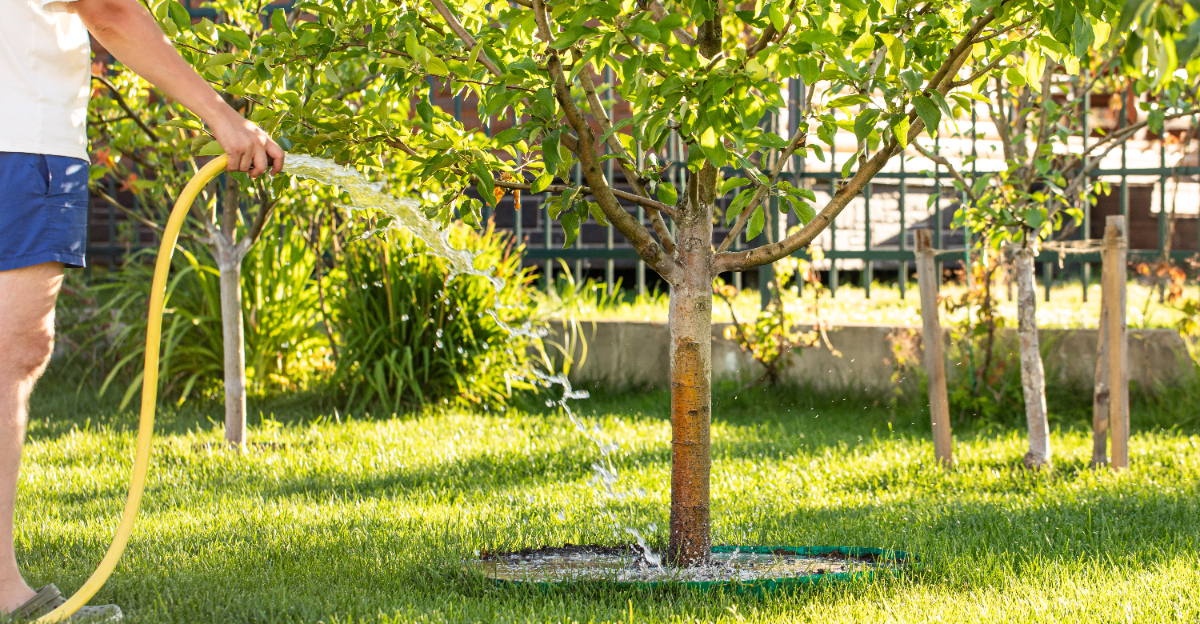
Deep, slow watering works better than frequent light watering, encouraging roots to grow deeper and access moisture more efficiently.
Mulching around the base helps retain soil moisture and keeps roots cooler during extended heat waves.
Watching for these early signs helps protect both this year’s harvest and the tree’s overall health going forward.
1. Leaves Stay Wilted Beyond The Hottest Hours
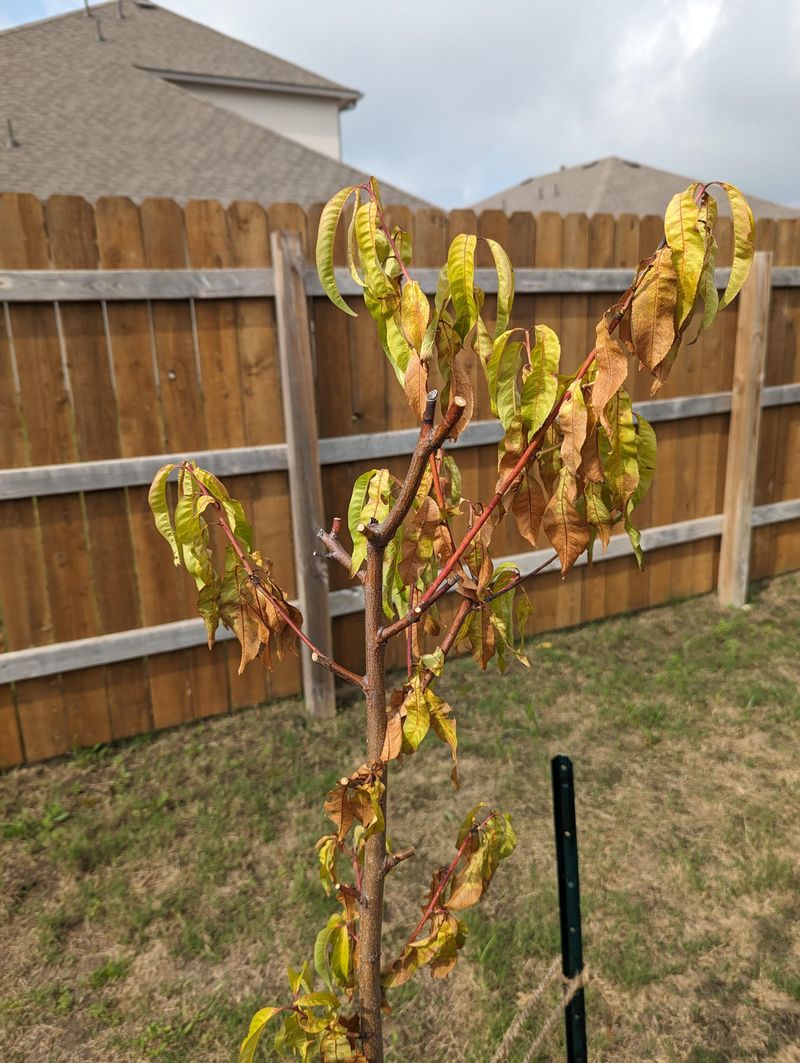
Most gardeners know that fruit tree leaves can droop a little during the hottest stretch of an August afternoon, and that is not always a red flag.
When there is still some moisture in the soil, leaves may temporarily sag as the tree struggles to keep up with heat and evaporation.
That kind of brief wilting usually corrects itself as temperatures drop in the early evening. The warning sign worth paying attention to is wilting that sticks around past sunset.
If you step outside around dusk and your tree still looks limp, or you check first thing in the morning and the leaves have not bounced back, the tree is telling you something more serious is going on.
Recovery during cooler hours is a key indicator that the roots are still pulling in enough moisture to meet demand.
Before you grab the hose, take a moment to check the soil beneath the canopy. Push a finger or a small trowel six to eight inches into the ground and feel what is there. Dry, crumbly soil at that depth points strongly toward a watering need.
However, wilting can also result from root problems, waterlogged soil, insect feeding, or disease, so soil moisture should always be your first checkpoint before adding more water.
Checking the actual root zone rather than just the surface saves you from overwatering, which causes its own set of problems.
A quick soil check takes two minutes and gives you real information your tree cannot otherwise speak out loud.
2. Leaves Curl Or Fold Inward
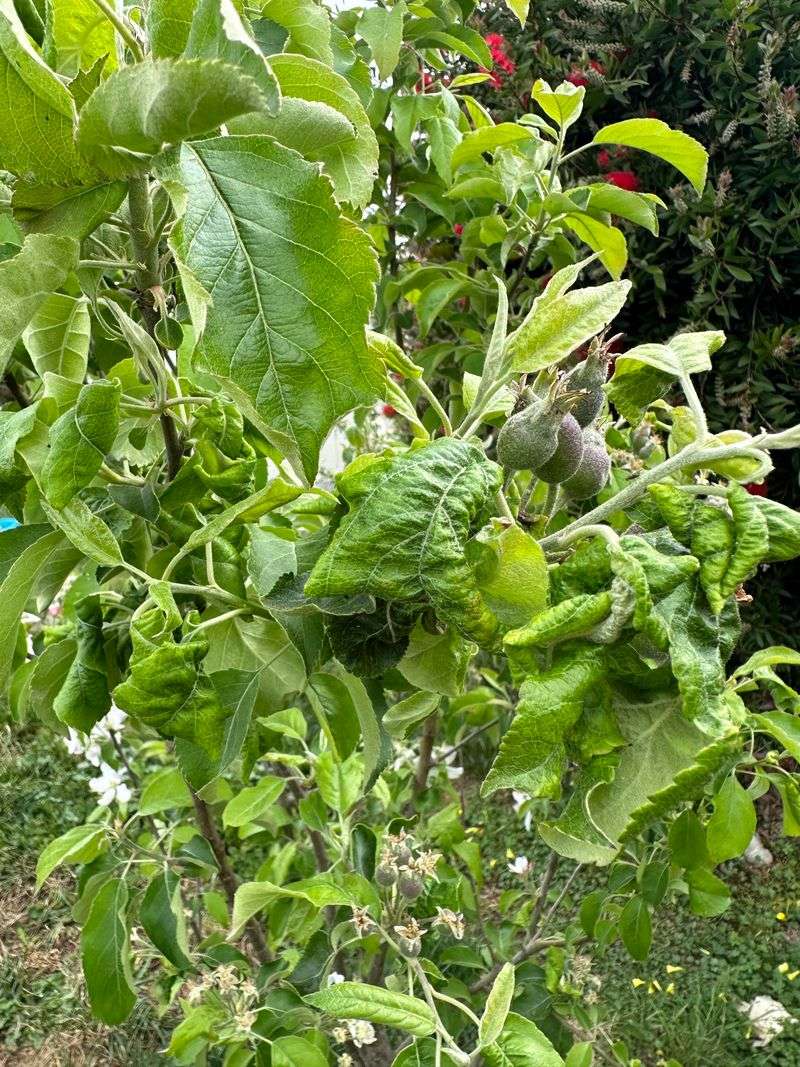
Picture walking out to your orchard on a blazing August morning and noticing that the leaves on your apple or peach tree have rolled up tight like little scrolls. That inward curling is not random.
It is actually a built-in survival response that helps the tree reduce the surface area exposed to sun and wind, which slows down moisture loss when soil water is running low.
When you spot curling, resist the urge to water immediately and take a closer look first. Walk around the tree and check several different branches, including some from the upper canopy and some from lower down.
Your Michigan Garden Changes Every Week. Your Plan Should Too.
Gardening in Michigan changes quickly throughout the season. Every Friday you’ll receive a simple weekly plan showing exactly what to plant, prune, fertilize, harvest, and protect so you never miss the right timing.
Flip a few leaves over and look at the undersides carefully, because certain insects like aphids or mites and fungal diseases can also cause leaves to curl or distort in ways that look similar to drought stress.
Widespread curling across the whole tree, paired with soil that feels dry several inches below the surface and a stretch of hot days without meaningful rainfall, builds a much stronger case that supplemental water is genuinely needed.
Isolated curling on just one or two branches with otherwise healthy foliage points more toward a pest or disease problem worth investigating separately.
Michigan summers can swing between humid and brutally dry within the same week, so keeping a simple log of rainfall and soil checks helps you respond accurately rather than guessing.
Your trees reward that kind of attention with stronger growth and better fruit quality right through the end of the season.
3. Leaf Edges Turn Brown And Crisp
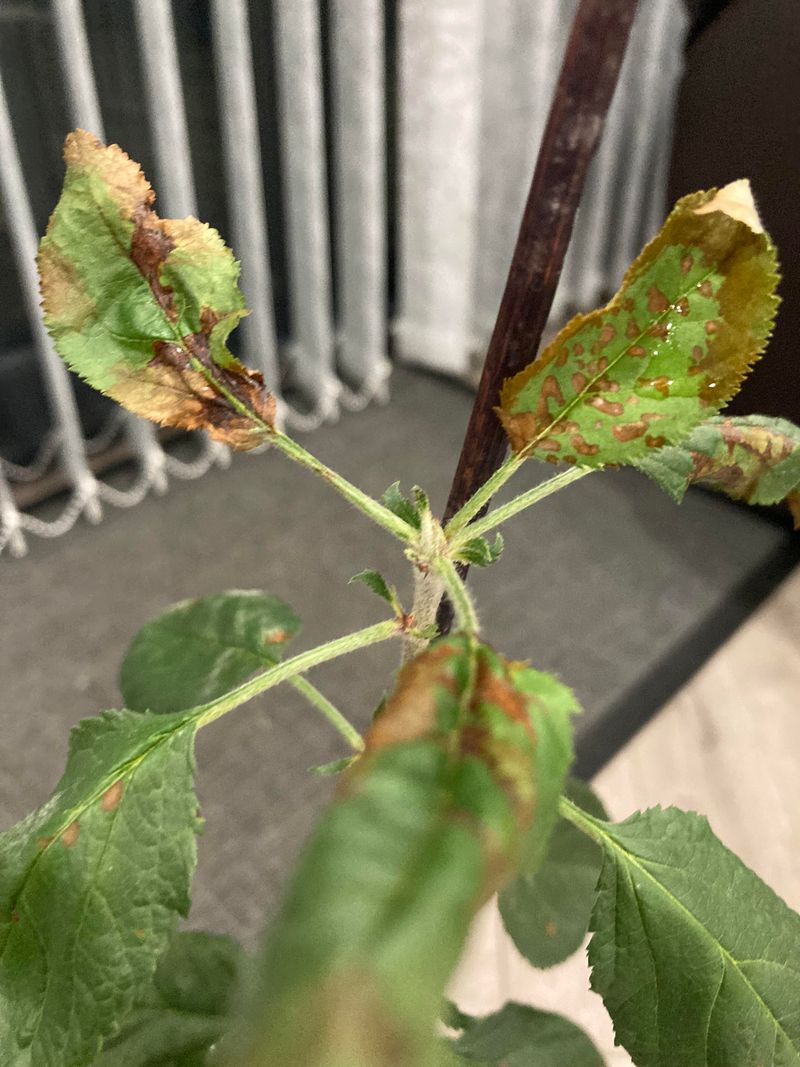
Browning along the outer edges of fruit tree leaves during August heat is one of the more dramatic visual signs that something is off.
Gardeners often call this leaf scorch, and it happens when the roots simply cannot pull water up through the tree fast enough to replace what the leaves are losing through evaporation on hot, breezy days.
The tips and margins are the farthest points from the water supply, so they show stress first. Leaf scorch can spread quickly once it starts.
What begins as a thin tan line along the leaf edge can expand into larger brown patches within just a few days if hot and dry conditions continue without any relief.
The affected tissue turns dry and papery, and in severe cases whole leaves can look toasted along their outer third.
Here is the important nuance though: brown leaf edges alone do not automatically confirm that drought is the cause.
Root injury from compacted soil or recent construction, excess fertilizer salts, road salt exposure in areas near treated roads, and certain fungal infections can all produce symptoms that look nearly identical to moisture stress.
Checking the soil moisture at root depth and reviewing what has happened near the tree recently helps you sort out the actual cause before you act.
When dry soil at depth, prolonged heat, and lack of rainfall all line up together with browning edges, a slow and thorough watering directed across the full root zone is a reasonable next step.
Targeted, deep watering works far better than a quick surface rinse in these situations.
4. Older Leaves Yellow And Fall Early
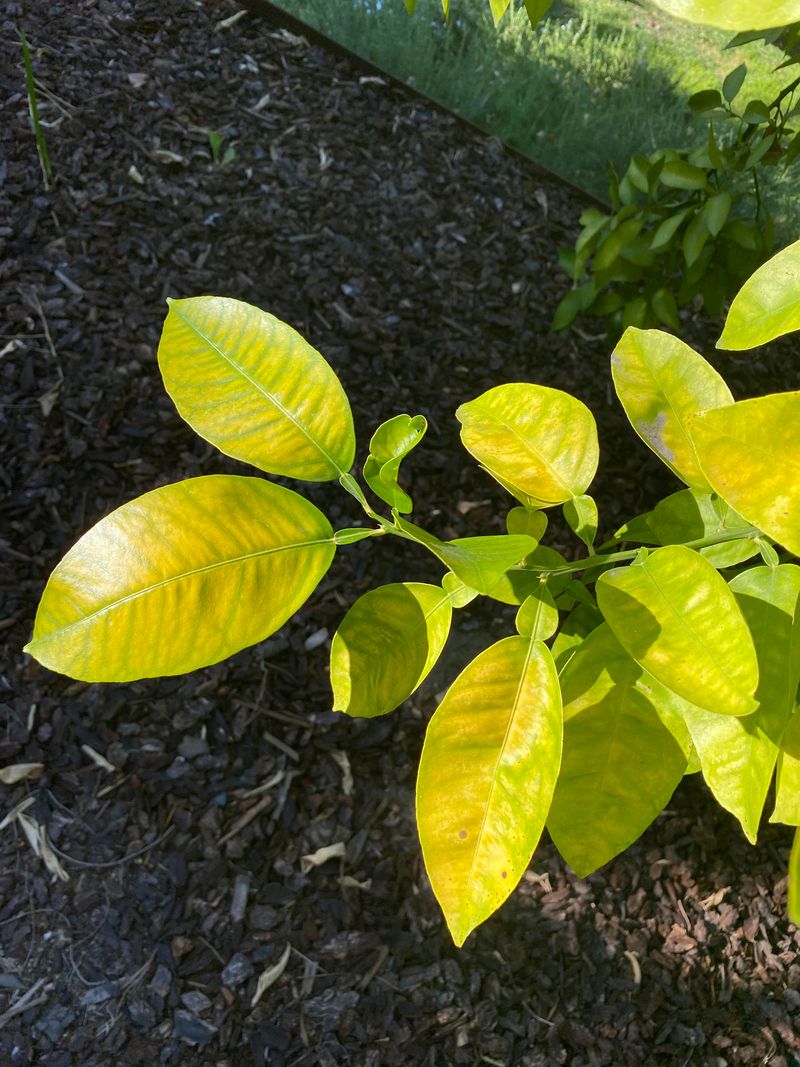
Fruit trees have a clever way of managing a crisis: they sacrifice the oldest leaves first.
When water becomes scarce during a hot Michigan August, trees start pulling resources away from older foliage near the interior of the canopy and lower branches, causing those leaves to turn yellow and fall weeks or even months before the normal autumn drop.
It looks alarming, but it is the tree prioritizing its most important growth.
Michigan State University fruit research has documented this pattern during dry stretches, noting that unirrigated orchards can show significant early leaf loss when rainfall falls well below average during summer months.
The yellowing typically starts with leaves that are already partially shaded and less productive for the tree, and it moves outward if stress continues without relief.
Before watering, take time to inspect both the fallen leaves and the ones still on the tree. Look carefully for spots, lesions, dark rings, or powdery patches on the leaf surfaces.
Apple scab, cherry leaf spot, and other common Michigan fruit tree diseases can also trigger premature yellowing and leaf drop, and those conditions require a completely different response than drought stress does.
Combining what you see on the leaves with a soil moisture check and a look at your local rainfall totals for the past two to three weeks gives you a much clearer picture.
Yellow leaves with dry soil and no disease symptoms point confidently toward a watering need, while spotty or lesion-covered leaves suggest a call to your local extension office might be the smarter first move.
5. Fruit Growth Slows Or Fruit Stays Smaller
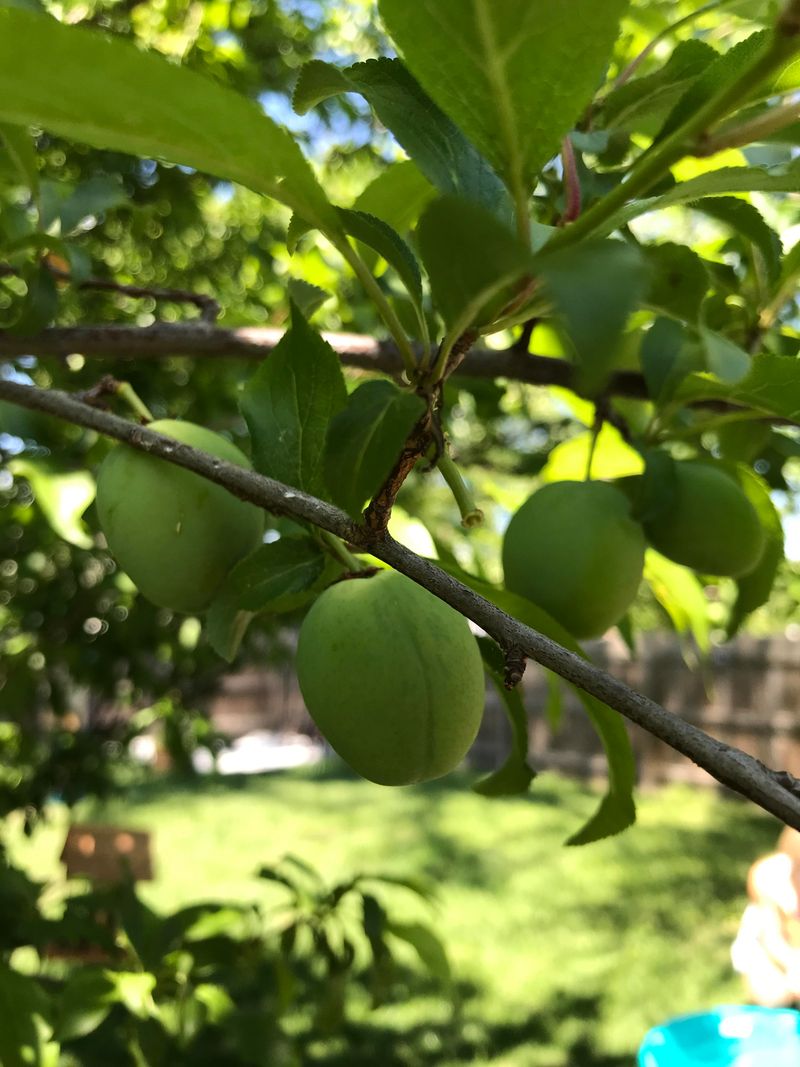
Growing a peach or apple to full size takes a surprising amount of water. During August, developing fruit is still actively expanding, and the cells inside need consistent moisture to divide and fill out properly.
When soil moisture runs low for an extended stretch, that process slows noticeably, and fruit that should be getting bigger just seems to stall in place. Growers sometimes notice this before any leaf symptoms appear.
The fruit stays firmly attached to the tree, continues changing color on schedule, and otherwise looks healthy, but it simply stops getting larger.
Michigan State University has reported reduced fruit size in unirrigated orchards during drought years, with some blocks showing significantly smaller fruit at harvest compared to irrigated blocks in the same region under the same conditions.
Slow fruit growth is worth taking seriously because final fruit size has a direct impact on both eating quality and market value for anyone selling at a farmers market or roadside stand.
Smaller fruit is not always low quality, but consistent moisture through August gives the fruit its best chance to reach the size the cultivar is capable of producing.
Keep in mind that fruit size is influenced by several factors beyond water alone.
Crop load, meaning how many fruits are on the tree, plays a big role, as does nutrition, pollination success from earlier in the season, and the specific cultivar.
If you thinned the crop well in early summer, maintained good nutrition, and soil moisture is now running low, targeted watering is likely the most impactful thing you can do at this stage.
6. Fruit Falls Earlier Than Expected
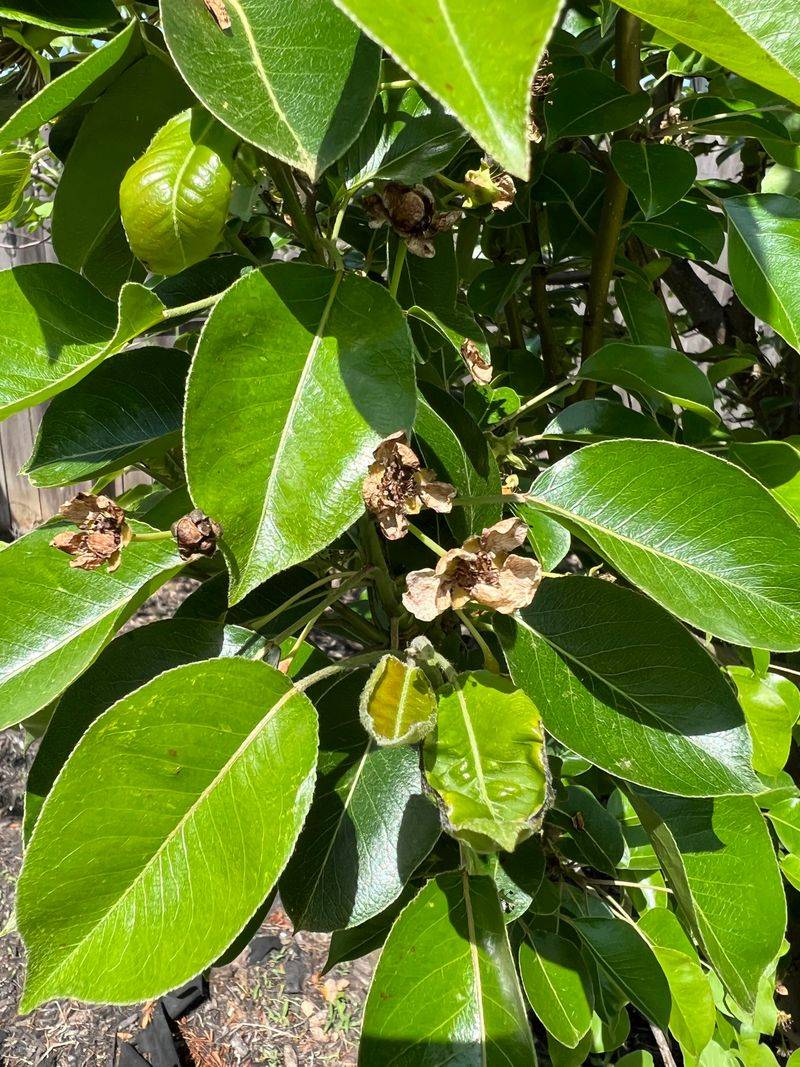
Finding a carpet of fruit on the ground under your tree well before harvest season can be genuinely frustrating.
Some early drop is completely normal for most fruit trees, since they naturally shed a portion of their crop in early summer to balance their load.
But when fruit starts falling in large numbers during August without any apparent reason, moisture stress deserves a close look as a possible cause.
A tree under significant water stress sometimes makes the calculation that it cannot support its full fruit load through to maturity. Dropping some fruit early is a way of reducing demand so the remaining crop can survive.
Hot, rainless stretches in August can push trees into this response, especially when the stress builds over multiple consecutive weeks without meaningful rainfall.
Before assuming drought is responsible, pick up a few of the fallen fruit and look them over carefully.
Check for small entry holes from insects like codling moth or apple maggot, spots or soft patches that suggest a fungal problem, or any visible decay.
Pest pressure and disease are common causes of August fruit drop in Michigan and require a completely different management approach than watering does. Compare the timing to what you know about the cultivar.
Some early apple varieties naturally ripen and drop in August, so early drop for a Zestar or Lodi is expected and normal.
When the cultivar is a mid or late-season variety and the soil is bone dry, elevated drop combined with other stress signs like wilting or stalled fruit size builds a compelling case for getting water out to the root zone soon.
7. Soil Feels Dry Deep In The Root Zone
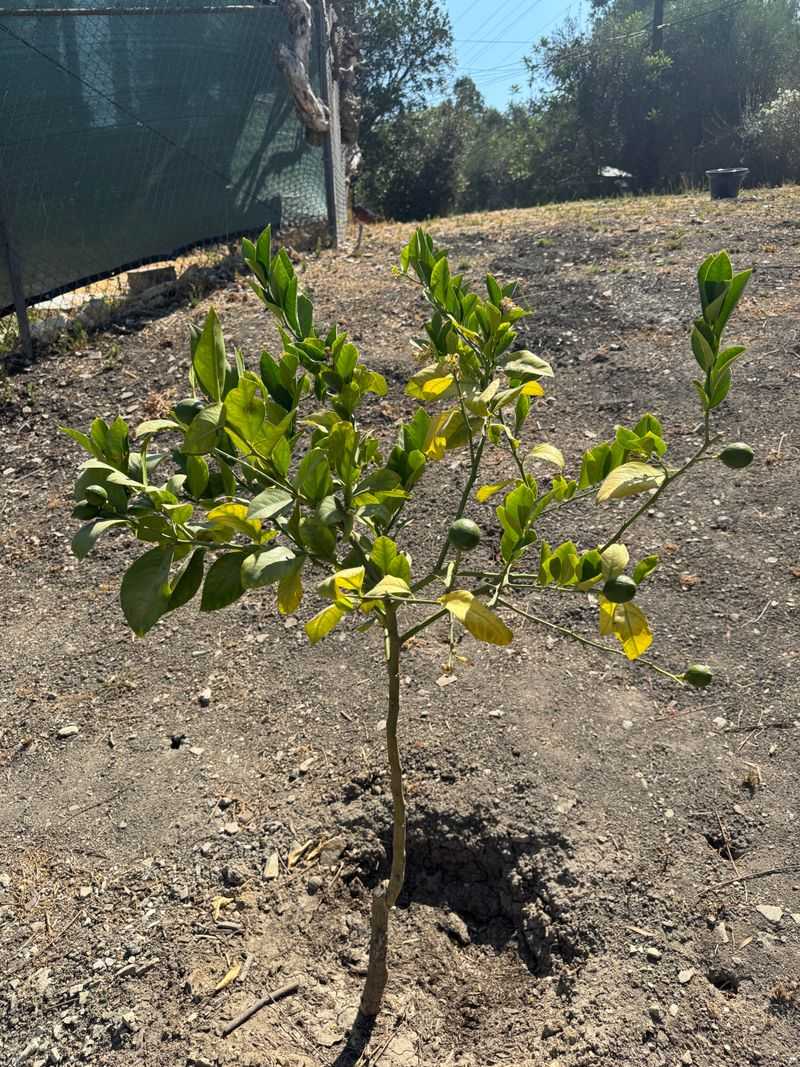
The surface of the soil under a fruit tree can look and feel bone dry even when there is still adequate moisture a few inches down, so judging water need by appearance alone is unreliable.
Sunlight, wind, and mulch all affect how quickly the top layer dries out, and that surface condition tells you very little about what the roots are actually experiencing six or more inches below.
A hands-on soil check is one of the most reliable tools a home orchardist has.
Grab a hand trowel or a sturdy stick and dig a small hole about six to nine inches deep somewhere beneath the outer edge of the canopy, roughly where the drip line falls.
That area under the branch tips is where the most active feeder roots tend to concentrate, making it the most informative spot to sample. Feel the soil you pull up.
Cool, slightly moist soil that holds together when you squeeze it typically means the root zone still has enough water to work with for now.
Dry, powdery, or crumbly soil at that depth is a clear and direct signal that the tree needs a thorough, slow watering across the full root zone, not just a quick splash near the trunk.
Watering at the base of the trunk sends water to a spot where it does relatively little good, since the roots responsible for water uptake spread out well beyond that point.
Aim for slow, steady application across the area beneath the canopy, giving water time to soak in deeply rather than running off the surface.
Deep watering done less frequently encourages roots to grow downward, which builds long-term drought resilience for your tree.
8. Young Or Dwarf Trees Show Stress First
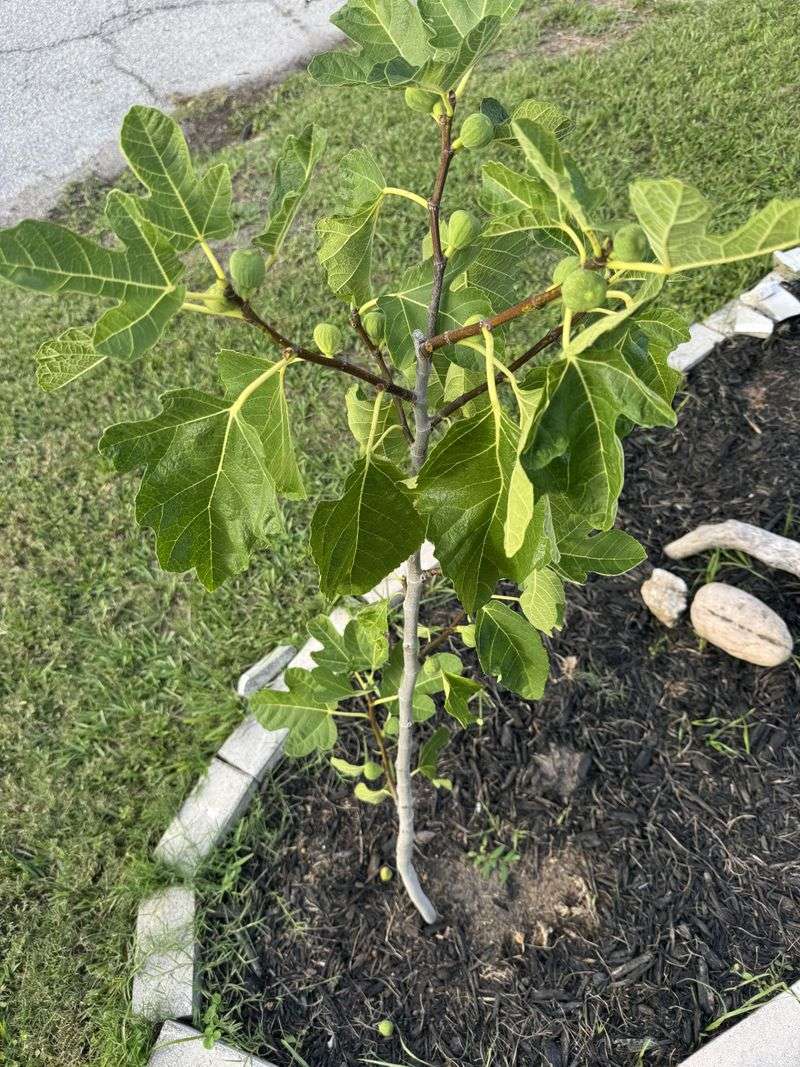
Not all fruit trees in your yard face the same level of risk during a dry Michigan August.
Young trees planted within the past three years and apple trees on dwarfing rootstocks are especially vulnerable to short rainfall due to their shallow root systems.
Because of this, they require much closer monitoring and supplemental watering than large, deeply rooted trees in the same landscape. The reason comes down to root system size and reach.
A young tree has had limited time to send roots outward and downward into the surrounding soil, so it draws from a much smaller volume of earth than a mature tree does.
Dwarf apple rootstocks, by their nature, produce compact root systems that stay relatively shallow and close to the trunk even in established trees, which means they access less stored soil moisture during dry stretches.
Sandy soils common in parts of western Michigan make this situation even more pressing.
Sand drains quickly and holds far less water between rainfall events than clay or loam soils do, so trees growing in sandy ground can exhaust available moisture within days of a soaking rain during peak summer heat.
Lawn grass growing up to the trunk of a young tree adds competition for whatever moisture remains.
Check young and dwarf trees more frequently than your larger established trees, ideally every few days during a heat wave. That said, established trees are not immune.
A prolonged dry stretch of three weeks or more can stress even a mature apple or cherry tree, so keep an eye on soil moisture throughout the entire orchard regardless of tree age or size.