10 Fall Vegetables Georgia Gardeners Should Seed In August For A Strong Autumn Harvest
August is not the end of the vegetable season. It is the beginning of another one.
Many garden beds start looking empty after summer crops slow down. That space does not have to stay unused.
Warm soil helps many fall vegetables sprout quickly. Cooler days arrive just as young plants begin growing.
Georgia gardeners who plant now often harvest for weeks after summer ends. Timing matters as much as the seeds themselves.
The best choices are reliable, productive, and well suited to late summer planting. A little planning now can fill your garden again.
Not every vegetable belongs in the ground this month. Choosing the right ones makes all the difference.
Your fall harvest starts with the seeds you plant today.
1. Broccoli Forms Large Heads Before Winter
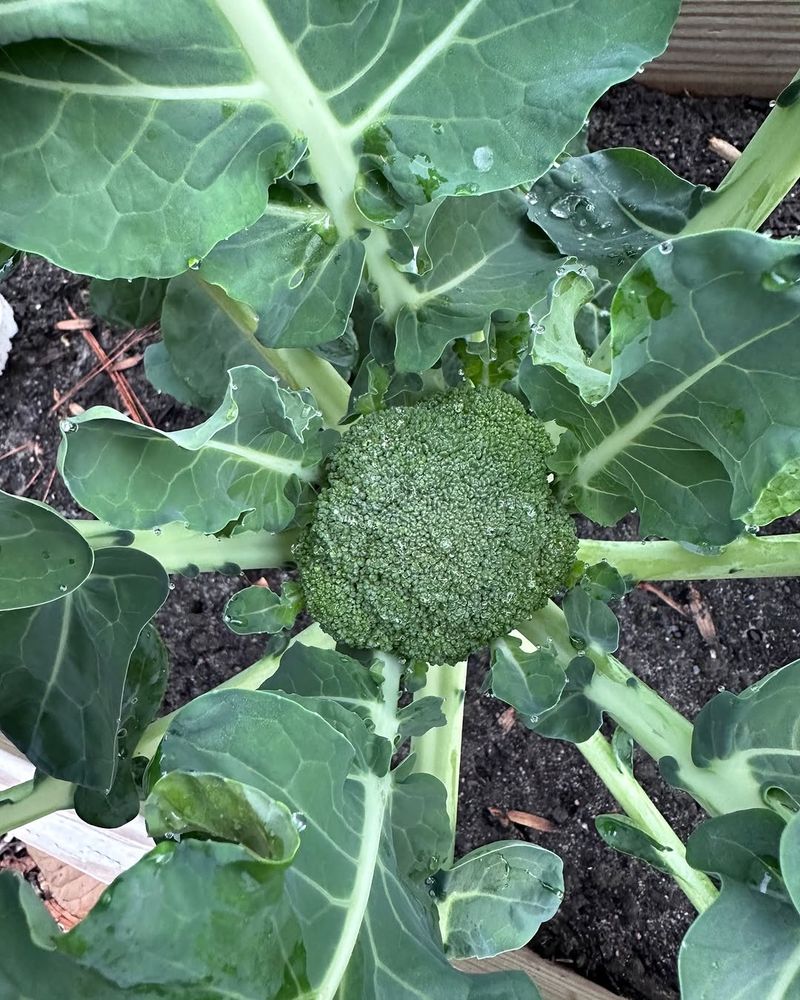
Few vegetables reward patient gardeners quite like broccoli does. Seed it in early August and the plants have enough time to build strong roots before the heat fades.
Broccoli needs around 60 to 80 days to reach harvest depending on the variety. Starting seeds indoors around the first week of August and transplanting in late August or early September tends to work well in the Southeast.
Consistent moisture matters most during head formation. Uneven watering can cause the heads to open up too fast, which reduces quality.
Raised beds with well-draining, fertile soil give broccoli a strong start.
Work in compost before planting to boost nutrient levels without overloading the soil with nitrogen.
Caterpillars from cabbage white butterflies can damage young plants quickly.
Row cover fabric placed over transplants right after planting helps block egg-laying before the problem gets established.
Side-dress with a balanced fertilizer about three weeks after transplanting. Broccoli is a heavy feeder and benefits from that extra push during active growth.
Harvest the main head before the yellow flower buds begin to open. After cutting the center head, smaller side shoots often continue producing for several more weeks.
2. Cabbage Fills Out Before Hard Frosts
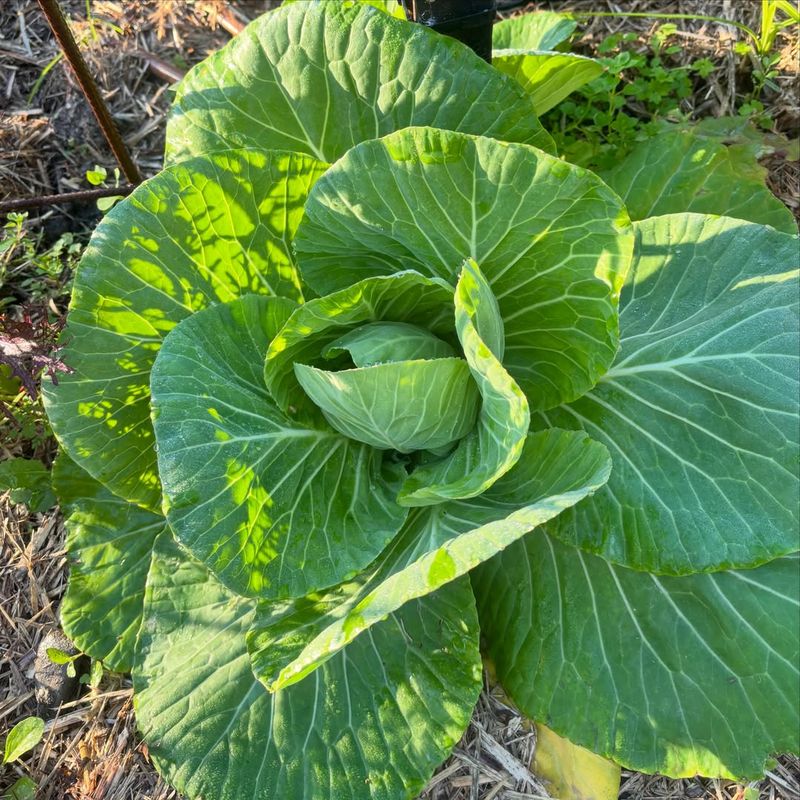
Cabbage is one of those vegetables that actually gets better as the weather cools down. A light frost can improve flavor by converting some of the plant’s starches into sugars.
August seeding gives cabbage enough time to reach full size before hard freezes arrive in late fall.
Varieties like ‘Stonehead’ and ‘Savoy Express’ tend to perform well in the Southeast due to their shorter days-to-maturity.
Start seeds about six weeks before your planned transplant date. Young cabbage seedlings prefer to go into the ground when overnight temperatures start dropping into the low 70s.
Spacing matters more than most gardeners expect. Tight spacing produces smaller heads, while 18 inches between plants generally allows for full, dense heads.
Cabbage worms and aphids are the two most common pest problems.
Checking the undersides of leaves weekly and removing pests by hand can keep populations manageable without sprays.
Avoid planting cabbage in the same bed where you grew other brassicas the previous season. Rotating crops reduces the buildup of soil-borne issues that target this plant family.
Heads are ready to harvest when they feel firm and solid when you press on them. Cut at the base and leave the outer leaves on until you are ready to use it.
Your Georgia Garden Changes Every Week. Your Plan Should Too.
Gardening in Georgia changes quickly throughout the season. Every Friday you’ll receive a simple weekly plan showing exactly what to plant, prune, fertilize, harvest, and protect so you never miss the right timing.
3. Cauliflower Benefits From August Sowing
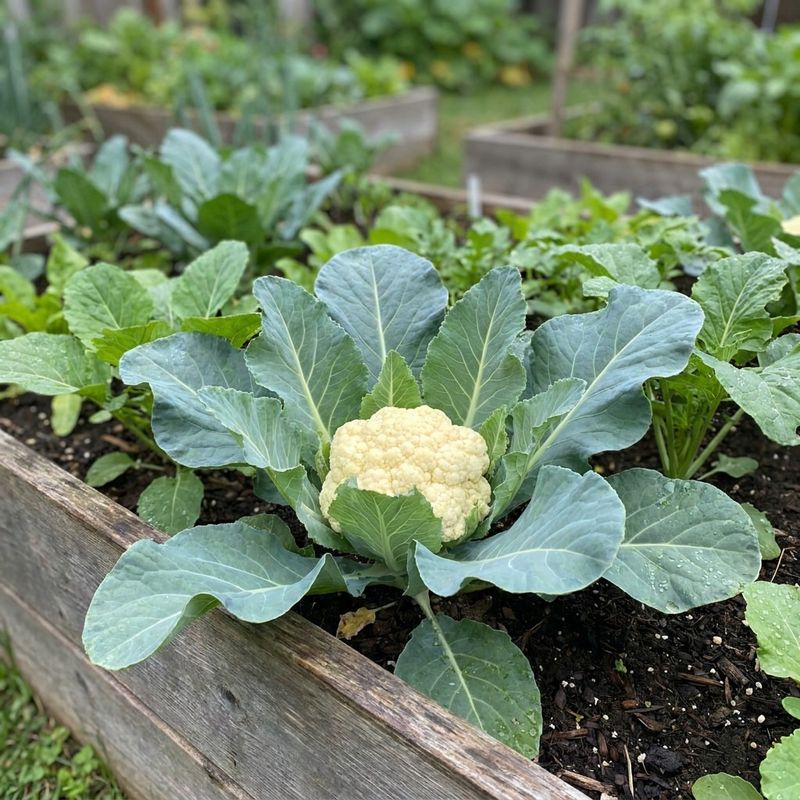
Cauliflower has a reputation for being tricky, but August timing removes a lot of that guesswork. Seeding in August lines up the most sensitive growth stages with cooler fall weather.
Hot temperatures during head formation cause loose, discolored curds.
Getting plants established before the heat fades and letting them mature in October and November sidesteps that problem.
Varieties like ‘Snowball Y’ and ‘Amazing’ are reliable choices for fall growing in the South.
Check the seed packet for days to maturity and count backward from your expected first frost date.
Cauliflower is a heavy feeder. Soil should be amended with compost and a balanced fertilizer before transplanting, and a side-dressing of nitrogen about three weeks after transplanting supports steady growth.
Blanching the heads is worth the effort. When curds reach about two inches wide, gather the outer leaves and loosely tie them over the head to protect it from sunlight and keep it white.
Water deeply and consistently rather than with frequent shallow watering. Cauliflower roots go fairly deep and benefit more from thorough watering every few days than from light daily sprinkles.
Harvest when the curd is compact and solid, before segments start to separate. Once the head begins to loosen, quality drops fairly quickly.
4. Kale Handles Early Frosts With Ease
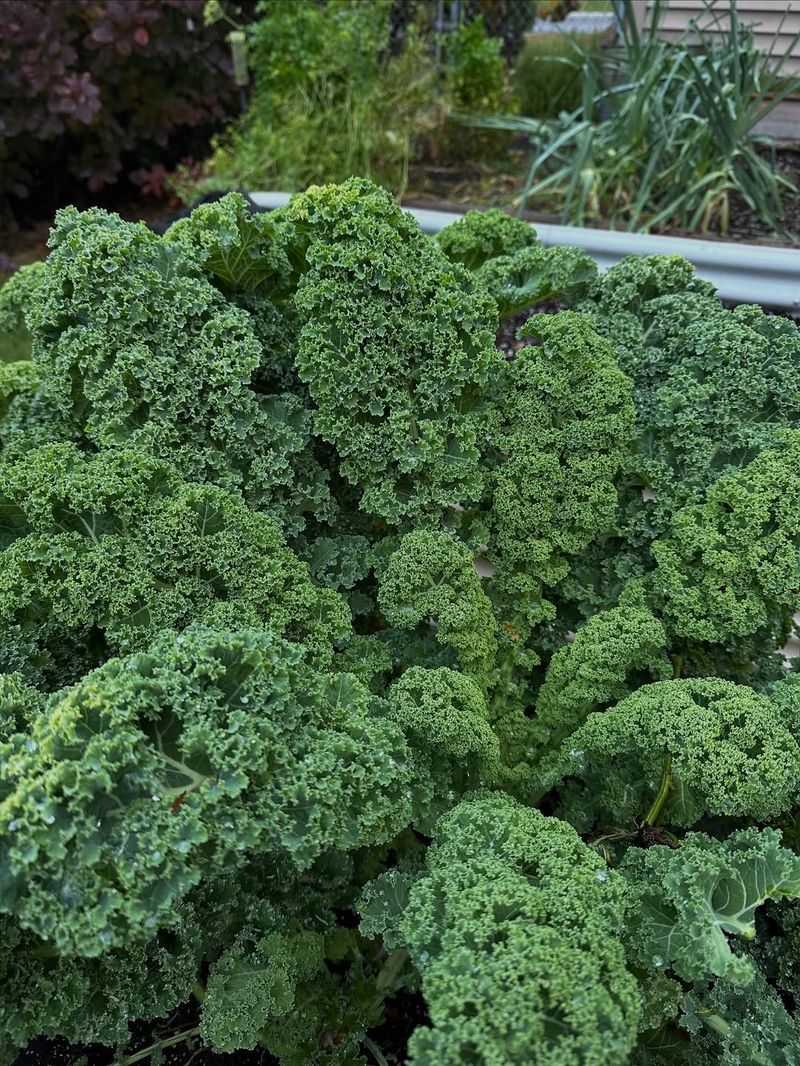
Kale might be the most forgiving fall crop you can grow. Cold snaps that would damage other crops actually make kale taste noticeably better.
Frost triggers the plant to convert starches into sugars, which softens bitterness and adds a slightly sweet flavor to the leaves. Gardeners in cooler parts of Georgia often find late-fall kale far more flavorful than what they grew in spring.
Seed directly into garden beds in early to mid-August. Kale germinates quickly in warm soil and can be thinned to about 12 inches apart once seedlings reach a few inches tall.
Varieties like ‘Lacinato’ (also called Dinosaur kale) and ‘Red Russian’ tend to do well in the South. Both hold up well through repeated harvests and mild winters.
Aphid colonies sometimes build up on fall kale, especially on the undersides of lower leaves. Knocking them off with a firm water spray usually keeps them in check without more aggressive treatment.
Harvest outer leaves first and leave the central growing tip intact. Kale will keep producing new leaves from the center for months if managed this way.
Mulching around the base of plants helps retain moisture and keeps roots insulated as temperatures drop further into fall and winter.
5. Collard Greens Taste Sweeter After Frost
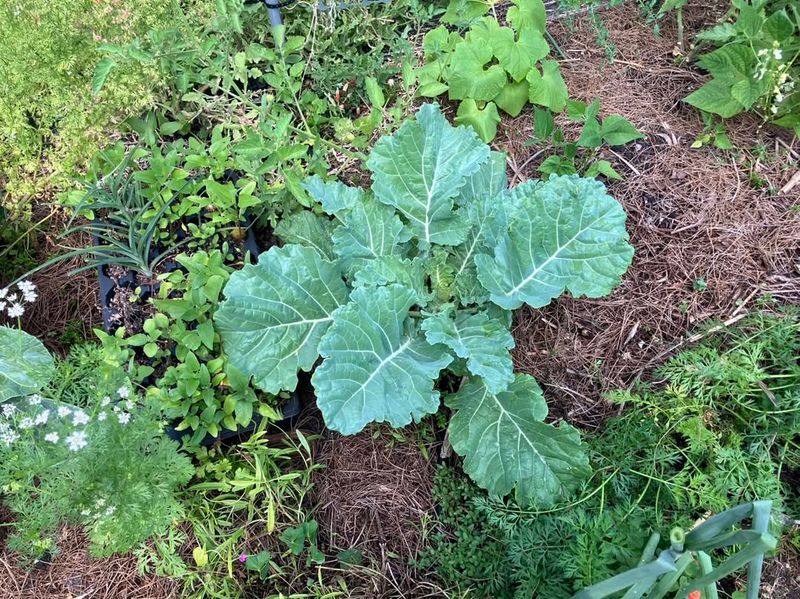
Collard greens are a staple in Southern gardens for good reason. Few crops are as dependable, as productive, or as well-suited to the Southeast’s unpredictable fall weather.
Seeding in August gives plants time to grow large, sturdy leaves before the first frost. Once cold weather arrives, the flavor shifts noticeably toward sweeter and more tender, which is exactly what most cooks prefer.
Direct seeding works fine in prepared beds. Sow seeds about a quarter inch deep and thin seedlings to 18 inches apart once they reach four to five inches tall.
Collards are not particularly fussy about soil, but they do respond well to added compost and consistent moisture. Dry spells can cause leaf texture to turn tough and bitter.
Harlequin bugs and aphids are the most common pest problems in fall. Checking plants every few days and removing pests manually tends to be enough for small gardens.
Harvest by removing individual outer leaves, starting from the bottom of the plant. Leaving the central growing point intact allows the plant to continue producing through winter in many parts of the state.
Collards can tolerate temperatures well below freezing, often surviving through January and February without much protection in mild winters.
6. Carrots Develop Richer Flavor In Autumn
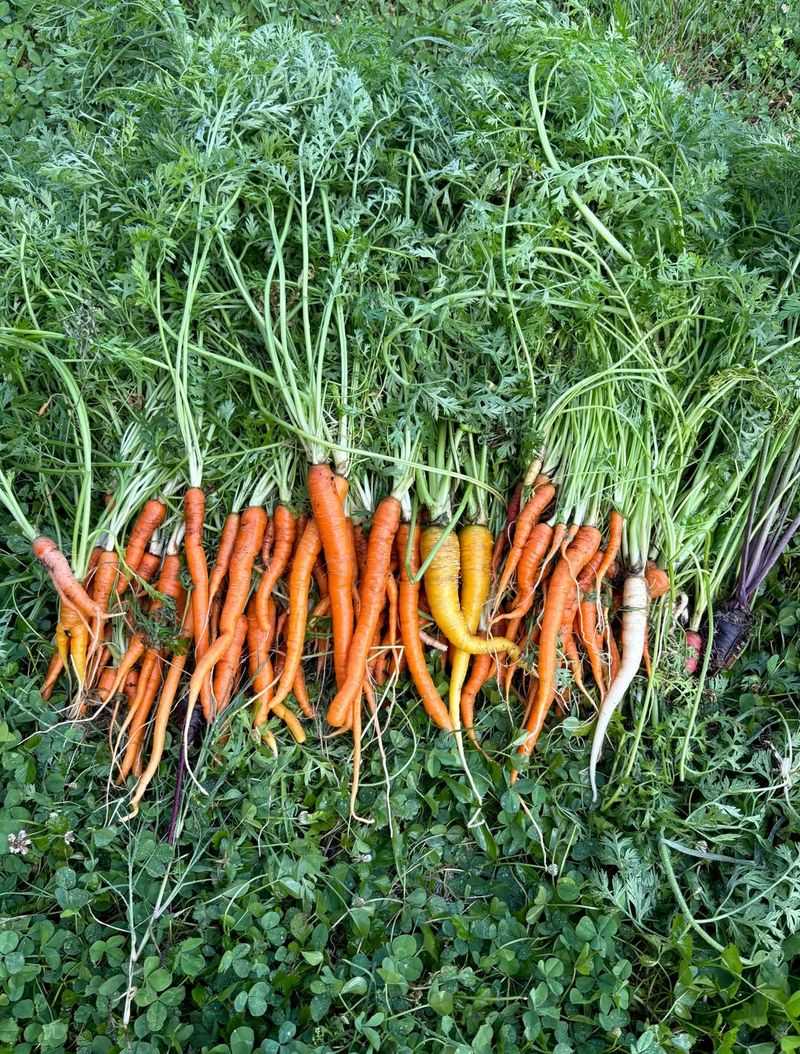
Carrots grown in fall often taste noticeably sweeter than spring-grown ones. Cool soil temperatures slow the plant’s growth slightly, and that slower pace allows sugars to concentrate in the roots.
Seed carrots directly in the garden in early to mid-August. Transplanting does not work for carrots since disturbing the taproot causes forking and misshapen roots.
Soil preparation is critical. Carrots need loose, deep, rock-free soil to form straight roots.
Compacted or rocky ground causes them to fork, twist, or stunt.
Raised beds filled with a mix of compost and sandy loam work well. Avoid adding fresh manure, which can cause excessive foliage and poor root development.
Germination can be slow in warm August soil. Keeping the seed bed consistently moist during germination is important since carrot seeds dry out quickly in hot weather.
Thin seedlings to about two to three inches apart once they reach a couple of inches tall. Crowded carrots push against each other and produce small, misshapen roots.
Varieties like ‘Nantes’ and ‘Danvers 126’ tend to perform reliably in Southern fall gardens. Both produce solid, flavorful roots and handle variable soil conditions reasonably well.
Harvest begins around 70 to 80 days after seeding, depending on the variety and growing conditions.
7. Beets Yield Both Roots And Greens
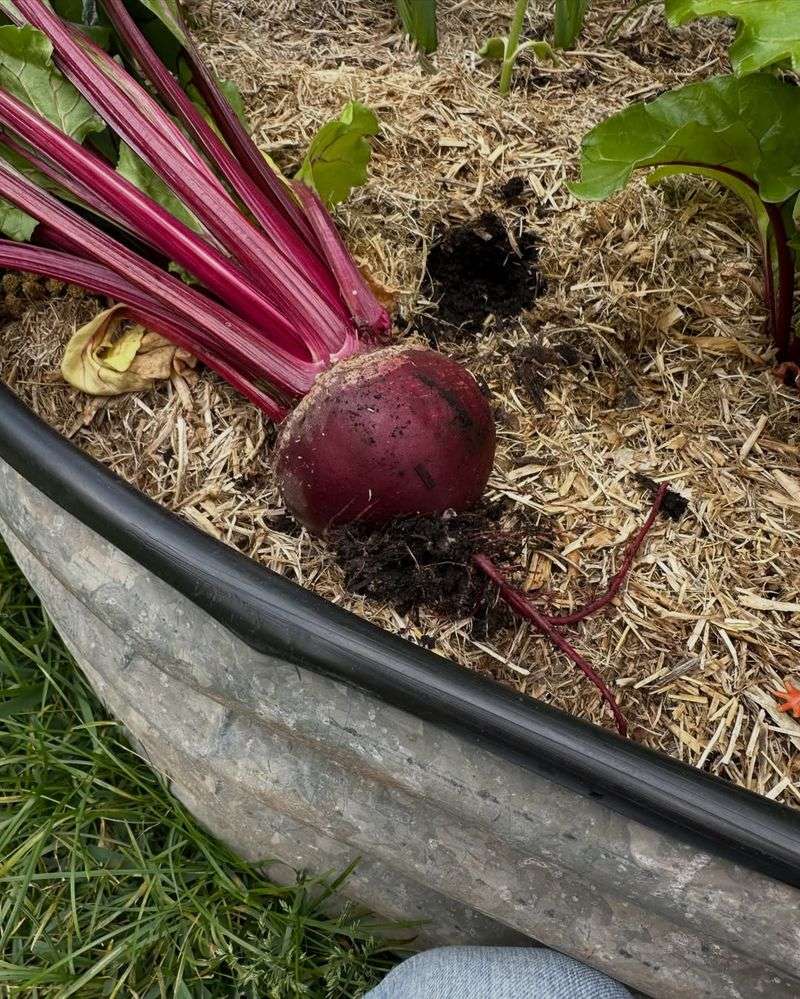
Beets give you two crops in one planting. The roots are the obvious harvest, but the leafy tops are just as edible and nutritious, making beets one of the most efficient fall crops available.
Seed beets directly into the garden in mid-August. Each beet seed is actually a cluster of two to four seeds, so thinning is almost always necessary once seedlings emerge.
Thin to about four inches between plants once seedlings reach two inches tall. Overcrowding prevents root development and leaves you with a lot of tops but very small roots.
Beets prefer a slightly alkaline soil pH, somewhere around 6.5 to 7.0. Adding a small amount of lime to acidic soil before planting can improve root shape and overall growth.
Consistent moisture throughout the season produces smooth, round roots. Dry spells followed by heavy watering can cause roots to crack or develop a tough texture.
Varieties like ‘Detroit Dark Red’ and ‘Chioggia’ are well-suited to fall growing in the South. ‘Chioggia’ is especially interesting for its distinctive red and white striped interior.
Harvest roots when they reach about two to three inches in diameter. Leaving them in the ground too long can make them woody and less flavorful.
8. Turnips Reach Harvest Size Quickly
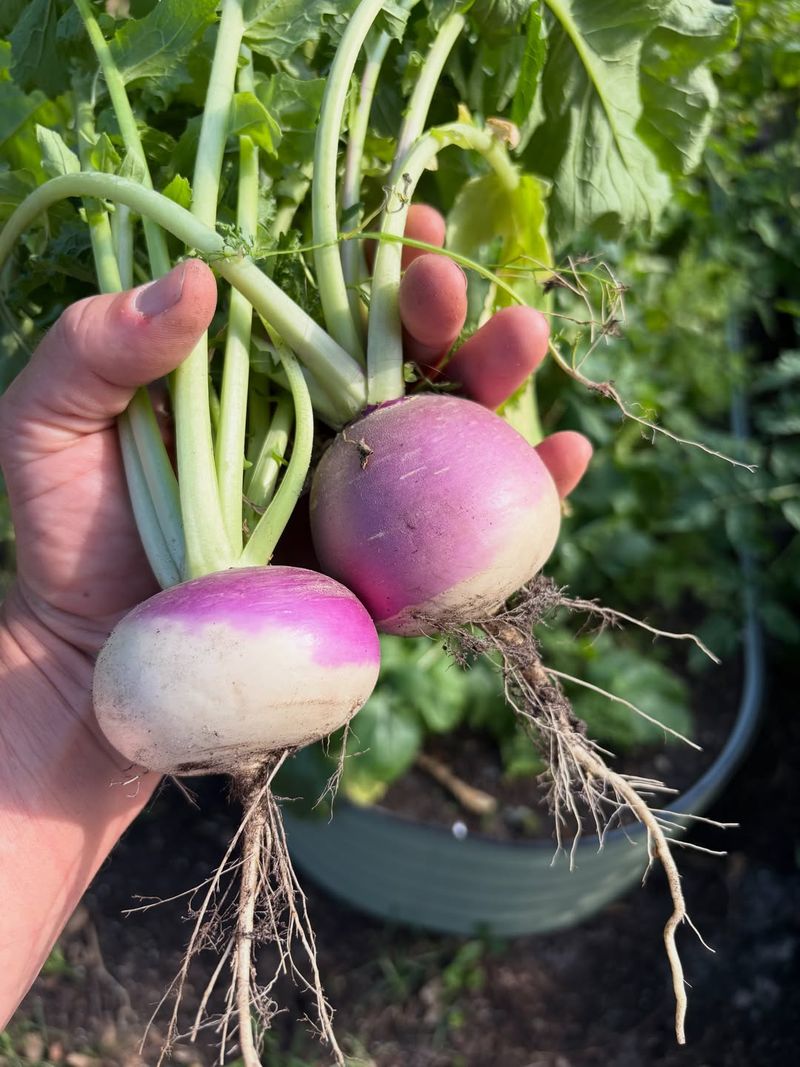
Turnips are one of the fastest fall crops you can grow. Many varieties go from seed to harvest in as little as 45 to 60 days, which makes them a solid choice for late August planting.
Direct seed turnips into prepared beds in mid to late August. Scatter seeds thinly and cover with about a quarter inch of soil, then water gently to avoid washing seeds around.
Thin seedlings to about four to six inches apart once they reach a few inches tall. Crowded plants produce more greens but smaller, less developed roots.
Like beets, turnips offer a two-for-one harvest. The greens are edible and flavorful, especially after a light frost softens them.
Many Southern cooks prize the greens as much as the roots.
Turnips are not heavy feeders, but they do benefit from loose, well-prepared soil. Rocky or compacted ground causes misshapen roots that are harder to clean and cook.
Flea beetles can be a problem early in the season when plants are young. Row cover placed over freshly seeded beds helps protect seedlings during their most vulnerable stage.
Harvest roots when they reach two to three inches across. Leaving them in the ground past that point can result in a pithy, less pleasant texture.
9. Radishes Fit Between Larger Crops
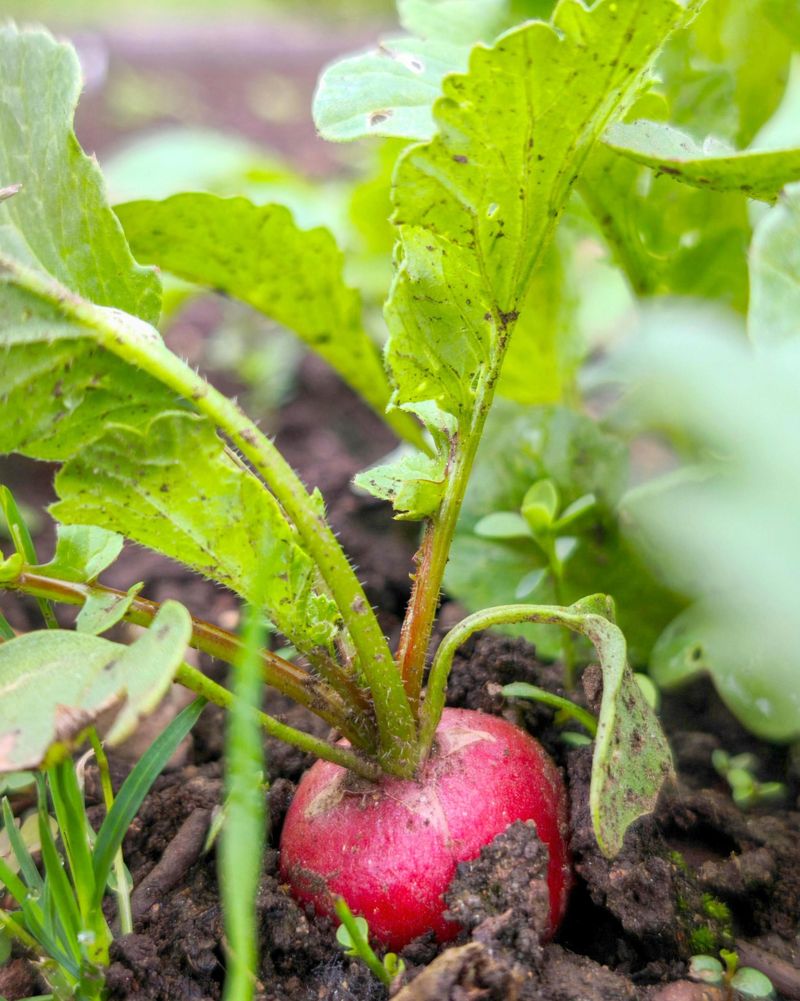
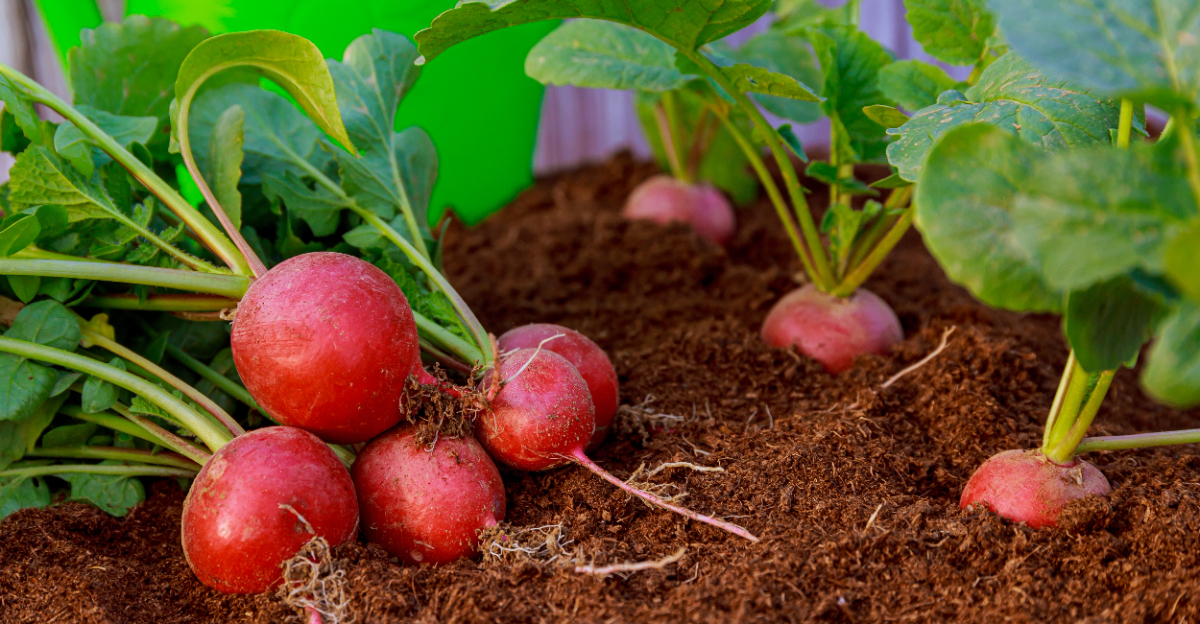
Radishes are the perfect crop to tuck into empty spaces between slower-growing vegetables. They mature so quickly that they are out of the ground before larger neighbors need the room.
Most spring radish varieties mature in 25 to 30 days. Daikon and other winter types take longer, around 60 days, but they produce much larger roots and store well.
Sow radishes directly in the garden from mid-August onward. They germinate in just a few days in warm soil and need very little preparation beyond loosening the top few inches.
Radishes planted in August heat sometimes bolt quickly or develop a sharp, pungent flavor. Waiting until the last week of August or seeding in a spot with afternoon shade can reduce that problem.
Consistent moisture keeps radish roots smooth and mild. Irregular watering leads to cracked, pithy roots that lose much of their appeal at the table.
Spacing seeds about two inches apart prevents crowding, which is one of the most common reasons home gardeners end up with lots of tops and almost no root development.
Radishes work well as row markers too. Sow them alongside slow-germinating crops like carrots to mark rows clearly while the main crop is still emerging.
10. Loose Leaf Lettuce Regrows After Cutting
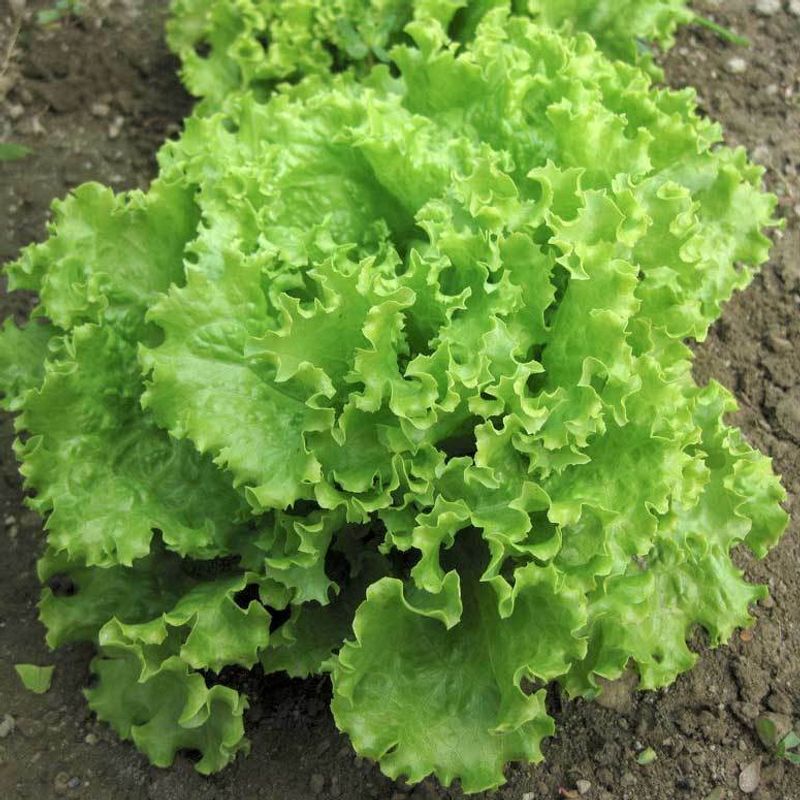
Loose leaf lettuce is one of the most rewarding fall crops for home gardeners. Cut it once, and it grows right back, giving you multiple harvests from a single planting.
August is a good time to start lettuce seeds in Georgia, though the first few weeks of heat can slow germination. Starting seeds in a shaded spot or indoors under a light helps get seedlings off to a stronger start.
Transplant seedlings into the garden once overnight temperatures start dropping into the mid-70s. Lettuce prefers cooler conditions and tends to bolt in persistent heat above 80 degrees.
Varieties like ‘Black Seeded Simpson,’ ‘Oak Leaf,’ and ‘Salad Bowl’ are reliable performers for fall. They hold up well through light frosts and continue producing well into November in many parts of the state.
Harvest outer leaves when they reach about four to six inches long. Leave the center of the plant intact and it will send out new growth within a week or two.
Spacing plants about eight inches apart in raised beds gives each plant room to spread without competing too aggressively for nutrients and light.
A light layer of mulch around the base helps retain moisture and keeps soil temperatures stable as weather shifts through fall.