Georgia Gardeners Should Wait Until Fall To Divide These Perennials
August is not the time to divide every perennial in your garden yet. Some plants recover much better after cooler fall weather finally arrives instead first.
Splitting them too soon can create extra stress during lingering summer heat conditions. Waiting takes more patience but often rewards you with stronger, healthier growth later.
Georgia gardeners often mean well by dividing plants before autumn arrives anyway. Unfortunately, good intentions cannot protect weakened roots from harsh summer conditions.
Give your favorite perennials a little more time before reaching for the shovel. They will have a better chance to recover once cooler weather returns.
Knowing which plants should wait can save disappointment and unnecessary work later.
Your garden will reward patience with stronger blooms, healthier roots, and better growth next spring.
1. Peonies Benefit From Division After Summer Ends
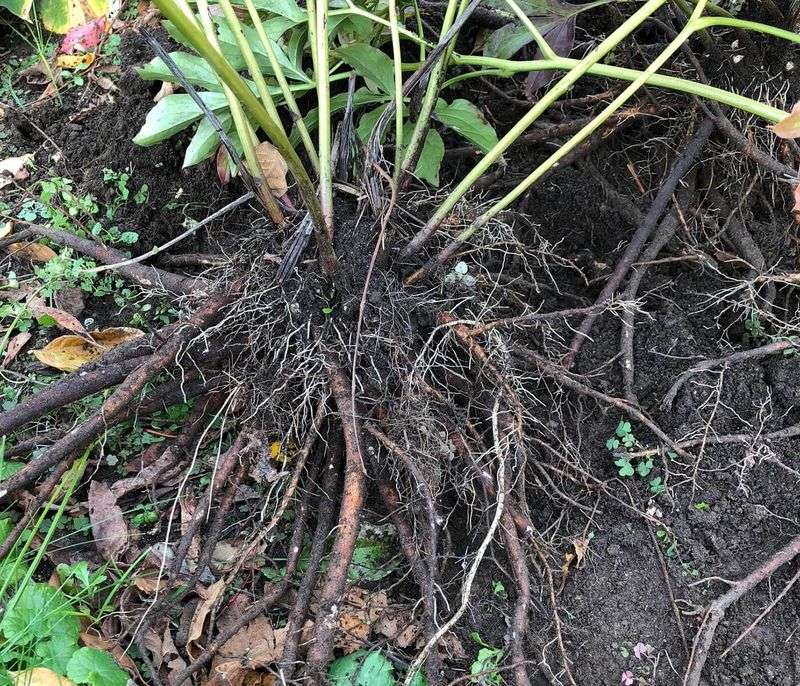
Peonies are patient plants, but they reward gardeners who respect their timing. Splitting them during summer heat puts serious strain on the roots before they can recover.
Fall is when peonies naturally begin pulling energy back into their root systems. Cooler soil temperatures, usually arriving in September or October in Georgia, give divided clumps a real chance to anchor before the ground hardens in winter.
When dividing, dig wide around the clump to avoid snapping the thick, fleshy roots. Each division should have at least three to five visible growth buds, sometimes called eyes, pointing upward near the crown.
Replant divisions no deeper than one to two inches below the soil surface. Planting too deep is one of the most common reasons peonies fail to bloom the following spring.
Water the new divisions thoroughly after planting. Consistent moisture during the first few weeks helps roots establish without the added pressure of summer drought.
Expect minimal blooms the first season after dividing. Peonies typically need a full year to recover and redirect their energy toward flowering.
Patience pays off with these long-lived perennials.
They often bloom more heavily after they have had time to recover from division. Giving them the right start in fall helps them stay productive for many years.
Many peonies can thrive in the same location for decades when divided only as needed and planted at the proper depth.
2. Bearded Iris Recover Faster In Cool Autumn Soil
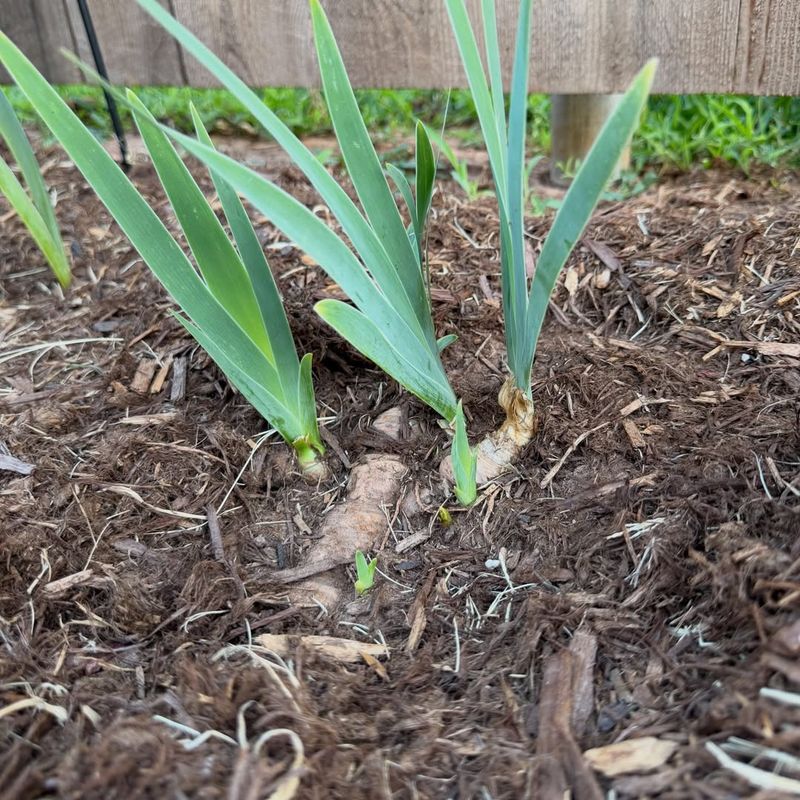
Bearded iris divisions left in the ground too long tend to crowd out, and crowded rhizomes bloom poorly. Late summer into early fall is actually the sweet spot for tackling this job.
Aim to divide bearded iris about four to six weeks before your first expected frost. In most parts of Georgia, that window often falls between late August and mid-October, depending on your location.
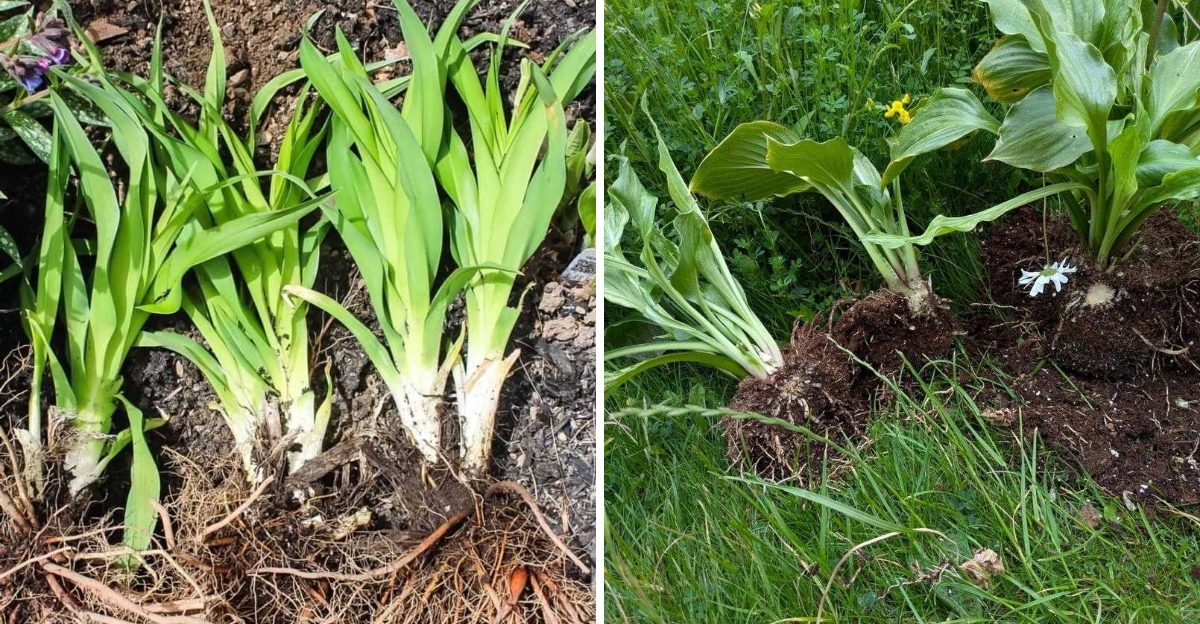
Lift the entire clump with a garden fork, then shake off loose soil. You will likely find a tangle of old, soft rhizomes in the center and firm, healthy ones along the outer edges.
Discard any rhizomes that feel mushy or hollow. Keep only the firm, plump sections with healthy fan-shaped leaf growth attached.
Trim the leaves down to about four to six inches to reduce moisture loss.
Your Georgia Garden Changes Every Week. Your Plan Should Too.
Gardening in Georgia changes quickly throughout the season. Every Friday you’ll receive a simple weekly plan showing exactly what to plant, prune, fertilize, harvest, and protect so you never miss the right timing.
Replant the healthy sections with the top of the rhizome sitting just at or slightly above the soil surface. Iris rhizomes need sunlight to stay healthy, so resist the urge to bury them deep.
Water in well after planting, then ease back on watering once roots take hold. Overwatering newly planted iris can soften rhizomes before they establish.
Healthy rhizomes usually produce stronger flower stalks the following spring. Dividing every few years also helps reduce overcrowding before it affects blooming.
3. Garden Phlox Reestablishes More Easily In Cooler Weather
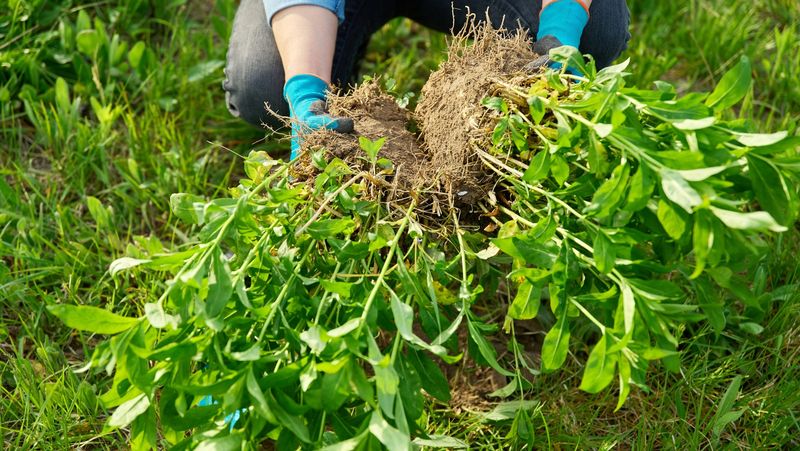
Garden phlox can spread quickly, and after a few seasons, the center of an established clump often starts to look thin and weak. Dividing in fall helps reset the plant before the next growing season begins.
Splitting phlox during summer heat, when it is actively blooming or just finishing up, puts stress on the plant right when it needs energy most. Waiting until temperatures drop gives roots a much calmer environment to settle into.
Cut the clump into sections using a clean, sharp spade. Each division should include healthy outer stems with intact roots.
Avoid saving the woody, unproductive center sections.
Phlox is prone to powdery mildew, especially in humid climates. Spacing divisions further apart than you think necessary improves airflow and can reduce mildew pressure going forward.
Replant at the same depth the original plant was growing. Planting too shallow can expose roots to temperature swings, while planting too deep may cause stem rot near the crown.
Water new divisions regularly for the first three to four weeks. Once roots are established, phlox is reasonably drought-tolerant, but consistent moisture during the establishment period makes a noticeable difference in spring growth.
Well-spaced divisions usually develop sturdier stems and produce more consistent flowering over the following seasons. Giving each plant extra room also makes routine care much easier.
4. Bleeding Heart Divides Best After Going Dormant
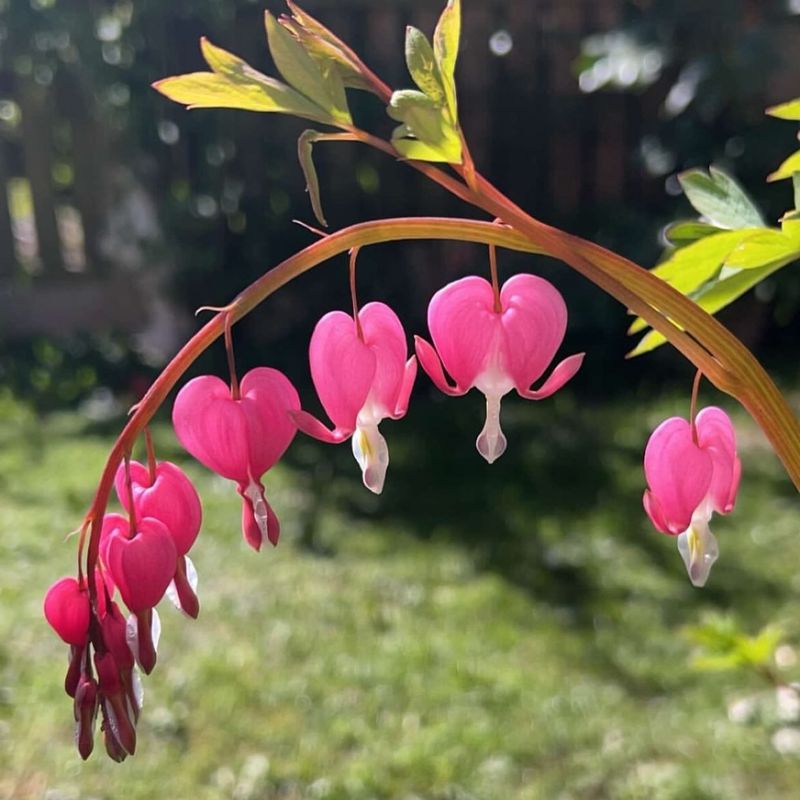
Bleeding heart has a quirky habit that surprises newer gardeners. It goes dormant in summer, especially in warmer climates, and essentially disappears above ground until cooler weather returns.
Dividing it while it is dormant or just beginning to re-emerge in fall is actually ideal. Roots are less stressed, and the plant is not trying to support active leaf or flower growth at the same time.
Mark where your bleeding heart is growing before it goes dormant in summer. Without a marker, locating the root mass in fall becomes a guessing game that often ends with an accidental cut through the roots.
Dig carefully, as the roots are fragile and somewhat brittle. Use your hands to separate root sections rather than forcing them apart with tools when possible.
Each division should have at least one healthy growth point attached.
Plant divisions in a spot with morning sun and afternoon shade. Bleeding heart prefers consistently moist, well-draining soil and does not perform well in heavy clay without amendment.
Water new divisions well and mulch lightly to protect roots from sudden cold snaps. Spring emergence may be slower the first year after dividing, but plants typically bounce back with stronger growth by the second season.
Resisting the urge to disturb it during summer gives the roots a much better chance to recover. The reward is healthier growth when the plant returns the following season.
5. Coral Bells Grow New Roots Before Winter
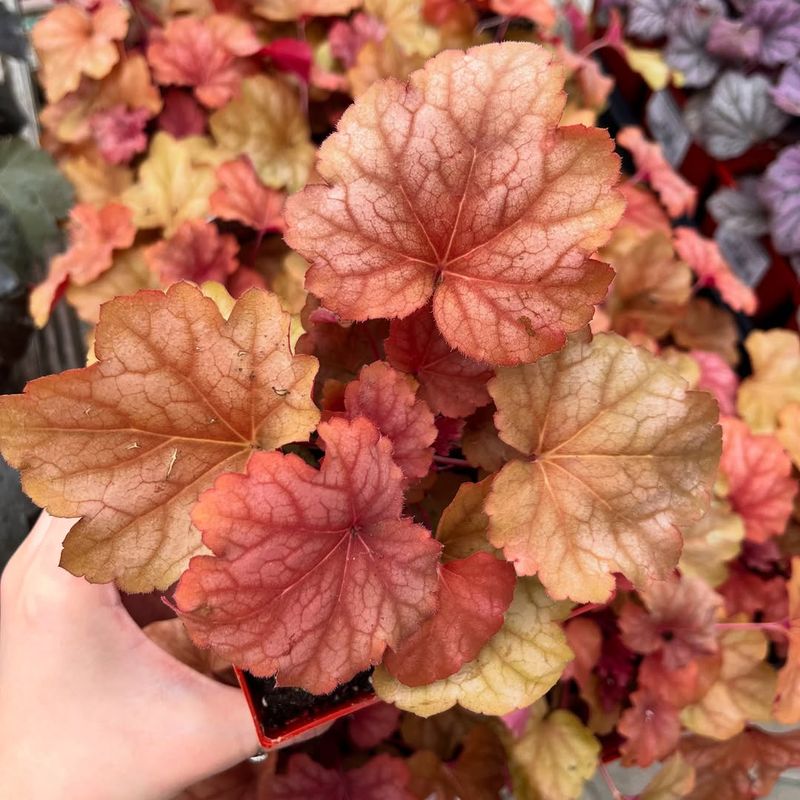
Coral bells are one of those plants that quietly outgrow their space without making a fuss about it. After three or four years, the crown often heaves out of the soil, and the plant starts to look leggy and uneven.
Fall division gives coral bells enough time to push new roots into the soil before cold weather arrives. In Georgia, the mild fall season often stretches well into November, giving divided plants several weeks of solid growing conditions.
Lift the entire plant and brush away loose soil from the crown. You will likely find a woody central stem with smaller offsets growing around the base.
These offsets are what you want to save and replant.
Use a clean knife to separate offsets from the main crown. Each offset should have roots attached and at least a few healthy leaves.
Discard any sections that feel hollow or look damaged.
Replant at the same depth the original plant was growing, keeping the crown just at or slightly above the soil surface. Burying the crown too deep can cause rot, especially in heavier soils.
Water in well and add a light layer of mulch to protect roots from freezing temperatures. Coral bells are relatively cold-hardy once established, but newly divided plants benefit from a little extra protection their first winter.
Healthy offsets often establish surprisingly quickly during mild fall weather. They will be better prepared to produce fresh foliage when spring arrives.
6. Daylilies Bloom More Reliably After Fall Division
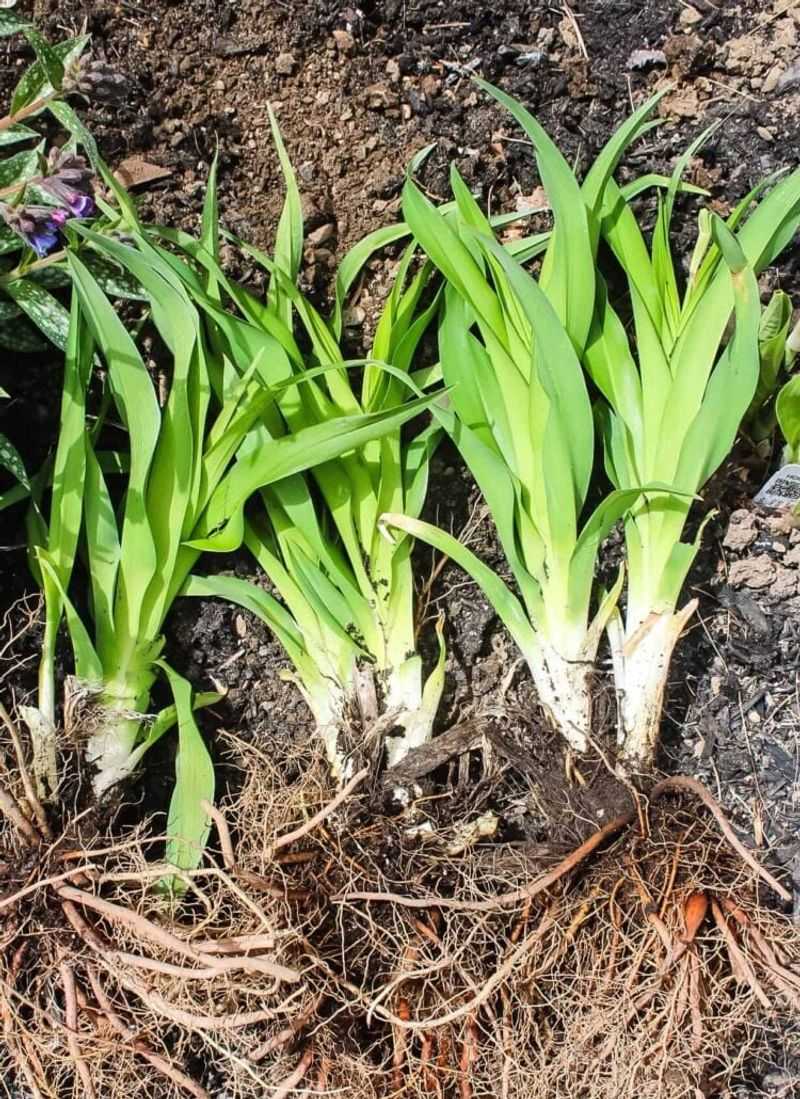
Few perennials are as forgiving as daylilies, but even they hit a wall when overcrowded. Clumps that have been in the ground for four or five years often start producing fewer blooms and more foliage.
Fall division gives daylilies a chance to settle roots into cooler, more workable soil before winter.
Splitting them in the brutal heat of a Southern summer stresses the roots and reduces the chance of a strong bloom the next season.
Use a sharp spade to cut straight down around the outer edge of the clump. Lift the entire mass and set it on flat ground where you can work through it easily.
Pull or cut the clump into smaller sections, each containing several fans of leaves and a solid root base. Smaller divisions with three to five fans tend to establish faster than very large chunks.
Trim the foliage back to about six to eight inches before replanting. This reduces the workload on the roots while they settle into their new spot.
Space new divisions about eighteen to twenty-four inches apart to allow room for growth. Water consistently for the first few weeks, and expect a full bloom recovery within one to two seasons.
Freshly divided clumps also have more room to expand over the next few growing seasons. That extra space often leads to healthier foliage and better flowering.
7. Hellebores Settle In During Mild Fall Weather
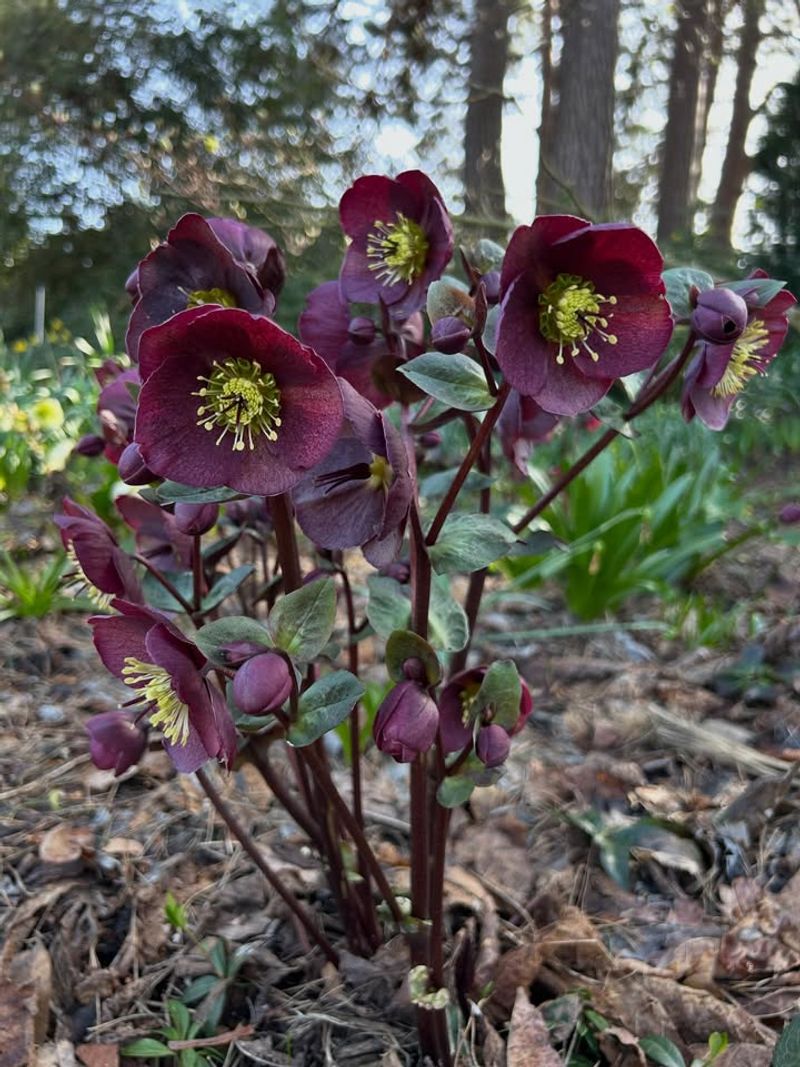
Hellebores are slow growers, so dividing them is not something you want to do often. When a clump does get large enough to split, timing matters more than it does with faster-growing perennials.
Fall is the right window. Hellebores begin actively growing in late summer and fall, so divisions made during this period have a real opportunity to push new roots before the ground cools significantly.
Dig around the entire clump with a garden fork, working slowly to avoid tearing the thick, fleshy roots. Hellebore roots are dense and can be difficult to separate cleanly without some patience.
Use a sharp knife or spade to divide the clump into sections. Each division needs a healthy crown with roots attached.
Aim for sections with at least two to three growth points for the best chance of strong recovery.
Hellebores prefer partial to full shade with consistently moist, well-draining soil. Planting in a spot that gets direct afternoon sun can stress newly divided plants more than they can handle in the first season.
Water thoroughly after planting and mulch the root zone to retain moisture. Expect slower growth the first year as the plant focuses on root establishment.
Bloom production often resumes more fully in the second season after dividing.
Avoid moving them again unless they truly need more space. Hellebores generally perform best when left undisturbed for many years after replanting.
8. Hostas Bounce Back After Summer Heat Eases
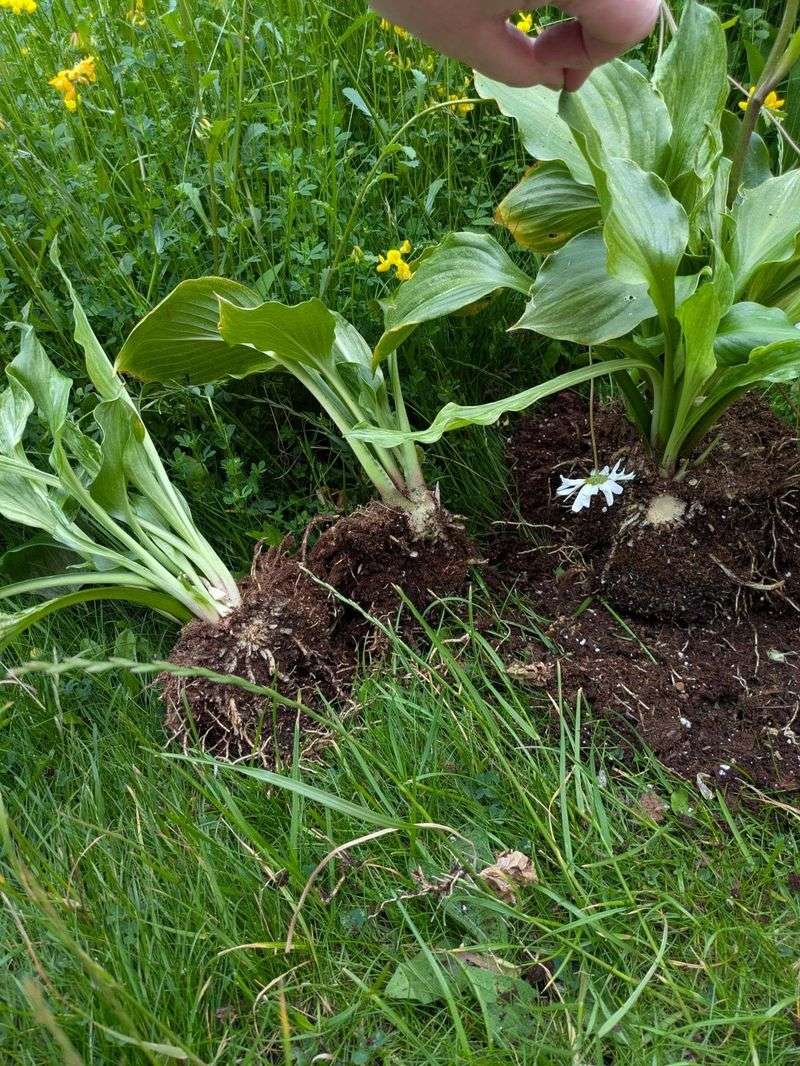
Hostas look tough, but splitting them during peak summer heat in the South can slow their recovery significantly. Waiting until temperatures drop into the seventies or lower makes the whole process easier on the plant.
By fall, hostas are winding down their active growth season. Dividing at this stage lets the plant redirect energy into root development rather than sustaining large leaves through heat and drought.
Cut straight down through the center of the clump with a sharp spade. Hostas have dense, tightly packed root systems, and a clean cut works better than trying to pull sections apart by hand.
Each division should have at least two to three crowns with roots intact. Smaller divisions with just one crown can establish successfully, but they take longer to fill in and look full.
Replant at the same depth as the original plant.
Setting divisions too shallow can expose the crown to frost heaving during winter cold snaps, which is worth avoiding in northern Georgia where temperatures drop more sharply.
Water well after planting and apply a two to three inch layer of mulch around the base.
Consistent moisture during the first few weeks gives roots the best start before the ground cools and growth slows for the season.
Leaves may look smaller during the first spring after dividing while the plant focuses on rebuilding its root system. By the following growing season, healthy clumps typically return to their usual size and vigor.