What Arizona Gardeners Should Do Before The Next 110 Degree Heatwave
Another stretch of dangerous heat is on the way, and your garden will feel it before you do.
Taking a few simple steps now can prevent bigger problems later.
Many plants struggle long before they show visible damage. By the time leaves begin wilting, they are already under stress.
Preparing your Arizona garden before temperatures climb gives plants a better chance to handle the extreme conditions. Small adjustments can have a lasting impact.
Watering routines, shade, and container placement all become more important during intense heat. Waiting until the hottest day arrives is often too late.
A little preparation now can protect weeks of healthy growth. It also helps reduce unnecessary stress on flowers, vegetables, shrubs, and young trees.
The right changes are simple to make. Acting before the heat arrives gives your garden the best chance to come through another scorching stretch in good shape.
1. Water Plants Before The Heatwave Arrives
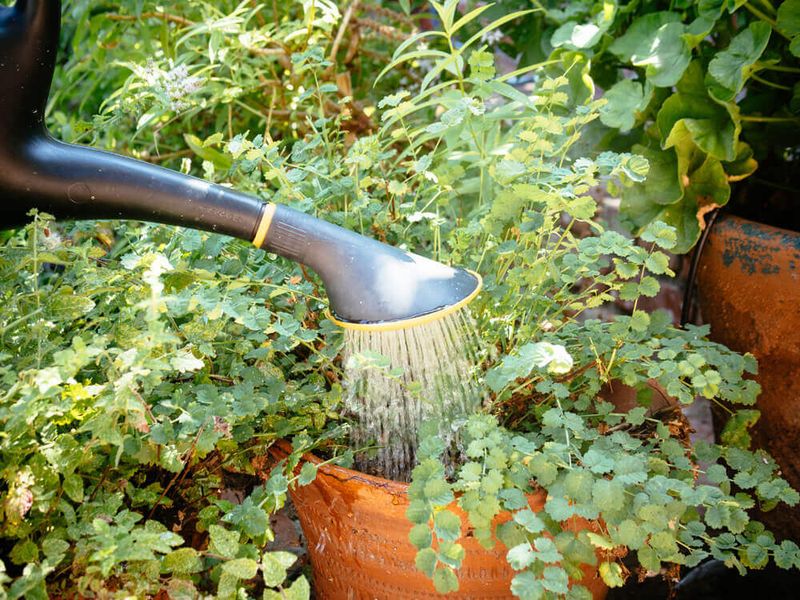
Watering right before a heatwave is one of the smartest moves a desert gardener can make. Soil that is already moist holds heat better than dry soil and gives roots a buffer during the worst part of the day.
Water deeply the evening before extreme heat is expected. Shallow watering only wets the top inch or two, which dries out fast when temperatures spike.
Deep watering pushes moisture down to the root zone, where plants actually need it.
Avoid watering in the middle of the day before or during a heatwave. Water sitting on leaves under intense sun can sometimes cause leaf scorch.
Morning or evening watering lets moisture soak in without quick evaporation.
Sandy desert soils drain fast, so adding water slowly helps absorption. A slow drip over a longer period works better than a quick flood that runs off.
Check soil moisture a few inches below the surface to confirm water reached the roots.
Established native plants may need less prep than newer plants or non-desert species. Younger plants have smaller root systems and dry out faster.
Give them extra attention before a heat event to help them get through it without serious stress.
2. Add Mulch Around Plants To Hold Moisture
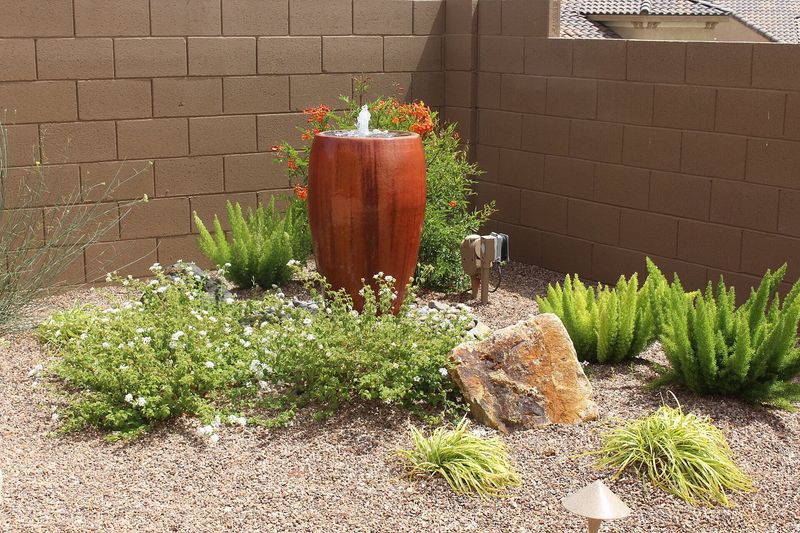
Bare soil bakes fast in extreme heat. A good layer of mulch acts like a blanket, slowing moisture loss and keeping soil temperatures from spiking too high too quickly.
Spread mulch about two to four inches deep around the base of your plants. Keep it a few inches away from the main stem or trunk to prevent moisture buildup against the plant, which can cause rot over time.
Wood chips, straw, and shredded bark all work well in desert gardens. Gravel mulch is common in Arizona landscapes and helps reflect heat, but organic mulch does a better job of retaining soil moisture and improving soil quality as it breaks down.
Mulching before a heatwave gives it time to settle and start working before temperatures climb. Putting it down the same day heat arrives is still helpful, but earlier is better.
Even a thin layer makes a noticeable difference compared to bare ground.
Your Arizona Garden Changes Every Week. Your Plan Should Too.
Gardening in Arizona changes quickly throughout the season. Every Friday you’ll receive a simple weekly plan showing exactly what to plant, prune, fertilize, harvest, and protect so you never miss the right timing.
Container plants benefit from mulch too. Adding a layer on top of the potting soil slows evaporation significantly.
Pots heat up faster than in-ground soil, so any help keeping moisture in is worth the effort before a major heat event rolls in.
3. Move Container Plants Away From Afternoon Sun
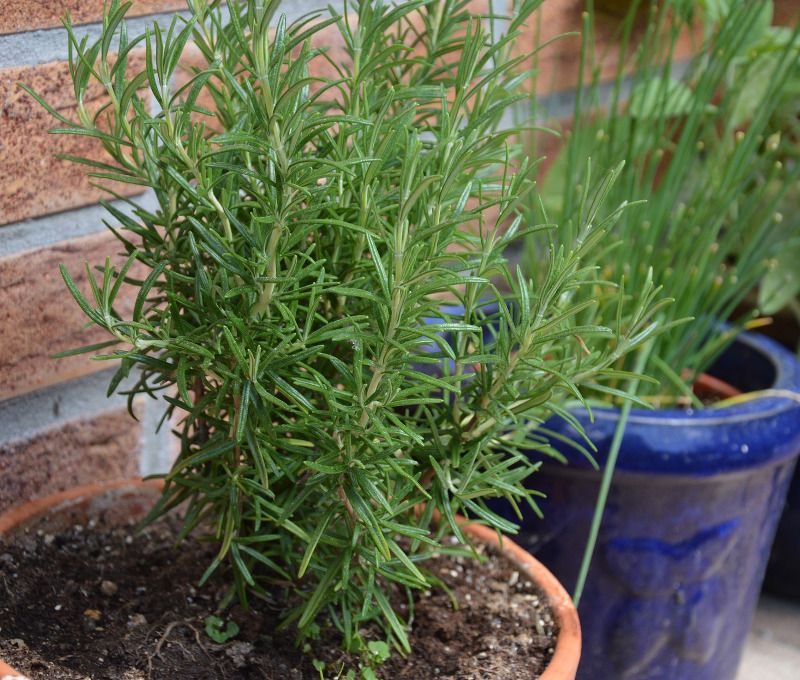
Pots heat up in a completely different way than garden beds. The walls of a container absorb heat directly, and that heat transfers straight into the root zone.
On a 110-degree day, a dark pot sitting in full sun can reach temperatures that seriously stress roots.
Moving containers to a shaded spot before a heatwave is one of the easiest protective steps you can take. Look for areas that get morning sun but are shaded by mid-afternoon.
East-facing walls, covered patios, and spots under shade trees work well.
Not every plant needs to move. Cacti and some succulents handle direct sun even in extreme heat, especially if they are acclimated to that spot.
Focus your energy on tropical plants, herbs, vegetables, and flowering annuals that are more sensitive to heat stress.
Lightweight pots are easier to reposition, which is worth thinking about when buying containers. Terracotta and ceramic pots look great but hold heat.
Light-colored plastic or fabric pots tend to stay cooler and are simpler to move when a forecast changes.
Check the forecast a day ahead so you have time to move things without rushing. Once a plant shows signs of heat stress, like wilting or browning edges, recovery takes longer than prevention.
Moving pots early keeps problems from starting in the first place.
4. Install Shade Cloth Over Heat-Sensitive Plants
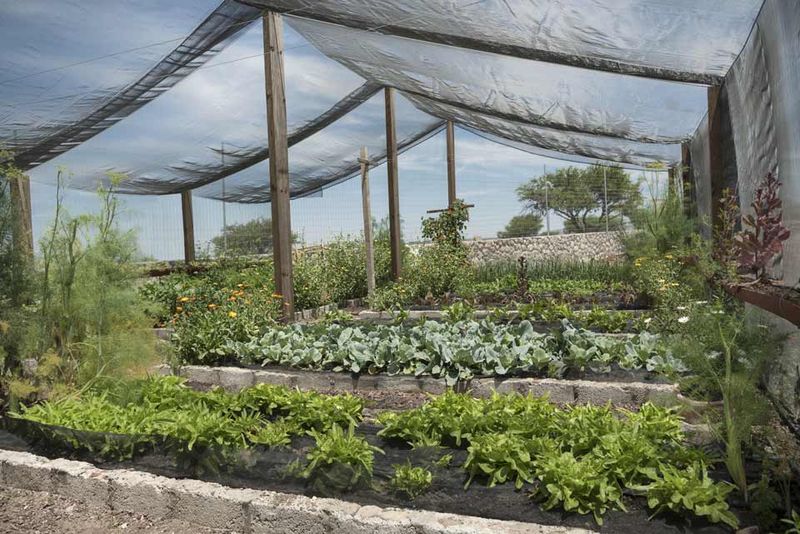
Full sun in the middle of an Arizona summer is intense even on average days. When a heatwave pushes temperatures past 110, plants that normally handle sun can start to shut down.
Shade cloth gives them a break without blocking air circulation.
A 30 to 50 percent shade cloth works well for most vegetables and flowering plants. It cuts the intensity of sunlight without making the space too dark for photosynthesis.
Shade cloth rated at 70 percent or higher is better for very sensitive plants like ferns or seedlings.
Set up the cloth before the heat arrives, not after. Installing it when temperatures are already extreme adds stress to both you and the plants.
Getting it in place a day early means your garden is protected from the first hot morning.
Use stakes, PVC pipe frames, or attach it to a fence or structure to keep the cloth elevated above the plants. Cloth lying directly on leaves can trap heat instead of reducing it.
Air needs to move between the cloth and the plant for the setup to work properly.
Shade cloth can be reused season after season if stored properly. Fold it loosely and keep it out of direct sun when not in use.
A small investment in quality cloth pays off over multiple heatwaves and protects plants you have spent months growing.
5. Avoid Heavy Pruning During Extreme Heat
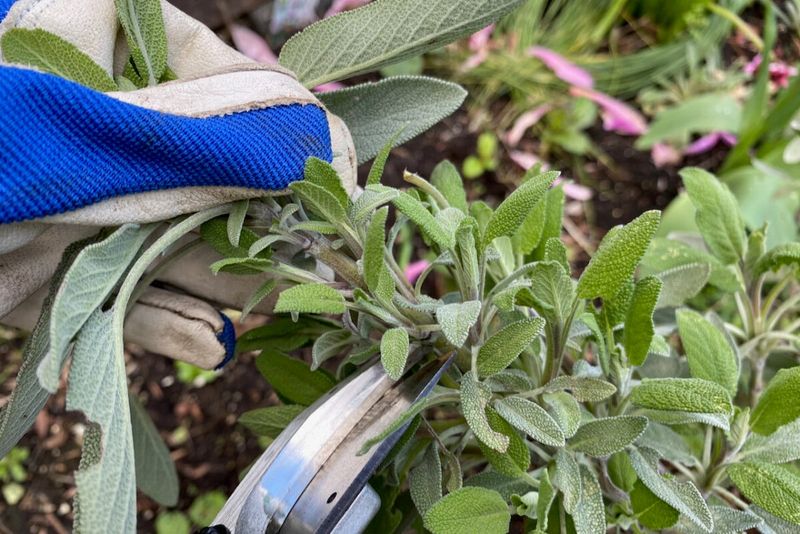
Pruning feels productive, but timing matters more than most gardeners realize. Cutting back plants right before or during a heatwave removes the very leaves that are shading stems and roots from direct sun.
Leaves do more than make food through photosynthesis. They create natural shade for the plant’s own structure.
Removing a large portion of that foliage right before 110-degree temperatures arrive exposes stems and trunks to intense radiant heat they were not facing before.
Light cleanup is fine. Removing obviously damaged leaves, spent blooms, or broken branches makes sense at any time.
Heavy structural pruning or cutting back a large percentage of the plant is what to avoid during peak summer heat in the desert.
Many desert plants go semi-dormant during extreme summer heat. Pruning during that period can disrupt their natural stress response.
Waiting until late summer or early fall, when temperatures begin to drop, gives plants time to recover before the next growing season.
If you are unsure whether a plant needs pruning, wait. A few extra weeks rarely causes problems, and the plant will be in a much better position to handle cuts once the worst heat has passed.
Patience here is genuinely the better gardening move.
6. Adjust Irrigation For Higher Water Needs
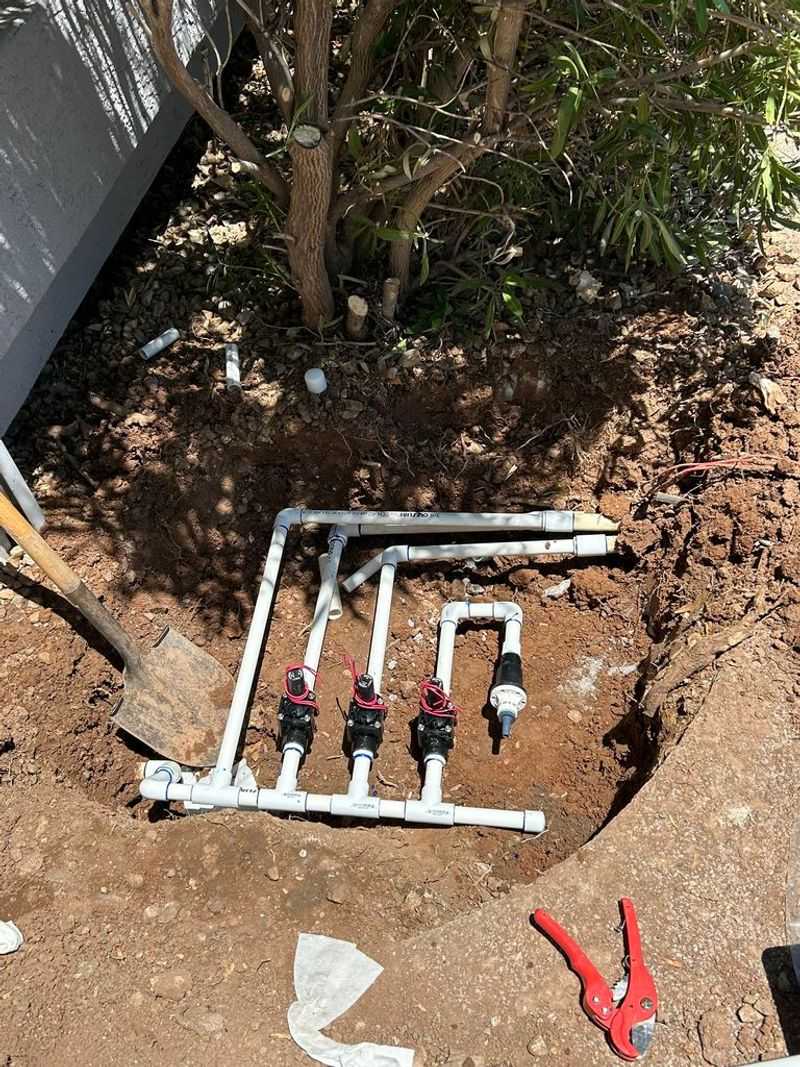
Your irrigation schedule that worked fine in May is not going to cut it in July. Evaporation rates jump significantly when temperatures exceed 110 degrees, and plants pull water faster when they are under heat stress.
Increase your watering frequency before the heatwave hits, not after plants start showing stress. Adding an extra watering cycle per week is a reasonable starting point for most desert landscapes.
Vegetable gardens and non-native plants may need even more frequent attention.
Drip irrigation is one of the most efficient options for desert gardening. Water goes directly to the root zone with minimal evaporation loss.
Overhead sprinklers during peak afternoon heat lose a significant portion of water before it even reaches the soil.
Run irrigation in the early morning hours when temperatures are lowest. Water pressure is also typically better early in the day.
Avoiding midday watering reduces evaporation and keeps water where it can actually be used by plant roots.
Check your system before summer peaks. Clogged emitters, cracked lines, and broken heads are common after a long season.
A quick inspection takes less than an hour and can prevent entire sections of your garden from going without water during the hottest stretch of the year. Fixing small issues early saves a lot of frustration later.
7. Remove Damaged Leaves After Heat Passes
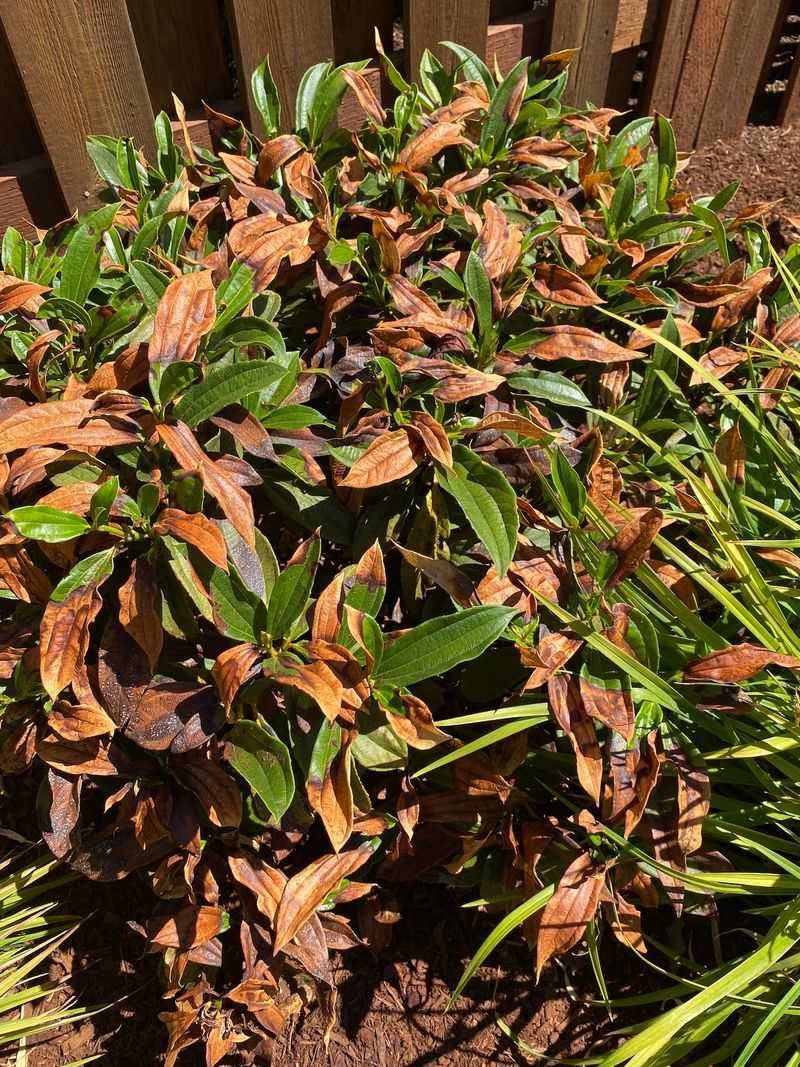
Once the heatwave breaks and temperatures drop back to a manageable range, it is time to assess what happened. Damaged leaves are easy to spot.
They look brown, crispy, or bleached out compared to healthy foliage.
Wait until the heat has genuinely passed before doing cleanup. Removing leaves while temperatures are still extreme adds stress to an already struggling plant.
Give it a day or two after the heatwave ends before touching anything.
Clip damaged leaves off cleanly with sharp pruning shears. Torn or jagged cuts can create entry points for pests and pathogens.
Clean cuts heal faster and leave the plant in better shape for recovery.
Not every brown leaf means the whole plant is in trouble. Desert plants are resilient, and many bounce back quickly once temperatures drop and watering resumes.
Focus on removing leaves that are fully browned or crispy rather than ones that just show minor tip burn.
After cleanup, give plants a deep watering to support recovery. Some gardeners add a light layer of compost around the base at this point to help replenish soil nutrients.
Avoid heavy fertilizing right after heat stress since roots may not be ready to absorb it efficiently yet. Let the plant settle for a week or two before pushing new growth with fertilizer.