The Kentucky Yard Feature That Moles Target Every Night
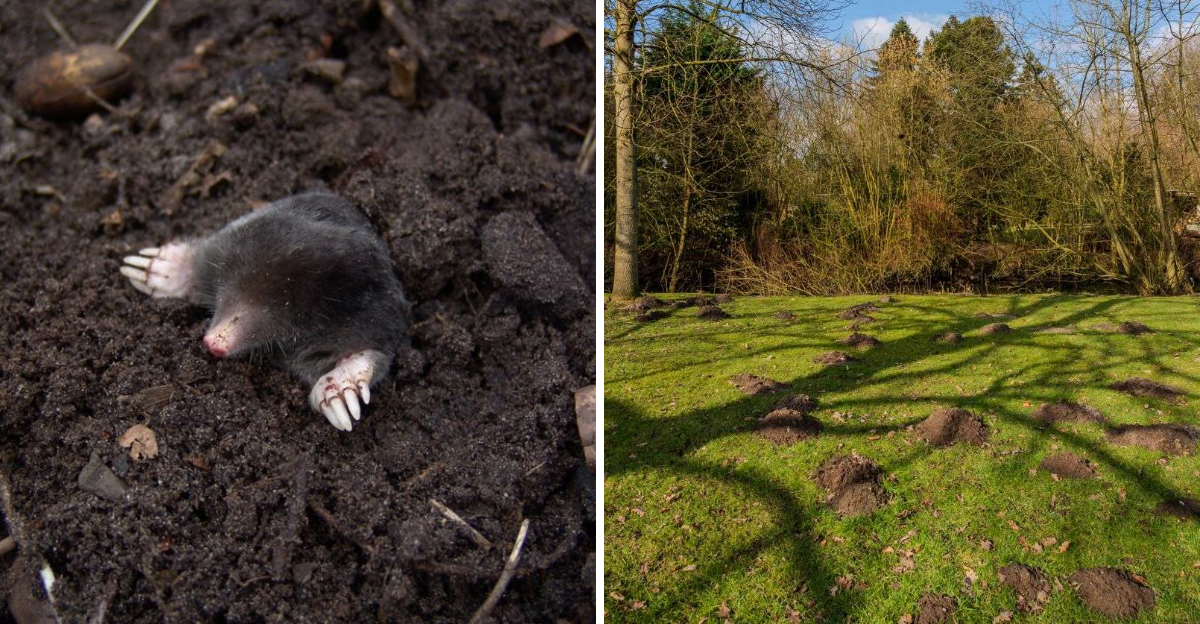
Fresh mole tunnels snaking across a Kentucky lawn feel almost deliberate, like something out there knows this yard better than the homeowner does. That ridged trail cutting through the grass is no accident.
Moles do not pick a lawn at random and start digging out of boredom. Something about this particular patch of ground keeps pulling them back night after night, and it has nothing to do with luck.
The real question is not how to chase moles away once, it is why they keep returning to the same stretch of soil no matter what gets tried. That pattern holds the key to actually solving the problem.
The Irrigated Lawn Is What Draws Moles In
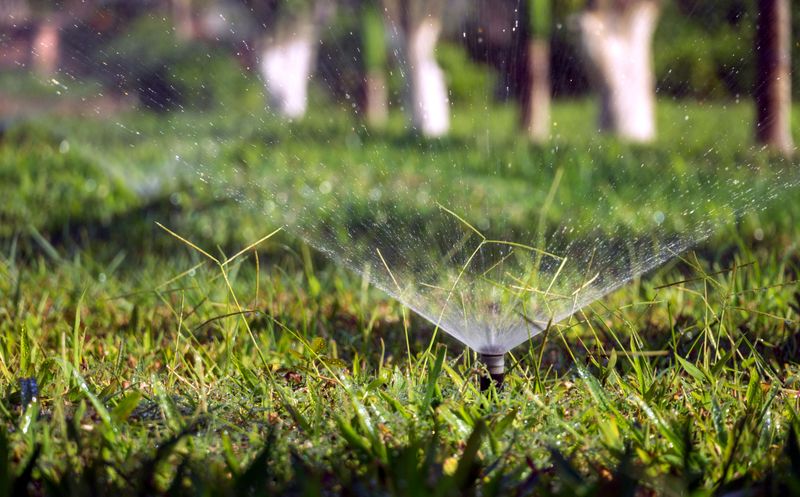
Picture this: your sprinklers run every night, and by morning, fresh tunnels have popped up across your Kentucky yard.
A well-watered lawn checks nearly every box on a mole’s wish list. Irrigation systems create the perfect underground habitat for these little tunnelers.
Moles are not after your grass roots. They are chasing the creatures living just beneath the surface of moist, soft soil.
Soft ground is easy to push through. Moles can tunnel at a rate of up to 15 feet per hour in loose, damp earth.
Dry, compacted soil slows them down significantly. That is why irrigated lawns become prime hunting grounds after sundown.
Most homeowners rarely connect their watering schedule to mole activity. The link between irrigation timing and tunnel patterns is surprisingly direct.
When you run sprinklers late in the evening, soil stays saturated overnight. That window perfectly aligns with peak mole feeding hours.
Moles are most active between dusk and early morning. An irrigated lawn at night is basically a neon sign saying “food here.”
Changing your watering schedule can reduce nightly visits without any traps or chemicals. It is one of the simplest adjustments a homeowner can make.
You do not have to give up a healthy lawn to discourage moles. You just have to make the timing less convenient for them.
Smart irrigation habits give you a greener yard and fewer surprise ridges at sunrise. That trade-off is worth every minute of planning.
Moist Soil Holds The Food Moles Need
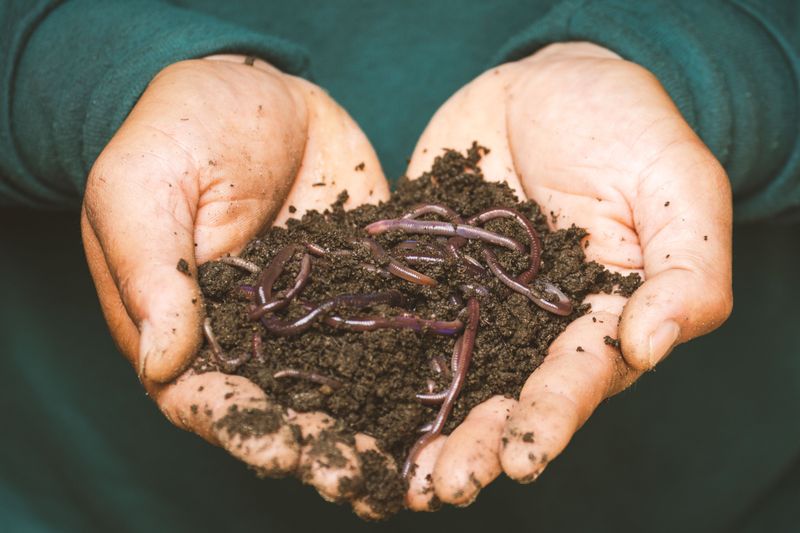
Earthworms love moisture, and moles love earthworms. It is a food chain playing out right under your feet.
Damp soil keeps earthworms near the surface where moles can reach them easily. When soil dries out, worms burrow deeper to survive.
Moles follow their food supply with remarkable accuracy. A consistently moist lawn is a reliable, renewable food source they will return to nightly.
One mole can consume up to 70 percent of its body weight in earthworms each day. That appetite drives serious tunnel construction fast.
Grubs also thrive in moist conditions. Beetle larvae prefer well-watered turf because the moisture softens the soil around grass roots.
Both food sources, worms and grubs, concentrate in irrigated zones. Moles do not wander randomly; they follow scent trails through moisture gradients underground.
Your Kentucky Garden Changes Every Week. Your Plan Should Too.
Gardening in Kentucky changes quickly throughout the season. Every Friday you’ll receive a simple weekly plan showing exactly what to plant, prune, fertilize, harvest, and protect so you never miss the right timing.
Soil moisture acts like a map for moles navigating your yard. Wet patches signal active feeding opportunities every single night.
Overwatered lawns hold moisture for hours after irrigation stops. That extended window gives moles more time to feed and tunnel without interruption.
Reducing excess moisture does not harm your grass if done carefully. Proper watering depth matters more than frequency for healthy turf roots.
Letting soil dry slightly between watering sessions pushes earthworms deeper. When the food drops out of reach, moles tend to move along.
Moisture management is quiet pest control. No traps, just smarter watering that makes your Kentucky yard less of a mole magnet.
Tracing Mole Tunnels Back To Their Real Source
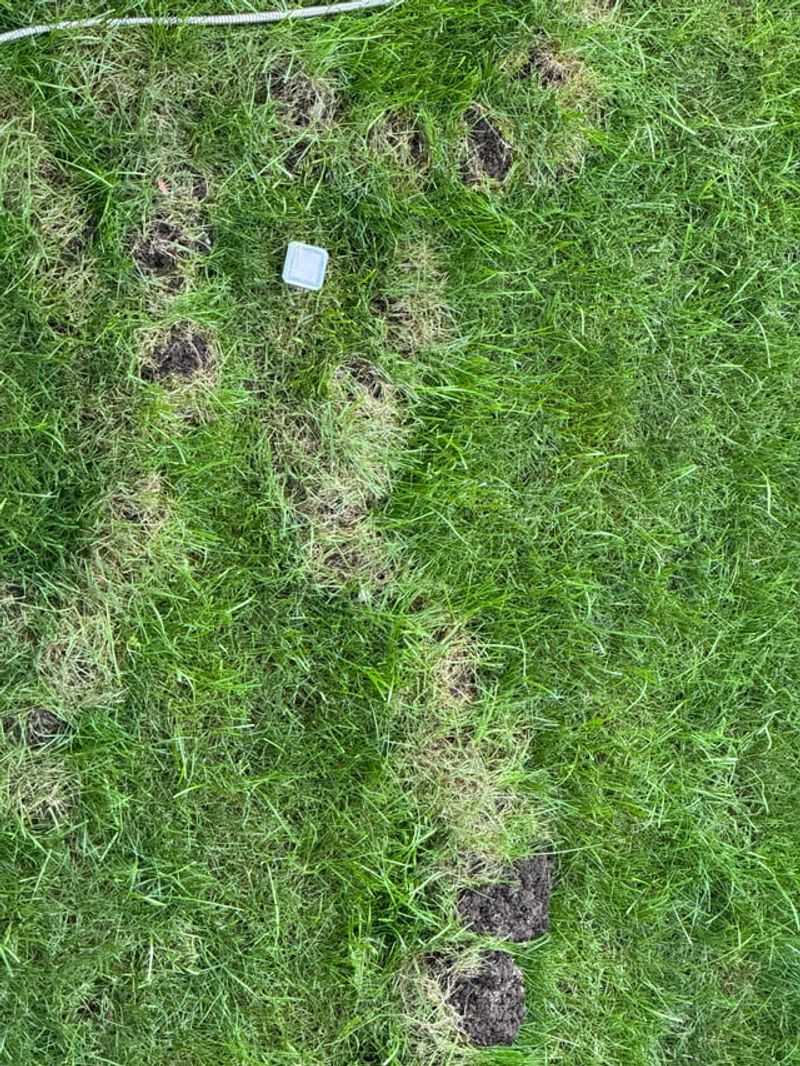
Not every tunnel you see is a fresh one. Moles use two types: surface tunnels and deep runways.
Surface tunnels are the raised ridges that ruin your lawn’s appearance overnight. Deep runways are the highways moles use repeatedly to reach feeding zones.
Identifying active tunnels saves you time and effort. Press down a section of raised tunnel with your foot and check back in 24 hours.
If the tunnel pops back up, it is an active route. That is where your attention, and any control method,should focus.
Moles often enter a yard from a neighboring property or a wooded edge. Tracing tunnels back to their origin point reveals the entry corridor.
The real source of the problem is usually the irrigated section of the lawn. That area acts as a home turf for nightly foraging runs.
Tunnels radiating outward from your most-watered zone confirm the pattern. That one irrigated stretch keeps drawing them back to the same spot in your Kentucky yard.
Surface tunnels near your sprinkler heads or drip lines are a clear tell. Moles rarely waste energy tunneling through dry, hard ground.
Mapping the tunnel network takes about 15 minutes with a simple yard walk. Sketching the pattern on paper helps you spot the central feeding zone.
Once you find the hub, you can target that area specifically. Focused action beats chasing random ridges across the whole yard every time.
Grub Control Alone Won’t Solve The Problem
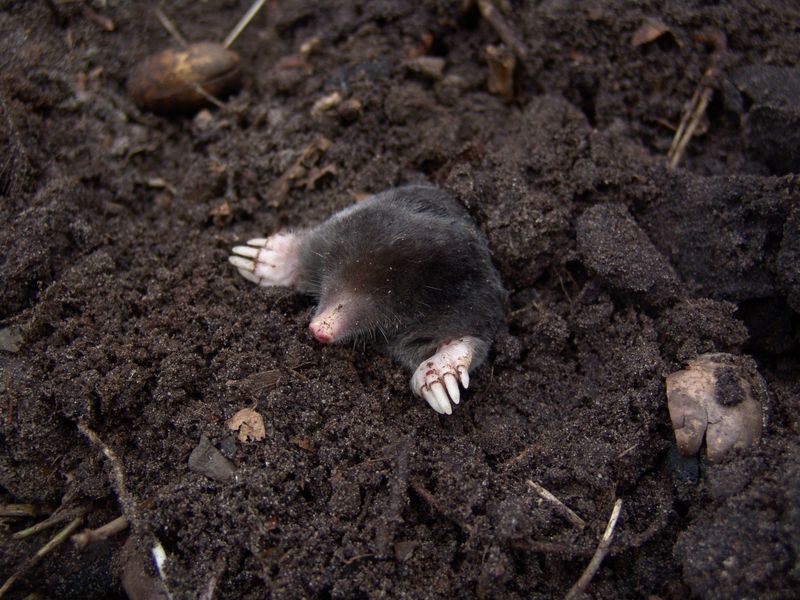
Grub treatments are popular, and they do reduce one food source for moles. But earthworms are still there, and moles prefer them anyway.
Studies suggest earthworms make up the majority of a mole’s diet. Eliminating grubs without addressing moisture still leaves a fully stocked buffet underground.
Many homeowners apply grub control and expect moles to disappear within days. When the tunnels keep coming, frustration sets in fast.
The mistake is treating the symptom rather than the root cause. Grubs are a side dish; earthworms are the main course moles are hunting nightly.
Grub control products also take weeks to show results. Moles can do significant lawn damage in that waiting period.
Applying grub treatments in late summer targets young larvae before they mature. That timing matters more than the product brand you choose.
Even with grubs gone, a moist lawn stays attractive to moles all season. The moisture is the magnet, not just the menu.
Combining grub control with smarter watering habits creates a two-front strategy. Cutting off both food sources together is far more effective than either method alone.
Castor oil-based repellents are another tool worth adding to the mix. They irritate moles’ senses without typically harming soil health or other wildlife.
No single product or trick eliminates moles permanently on its own. The most successful approach layers multiple strategies around reducing what draws them in.
Grub control earns its place in the plan, just not as the whole plan. Keep your expectations realistic and your strategy broad.
Spotting The Signs Before Damage Spreads
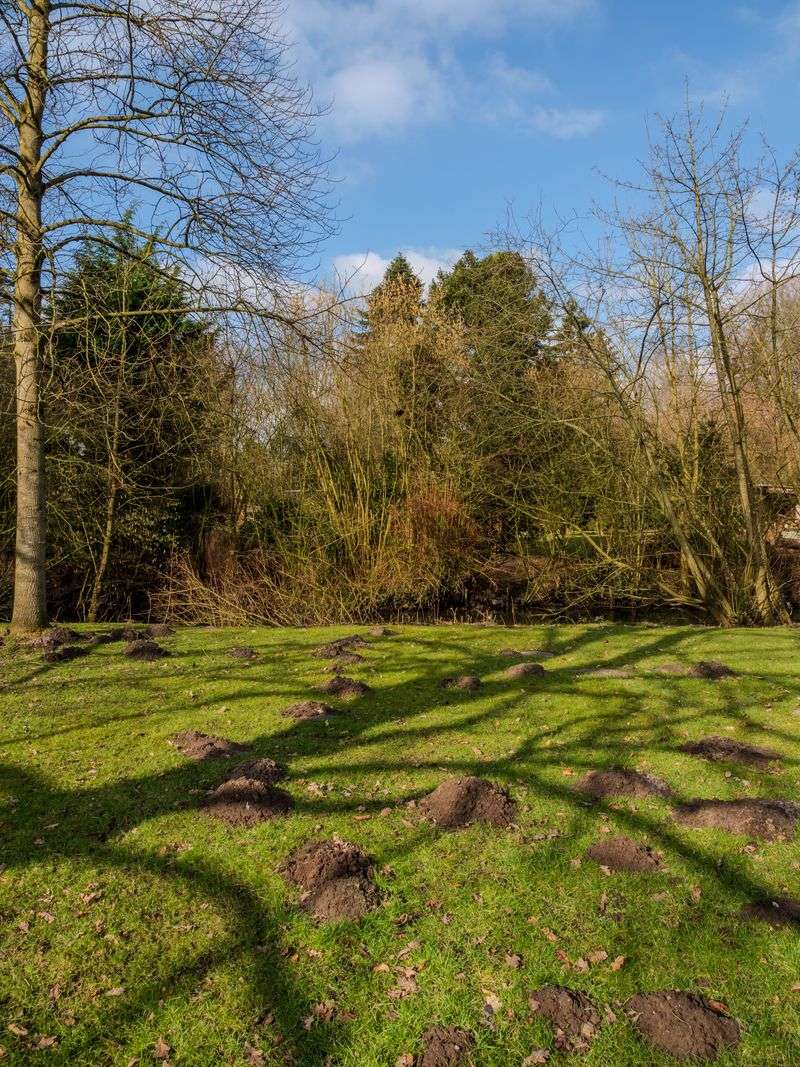
Catching mole activity early saves your lawn from widespread damage. A small network of tunnels can expand dramatically within a single week.
The first sign is usually a soft, spongy feeling underfoot in one section of the yard. That bounce means tunnels are collapsing just below the surface.
Raised ridges appearing overnight are the most obvious clue. Fresh tunnels look like someone dragged a hose just under the sod.
Mole mounds are different from tunnel ridges, they look like small volcanoes of loose soil. These mark where a mole pushed dirt up from a deep runway below.
Seeing both mounds and ridges together signals an established presence. The mole has set up feeding routes and a deeper tunnel system simultaneously.
Grass above active tunnels often yellows within days. Roots lose contact with soil when tunnels disrupt the ground beneath them.
Check the edges of your lawn near garden beds and fence lines. Moles frequently enter from soft border soil before moving into the main turf area.
Early morning is the best time to scout for new activity. Overnight tunneling leaves fresh soil and undisturbed ridges that are easy to spot before foot traffic obscures them.
Take a photo of the tunnel pattern each morning for three days. A growing network confirms active feeding; a static one may mean the mole has moved on.
Spotting damage early keeps your options open and your repair costs low. Act when you see two or three ridges, not twenty.
Adjusting Watering Habits To Break The Cycle
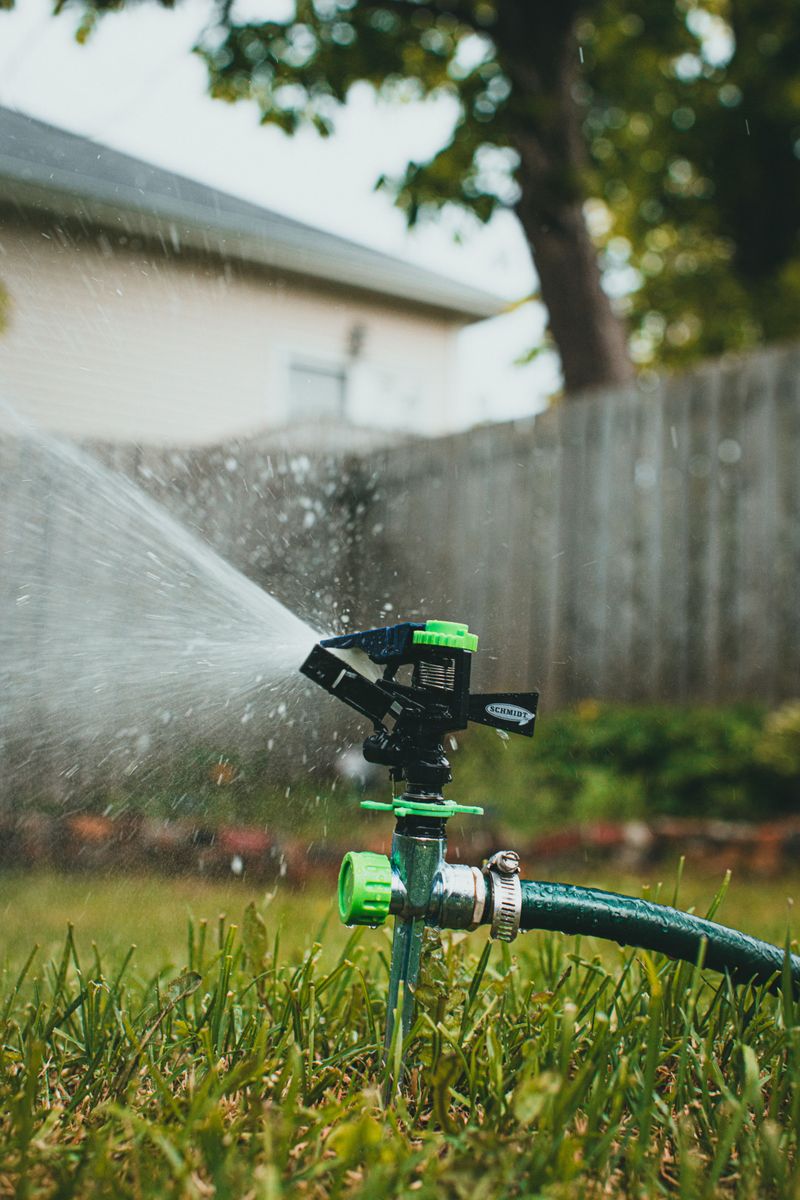
Shifting your irrigation schedule is the single most underrated mole deterrent available. It costs nothing and requires no chemicals or equipment.
Move your watering cycle to early morning instead of evening. Soil has time to dry out partially before nightfall, making it less inviting for nocturnal diggers.
Moles feed most aggressively between dusk and dawn. A lawn that drains and firms up by evening gives them less reason to stay.
Reduce watering frequency if your soil retains moisture well. Clay-heavy soils common across much of the region hold water longer than sandy types.
Deep, infrequent watering trains grass roots to grow downward. That approach builds drought resistance while also keeping the surface drier between sessions.
Aim for about one inch of water per week total, including rainfall. Tracking rainfall with a simple gauge helps you avoid overwatering without thinking about it.
Drip irrigation in garden beds reduces surface moisture near the lawn edge. That border zone is often where mole tunnels first appear.
Smart irrigation controllers can be programmed to skip watering after rain. Removing excess moisture quickly makes a meaningful difference in how attractive your Kentucky yard feels underground.
Pair your new schedule with a soil moisture meter for accuracy. Guessing leads to overwatering, which undoes every adjustment you make.
Consistency matters more than perfection here. Two weeks of adjusted watering can noticeably cut down on those nightly visits.
A drier evening lawn is a quieter morning lawn. That simple shift puts you back in control of your own yard.