The Most Underrated Native Plant North Carolina Gardeners Are Adding For The Pollinator Census
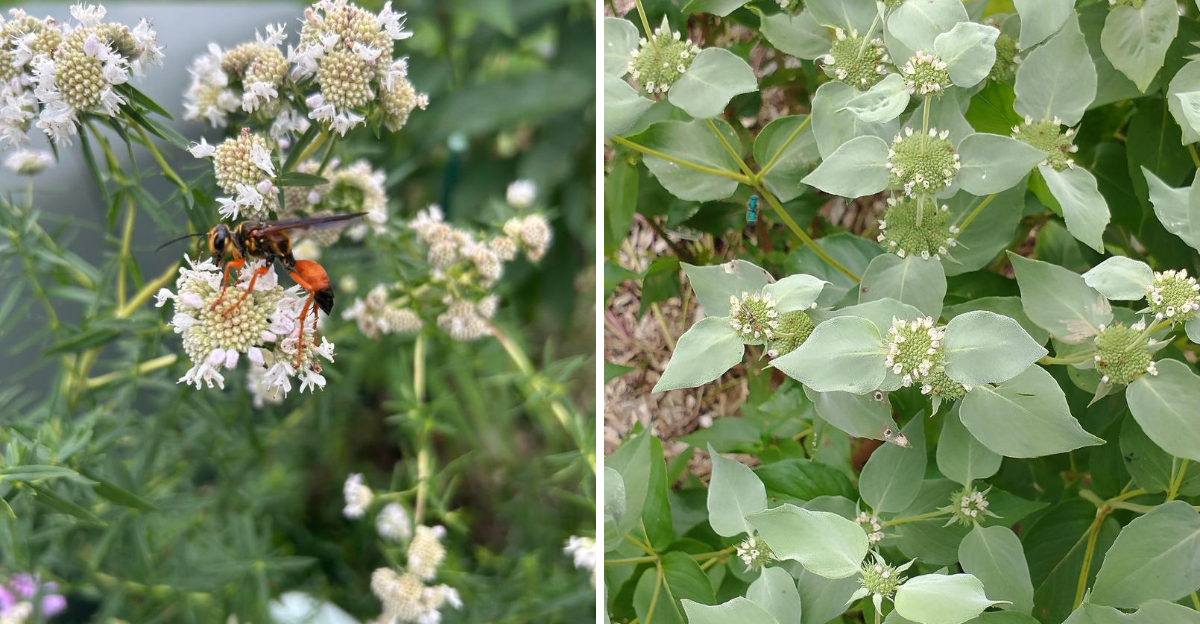
Some pollinator plants look quiet from a distance. Then you step closer on a warm August morning and the whole patch seems alive.
Tiny bees move between pale flower clusters. Wasps hover and land. Flies you never noticed before suddenly become part of the count. A butterfly slips in, then another insect takes its place before your timer even starts.
That is exactly the kind of plant that makes the Great Southeast Pollinator Census more interesting.
North Carolina gardeners are not just looking for flowers that look good in a bed.
They are looking for plants that make observation easier, support a wide mix of insects, and keep blooming during the late-summer window when pollinator activity can be intense.
This native perennial does all of that without trying too hard.
It brings silvery foliage, minty fragrance, small clustered blooms, and a steady stream of visitors when the weather cooperates. It also spreads, which can be a gift or a management task, depending on where it goes.
So which native plant deserves more attention before the pollinator count begins?
Start with the silver-bracted perennial that turns a sunny North Carolina garden into one of the busiest insect-watching spots in the yard.
Blunt Mountain Mint Is The Plant
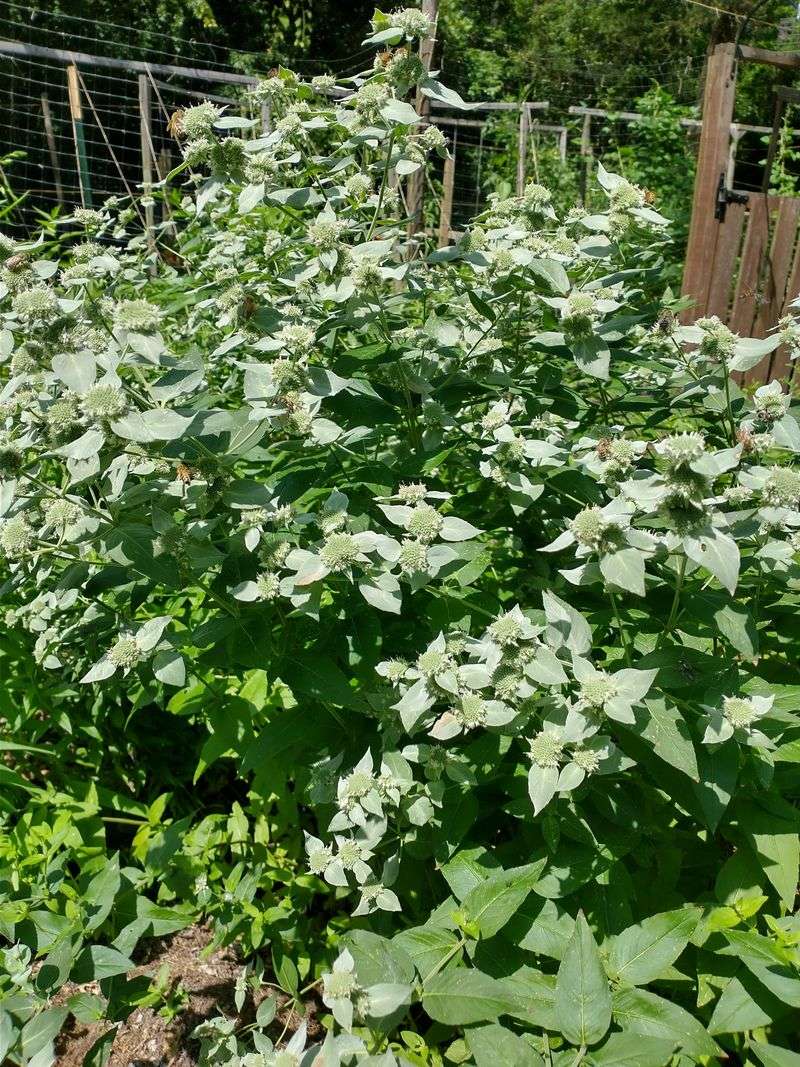
Blunt mountain mint is the native perennial behind the buzz. Botanically, it is Pycnanthemum muticum, and it belongs to the mint family.
It grows naturally across much of the eastern United States, including North Carolina, and it has become a favorite among gardeners who want serious pollinator activity without adding a fussy plant.
The shape is upright and relaxed. Mature plants often reach about two to four feet tall, creating a soft patch rather than a stiff formal clump.
The leaves are aromatic. Brush the foliage, and it releases a clean minty scent that makes the plant memorable even before it flowers.
The leaf tips explain the name. “Blunt” refers to the rounded or blunt-looking leaf shape, not to anything dull about the plant’s performance.
The flowers are small. On their own, they are not dramatic in the way coneflowers or sunflowers can be.
The bracts make the display. Pale silvery leaves around the bloom clusters create the shimmering look that catches sunlight and helps insects stand out.
Bloom time is useful. In North Carolina, flowers often appear in summer and can continue into early fall, overlapping beautifully with pollinator-watching season.
The plant spreads by rhizomes. That means it can build a generous patch over time, which is wonderful in the right place and worth managing in tighter borders.
Blunt mountain mint is not flashy in the usual way.
It wins gardeners over when they see how much life gathers around it.
Silver Bracts Draw A Crowd
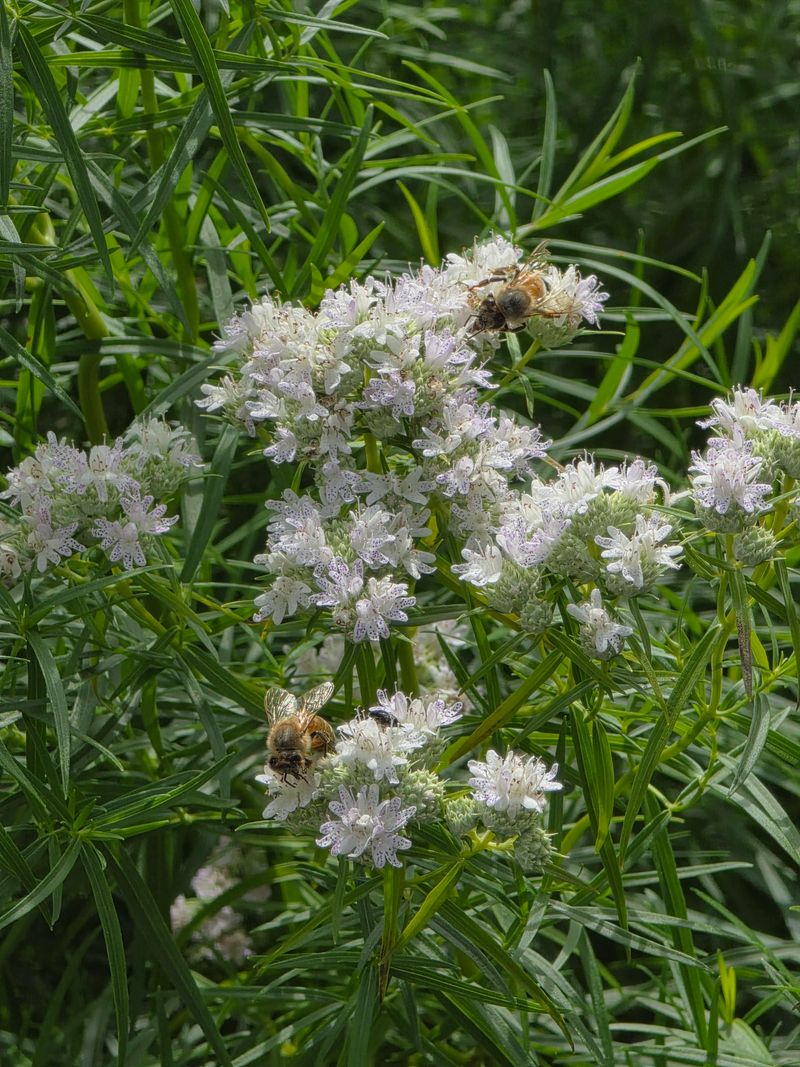
The silver bracts are part of the magic.
They sit just below the tiny flower clusters, giving the plant a frosted, almost metallic look. From across the garden, that pale color makes the patch easier to notice than many green-leaved perennials around it.
Insects notice the flowers. Gardeners notice the movement.
Your North Carolina Garden Changes Every Week. Your Plan Should Too.
Gardening in North Carolina changes quickly throughout the season. Every Friday you’ll receive a simple weekly plan showing exactly what to plant, prune, fertilize, harvest, and protect so you never miss the right timing.
Bees are frequent visitors. Small native bees, bumble bees, sweat bees, and other species may move quickly between clusters when the plant is in full bloom.
Wasps show up too. Many are beneficial, and the flowers give gardeners a chance to observe them calmly while they feed.
Flies can be surprisingly active. During a pollinator count, this plant reminds people that flies are important flower visitors too.
Butterflies and skippers may stop by. Their visits add color and make the counting period more exciting.
The pale bracts help with visibility. A tiny dark bee is much easier to see against silvery foliage than against a dense green background.
That matters during the Census. Better contrast can make it easier for participants to notice and count visitors accurately.
Weather still affects activity. A cloudy, rainy, windy, or unusually cool period may bring fewer insects, even on a great pollinator plant.
The plant does not guarantee a huge count.
But on a warm, bright day, those silver bracts can turn every tiny visitor into something easier to spot.
Full Sun Builds More Flowers
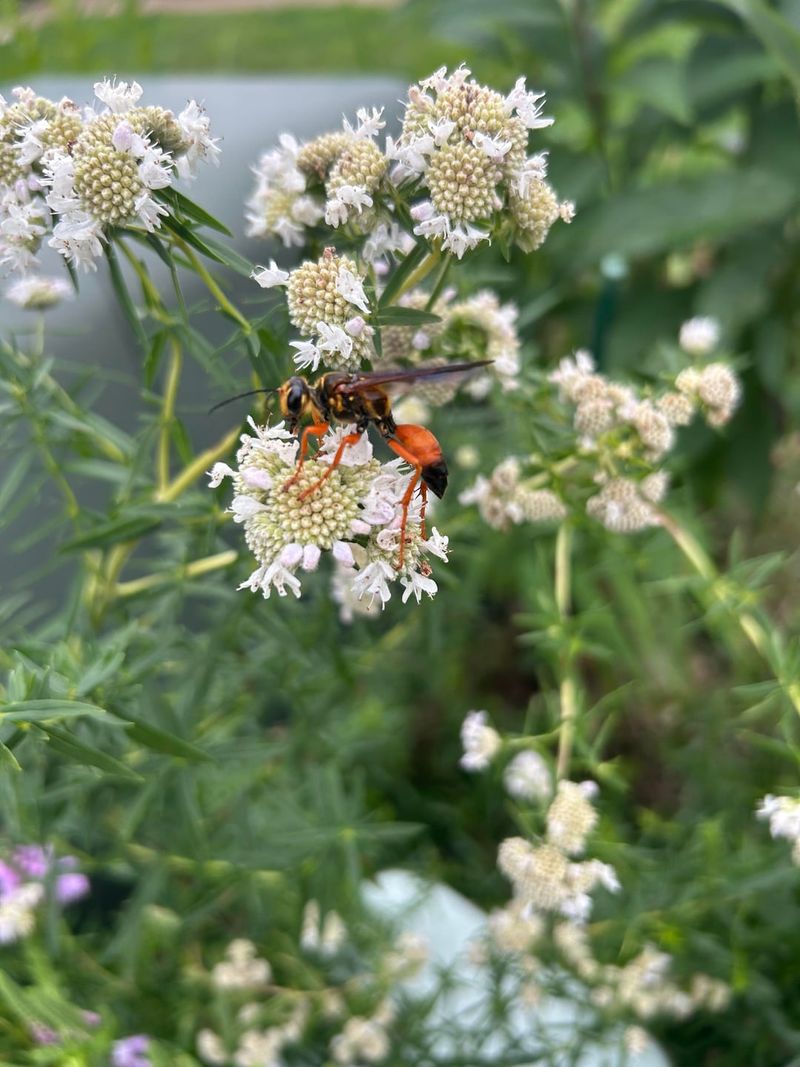
Sunlight decides how strong the flower show becomes.
Blunt mountain mint can tolerate some part shade, but full sun usually produces the best bloom density, sturdier stems, and the most useful display for pollinator watching.
Six or more hours of sun is ideal. That amount of light helps the plant build strong growth and plenty of clustered flowers.
More flowers mean more landing spots. For a pollinator count, that gives insects more reason to move through the patch.
Part shade can still work. The plant may grow fine with less light, especially in hot sites where afternoon shade softens stress.
The tradeoff is real. In too much shade, stems can lean, flowers may be fewer, and the silvery bracts may look less vivid.
Morning sun is especially useful. It warms the flowers early and can bring insect activity before the day becomes too hot.
A little afternoon relief can help young plants. Newly planted mountain mint may appreciate protection from the harshest late-day heat during its first season.
Avoid deep shade. A woodland corner with little direct light will not show off the plant’s best pollinator value.
Watch nearby plants. Taller neighbors can shade the patch by midsummer, even when the bed looked sunny in spring.
Site it where you can observe it. A sunny spot near a path, patio edge, or garden bench makes the plant easier to use during the Census.
The brighter the site, the better the show.
Give this plant enough light, and it usually rewards you with more blooms and more pollinator traffic to watch.
Average Soil Keeps It Content
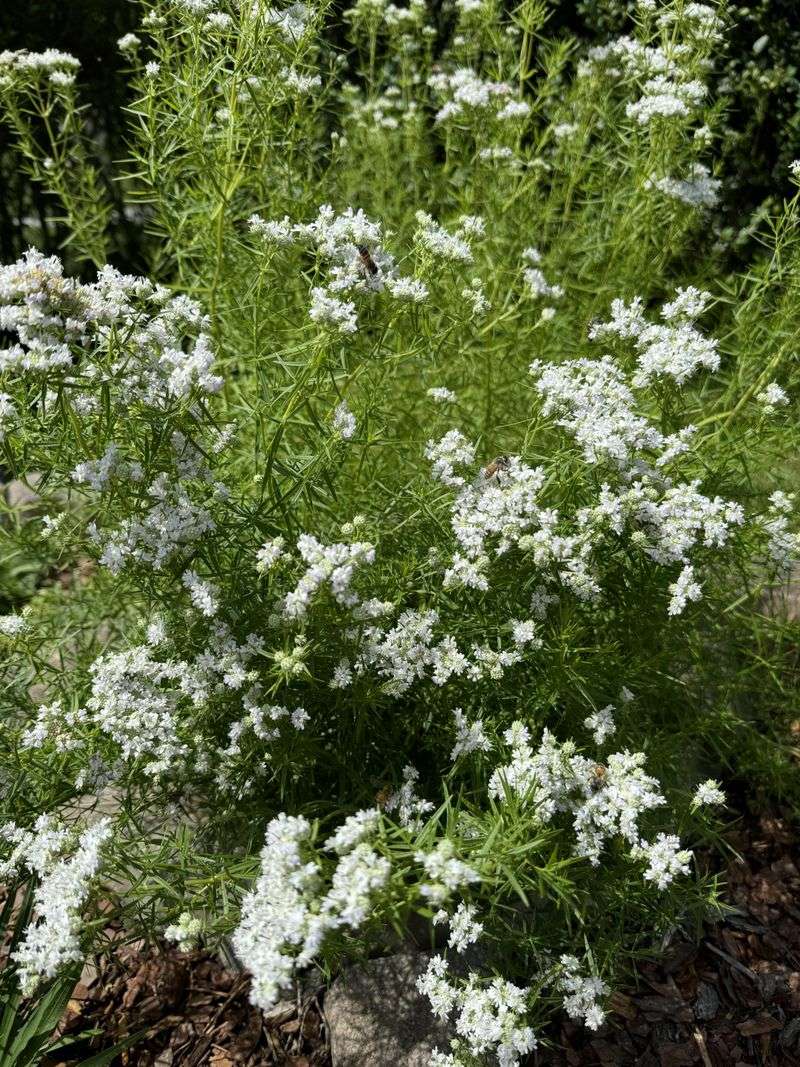
This is not a plant that needs rich garden treatment.
Blunt mountain mint usually performs well in average, well-drained soil. It does not need a heavily amended bed or constant feeding to become useful in a North Carolina pollinator garden.
Good drainage matters. The plant can handle moderate moisture, but soggy soil that stays wet for long periods can stress the roots.
Average soil is enough. A bed that drains reasonably and does not stay bone dry all season is often a fine fit.
Do not overfeed it. Too much nitrogen can push lush leafy growth that flops instead of flowering well.
Lean soil can be helpful. Slightly less fertile conditions often keep stems sturdier and the plant more balanced.
Clay needs attention. Blunt mountain mint can tolerate some clay, but heavy compacted soil that holds water after rain may need improvement or a raised planting spot.
Sandy soil may dry quickly. In those beds, establishment watering and mulch can help the plant settle before it becomes more resilient.
A light compost top-dressing is plenty. Heavy fertilizer routines are unnecessary for most home gardens.
Avoid planting where runoff collects. Low spots that stay wet after summer storms are not the best place for this perennial.
Watch the plant’s posture. Flopping, weak growth may point to too much shade, too much fertility, or crowding.
The charm is low-fuss performance.
Give blunt mountain mint decent drainage, modest soil, and sun, and it can become one of the easiest pollinator plants in the bed.
Water Regularly During Establishment
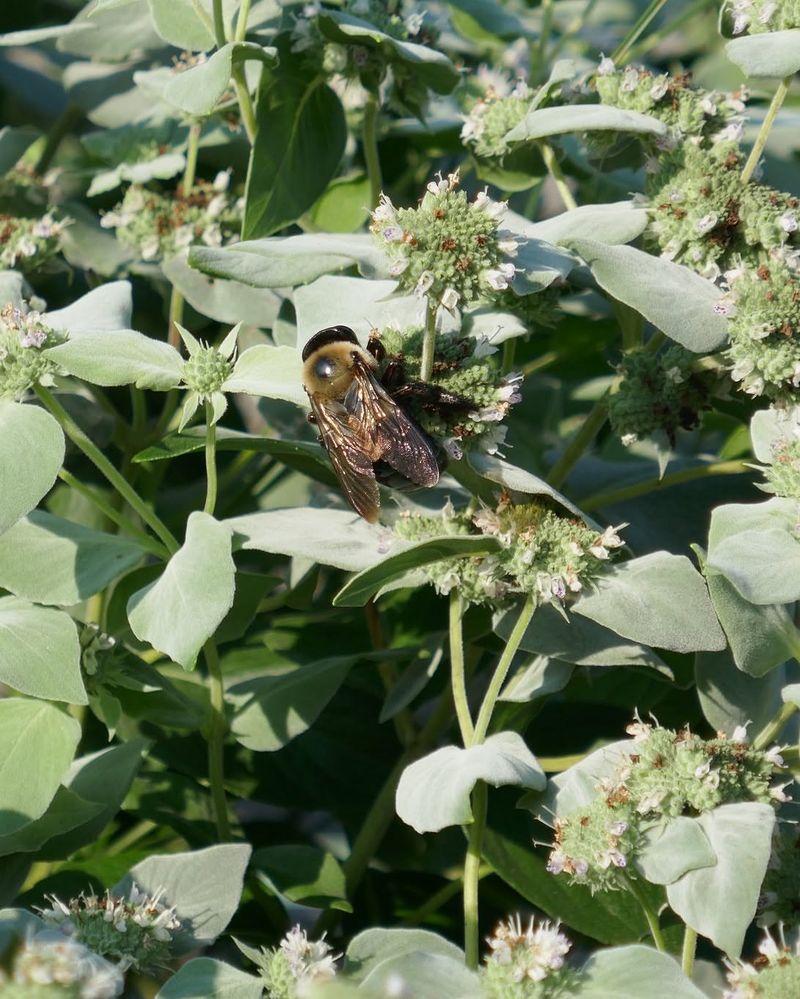
New plants still need attention at the start.
Blunt mountain mint can become fairly tough once established, but that does not mean it should be ignored during the first growing season. Young roots need consistent moisture while they move into the surrounding soil.
Water deeply after planting. A slow soak helps settle soil around the root ball and reduces early stress.
Check the soil by touch. Push a finger a couple of inches down near the plant before deciding to water again.
Dry soil at that depth means water is needed. Damp soil means waiting is smarter.
Avoid quick surface sprinkles. Shallow watering keeps roots near the top, where summer heat dries the soil fastest.
Deep watering builds resilience. Roots that grow downward and outward help the plant handle dry spells later.
Mulch lightly around the base. A thin organic layer helps conserve moisture while roots establish.
Keep mulch off the stems. The crown still needs airflow, especially during humid North Carolina weather.
Reduce watering gradually. Once new growth is steady and the plant looks settled, stretch the time between waterings.
Expect more independence next year. A well-established patch usually needs far less help except during extended dry stretches.
Do not confuse tough with invincible.
The first season is when a little attention creates the strong patch that will feed pollinators for years.
Give Spreading Roots Clear Boundaries
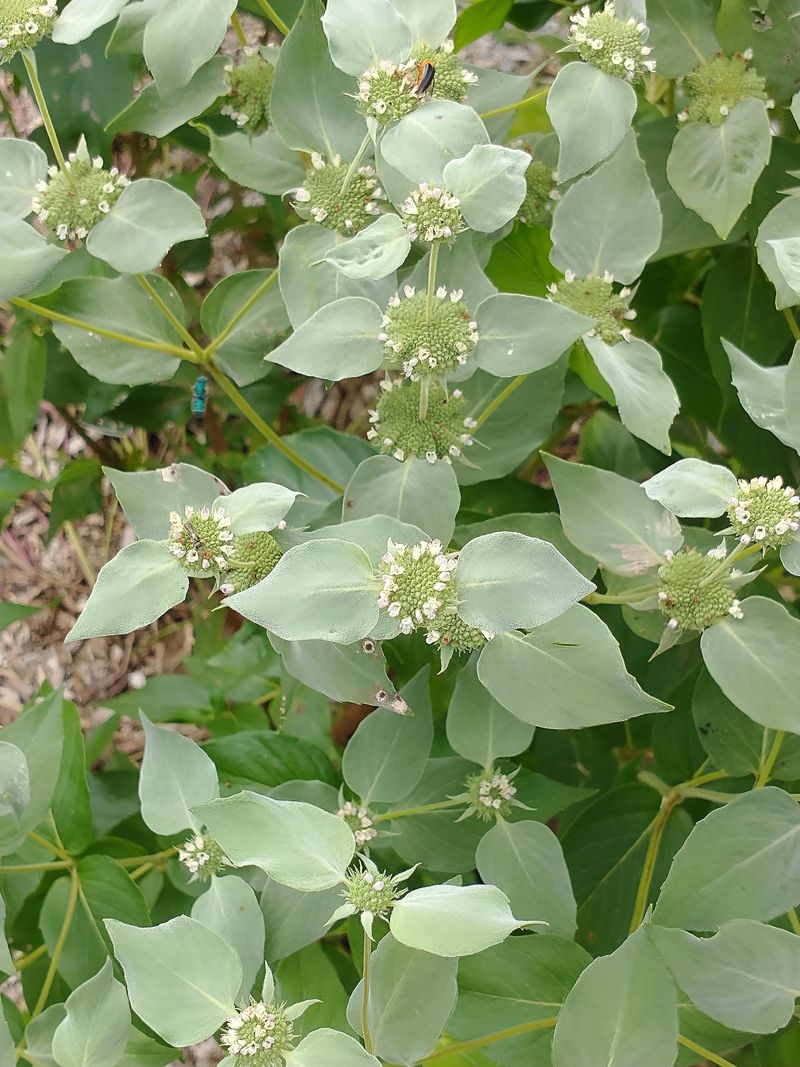
Blunt mountain mint likes to move.
It spreads by rhizomes, which are underground stems that send up new shoots around the parent plant. In the right place, that spreading habit is one of its best qualities.
A larger patch attracts more insects. More stems and more flowers create a stronger visual and nectar target.
Naturalized beds are a great fit. Meadow edges, rain garden margins, sunny native borders, and informal pollinator patches can all use its spreading habit well.
Small formal beds need limits. In a tight garden with delicate neighbors, the plant may need regular editing.
Plan the boundary before planting. A path, edging strip, larger companion plants, or a defined bed line can help keep the patch readable.
Divide every few years. Digging outer sections in early spring helps reduce spread and refresh older clumps.
Share extra divisions. This is one of those plants other pollinator gardeners are often happy to receive.
Do not let it smother smaller neighbors. Tiny seedlings and low growers may struggle beside a vigorous mountain mint patch.
Pair it with sturdy companions. Coneflowers, wild bergamot, asters, ironweed, and native grasses can better hold their own nearby.
Check edges after rain and spring growth. New shoots may appear beyond the original clump.
Spreading is not automatically a flaw.
It is a feature that needs the right amount of space and a gardener willing to guide it.