The Calcium Myth Behind Blossom End Rot On Ohio Tomatoes
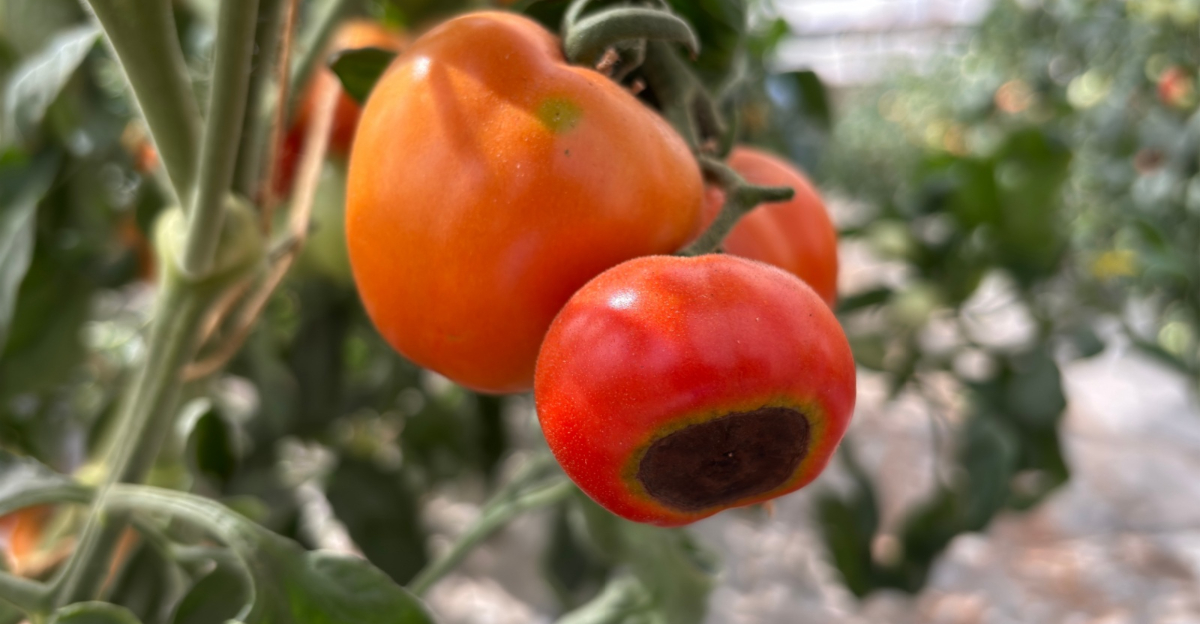
That dark leathery patch on your tomato’s underside isn’t calcium deficiency. Blossom end rot confuses even seasoned Ohio growers every single season.
Instinct sends most gardeners like you straight toward calcium supplements and soil additives. Ohio soil already holds abundant calcium, testing proves this repeatedly.
Something else entirely drives this issue, hidden beneath the surface. Water delivers calcium to fruit, not soil richness alone.
Inconsistent watering disrupts that delivery system, leaving fruit undersupplied while roots sit fine. Heat stress compounds the problem, tightening plant tissues under pressure.
Your watering schedule matters more than any bag of fertilizer sitting there. Roots absorb calcium fine, but transport falters under stress. Fixing this requires understanding movement, not adding more minerals.
Every choice you make today shapes whether your fruit ripens whole or spoils. Nothing about this problem sits outside your control. Understanding what truly causes this issue changes everything you thought you knew.
What Is Blossom End Rot
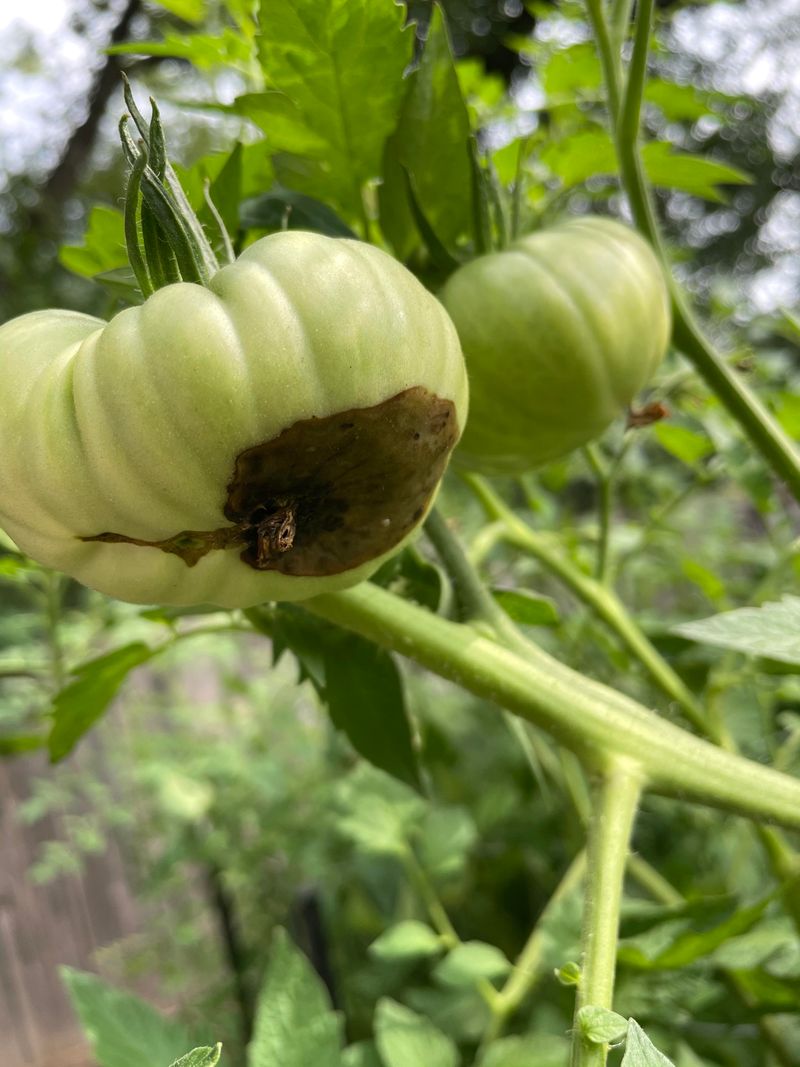
Picture this: your tomato plant looks healthy, green, and loaded with fruit. Then you flip one over and find a dark, mushy, collapsed patch right on the bottom tip.
That ugly spot is blossom end rot, and it is one of the most common complaints among home tomato growers. It shows up fast, often when fruits are still small and green.
The damage starts inside the fruit before you can even see it on the outside. By the time that black patch appears, the tissue underneath has already broken down.
Blossom end rot is not a disease, and it is not caused by a bug or a fungus. It is a physiological disorder, meaning the plant itself is malfunctioning in a specific way.
The affected tissue becomes dry, sunken, and dark brown or black. Sometimes it covers just a small circle, and other times it takes over half the bottom of the fruit.
Tomatoes are not the only crop that gets this problem. Peppers, squash, and eggplants can all show the same kind of damage under the right conditions.
Knowing what blossom end rot actually is helps you stop chasing the wrong fixes. Most gardeners waste money on products that do not address the true cause at all.
The first step to solving any garden problem is getting the diagnosis right. Once you understand what is really happening inside your tomato plant, the solution becomes much clearer.
The Common Calcium Myth Explained
Ask almost any gardener what causes blossom end rot, and they will say the same thing without hesitating. Calcium deficiency, they will tell you, nodding with total confidence.
This idea has spread so widely that entire product lines exist just to sell calcium sprays for tomatoes. Garden centers stock shelves full of calcium-based treatments marketed directly at this problem.
The calcium myth behind blossom end rot on Ohio tomatoes is deeply rooted in gardening culture. It gets repeated in books, on forums, and even by some well-meaning nursery workers.
Here is what makes this myth so sticky: calcium actually is involved in the problem. Low calcium inside the fruit tissue is the direct cause of cell breakdown.
Your Ohio Garden Changes Every Week. Your Plan Should Too.
Gardening in Ohio changes quickly throughout the season. Every Friday you’ll receive a simple weekly plan showing exactly what to plant, prune, fertilize, harvest, and protect so you never miss the right timing.
But the myth skips a critical step. It assumes that low calcium in the fruit means low calcium in the soil, and that is where things go sideways.
Many Ohio garden soils tend to have adequate calcium levels, though this varies by location and soil history. Most backyard gardens have been limed and amended for years, making true calcium deficiency rare.
This is consistent with how calcium transport is understood to function in tomato plants. Adding more calcium to already calcium-rich soil does nothing to fix the real problem.
Buying calcium spray or lime when your soil is already loaded with minerals is like filling a gas tank that is already full. The myth feels logical on the surface, but the science tells a different story entirely.
What Actually Causes Blossom End Rot
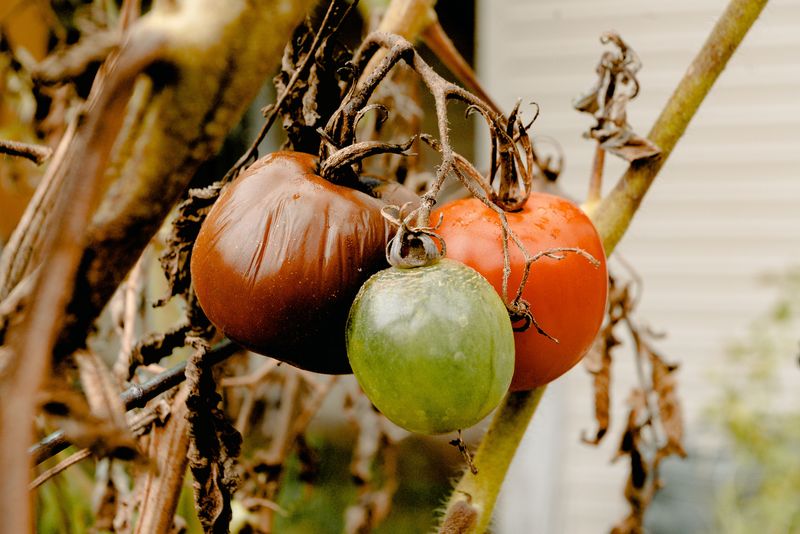
Calcium does not travel through a plant the way most people imagine. It does not just soak in from the soil and spread evenly through every leaf, stem, and fruit.
Calcium moves through a tomato plant almost entirely through the flow of water. Wherever water goes, calcium follows, riding along in what plant scientists call the xylem stream.
When water movement inside the plant slows down or becomes inconsistent, calcium delivery slows too. The developing fruits, which have very limited water flow compared to leaves, get starved of calcium first.
Leaves are transpiring all day long, pulling water and nutrients upward constantly. Fruits do not transpire the same way, so they sit at the back of the line when water is scarce.
This is why the bottom of the fruit, the last place water reaches, is where damage appears first. The cells there simply stop getting the calcium they need to stay firm and healthy.
Hot, dry weather speeds up this process dramatically. Ohio summers can swing from soaking rains to baking heat within the same week, creating exactly the kind of stress that triggers this disorder.
Overly fast growth also plays a role here. When plants grow too quickly due to heavy nitrogen fertilizing, fruit development outpaces the plant’s ability to deliver calcium through water flow.
Understanding this transport system changes everything about how you approach the problem. The fix is not in the soil bag, it is in how you manage water and growth.
Why Watering Habits Matter More Than Calcium
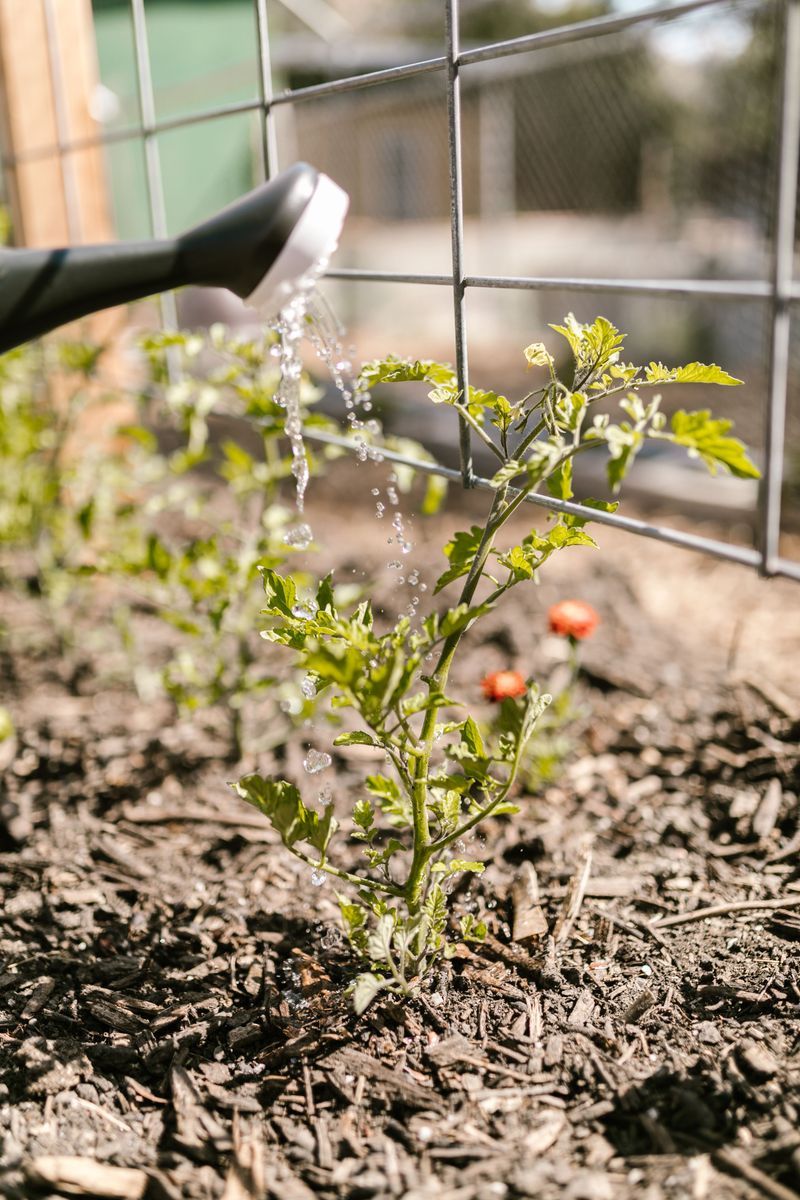
Inconsistent watering is widely considered one of the leading triggers for blossom end rot in Ohio home gardens.
When plants swing between bone dry and soaking wet, calcium transport inside the plant goes haywire. The fruit cells that were just starting to form lose access to the steady supply they need.
Think about a typical Ohio summer week. You get two inches of rain on Monday, then nothing but blazing sun through Saturday, then a thunderstorm rolls in again.
That kind of irregular moisture cycle significantly increases the risk of blossom end rot across your plants. The plant cannot maintain steady calcium movement when the water supply keeps lurching around.
Shallow watering makes the situation worse. When you only wet the top inch of soil, roots stay shallow and the plant becomes even more vulnerable to dry spells between waterings.
Deep, slow watering encourages roots to grow down where moisture stays more consistent. Soaker hoses and drip irrigation are far more effective than overhead sprinklers for this exact reason.
Mulching around your tomato plants is one of the smartest moves you can make. A thick layer of straw or wood chips holds soil moisture steady and buffers against temperature swings.
Aim for about one inch of water per week, delivered slowly and consistently. Even moisture is the single biggest factor separating healthy tomato harvests from a garden full of damaged fruit.
How To Fix Blossom End Rot The Right Way
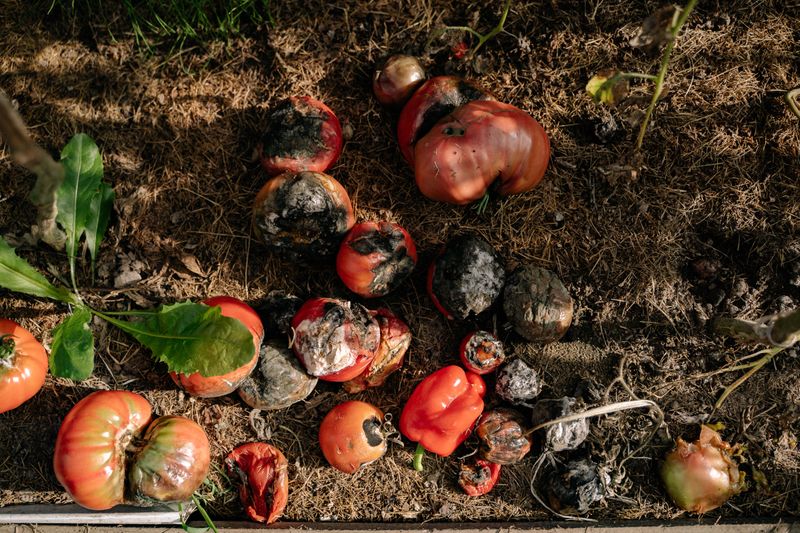
First, an important fact to know: once a tomato has blossom end rot, that fruit cannot be saved. The damaged tissue is gone, and no spray or treatment will reverse it.
Remove the affected fruits as soon as you spot them. Leaving them on the plant diverts resources away from healthy fruit development.
Now shift your focus entirely to stabilizing the growing conditions for the rest of your crop. Consistent moisture management is your most powerful tool from this point forward.
Start by checking your watering schedule and making it more regular and predictable. If you rely on rain, consider supplementing with a soaker hose during dry stretches that last more than three days.
Pull back on nitrogen-heavy fertilizers for now. High nitrogen pushes fast leafy growth, which competes with fruit for the calcium moving through your plant’s water system.
If you have not already mulched, do it today. Two to three inches of straw around each plant helps stabilize soil moisture over the following days and weeks.
Foliar calcium sprays can provide a small, temporary boost when applied directly to developing fruit. They are not a cure, but they can help bridge the gap while you fix the root cause.
Get a soil test through your local Ohio State University Extension office if you have not done one recently. Knowing your actual soil makeup removes the guesswork and points you toward real solutions fast.
Preventing It For The Rest Of The Season
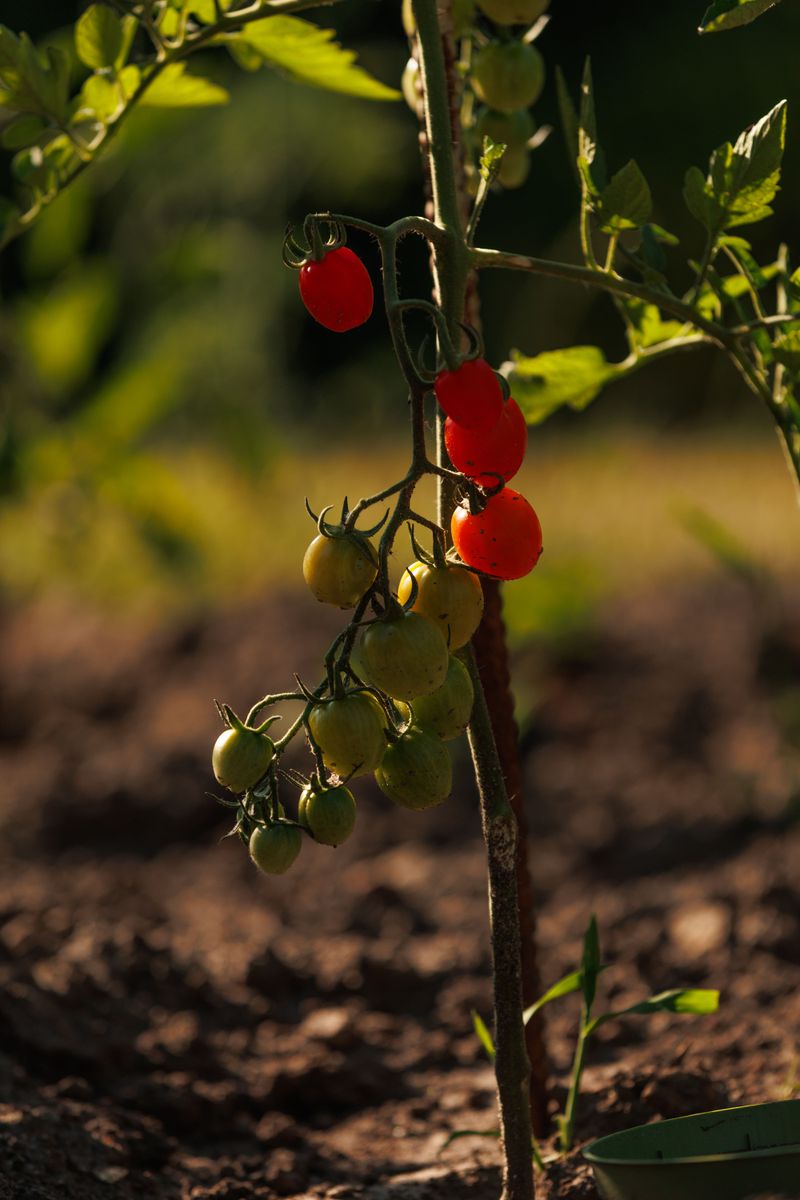
Prevention is where you take back control of your garden for the rest of the growing season. A few smart habits now can protect every tomato that forms from here on out.
Mulch heavily and mulch now if you have not already. Three inches of straw or shredded leaves around your plants keeps soil moisture from bouncing all over the place.
Set up a consistent watering schedule and stick to it even when the weather looks cloudy. Tomatoes need predictability, not just volume, when it comes to moisture delivery.
Check your soil pH if blossom end rot on Ohio tomatoes keeps coming back year after year. Soil that is too acidic locks up calcium even when plenty is present in the ground.
A pH between 6.2 and 6.8 is the sweet spot for tomato growing in most Ohio gardens. If your soil is outside that range, a small application of garden lime can bring it back into balance.
Avoid over-fertilizing with high-nitrogen products once fruits start to set. Switch to a balanced or low-nitrogen fertilizer to slow vegetative growth and let fruit development catch up.
Prune aggressively to reduce the number of fruits competing for the same water and nutrient flow. Fewer fruits per plant often means bigger, healthier tomatoes with far fewer problems.
Gardening in Ohio means working with unpredictable weather, but your management choices matter more than the forecast. Stay consistent, stay observant, and you’ll be far better equipped to prevent blossom end rot in your Ohio garden.