What Michigan Gardeners Should Cut Back In August For More Beautiful Blooms Next Spring
Cutting back spent perennials in August helps Michigan gardeners set the stage for a more beautiful bloom display come next spring.
Removing faded flower stalks from plants like coneflowers and black eyed susans redirects energy toward root development rather than seed production.
This timing also reduces the spread of self seeding plants that can otherwise take over garden beds unexpectedly.
Cutting spring blooming perennials back lightly now helps prevent overcrowding, giving plants more room to establish strong roots before winter.
Avoiding heavy pruning on fall blooming varieties protects any remaining buds still forming for later in the season.
Removing dry or damaged foliage also reduces the chance of fungal issues carrying over into next year.
A little targeted cutting now supports healthier, fuller growth once warmer weather returns. This small effort in August pays off significantly by next spring.
1. Lilacs Should Wait Until After Bloom
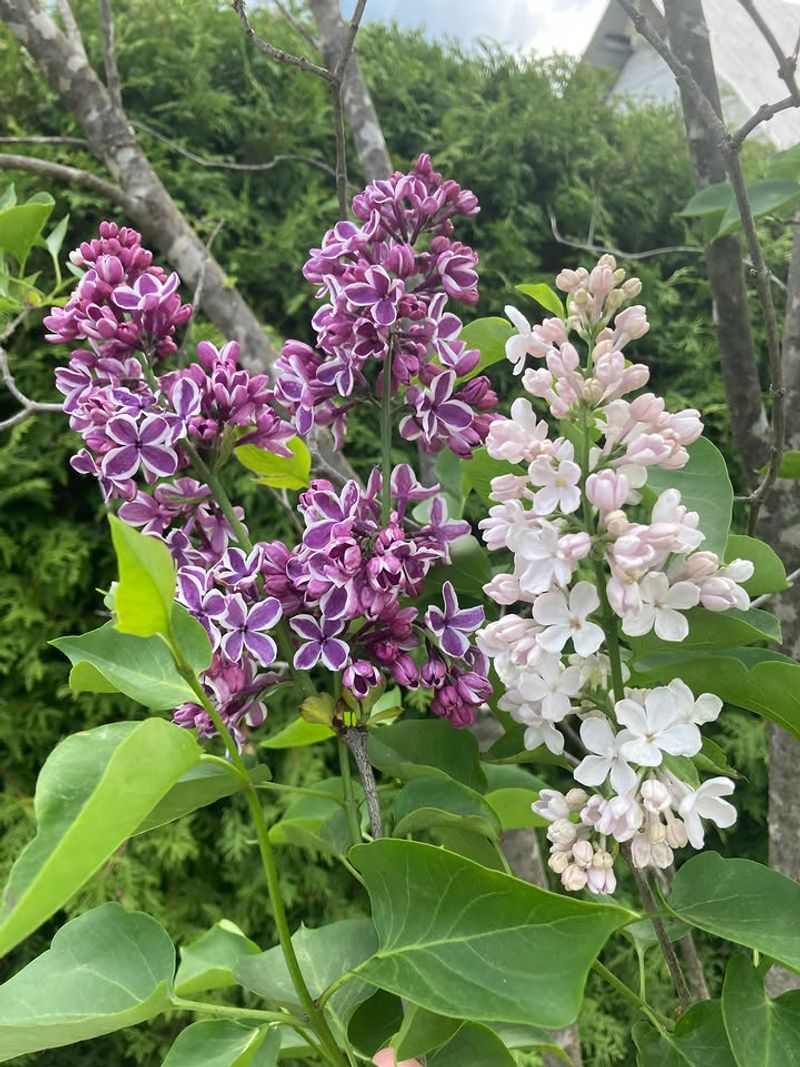
Few flowering shrubs bring as much joy to a Michigan yard as a lilac in full bloom, filling the air with that unmistakable sweet fragrance every May.
What many gardeners do not realize is that those gorgeous flower clusters actually begin forming on new growth produced during the current summer season.
By August, the plant is already working hard to develop the buds that will open next spring, which means picking up your pruners right now could cost you a whole season of blooms. Timing really is everything with lilacs.
The smartest approach is to prune immediately after the flowers fade in late spring, giving the shrub the entire growing season to produce strong new stems loaded with developing buds.
Removing old blooms and a few selected older stems at that point encourages fresh, vigorous growth without touching any of the future flower buds. Heavy shaping every single year is not necessary for a healthy lilac.
Unless the shrub has truly outgrown its space, selective thinning of the oldest stems near ground level every few years keeps the plant productive and attractive.
Younger stems carry more flowers than old, woody ones, so renewal pruning done at the right time rewards you with a fuller, more colorful display each spring.
Patience with lilacs pays off in a big way, and Michigan gardeners who respect their bloom cycle will enjoy spectacular spring color year after year without missing a single season of those beloved purple clusters.
2. Forsythias Already Carry Next Spring’s Flower Buds
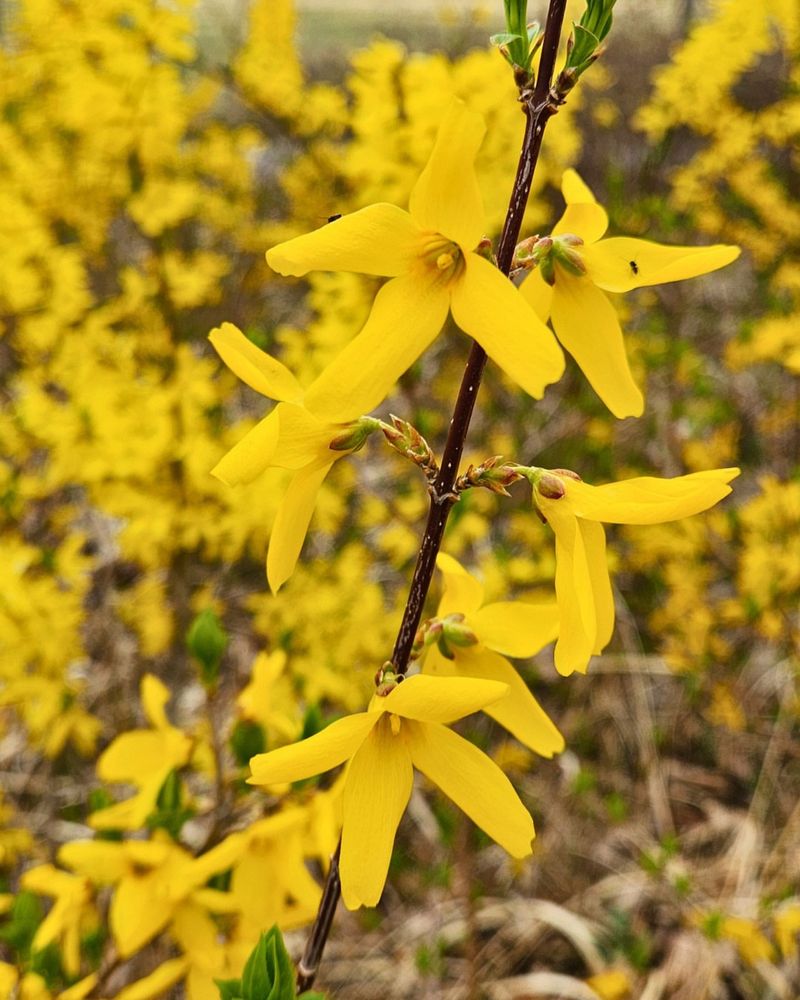
Forsythia is one of the most exciting signs that winter is finally over in Michigan, bursting into brilliant yellow almost before any other plant wakes up.
Those cheerful flowers appear on stems that the shrub grew during the previous season, which means the wood your forsythia produced this summer is already carrying the buds that will open next April or May.
Trim those branches in August and you are essentially removing a season’s worth of flowers before they ever get a chance to show off. The right window for shaping forsythia is short but important.
Right after the yellow blooms fade in early spring is the ideal time to prune, giving the shrub the entire growing season ahead to produce new flowering wood.
Your Michigan Garden Changes Every Week. Your Plan Should Too.
Gardening in Michigan changes quickly throughout the season. Every Friday you’ll receive a simple weekly plan showing exactly what to plant, prune, fertilize, harvest, and protect so you never miss the right timing.
That timing lets you shape the plant without sacrificing a single blossom, and the new growth that follows will reward you with an even better display the following spring. One thing worth mentioning is how you prune, not just when.
Shearing forsythia into a tight ball or box removes most of the naturally arching branches that give the shrub its graceful look and its best flower production.
Selective stem removal, cutting a few of the oldest stems all the way to the ground, encourages vigorous new growth while keeping that beautiful, flowing shape intact.
Michigan gardeners who follow this approach end up with a forsythia that looks full and natural, blooms heavily every year, and never turns into a stiff, over-clipped mound sitting in the corner of the yard.
3. Bridalwreath Spirea Needs Its Older Stems Preserved
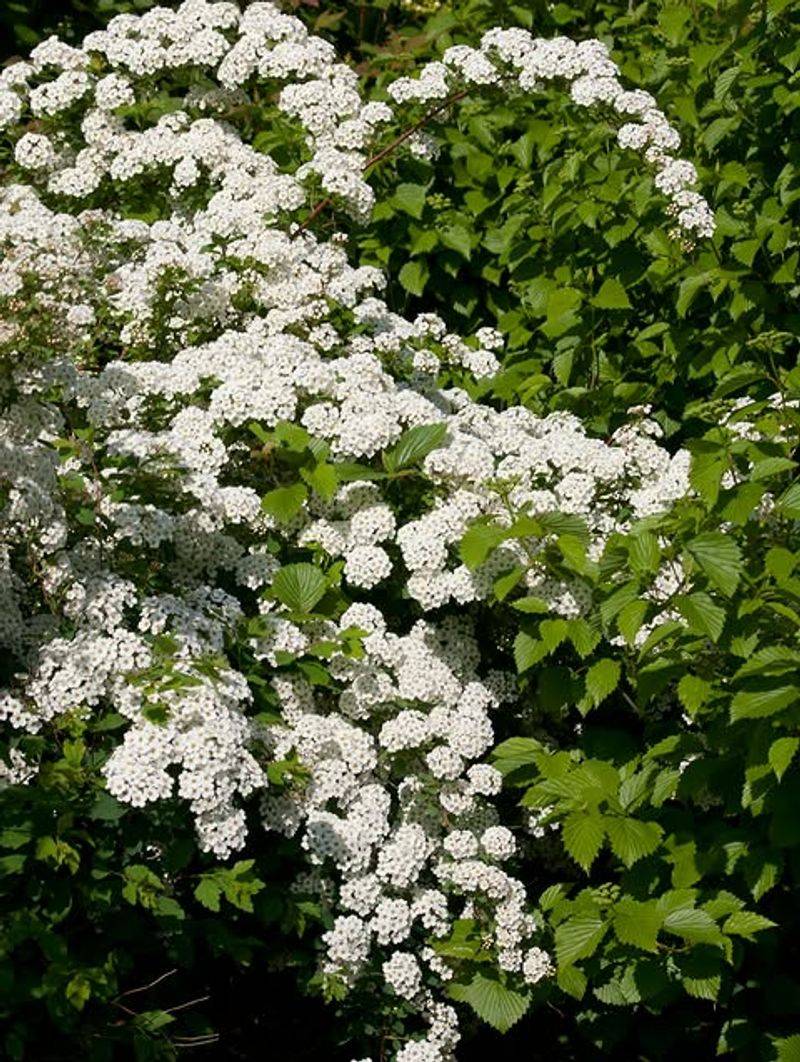
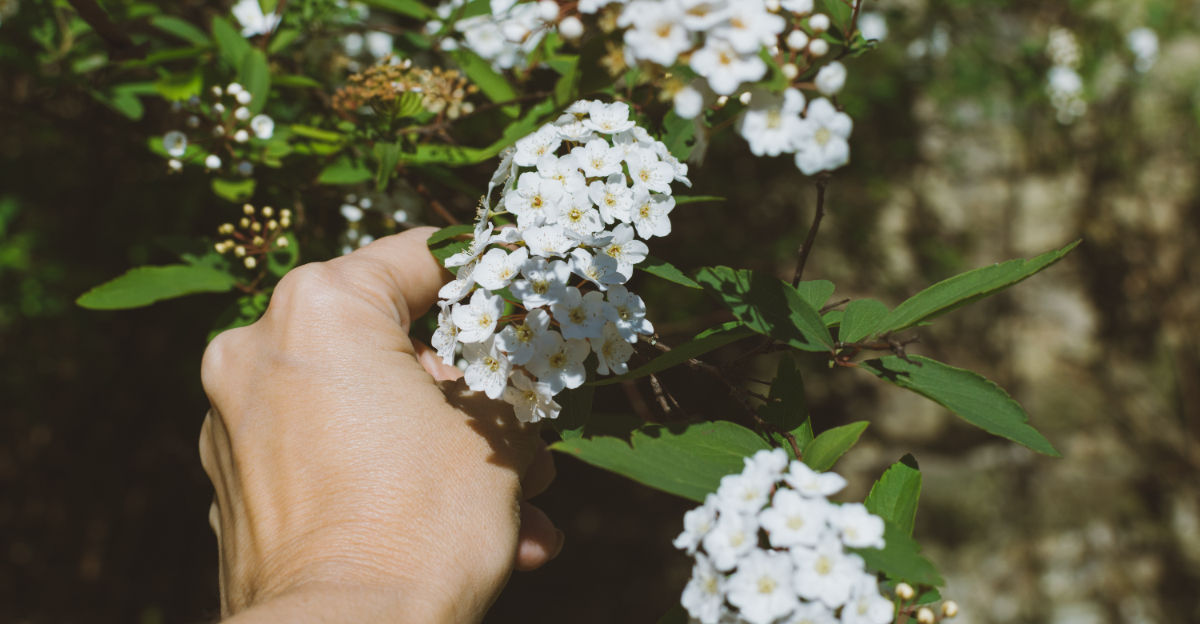
Bridalwreath Spirea is one of those classic Michigan landscape shrubs that stops people in their tracks every spring, with long arching branches draped in clusters of small white flowers that almost look like a wedding veil.
The magic of that spring display comes from stems the plant developed before the current flowering season, meaning the wood your spirea grew this summer is already preparing to carry flowers next year.
Cutting those branches back in August directly reduces the number of flower-covered arches you will see next spring. Waiting until right after the blooms fade in late spring is the best strategy for this shrub.
At that point, you can remove a limited number of the oldest, thickest stems at ground level without touching any of the younger, more productive growth.
This renewal approach keeps the plant vigorous and full while preserving the stems most likely to produce the best floral display the following season.
Younger stems on Bridalwreath Spirea tend to bloom more freely and arch more gracefully than old, woody ones, so gradually replacing the oldest growth over several years keeps the shrub looking its best.
Avoid the temptation to shear the entire plant into a rounded shape, because that approach removes the naturally flowing branches that make this spirea so visually stunning.
Michigan gardeners who treat Bridalwreath Spirea with patience and prune it at the right time are rewarded with one of the most breathtaking spring flowering shrubs in the entire neighborhood, year after beautiful year.
4. Weigela Should Be Pruned After Its Spring Display
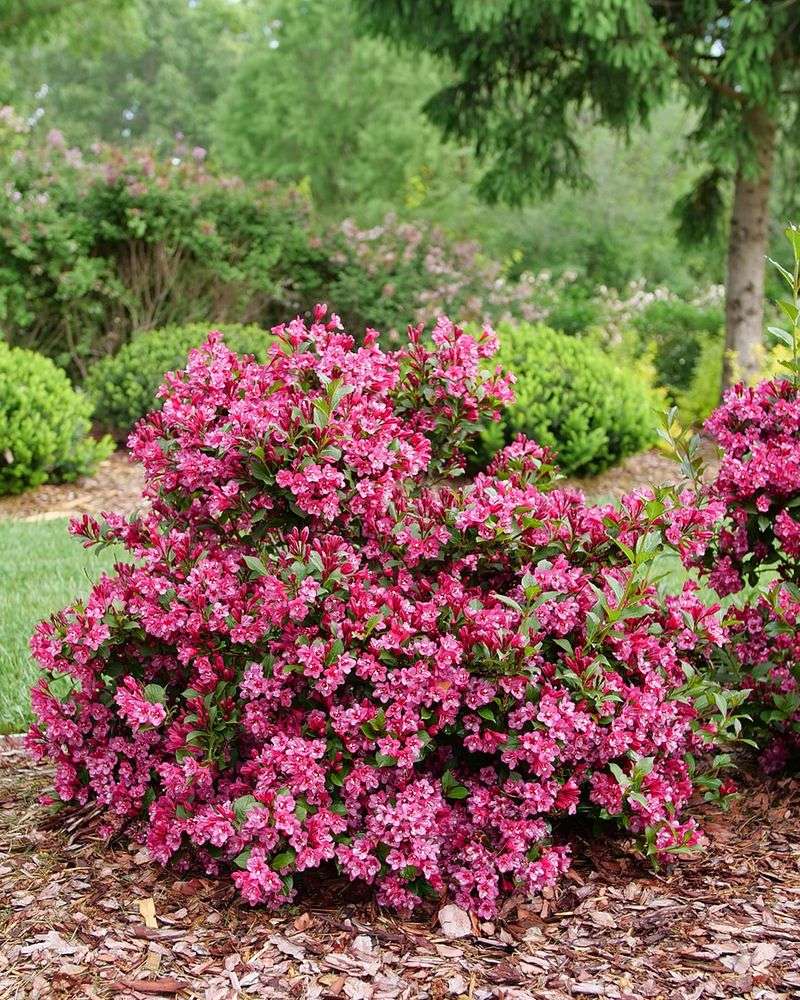
Weigela brings a burst of rich pink, red, or white flowers to Michigan yards every late spring, and hummingbirds absolutely love it.
The main flower show comes from older stems that have been on the shrub for a season or more, and those stems spend the summer months developing the buds that will produce next year’s blooms.
Cutting back those productive older stems in August removes exactly the wood that your weigela is counting on to deliver its best performance next May and June.
Weigela does rebloom lightly through summer on new growth, but the primary spectacle belongs to that older wood, and protecting it through late summer is what keeps the spring display looking full and impressive.
The smartest time to do any significant pruning is immediately after the main spring bloom period wraps up.
At that point, the shrub still has plenty of growing season ahead to push out new stems that will mature and set buds before winter arrives.
When you do prune, focus on removing a small number of the most crowded or oldest stems rather than shortening every branch across the whole plant.
Weigela has a naturally arching, fountain-like shape that looks far more beautiful when it is preserved than when the shrub is trimmed into a stiff, compact mound.
Keeping that graceful form intact while selectively thinning older stems gives you the best of both worlds: a tidy, well-proportioned shrub and a spectacular flower show that returns faithfully every single spring without missing a beat.
5. Viburnums Need Their Flowering Wood Left Intact
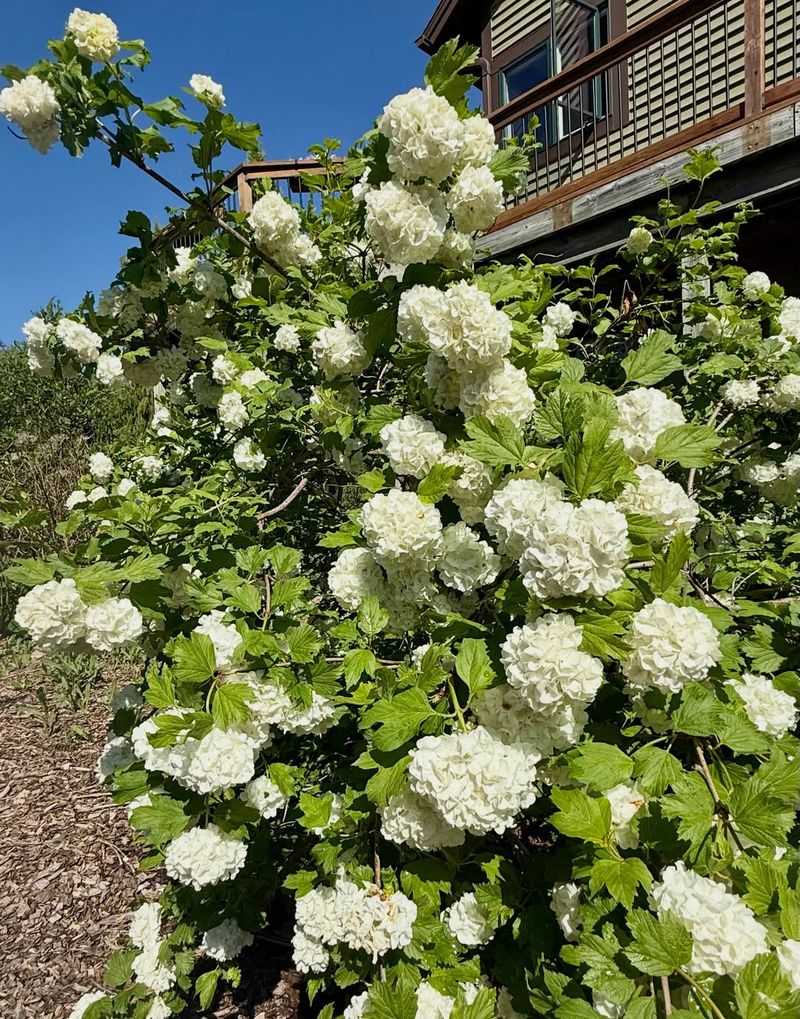
Viburnums are some of the most versatile and rewarding shrubs a Michigan gardener can grow, offering stunning spring flowers, attractive summer foliage, and colorful berries that birds adore well into fall.
Varieties like Koreanspice Viburnum, Doublefile Viburnum, and Arrowwood Viburnum all form their flower buds on growth produced before the spring bloom period, which makes August an especially risky time to start cutting.
Pruning now can remove clusters of developing flowers that the shrub has spent months preparing. There is another reason to keep the pruners away from viburnums in late summer.
Successful spring flowering leads directly to berry production, and those berries are a major reason many gardeners choose these shrubs in the first place.
Heavy August pruning not only reduces next spring’s blooms but can also significantly cut into the berry display that follows, which takes away two of the plant’s most appealing seasonal features at once.
If your viburnum genuinely needs size control or selective thinning, the best time to handle it is shortly after the spring flowers fade.
Removing a few of the oldest stems at ground level at that point allows the shrub to direct its energy into strong new growth that will carry flowers the following season.
For most established viburnums in Michigan landscapes, annual pruning is not necessary at all.
Letting these shrubs grow naturally and only stepping in when real size issues arise keeps them healthy, productive, and absolutely loaded with flowers and berries season after season.
6. Flowering Quince Sets Buds Before Winter Arrives
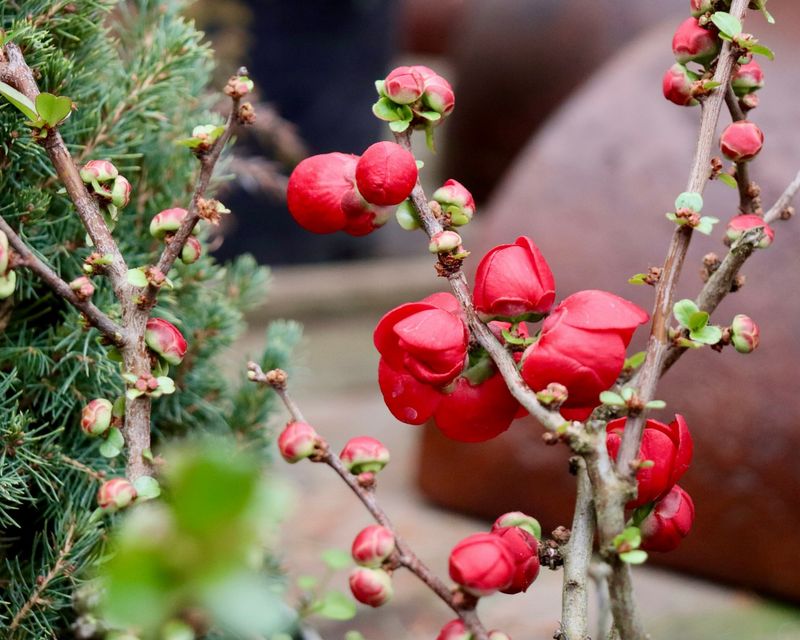
Flowering Quince is one of the earliest and most vivid signs of spring in Michigan, producing bold red, pink, orange, or white flowers on bare branches before most other plants have even thought about waking up.
Those striking blooms emerge from buds that developed on existing wood during the previous growing season, which means the branches your quince produced this summer are already in the process of forming next year’s flower buds.
An August pruning session can remove a significant portion of that developing bud wood, leaving you with a noticeably thinner flower display come early spring.
Shaping this shrub right after its spring flowers fade gives the plant the longest possible growing season to push out new stems and set fresh buds before the first frost arrives.
At that point in the season, you can remove selected crowded or crossing stems without worrying about taking away any future flowers.
Shortening every branch across the whole plant is not the best approach because it removes far more potential blooms than necessary and disrupts the shrub’s naturally appealing form.
One practical note for anyone working with Flowering Quince: many varieties carry sharp thorns, so sturdy leather gloves and long sleeves are a smart choice before reaching into the plant.
Beyond the physical caution, this shrub is genuinely tough and cold-hardy, making it a great fit for Michigan winters.
Treat it well at pruning time and it will reward you with one of the most vivid early-season color displays your yard has to offer, year after year.
7. Crabapple Trees Should Not Receive August Shaping
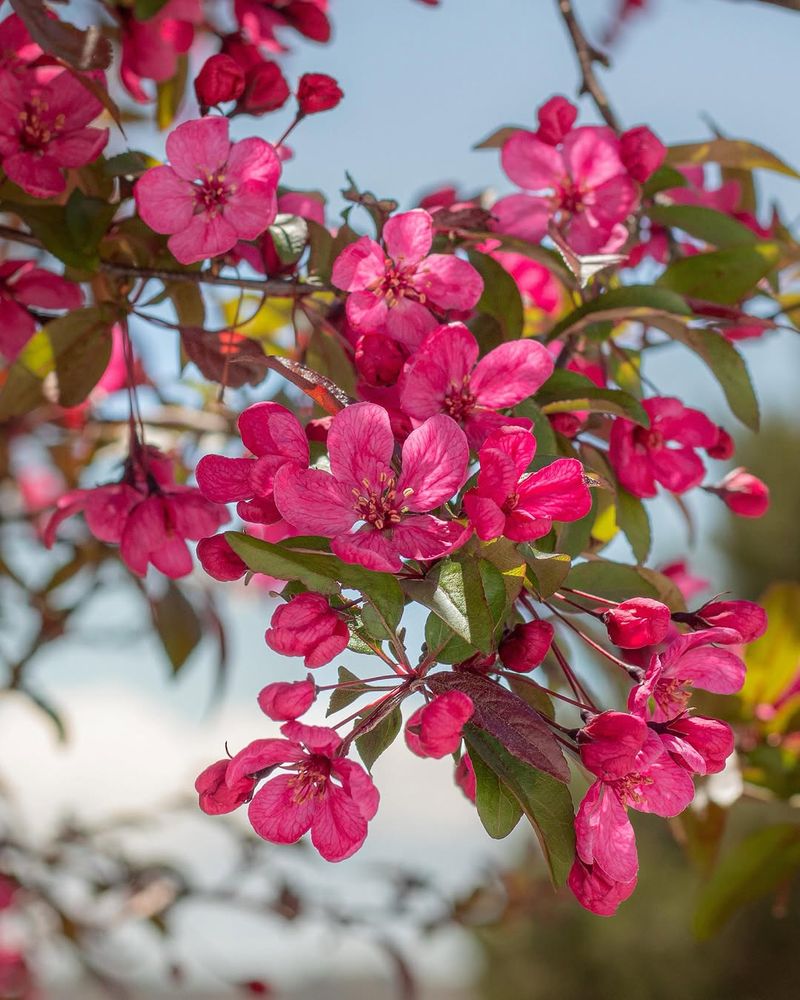
Ornamental crabapple trees are a true Michigan favorite, painting the landscape in clouds of pink, white, or red blossoms every spring and following up with colorful tiny fruits that last well into winter.
Those flower buds form on the tree before winter arrives, which means any significant branch trimming done in August has a real chance of removing buds that are already developing for next spring’s show.
Fewer buds mean fewer blossoms, and that directly affects how impressive the tree looks during its most celebrated season.
Michigan State University Extension recommends pruning spring-flowering trees after they finish blooming rather than in late summer or fall.
Following that guidance keeps the bud wood intact through the entire growing season and gives the tree the best possible chance to produce a full, stunning flower display the following year.
Light cleanup of small crossing or rubbing branches is far less damaging than removing branch tips, since tips are exactly where the most flower buds concentrate.
For larger branches, structural work, or anything that requires climbing or working at height, bringing in a certified arborist is the right call.
Crabapple trees can develop significant size over the years, and improper cuts on large limbs can create long-term problems for the tree’s structure and health.
Keeping major work to the appropriate dormant season and limiting summer touches to minor corrections protects both the tree and next spring’s flower show.
A well-timed approach to crabapple care keeps these trees looking spectacular for decades in the Michigan landscape.
8. Flowering Dogwoods Need Careful Pruning Timing
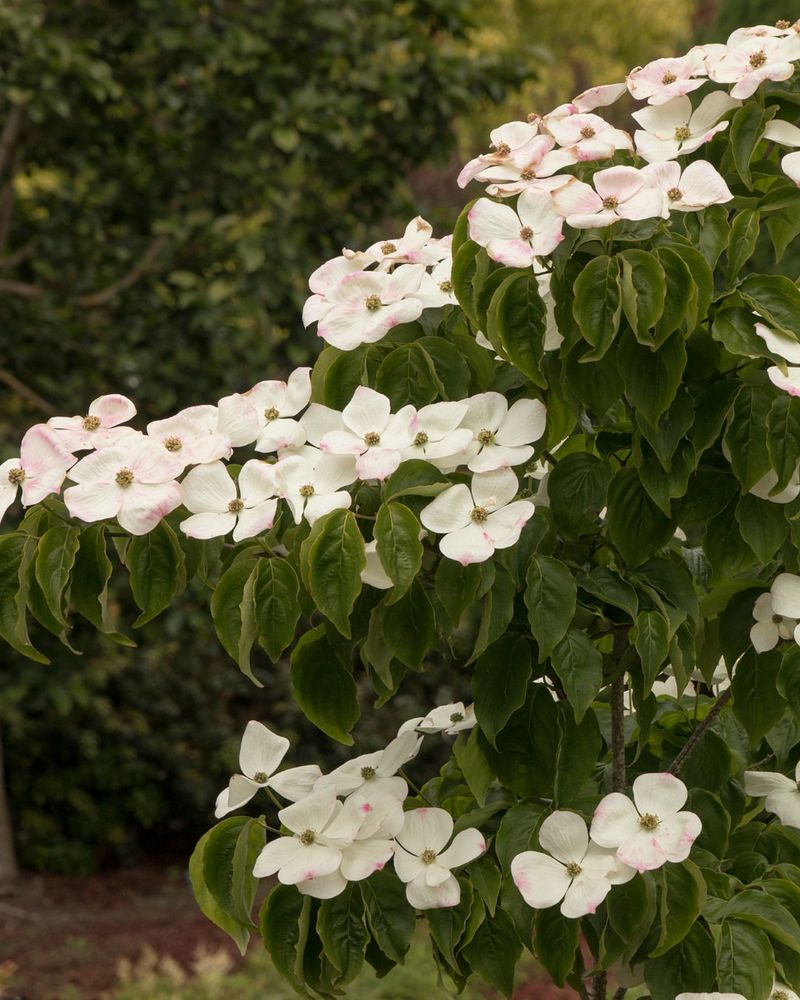
Flowering Dogwoods have a graceful, layered structure that makes them one of the most elegant small trees a Michigan gardener can grow, and their spring flower display is genuinely breathtaking.
The trees spend the preceding growing season preparing the buds that will open into those beautiful white or pink flower bracts the following spring.
Heavy pruning in August can remove a meaningful portion of that developing bud wood, which shows up as noticeably fewer flowers when spring finally arrives.
When minor shaping is truly needed, the window right after flowering in late spring is the safest time to make those cuts.
Keeping any trimming limited and preserving the tree’s natural horizontal branching pattern protects both the future flower display and the architectural beauty that makes Dogwoods so special in the landscape.
The layered form of a Flowering Dogwood is genuinely one of its greatest assets, and heavy or poorly timed pruning can disrupt that structure in ways that take years to correct.
Outside of timing-sensitive cosmetic work, the only branches worth removing at other times of year are those that are clearly damaged, diseased, crossing, or creating a safety concern.
Addressing those issues promptly is always reasonable regardless of the season, but keeping cuts to the minimum necessary protects the tree’s energy and long-term vigor.
Michigan Flowering Dogwoods thrive when they are respected and given space to grow in their natural form, rewarding patient gardeners with one of the most stunning spring displays any yard in the state has to offer.