What It Means When Gambel’s Quail Keep Visiting Your Yard In August
A soft clucking sound near the shrubs can stop you in your tracks.
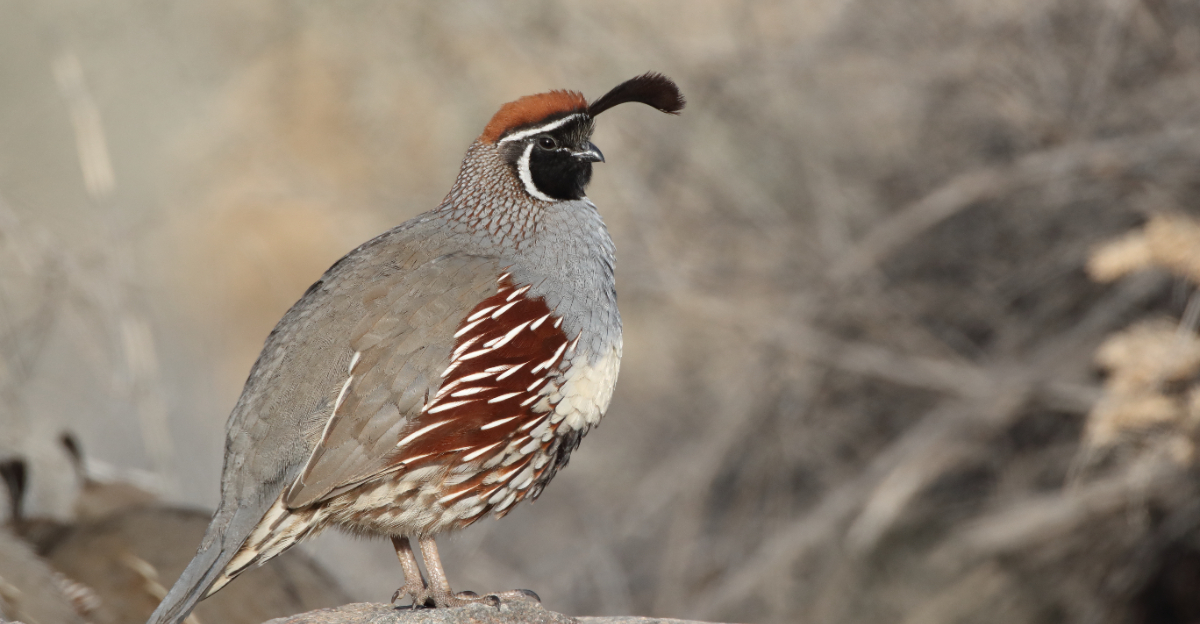
Then the little parade appears. Round bodies move quickly through the yard, topknots bobbing, feet scratching at the ground, and watchful adults pausing every few steps as the group slips between cover and open space.
August makes those visits feel especially lively.
By late summer, these desert birds are moving with purpose. They are looking for food, shade, water, dust bathing spots, safe cover, and familiar paths that help them avoid danger while the heat still holds strong.
A yard that keeps bringing them back is giving them something useful.
That does not mean you should handle them, feed them by hand, or crowd their route for a closer look. The best quail-friendly yard is calm, planted, sheltered, and predictable.
So what does it mean when Gambel’s quail keep visiting your yard in August?
It means your landscape may be part of their late-summer routine, and a few careful choices can make those visits safer for the whole covey.
1. August Coveys Are Forming
August is a social time for Gambel’s quail.
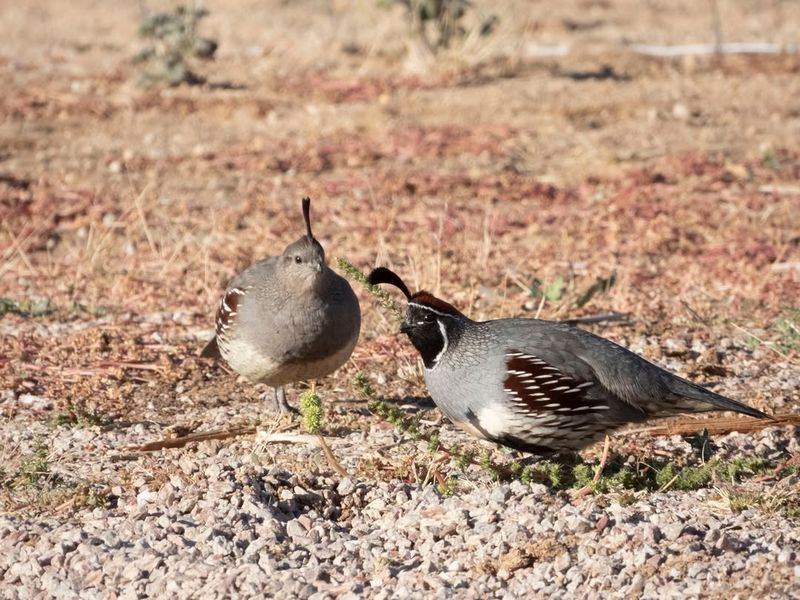
By late summer, family groups often begin moving together in larger numbers. Adults, juveniles, and sometimes several related groups may travel as a loose covey through familiar feeding and shelter routes.
A covey is not random. It helps the birds watch for predators, find food, and move more safely through hot, open landscapes.
The group may follow the same path daily. A yard with shrubs, seeds, water, or a quiet travel corridor can become part of that route.
Morning visits are common. Birds often move early before the day becomes too hot.
Evening visits can happen too. As temperatures soften, the covey may return to feed or pass through on the way to roosting cover.
Numbers can shift. Eight birds one day and fifteen the next does not automatically signal a problem.
Some groups are still families. Others may be several family units beginning to gather.
Young birds stay close to adults. They learn where to feed, where to hide, and which paths feel safest.
Avoid chasing for a better count. Sudden movement can scatter the group and put young birds at risk.
A returning covey is a compliment.
It suggests your yard offers something worth including in the birds’ late-summer map.
2. Your Shrubs Offer Safe Cover
Dense shrubs are quail security.
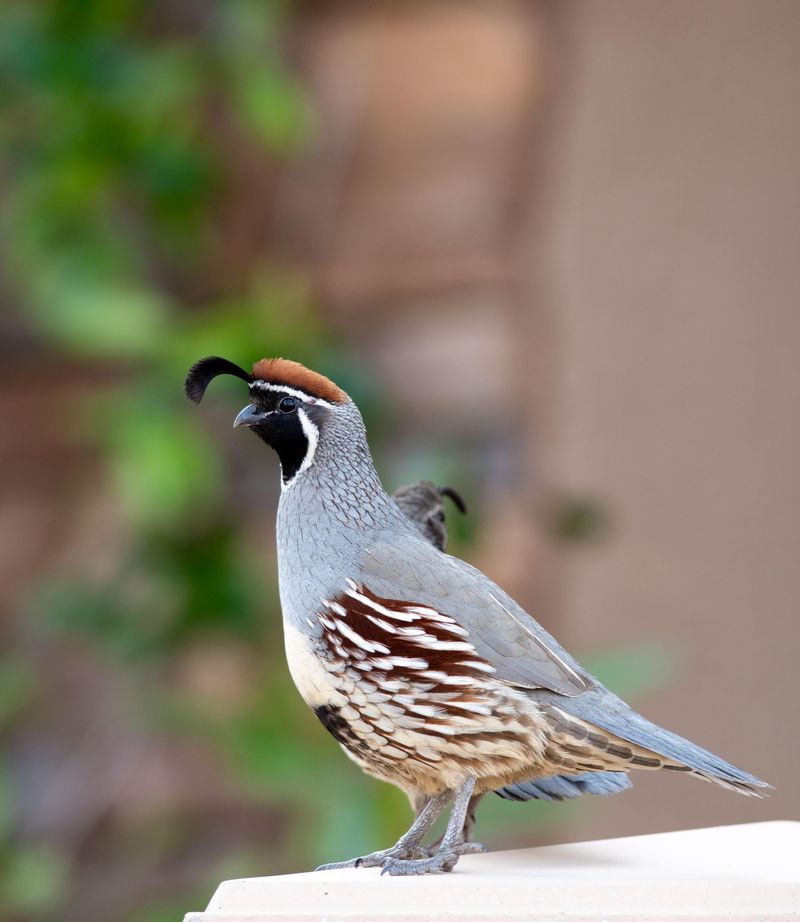
Gambel’s quail spend a lot of time on the ground, which means cover matters every minute. A yard with low, layered shrubs gives them places to duck into when a hawk, cat, dog, or sudden movement appears.
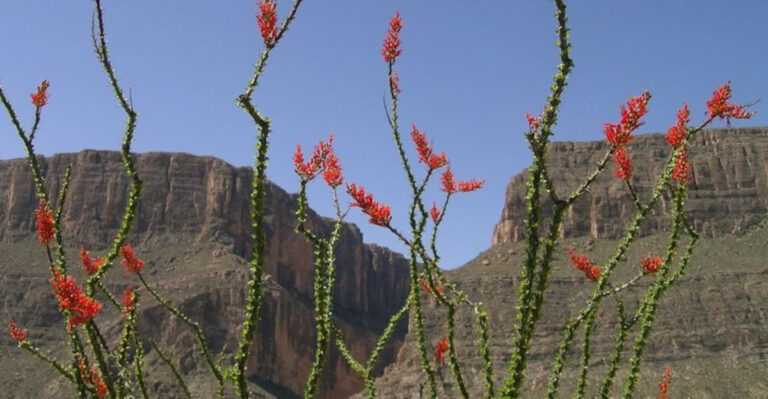
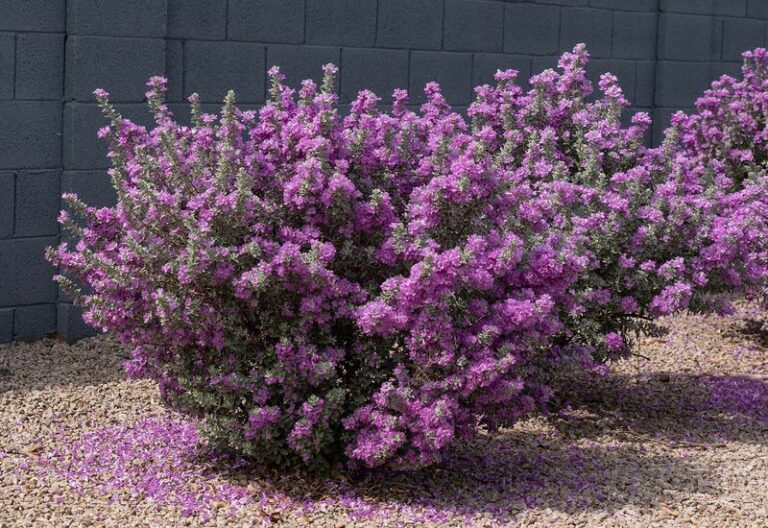
Thorny native shrubs are especially useful. Desert hackberry, wolfberry, jojoba, and similar plants can create tight shelter that larger predators cannot move through easily.
Low branches matter. A tall open shrub with bare stems below offers less protection than one with cover close to the ground.
Clusters work better than lonely plants. A connected group of shrubs lets quail move from one protected area to another without crossing too much open ground.
Your Arizona Garden Changes Every Week. Your Plan Should Too.
Gardening in Arizona changes quickly throughout the season. Every Friday you’ll receive a simple weekly plan showing exactly what to plant, prune, fertilize, harvest, and protect so you never miss the right timing.
Shade is part of the appeal. In August heat, the soil under shrubs can be far more comfortable than exposed gravel or pavement.
Quail may rest quietly there at midday. Stillness under a shrub does not mean something is wrong.
Place cover near feeding areas. Birds like to step out, feed quickly, then retreat if danger appears.
Do not crowd cover against the house. Dense plantings right at the foundation can create other wildlife conflicts.
Leave small gaps for movement. A good quail route has both hiding places and clear ground-level passages.
Shrubs are more than decoration.
To a covey moving through summer heat, they are shelter, shade, and escape routes all at once.
3. Seeds Are Easy To Find
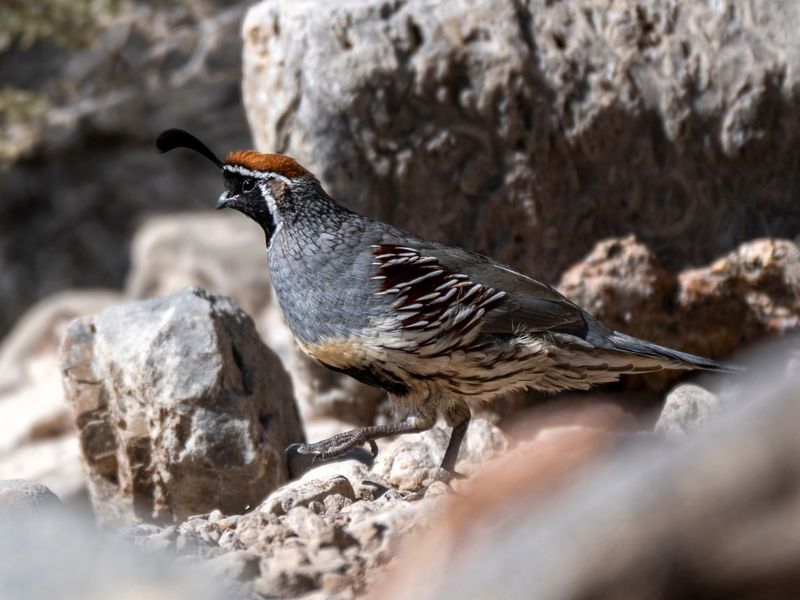
A seed-rich yard can become a regular stop.
Gambel’s quail feed heavily on seeds from grasses, wildflowers, shrubs, and annual plants. In August, they are often searching the ground for fallen seed that is easy to pick up quickly.
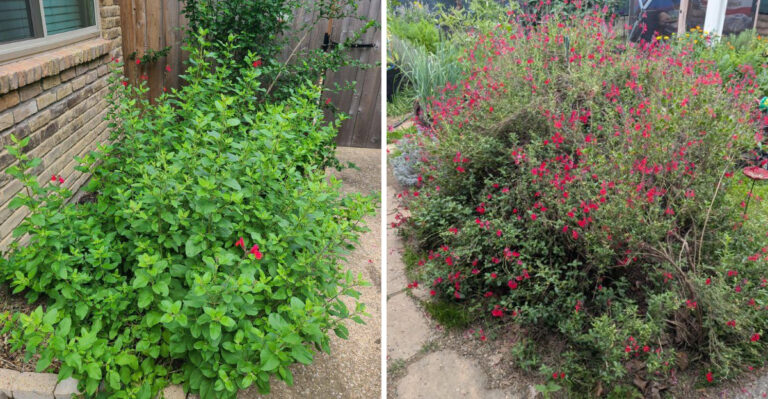
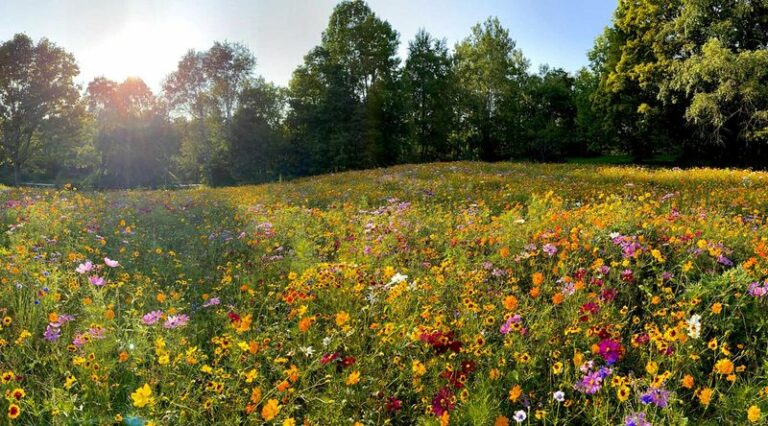
Native plants help the most. Desert marigold, globe mallow, native grasses, and summer annuals can provide natural food without creating the problems of messy feeders.
Let some plants finish their cycle. A flower that goes to seed may look less tidy for a moment, but it can become valuable quail food.
Lightly open ground helps. Birds need enough visibility to spot seed and watch for danger.
Too much thick groundcover can limit access. Quail prefer to forage where they can move quickly.
Weedy native annuals can be useful after rain. Not every volunteer plant needs to disappear the moment it sprouts.
Avoid herbicide-heavy cleanup. Removing every seed-producing plant leaves less natural food for birds.
Be careful with spilled birdseed. It can attract quail, but it can also draw rodents and concentrate birds in unhealthy ways.
Clean feeding areas if you supplement. A low tray should stay dry, fresh, and away from predator hiding spots.
Natural seed is better than constant handouts.
A yard that grows food gives quail a reason to return without making them dependent on people.
4. Monsoon Growth Adds Fresh Food
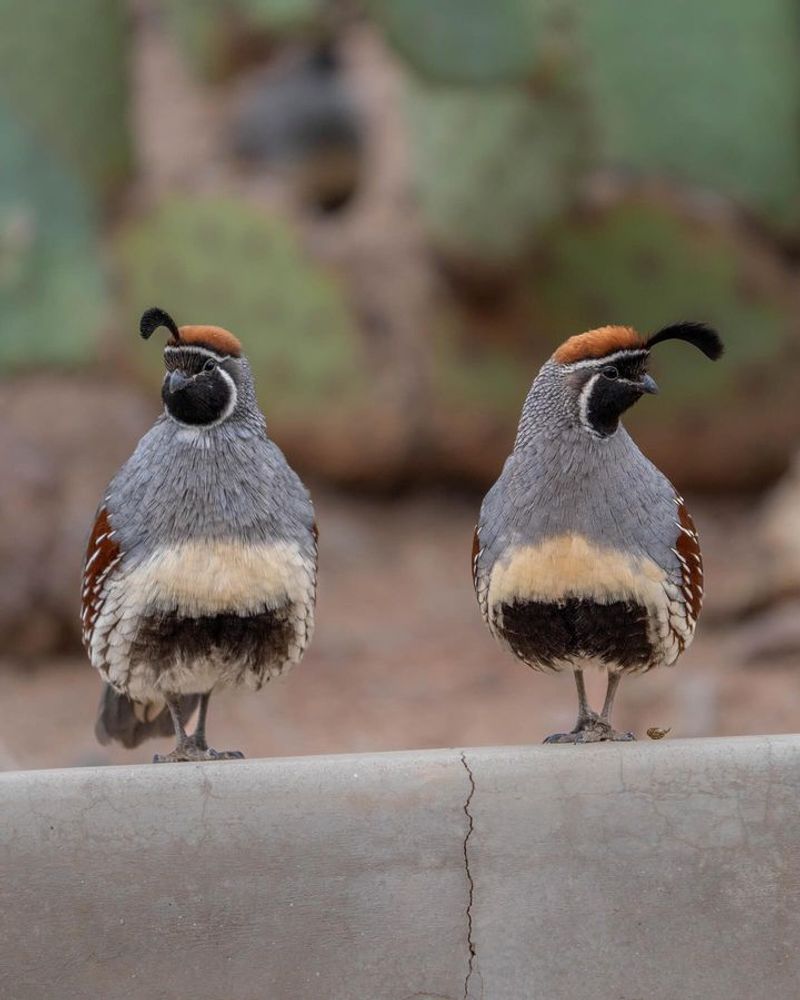
Rain changes the desert menu fast.
During the monsoon season, a single storm can wake up seeds, push out fresh leaves, and bring insects into motion. Gambel’s quail respond quickly because those changes mean food and moisture are easier to find.
Fresh growth is valuable. Tender leaves and new shoots add moisture and nutrients to a seed-heavy diet.
Insects increase too. Beetles, grasshoppers, caterpillars, ants, and other small prey can become more available after rain.
Young birds benefit from protein. Juveniles still growing may feed on more insects than adults do.
Storm patterns are local. One neighborhood may receive enough rain to green up while another stays dry.
That can shift routes. A yard with fresh growth after a storm may suddenly become more attractive.
Native plants respond well. Plants adapted to the region often green up quickly after summer rain.
Capture runoff wisely. Shallow basins, contouring, and mulch can help rain soak into planted areas instead of rushing away.
Avoid flooding roots. Quail-friendly planting still needs good drainage around desert plants.
Watch the yard a few days after rain. That is when fresh food activity may increase.
A monsoon visit is not accidental.
The birds are reading the same landscape changes you can see after the storm passes.
5. Young Birds Follow The Adults
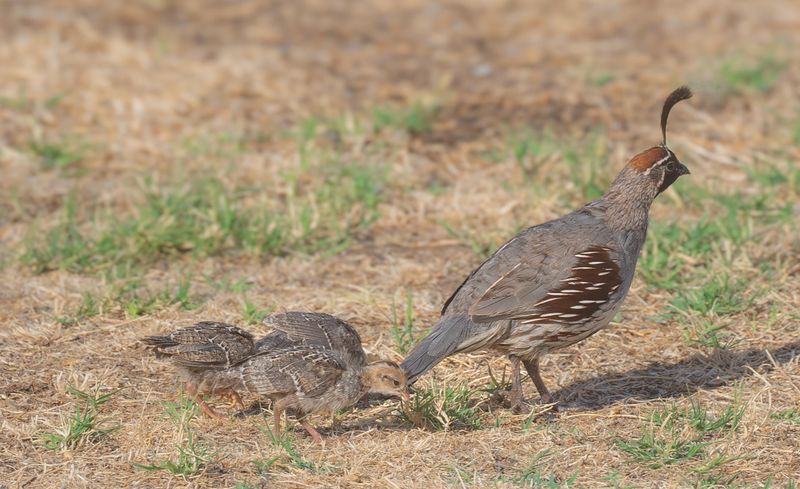
Juvenile quail turn every yard visit into a lesson.
The small birds rushing after the adults are learning the neighborhood. They watch where the group feeds, which shrubs provide cover, and how quickly everyone moves when a warning call sounds.
The adults lead the route. They guide the group between food, shade, water, and safety.
Young birds stay low and fast. Their movement can look chaotic, but the group is usually well organized.
Distance helps them stay calm. A person stepping too close can scatter the covey and separate smaller birds from the adults.
Watch from indoors when possible. A window view gives you the show without interrupting the family.
Use binoculars for detail. You can see topknots, markings, and behavior without crowding the birds.
Do not try to feed chicks by hand. Human attention can cause more stress than help.
Keep pets away. Dogs and cats can break up a covey in seconds.
Avoid trimming favorite cover during visits. The family may be relying on that shrub as part of its route.
Give them a predictable space. Quiet yards with safe cover are far more useful than yards full of sudden disturbance.
Those little birds are not just passing through.
They are learning a survival map, and your yard may be one stop on it.
6. Water May Support Summer Visits
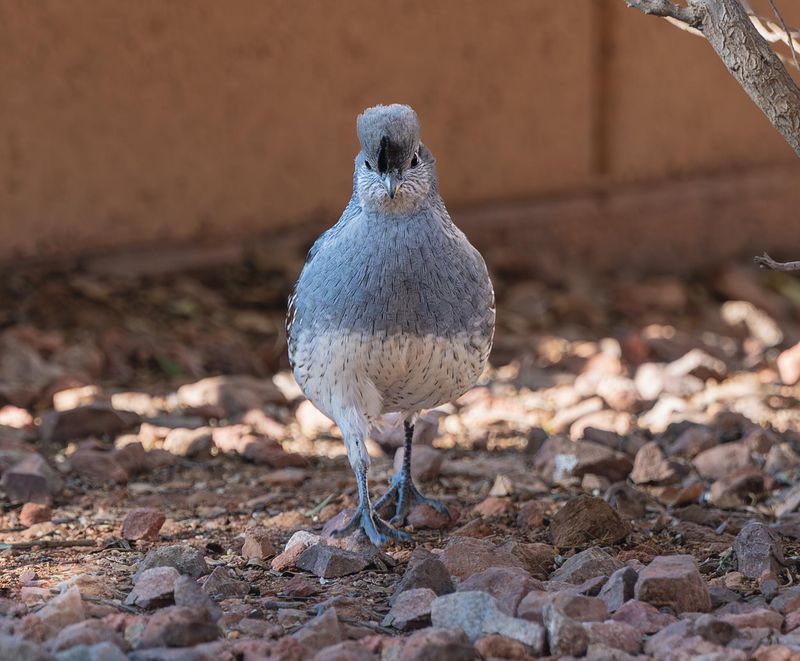
Water can make a yard more useful in August.
Gambel’s quail get moisture from seeds, insects, and fresh plant growth, but extreme heat makes a clean shallow water source attractive. The setup, however, needs care.
Use shallow water. A dish that is too deep can be risky, especially for young birds.
Add stones or gravel. Birds need secure footing while they drink.
Place water near cover, not inside it. Quail need a quick retreat, but they also need to see approaching predators.
Change water often. Fresh water helps prevent algae, bacteria, and mosquito larvae.
Scrub the dish regularly. A quick rinse is not always enough in summer heat.
Avoid slippery containers. Smooth deep bowls are harder for small birds to use safely. A slow dripper can help. Moving water is easier for birds to notice and often stays fresher.
Do not create muddy mosquito pockets. Keep the area clean and drained around the dish. Remove water when it becomes unsafe to maintain. Dirty water can do more harm than good.
Keep cats away from water spots. A drinking station should never become an ambush point.
Water is useful when managed well. The safest version is shallow, clean, visible, and close enough to cover for a quick escape.
7. Dusty Ground Offers Bathing Space
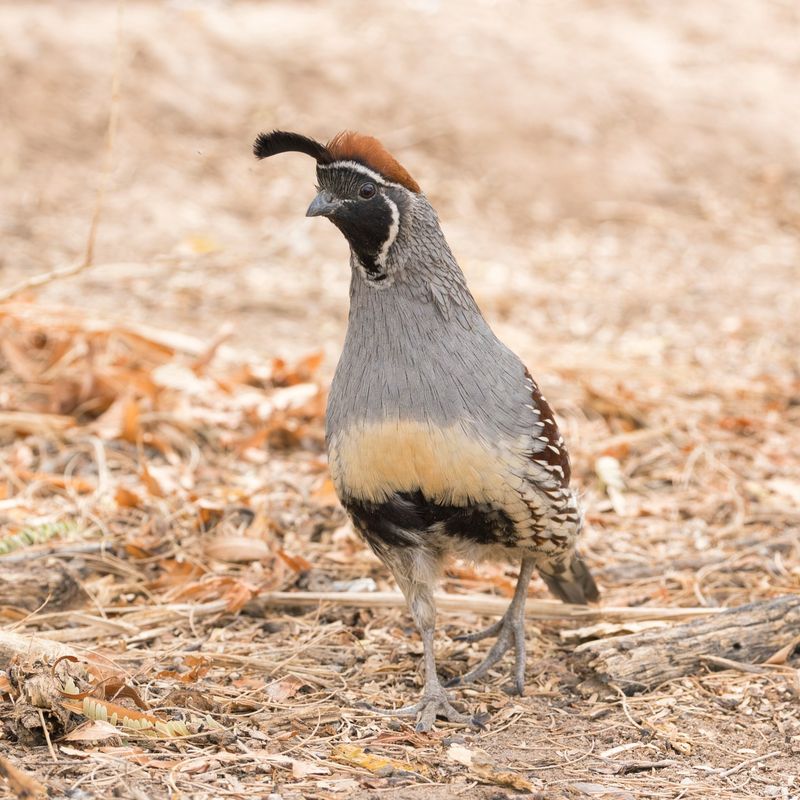
Loose dry soil can be a quail spa.
Dust bathing helps birds maintain their feathers and manage external parasites. Gambel’s quail may return to the same dusty patch again and again when it feels safe.
The signs are subtle. Look for shallow saucer-shaped depressions in dry soil. They may be only a few inches wide. A dust bath does not need to look dramatic.
Birds wriggle into the soil. They fluff their feathers, toss dust through the plumage, and shake it back out. Do not fill every bare patch. A small area of clean, dry soil can be useful habitat.
Keep it away from heavy foot traffic. Quail prefer calm places where they can relax briefly. Avoid pesticide-treated dust areas. Birds should not bathe in soil that may carry harmful residues.
Do not confuse it with digging damage. Dust bathing usually creates shallow bowls, not torn-up plant roots. Create a simple dust corner. Loosen a small patch of fine dry soil in a sunny, quiet area.
Let the birds decide. They may use it right away, or they may prefer a spot they already found.
A tidy yard can still leave room for this. One small patch of dusty ground may become a favorite part of the covey’s August routine.