The Arizona Container Vegetables That Keep Producing Through August Heat
Most people expect container gardens to give up once August settles in.
They don’t have to. Plenty of vegetables keep producing when the weather turns relentless, especially if you picked the right varieties.
In Arizona, summer does not automatically mean the harvest is over. A few smart choices can keep fresh food coming long after other plants slow down.
Instead of pulling every pot aside, give heat-loving crops the chance to prove what they can do. You might be surprised by how much they still have to offer.
Growing in containers also lets you react faster when conditions change. Moving a pot into afternoon shade or adjusting watering takes only minutes.
Before you empty those pots, take another look first. Tough vegetables often reward patient gardeners through August.
1. Okra Keeps Harvests Going Through August
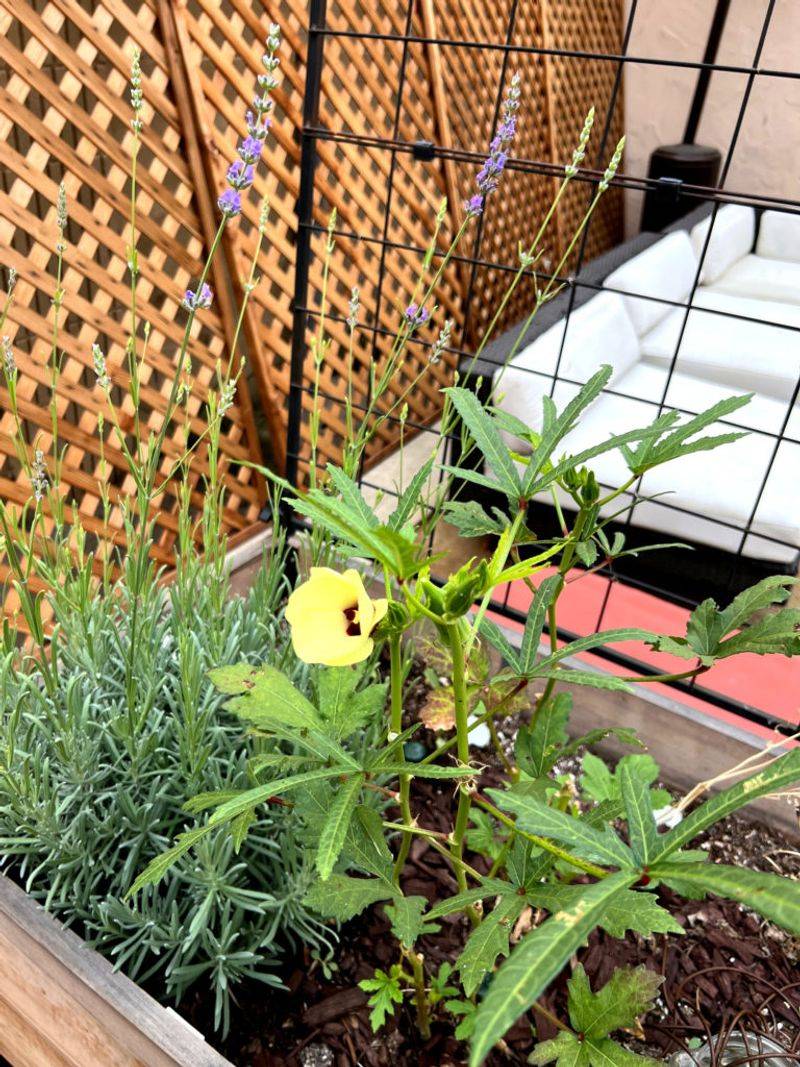
Okra was practically built for this kind of heat. Native to warm climates, it pushes out new pods almost faster than you can pick them once temperatures climb above 85 degrees.
In a container, it roots deep and stays productive through weeks of triple-digit weather.
Use a pot that holds at least five gallons per plant. Okra grows tall, so a heavier container helps prevent tipping in afternoon winds.
Water deeply every day during peak summer, and make sure drainage holes are clear to avoid root stress.
Harvest pods when they reach two to four inches long. Pods left on the plant too long become woody and tough.
Regular picking signals the plant to keep producing, so check daily during hot stretches.
Clemson Spineless is a reliable variety for container growing. It stays manageable in size and produces steadily through the season.
A light application of balanced fertilizer every two to three weeks helps maintain output without overfeeding.
Place containers where plants get morning sun and some afternoon shade if possible. Even okra appreciates a break from intense afternoon rays, and shaded placement can extend its productive window noticeably.
Adding a layer of mulch on top of the potting mix helps the soil stay cooler and slows moisture loss during extreme heat.
Remove any older leaves near the bottom of the plant as it grows to improve airflow and keep the container looking tidy.
2. Hot Peppers Continue Setting Fruit In Extreme Heat
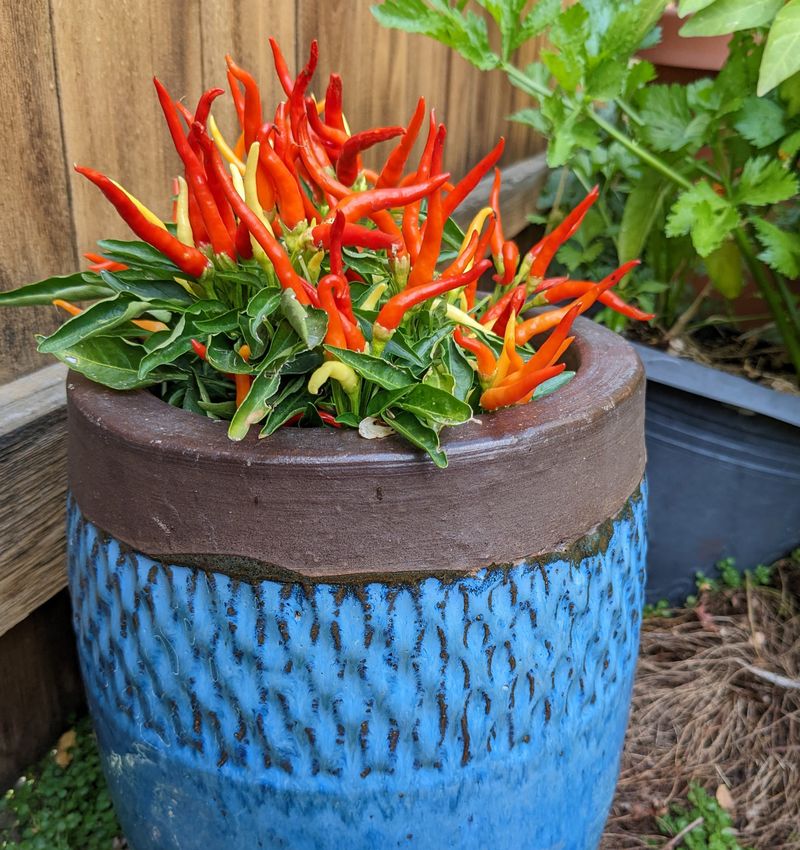
Hot peppers are one of the few vegetables that genuinely thrive when temperatures stay high for weeks. Unlike tomatoes, which often stop setting fruit above 95 degrees, many hot pepper varieties keep right on producing through intense summer heat.
Varieties like Serrano, Cayenne, and Jalapeno handle desert summers better than most. Thai hot peppers are especially resilient and tend to load up with fruit even during the hottest stretches.
Container growing lets you move plants to better spots as conditions shift.
Use a dark-colored container only if nighttime temperatures drop enough to warm the roots beneficially. In extreme heat, lighter-colored pots can help prevent soil from overheating and stressing the root zone during the day.
Water consistently and avoid letting the soil dry completely between waterings. Inconsistent moisture leads to blossom drop, which cuts into your harvest.
Your Arizona Garden Changes Every Week. Your Plan Should Too.
Gardening in Arizona changes quickly throughout the season. Every Friday you’ll receive a simple weekly plan showing exactly what to plant, prune, fertilize, harvest, and protect so you never miss the right timing.
Drip irrigation or self-watering containers work well for peppers in hot climates.
Feed with a low-nitrogen fertilizer once fruit starts setting. Too much nitrogen pushes leafy growth instead of fruit production.
A five-gallon container per plant gives roots enough room to support a full season of steady harvests.
Harvest peppers often once they reach full size, since regular picking encourages the plant to keep producing throughout the hottest part of the season.
3. Yardlong Beans Keep Growing New Pods
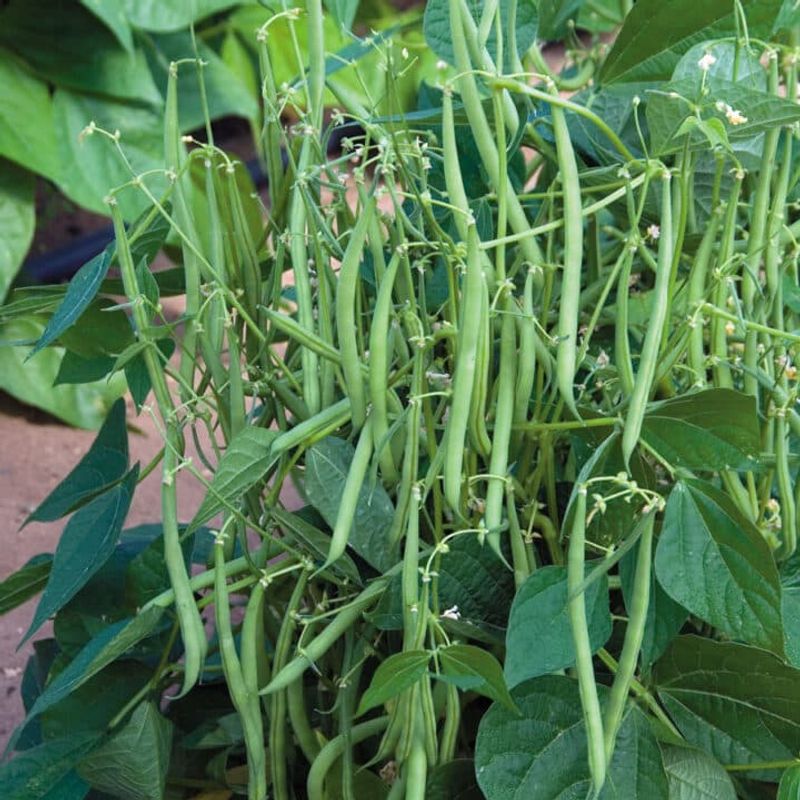
Yardlong beans earn their name honestly. Pods can reach 18 inches or longer, and they grow fast once heat sets in.
Unlike common green beans, yardlong beans actually prefer high temperatures and tend to underperform in cooler weather.
Set up a trellis before planting. These vines climb aggressively and need vertical support to produce well.
A sturdy stake or small trellis secured to a large container keeps plants upright and makes harvesting much easier.
Plant in containers of at least seven to ten gallons to give roots enough depth. Yardlong beans are legumes, so they fix some nitrogen in the soil, but a light fertilizer application at planting time helps establish strong early growth.
Water consistently in the morning. Wet foliage overnight can encourage fungal issues, which become more common when humidity rises during summer monsoon season.
Morning watering gives leaves time to dry before evening temperatures drop.
Pick pods before they mature fully. At full size, pods become fibrous and less pleasant to eat.
Harvesting at 12 to 16 inches keeps quality high and encourages the plant to set new flowers quickly. Expect multiple flushes of production through August.
4. Armenian Cucumbers Tolerate Summer Heat Well
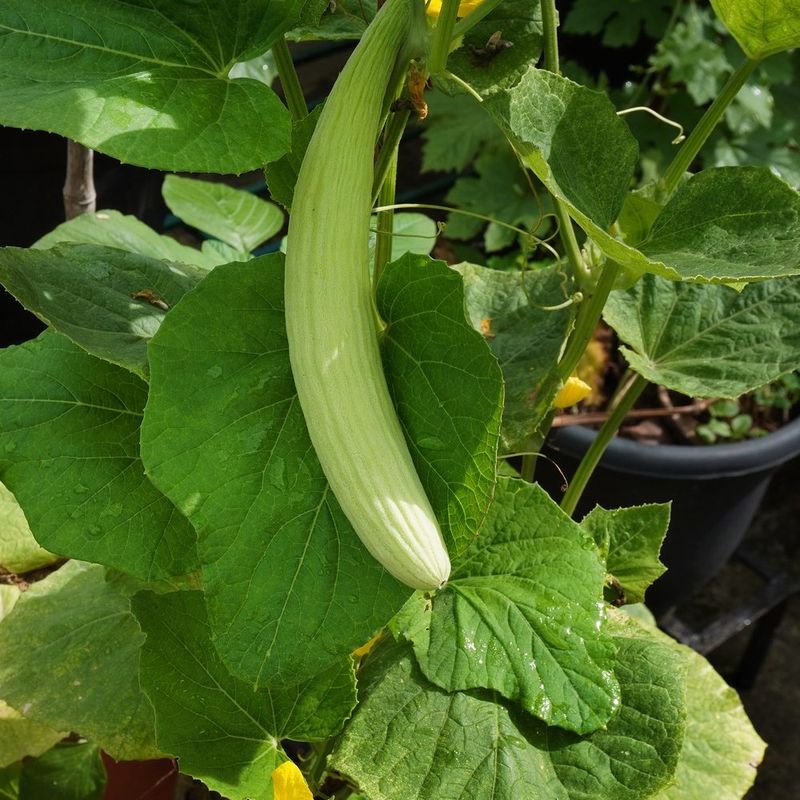
Armenian cucumber is not technically a cucumber, but most gardeners treat it like one. It belongs to the muskmelon family, which explains why it handles intense heat far better than standard cucumber varieties.
Fruit can reach two feet long and stays mild-flavored even when temperatures soar.
Grow it vertically. A trellis keeps fruit straight and makes it easier to spot harvest-ready cucumbers.
Containers of ten gallons or more support the vine’s size and keep roots from drying out too quickly during heat spikes.
Water deeply every day in peak summer. Shallow watering encourages surface roots that are more vulnerable to heat stress.
Deep watering pushes roots downward where soil stays slightly cooler and more stable.
Harvest fruit young for the best texture. At 12 to 15 inches, the skin is thin, seeds are small, and flavor is crisp.
Fruit left on the vine too long becomes seedy and loses its appeal quickly in high temperatures.
Afternoon shade helps extend production when temperatures consistently exceed 105 degrees. Containers make repositioning easy.
Moving plants to a spot with filtered afternoon light can reduce stress and keep vines setting new fruit longer into the season.
5. Malabar Spinach Replaces Heat Sensitive Greens
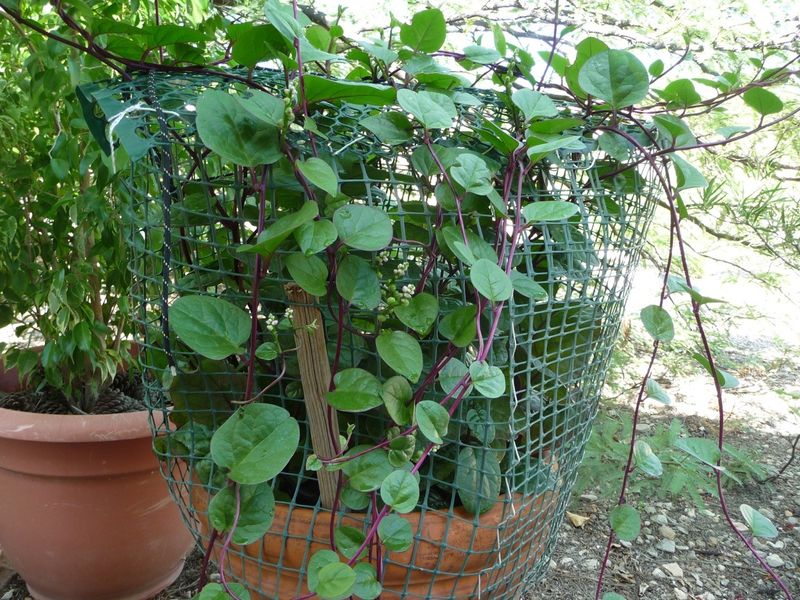
Regular spinach gives up quickly once summer heat arrives. Malabar spinach steps in to fill that gap.
It is a tropical vine that produces thick, glossy leaves with a mild flavor, and it performs well in the kind of heat that would cause traditional greens to bolt immediately.
Malabar spinach grows as a vine, so give it something to climb. A small trellis or cage in a large pot works well.
Containers of at least five gallons provide enough root space for strong vine development through the season.
Leaves can be harvested continuously once the vine reaches a foot or two in length. Snip outer leaves and stems regularly to encourage bushier growth.
Consistent harvesting prevents the plant from putting all its energy into flowering too early.
Two main varieties exist: green-stemmed and red-stemmed. Both handle heat similarly, though the red-stemmed type adds visual interest to a patio container setup.
Flavor is nearly identical between varieties.
Water regularly and keep soil evenly moist. Malabar spinach tolerates heat but does not tolerate drought well.
Mulching the top of the container with a thin layer of straw or wood chips helps retain moisture between waterings during hot spells.
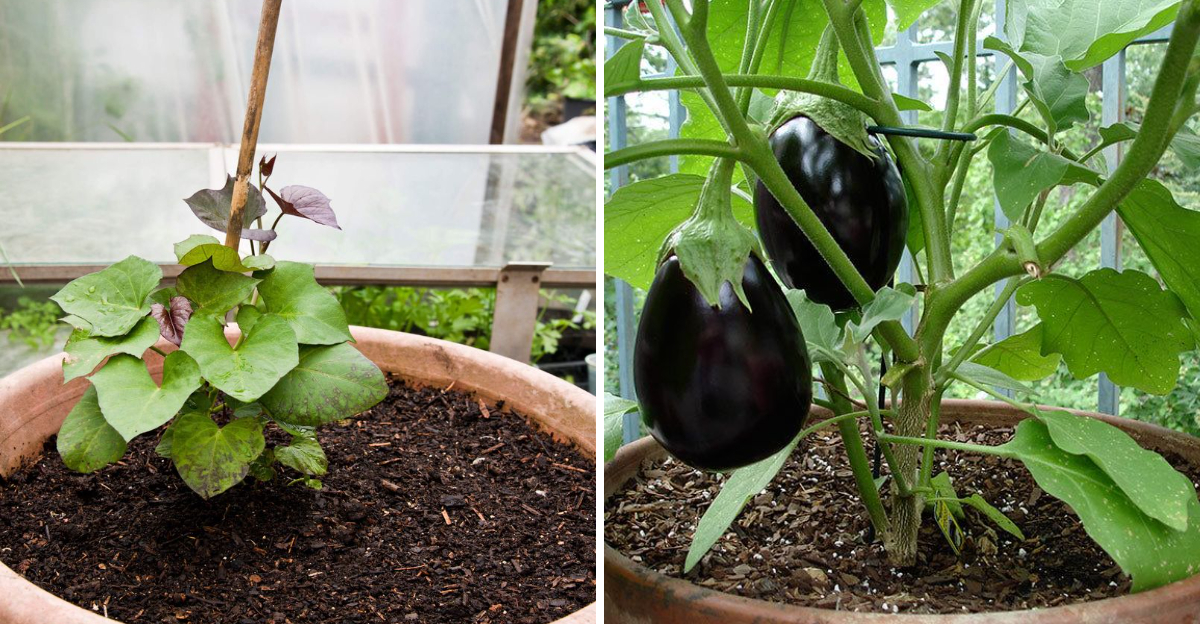
6. Sweet Potatoes Thrive In Deep Containers
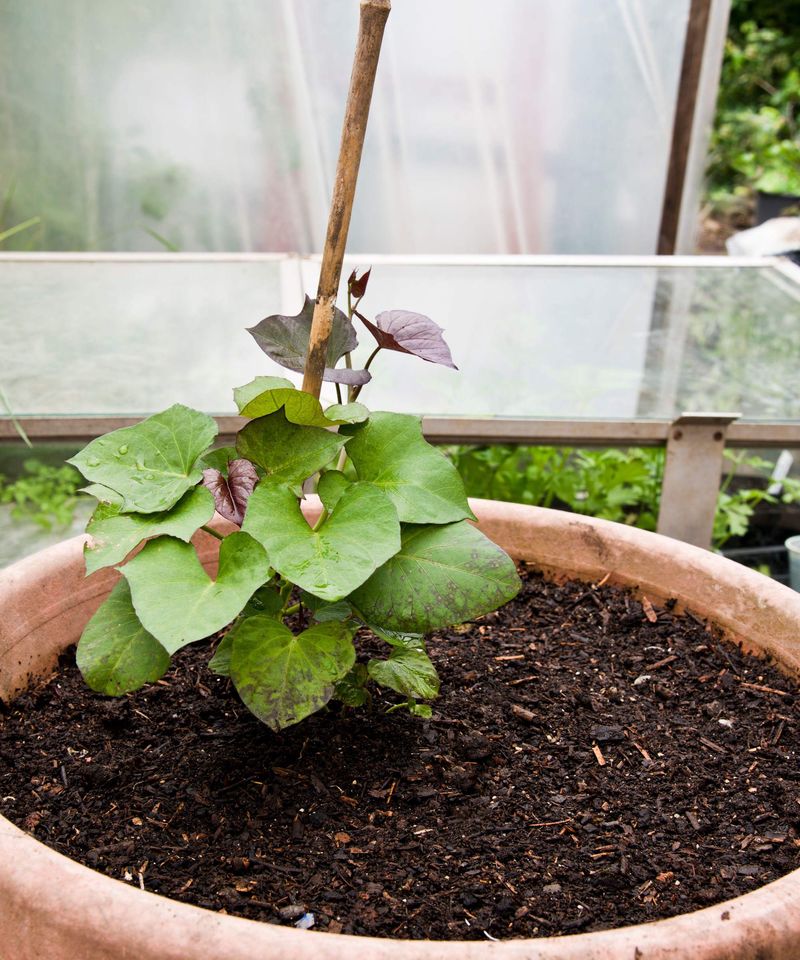
Sweet potatoes are a surprisingly strong fit for container gardening in hot climates. They love warmth, tolerate drought better than most vegetables, and produce both edible leaves and tubers from a single plant.
That dual harvest makes them especially practical for small-space gardeners.
Use the deepest container you can find. At least 12 inches of depth is needed for tubers to form properly.
Half wine barrels or large fabric grow bags in the 15 to 20 gallon range give roots the room they need to develop full-sized tubers.
Plant slips rather than seeds. Slips root quickly in warm soil and establish fast during summer.
Beauregard and Centennial are varieties that tend to perform well in hot, dry conditions when given consistent irrigation.
Vines spread aggressively. Let them trail over the container edges or train them back into the pot.
Trailing vines can overheat on hot concrete, so elevating containers slightly improves airflow around stems and reduces ground-level heat stress.
Harvest timing takes patience. Most sweet potatoes need 90 to 120 days to reach full size.
Start slips early enough in summer that harvest falls before first frost, though in low desert regions, that window extends well into fall without much concern.
7. Southern Peas Yield Through Hot Summer Weather
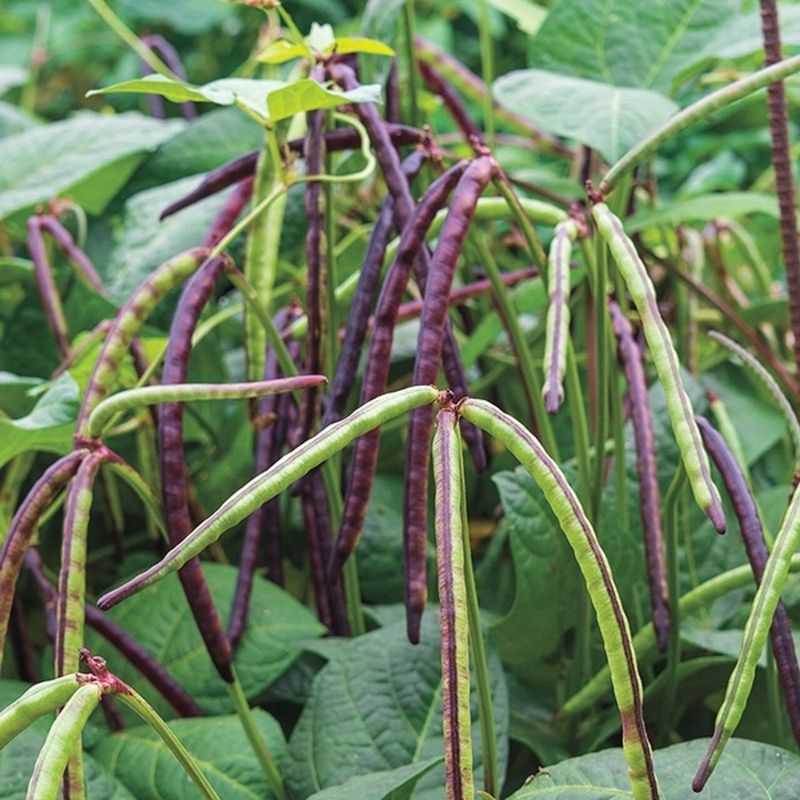
Southern peas, which include cowpeas, black-eyed peas, and crowder peas, were developed in warm climates and show it.
They push through high temperatures without much complaint and continue producing pods when most other legumes have long since faded for the season.
A five-gallon container per plant is a reasonable minimum. Larger containers hold more moisture and reduce stress during heat spikes.
Southern peas are relatively drought-tolerant once established, but consistent watering improves yield significantly.
Iron and Clay varieties are among the most heat-tolerant options. Mississippi Purple and Pinkeye Purple Hull also perform well in hot container setups.
Bush-type varieties tend to work better in pots than vining types, which need more support.
Fertilize lightly. Southern peas fix nitrogen like other legumes, so heavy feeding can push leafy growth at the expense of pod production.
A balanced starter fertilizer at planting time is usually sufficient for the full growing season.
Pods are ready to pick when they feel full and firm but before they dry on the vine. Fresh southern peas cook faster than dried ones and have a creamier texture.
Harvesting regularly keeps plants focused on setting new pods through August.
Place containers where plants receive at least six to eight hours of direct sunlight each day for the best harvest.
8. Eggplant Produces Well In Summer Heat
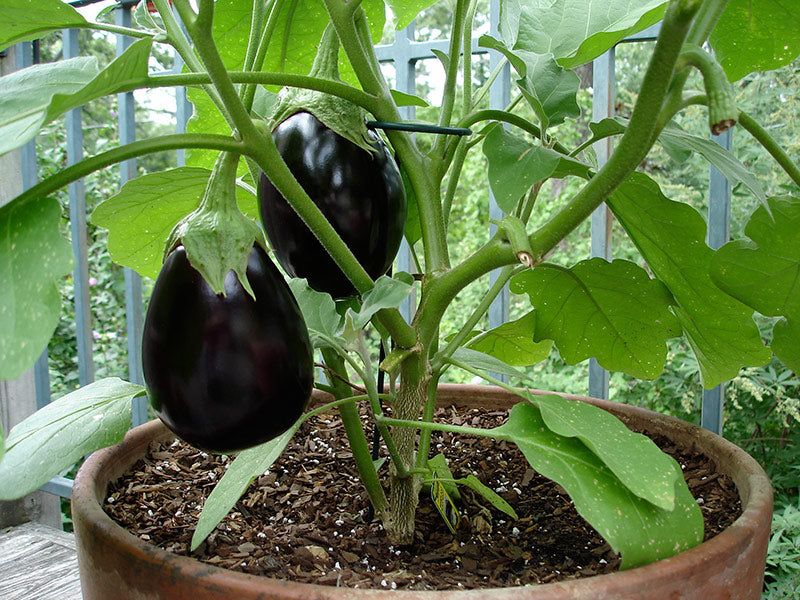
Eggplant loves heat in a way that surprises a lot of new gardeners. While other vegetables sulk through August, eggplant tends to hit its stride right when temperatures peak.
It sets fruit reliably in warm weather and keeps producing as long as it gets consistent water.
Japanese and Asian varieties tend to do better in containers than large Italian types. They produce smaller, slender fruits that develop quickly, which means more harvests per season.
Ichiban and Ping Tung Long are popular choices for desert container gardening.
Fabric grow bags work well for eggplant because they promote air pruning and prevent root circling. A minimum of five gallons per plant is recommended.
Larger containers hold moisture longer, which reduces watering frequency during heat spikes.
Watch for spider mites during dry, hot stretches. A strong spray of water on the undersides of leaves every few days can reduce mite pressure without chemicals.
Keeping plants well-watered also helps them resist pest stress more effectively.
Harvest fruit while skin is still glossy and firm. Waiting too long results in bitter flesh and seeds that are too developed.
Regular harvesting encourages the plant to set new flowers and continue producing through late summer.
9. Tomatillos Ripen Well Into Late Summer
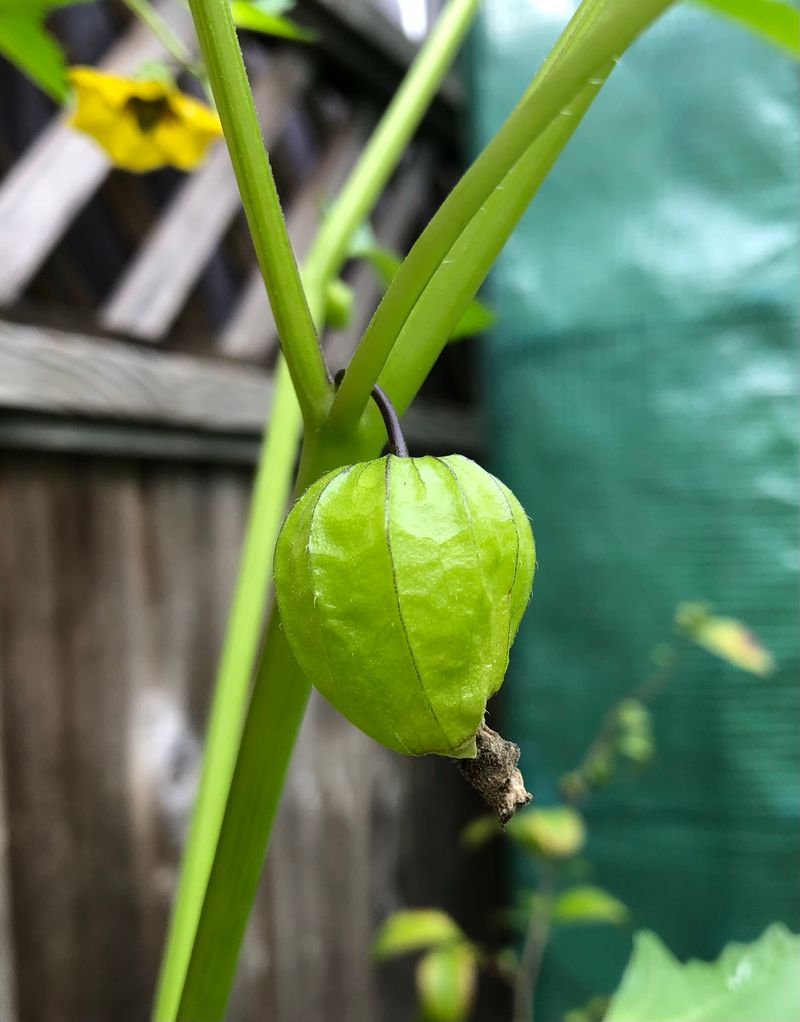
Tomatillos handle summer heat better than tomatoes and keep setting fruit well into late season. They are closely related to tomatoes but tolerate higher temperatures without dropping blossoms as readily.
That makes them a smarter swap for gardeners in hot climates who want a similar growing experience.
Plant at least two plants for good pollination. Tomatillos are not self-fertile, so a single plant rarely produces well.
Two containers side by side solve this problem easily and give you a much better harvest through the season.
Use containers of at least five gallons per plant. Tomatillo plants get bushy and can reach three to four feet tall.
A cage or sturdy stake helps keep growth upright and prevents stems from flopping under the weight of developing fruit.
Water deeply and consistently. Irregular watering causes fruit to crack inside the husk before harvest.
Drip irrigation or a consistent hand-watering schedule keeps moisture levels stable and reduces fruit quality issues during hot stretches.
Fruit is ready when husks turn papery and slightly tan and the tomatillo fills the husk completely. Harvesting at this stage gives the best flavor for salsas and sauces.
Plants in Arizona often continue producing into September with proper care and adequate water.