The Most Underrated Herb To Start Growing In North Carolina Now That August Has Arrived
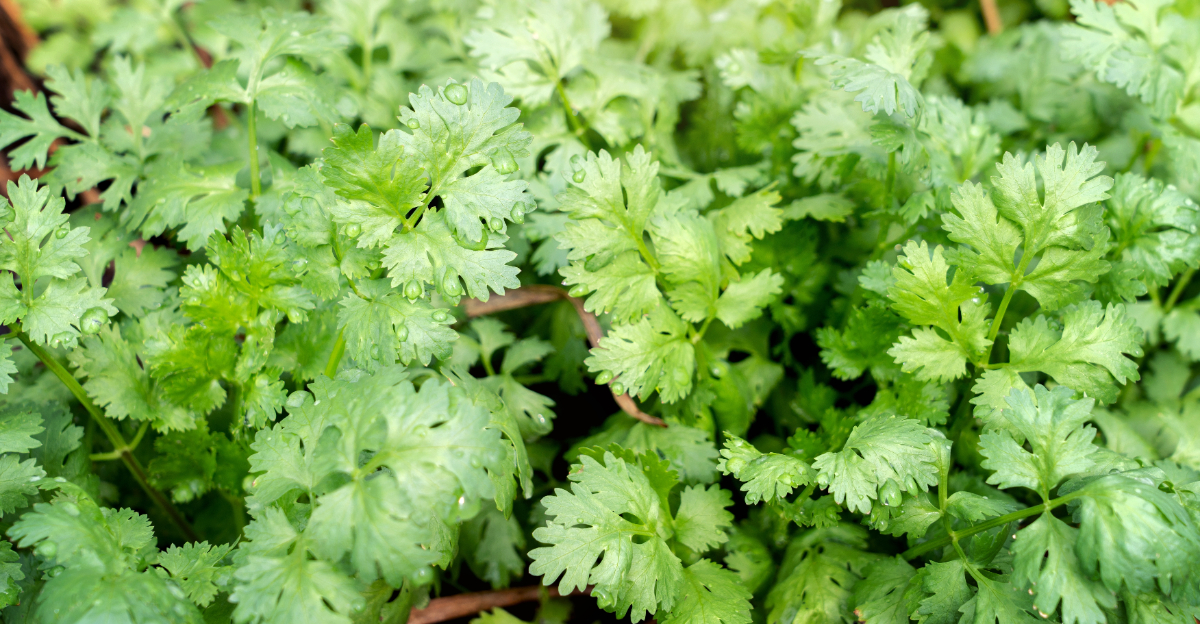
Cilantro deserves far more attention as an August planting choice, especially once North Carolina’s brutal midsummer heat finally starts easing slightly.
This herb tends to bolt quickly in hot weather, making late summer a much more forgiving time to start fresh seeds.
Cooler temperatures later in the season help cilantro grow steadily without rushing straight to flowering, which ruins its flavor.
Direct sowing works better than transplanting, since cilantro dislikes having its roots disturbed during the early growth stages.
Consistent moisture during germination helps seeds sprout evenly despite the lingering summer warmth.
Succession planting every couple of weeks ensures a steady supply lasting well into fall. Cilantro also tolerates light frost, extending its usefulness even further as temperatures continue dropping.
Starting this herb now rewards gardeners with fresh, flavorful leaves for salsas, garnishes, and fall cooking projects.
1. Cilantro Turns August Into A Fall Herb Opportunity
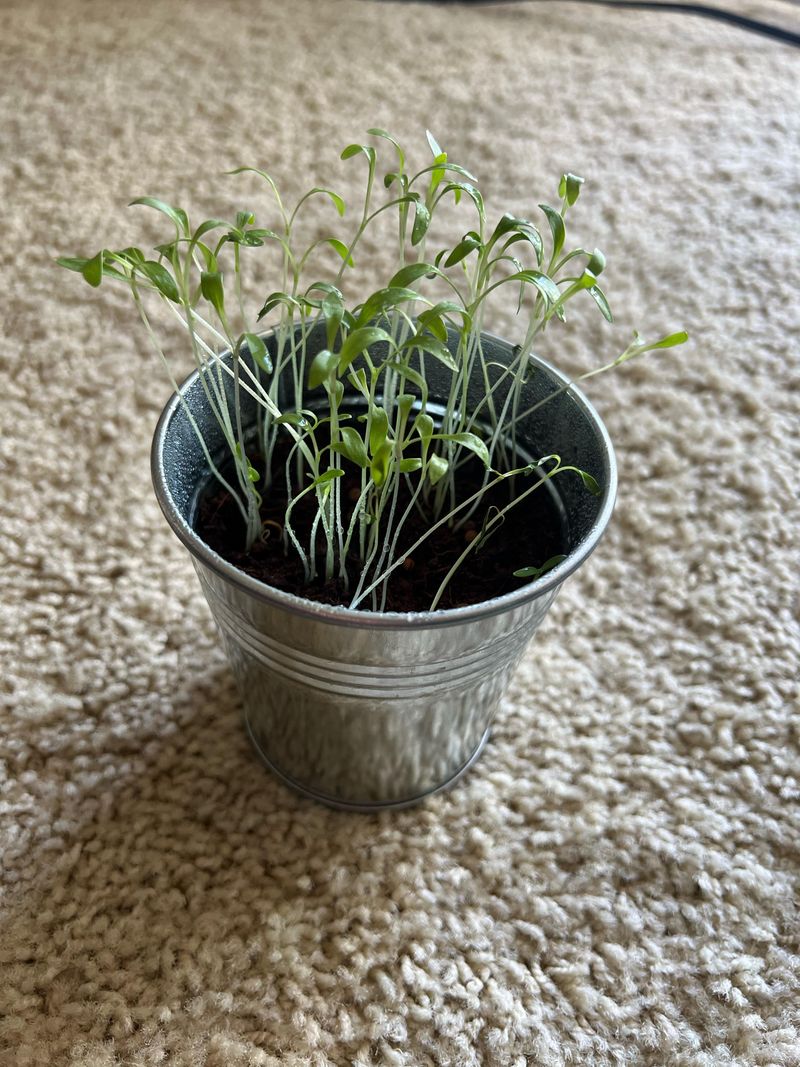
Most gardeners think of spring when they picture starting herbs, but cilantro has a different idea.
August in North Carolina actually opens a real window for getting cilantro, Coriandrum sativum, established before the cooler and more forgiving fall weather rolls in.
Far from being a plant that belongs only to spring planting lists, cilantro is a cool-season annual that genuinely rewards those who time it right for an autumn garden.
In the Piedmont region of North Carolina, early to mid-August can be a practical starting point for sowing cilantro seeds.
That said, gardeners across the state should pay close attention to their specific location and local weather patterns before committing to an exact date.
The mountains will cool faster than the coastal plain, so regional awareness really does matter when planning your planting schedule.
Getting cilantro into the ground during August means young plants will be establishing roots just as days begin to shorten and temperatures slowly moderate. That timing works in your favor.
Instead of fighting brutal midsummer heat from the first day, your seedlings get a chance to settle in and grow strong before the best cilantro weather of the year arrives. August is not a consolation prize for missed spring planting.
For cilantro, it is genuinely one of the smarter times to begin, and North Carolina gardeners who recognize that have a real seasonal advantage worth using.
2. Cooler Fall Weather Helps Cilantro Stay Leafy
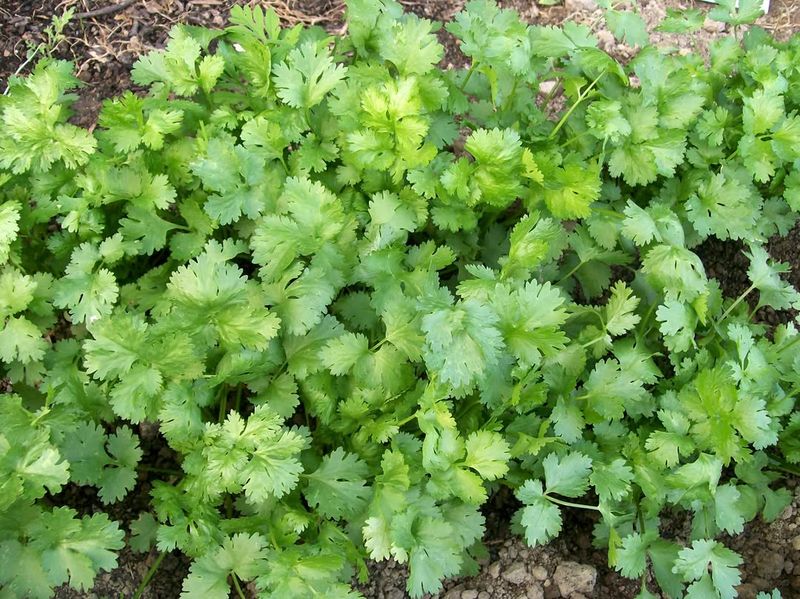
Anyone who has tried growing cilantro in late spring knows the frustration of watching it rush straight into flowering before you have even had a chance to harvest a decent handful of leaves.
That happens because high temperatures send cilantro a clear signal to bolt, meaning it shifts its energy away from producing broad, tender leaves and toward forming tall flowering stems.
Once that process begins, the leafy harvest window closes quickly and the flavor of remaining leaves can turn noticeably sharper. Sowing seeds in August gives the plants a smarter timeline to work with.
Young cilantro seedlings will be establishing themselves during late summer, and as September approaches, the days gradually shorten and temperatures begin to ease.
Your North Carolina Garden Changes Every Week. Your Plan Should Too.
Gardening in North Carolina changes quickly throughout the season. Every Friday you’ll receive a simple weekly plan showing exactly what to plant, prune, fertilize, harvest, and protect so you never miss the right timing.
That shift in conditions is exactly what cilantro prefers, and it rewards gardeners with a longer, more generous leafy growth period than a late spring planting typically allows in North Carolina.
If August in your area is running unusually hot and humid, choosing a slow-bolting cultivar can make a meaningful difference.
Varieties like Leisure, Calypso, and Santo are specifically bred to resist premature flowering, giving you more time to enjoy the harvest before the plant transitions to seed production.
Pairing the right cultivar with smart August timing puts you in a strong position for a productive and satisfying fall cilantro season.
The cooler months ahead are genuinely working in your favor, and the plant will respond to that shift in a very noticeable way.
3. Cilantro Should Be Seeded Directly Into Its Growing Space
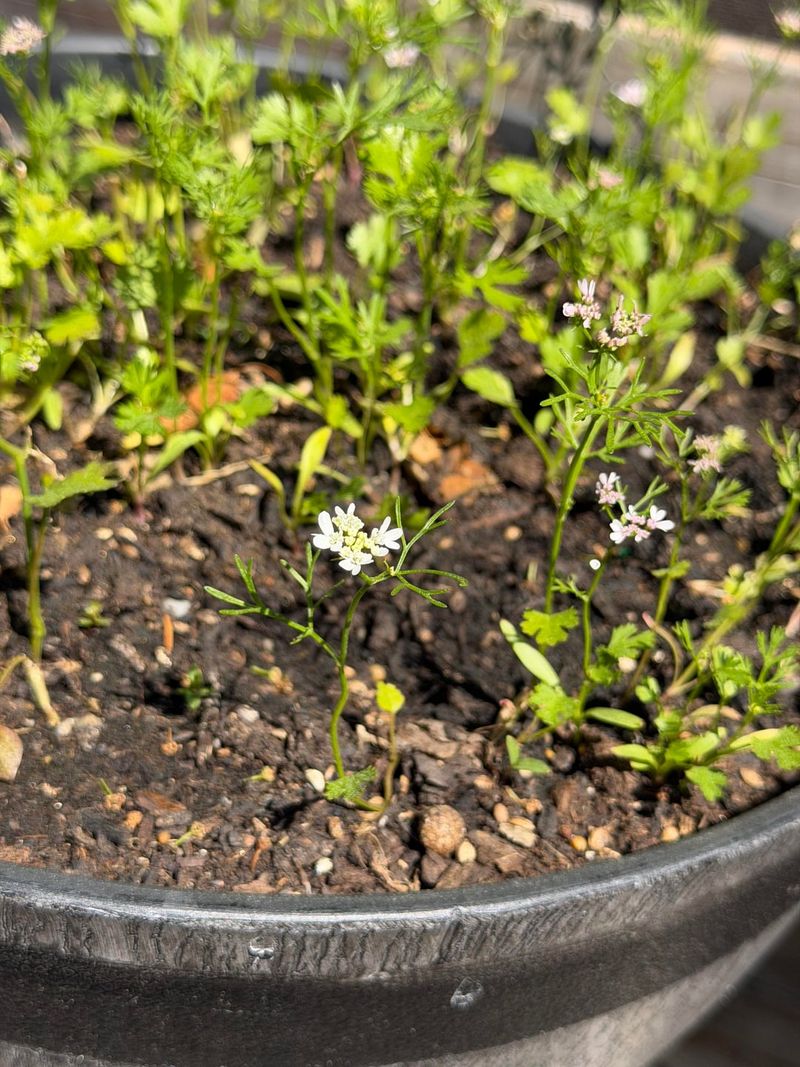
Cilantro has a reputation among experienced herb growers for being a bit particular about how it gets started, and that reputation is well earned.
NC State Extension specifically recommends direct seeding cilantro rather than starting it in trays and transplanting later. The reason comes down to roots.
Cilantro develops a taproot fairly early, and disturbing that root system during transplanting often stresses the plant enough to trigger early bolting or stunted growth, neither of which makes for a productive harvest.
Direct seeding means placing your seeds right into the bed, container, or garden space where the plant will actually grow to maturity.
Before you sow a single seed, take a moment to choose your location thoughtfully. Consider sunlight availability, drainage, and how accessible the spot will be for regular watering and harvesting.
A little planning at this stage saves a lot of frustration later when plants are thriving and you want easy access to them.
Once you have selected your spot, follow the spacing guidance printed on your seed packet.
Cilantro seeds are actually small fruits that contain two seeds each, so germination rates can be higher than expected.
Thinning seedlings to the recommended spacing is an important step that many first-time growers skip, but overcrowding reduces airflow and limits how well each plant can develop.
Giving each seedling enough room to spread out produces healthier, more productive plants with broader leaves and better overall vigor throughout the fall growing season.
4. August Seeds Need Consistent Surface Moisture
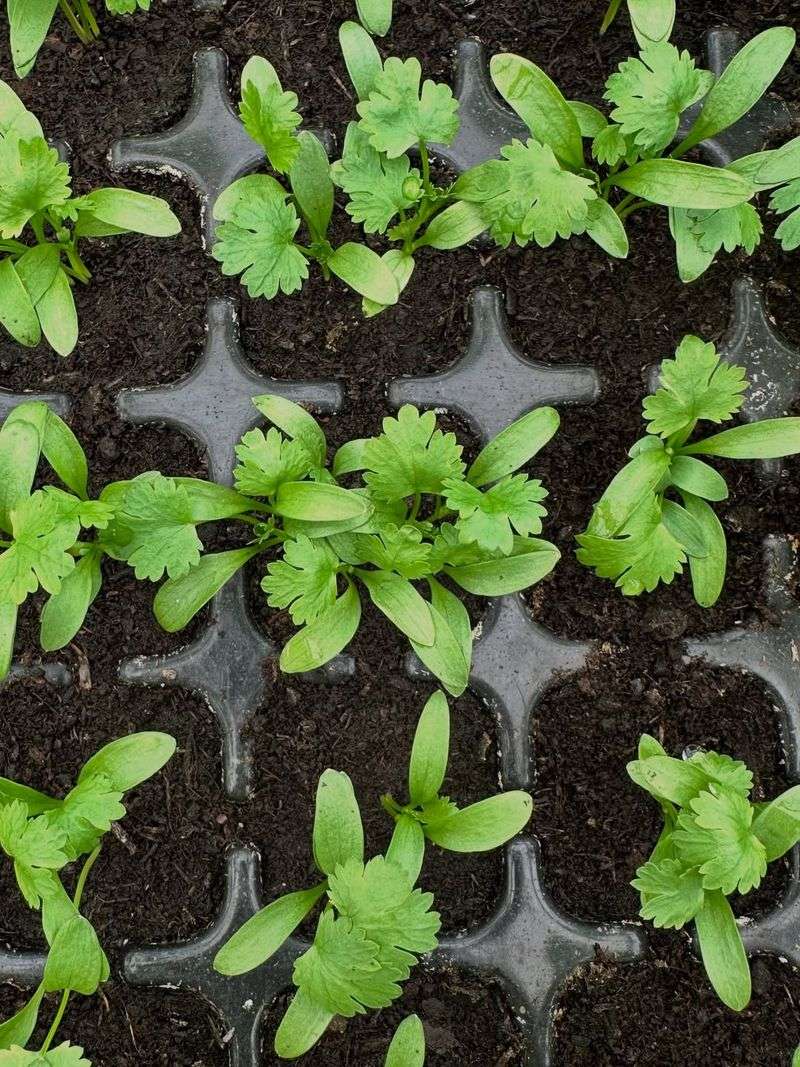
Planting cilantro seeds in August comes with one challenge that needs real attention right from the start: moisture management.
Cilantro seeds need consistent contact with moist soil to germinate reliably, and the surface of a garden bed can dry out surprisingly fast during warm North Carolina August days.
Even when the soil a few inches below feels damp, the very top layer where your seeds are sitting can turn dry within hours of watering on a sunny afternoon.
Watering technique matters more than most gardeners expect at this stage. Using a gentle spray or a watering can with a fine rose head keeps water from displacing seeds or creating puddles that can lead to crusting as the soil dries.
The goal is to keep the seedbed evenly moist without saturating it.
Checking the surface moisture morning and evening during the first week or two will help you develop a feel for how quickly your particular soil type dries out in your specific location.
A temporary light cover placed over the seeded area can help slow moisture evaporation and reduce soil temperature fluctuation during the hottest parts of the day.
Burlap, a thin layer of straw, or a floating row cover are all options worth considering. The key word is temporary.
As soon as seedlings begin pushing through the soil surface, the cover needs to come off so the young plants get the light they need to grow strong.
Catching that moment early keeps seedlings from stretching toward light in an unhealthy way.
5. Light Afternoon Shade Can Ease Early Heat
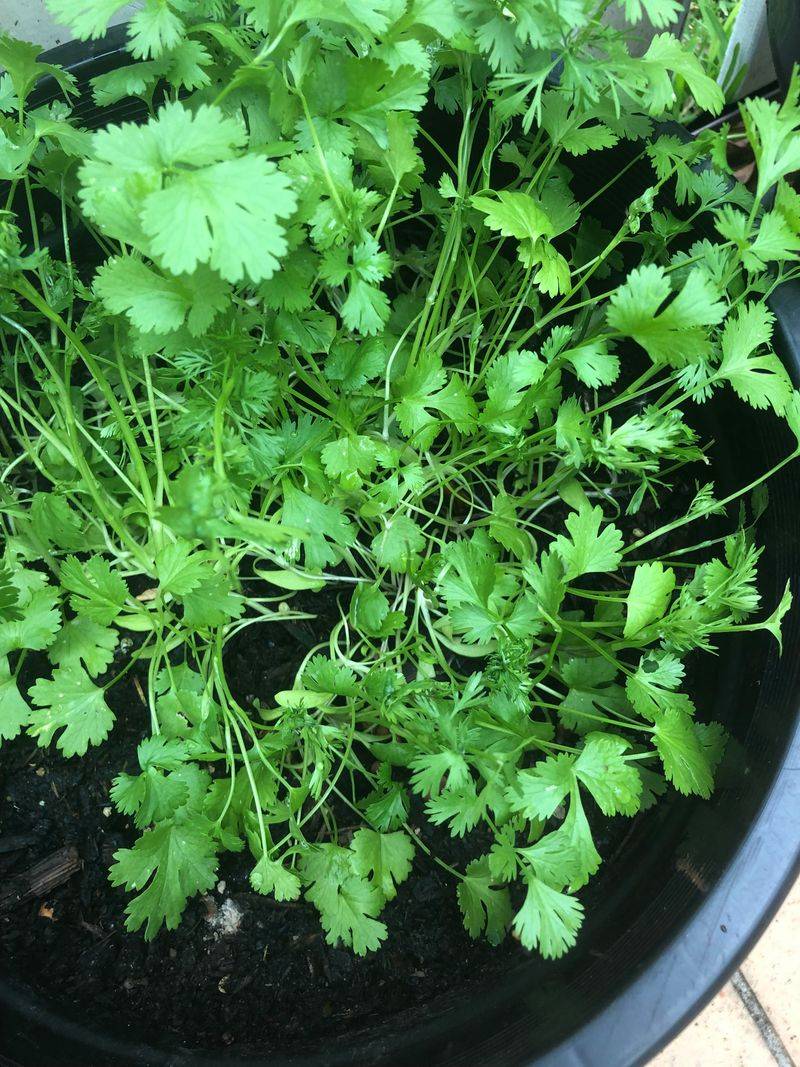
Cilantro is described as a full sun herb, and that description is accurate for most of the growing season.
But during a warm North Carolina August, full afternoon sun can create more heat stress than young cilantro plants handle comfortably.
A site that gets strong morning sun and some protection from the most intense afternoon rays can actually give seedlings a better start than a completely exposed spot would during this particular time of year.
Partial afternoon shade does a couple of useful things simultaneously.
It reduces the heat load on tender young plants before they have had time to develop a strong root system, and it slows moisture loss from both the soil and the plant leaves themselves.
That combination can mean the difference between seedlings that struggle through their first weeks and seedlings that establish quickly and begin growing with real momentum heading into September.
Balance is important here, and it is worth being honest about what your garden actually offers.
Cilantro grown in too much shade tends to produce thinner, more elongated stems and smaller leaves, and the plant can become more susceptible to fungal issues when airflow is also limited.
The sweet spot is a location that receives at least four to six hours of direct light daily, with natural afternoon relief from a fence, a taller plant, or a nearby structure.
That kind of site gives August-planted cilantro a genuinely comfortable start without sacrificing the light quality the plant needs to grow well into fall.
6. Cilantro Can Produce A Harvest In About Two Months
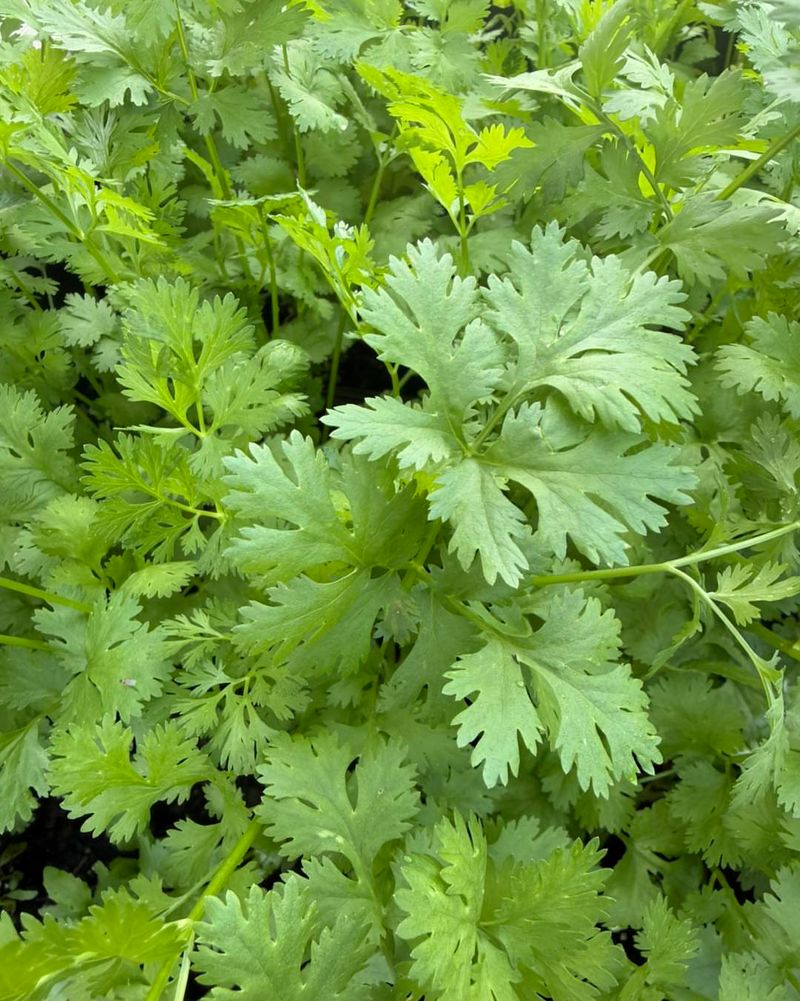
One of the most encouraging things about growing cilantro is how quickly it moves from seed to harvest.
NC State Extension lists approximately fifty to fifty-five days from seeding to harvest for cilantro in central North Carolina, which means an August planting can realistically have you clipping fresh leaves well before the holiday season begins.
That kind of turnaround keeps gardening exciting and gives you something tangible to look forward to in a relatively short period of time.
You do not have to wait for the plant to reach full mature size before taking your first harvest.
Once a cilantro plant has developed several sets of true leaves and looks healthy and established, you can begin removing a small number of outer leaves at a time.
Harvesting this way encourages the plant to keep producing new growth from the center, extending your overall harvest window rather than cutting it short by taking too much at once.
Actual timing will vary depending on a range of factors including temperature swings, available sunlight, soil moisture consistency, the specific cultivar you chose, and your exact location within North Carolina.
A plant growing in the warmer Piedmont may behave differently from one in the cooler western mountains.
Keeping notes on your garden from season to season builds a personalized picture of what works best in your specific yard.
That knowledge, built over time, becomes one of the most useful tools any gardener can have for planning future harvests with real confidence.
7. Successive Sowings Provide A Longer Leaf Harvest
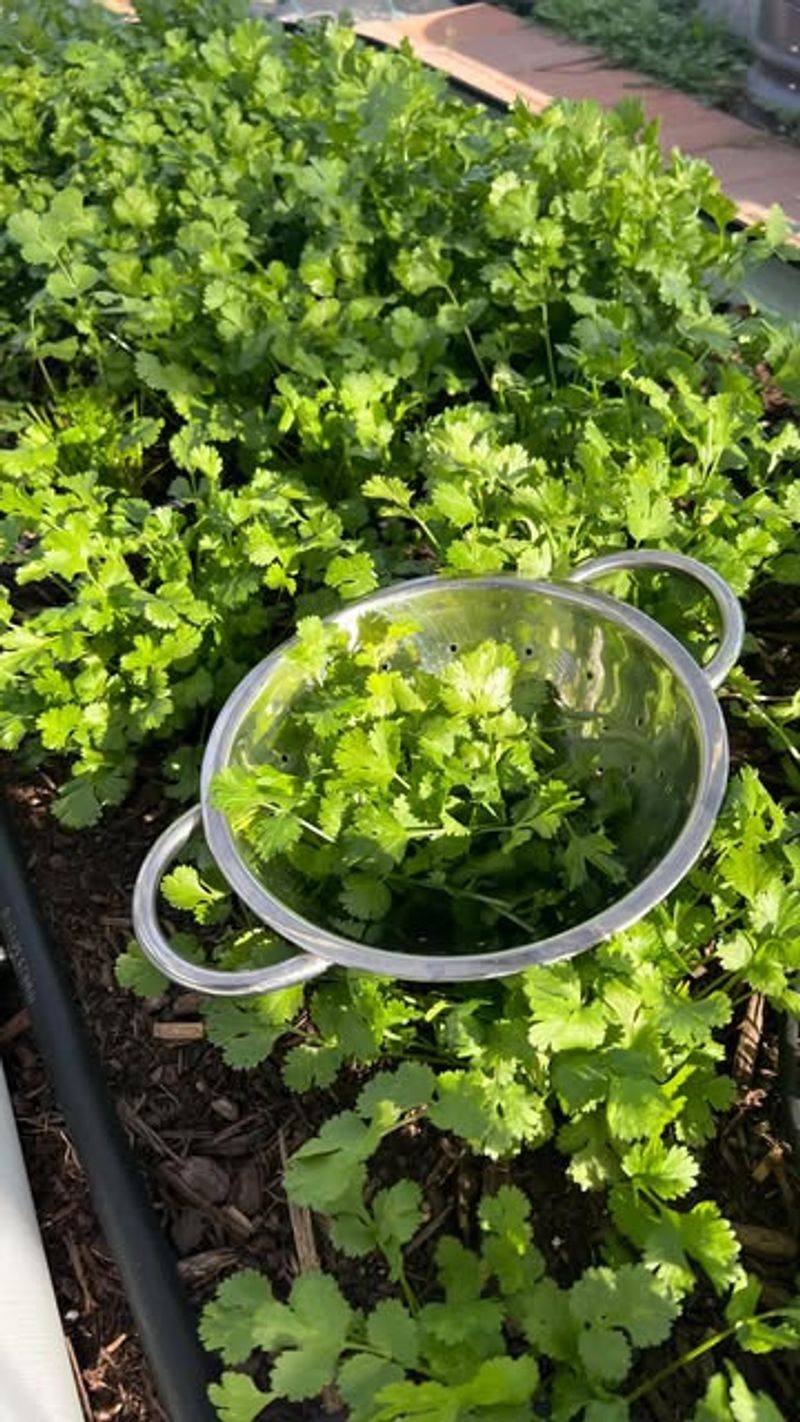
Here is a strategy that experienced herb gardeners quietly swear by: staggered planting.
Instead of sowing your entire packet of cilantro seeds all at once, splitting them into smaller batches and sowing every two to three weeks can give you a far more consistent and extended supply of fresh leaves throughout the fall.
When one batch starts to bolt and wind down, the next batch is just hitting its stride, and the harvest keeps coming without a frustrating gap in the middle.
Cilantro plants naturally have a limited leafy harvest window before they shift into flowering mode.
That is simply how the plant is designed, and no amount of careful tending fully changes that biological timeline.
Working with that tendency rather than against it is what makes successive sowing such a practical and rewarding approach for home gardeners who want a steady supply for cooking rather than a single large flush of leaves followed by nothing.
When making additional sowings, keep an eye on local conditions and stay realistic about how much of the fall season remains suitable for cilantro growth in your specific part of North Carolina.
Sowing too late in the season may not leave enough warm days for seedlings to develop properly before cold weather arrives.
Also remember to give each new sowing adequate spacing from the previous one.
Crowded seedlings compete for water, nutrients, and airflow, and that competition limits how well every plant in the bed can perform.
Spread them out and let each batch have room to grow fully.
8. Cilantro Provides Both Fresh Leaves And Coriander Seeds
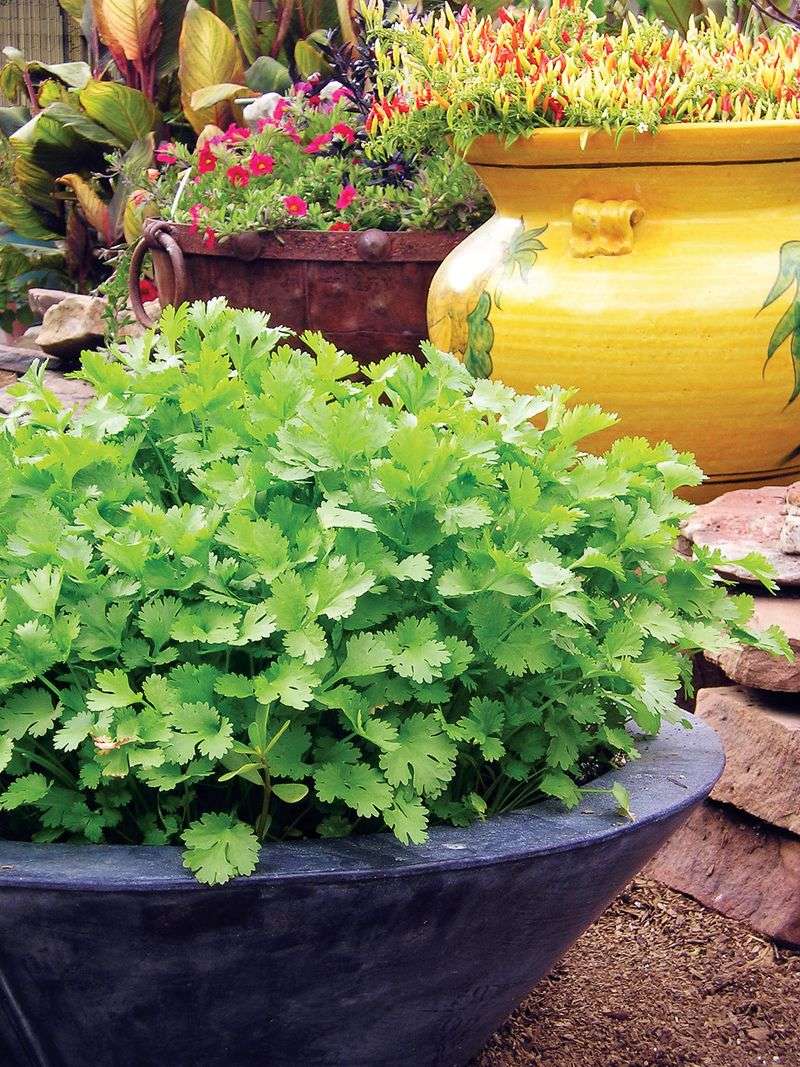
Not many herbs offer two completely different culinary ingredients from the very same plant, but cilantro does exactly that.
The fresh green leaves and tender young stems are what most cooks refer to as cilantro, used widely in Mexican, Indian, Southeast Asian, and Caribbean cuisines.
The mature dried seeds from the same plant are known as coriander, a warm and citrusy spice used in everything from pickling blends to curry powders to baked goods.
Growing one plant genuinely gives you two pantry staples.
A smart approach for home gardeners is to harvest leaves regularly from most of your plants while intentionally allowing a few of the healthiest ones to flower and form seed.
Those seed-producing plants do not need to be considered a loss. They are simply fulfilling a different purpose in your garden, and the coriander seeds they produce can be harvested, dried, and stored for months of culinary use.
Crushing them fresh releases an aroma that store-bought pre-ground coriander simply cannot match. There is an ecological bonus to letting some plants flower as well.
Cilantro flowers are small and delicate, and they attract a surprisingly wide range of beneficial insects including butterflies, parasitic wasps, and hoverflies that prey on common garden pests.
In a North Carolina edible garden, that kind of natural pest management support has real value.
Allowing a few cilantro plants to complete their full life cycle adds biodiversity and ecological balance to your growing space in a way that is both practical and genuinely rewarding to observe throughout the season.