The Reasons Why Your Texas Shrub Leaves Turn Yellow In August
Yellow leaves on Texas shrubs in August is one of those garden symptoms that shows up in countless yards every summer and gets blamed on everything except what’s actually causing it. Too much water.
Not enough water. Poor soil. Bad luck. August heat. Most Texas homeowners cycle through these explanations without ever landing on a confident answer, and without a confident answer, the problem tends to continue.
Yellowing shrub leaves are not a single problem with a single solution. Several distinctly different causes produce the same visible symptom, and treating for the wrong one not only fails to help but can actively make the situation worse.
The condition of the yellowing, where it appears on the plant, how quickly it spreads, and what else is happening in the garden are all clues that point toward the real cause when read correctly.
August in Texas creates a specific combination of stresses that makes shrub leaf yellowing more common and more confusing than it is at other times of year.
1. Heat And Drought Are Forcing The Shrub To Shed Leaves
Triple-digit Texas heat does not just make people uncomfortable. It puts serious stress on your shrubs too.
When temperatures soar, leaves lose water through a process called transpiration much faster than the roots can replace it. To cope, the shrub starts dropping older or interior leaves to cut back on that water loss.
The result is the yellowing you are seeing right now. Frequent light watering actually makes this worse, not better. When you sprinkle just a little water each day, you only wet the top inch or two of soil.
The roots stay shallow because they follow the moisture. Shallow roots are much more vulnerable during a heat wave because that surface layer dries out fast.
Deep, infrequent watering encourages roots to grow down where the soil stays cooler and holds moisture longer.
A good rule of thumb is to water slowly and deeply once or twice a week rather than a little every day. Use a drip system or soaker hose to get water directly to the root zone.
Adding a 3-inch layer of mulch around the base of the shrub also helps the soil hold onto moisture and keeps roots cooler. Organic mulches like wood chips or shredded bark work especially well.
Keep the mulch a few inches away from the main stem so you do not trap moisture right against it. With the right watering routine and a little mulch, most shrubs bounce back once temperatures drop in the fall.
Consistent deep watering through August is one of the best things you can do to protect your plants right now.
2. The Roots May Be Getting Too Much Water
Overwatering is one of the sneakiest problems in the garden because it looks almost exactly like drought stress. When soil stays too wet for too long, oxygen gets pushed out of the root zone.
Roots need oxygen to function properly, and without it they weaken and can no longer absorb water or nutrients. The leaves turn yellow because the plant is essentially starving, even though it is surrounded by water.
Your Texas Garden Changes Every Week. Your Plan Should Too.
Gardening in Texas changes quickly throughout the season. Every Friday you’ll receive a simple weekly plan showing exactly what to plant, prune, fertilize, harvest, and protect so you never miss the right timing.
Before you grab the hose, always check the soil first. Stick your finger or a wooden dowel about 3 to 4 inches into the ground near the shrub.
If the soil feels wet or cool, the shrub does not need more water yet. Only water when the top few inches feel dry.
Many Texas gardeners water on a set schedule and never think to check whether the soil actually needs it. That habit can cause serious problems during rainy stretches or cooler spells in August.
Poor drainage makes overwatering even worse. If your yard has clay-heavy soil, water can pool around roots for days after a rain.
You can improve drainage by mixing compost into the planting area or by creating a raised bed for your shrubs. Planting in raised areas naturally helps water move away from roots.
If a shrub has been sitting in soggy soil for a long time, pull back on irrigation immediately and let the soil dry out. In some cases, you may need to move the plant to a better-draining spot entirely.
Catching overwatering early gives your shrub a real chance to recover before the season ends.
3. Alkaline Texas Soil Is Locking Up Iron
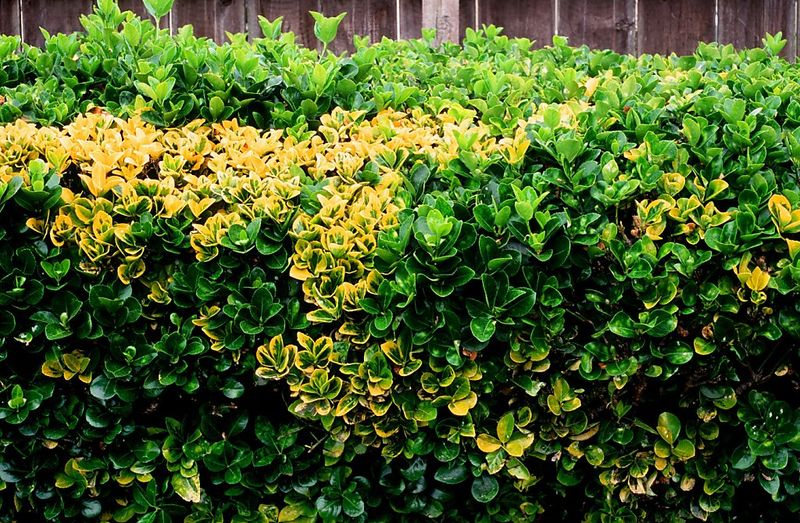
Walk through almost any Texas neighborhood and you will find shrubs struggling with iron chlorosis. It is a condition caused by high soil pH, which is very common across much of the state.
When soil pH climbs above 7.5, iron becomes chemically locked in the soil. The plant cannot absorb it even if plenty of iron is physically present.
The result is a very recognizable pattern: the newest leaves turn yellow while their veins stay green.
That vein pattern is the key clue. If you see yellow leaves with green veins, especially on the new growth at the tips of branches, iron chlorosis is likely your culprit.
Adding a standard fertilizer will not fix this problem. Most fertilizers do not contain iron in a form the plant can use when the soil is alkaline.
You need a product specifically designed to correct iron deficiency, such as chelated iron or iron sulfate.
Chelated iron is often the better choice for alkaline soils because it stays available to the plant even at higher pH levels. You can apply it as a soil drench or as a foliar spray directly on the leaves.
Foliar sprays work faster but the results are temporary. Soil applications take longer but address the root cause.
For a longer-term fix, work to gradually lower your soil pH by adding elemental sulfur or acidifying fertilizers over time. Texas A&M AgriLife Extension is a great resource for soil testing and pH management in your specific region.
Getting a soil test done is a smart first step before spending money on products that may not target your actual problem.
4. The Shrub Has A Nutrient Deficiency Or Fertilizer Injury
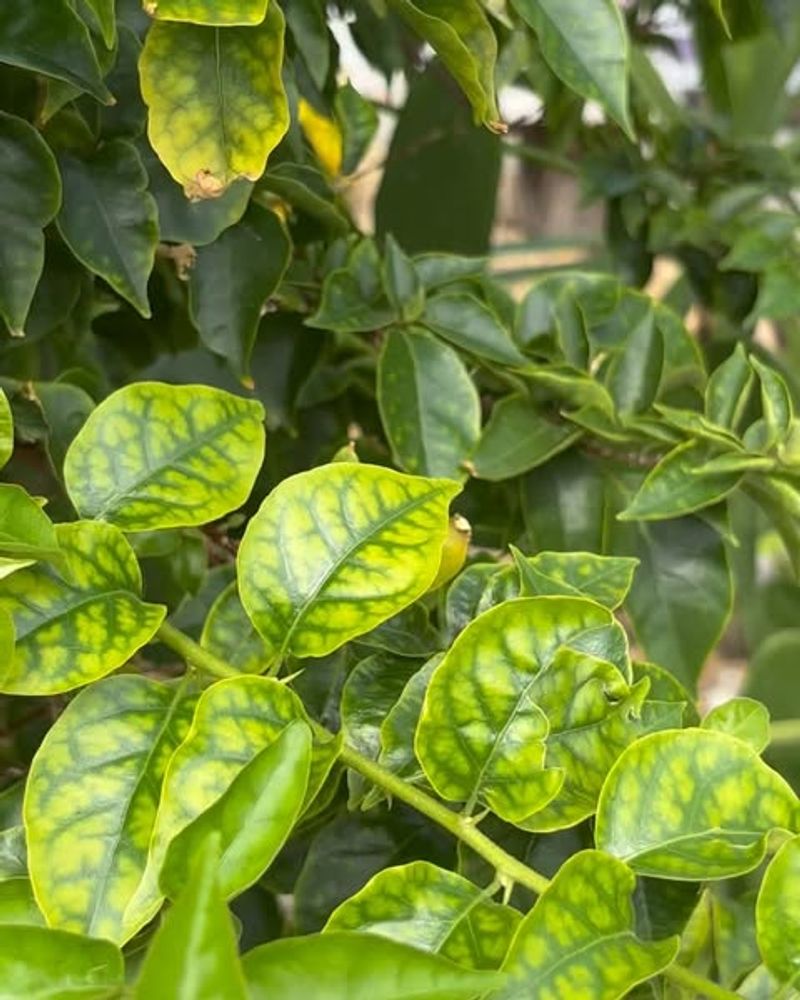
Not all yellow leaves point to the same nutrient problem. Nitrogen deficiency is one of the most common causes of yellowing in shrubs, and it usually shows up on the older, lower leaves first.
The whole plant may start looking washed out and pale. Nitrogen moves freely within a plant, so when there is not enough of it, the plant pulls nitrogen from older leaves to feed new growth.
That is why the bottom of the shrub yellows first. Here is the tricky part though. Applying too much fertilizer can cause the same yellow look.
When fertilizer builds up in the soil, it creates what is called soluble-salt damage. High salt levels in the soil pull moisture away from roots rather than letting them absorb it.
The plant ends up dehydrated even in moist soil. Leaf edges may look scorched or burned, and overall leaf color can fade to yellow or pale green.
August is actually one of the worst times to fertilize most Texas shrubs. The combination of heat stress and fertilizer salts can push a struggling plant over the edge.
A soil test is the safest way to know exactly what your soil needs before adding anything. You can get a soil test through your local Texas A&M AgriLife Extension office for a reasonable cost.
If nitrogen is confirmed to be low, apply a slow-release fertilizer in early fall when temperatures start to ease up. Slow-release formulas are gentler on roots and reduce the risk of salt buildup.
Patience and proper timing make a huge difference when dealing with nutrient issues during the Texas summer.
5. Lace Bugs Or Spider Mites Are Draining The Leaves
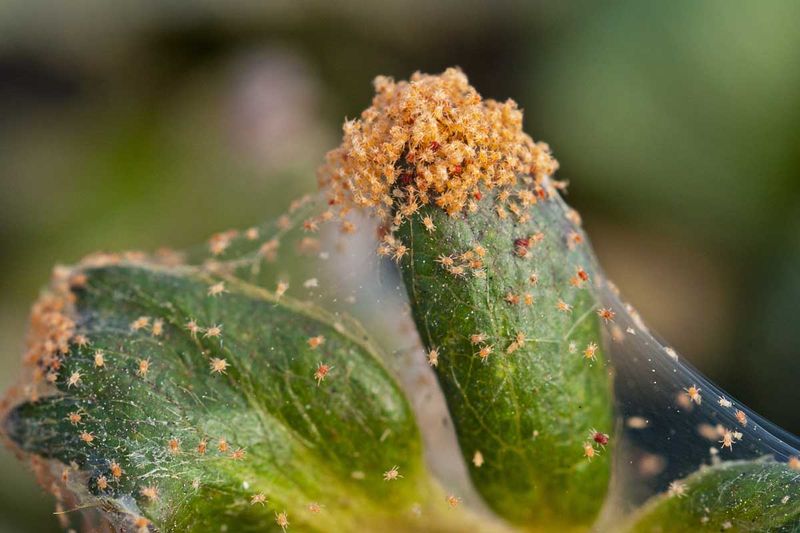
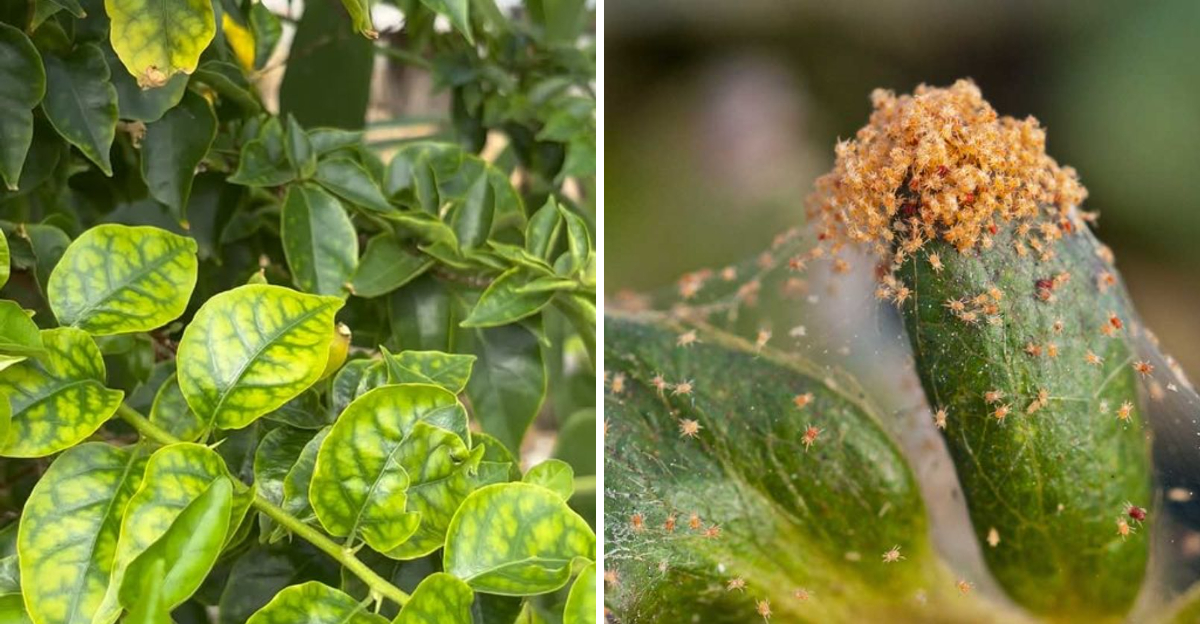
Flip over a yellowing leaf on your shrub and take a close look. If you see tiny dark spots that look like dried varnish or small rust-colored specks moving around, you have got a pest problem on your hands.
Lace bugs and spider mites are two of the most damaging insects to Texas shrubs in summer, and both of them feed by piercing leaf tissue and sucking out the contents.
The damage they leave behind looks like white or yellow speckling across the top surface of the leaf.
Lace bugs are especially problematic for shrubs like azaleas, pyracanthas, and sycamores. They cluster on the undersides of leaves and can be hard to spot until the damage is already widespread.
Texas A&M plant scientists note that heavy lace-bug pressure can leave much of a susceptible shrub looking faded and yellow by late August. Spider mites love hot, dry conditions, which makes August in Texas basically perfect for them.
You might notice fine webbing on the undersides of leaves when mites are present. Catching these pests early makes control much easier. For minor infestations, a strong blast of water from a garden hose can knock insects off the leaves.
Insecticidal soap or neem oil sprays work well for moderate problems and are safer for beneficial insects than harsh chemical pesticides. Always spray in the early morning or late evening to avoid burning leaves in the midday heat.
Repeat applications every 7 to 10 days until the problem clears up. Keeping shrubs well-watered and healthy also makes them more resistant to pest pressure in the first place.
6. Damaged Or Diseased Roots Cannot Support The Foliage
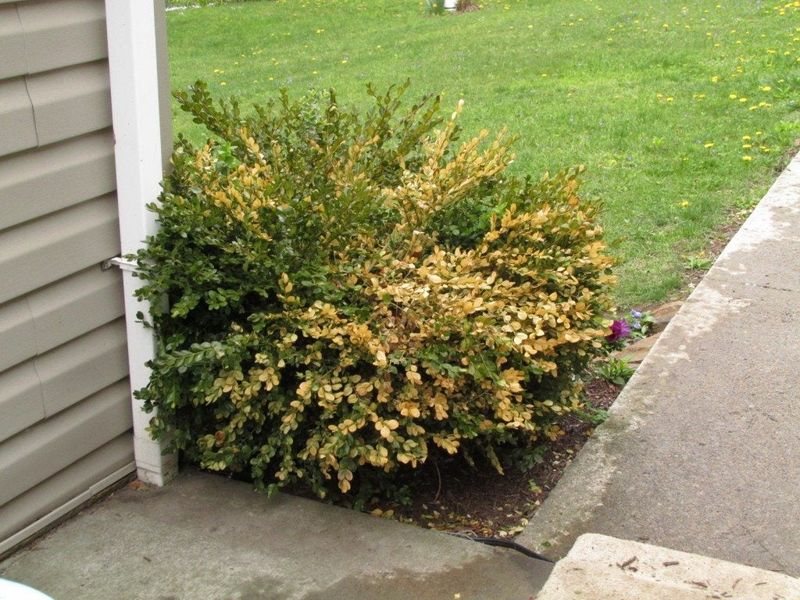
Roots are the foundation of a healthy shrub, and when they are struggling, the leaves are usually the first place you will notice it. Several things can damage roots without being obvious above ground.
Compacted soil is a big one in Texas, especially in yards with heavy clay. When soil is packed too tight, roots cannot spread properly and oxygen cannot reach them.
Construction activity nearby, mower blades nicking surface roots, or even foot traffic over the root zone can all cause hidden damage that shows up as yellow leaves weeks later.
Root rot is another serious problem, caused by fungal pathogens that thrive in wet, poorly drained soil. Phytophthora root rot is especially common in Texas landscapes after periods of heavy rain followed by intense heat.
Infected roots turn dark brown or black and feel mushy. The shrub may wilt even when the soil is moist, and leaves gradually turn yellow and fall. By the time you see the symptoms above ground, the root damage is often already severe.
Circling roots are a less obvious but equally damaging issue, especially in shrubs that were left in containers too long before planting. These roots wrap around the base of the plant and slowly choke off water and nutrient flow as the shrub grows.
If you suspect root damage, gently dig around the base of the shrub to check root color and structure. Healthy roots are typically white or tan and feel firm.
Improving drainage, avoiding soil compaction, and inspecting roots at planting time are the best ways to prevent these problems from taking hold in your yard.