The Meaning Behind Seeing A Hummingbird On Your Texas Porch This August
A hummingbird pausing on your Texas porch in August is the kind of moment that makes you go still. That tiny, impossibly precise hovering just a few feet away, the bird suspended in the air with what feels like deliberate purpose before it darts off again.
Most people who experience it find themselves standing there a few seconds after the bird is gone, not quite ready to move on.
There’s a reason that moment stays with you. August hummingbirds in Texas are not the same as a routine mid-season visit.
The migration calendar is shifting, behavioral patterns are changing, and a hummingbird that pauses on your porch right now may be part of something much larger than a typical feeding stop.
Understanding the seasonal significance of August hummingbird activity changes how you see those visits entirely.
Beyond the science, hummingbirds carry rich symbolic meaning across many of the cultural traditions deeply rooted in Texas life. A porch visit from one in the height of summer heat holds specific significance in ways that resonate with a lot of people.
1. You’re Watching Fall Migration Actually Begin
Most people think of fall migration as something that happens in October, but for hummingbirds, it starts much earlier than that.
Ruby-throated hummingbirds are one of the most well-known species to pass through Texas, and the males often begin heading south as early as early August.
Once their mating duties are finished, there is no reason for them to stick around, so they hit the road, or rather, the sky.
That tiny bird zipping around your porch could already be a southbound traveler, not a permanent summer guest. Male ruby-throats tend to leave first, which is why you might notice more females and young birds later in the season.
Paying attention to markings can actually help you figure out which stage of migration you are witnessing.
August sightings feel casual, like the bird just stopped by for a snack. But in reality, that hummingbird may have already traveled a good distance from its breeding grounds farther north.
Watching fall migration begin right from your porch is one of the quiet thrills of living in Texas. Keep your feeder clean and filled so these early movers have a reliable place to refuel before they continue their long trip south.
2. Texas Is Their Refueling Stop, Not Just A Flyover
Here is something that might surprise you: Texas is not just a state these birds fly over on their way somewhere else.
For ruby-throated hummingbirds especially, the South Texas coast is a critical gathering point before one of the most demanding legs of their entire journey.
Many of them will cross the Gulf of Mexico in a single non-stop flight, which can take up to 20 hours over open water.
Others choose an overland route through Mexico, but either way, they need to be fully fueled before they go. Your porch feeder could be part of a chain of refueling stops that stretches across hundreds of miles.
Your Texas Garden Changes Every Week. Your Plan Should Too.
Gardening in Texas changes quickly throughout the season. Every Friday you’ll receive a simple weekly plan showing exactly what to plant, prune, fertilize, harvest, and protect so you never miss the right timing.
That is a pretty remarkable thing to think about when a tiny bird is hovering just a few feet from your face.
Ruby-throats can nearly double their body weight before migration by building up fat reserves. Every calorie they get from your feeder or garden flowers genuinely matters.
The South Texas coast sees some of the highest concentrations of migrating hummingbirds in the entire country during late August and September.
Keeping your yard stocked with fresh nectar during this window is one of the most meaningful things a Texas homeowner can do for wildlife. Your porch is not just a nice spot to sit. It could be a lifeline on a very long route.
3. It Could Also Be A Local Breeder, Not A Migrant
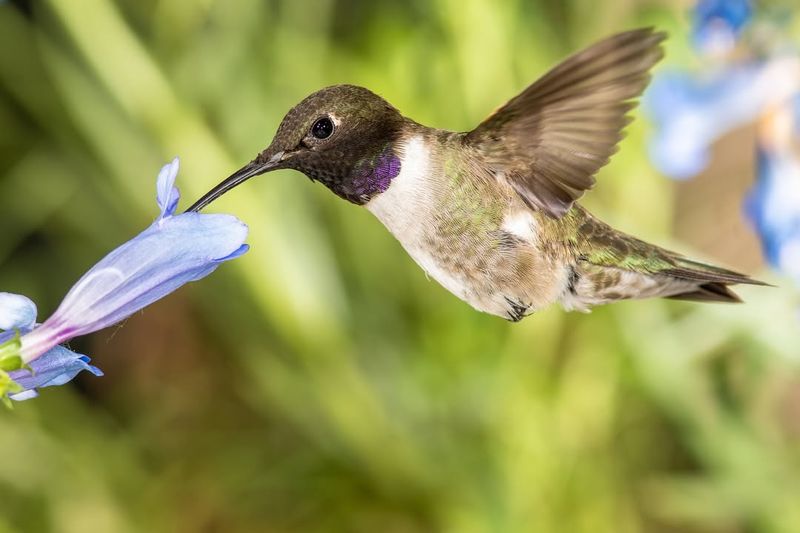
Not every hummingbird you see in August is passing through. Some are still very much at home.
Black-chinned hummingbirds are one of the most common breeding species in Texas, and they can have active nests with nestlings well into August.
Ruby-throated hummingbirds also continue some breeding activity deep into the summer months. So that bird on your porch might be a local parent still working hard to raise a family.
Black-chinned hummingbirds love the Hill Country and many parts of Central and West Texas. If you live in those areas, there is a good chance your August visitor is a resident bird you have actually been sharing your neighborhood with all summer.
Females do most of the nest-building and chick-raising on their own, so a busy female at your feeder may have hungry babies waiting nearby.
Telling the difference between a local breeder and a migrant is tricky without careful observation. Locals tend to follow predictable daily routines, visiting at similar times each day.
Migrants are more likely to show up suddenly, feed intensely, and then vanish. Watching behavior patterns over several days can give you clues about whether your visitor is a neighbor or just passing through.
Either way, your feeder is doing important work. Supporting local breeders through the late summer helps ensure the next generation of hummingbirds gets a healthy start before the big migration push begins.
4. Timing Tells You Which Species You’re Likely Seeing
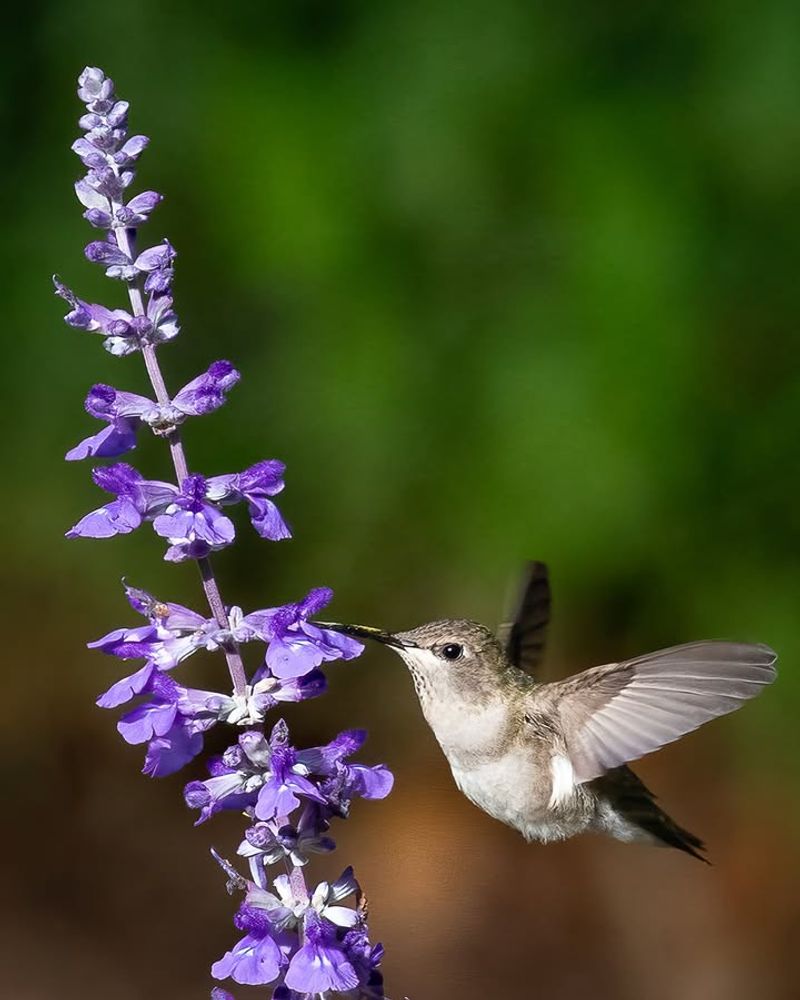
August is actually a great month for figuring out which hummingbird species is visiting your porch, because the timing of their movements gives you helpful clues.
Black-chinned hummingbirds tend to leave Texas earlier in the season, with most of them moving out through August.
Ruby-throated hummingbirds follow a little later, peaking in September in many parts of the state.
So if a hummingbird shows up at your feeder in the first two weeks of August, there is a solid chance it is a black-chinned hummingbird nearing its departure window.
If your visitor arrives in the last week of August or into early September, a ruby-throat becomes a much more likely candidate.
Of course, both species can overlap, and females and juveniles of both species look similar, so identification takes a little patience.
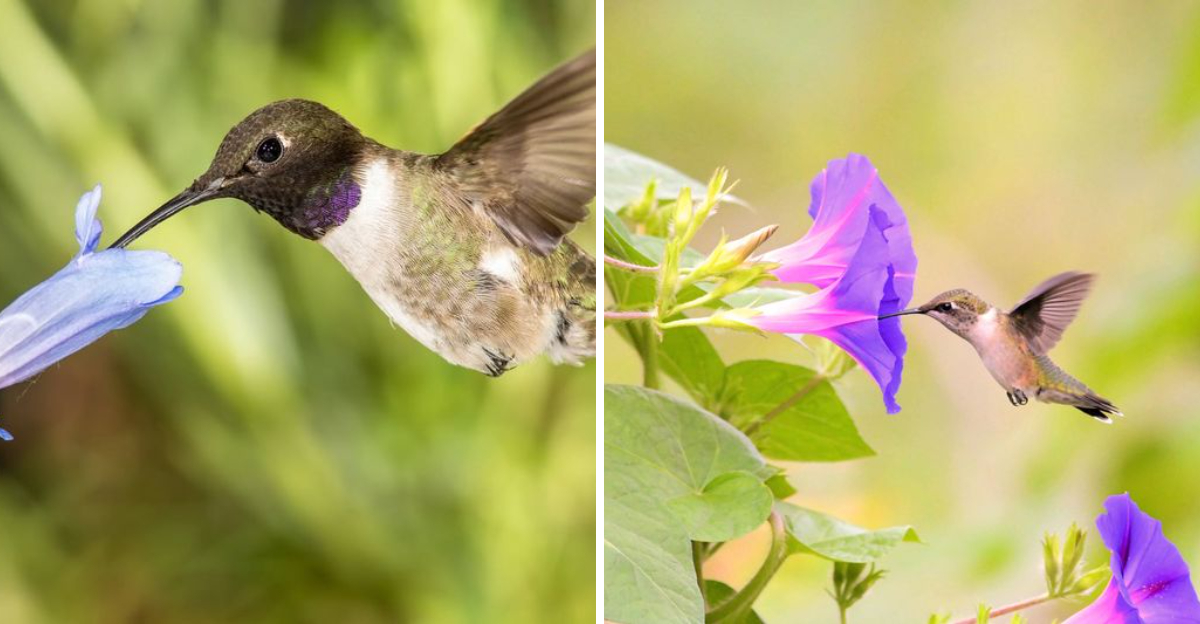
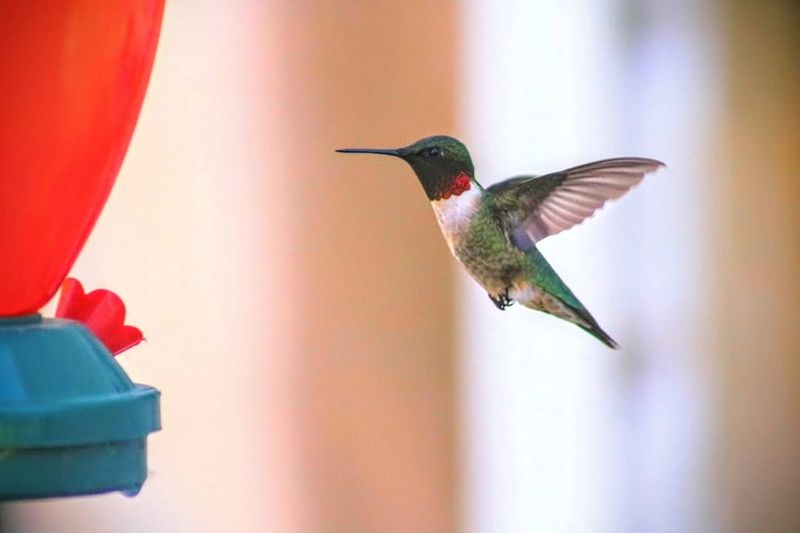
Black-chinned males have a dark, purplish throat that can look black in certain lighting. Ruby-throated males flash a brilliant red-orange throat that catches the sun beautifully.
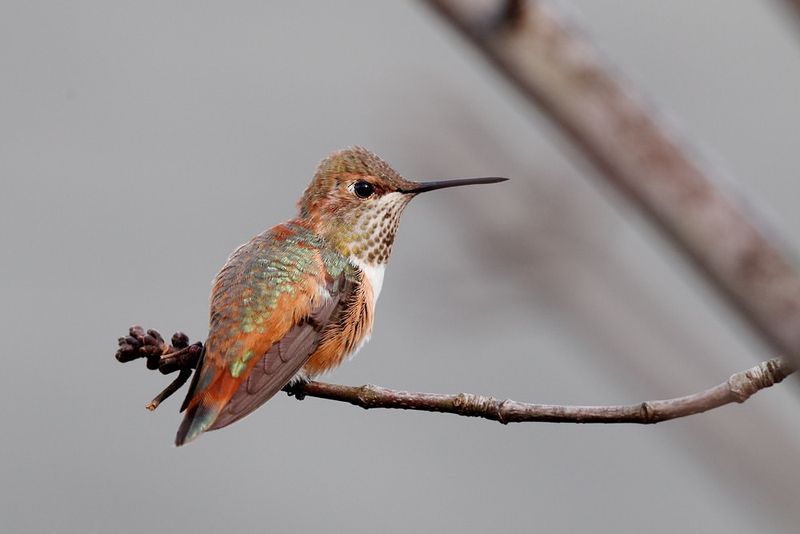
Females of both species are mostly green and white with slightly different bill shapes. Keeping a simple field guide nearby or using a free bird ID app on your phone can make identification a lot easier and more fun.
Tracking which species visits your yard and when is a hobby that connects you to the bigger picture of bird migration across North America. Your porch becomes a small but meaningful data point in a story that spans thousands of miles every single year.
5. They’re Working Harder Than They Look
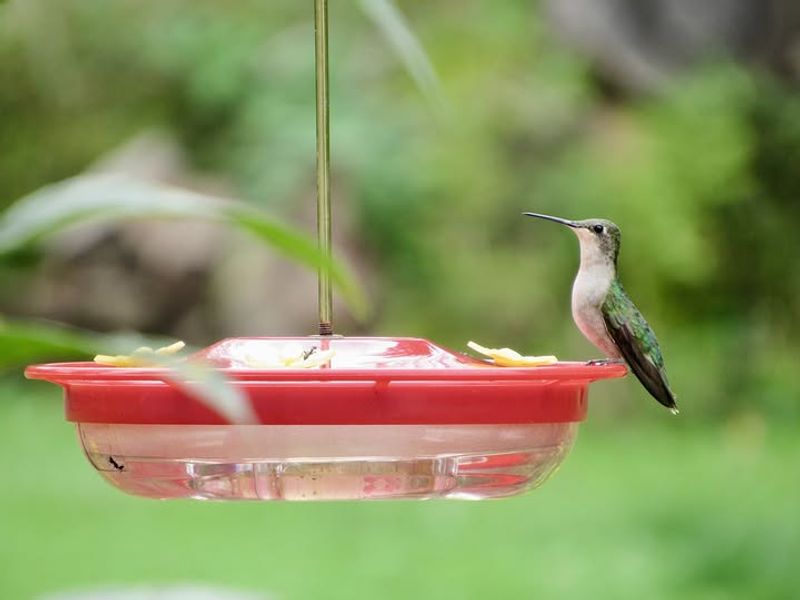
Watching a hummingbird hover at your feeder looks effortless, almost like floating. But behind that graceful display is an incredible amount of physical work.
By August, hummingbirds are in serious calorie-building mode. They typically feed in the early morning, travel during the midday hours, and then forage again in the late afternoon to top off their energy reserves before nightfall.
A hummingbird’s heart can beat more than 1,200 times per minute during flight. Their wings can flap up to 80 times per second.
Maintaining that level of output requires constant fueling, and August is when the pressure to eat enough becomes most urgent. Frequent visits to your feeder this time of year are not random.
They reflect a bird that is preparing its body for one of the most physically demanding trips in the animal kingdom.
Think of August hummingbirds like athletes in the final weeks before a big race. Every meal counts.
Every flower and every feeder is part of a strategy. When you see a hummingbird visiting your porch multiple times a day, you are watching survival instincts in action. It is not casual browsing. It is focused, purposeful work dressed up in beautiful feathers.
Keeping your feeder stocked with fresh nectar, changed every two to three days in the August heat, gives these hardworking birds the clean fuel they need.
A dirty or fermented feeder can actually hurt them, so regular cleaning is one of the most important things you can do right now.
6. What It Means For You As The Host
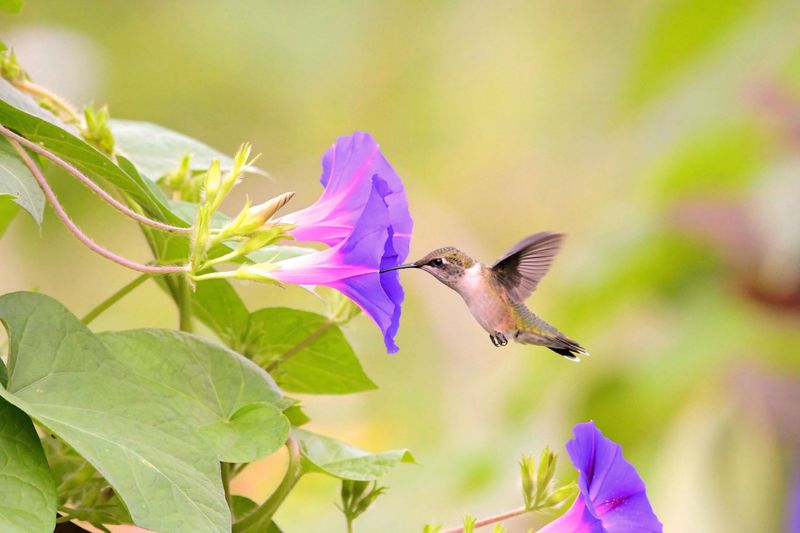
A hummingbird choosing your porch again and again in August is not a coincidence. It means your yard has earned a reputation as a reliable stop.
On a migration route where reliable stops are rare and critical, that is a genuinely big deal. These birds have excellent spatial memory and will return to feeders they have visited before, sometimes year after year.
Being a good host right now comes down to a few simple habits. Keep your feeder clean and filled with fresh nectar, which is just one part sugar to four parts water.
No red dye needed, and no artificial sweeteners. Change the nectar every two to three days in August because the Texas heat makes it ferment quickly.
A feeder with spoiled nectar does more harm than good, so staying on top of it really matters.
One of the biggest mistakes people make is taking feeders down too early. Many assume that once summer feels like it is winding down, the hummingbirds are gone.
But birds can still be moving through Texas well into October. Leaving your feeder up through fall does not trap birds or confuse their instincts.
That is actually a myth. Their migration is driven by daylight changes, not food availability. Keeping feeders up simply gives late travelers a better chance of making it.
Planting native Texas salvias, turk’s cap, and coral honeysuckle near your porch adds natural nectar sources that work alongside your feeder. Your small yard can be a meaningful piece of a much larger conservation puzzle.