This Is The Defensible Space Zone Most California Homeowners Get Wrong
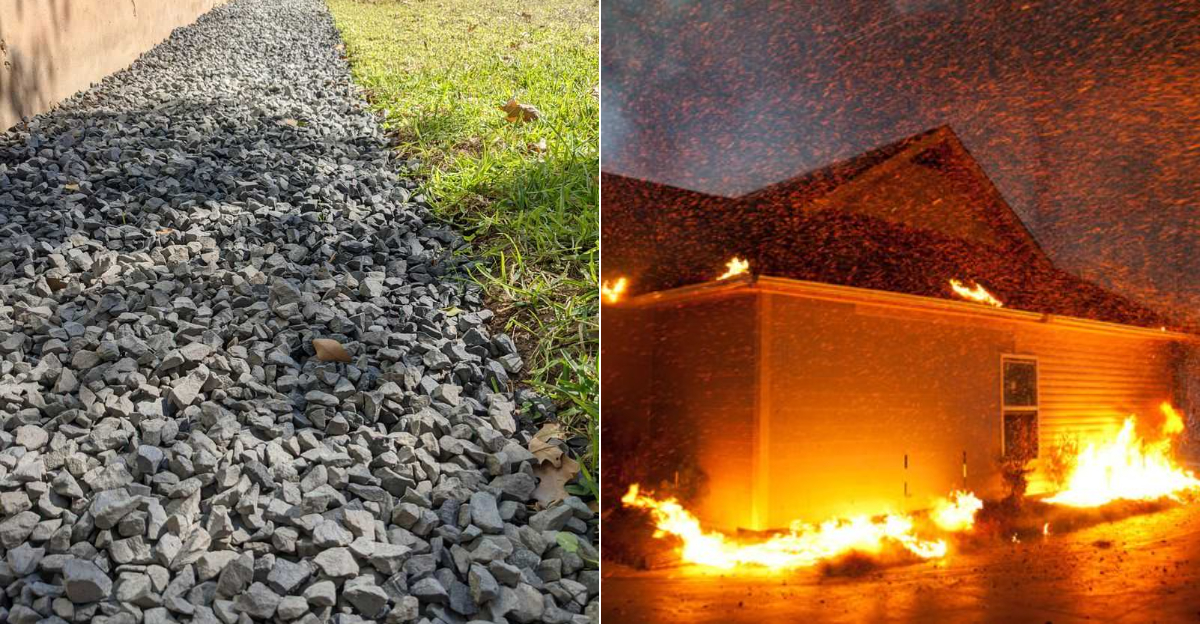
Defensible space sounds simple until the measuring tape comes out. Many California homeowners clear brush near the fence and assume the hard part is done.
The most important zone may sit much closer to the house. That small area can shape how fire reaches walls, windows, or the roof. A neat flower bed may still create risk if the wrong materials sit beside the structure.
Even a well-kept yard can miss the mark. The confusion often comes from old landscaping habits. Plants that once seemed harmless may not belong in the same spot during fire season.
Decorative choices can also matter more than homeowners expect. Suddenly, curb appeal has rules.
A better setup does not require a bare, lifeless yard. It requires a closer look at the space nearest the home.
Get that zone right, and the rest of the defensible space plan has a much stronger foundation.
1. Zone 0 Is The First Five Feet
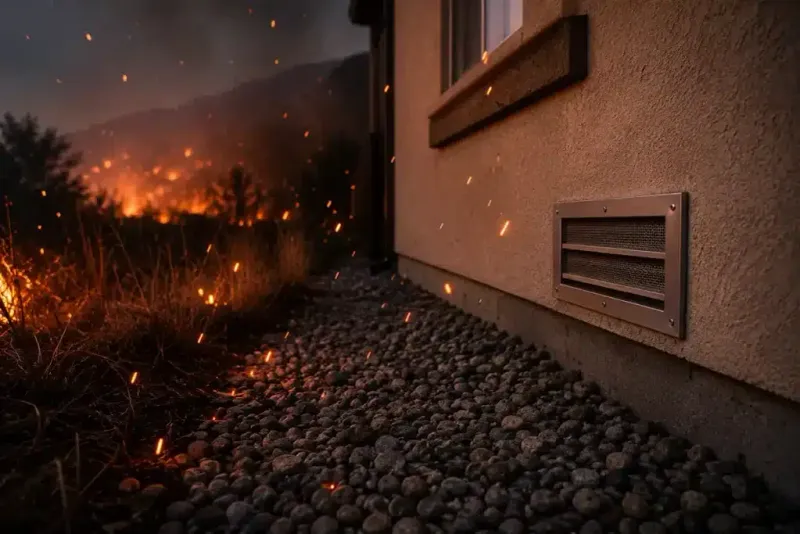
Most people have never heard of Zone 0, and that is exactly the problem. Fire agencies define it as the five-foot perimeter that wraps directly around your home.
It is the closest ring to your structure, and it is the most critical area to get right.
Embers from a wildfire can travel up to a mile before landing. When they land in Zone 0, they need something to ignite.
If that zone is clear of fuel, the ember fizzles out. If it is packed with plants, mulch, or wood, it catches and spreads fast.
Many homeowners focus all their energy on clearing brush farther out in the yard. They trim trees, space out shrubs, and feel confident about their prep work.
But they forget to look down at what is right next to the house.
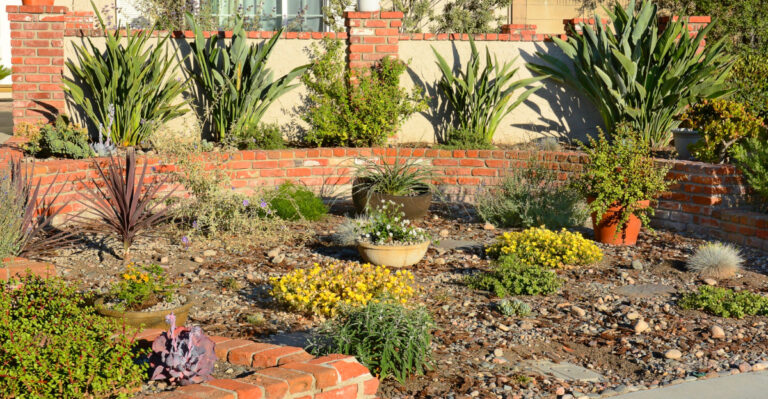
Zone 0 requires a non-combustible surface. That means gravel, concrete, or pavers instead of bark, soil, or plants.
Even a small patch of dry organic material sitting against the foundation can give embers exactly what they need to start a fire.
Check your Zone 0 today. Walk slowly around your entire home and look at what is sitting within five feet of your walls.
You may be surprised by how much fuel is hiding in plain sight right next to your foundation.
2. This Is Not A Foundation Garden
Planting flowers and shrubs right up against the house feels natural. It looks welcoming, adds curb appeal, and softens the look of a bare foundation.
But in wildfire country, a foundation garden in Zone 0 is one of the riskiest things you can have.
Plants hold moisture when they are young and well-watered. But late summer in California brings heat, drought, and dry winds.
Those same pretty plants become crispy and highly flammable by August and September, which is exactly when wildfire season peaks.
Even plants labeled as fire-resistant are not fireproof. When they dry out, they still burn.
Placing any plant material within the first five feet of your home creates a pathway for fire to reach your siding, windows, and roof eaves.
Your California Garden Changes Every Week. Your Plan Should Too.
Gardening in California changes quickly throughout the season. Every Friday you’ll receive a simple weekly plan showing exactly what to plant, prune, fertilize, harvest, and protect so you never miss the right timing.
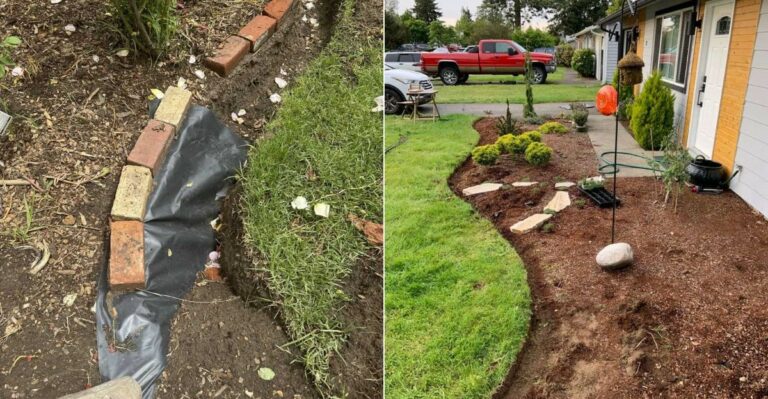
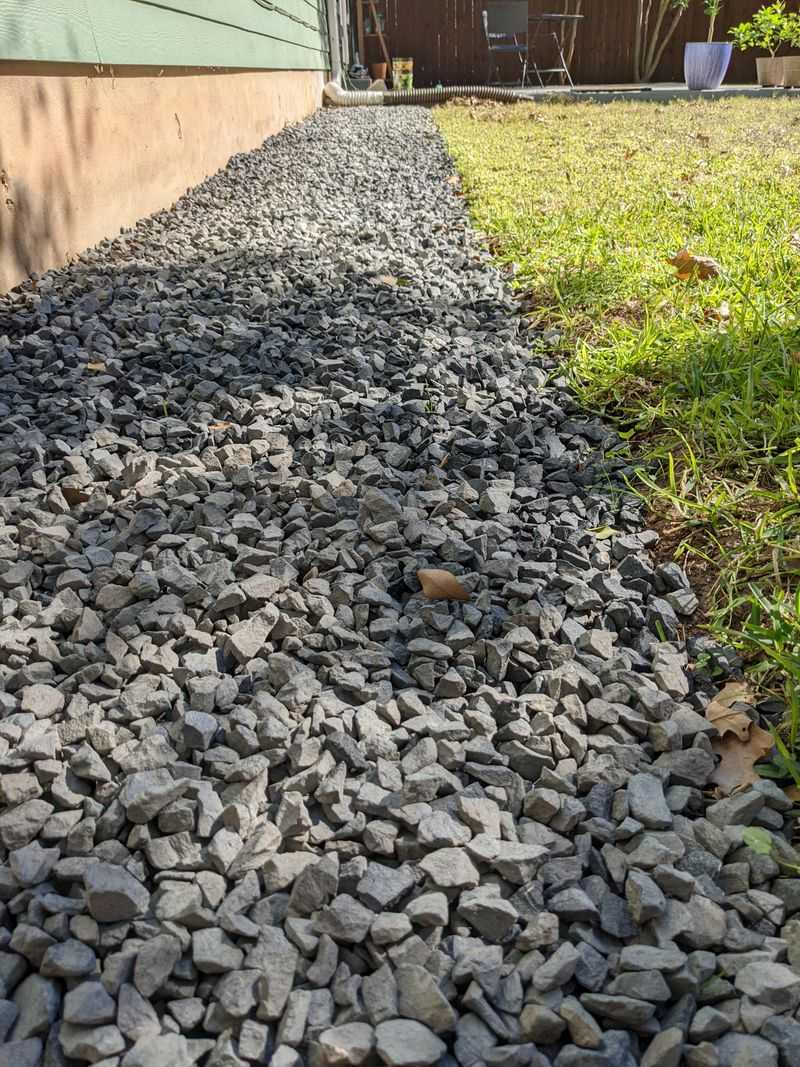
The fix is not about making your home look ugly. You can use decorative gravel, flagstone, or concrete pavers in Zone 0 and still have a beautiful yard beyond that five-foot buffer.
Many homeowners are surprised by how clean and polished a gravel border actually looks.
Save your garden for Zone 1, which starts at five feet and extends to thirty feet. That is where thoughtful, spaced-out planting can still be part of your landscape plan without putting your home at serious risk during fire season.
3. Embers Land Here Before Flames Arrive
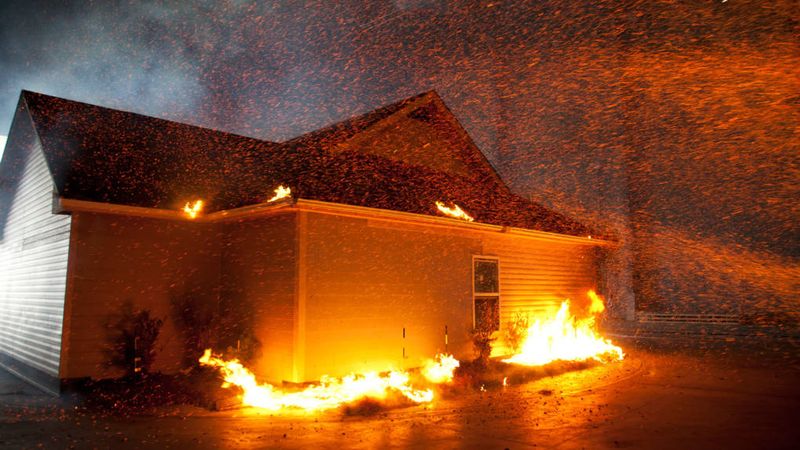
Here is something that surprises a lot of people: most homes do not burn because a wall of fire reaches them. They burn because embers land on or near the house and ignite small fires that grow fast.
This is called spotting, and it happens miles ahead of the main fire front.
Zone 0 is the landing zone for those embers. They drift in on the wind, settle into mulch, collect in gutters, and nestle into the gap between a planter and a wall.
Once they find fuel, they get to work quickly.
Studies from fire research agencies have confirmed that ember ignition is the leading cause of home loss during wildfires. The flames you see on the news are often arriving at homes that are already burning from the inside out, started by a single ember hours earlier.
This means that clearing Zone 0 is not just about blocking flames. It is about removing the fuel that embers need to do their job.
Every piece of bark, every dry leaf, and every wooden decoration within five feet of your home is a potential ignition point.
Think of Zone 0 as your ember-landing zone. Keep it clean, keep it non-combustible, and check it often throughout fire season.
A clean five-foot perimeter gives embers nowhere to take hold, and that can protect your entire home.
4. Mulch Can Become A Hidden Fuel Bed
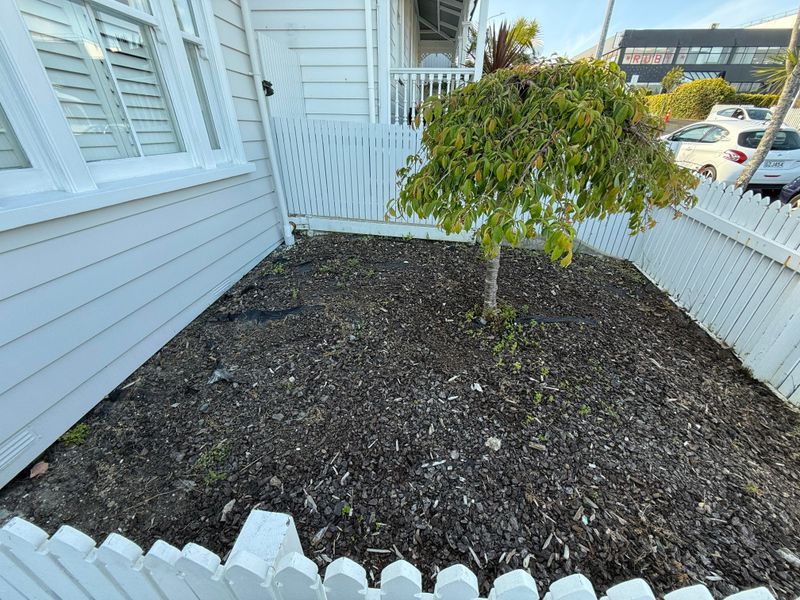
Walk through almost any California neighborhood and you will see it everywhere: thick layers of wood chip mulch spread right up to the base of the house.
It looks tidy, it holds moisture, and it keeps weeds down. It also burns extremely well.
Wood chip mulch is essentially shredded fuel. When it dries out, it becomes a bed of tinder that can ignite from a single ember.
Worse, mulch can smolder slowly underground without showing visible flames. By the time you notice something is wrong, the fire has already reached your foundation.
Even so-called gorilla hair mulch, made from shredded redwood bark, is a serious fire hazard. It is fluffy, it dries out fast, and it catches quickly.
Many homeowners choose it because it looks natural, not realizing it is one of the most flammable mulch types available.
If you love the look of mulch in your yard, use it in Zone 1 or beyond. In Zone 0, switch to decomposed granite, pea gravel, or river rock.
These materials do not burn, they still look attractive, and they require almost no maintenance once they are in place.
The swap from mulch to gravel in Zone 0 is one of the simplest and most effective changes you can make. It costs very little and protects a lot.
Your local fire safe council may even offer free materials to help you make the switch.
5. Shrubs Against Siding Raise The Risk
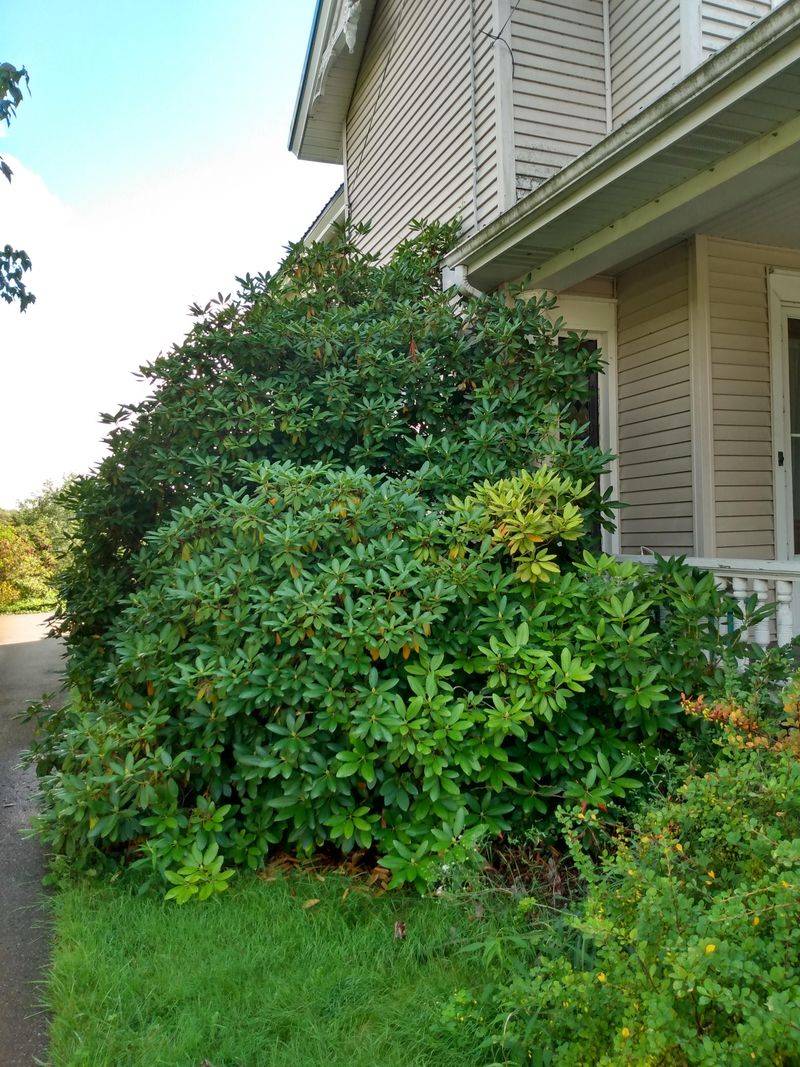
A big, full shrub pressed up against the side of a house looks lush and well-maintained. But it is one of the most common Zone 0 mistakes fire inspectors find during home assessments.
That shrub is touching your siding, and during a fire, that contact is a direct bridge to your home.
Shrubs hold a lot of dry material inside their branches, especially at the base where air does not circulate well.
Old leaves, withered stems, and dry twigs pile up in the interior of the plant where nobody thinks to look. That hidden debris is exactly what embers need to start a fire.
Even if the plant itself is listed as low-flammability, the withered material inside it is not. And once the outer layer of the shrub ignites, heat transfers directly to the siding, window frames, or eaves behind it.
Wood siding and vinyl siding both fail quickly under that kind of heat.
The solution is straightforward. Remove any shrub or hedge that is growing within five feet of your exterior walls.
If you love the look of shrubs near the house, replace them with decorative rock or low ground cover that stays well below the window line and away from the siding.
Northern regions and inland valleys both see this mistake regularly. Fire season does not care how beautiful your landscaping is, so keeping shrubs out of Zone 0 is a smart and simple fix.
6. Dry Leaves Collect Where Fire Starts
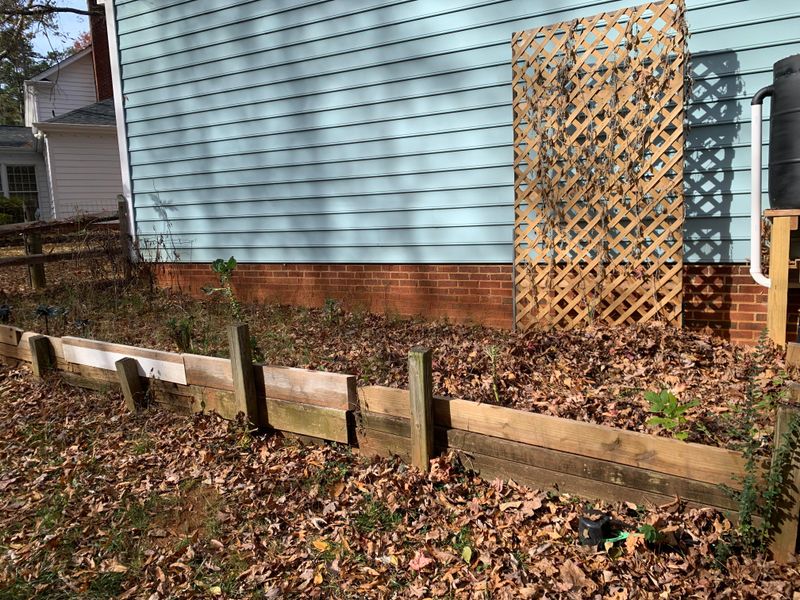
Corners are sneaky. Leaves blow in, pile up, and sit there for weeks without anyone noticing.
The gap between a wall and a fence post, the corner of a porch, the area behind a downspout, these spots collect dry leaves faster than anywhere else around the house.
Dry leaves are one of the easiest materials for embers to ignite. They are thin, light, and full of air pockets.
A single ember landing in a pile of dry leaves can produce a flame in seconds. And if that pile is sitting against your wall, the fire has nowhere to go but up.
This is a year-round maintenance issue, not just a spring cleanup job. California trees sometimes drop leaves in summer.
Oak trees shed through fall and winter. Pine needles fall constantly. Keeping Zone 0 clear of leaf litter requires regular attention throughout the whole year.
Make it a habit to walk around your home every two weeks during fire season and clear out any leaf buildup. Pay special attention to corners, under decks, around air conditioning units, and along fence lines.
These are the spots where leaves gather without being noticed. A leaf blower and a few minutes of your time can remove a serious fire hazard. Do not wait for a big cleanup day.
Small, frequent checks keep Zone 0 clear and reduce the chances of an ember finding fuel right next to your home.
7. Wood Fences Can Carry Fire To Walls
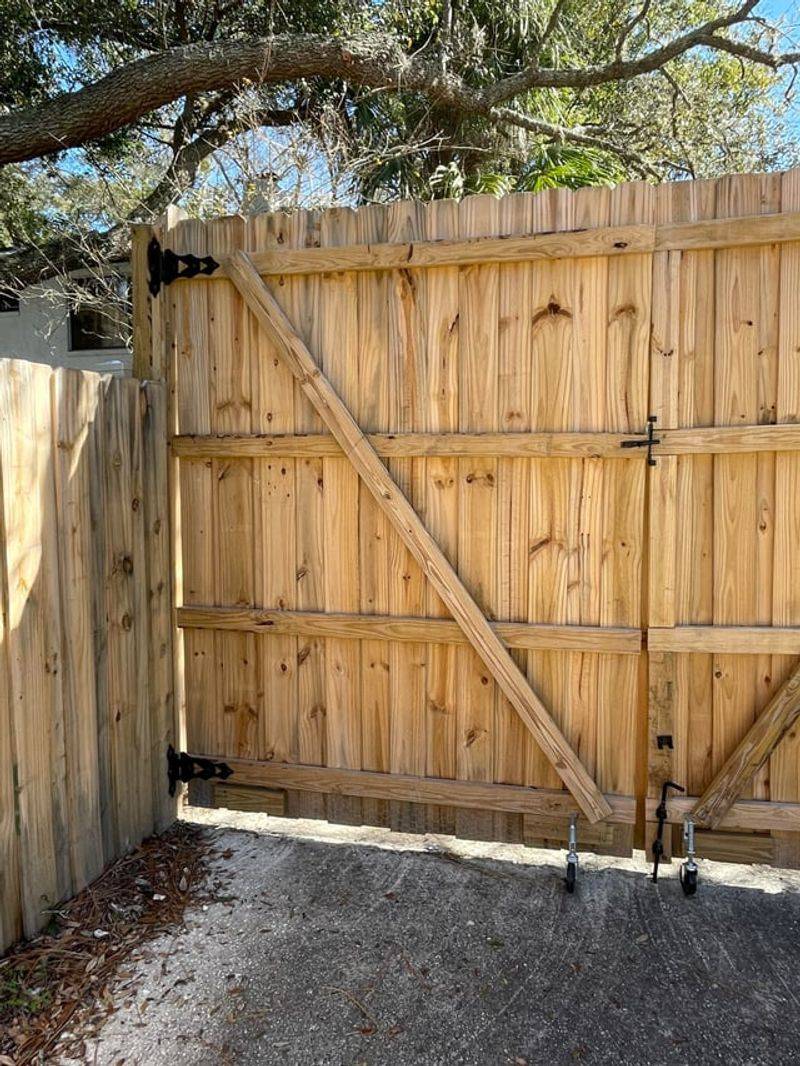
A lot of homeowners never think about their fence as a fire risk. It just sits there, doing its job, looking perfectly normal.
But a wood fence that connects directly to your house is one of the most underrated hazards in Zone 0.
When a fence catches fire, it acts like a fuse. Flames travel along the fence line until they reach the wall of your home.
At that point, the fire has a direct path to your siding, your eaves, and your attic. This is called a fire pathway, and it can bring flames to your house even when the main fire front is still far away.
This problem is especially common in older neighborhoods where wood fencing runs from the street all the way to the back of the house, touching the exterior wall at one or more points.
Many of these fences are also dry and have not been treated or painted in years, making them even more flammable.
One practical fix is to break the connection between the fence and the house. You can do this by replacing the last few feet of the fence with a metal or masonry section.
That non-combustible gap stops the fire from traveling along the fence and reaching your wall.
Some homeowners also choose to replace wood fences entirely with metal, concrete block, or composite materials.
These options cost more upfront but provide lasting protection and require far less maintenance over time.
8. Potted Plants Still Count As Fuel
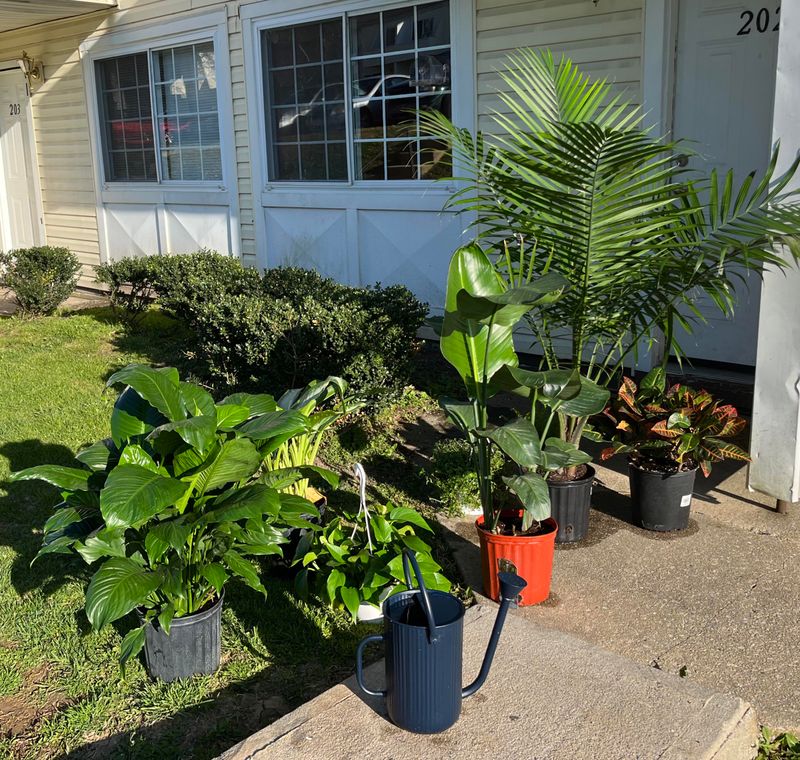
Potted plants feel harmless. You can move them, water them easily, and swap them out with the seasons.
But when they are sitting within five feet of your home, they are still fuel. Pots full of dry soil and withered plant material are just as risky as in-ground plants in Zone 0.
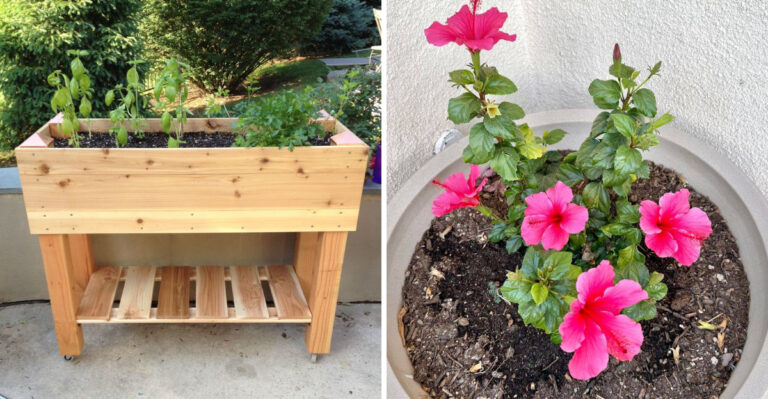
Wooden planter boxes are an even bigger concern. The box itself is combustible, and the plant inside adds more fuel.
Stack a few of these against the wall of your house and you have created a small but very effective fire starter right next to your siding.
Even ceramic or plastic pots can be a problem. The plant inside dries out during hot weather, and dry plants burn fast.
Plastic pots can melt and drip flaming material onto your deck or against your wall. Ceramic pots can crack under heat, spilling burning soil and plant matter onto the ground.
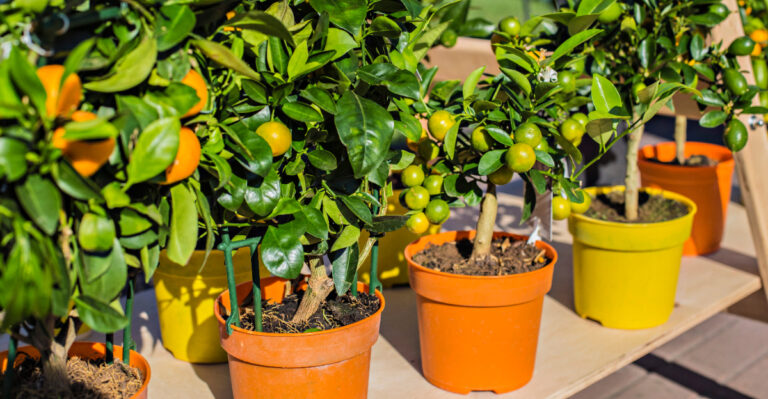
The safest approach is to move all potted plants out of Zone 0 during fire season. Bring them to Zone 1 or beyond, where they are far enough from the house to reduce the risk.
If you want something decorative near the entrance, choose a metal pot with river rock or succulents that stay moist longer.
Small changes like this one add up fast. Clearing pots, planters, and decorative items from Zone 0 takes less than an hour and meaningfully reduces the fuel load right next to your home when it matters most.