Revive Heat-Stressed Container Plants With This Early August Care Plan In New Jersey
Heat doesn’t wait for you to notice the change. Your containers in New Jersey face intense daily stress.
Wilting tells you something urgent is already happening. Soil pulling away from the pot means you waited too long.
Crispy brown tips warn you before roots weaken completely. You assume water fixes everything, but timing matters more.
New Jersey heat challenges your plants faster than most gardeners expect. Shade you choose now determines what thrives tomorrow.
Nothing stays the same once temperatures climb this high. Recovery demands precision, not guesses you hope will work.
Every decision you make shapes what your plants become. Missteps made now cost you weeks of stalled growth.
Momentum you build today keeps your containers alive tomorrow. Ignoring the signs only speeds up what you see.
Attention now saves you frustration and lost effort later. Waiting even a moment longer could cost you everything you have carefully built here now.
1. Deeper Watering To Reach Dried-Out Roots
Shallow watering is a common mistake. You think the plant is getting enough water, but the roots at the bottom stay bone dry.
Heat-stressed container plants need water that reaches all the way down. A quick splash on top does almost nothing when soil is compacted and dry.
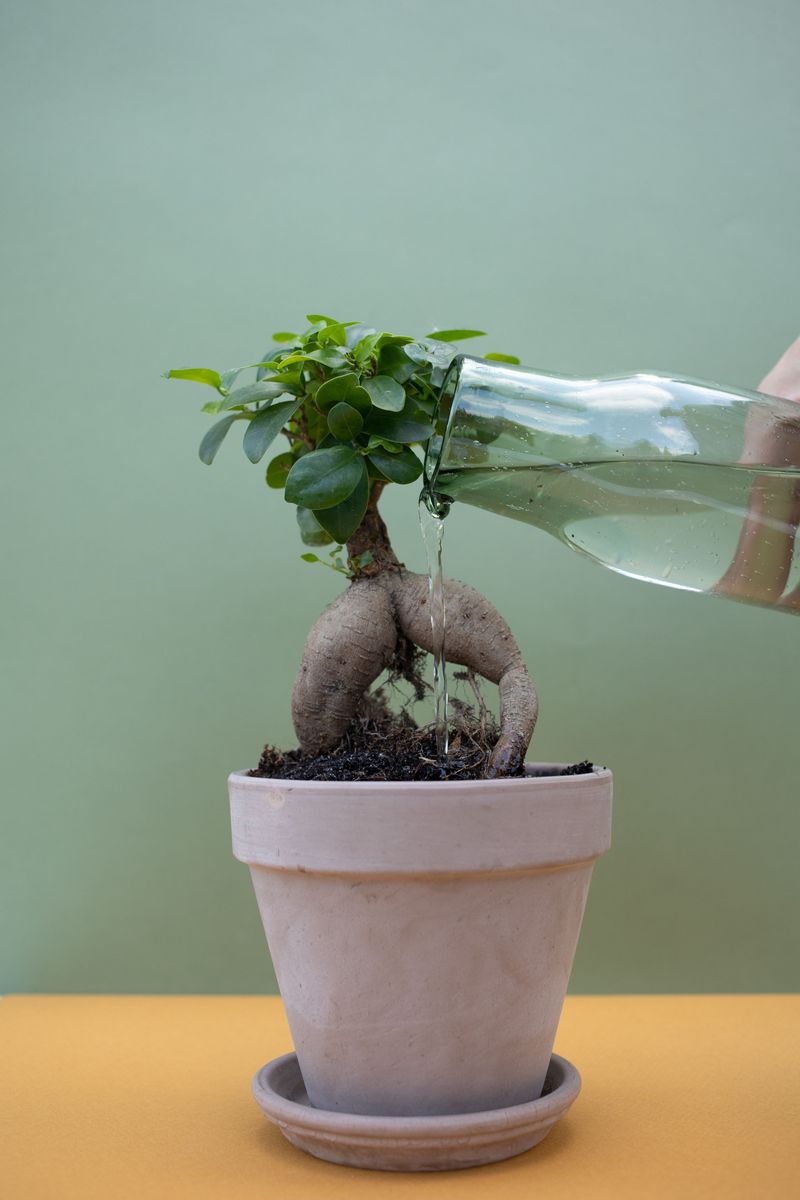
Slow, deep watering is the fix. Hold your hose or watering can over the pot for a slow, steady count, then pause and repeat until water drains from the bottom.
Watch for water to drain out of the bottom holes. That drainage tells you the moisture has reached the root zone where it counts.
During August heat, pots, especially smaller ones, can dry out surprisingly fast, sometimes within a day. Checking soil depth with your finger every morning keeps you ahead of the problem.
Stick your finger two inches into the soil. If it feels dry at that depth, water immediately without waiting for visible wilting.
Some New Jersey gardeners place their pots in a shallow tray of water for 20 minutes. This bottom-watering method lets roots pull moisture up from below naturally.
Terracotta pots lose water faster than plastic or glazed ceramic ones. Switching pot materials or adding a saucer underneath helps hold moisture longer.
Consistency is what saves struggling plants. Once you commit to deep, regular watering, new growth often returns within a week or two.
2. Fresh Fertilizer To Replace Leached Nutrients
Every time you water, nutrients wash right out of the pot. That is just how container gardening works, and August makes it worse.
Frequent summer watering speeds up nutrient loss faster than most people realize. Your plant might look sad not from heat alone, but from hunger.
A balanced liquid fertilizer works fastest when plants are stressed. Mix it at half strength to avoid shocking already-struggling roots.
Full-strength fertilizer on a heat-stressed plant can burn the root system. Less is more when your plant is already fighting to survive the season.
Look for a fertilizer with a balanced NPK ratio like 10-10-10. Nitrogen supports leafy growth, phosphorus feeds roots, and potassium boosts overall strength.
Your New Jersey Garden Changes Every Week. Your Plan Should Too.
Gardening in New Jersey changes quickly throughout the season. Every Friday you’ll receive a simple weekly plan showing exactly what to plant, prune, fertilize, harvest, and protect so you never miss the right timing.
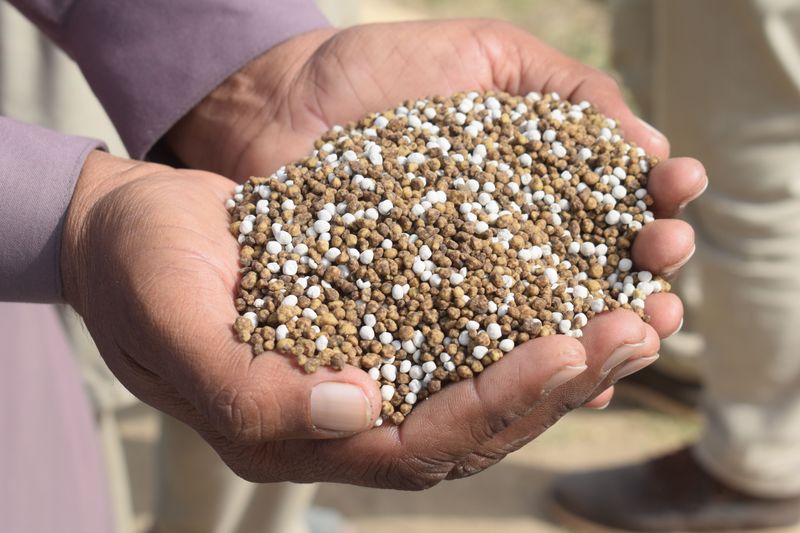
Slow-release granules are another solid option for busy New Jersey gardeners. Sprinkle them on top of the soil and let watering do the work over several weeks before reapplying.
If you’re using a liquid fertilizer instead, feed your containers every two weeks through the rest of summer. Regular feeding keeps nutrients available even as heat and watering continue to deplete them.
Seaweed or fish emulsion fertilizers are gentler on stressed plants. Many gardeners swear by them as a recovery boost during intense heat waves.
Healthy, well-fed plants handle temperature swings much better than malnourished ones. Replacing leached nutrients now gives your containers the fuel to finish summer strong.
3. Shade During Peak Afternoon Sun Hours
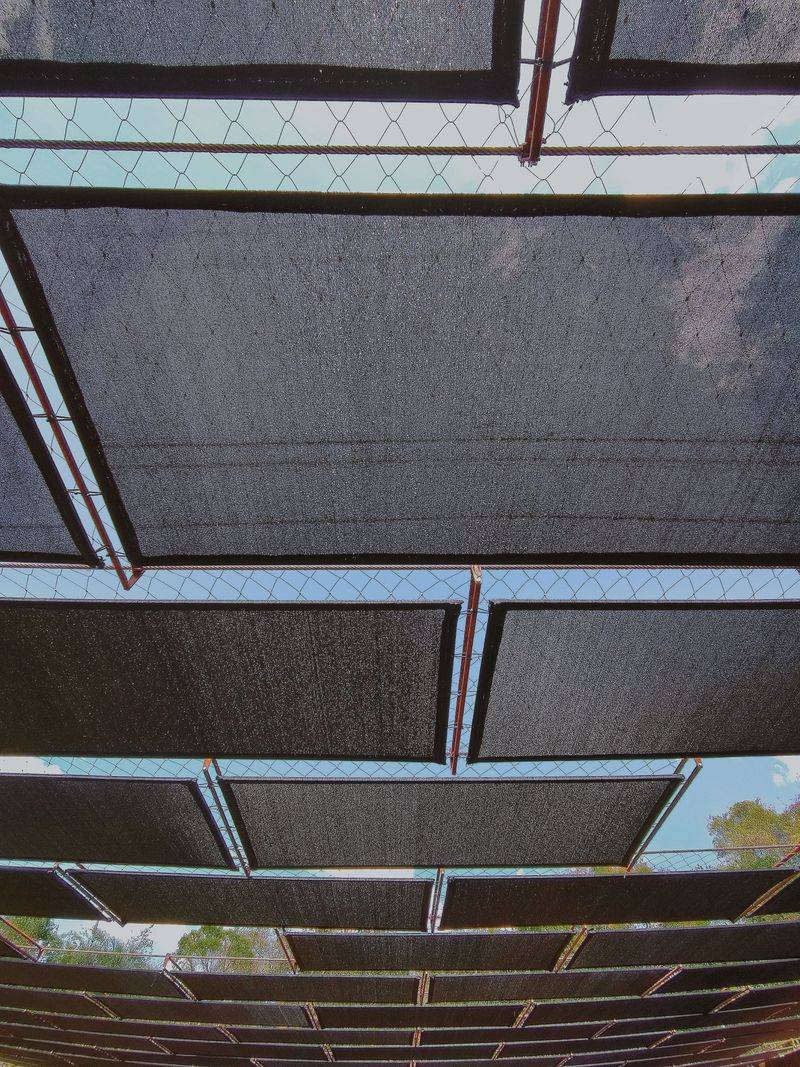
Two in the afternoon brings the most intense heat. Direct sun during those hours can scorch leaves faster than almost any other gardening problem.
Moving containers to a shaded spot between noon and four o’clock makes a huge difference. Even dappled shade from a tree cuts stress significantly.
Not every pot is easy to move, though. For heavy planters, a shade cloth draped over a simple frame works just as well.
Shade cloths come in different densities, usually labeled as 30%, 50%, or 70% shade. A 30% to 40% cloth is plenty for most flowering plants.
South-facing patios get the most intense afternoon exposure. Repositioning pots to an east-facing wall gives them morning light without the strongest afternoon sun.
Plants that normally love full sun still need a break during extreme heat. Even sun-lovers like petunias and geraniums benefit from a midday rest in the shade.
Reflective surfaces make heat worse. Concrete patios, white walls, and metal railings all bounce extra warmth onto nearby containers.
Placing pots on wooden decking or grass instead of concrete lowers the temperature around roots. Small changes in placement have big effects on plant health.
Once extreme heat consistently eases, you can gradually reintroduce most containers to full sun, depending on the plant’s heat tolerance. Shade is a seasonal rescue, not a permanent solution.
4. Trimming To Remove Heat-Stressed Growth
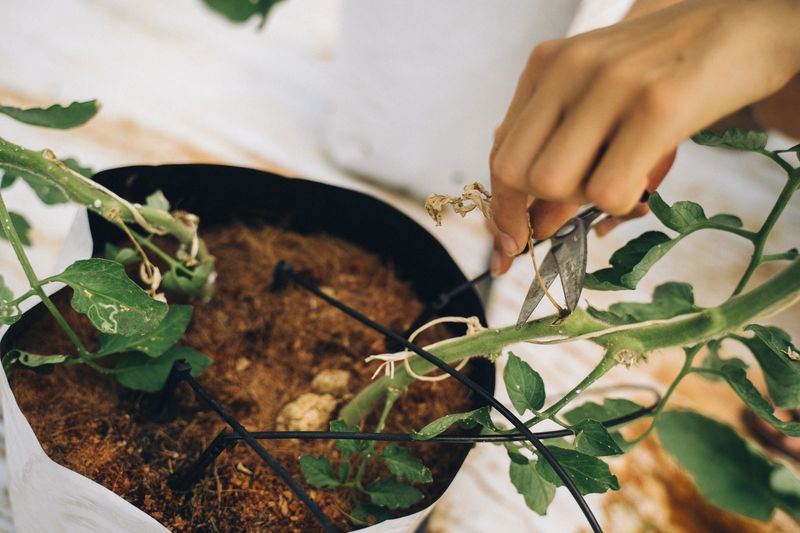
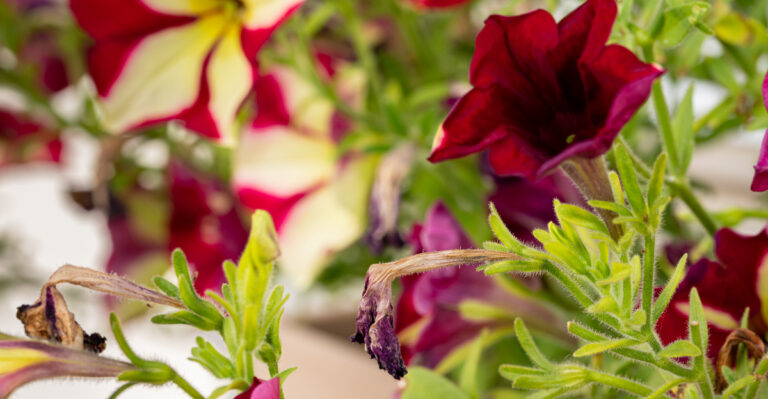
Brown, crispy leaves are not coming back. Keeping them on the plant wastes energy the roots could be spending on healthy new growth instead.
Trimming away heat-damaged foliage is one of the most rewarding parts of plant recovery. You’ll often see the plant perk up quickly afterward.
Use clean, sharp scissors or pruning shears for this job. Dull blades crush stems and create entry points for disease and pests.
Cut back any stem that is more than half brown or wilted. Leave the green, firm stems alone because those are where recovery will happen.
Removing spent blooms is equally important during August. Removing old flowers redirects the plant’s energy away from seed production and back into root and leaf development.
Some plants, like impatiens and petunias, respond to a hard cutback with vigorous regrowth. Cutting them down by one-third can trigger a full second flush of blooms.
After trimming, give the plant a good deep watering. Fresh cuts lose moisture quickly, so hydration right after pruning supports faster healing.
Avoid trimming during the hottest part of the day. Early morning or late evening pruning sessions reduce the stress on both you and the plant.
Within a couple of weeks of a good trim, many heat-stressed containers begin showing fresh green growth at the cut points. That new growth is the clearest sign your plant is bouncing back strong.
5. Mulch On Top To Hold Moisture
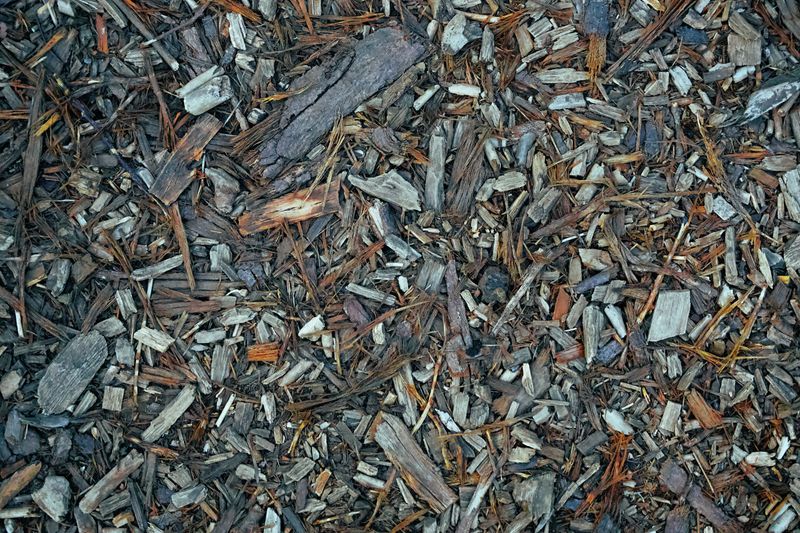
Bare soil in a pot heats up quickly under summer sun. Adding a layer of mulch on top changes everything about how fast moisture escapes.
Just one inch of mulch on container soil can significantly reduce water loss. That means less frequent watering and cooler roots during August heat.
Straw, shredded bark, and coconut coir are all excellent mulch options for containers. Each one insulates the soil while still letting air and water pass through easily.
Avoid piling mulch directly against the plant stem. Leave a small gap around the base to prevent rot and allow airflow where it matters most.
Decorative stones and gravel also work as mulch in containers. They look clean and polished while still blocking sun from hitting bare soil directly.
Moss is another creative option for smaller pots. Sheet moss holds moisture well and gives containers a lush, finished appearance even during the hottest months.
In terracotta pots especially, mulch makes a noticeable difference fast. Those porous walls pull moisture out quickly, so protecting the soil surface is extra helpful.
Refresh the mulch layer if it compresses or breaks down over time. A fresh top-up every few weeks keeps the insulating effect working at full strength.
Mulching is one of the easiest upgrades you can make to your container routine. A small bag of bark mulch from the New Jersey garden center goes a long way toward keeping roots cool and happy.
6. Bigger Pots If Roots Are Crowded
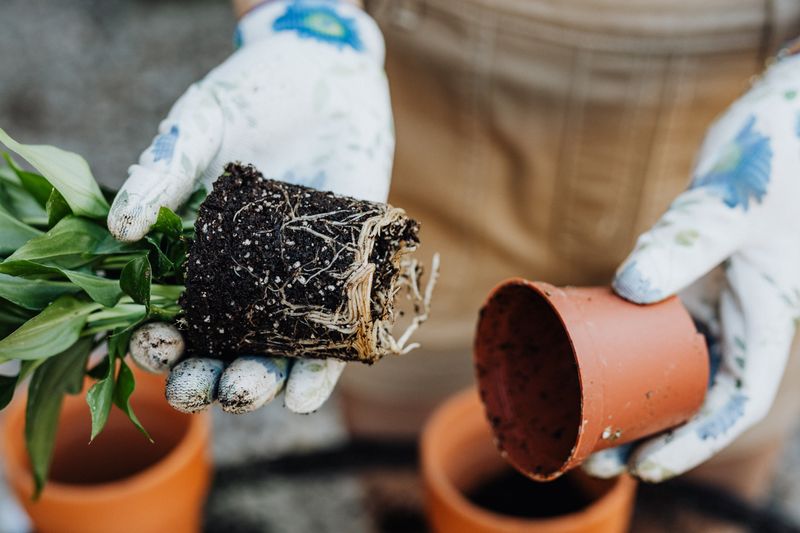
Roots circling the bottom of a pot is a clear warning sign. When roots run out of room, the whole plant struggles even with proper watering and feeding.
A root-bound plant cannot absorb water efficiently. The roots become so tangled that moisture runs straight through without being taken up by the plant at all.
Gently remove the plant from its current pot and look at the root ball. If roots are tightly wound around the outside, it is time to size up.
Choose a new pot that is two to four inches wider in diameter than the current one. Too big of a jump can cause overwatering problems, so stay within that range.
Loosen the outer roots gently before placing the plant in the new container. Untangling them encourages outward growth into the fresh soil around them.
August is not the ideal time for repotting, but a root-bound plant has no choice. Do it in the early morning or evening to reduce transplant shock from heat.
After repotting, water deeply and move the plant to a shaded spot for two to three days. This recovery window lets roots settle before returning to full sun exposure.
A larger pot also holds more soil volume, which means it retains moisture longer. That extra buffer is especially valuable during the unpredictable heat of late summer.
Giving roots room to spread is one of the highest-impact moves in container care. Plants that have space to grow reward you with stronger stems and bigger blooms.
7. Fresh Soil To Improve Drainage
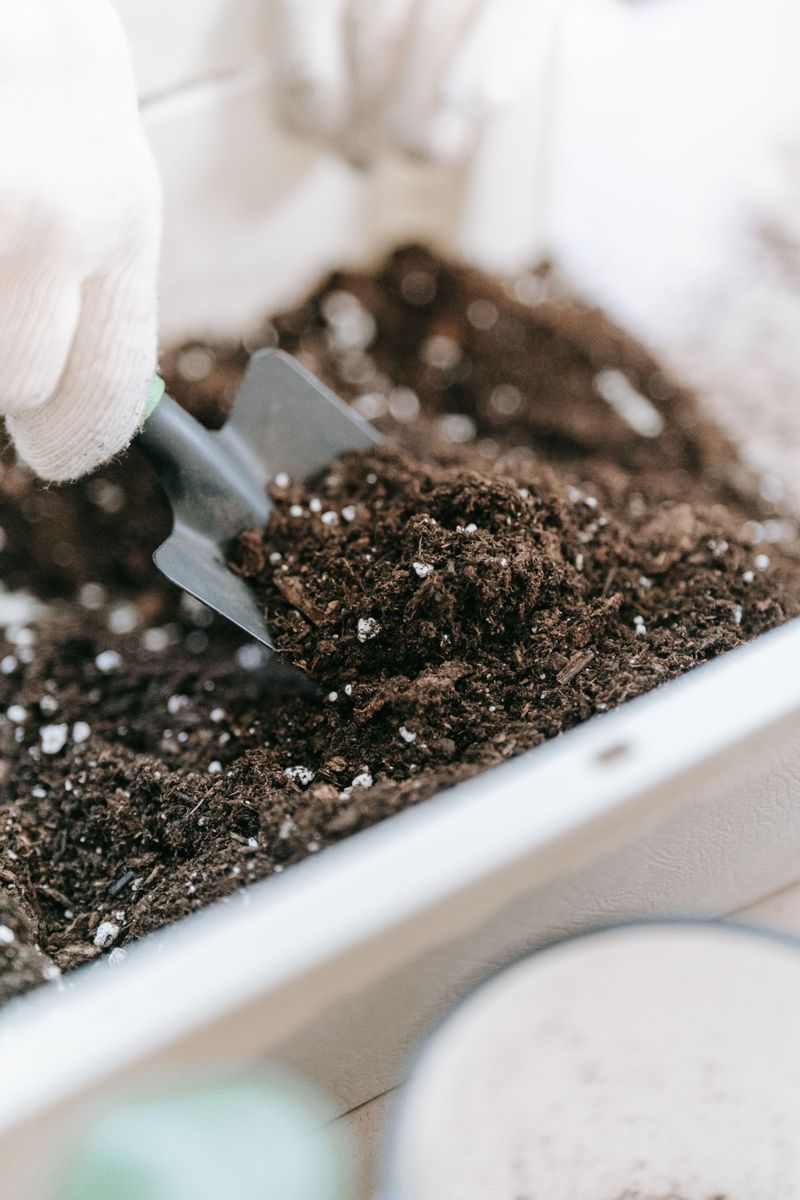
Old potting soil breaks down over time and loses its ability to drain well. When soil turns dense and compact, roots are deprived of oxygen and plants struggle even with regular watering.
Fresh potting mix is light, airy, and full of organic material that roots love. Replacing old, depleted soil gives heat-stressed container plants a fresh start.
Do not use garden soil in containers. It compacts too easily in pots and creates drainage problems that no amount of watering adjustment can fix.
Look for a premium potting mix that contains perlite or pumice. Those chunky white particles keep the mix loose and allow excess water to drain freely from the pot.
Adding a layer of fresh soil even without full repotting can help. Scrape off the top inch of old soil and replace it with new mix for a quick refresh.
If the soil smells sour or musty, that is a sign of poor drainage causing root rot. In that case, full soil replacement is the only real solution.
Mix a slow-release fertilizer into the fresh soil before planting. That way nutrients are available immediately as the roots begin exploring the new growing medium.
Some gardeners add a handful of compost to their fresh potting mix. Compost improves moisture retention while also feeding beneficial microbes that support root health.
Good soil is the foundation of every thriving container garden. Investing in quality potting mix now sets your plants up for a strong finish through fall.
8. Steady Moisture, Not Feast-Or-Famine
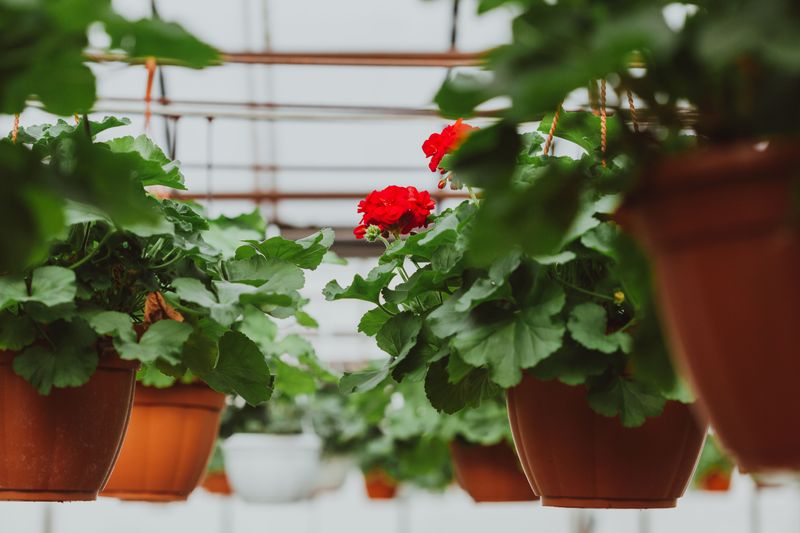
Watering heavily one day and skipping the next two is a common mistake. That cycle of wet and dry stresses roots more than consistent heat ever could.
Heat-stressed container plants need steady, reliable moisture to recover fully. Erratic watering keeps roots in a constant state of shock and slows any real progress.
Self-watering containers are a game-changer for busy New Jersey gardeners. They hold a water reservoir at the bottom and let roots pull up exactly what they need, when they need it.
Drip irrigation systems are another excellent option for patios and balconies. A simple timer setup delivers water at the same time each day without any effort on your part.
Checking soil moisture at the same time every morning builds a reliable habit. Consistent monitoring prevents both overwatering and the dry spells that set recovery back.
Grouping containers together also helps regulate moisture levels. Plants clustered close together create a small microclimate that reduces evaporation from individual pots.
Glazed ceramic and plastic pots hold moisture longer than terracotta ones. If you are struggling to keep up with watering, swapping pot material is a simple and effective change.
Overwatering is just as harmful as underwatering. Soggy roots cannot absorb oxygen, which leads to the same wilting symptoms as drought-stressed plants.
Finding that steady moisture sweet spot is the final piece of the early August care plan for reviving heat-stressed container plants. Nail the watering rhythm and everything else falls into place.