What Wisconsin Homeowners Are Doing To Help Native Bees Make It Through Late Summer
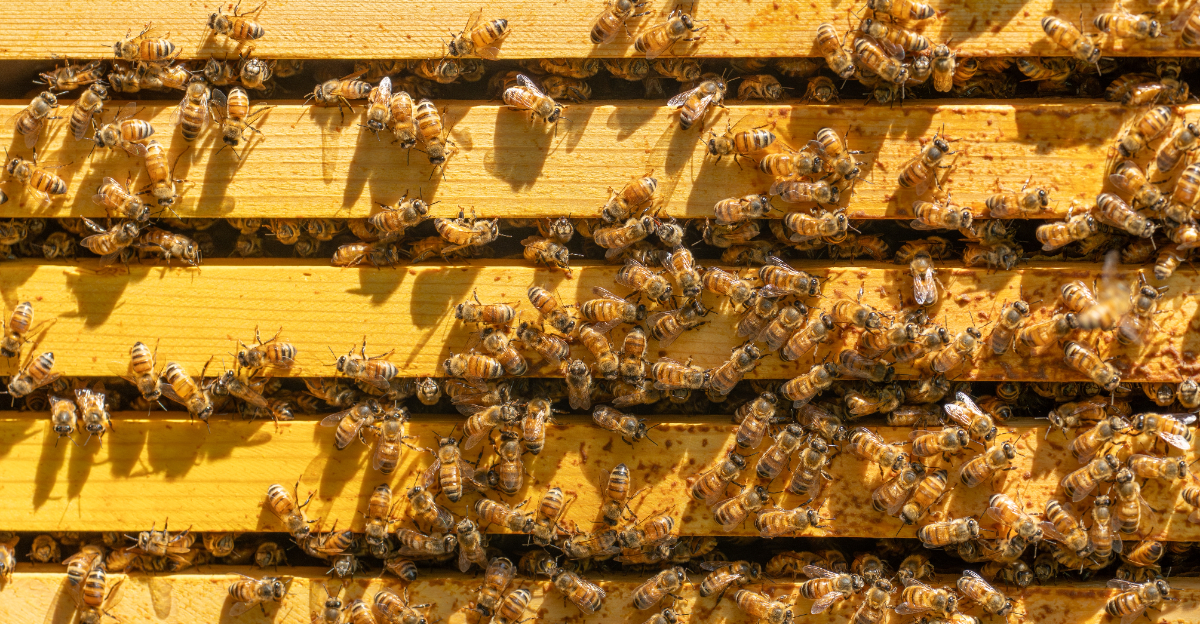
Change arrives quickly through your local bee colonies when Wisconsin’s flowers fade overnight. Water sources dwindle much faster than you might expect this year.
Nesting sites shrink quickly just as your busy queens prepare for the long winter. Your native bees face a demanding, shifting countdown once late summer finally hits.
Wisconsin homeowners are quietly reshaping that countdown for you. Small changes let you create real, safe shelter where none existed before. Simple fixes now shape outcomes for your entire busy colony.
Every patch of bare soil you leave quickly becomes a nesting refuge. Certain late-blooming flowers you plant can buy struggling bees critical time.
Homeowners across the state are already proving this works for you. You hold more power over local bee outcomes than you realize.
Choices you make this week ripple loudly through next year’s entire pollination season. Nothing about what happens next will let you look away.
1. Plant Late-Blooming Natives For Fall Forage
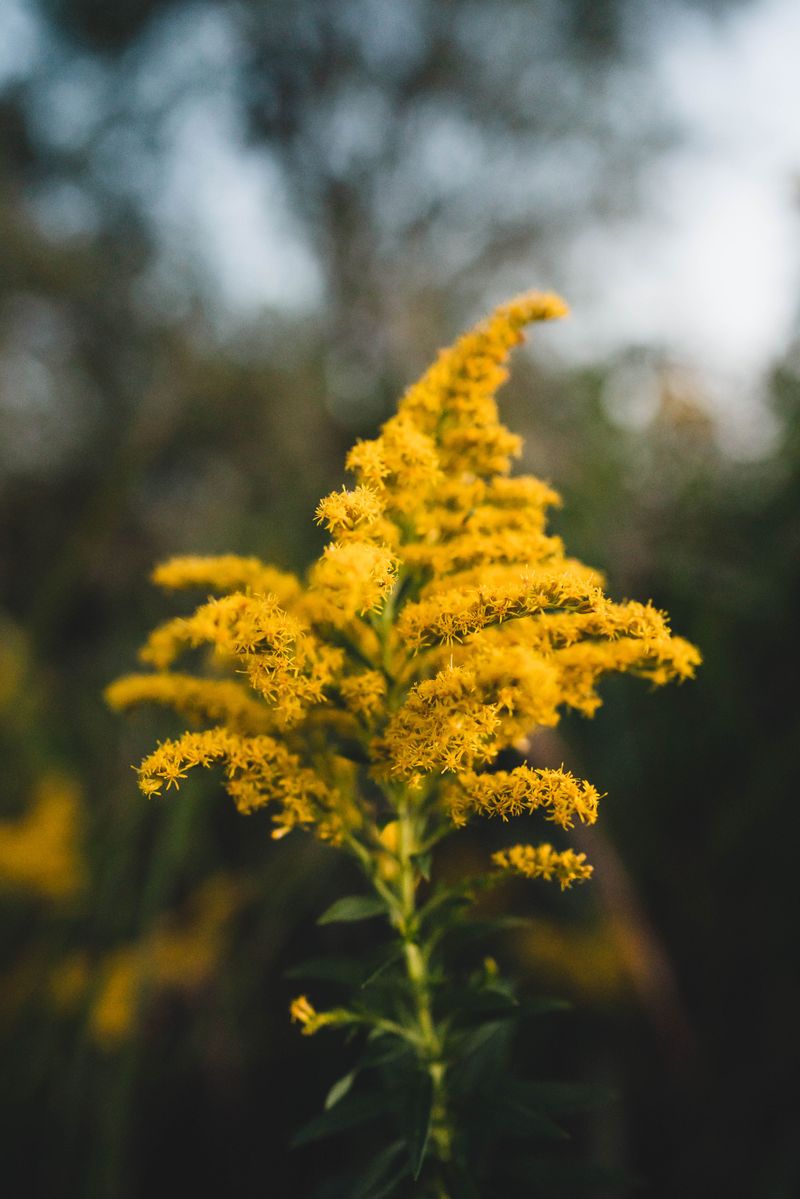
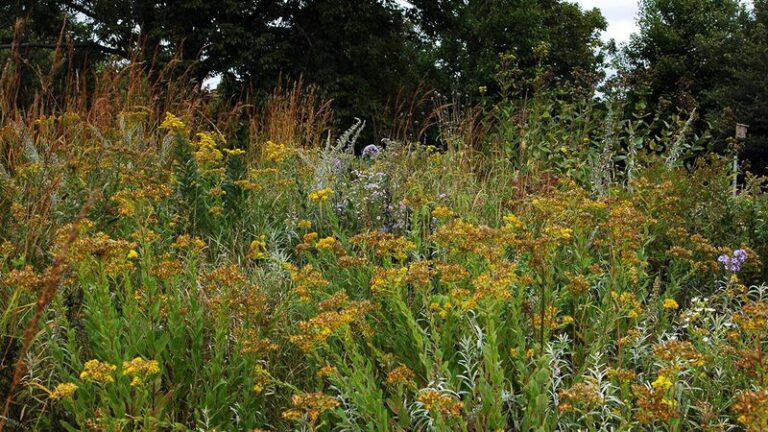
Goldenrod is a major late-season food source for native bees. It blooms right when other flowers are calling it quits, making it a highly valuable plant for late-season pollinator support.
Wisconsin gardeners are swapping out ornamental plants for late-season natives like wild bergamot, ironweed, and tall goldenrod. These plants offer pollen and nectar at exactly the right time.
Bumblebees and sweat bees need to feed heavily in late summer to survive. Without enough food sources, colonies can decline before winter sets in.
Asters are another strong option. Their purple blooms attract dozens of bee species and keep going strong well into September.
Planting in clusters rather than solo plants makes a huge difference. Bees can forage more efficiently when flowers grow in dense patches.
You do not need a large yard to make an impact. Even a small raised bed filled with natives can become a reliable late-season food source.
Local native plant nurseries in Wisconsin often carry regionally specific species. Buying local ensures the plants are already adapted to your soil and climate.
The effort you put in now pays off for years. Most native perennials come back stronger each season, requiring less work over time.
Helping Wisconsin homeowners support native bees starts with what you choose to grow. Pick plants that bloom late, and you give pollinators a genuine lifeline when they need it most.
2. Leave Bare Soil Patches For Ground Nesters
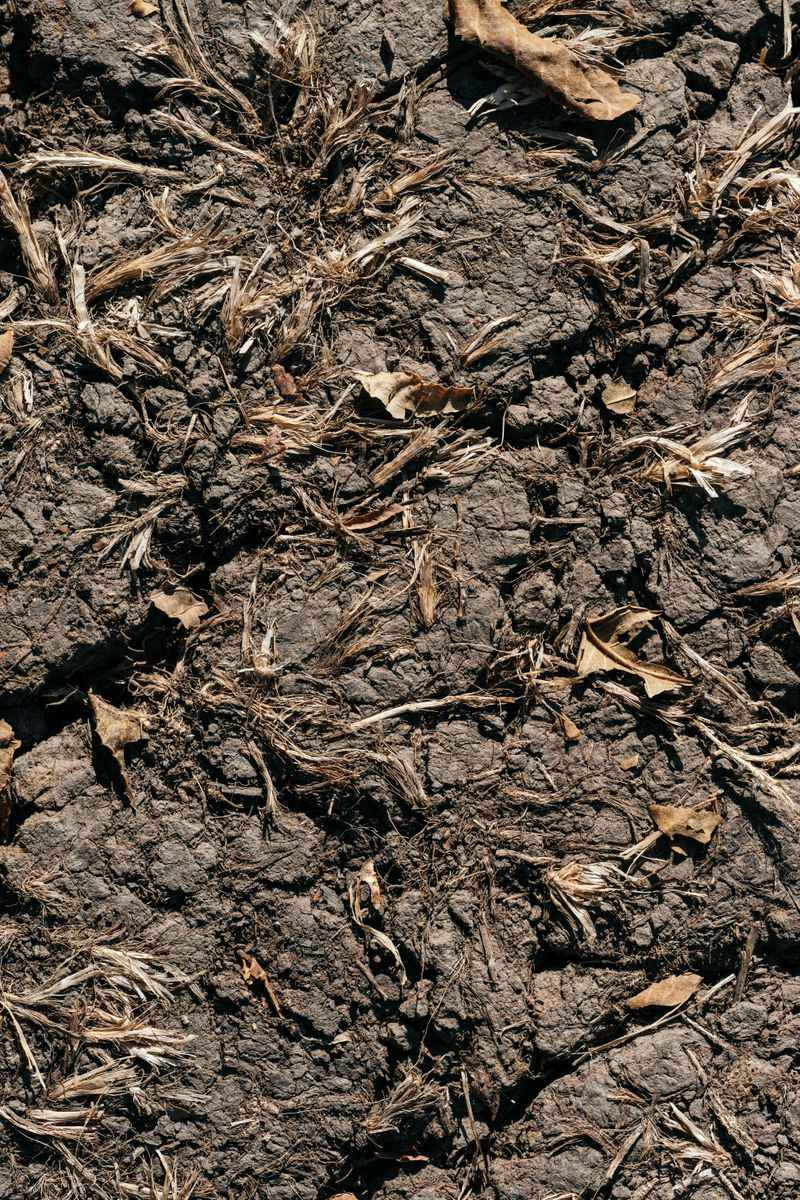
Many native bee species, with some estimates suggesting around 60 to 70 percent, nest underground. Many homeowners are surprised by this, since bees are often pictured living in hives.
Ground-nesting bees need loose, dry, undisturbed soil to dig their burrows. When every inch of a yard gets covered in mulch or grass, these bees simply have nowhere to go.
Wisconsin gardeners are now leaving small patches of bare earth in sunny spots around their property. A patch as small as a dinner plate can host multiple nesting females.
South-facing slopes work especially well because the soil stays warm and dry. Mining bees and sweat bees are particularly fond of these sunny, open areas.
Your Wisconsin Garden Changes Every Week. Your Plan Should Too.
Gardening in Wisconsin changes quickly throughout the season. Every Friday you’ll receive a simple weekly plan showing exactly what to plant, prune, fertilize, harvest, and protect so you never miss the right timing.
The key is leaving the soil alone after you create the patch. Digging, raking, or watering it will disrupt any bees that have already moved in.
You might notice small piles of dirt or tiny holes appearing in your bare patch. That is a sign the space is working exactly as intended.
Some homeowners worry these bees will sting. Ground-nesting native bees are solitary and rarely aggressive, especially when left undisturbed.
Placing a bare patch near late-blooming flowers gives bees both nesting and foraging options in one spot. They can nest and forage in the same small area of your yard.
Supporting native bees in Wisconsin means rethinking the perfectly manicured lawn. A little strategic messiness goes a long way toward keeping pollinators thriving through the season.
3. Skip Pesticides During Peak Bee Activity
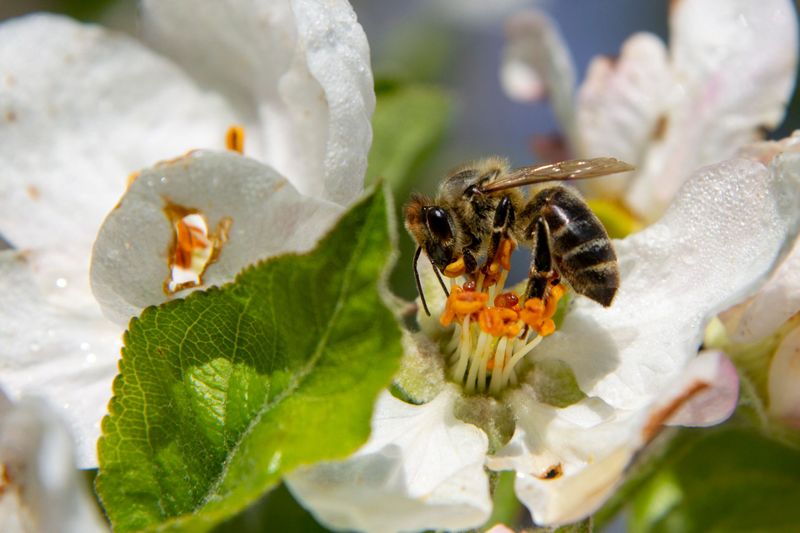
Peak bee activity often falls in the morning hours, though timing varies by species and temperature. Spraying pesticides during those hours is one of the fastest ways to harm pollinators.
Many Wisconsin homeowners are rethinking their pest control routines entirely during late summer. Switching to targeted, manual removal instead of broad sprays makes a measurable difference.
Even products labeled organic can harm native bees when applied at the wrong time. Spinosad, for example, is toxic to bees when wet but safer once it dries.
Reading pesticide labels carefully is not optional. The label is a legal document, and it often includes specific guidance about protecting pollinators.
Some gardeners have started using physical barriers like row covers to protect vegetables from pests. This approach keeps bugs off plants without putting bees at risk.
Encouraging natural predators is another solid strategy. Ladybugs, lacewings, and parasitic wasps handle aphids and caterpillars without any chemical help.
If spraying is absolutely necessary, do it at dusk when bees have returned to their nests. Avoid spraying open flowers altogether, no matter the time of day.
Late summer is when many bee colonies are at their most vulnerable. Queens are preparing for winter, and worker populations are declining.
Protecting Wisconsin native bees through thoughtful pest management is one of the simplest shifts a homeowner can make. Skipping one unnecessary spray could meaningfully reduce harm to bees in your yard.
4. Water Shallow Dishes For Thirsty Bees
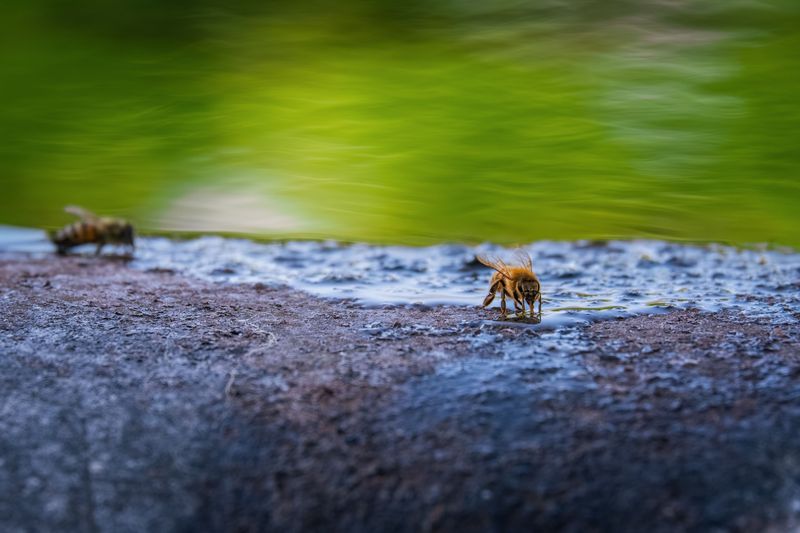
Bees get thirsty, and most people never think about that. During hot, dry Wisconsin summers, finding clean water becomes a daily challenge for pollinators.
A shallow dish filled with water and a few pebbles is all it takes. The pebbles give bees a safe landing spot so they can drink without drowning.
Birdbaths are often too deep for small native bees. A bee trying to reach water in a standard birdbath can easily fall in and get trapped.
The best setup uses a wide, shallow container like a terra cotta saucer. Fill it with just enough water to cover the bottom of the pebbles.
Placement matters more than most people expect. Setting the dish near flowering plants or in a partly shaded spot keeps the water cooler and fresher longer.
Changing the water every two to three days prevents mosquito larvae from hatching. Clean water also keeps bees healthier than stagnant, algae-filled sources.
Multiple small stations spread around the yard work better than one large dish. Bees tend to forage in specific zones and appreciate water close to their feeding areas.
Some Wisconsin homeowners add a drop of sugar water to attract bees initially. Plain water works fine once bees discover the spot on their own.
This small act of hospitality connects directly to helping Wisconsin native bees survive the season. A dish of water costs almost nothing and gives pollinators exactly what they need on the hottest days.
5. Delay Cutting Back Spent Flower Stalks
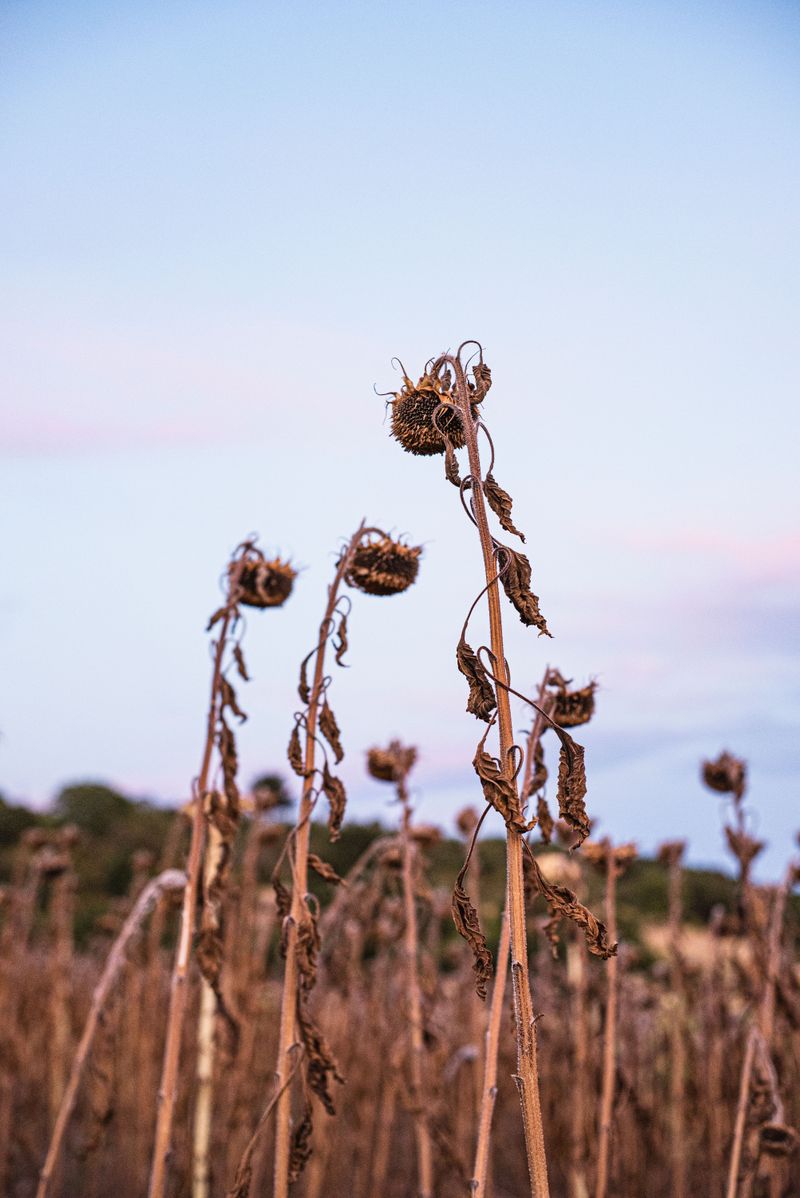
That urge to tidy up the garden in August is completely understandable. But cutting back spent stalks too early takes away something bees genuinely depend on.
Hollow or pithy flower stems are well-suited nesting sites for cavity-nesting bees. Species like small carpenter bees chew into these stalks to lay their eggs, while mason bees often occupy existing hollow cavities.
Coneflowers, black-eyed Susans, and cup plants are especially popular choices for stem nesters. Leaving them standing through late summer and fall gives bees time to complete their life cycles.
Eggs laid in stems need to overwinter safely before hatching the following spring. Cutting stalks in August destroys those eggs before they ever get the chance to develop.
Wisconsin gardeners who delay cleanup until late April often report more bees the following season. Many see a link between fall restraint and spring abundance, though results can vary.
You do not have to leave every stalk in place. Cutting some while leaving others gives you a tidier look without removing all the nesting habitat.
Stalks can also be bundled and placed in a sheltered corner if you prefer a cleaner garden bed. Bees will still find and use them in that location.
The seed heads on spent flowers also feed birds through the winter. Leaving stalks standing creates layered benefits for multiple species at once.
Helping native bees through late summer sometimes means doing less. Putting down the pruning shears is one of the easiest and most impactful choices you can make.
6. Add Native Bunch Grasses For Shelter
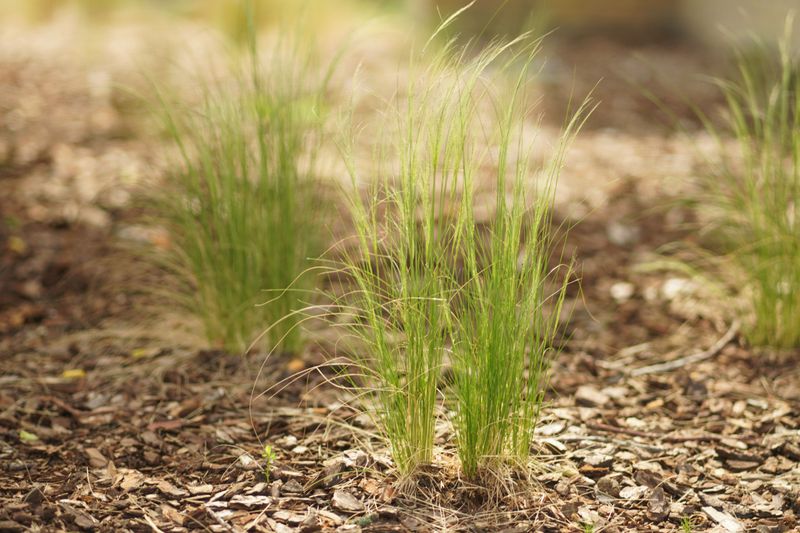
Little bluestem turns a fiery orange-red in late summer, and it looks incredible in a Wisconsin yard. But its beauty is just a bonus compared to what it does for native bees.
Bunch grasses create dense, low-growing clumps that shelter bees from wind, rain, and predators. Unlike turf grass, bunch grasses leave open space between clumps for bees to move through.
Ground-nesting species often use the base of bunch grass clumps as nesting sites. The roots hold soil loosely, making it easier for bees to excavate small burrows.
Prairie dropseed and switchgrass are two other excellent options for Wisconsin homeowners. Both are native, low-maintenance, and extremely attractive to a wide range of pollinators.
Planting bunch grasses along garden borders creates a natural windbreak. Bees are much more efficient foragers when they are not fighting strong gusts of wind.
The dried seed heads of bunch grasses also provide shelter through the winter. Overwintering bees and beneficial insects tuck themselves into the dense base of the plant.
Mixing grasses with late-blooming wildflowers creates a layered habitat. Bees get food, shelter, and nesting opportunities all in the same planting area.
Most native bunch grasses are drought-tolerant once established. That makes them especially practical during the dry spells that hit Wisconsin in late August.
Adding grasses to your landscape is a quiet but powerful move. The texture, color, and ecological function they bring make them a valuable addition to a pollinator-friendly yard.
7. Provide Small Brush Piles For Nesting Cover
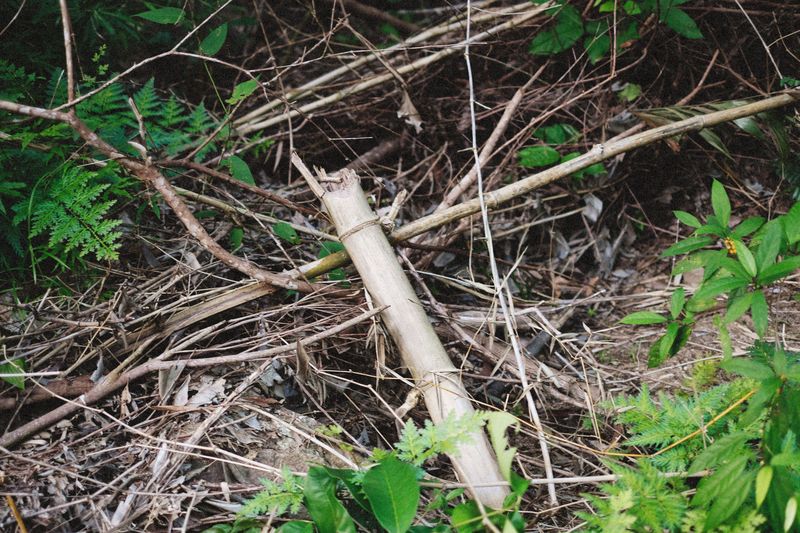
A pile of sticks in the corner of the yard might look like laziness. To a native bee, it functions as ideal shelter.
Brush piles provide cover, humidity regulation, and structural nesting material for several bee species. Bumble bees, in particular, love to nest in dense, protected ground-level spots.
Building a brush pile is genuinely simple. Stack fallen branches, dried stems, and fallen leaves in a loose pile about two feet high in a quiet corner of the yard.
Location matters when placing a pile. Tucking it near a fence, shrub, or garden edge gives bees a sense of security and reduces disturbance from foot traffic.
Leaving the pile in place through winter is essential. Bumble bee queens overwinter just below the soil surface, often near sheltered spots like brush piles.
Some Wisconsin homeowners use brush piles to recycle yard waste instead of bagging it. That approach saves time, cuts down on waste, and actively supports pollinators.
You can make the pile look intentional by placing larger logs on the outside and smaller debris inside. A neat exterior still provides the same ecological function as a messy one.
Brush piles also attract beetles, spiders, and other beneficial insects that contribute to a healthy garden ecosystem. One small pile can support a range of beneficial insects.
Giving native bees a place to shelter through late summer and beyond does not require any special skill. A little thoughtful stacking can noticeably support your backyard ecosystem.
8. Avoid Mulching Every Bare Ground Area
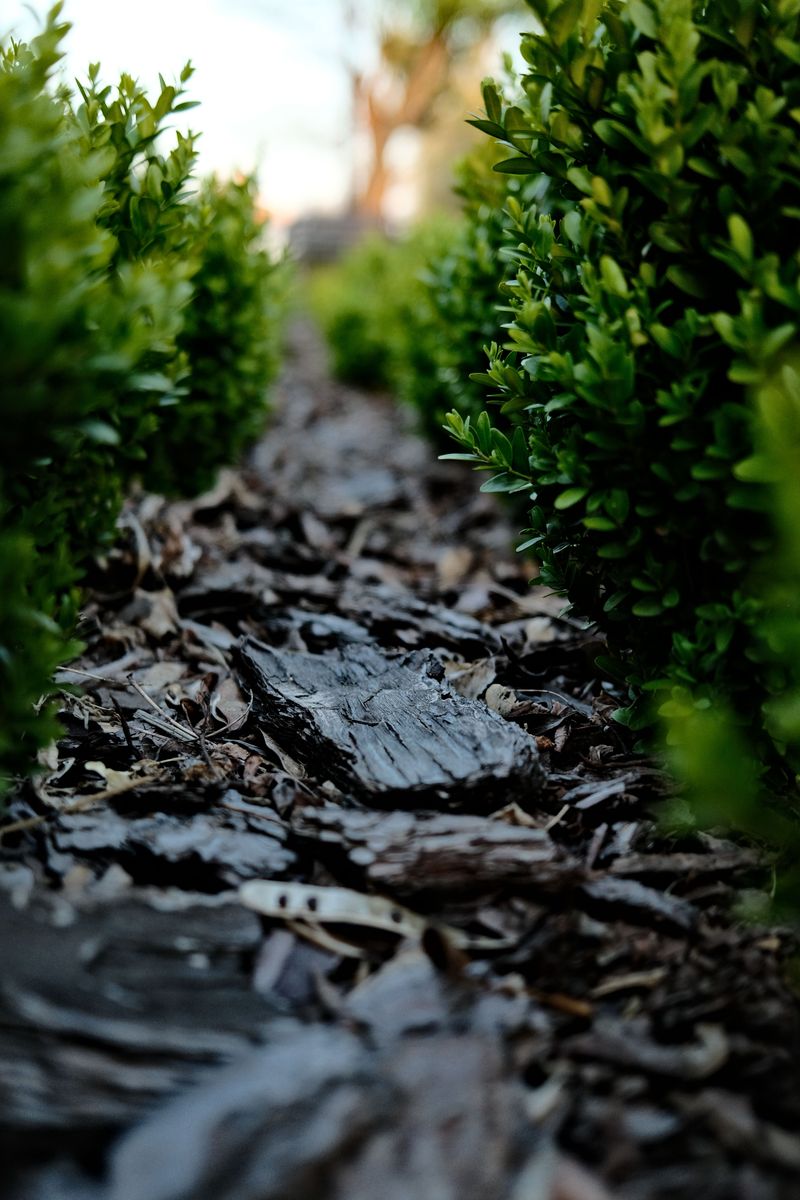
Mulch is a widely used and effective garden material. It retains moisture, suppresses weeds, and makes beds look polished.
But covering every square inch of soil with a thick layer of mulch can prevent ground-nesting bees from accessing soil. They simply cannot dig through several inches of wood chips to reach bare earth.
Wisconsin homeowners who care about native bees are being more strategic about where and how much they mulch. Leaving some areas intentionally bare is becoming a recognized best practice.
A thin layer of mulch, about one inch deep, is far less harmful than the standard two-to-three-inch recommendation. Thinner layers still suppress weeds while leaving soil accessible.
Choosing where to skip mulch entirely is even more effective. South-facing slopes, sunny garden edges, and dry border areas are all good candidates for bare soil zones.
Some gardeners use gravel or coarse sand in select spots instead of organic mulch. These materials allow drainage and warmth while still being penetrable for nesting bees.
Leaving mulch gaps near late-blooming native plants creates a complete habitat cluster. Bees can nest, feed, and find water all within a small area of your yard.
The shift in thinking here is subtle but meaningful. Mulch is a tool, not a requirement for every surface in the garden.
Supporting Wisconsin native bees through late summer means looking at your yard with fresh eyes. Sometimes the most helpful thing you can do is simply leave a little ground uncovered and let the space develop naturally.