The Florida Hedge More Neighborhoods Are Quietly Adding For Natural Privacy
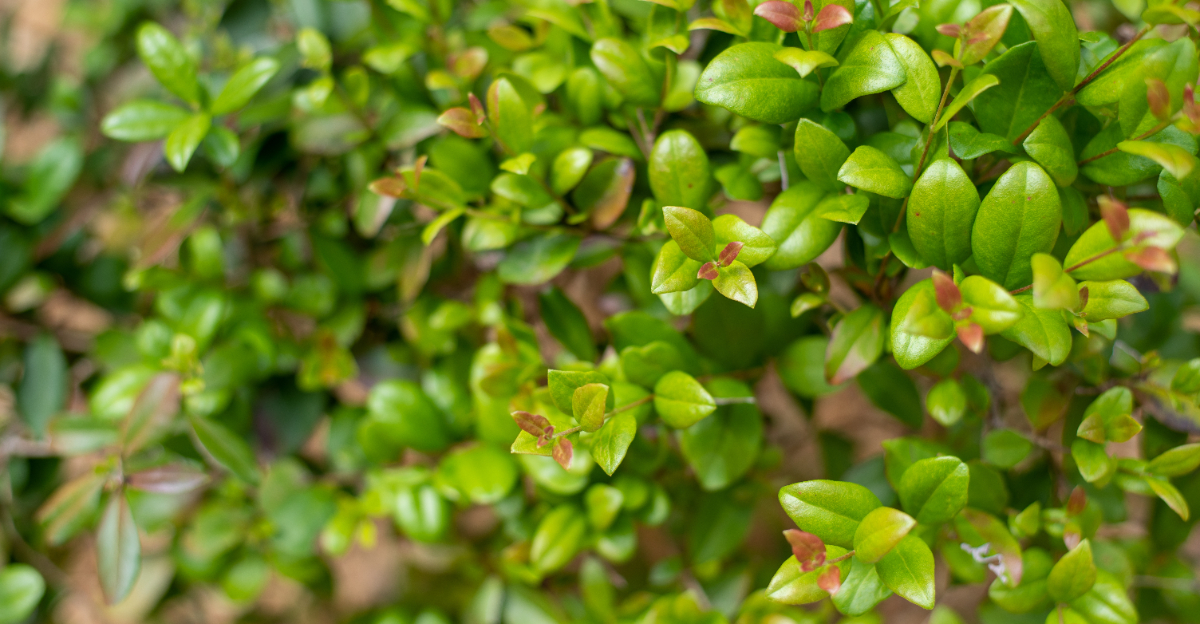
Drivers along quiet Florida streets keep noticing the same green wall popping up where old fences used to sag. It fills in fast, holds its shape through every season, and somehow shrugs off the state’s brutal humidity without complaint.
Landscapers say the calls have picked up noticeably this year. Homeowners want something that looks intentional, not just functional, and they want it planted once and left alone.
What makes this shrub different is how little it demands from the people who plant it. It settles into whatever soil it finds, holds its form without a strict trimming routine, and keeps its color even when a Florida summer turns brutal.
Neighbors keep asking each other the same question over the fence line. Once you learn what this quiet green wall can actually do, chain-link starts looking like a relic.
A Native Shrub Built For Florida Privacy
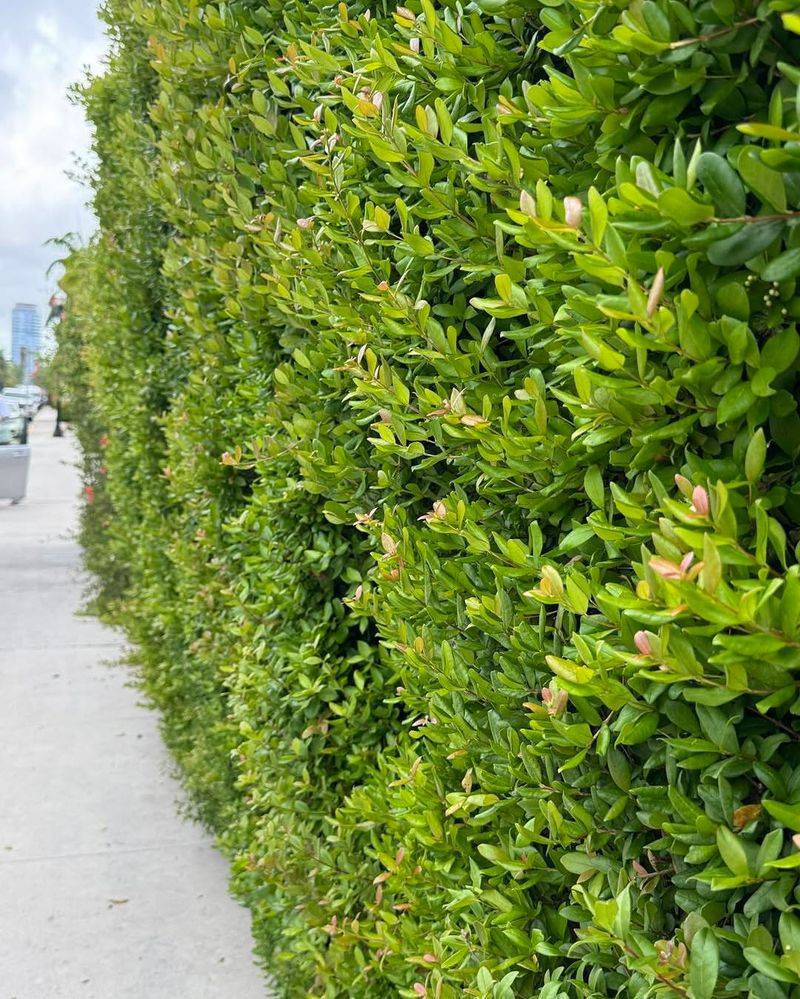
Picture stepping outside and seeing a wall of green instead of your neighbor’s shed. That is exactly what Simpson’s Stopper delivers to Florida yards.
This native shrub grows dense and tall, reaching heights between 5 and 20 feet. Homeowners use it as a natural screen that blocks sightlines without a single board or post.
Unlike wooden fences that rot or vinyl panels that crack in heat, this plant thrives in Florida’s tough climate. It handles humidity, sandy soil, and blazing sun without complaining once.
The leaves are small, glossy, and packed together so tightly that privacy comes fast. Within a couple of growing seasons, gaps disappear and a solid green barrier forms.
Simpson’s Stopper also provides a buffer from road noise and wind. That added layer of comfort makes outdoor spaces feel calmer and more personal.
Planted in a row, these shrubs create what landscape designers call a living fence. The effect is softer, warmer, and far more attractive than any manufactured alternative.
Neighborhoods across South and Central Florida are quietly replacing old fencing with this native option. It is reshaping how homeowners think about marking their outdoor boundaries.
Choosing a native plant also means supporting the local ecosystem. Birds nest in it, pollinators visit it, and the surrounding soil benefits from its roots every single season.
Simpson’s Stopper Brings Natural Screening To Yards
Not every plant earns a loyal following, but Simpson’s Stopper has built one across Florida neighborhoods. Gardeners who plant it once rarely go back to anything else.
Scientifically known as Myrcianthes fragrans, this shrub belongs to the myrtle family. Its name honors Charles Torrey Simpson, a naturalist who studied South Florida’s wild landscapes in the early 1900s.
The plant forms a natural screen that looks intentional without feeling forced. Rows planted just a few feet apart grow together into one continuous, leafy wall over time.
Homeowners in suburban communities love how the hedge blends into the landscape. It rarely looks out of place because it genuinely belongs to this region’s native plant community.
Wildlife activity picks up noticeably around Simpson’s Stopper hedges. Small birds like mockingbirds and catbirds feed on the berries and often build nests deep inside the dense branches.
Your Florida Garden Changes Every Week. Your Plan Should Too.
Gardening in Florida changes quickly throughout the season. Every Friday you’ll receive a simple weekly plan showing exactly what to plant, prune, fertilize, harvest, and protect so you never miss the right timing.
For families wanting outdoor privacy without sacrificing charm, this shrub checks every box. Kids can play in the yard without feeling exposed, and adults can relax on the patio without an audience.
The screening effect works horizontally and vertically. Planted along a fence line, it fills in gaps at every level from ground to canopy height.
Simpson’s Stopper brings natural screening to yards in a way that feels effortless and organic. It proves that beauty and function can share the same roots.
Native Roots Along Florida Coastal Hammocks
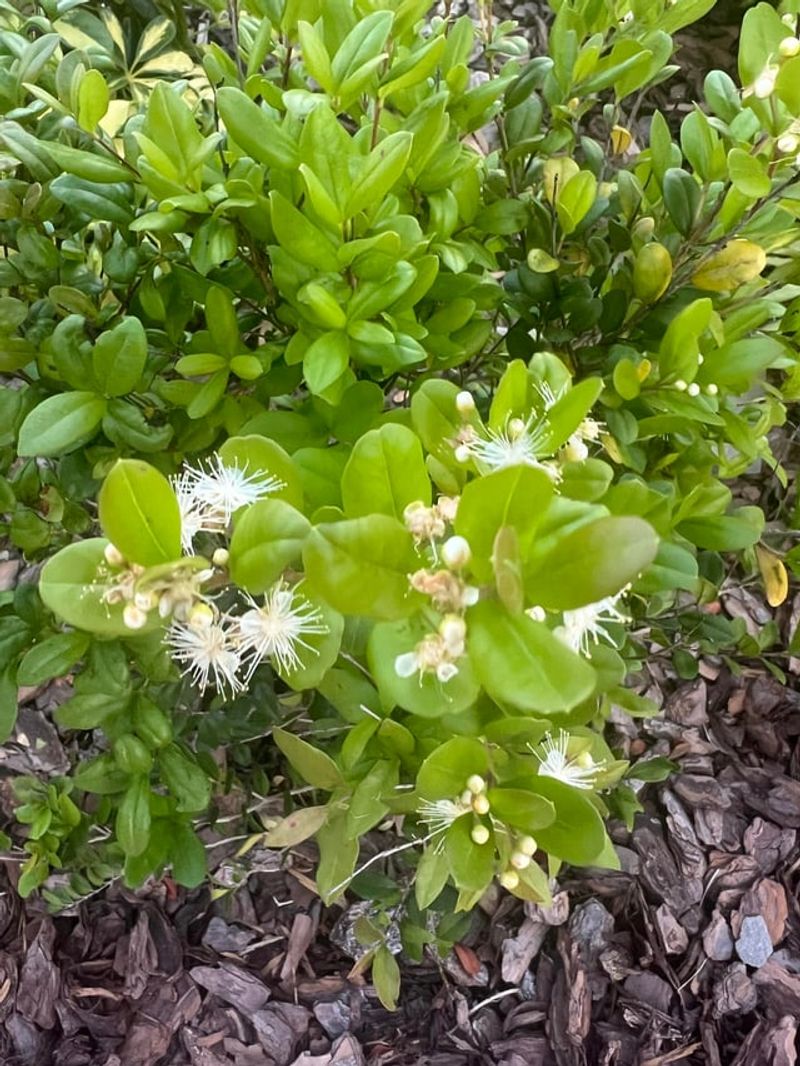
Long before neighborhoods existed, Simpson’s Stopper grew wild along Florida’s coastal hammocks. These dense, subtropical forests stretch along barrier islands and inland ridges near the shore.
Hammocks are unique ecosystems where hardwood trees, climbing vines, and native shrubs grow close together. Simpson’s Stopper fills the understory layer, thriving in the filtered light beneath taller canopy trees.
Seeing this plant in its natural habitat explains why it performs so well in residential settings. It evolved to handle Florida’s specific soil chemistry, rainfall patterns, and seasonal temperature swings.
Coastal hammocks in places like the Florida Keys, the Everglades edge, and Brevard County all host native populations. These wild groves show just how adaptable and resilient this species truly is.
Planting a native species connects your yard to that broader ecological story. Your hedge becomes part of a living corridor that links garden spaces to wild natural areas nearby.
Landscape ecologists point out that native plants support native insects, which in turn feed native birds. That chain of life starts the moment a Simpson’s Stopper goes into the ground.
Gardeners who understand the plant’s hammock origins tend to place it more thoughtfully. Positioning it near oak trees or in partial shade mimics its natural conditions and speeds up healthy growth.
Honoring those native roots is not just poetic; it is practical. A plant growing where it naturally belongs tends to outperform one fighting against its environment.
Salt Tolerant Growth For Coastal Communities
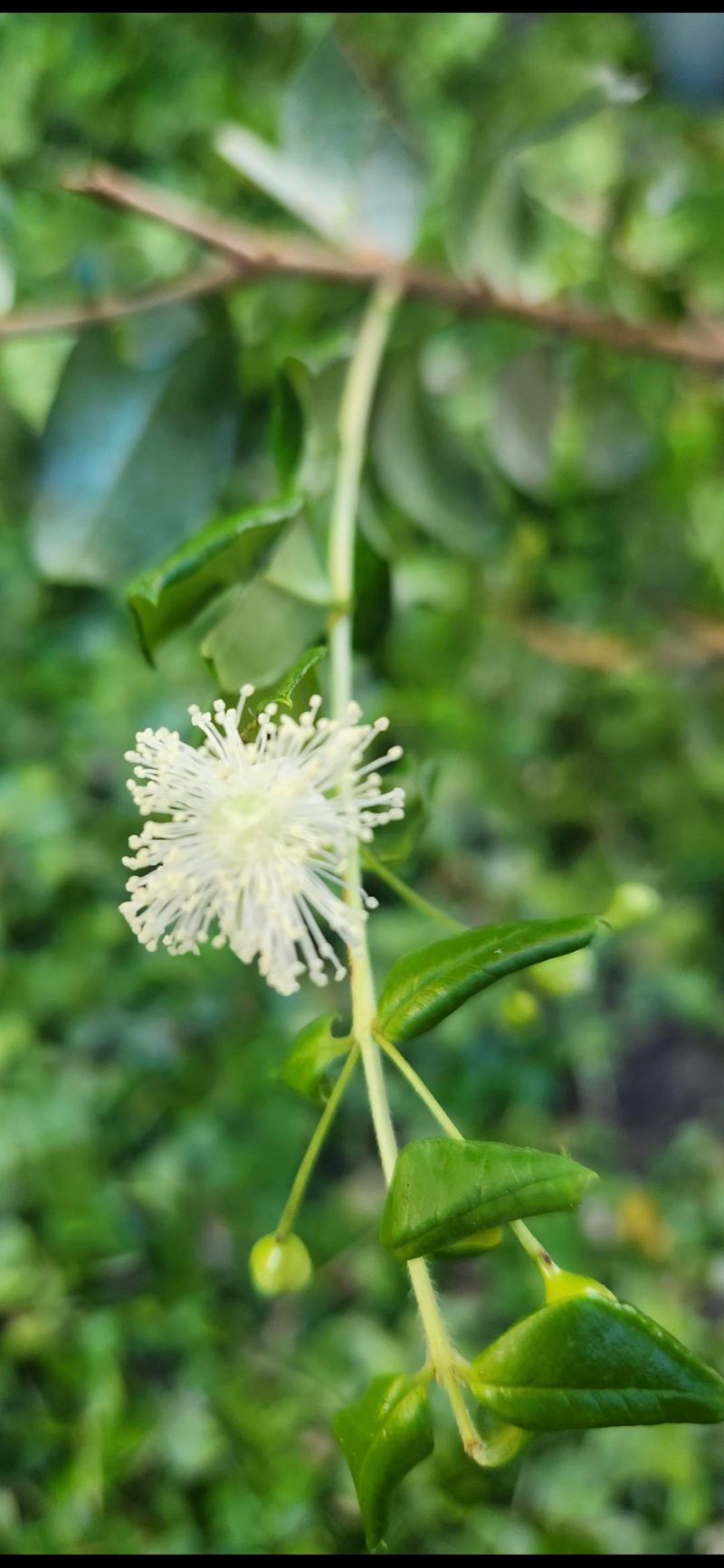
Salt air can quickly damage most plants. Leaves brown, roots struggle, and growth stalls within a single season near the ocean.
Simpson’s Stopper handles salt spray with surprising ease. Coastal homeowners in beachside communities have discovered this shrub holds up where other hedging plants simply fail.
Salt tolerance is not a minor detail for Florida’s coastal neighborhoods. Hundreds of communities sit within a mile of saltwater, making plant selection a genuinely high-stakes decision for any yard.
This shrub’s thick, waxy leaves resist salt absorption better than thin-leafed alternatives. That natural coating protects the plant’s internal systems even when ocean winds blow hard and steady.
Gardeners in places like Sarasota, Naples, and Fort Lauderdale have tested Simpson’s Stopper in front-yard hedges close to the water. The results have been consistently strong across different coastal soil types.
Beyond salt tolerance, the plant also handles sandy, low-nutrient soil without needing heavy amendments. Coastal soil is notoriously poor, but this shrub draws enough nutrition to grow steadily each year.
Wind resistance is another coastal advantage worth mentioning. Dense branching and flexible stems allow the plant to bend during storms rather than snap under pressure.
Coastal communities searching for a reliable, attractive privacy screen now have a proven answer. This shrub works beautifully even just steps from the shoreline, proving toughness and good looks are not mutually exclusive.
Fragrant White Blooms Add Seasonal Charm
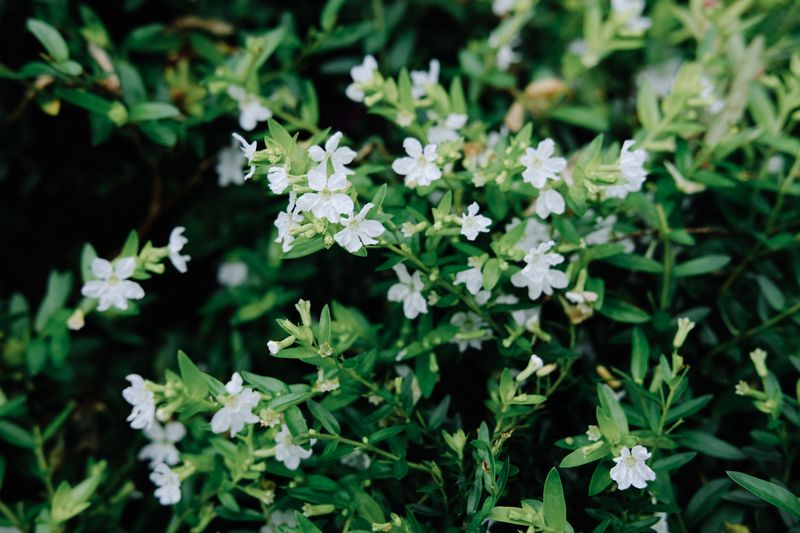
Most privacy hedges are purely functional, offering nothing beyond a wall of green. Simpson’s Stopper offers something more.
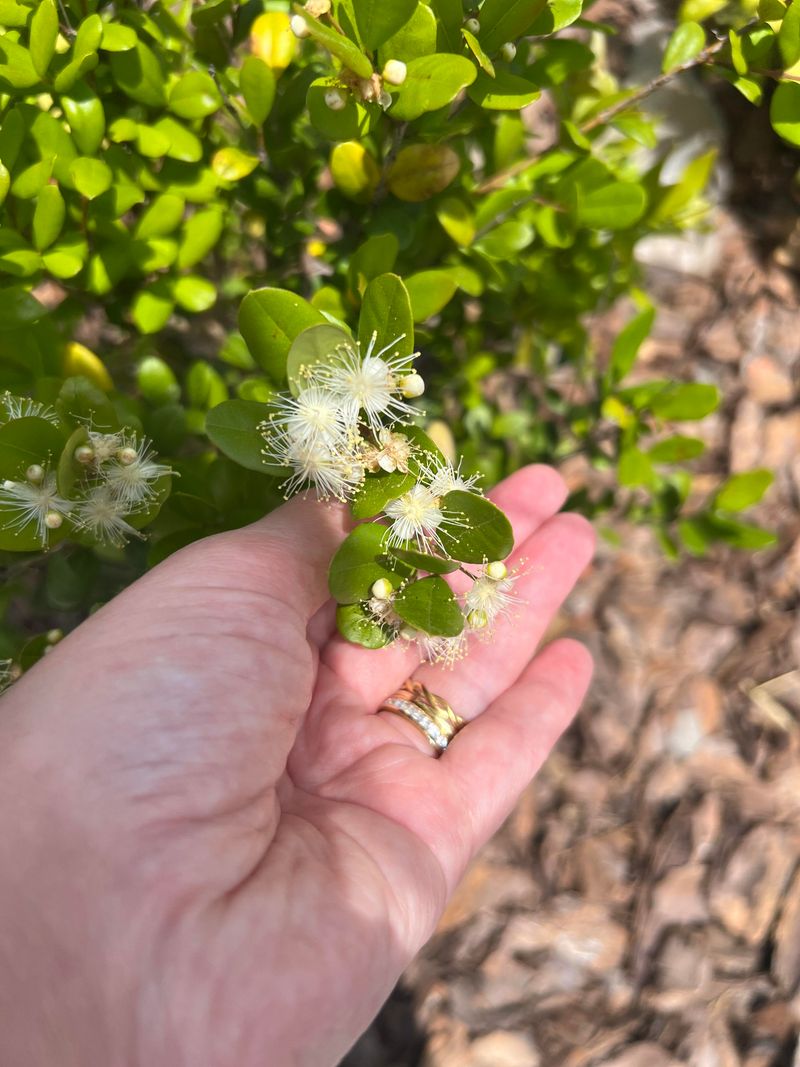
Several times a year, this shrub bursts into clusters of small white flowers with delicate, feathery stamens. The blooms appear most heavily in spring and again in late summer when conditions are right.
Up close, the flowers carry a sweet, subtle fragrance that drifts pleasantly through the yard. Sitting near a blooming hedge on a warm Florida evening is genuinely enjoyable in a way a wooden fence simply cannot match.
After the flowers fade, small round berries develop in their place. They ripen from green to orange to deep red, and finally to a glossy black that birds find irresistible.
That seasonal cycle of bloom and berry keeps the hedge visually interesting throughout the entire year. Every month brings a slightly different look, which makes the yard feel dynamic rather than static.
Pollinators respond enthusiastically to the white flowers. Bees and butterflies visit regularly during bloom cycles, adding movement and life to the garden without any extra effort from the homeowner.
Landscape designers often highlight the ornamental value of this plant when recommending it to clients. It earns its place through beauty, not just utility.
A hedge that blooms, feeds wildlife, and smells wonderful is hard to beat. Seasonal charm like this turns a simple privacy screen into a genuine garden feature worth showing off to every visitor.
Low Maintenance Care Once Established
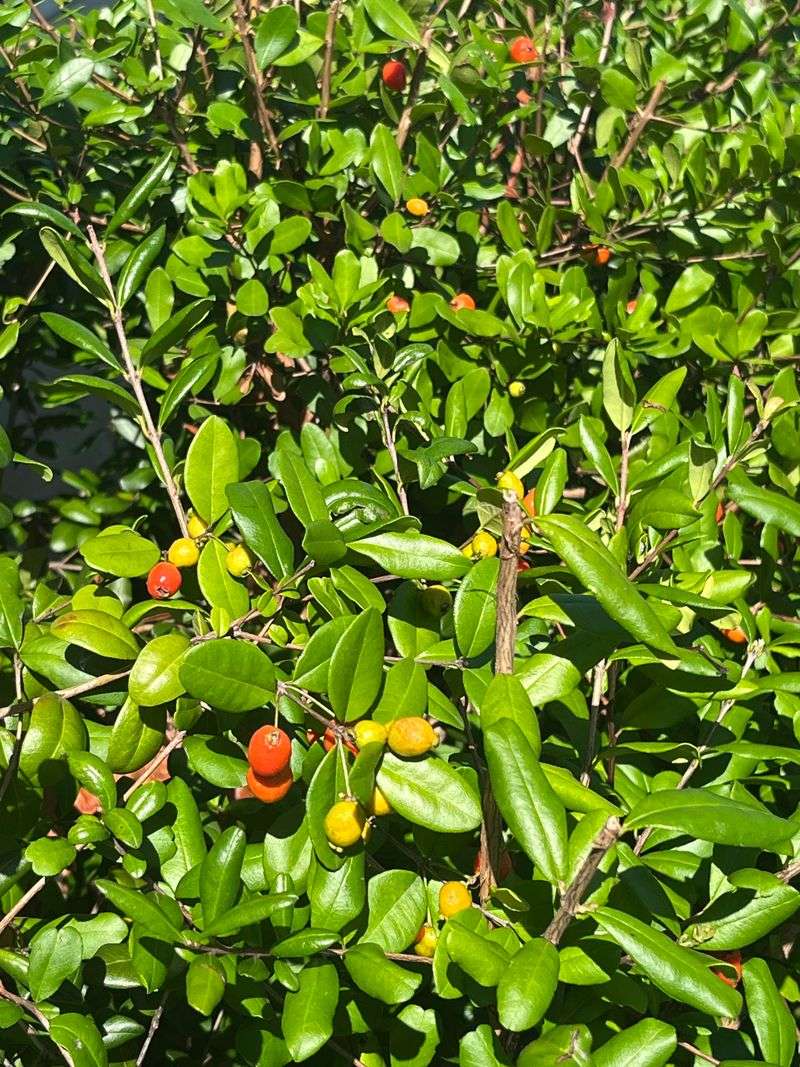
Busy homeowners do not have time for a high-maintenance hedge. Fortunately, Simpson’s Stopper asks for very little once its roots are settled in.
The first year requires consistent watering to help the plant establish a strong root system. After that initial period, supplemental irrigation becomes largely optional during normal rainfall seasons.
Pruning needs are minimal compared to faster-growing alternatives. A light trim once or twice a year keeps the hedge shaped and tidy without requiring professional help or expensive equipment.
Fertilizing is not a heavy requirement for this native species. A slow-release granular fertilizer applied once in spring gives it a seasonal boost, but many established hedges thrive without any feeding at all.
Pest pressure on Simpson’s Stopper is notably low. Its native status means local insects and predators maintain a natural balance, reducing the need for chemical sprays throughout the year.
Disease resistance is equally strong. Root rot, leaf spot, and fungal issues that plague non-native hedging plants rarely affect Simpson’s Stopper when planted in well-draining soil.
Mulching around the base helps retain moisture and suppresses weeds during the establishment phase. A 3-inch layer of organic mulch kept away from the trunk is all it takes.
Low effort, high reward is the honest summary of caring for this plant. It rewards patient homeowners with years of beauty, wildlife, and genuine green seclusion.