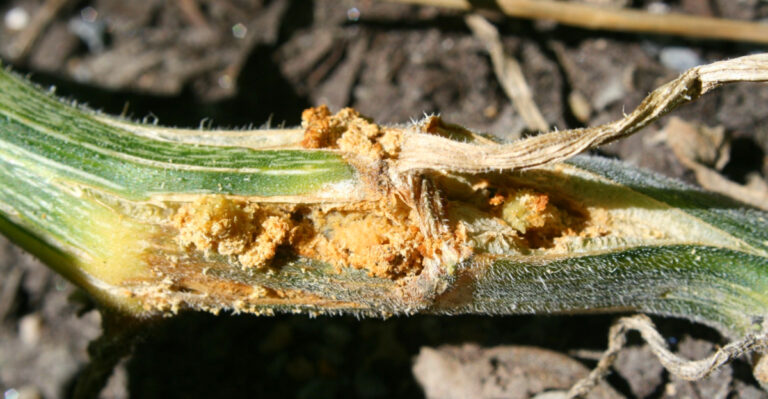
The August Mulching Mistake That Traps Moisture And Causes Root Rot In Ohio Gardens
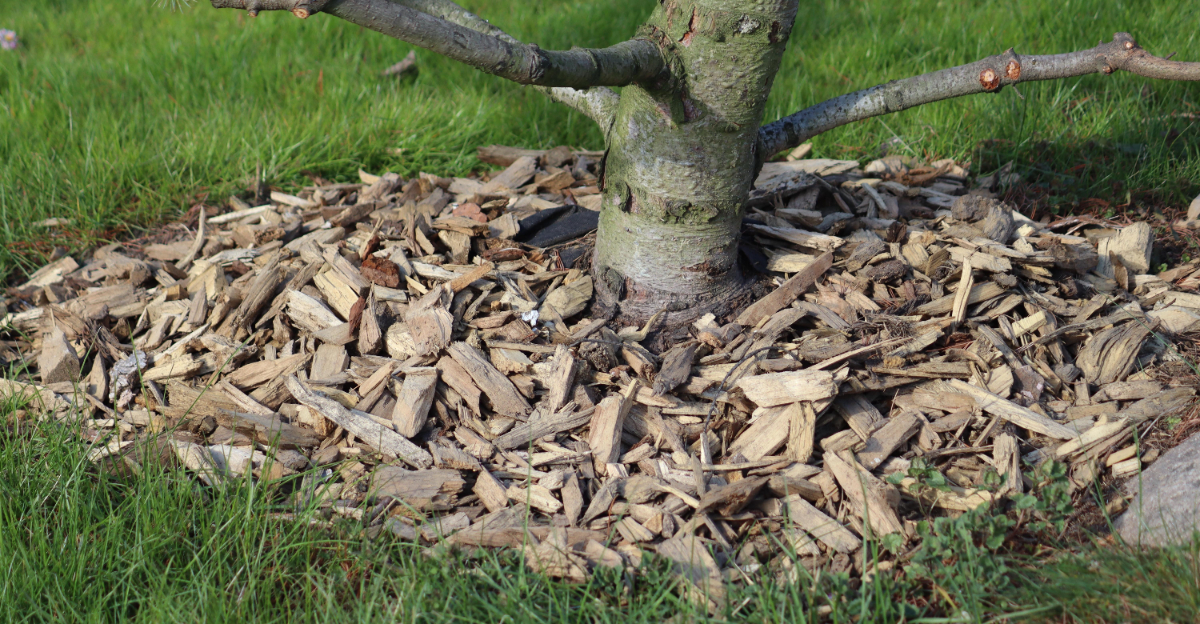
Ohio in August feels like a sauna with a garden attached, and your soil is quietly baking underneath. Reaching for the mulch pile seems like the obvious fix, but one small habit can turn that good intention upside down.
It’s a mistake so common that most gardeners never even notice they’re making it. Your beds look tidy and well tended while trouble builds quietly beneath every inch of mulch.
Ohio’s humidity gives that trouble the perfect conditions to spread fast. What starts as an invisible problem can quietly work its way into root systems before you ever see a symptom.
This mistake is easy to fix once you know what to look for. A few adjustments now could be the difference between a thriving September garden and one that collapses just as autumn arrives.
Piling Mulch Against The Stem Causes The Damage
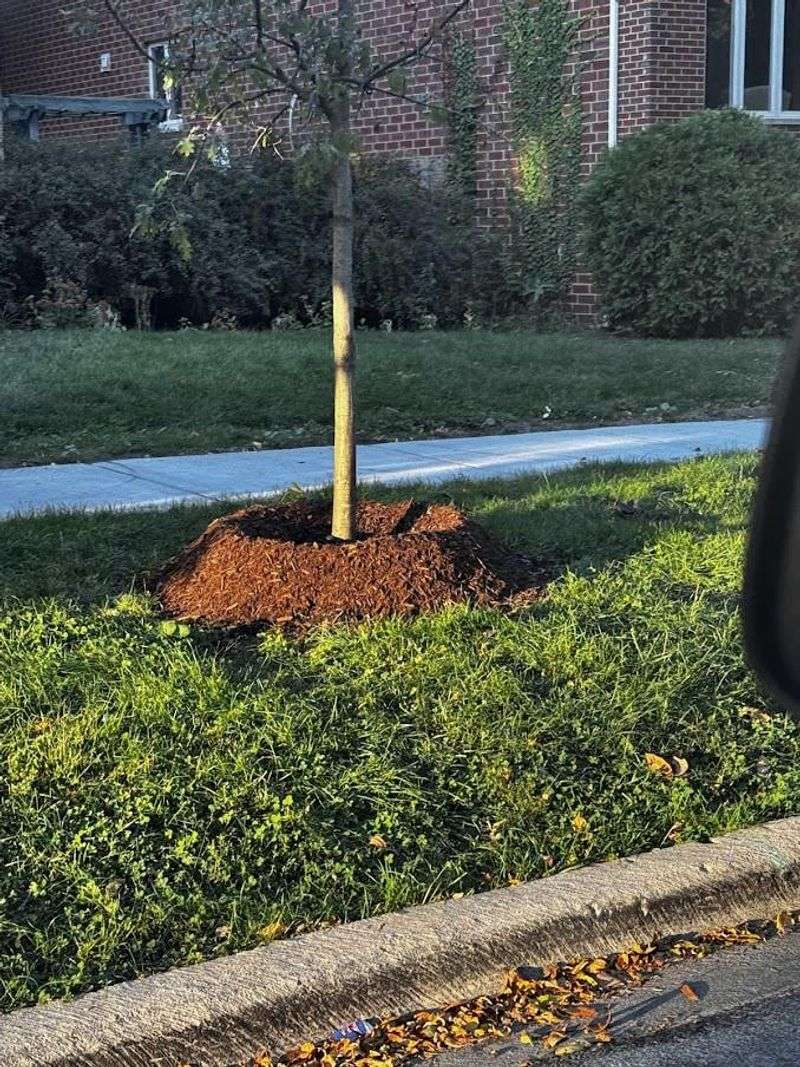
Soggy stems spell serious trouble fast. When mulch is packed tightly against a plant stem, moisture gets trapped right where it hurts most. The bark softens, fungi move in, and rot begins working its way down toward the roots.
Most gardeners do not realize the damage until the plant starts wilting. By that point, the rot has already spread beneath the soil surface. August heat makes this worse because warm, wet conditions speed up fungal growth dramatically.
The stem base needs airflow to stay healthy. Mulch pressed against the bark blocks that airflow and can trigger enough moisture buildup to cause root rot.
Pull back mulch at least two to three inches from every stem. Create a small gap around the base like a donut shape, not a volcano. That small habit change protects the plant’s most vulnerable zone.
Younger plants and newly transplanted shrubs are especially at risk. Their bark is thin, their root systems are shallow, and they are far more sensitive to sudden moisture stress. Treat them with extra care when applying summer mulch.
Older trees and established perennials can also suffer over time. Repeated seasons of stem contact slowly weaken bark tissue. Giving every plant breathing room at the base is one of the simplest and most powerful gardening habits you can build.
Volcano Mulching Traps Excess Moisture
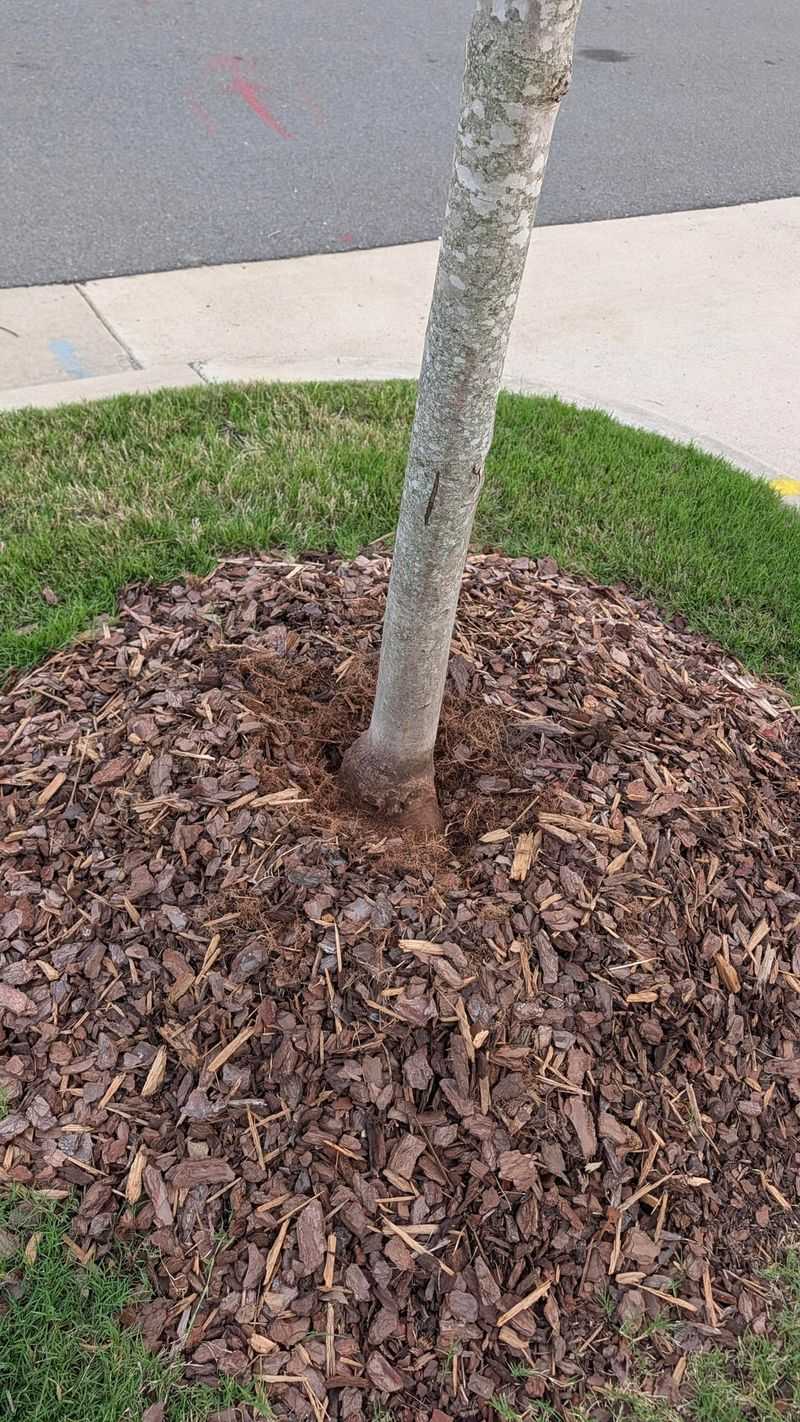
Picture a tiny volcano sitting in your garden bed. That cone-shaped pile of mulch around a tree base looks tidy, but it is one of the more damaging habits found in home landscaping. Professionals call it volcano mulching, and it is everywhere.
The problem is simple physics. When mulch forms a steep mound, rainwater runs down the sides and away from the roots. The center stays wet against the bark while the outer roots stay dry and stressed.
Ohio summers bring intense afternoon thunderstorms followed by stretches of high humidity. That cycle of wet and warm is a perfect recipe for fungal growth inside a mulch volcano.
The trapped heat and moisture create conditions roots simply cannot survive long-term. Bark tissue is not designed to stay permanently wet.
Prolonged contact with damp organic material softens the protective outer layer. Once that barrier breaks down, pathogens enter and start damaging the living tissue beneath.
Your Ohio Garden Changes Every Week. Your Plan Should Too.
Gardening in Ohio changes quickly throughout the season. Every Friday you’ll receive a simple weekly plan showing exactly what to plant, prune, fertilize, harvest, and protect so you never miss the right timing.
Volcano mulching also attracts pests. Insects and rodents love the warm, moist shelter that a mulch mound provides.
They nest there, chew on bark, and cause additional damage that compounds the rot problem already forming inside. Spreading mulch flat and wide instead of tall and narrow solves this completely.
A wide, shallow layer moves water outward toward feeder roots where it belongs. Flat mulching is the fix that every Ohio gardener needs before August storms roll through again.
Signs Your Plants Are Already Suffering
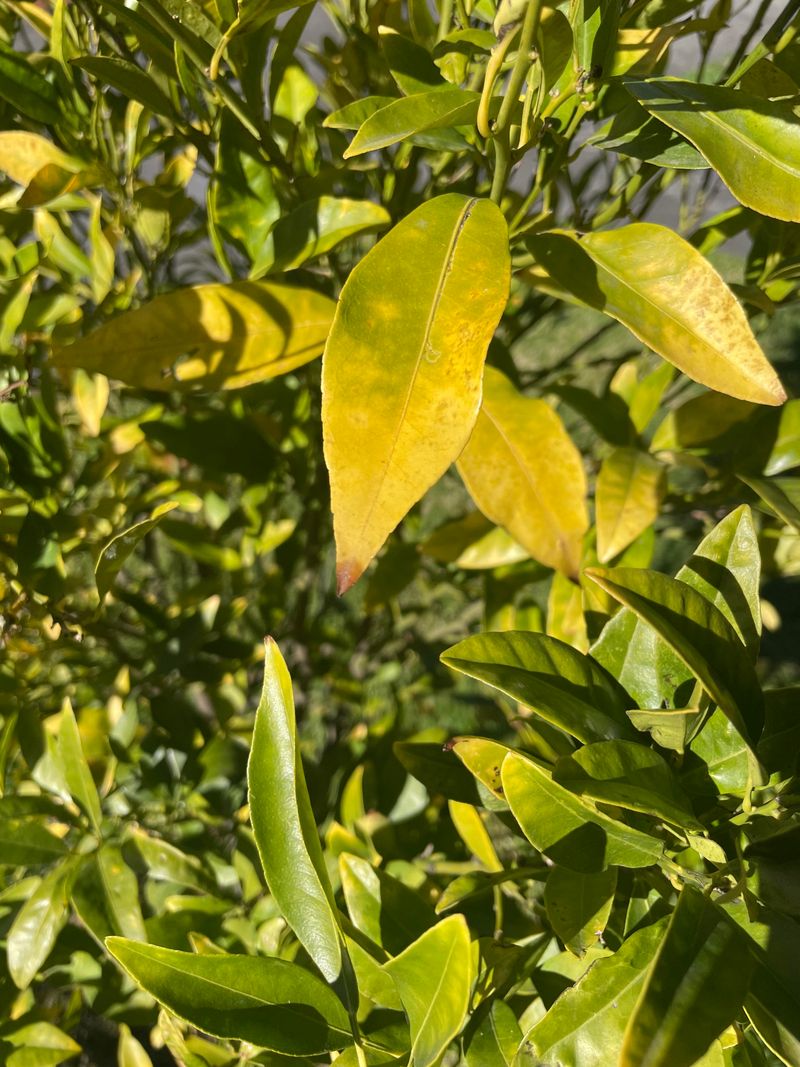
Yellowing leaves in August are not always a drought signal. Sometimes they are the first quiet warning that something far worse is happening underground.
Root rot sends messages through the foliage long before the damage becomes obvious at soil level. Watch for leaves that turn yellow starting at the bottom of the plant.
This pattern, moving upward from the base, often points to root or stem issues rather than sunlight problems. Healthy plants do not drop lower leaves during peak growing season without reason.
Wilting is another red flag, especially when soil feels damp. A plant that droops even after watering is telling you its roots can no longer absorb moisture properly.
Damaged roots lose their ability to transport water up through the stem. Check the stem base if you notice these warning signs.
Gently press your finger against the bark near the mulch line. Soft, mushy, or discolored tissue at the base confirms that damage is already underway.
Stunted new growth during a normally active growing period is also suspicious. Plants put energy into new leaves and shoots when conditions are right.
A plant that stops pushing growth in August is likely redirecting resources to fight an underlying problem. Catching these symptoms early gives you a real chance to reverse the damage.
Remove the excess mulch, improve drainage, and let the stem base dry out. Acting fast makes the difference between a plant that recovers and one that doesn’t.
The Right Depth And Distance For Healthy Mulching
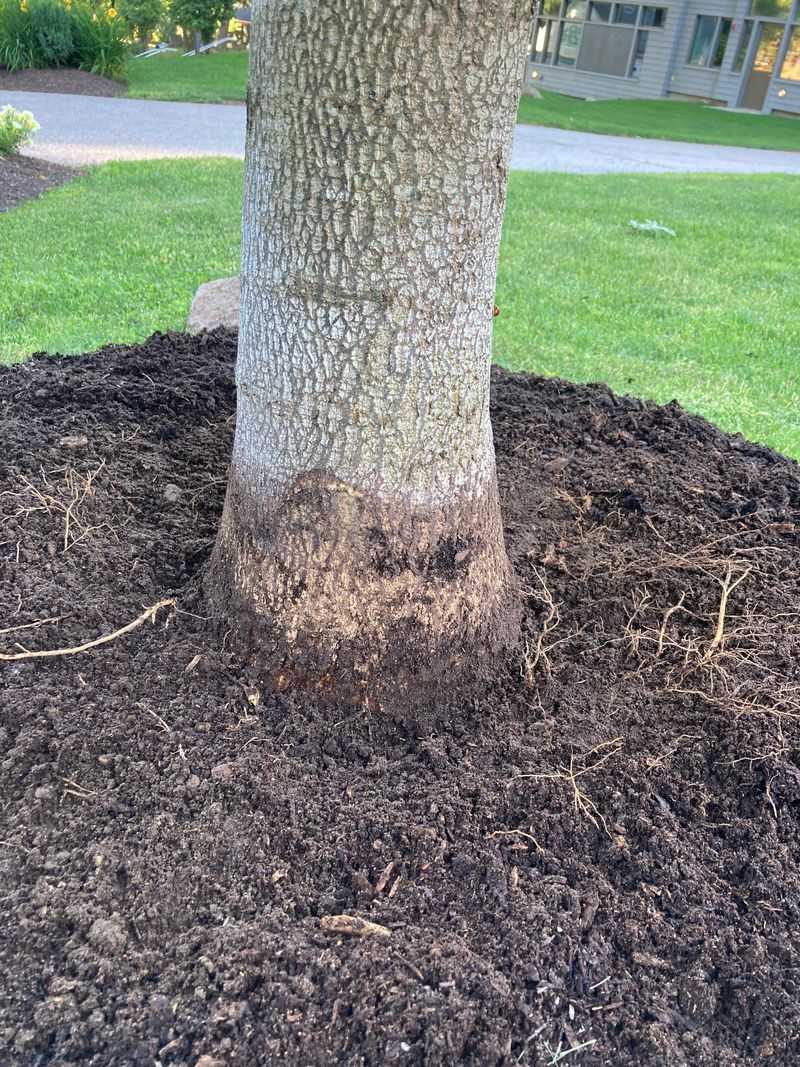
Two to three inches is the ideal mulch depth. Any less and the mulch dries out too fast to help soil retain moisture. Any more and you are building the conditions that lead straight to rot and suffocation.
Start measuring from the soil surface, not from existing mulch layers. Many gardeners add fresh mulch on top of old mulch every season without removing what is already there.
That buildup quietly crosses into dangerous territory over just a few years. Distance from the stem matters just as much as depth.
Keep mulch pulled back at least two to three inches from any plant stem or tree trunk. For larger trees, aim for a six-inch gap between the trunk flare and the nearest mulch edge.
The outer edge of your mulch ring should extend to the drip line of the plant when possible. The drip line is the outer edge of the leaf canopy above.
Spreading mulch that far out encourages feeder roots to grow wide and strong. Avoid forming any raised center around the base.
The mulch surface should be flat or even slope gently away from the stem. That small slope helps direct water outward rather than pooling it against vulnerable bark.
Getting the depth and distance right is the single best defense against this kind of damage. Measure before you mulch, and check your work before walking away. Precision here pays off all season long.
Fixing A Mulch Volcano Before Root Rot Sets In
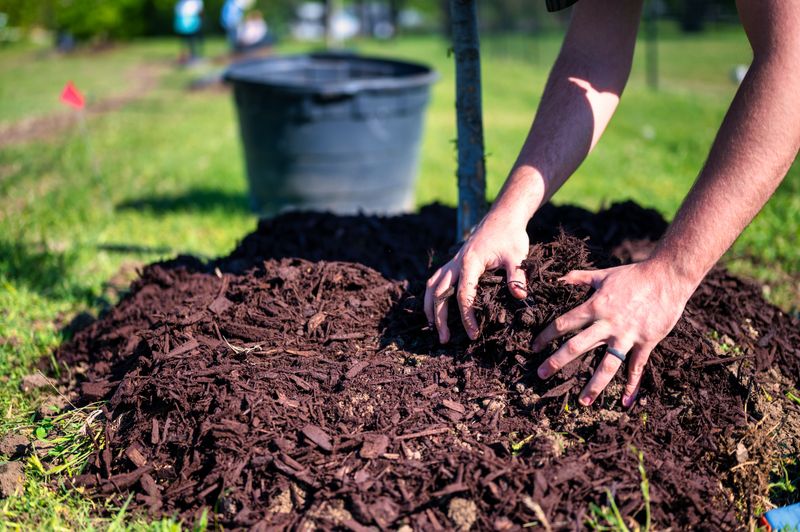
A mulch volcano is fixable in under ten minutes. Grab a pair of gloves and head outside while the soil is still manageable.
Early action is what keeps a small mistake from turning into a plant emergency. Start by raking or pulling mulch back from the stem or trunk base.
Work gently so you do not damage any surface roots hiding just beneath the mulch layer. Use your hands near the base for better control and feel.
Look for the root flare as you clear the area. The root flare is where the trunk base widens and meets the soil. That flare should be visible above the mulch line, not buried beneath it.
Check the exposed bark for soft spots, dark discoloration, or any slimy texture. These are early signs that fungal activity has already started.
If you catch it early enough, simply exposing the area to air can slow and sometimes stop the spread. Spread the removed mulch outward in a flat, even ring instead of discarding it.
You are not wasting material, just relocating it to where it actually helps. The outer root zone benefits far more from that coverage than the stem base ever did.
Let the base area dry for a full day before adding any fresh material nearby. Airflow and a dry surface reset the environment around the stem. A ten-minute fix now can spare your plants from a much bigger problem later.
Choosing Mulch Types Suited For Ohio Summers
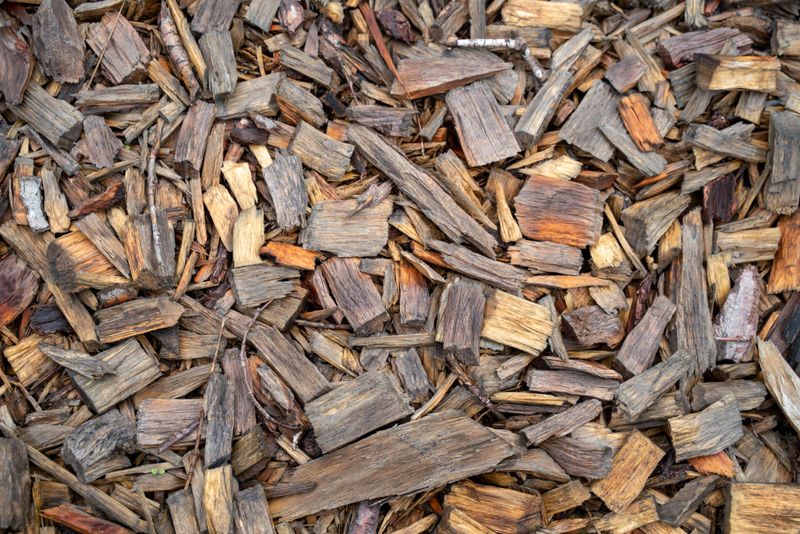
Not all mulch behaves the same way in humid summer heat. Some types hold moisture far longer than others, and in August, that difference matters enormously.
Choosing the wrong material can quickly turn a helpful habit into a moisture trap that harms your plants. Shredded hardwood bark is one of the most popular choices across the Midwest, and for good reason.
It breaks down gradually, adds organic matter to soil, and allows reasonable airflow when applied at the right depth. Just avoid piling it thick in late summer.
Wood chips from a local arborist work well for larger trees and shrubs. Their coarse texture drains fast, resists compacting, and gives roots the air pockets they need during humid months.
Pine straw is a lighter option that naturally resists compaction. It allows rainwater to pass through quickly without pooling at the surface.
Ohio gardeners with acid-loving plants like azaleas or blueberries get an added soil benefit from pine straw over time. Avoid rubber mulch and dyed wood products in vegetable or perennial beds.
These materials trap heat aggressively, do not break down into beneficial nutrients, and can leach unwanted compounds into garden soil over time.
Fresh grass clippings should also be kept away from plant bases. They mat together quickly when wet, forming a solid layer that blocks airflow.
Picking the right mulch type sets your garden up for a healthy finish to the season.