When Michigan Gardeners Should Remove Spent Blooms From Coneflowers For More Blooms Through Fall
Your coneflowers held their color all summer, but those first faded petals are worth noticing. What you do next could decide whether your garden coasts through October or shuts down early.
Michigan’s shifting fall weather creates a narrow window where one small habit changes everything. Miss it, and your coneflowers turn to seed instead of blooming again.
Most gardeners assume the season is over once blooms fade, so they let nature take over. That assumption is exactly what keeps a patch from reaching its full potential before frost.
One simple, well-timed technique can coax out a second wave of color.
The Best Timing For Removing Spent Coneflower Blooms
Timing is everything in a Michigan garden. Remove spent blooms from coneflowers too early and you interrupt the plant’s natural cycle.
The sweet spot falls between late July and mid-August for most Michigan gardeners. That window gives your plants enough warm weeks to push out a fresh round of flowers before September cools things down.
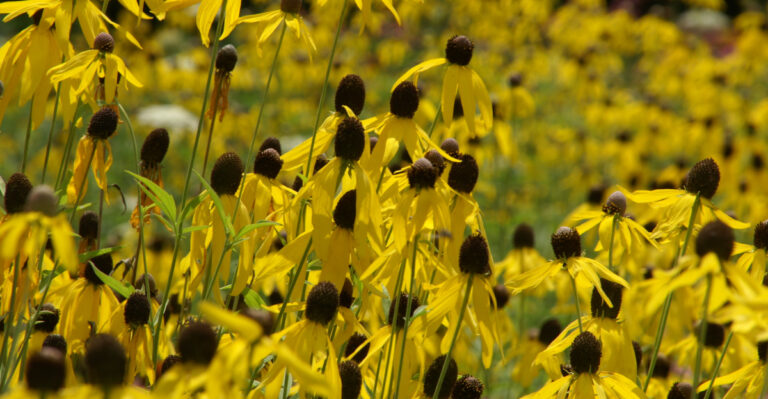
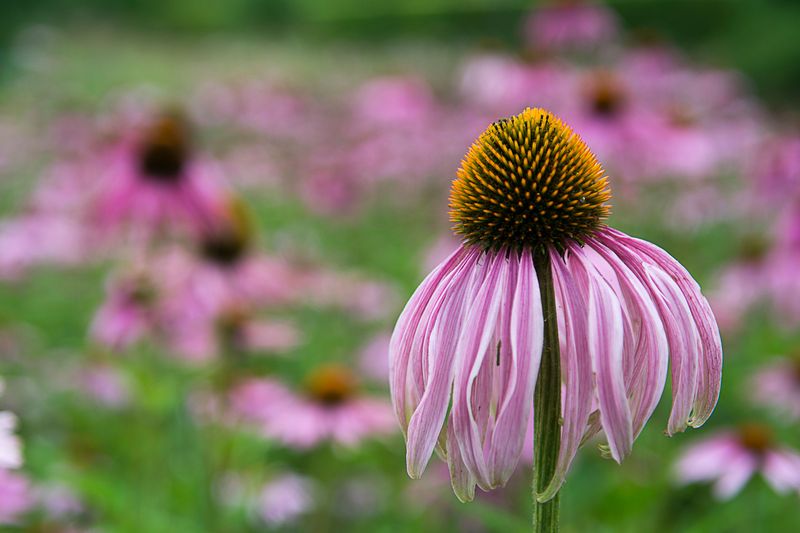
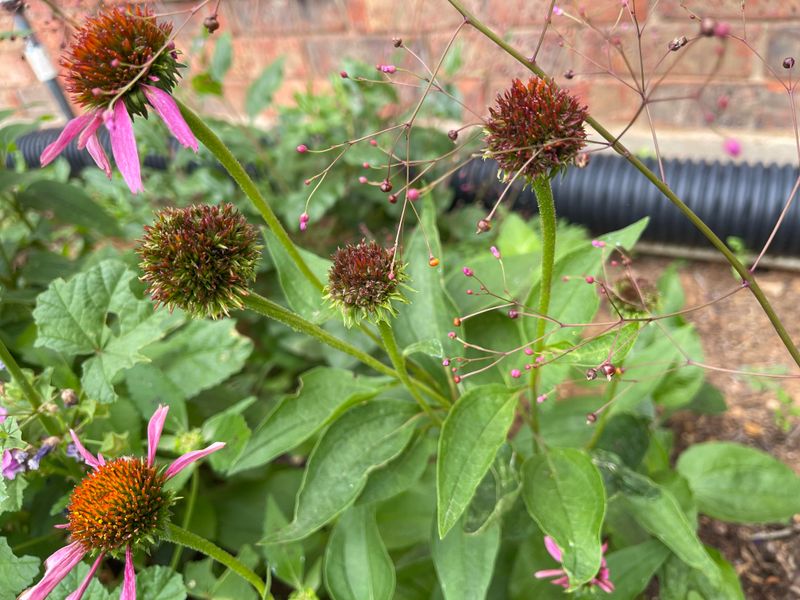
Watch your coneflowers closely as the petals start to droop downward. Once those petals hang limp and lose their bright purple or pink color, the bloom is signaling it is done.
Do not wait until the center cone turns fully brown and hard. By then, the plant has already shifted its energy toward seed production instead of new blooms.
Early removal redirects that energy back into the roots and stems. Your plant responds by sending up fresh buds faster than you might expect.
Gardeners in northern Michigan, near Traverse City or Petoskey, should start checking blooms a week or two earlier than those near Detroit or Ann Arbor. Cooler northern temps mean a shorter window for fall reblooming.
Set a simple reminder to walk your garden every five days during peak summer. Consistent checks make it easy to catch blooms at exactly the right moment for removal.
Removing spent blooms from coneflowers on a regular schedule turns a good garden into a great one. Stay consistent, and fall color becomes your reward.
Signs A Bloom Is Ready For Removal
Not every faded flower needs to come off right away. Knowing exactly what to look for saves you from cutting too soon or waiting too long.
The first clue is petal droop. When those purple or pink rays begin to hang downward at a steep angle, the bloom has passed its peak.
Next, check the color. A fresh coneflower petal is vibrant and saturated. A spent one looks washed out, almost translucent near the tips.
Run your finger lightly across the center cone. A ready-to-remove bloom will feel slightly soft or beginning to loosen at the base of the cone.
If the cone is rock-hard and dark brown, you are a little late. The plant has already locked in seed production, and removing it now offers less reblooming benefit.
Look at the stem just below the bloom. A yellowing or weakening stem is another strong signal that the flower has fully run its course.
Your Michigan Garden Changes Every Week. Your Plan Should Too.
Gardening in Michigan changes quickly throughout the season. Every Friday you’ll receive a simple weekly plan showing exactly what to plant, prune, fertilize, harvest, and protect so you never miss the right timing.
Some gardeners use a simple squeeze test. Gently pinch the base of the cone between two fingers. If it gives slightly, removal is the right call.
Bees and butterflies are surprisingly helpful guides here. Pollinators stop visiting spent blooms almost entirely once nectar production ends.
Watch where the insects land during your morning garden walks. Fresh blooms get all the attention, and ignored flowers are usually the ones ready to come off for more coneflower blooms through fall.
Cutting Technique For Healthy Reblooming
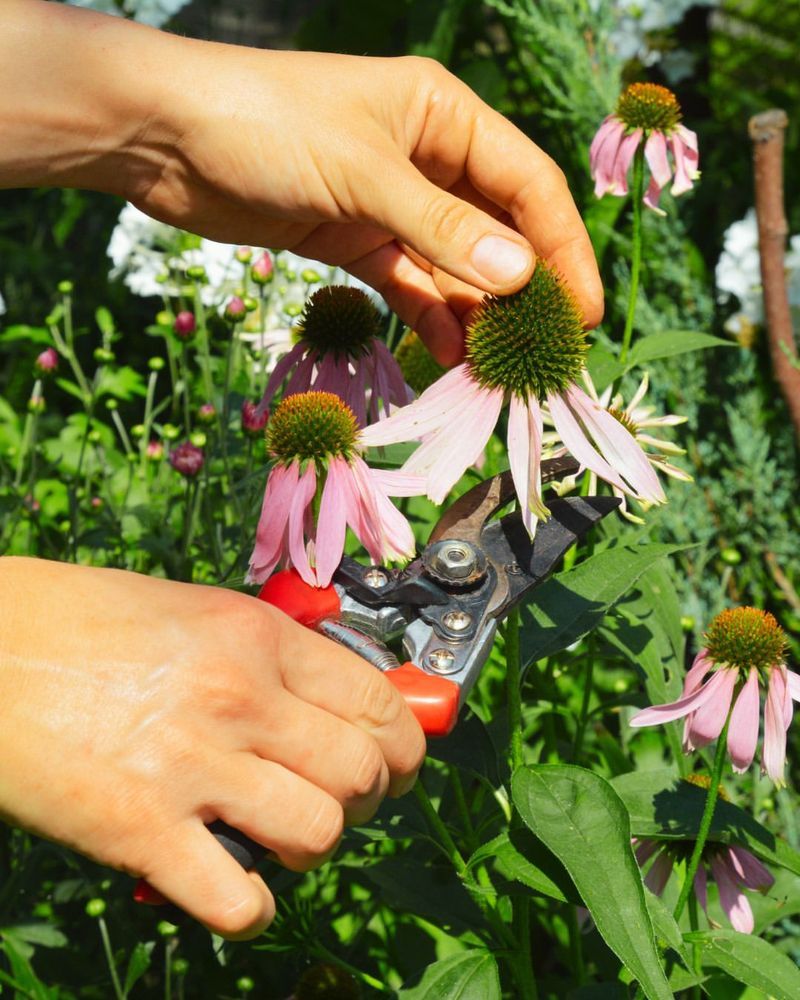
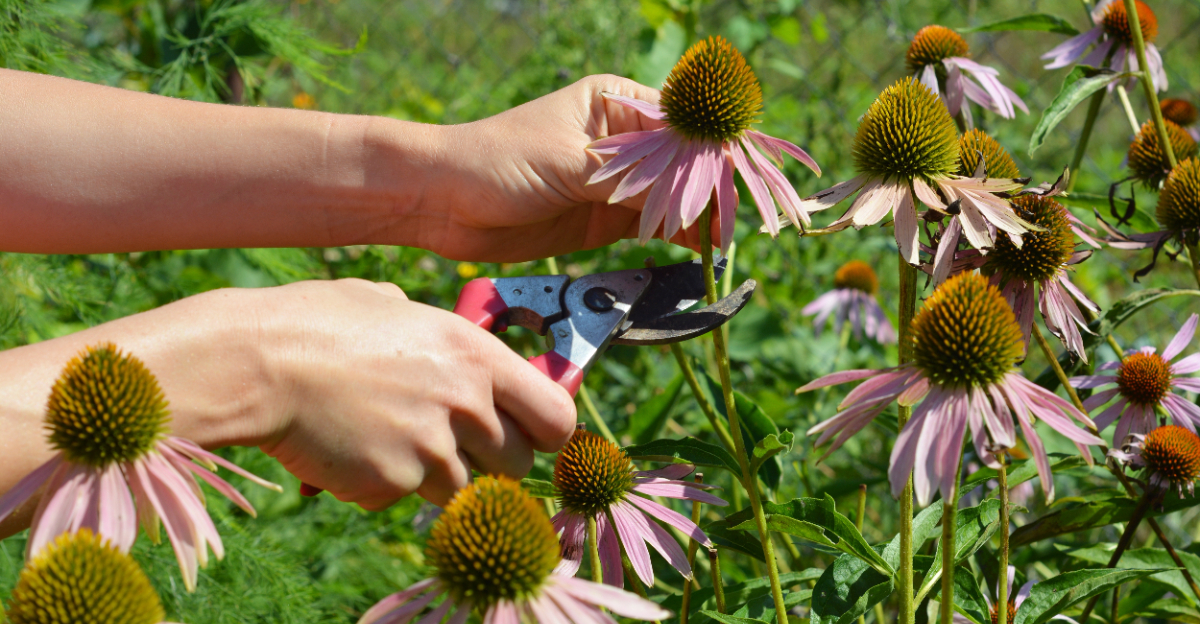
Grab your shears and make it count. Sloppy cuts can stress the plant and slow down new bud development significantly.
Always use clean, sharp pruning shears or scissors. Dull blades crush the stem instead of slicing cleanly, which opens the door to disease.
Wipe your blades with a disinfectant spray between plants if you notice any signs of powdery mildew or fungal spots. Skipping this step spreads problems fast across a healthy bed.
Cut the spent stem back to just above the nearest healthy leaf node. That node is where new growth will branch out within days of a clean cut.
Aim for a 45-degree angle on your cut. Angled cuts allow water to run off the stem end rather than pooling and causing rot.
Do not cut all the way down to the base unless the entire stem looks weak or damaged. Leaving healthy green stem intact keeps photosynthesis working for the plant.
After each cutting session, give your coneflowers a deep watering. Trimming causes mild stress, and a good drink helps the plant recover and redirect energy toward new blooms.
A light application of balanced fertilizer right after removing spent blooms can also speed up the rebloom cycle. Look for a 10-10-10 blend at your local garden center.
Sharp tools, smart cuts, and a little post-trim care make a real difference. Your coneflowers will push out fresh buds faster with every clean removal you make.
Benefits Of Regular Bloom Removal For Pollinators
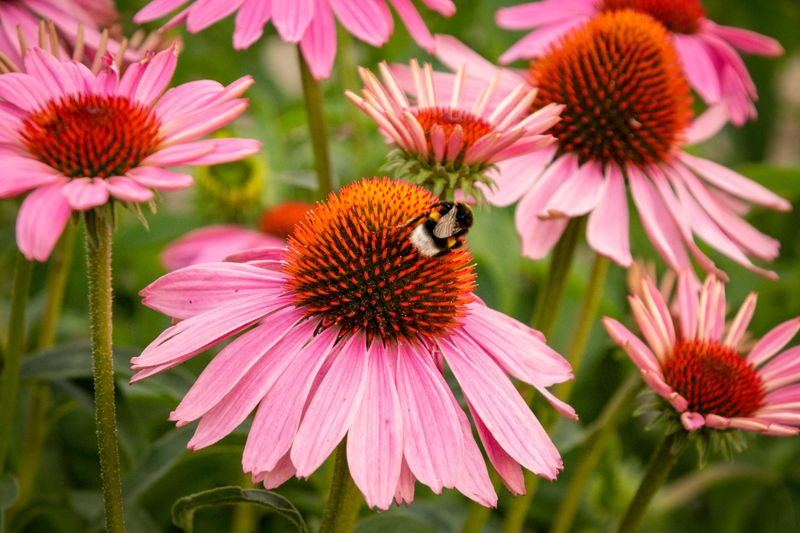
Pollinators are picky, and they know a fresh flower from a tired one. Keeping your coneflower bed stocked with new blooms keeps bees and butterflies coming back all season.
Fresh coneflower blooms produce nectar and pollen in abundance. Once a bloom fades, that food source drops off sharply for visiting insects.
Michigan is home to over 460 native bee species. Many of them depend heavily on late-season flowers to build up energy reserves before winter arrives.
By removing spent blooms consistently, you extend the buffet for these critical insects well into September. More fresh flowers mean more foraging opportunities during a time when food gets scarce.
Monarch butterflies passing through Michigan on their fall migration also benefit from a steady supply of coneflower nectar. A garden full of fresh blooms can become a vital refueling stop on their long journey south.
Goldfinches are another fan of coneflowers, though they prefer the seed heads. Leaving a few spent blooms on purpose at the end of the season gives birds a natural food source.
Balance is the strategy here. Remove most blooms through August to maximize pollinator visits, then ease off in late September. That shift lets seed heads develop for your feathered garden visitors.
A thriving pollinator garden starts with attentive care through the growing season. Consistent bloom removal from coneflowers creates a ripple of benefits that extends far beyond your own backyard fence.
Common Mistakes That Reduce Fall Blooms

One simple mistake can cost you weeks of fall color. Most Michigan gardeners make the same few errors without even realizing the impact.
Waiting too long is the top offender. Once a coneflower sets seed, it stops putting energy into producing new flowers for the season.
Cutting too high is the second most common problem. Leaving a long stub above the leaf node does not help the plant branch. It just creates decayed wood that invites pests.
Skipping weeks between trimming sessions is another trap. Letting five or six blooms go to seed at once sends a strong signal to the plant that its job is done.
Overwatering after trimming can also backfire. Soggy soil around freshly cut plants encourages root rot and slows the energy transfer needed for new bud development.
Using dirty tools spreads fungal infections between plants faster than most gardeners expect. A quick wipe with a disinfectant wipe takes seconds and prevents weeks of damage.
Fertilizing too heavily with a high-nitrogen blend pushes leafy growth at the expense of flowers. Choose a bloom-boosting formula with higher phosphorus numbers for best results.
Ignoring the plant’s water needs during a hot Michigan August stretch is a subtle but damaging mistake. Heat-stressed coneflowers slow their bloom cycle dramatically without consistent moisture.
Avoiding these missteps keeps your coneflowers on track. Small adjustments in your routine lead directly to more blooms through fall and a garden that stays vibrant longer.
Caring For Coneflowers Through The Michigan Fall
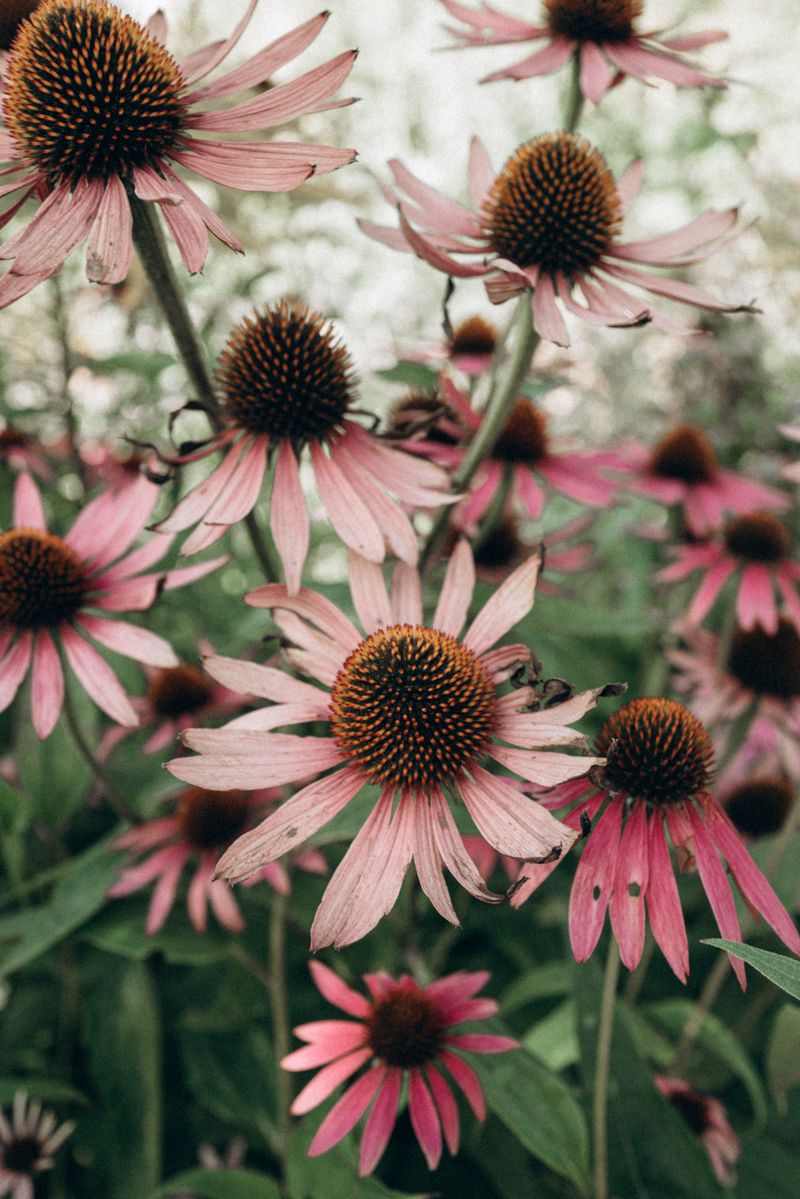
Fall in Michigan hits fast, and your coneflowers need a little help to keep pace. A few targeted steps in September and October make a big difference in what you see blooming.
Keep removing spent blooms through early September as long as new buds are still forming. Once nighttime temps drop consistently below 50 degrees, slow down and let the plant prepare for dormancy.
Reduce watering frequency as fall sets in but do not cut it off entirely. Coneflowers still need moisture to support any remaining blooms and healthy root development below the soil.
Hold off on fertilizing after Labor Day. Late-season feeding can push tender new growth that gets damaged by the first frost, weakening the plant heading into winter.
Mulch around the base of each plant in mid-October. A two-inch layer of shredded leaves or wood chips insulates roots from the freeze-thaw cycles that are common across the state.
Leave the final round of seed heads standing through winter. Birds like chickadees and finches will thank you, and the dried stems add texture to an otherwise bare winter garden.
Cut everything back to about three inches above ground in early spring before new growth emerges. That fresh start sets your plants up for another strong season of color.
Consistent fall care keeps your coneflowers healthy from one season to the next. Remove spent coneflower blooms at the right moments all season, and your garden will reward you with color that lasts.