How To Identify Late Blight Quickly As It Returns To Iowa Tomato Gardens
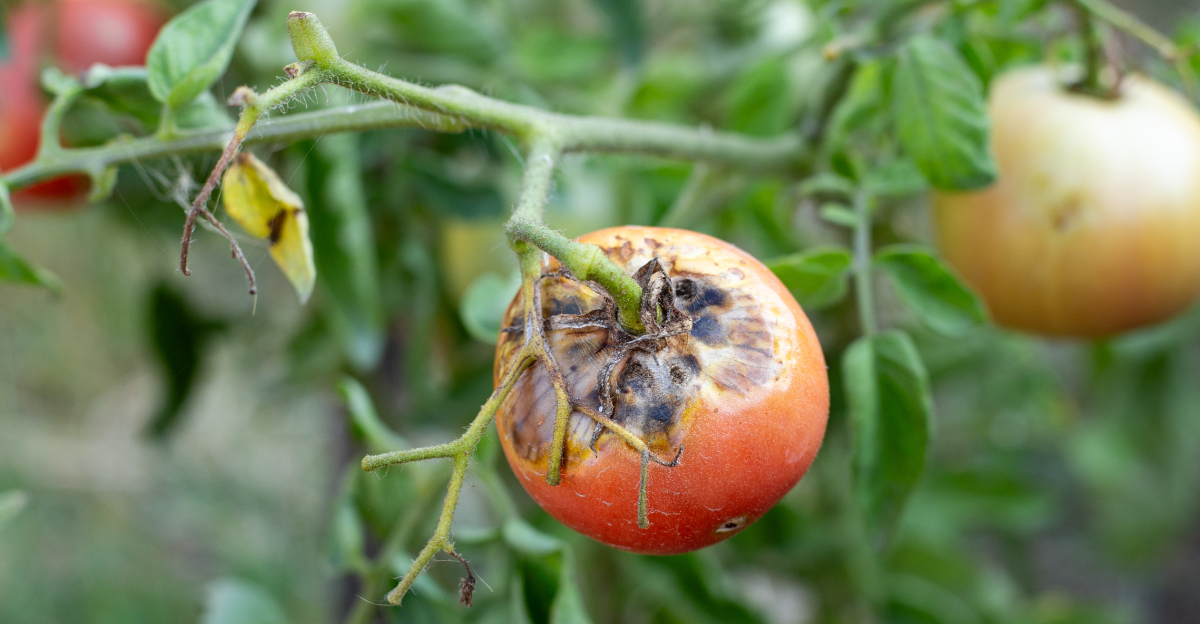
Tomato plants can look flawless at dusk and decline within a day. Late blight moves through Iowa gardens quickly and unpredictably. Cool, wet weather gives this fungus exactly what it wants.
Spores travel on wind, rain, and even your gardening gloves. You might miss the first signs if you blink too long. Leaves change first, then stems, then entire plants within days.
Iowa’s humid summers create the perfect setting for spread. Every hour you wait gives the disease more ground to take. Gardeners everywhere are watching their tomato plants closely.
Nothing about this disease pauses for you to notice. Growers who catch it early protect their harvest completely.
Waiting changes everything for growers who miss the signs. Knowing what to look for now matters most. Time is not on your side this season.
Your tomatoes need you paying attention right now. These warning signs will show you exactly what to do next.
1. Watch For Dark Greasy-Looking Spots On Leaves
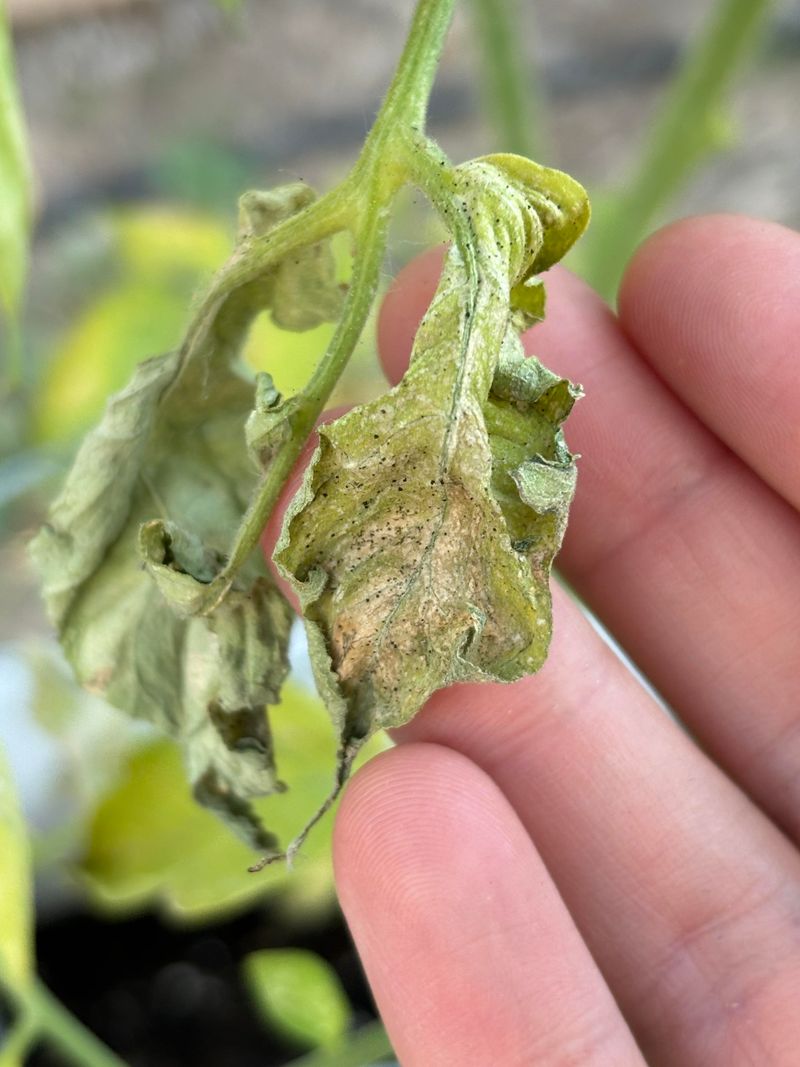
Your tomato leaves are trying to tell you something. When late blight first arrives, it leaves behind dark, oily-looking patches that seem almost wet to the touch.
These spots are not your average sunburn or splash damage. They have a greasy sheen that makes the leaf tissue look like it soaked in oil overnight.
Most gardeners mistake these early marks for insect damage or drought stress. The difference is that late blight spots feel slightly soft and spread fast within a short window of time.
Pay close attention to the edges of the spots. A healthy blight lesion will often have a pale green or yellowish halo ringing the dark center.
These spots tend to appear first on the lower, older leaves of the plant. Once you see them climbing upward, the disease is already moving with purpose through your garden.
Check your plants in the morning when light is low and moisture is still on the foliage. That greasy texture shows up best in soft morning light.
Do not assume one or two spots mean a minor problem. Late blight can cause significant leaf and stem damage within a week under the right conditions.
Take a photo of the spots and compare them to extension office resources online. Catching this visual clue early is one of your most effective tools for protecting your harvest.
2. Notice White Fuzzy Growth On Leaf Undersides
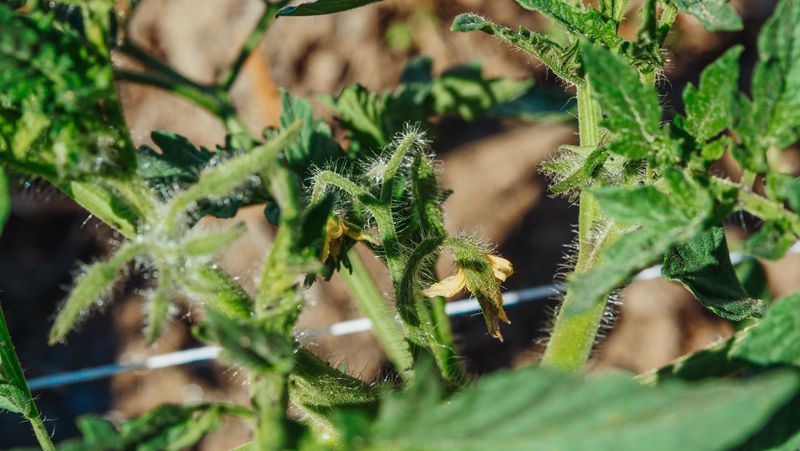
Flip the leaf over and look closely. A white, powdery or fuzzy coating on the underside of your tomato leaves is one of the clearest signs of late blight you will ever see.
This growth is actually the fungus sporulating, which means it is actively releasing spores into the air. Those spores travel to neighboring plants fast, especially when wind and rain work together.
Many gardeners confuse this with powdery mildew, but there is a key difference. Powdery mildew sits on top of the leaf surface, while late blight fuzz grows specifically on the underside in humid conditions.
The texture feels almost like fine white velvet when you brush a fingertip across it. Under a magnifying glass, you can see tiny branching structures reaching outward from the leaf tissue.
Your Iowa Garden Changes Every Week. Your Plan Should Too.
Gardening in Iowa changes quickly throughout the season. Every Friday you’ll receive a simple weekly plan showing exactly what to plant, prune, fertilize, harvest, and protect so you never miss the right timing.
This fuzzy stage typically appears after a stretch of cool nights and warm, rainy days. Iowa summers can deliver exactly that kind of weather in July and August.
Once you spot this growth, act the same day. Removing and bagging affected leaves right away can slow the spread before spores launch into the garden air.
Never compost leaves showing this symptom. The spores can survive in compost piles and reinfect your garden soil the following season.
Checking leaf undersides regularly from mid-July onward is a smart practice. That one simple routine could save your entire tomato harvest from a fast-moving late blight outbreak.
3. Spot Brown Lesions Spreading Quickly Along Stems
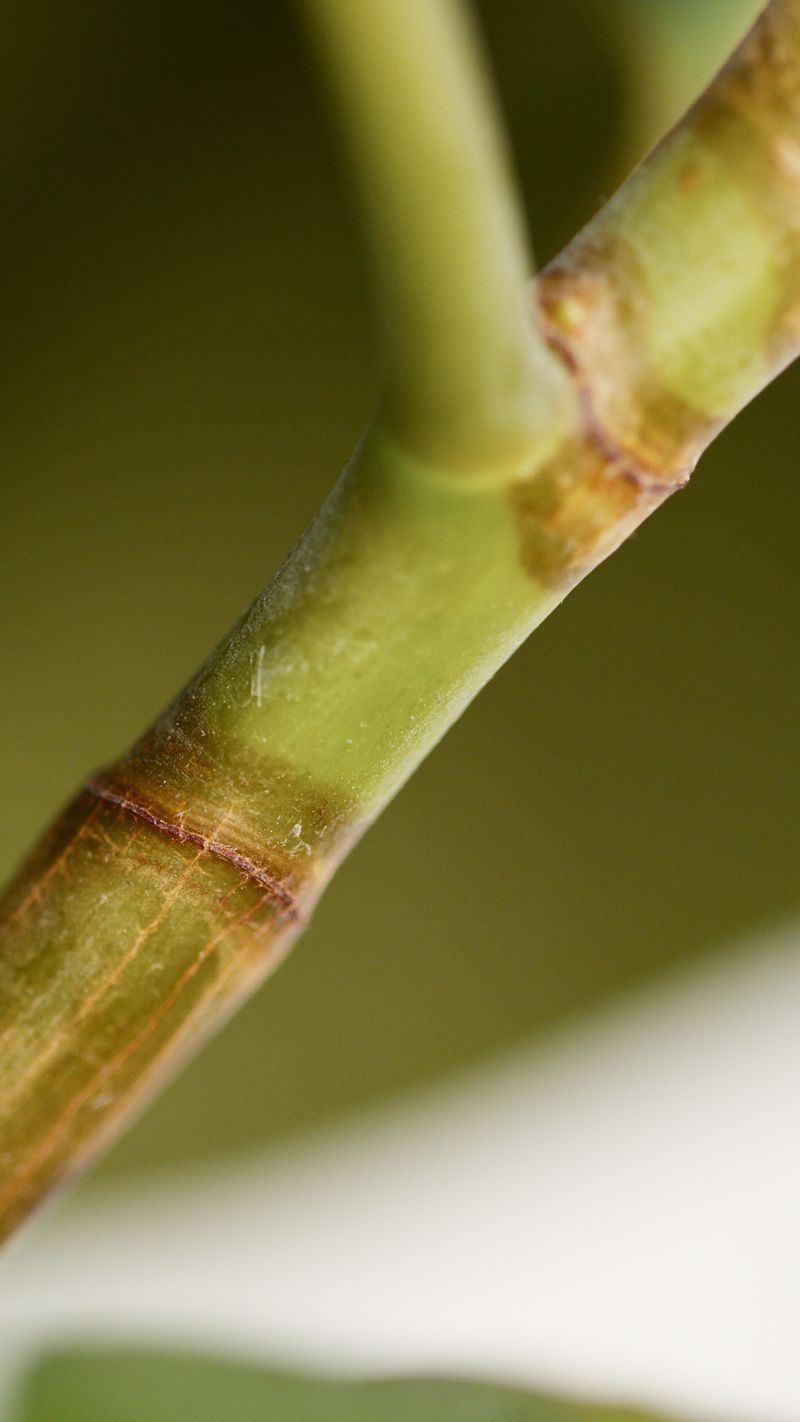
Stems tell a story that leaves sometimes hide. When late blight moves from the foliage down into the stem tissue, it leaves firm, dark brown lesions that seem to grow larger every single day.
Run your fingers along the main stalk of your tomato plant. If you feel rough, sunken patches with a dark brown or purplish color, late blight has gone deeper than the leaves.
Stem infections are more dangerous than leaf spots because they cut off water and nutrients to everything above them. A plant with a blighted stem can collapse within a matter of days.
These lesions often start where a leaf branch meets the main stem. That junction point holds moisture longer, giving the pathogen a perfect entry spot during rainy stretches.
Look for lesions that wrap around the stem rather than sitting on one side. A lesion that circles the stem fully will cut off the plant’s vascular system entirely.
Younger, green stems show the damage more clearly than woody, older ones. On green tissue, the color shift from healthy to infected is stark and immediate.
Some gardeners try to prune out affected stem sections to save the plant. This can work if caught very early, but the pruning tool must be sterilized between every single cut.
Stem lesions spreading fast in your Iowa tomato garden mean late blight is no longer a threat waiting to happen. It has already moved in and taken hold.
4. Check For Water-Soaked Patches That Turn Black
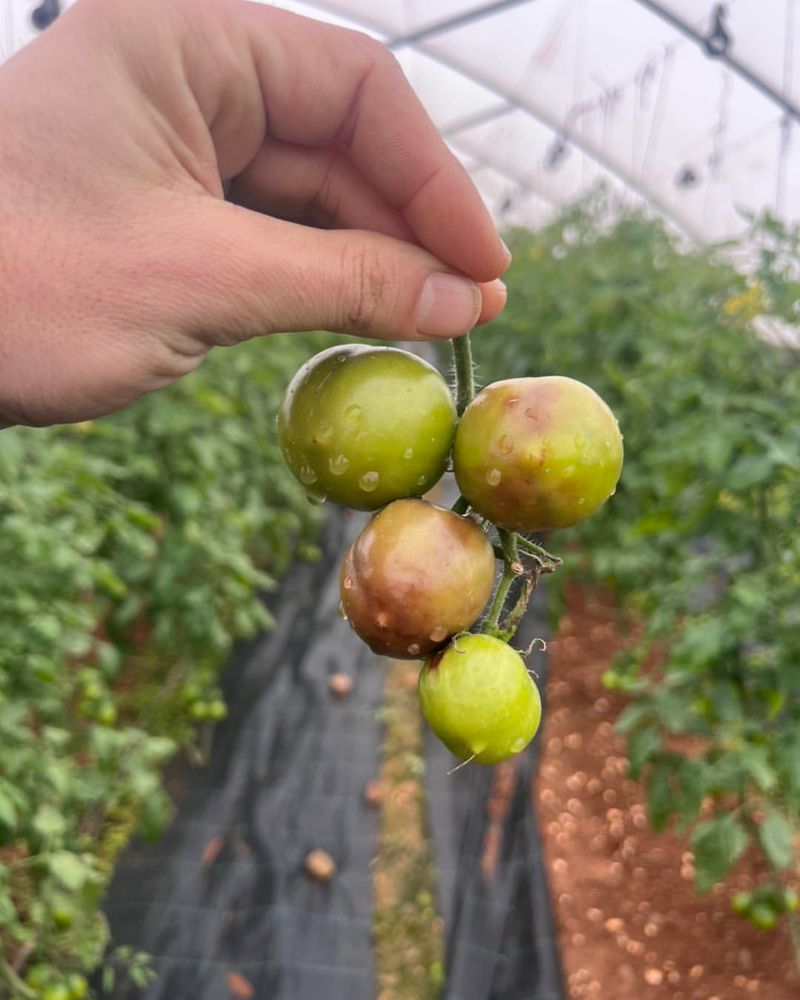
Water-soaked patches are the early warning sign most gardeners miss until it is too late. These areas look like someone splashed water on the leaf and the moisture just never dried up.
At first, the patch looks pale and almost translucent. Under warm, wet conditions, that same patch can turn dark brown or black within a day or two.
The blackening happens because the plant tissue is breaking down from the inside out. Late blight does not just sit on the surface, it penetrates deep into the leaf cells and destroys them rapidly.
Touch a water-soaked patch gently with a fingertip. It will feel mushy and slightly cooler than the surrounding healthy leaf tissue, almost like a bruised section of fruit.
These patches tend to appear near the leaf margins first. They spread inward toward the midrib as the infection intensifies over the following days.
On heavily infected plants, entire leaves can turn black and papery within several days. The speed of this progression is what makes late blight so difficult for home gardeners to manage.
Rainy weeks in Iowa create perfect conditions for this blackening to accelerate. If your area has had several days of rain, it’s worth inspecting every plant as soon as possible.
Catching water-soaked patches before they go black gives you the best chance to slow the outbreak. Identifying late blight at this stage means you still have options worth trying.
5. Look For Firm Brown Blotches On Green Fruit
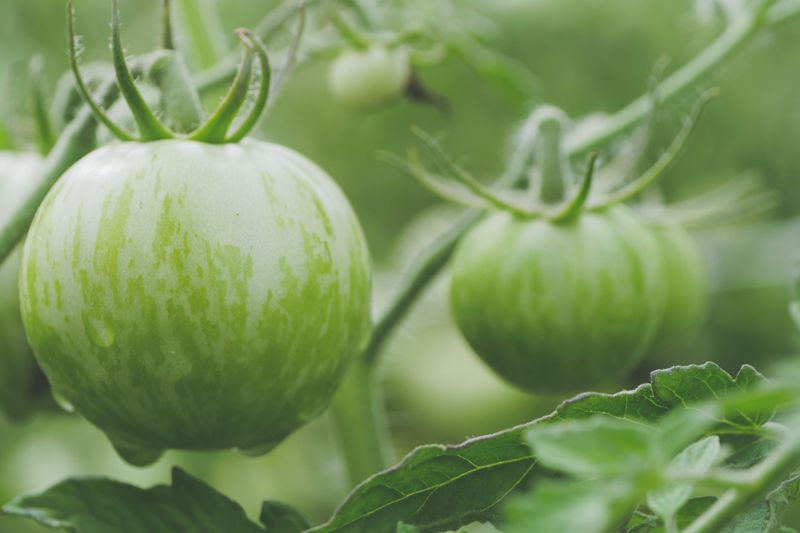
Not all fruit damage looks the same, and late blight has a signature mark on tomatoes that stands apart. Firm, brown, irregular blotches on green fruit are a classic late blight calling card.
Unlike soft rot or bacterial issues, these blotches feel hard and leathery under your fingers. The tissue beneath the surface has already been compromised, even though the spot looks dry on the outside.
These marks often show up on the upper shoulder of the fruit near the stem end. That area stays moist longer after rain, making it an easy entry point for the pathogen.
The blotches can cover a small area at first, looking almost like a bruise from rough handling. Within days, they expand and may develop a slightly ridged or wrinkled texture on the surface.
Cut into an affected tomato and the damage goes deeper than the skin. You will often find brown, discolored flesh extending noticeably below the surface.
Fruit showing these blotches is not safe to eat or preserve. The pathogen can affect the flavor and safety of the tomato even in areas that look visually fine.
Green tomatoes are not immune just because they have not ripened yet. Late blight affects fruit at any stage of development, from marble-sized to almost fully grown.
Finding these brown blotches on your fruit is a sign that late blight has moved well beyond the foliage. Act fast and assess how many plants are already affected.
6. Smell For A Distinct Musty Rotting Odor
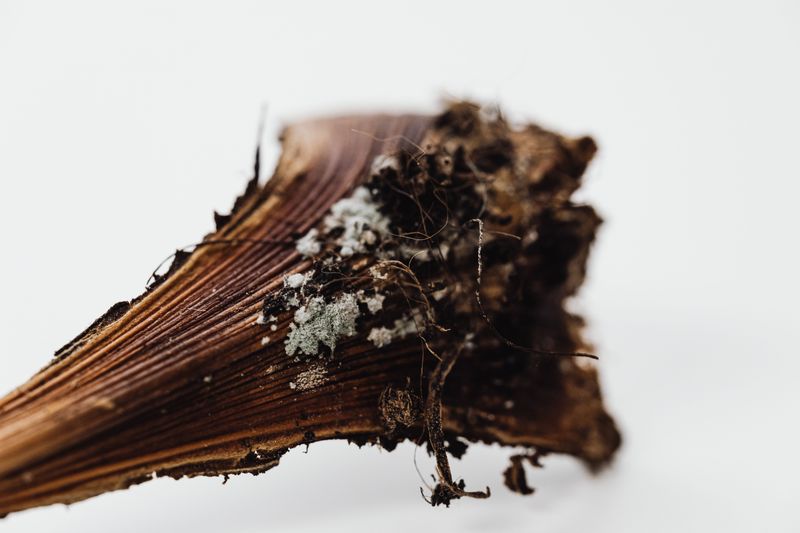
Your nose is an underrated gardening tool. When late blight takes hold of a plant, it releases a distinct, musty odor that experienced gardeners describe as earthy and unpleasant.
The smell comes from the rapid breakdown of plant tissue as the pathogen moves through it. It is not a sharp chemical smell, but more like wet soil mixed with something quietly rotting.
Some people say it reminds them of a damp basement after a flood. Others compare it to the smell of overripe produce sitting in a warm kitchen.
Healthy tomato plants have a bright, slightly sharp, herby smell when you brush against them. When that familiar scent is replaced by something musty and heavy, take a closer look at your plants.
The odor is strongest in the morning when humidity is high and the air is still. Walking through your garden early in the morning gives your nose the best chance to detect something off.
Heavily infected plants can smell quite strong even from a foot or two away. A plant that smells noticeably different from its neighbors deserves immediate inspection.
Do not dismiss a strange garden smell as coming from the soil or mulch. Late blight odor is plant-specific and tends to come from the foliage and stem tissue directly.
Trusting your sense of smell during garden walkthroughs can help you catch late blight before visible symptoms become obvious. Sometimes your nose can pick up on changes before your eyes do.
7. Examine Leaves For Rapid Yellowing And Collapse
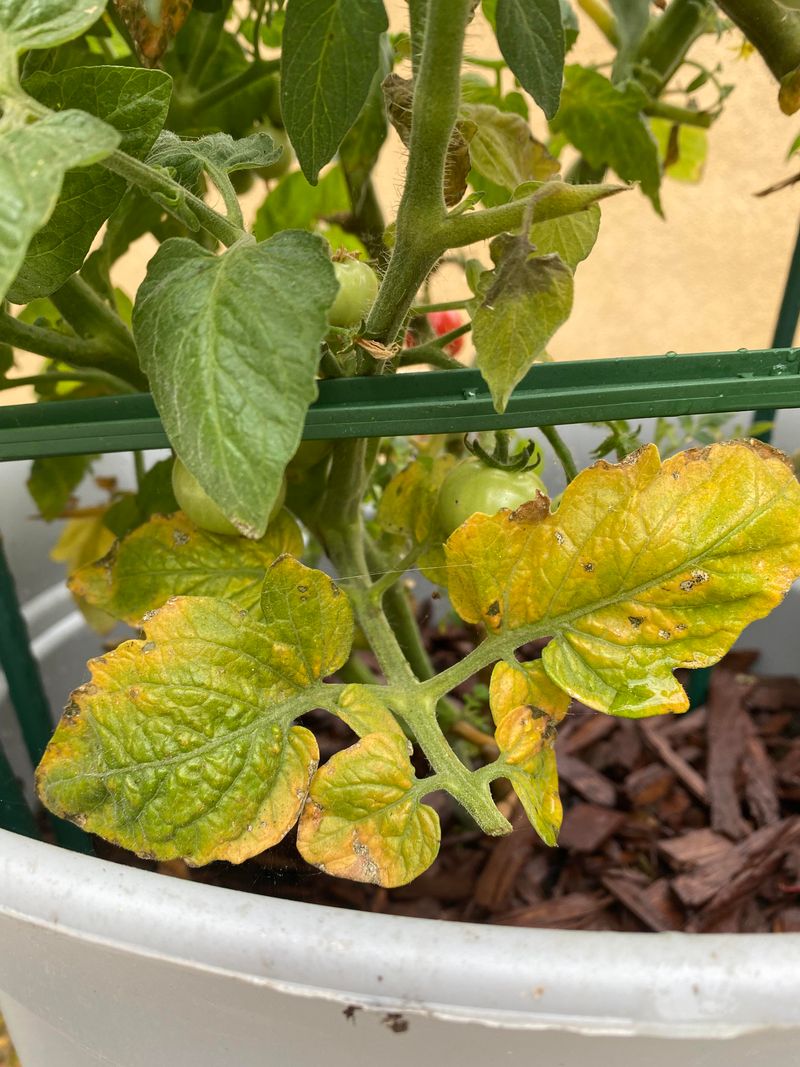
Yellowing leaves happen for plenty of reasons, but late blight yellowing has a speed to it that catches most gardeners off guard. A leaf that looked fine yesterday can turn pale and limp by tomorrow morning.
This rapid yellowing is not the slow fade you see from nutrient deficiency or normal aging. Late blight yellowing spreads outward from infected spots and takes over the entire leaf surface quickly.
The leaf does not just change color, it also loses its firmness. What was once a crisp, upright leaf becomes droopy and soft, like a piece of lettuce left out in the sun.
Within a few days of heavy yellowing, the leaf can collapse entirely. It hangs down from the stem, brown and papery, clinging on even as the tissue has completely broken down.
This collapse pattern usually starts on the lower canopy and moves upward. Watching it climb the plant in real time is one of the most concerning things a tomato gardener can observe.
Yellowing caused by late blight often happens alongside the dark greasy spots mentioned earlier. Seeing both symptoms together on the same plant confirms you are dealing with a serious problem.
Do not wait for laboratory confirmation if you see rapid yellowing and collapse together. The disease moves faster than most testing timelines allow.
Removing affected plants entirely and disposing of them in sealed bags can slow the spread to neighboring tomatoes. Identifying late blight at this collapse stage means urgent action is your best move.
8. Inspect Plants After Prolonged Wet Or Humid Weather
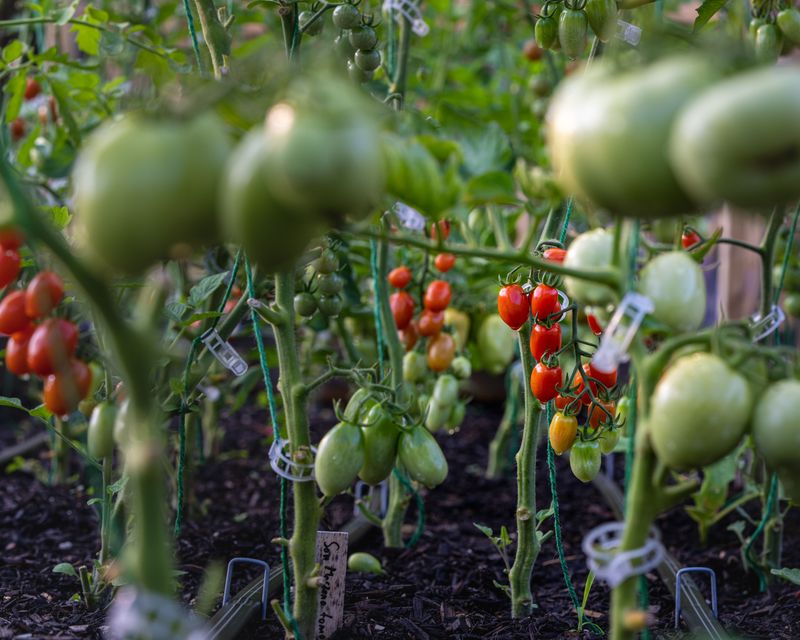
Weather plays a major role in favoring late blight. After three or more days of rain, cool temperatures, and heavy humidity, your tomato garden becomes a perfect breeding ground for this fast-moving disease.
Make a habit of walking your rows the morning after any prolonged wet stretch. Early inspection after wet weather is one of the most effective habits an Iowa gardener can build.
Look at every plant from multiple angles during these post-rain checks. Symptoms that are invisible from above can be obvious when you crouch down and look at the plant from the side.
Wet weather creates the high moisture levels that late blight needs to release and spread its spores. A single infected plant can spread the disease to nearby plants quickly after rain, especially in humid conditions.
Check the plants closest to fences, walls, or dense foliage first. These spots hold moisture longest and tend to show symptoms before plants in more open, breezy areas of the garden.
Bring a flashlight if you are checking early in low morning light. The beam helps you spot subtle color changes and fuzzy growth that natural light might wash out.
Keep a simple journal of weather conditions and plant health throughout the season. Patterns in that journal can help you predict when the next outbreak risk is highest.
Staying proactive after wet weather is the smartest way to fight late blight in Iowa tomato gardens. Consistent inspection after rain gives you one of the earliest possible warnings.