This Familiar Tennessee Visitor Quietly Slips Away Each August
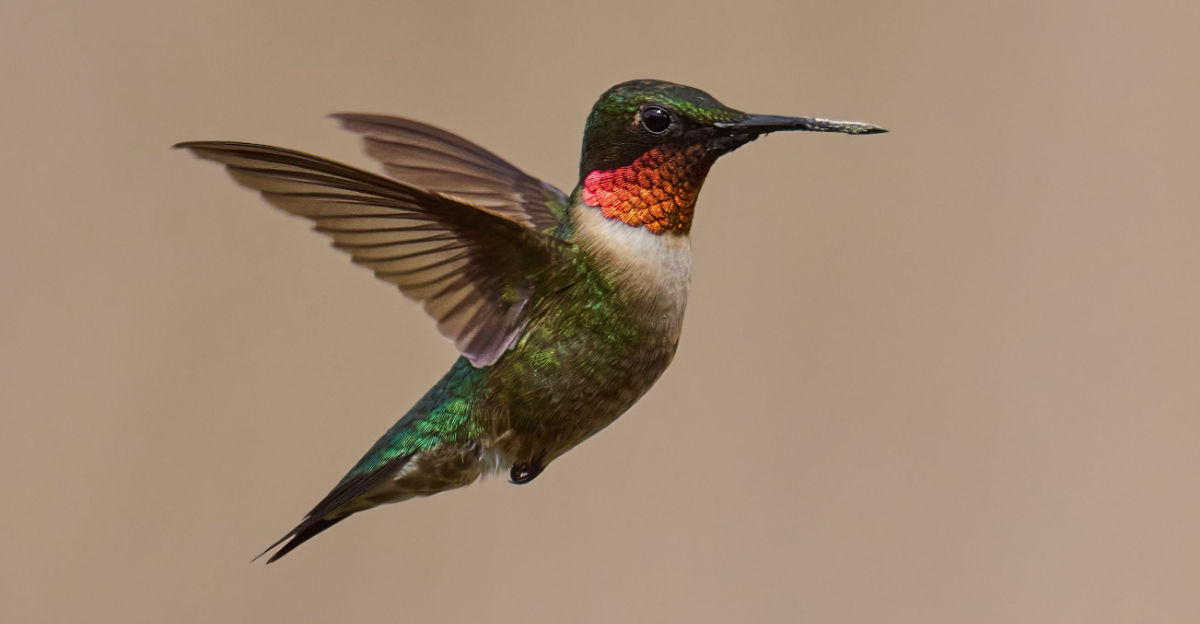
Something small and fast is preparing to disappear from your yard. Frantic wingbeats near your window signal a shift no calendar controls. Restless energy fills Tennessee mornings this week without clear explanation.
Watch closely and you will notice sudden shifts in feeding behavior. Longer visits replace quick sips as hidden instincts take over. Bodies swell subtly, storing fuel for the journey ahead.
Instinct fires before weather ever does, guided by shrinking daylight. Nobody announces this departure; the signs simply appear overnight. Backyards across Tennessee become critical stopover points for something unseen.
Activity spikes near feeders as competition sharpens without warning. Quick squabbles erupt at dusk, revealing urgency beneath ordinary behavior. Departure isn’t random; ancient internal clocks decide the exact moment.
Curiosity should pull you outside during these very final unpredictable days. Patterns emerge fast once you start paying attention. Miss this window, and answers slip away for another full year.
Why Ruby-Throated Hummingbirds Start Leaving In August
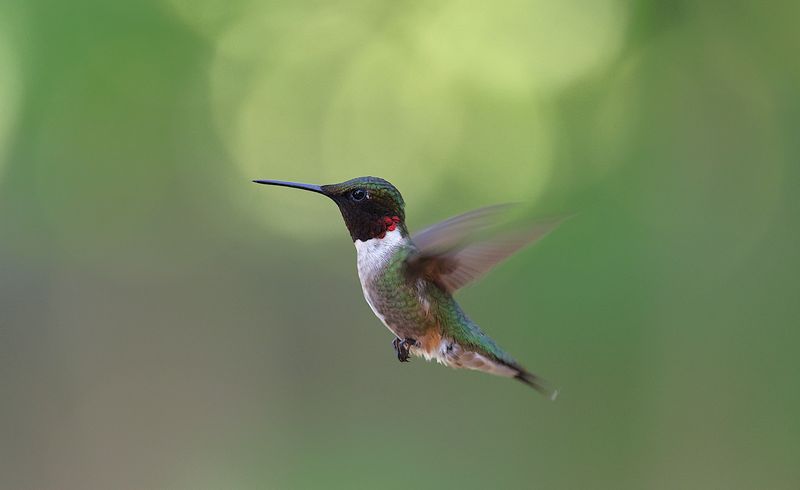
August hits, and your feeder becomes a hub of nonstop activity. Ruby-throated hummingbirds are gearing up for one of nature’s most demanding journeys.
These small birds weigh less than a nickel, yet they cover well over a thousand miles during their fall migration. Their departure from Tennessee typically begins in early August, well before the leaves change color.
Shorter daylight hours trigger hormonal shifts inside the bird’s body. Those internal signals tell the hummingbird it is time to fatten up and fly south.
Many people assume hummingbirds leave because feeders run dry or flowers fade. The truth is that changing light cues the migration, not food supply.
Males usually depart first, sometimes as early as late July. Females and juveniles follow a few weeks behind, keeping the action going through September.
Ruby-throated hummingbirds are the only breeding hummingbird species found across most of the eastern United States. Every single one passing through your yard is completing a migration route shaped over thousands of years.
Their destination is Central America, crossing the Gulf of Mexico in a single nonstop flight. That crossing alone can take somewhere around 18 to 22 hours of continuous flying, depending on wind and weather conditions.
Knowing this makes every August feeder visit feel a little more meaningful. You are not just watching a bird drink sugar water; you are witnessing the start of something extraordinary.
Signs Your Backyard Visitors Are Preparing To Migrate
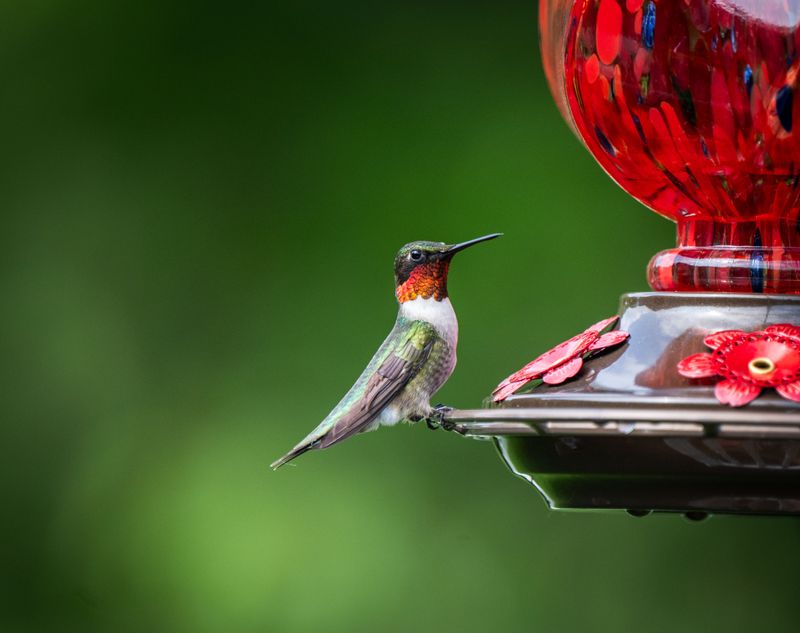
Your yard will practically tell you when migration is close. The birds themselves broadcast every signal if you know what to watch for.
One of the clearest signs is increased feeding activity. Hummingbirds entering a pre-migration phase called hyperphagia eat almost constantly to build fat reserves.
You might notice birds that once shared the feeder peacefully now chase each other off aggressively. Competition spikes because every calorie counts before a long journey south.
Watch for birds sitting still on exposed branches more often than usual. This resting behavior is part of conserving energy between intense feeding sessions.
Your Tennessee Garden Changes Every Week. Your Plan Should Too.
Gardening in Tennessee changes quickly throughout the season. Every Friday you’ll receive a simple weekly plan showing exactly what to plant, prune, fertilize, harvest, and protect so you never miss the right timing.
Feathers also go through a final molt before migration begins. A bird looking slightly ragged or patchy in early August is likely finishing that process before departure.
Some hummingbirds will visit your yard for just a day or two during migration, fueling up before moving on. These quick visitors are often juveniles making their very first trip south.
Pay attention to early morning activity around your feeder. Hummingbirds often feed heavily at dawn before making daily southward movements along their route.
Noticing these behavioral shifts connects you to something bigger than your own backyard. These tiny creatures are reading environmental cues that humans have only recently begun to understand scientifically.
Catching these moments feels like being let in on a secret. Nature is rarely this easy to observe up close from your own porch.
The Difference Between Adults And Juveniles Departing
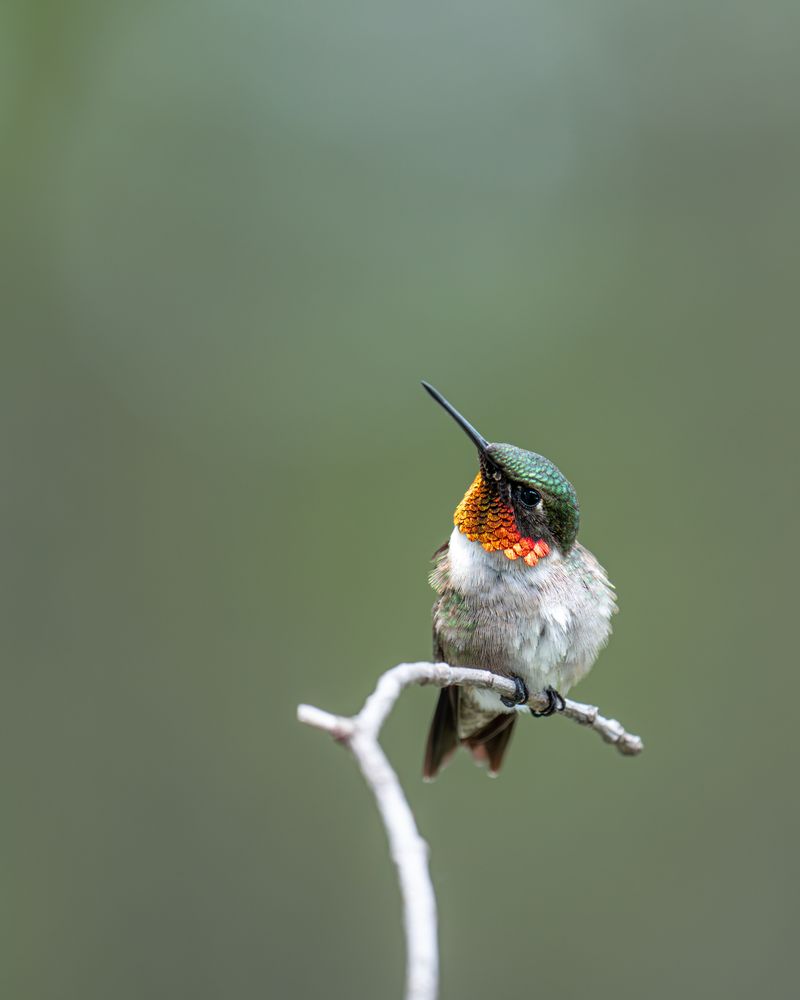
Not every hummingbird leaving your yard is on the same schedule. Adults and juveniles follow surprisingly different departure timelines.
Adult males are typically the first to go, often slipping away in late July or the first days of August. They have no parental duties holding them back once breeding season wraps up.
Adult females stick around a bit longer because they are still feeding fledglings. Once the young birds can feed independently, mom heads south too.
Juvenile hummingbirds, born just weeks earlier, are the last wave to depart. They leave without any adult guidance, navigating entirely on inherited instinct.
Young birds have never made this trip before, yet they find their way to Central America successfully. Scientists believe a combination of instinct, environmental cues, and possibly magnetic sensitivity helps guide them, though the exact mechanism is still being studied.
Telling adults from juveniles at the feeder is easier than you might think. Juvenile males have a faint streaking on their throats instead of the brilliant red gorget of a mature male.
Juvenile females look nearly identical to adult females, making them harder to separate by sight alone. Behavior can sometimes reveal the difference, as younger birds tend to be less aggressive at feeders.
Watching this generational wave of departures unfolds like a slow farewell. Each bird that leaves carries a tiny piece of your summer garden with it heading south.
How Feeder Activity Changes Before Migration
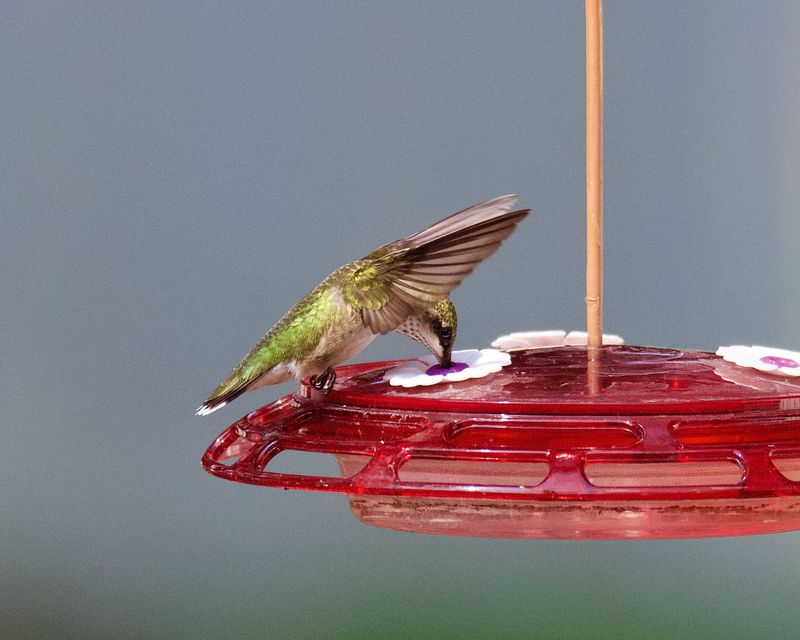
Your feeder becomes a completely different scene once August migration begins. The calm summer routine disappears almost overnight.
Traffic at the feeder jumps noticeably as local birds ramp up their calorie intake. Visit frequency can increase substantially compared to earlier summer months, though the exact rate varies by location.
Aggressive chasing behavior increases sharply during this period. Birds that coexisted peacefully all summer begin competing actively for access to the feeder.
You may also notice birds feeding at unusual hours, including early morning and late evening. Extended daylight in summer means more feeding time, and they use every minute.
Some days the feeder will be mobbed, and other days it seems almost empty. Those quiet days often mean a group of birds has moved on and new migrants have not yet arrived.
Refilling the feeder more frequently than usual is a reliable sign that migration is fully underway. Some feeders may empty far faster than usual during peak migration days.
Keep the nectar fresh during this high-traffic period, especially in August heat. Fermented or cloudy nectar can harm birds at the exact moment they need maximum nutrition.
Watching feeder traffic patterns gives you a real-time window into the migration pulse moving through your neighborhood. Backyard birdwatching rarely gets more exciting than this brief, buzzing window each year.
Best Foods To Offer As They Fuel Up
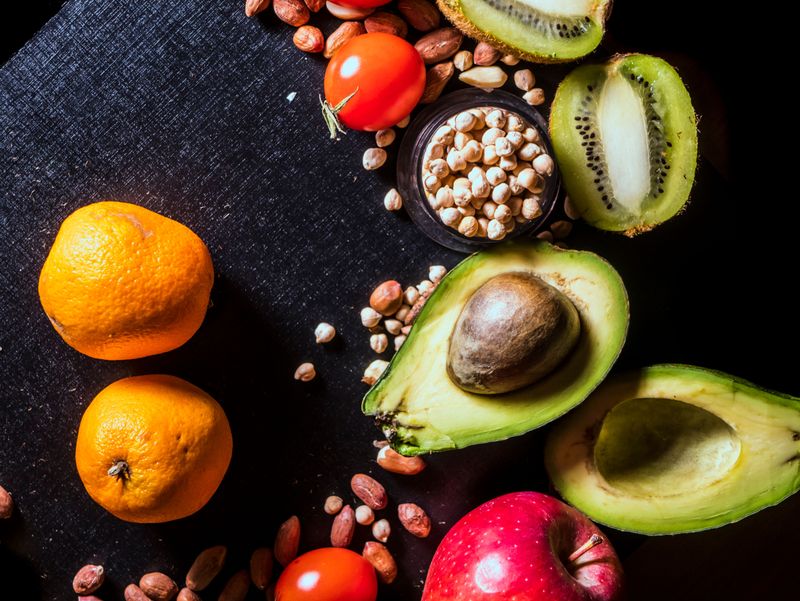
Fueling a hummingbird for a Gulf crossing is serious business. What you put in that feeder actually matters more in August than any other month.
Plain white sugar dissolved in water at a four-to-one ratio is the gold standard nectar recipe. Four parts water to one part sugar mimics the natural sugar content of flower nectar closely.
Never use honey, brown sugar, or artificial sweeteners in your feeder. Those alternatives can cause digestive problems or promote dangerous bacterial growth in the liquid.
Red dye is completely unnecessary and potentially harmful. The red color of the feeder itself is enough to attract birds without adding anything artificial to the nectar.
Native flowering plants in your yard offer a bonus food source alongside the feeder. Cardinal flower, trumpet vine, and bee balm are all native plants hummingbirds seek out during August fueling stops.
Protein also matters during migration, even though many people focus only on sugar. Hummingbirds eat tiny insects and spiders to get the protein and fat they need for muscle repair.
Leaving a small section of your yard unmowed or unsprayed encourages insect populations. Those bugs become an invisible but critical part of the migration fuel supply.
Offering the right food during this window is one of the most impactful things a backyard birder can do. A well-stocked yard could genuinely give a migrating bird the edge it needs to survive.
When The Last Hummingbirds Typically Leave
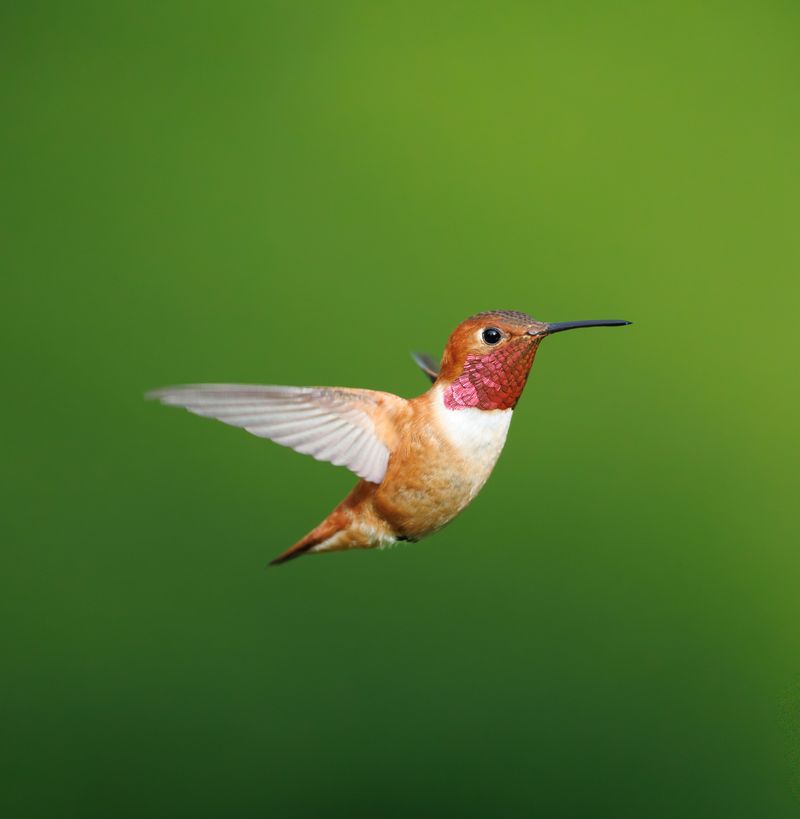
Most Tennessee residents say goodbye to their last hummingbird sometime between mid-September and early October. The exact date shifts slightly each year depending on weather patterns.
A warm September can push departure dates a bit later, while an early cold snap tends to accelerate the final exodus. Birds respond to conditions, not just the calendar.
By the third week of September, the heavy migration traffic has usually moved through. What remains are stragglers, often juveniles making slower progress southward.
Keeping your feeder up through mid-October is a smart move even after sightings drop off. Late migrants passing through appreciate finding a reliable fuel stop on their route.
Some years, a rare western hummingbird species wanders into Tennessee during fall migration. Rufous hummingbirds occasionally show up at feeders well into November, delighting lucky yard watchers.
Reporting unusual late-season hummingbirds to a local birding group helps scientists track these rare occurrences. Citizen science data from backyard observers has genuinely shaped migration research.
The last sighting of the season always carries a quiet emotional weight. You watch that final bird hover, drink, and zip away, not knowing if it is truly the last one until days of silence confirm it.
That stillness after migration ends is its own kind of gift. Tennessee backyard birds that start heading south in early August leave behind a yard that feels both emptier and somehow more alive for having hosted them.
What To Do With Feeders After They Are Gone
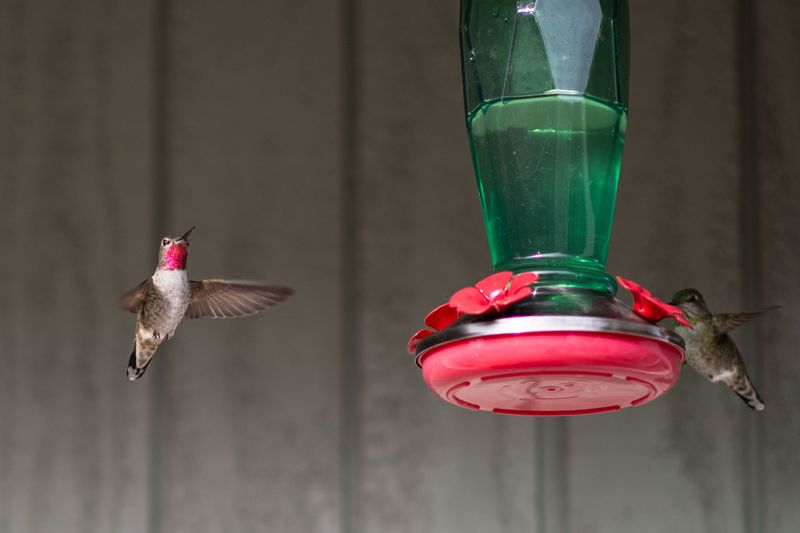
Once the last hummingbird clears out, your feeder needs some attention before it goes into storage. A neglected feeder left hanging all winter can develop significant mold buildup.
Start by taking the feeder apart completely and washing every piece with hot water and a bottle brush. A diluted white vinegar rinse removes stubborn residue without leaving harmful chemical traces.
Avoid soap with strong fragrances when cleaning feeders. Residual scents can deter birds when you rehang the feeder next spring.
Once cleaned and fully dry, store the feeder somewhere cool and dry for the winter months. A garage shelf or storage bin works perfectly for keeping parts together and protected.
This downtime is also the best moment to inspect the feeder for cracks, worn gaskets, or faded color. Replacing a cracked feeder now means you are ready when the first scouts return in early to mid-April.
Consider planting more native flowering species in the fall to prepare for next year. Trumpet honeysuckle, native columbine, and salvia are all excellent additions that hummingbirds return to reliably.
Keeping a simple journal of your last sighting date each year creates a personal migration record. Over time, those notes reveal fascinating patterns specific to your yard and neighborhood.
Caring for your feeder in the off-season is a small act that pays off big every spring. Tennessee backyard birds that start heading south in early August will return, and a clean feeder is the best welcome mat you can offer.