Why California Quail Are Suddenly Nesting In Backyard Gardens This Summer
A quiet corner of the garden can start feeling suspicious in the best possible way.
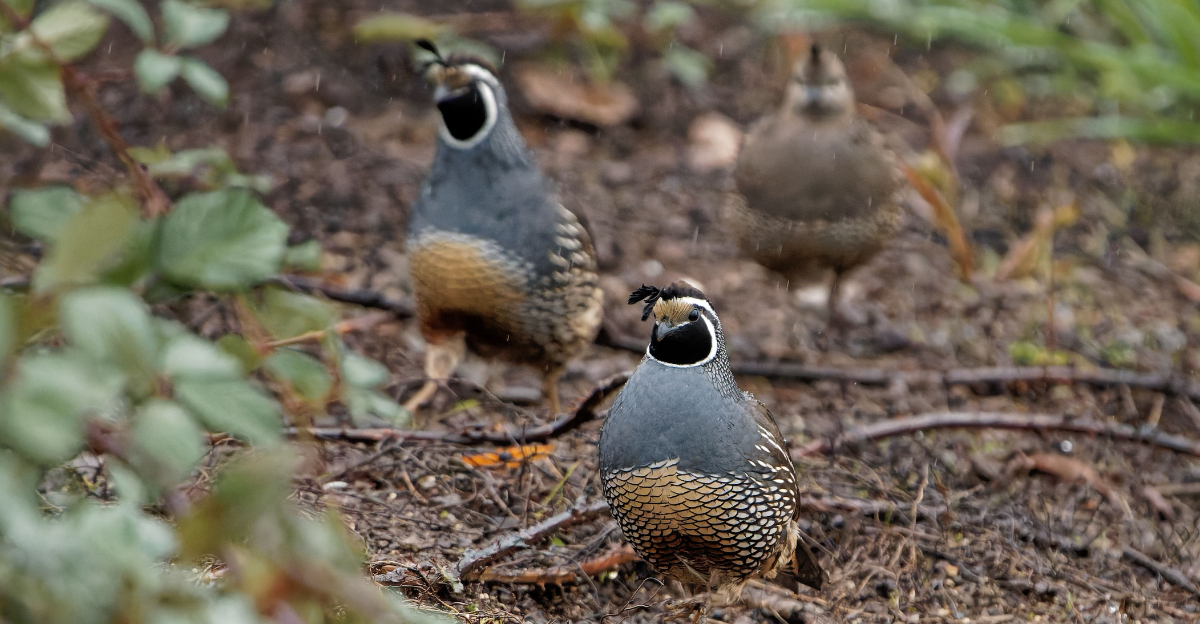
A small bird slips beneath the same shrub each morning. Soft calls come from near the fence. Dry leaves rustle, then everything goes still again.
Soon, a second bird appears nearby, watchful and alert, as though the whole yard has become part of a secret routine.
That is when the garden deserves a pause.
California quail do not choose nesting spots casually. They need ground-level cover, nearby food, safe travel routes, loose soil, water access, and enough quiet to keep a nest hidden while eggs are being tended.
A backyard with dense shrubs, seed-rich beds, and gentle irrigation can offer exactly the kind of refuge these birds need in summer.
This is exciting, but it also calls for restraint.
A curious gardener can easily disturb the very thing they want to protect.
So why are California quail nesting in backyard gardens this summer?
They are finding the cover, food, water, and calm that many wild spaces no longer provide as reliably.
1. Dense Shrubs Offer Hidden Cover
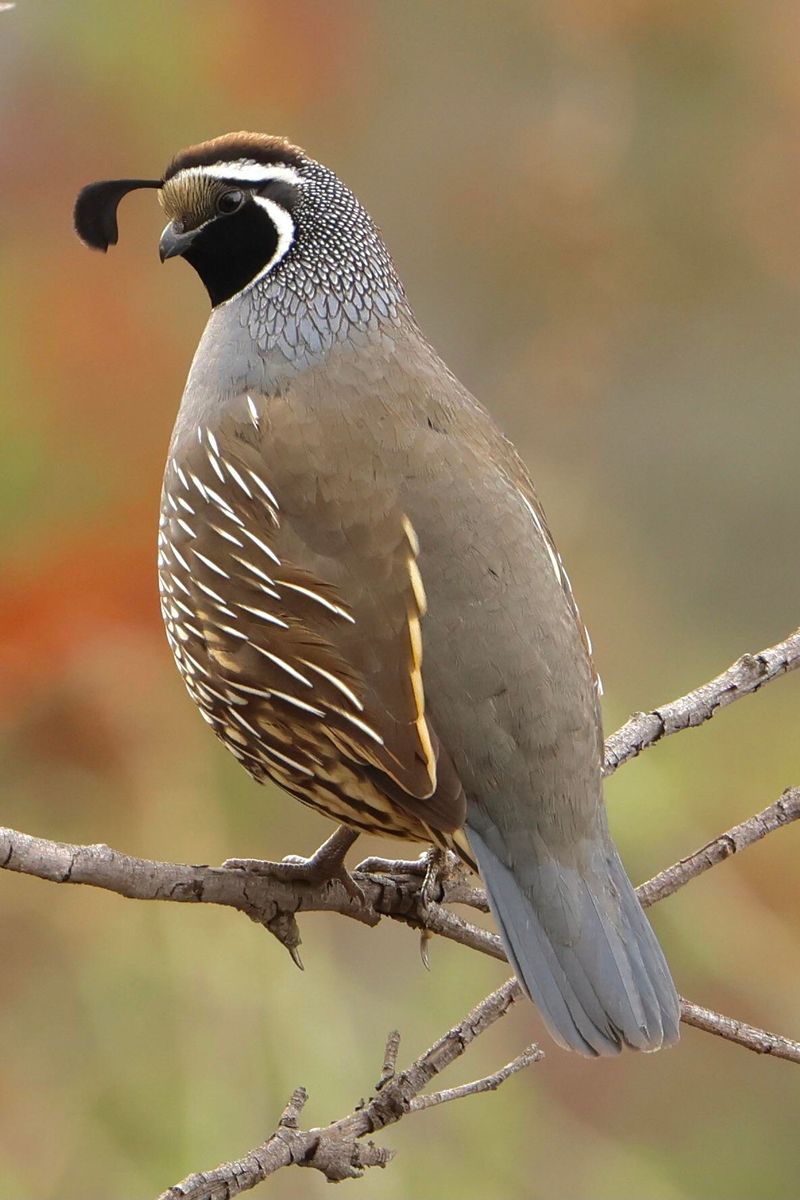
Dense shrubs are the first thing nesting quail notice.
California quail nest on or very close to the ground, which means they need cover that hides them from above and from the sides.
A shrub with thick growth near the base can conceal a nest so well that a person may walk past it for days without seeing anything.
The nest is simple. It is usually a shallow scrape lined with grasses, leaves, and feathers.
The location does the real work. A hidden pocket beneath foliage gives the female protection while still leaving enough room to move in and out.
Native shrubs are especially useful. Toyon, coyote brush, coffeeberry, lemonade berry, sagebrush, and similar plants can create the layered shelter quail prefer.
The bottom of the plant matters. A shrub trimmed high off the ground may look neat, but it removes the cover ground-nesting birds need most.
Leaf litter helps too. Dry leaves soften the ground, hide movement, and supply natural nesting material.
A quail entering the same shrub repeatedly is a clue. The best response is to stop working in that area and observe from a distance.
Do not push branches aside to confirm a nest. Visual confirmation is not worth the disturbance.
A dense shrub can become more than a landscape plant.
For nesting quail, it can become the safest room in the yard.
2. Ground Level Branches Block Views
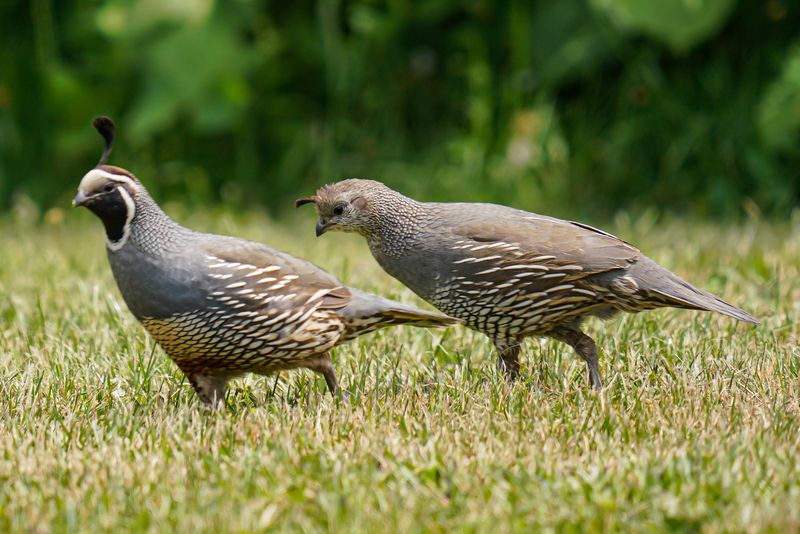
Low branches create a living screen.
To a quail, that screen can mean safety. Branches that sweep close to the soil block the view of hawks, cats, dogs, people, and other potential threats. They also let birds move in and out without stepping into open space immediately.
Many gardeners remove those branches for tidiness. That habit is called limbing up, and it can make shrubs less useful for ground-nesting birds.
A clean trunk may look formal. It also leaves the soil beneath the shrub exposed.
Quail prefer a different shape. They need shrubs with low side cover, shaded openings, and quick ground-level exits.
Your California Garden Changes Every Week. Your Plan Should Too.
Gardening in California changes quickly throughout the season. Every Friday you’ll receive a simple weekly plan showing exactly what to plant, prune, fertilize, harvest, and protect so you never miss the right timing.
Sprawling rosemary can provide this structure. So can flannel bush, native currant, ceanothus, coffeeberry, and other dense shrubs when allowed to keep lower growth.
Balance still matters near buildings. Thick vegetation pressed directly against the house can create other wildlife concerns.
Keep foundation zones clearer. Save the lower, denser cover for fence lines, back corners, slopes, and garden edges farther from doors and vents.
Open lanes are helpful. Quail do not want a solid trap. They need protected passages that lead to food, water, and escape cover.
A layered garden works best. Low shrubs, open soil, native grasses, and taller background plants all play a role.
The lower branches may look slightly wild.
That small wildness is exactly what makes the space feel safe to a nesting bird.
3. Seed Rich Beds Keep Food Close
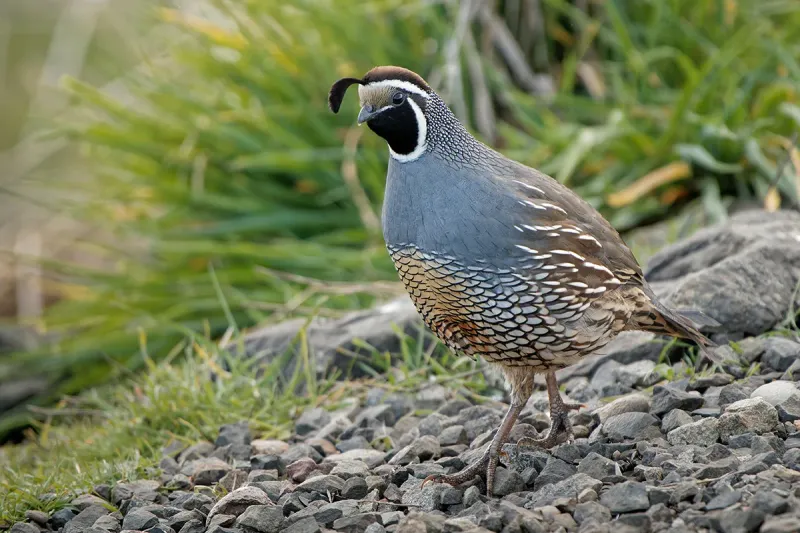
Food close to cover is a powerful invitation.
California quail spend much of their time on the ground searching for seeds, leaves, and small invertebrates. A garden that drops natural seed near protective shrubs gives them a reason to stay.
Native grasses are especially valuable. Purple needlegrass and other California natives can provide seed while also adding cover and texture.
Wildflowers help too. California poppy, clarkia, farewell-to-spring, lupines, and other seed-producing plants can feed ground-foraging birds after bloom.
Do not rush every cleanup. Dried flower heads and fallen seed may look finished to a gardener, but they are still useful to wildlife.
Loose leaf litter holds food. Small seeds, beetles, ants, and other tiny invertebrates collect in that layer.
Feeders are less ideal. Supplemental seed can attract rodents, competing birds, and predators when it concentrates too much activity in one place.
Natural food spreads the risk. Birds can forage across a bed instead of gathering in one predictable spot.
Avoid broad herbicide use. Many small volunteer plants produce seeds that quail may use.
Leave one quiet corner less polished. A defined natural patch can look intentional while still feeding wildlife.
The best quail buffet is not a feeder.
It is a living bed that flowers, dries, drops seed, and keeps feeding the garden from the ground up.
4. Irrigated Gardens Stay Productive
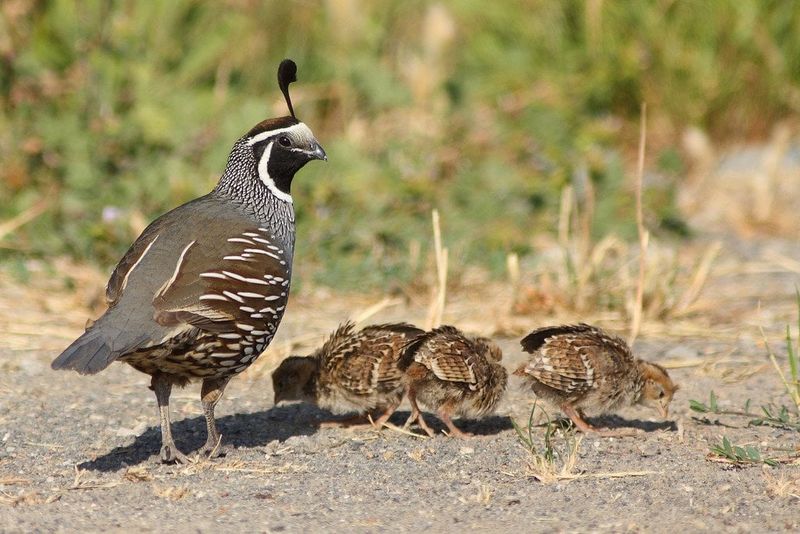
Summer water changes the garden’s value.
California summers are dry in many regions. Native hillsides may turn crisp and dormant while backyard gardens stay green through drip irrigation, deep watering, or shaded plantings. That contrast can draw quail into residential spaces.
Moist soil supports more life. Beetles, pillbugs, ants, and other small invertebrates become easier to find where the soil is not baked hard.
Chicks need protein. Young quail rely heavily on small insects and soft-bodied prey during their early growth.
A watered garden can become a nursery zone. It may offer food and softer soil when surrounding areas are dry.
Drip irrigation is better than flooding. It keeps plants productive without creating puddles or muddy spots.
Overwatering creates problems. Standing water can attract mosquitoes, sour the soil, and make paths less safe for small birds.
Morning watering works well. The garden gets moisture early, while surfaces can dry somewhat before evening.
Mulch helps when used lightly. A natural leaf layer or modest organic mulch can conserve moisture and support foraging.
Deep bark piles are less useful for chicks. Thick chunky mulch can make movement harder for tiny legs.
A productive summer garden stands out.
To quail, it can look like a rare patch of food, shade, and workable ground during the toughest part of the dry season.
5. Quiet Corners Reduce Disturbance
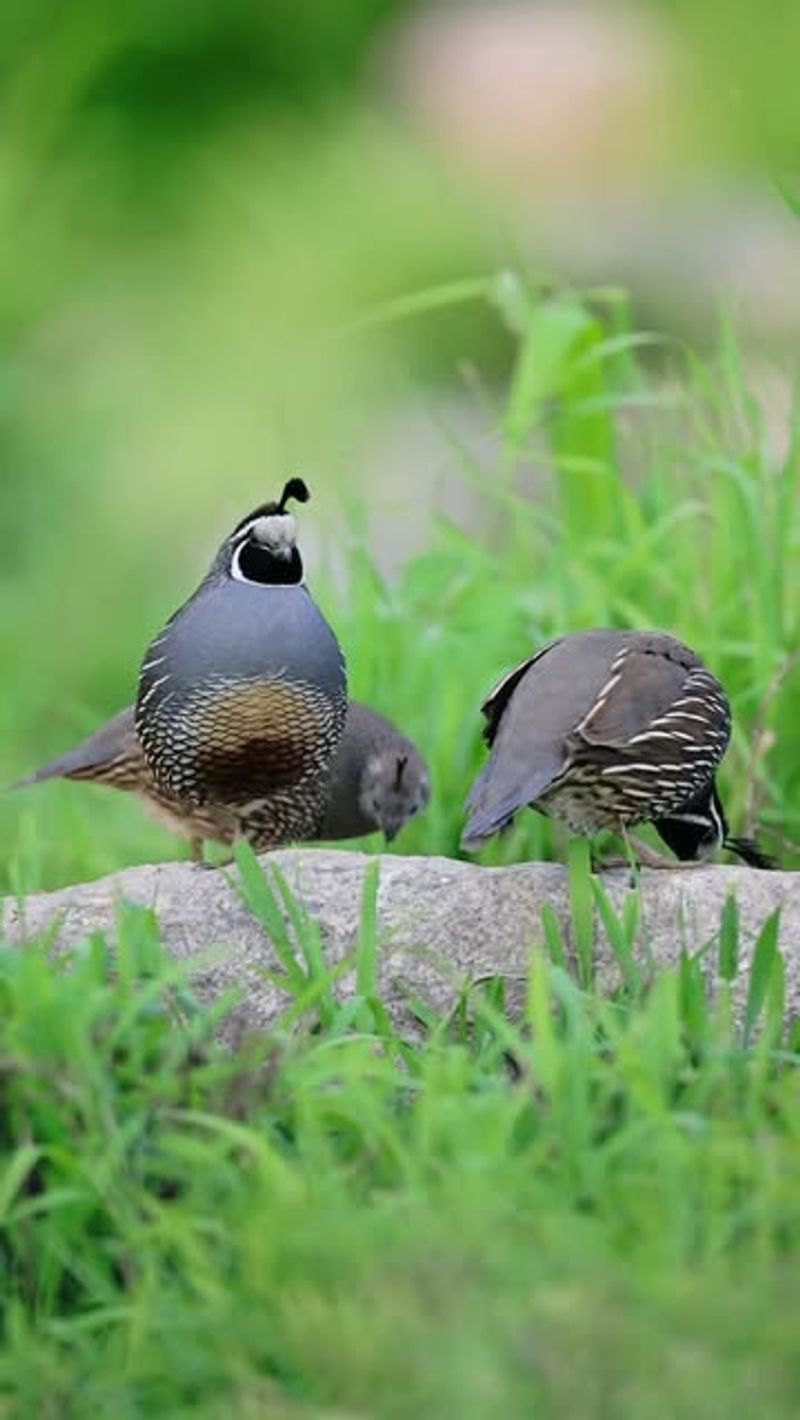
Quail notice routine.
A quiet corner that stays calm most mornings can become much more attractive than a busy bed near a patio, play area, gate, or dog run. Nesting birds need predictability, not constant surprise.
Human activity matters. Frequent pruning, mowing, edging, and loud tools near a nest can make the site feel unsafe.
Children mean well, but rushing toward a bird can scatter the group. A nesting area needs a no-chase rule.
Dogs can cause serious stress. Even a curious dog that never catches wildlife may push adults away from the nest.
Cats are an even bigger problem. Outdoor cats are dangerous to ground-nesting birds and young chicks.
Shift garden work temporarily. A suspected nesting shrub should be skipped until the birds move on naturally.
Reroute foot traffic. Use another path for a few weeks when quail begin visiting one area repeatedly.
Move noisy tasks away. String trimming, pressure washing, and major pruning can wait near an active nesting zone.
Watch from indoors. A window view gives you the pleasure of seeing the birds without changing their behavior.
Patience is practical habitat.
Sometimes the most helpful garden task is leaving one corner alone long enough for a family to finish using it.
6. Loose Soil Helps Chicks Forage
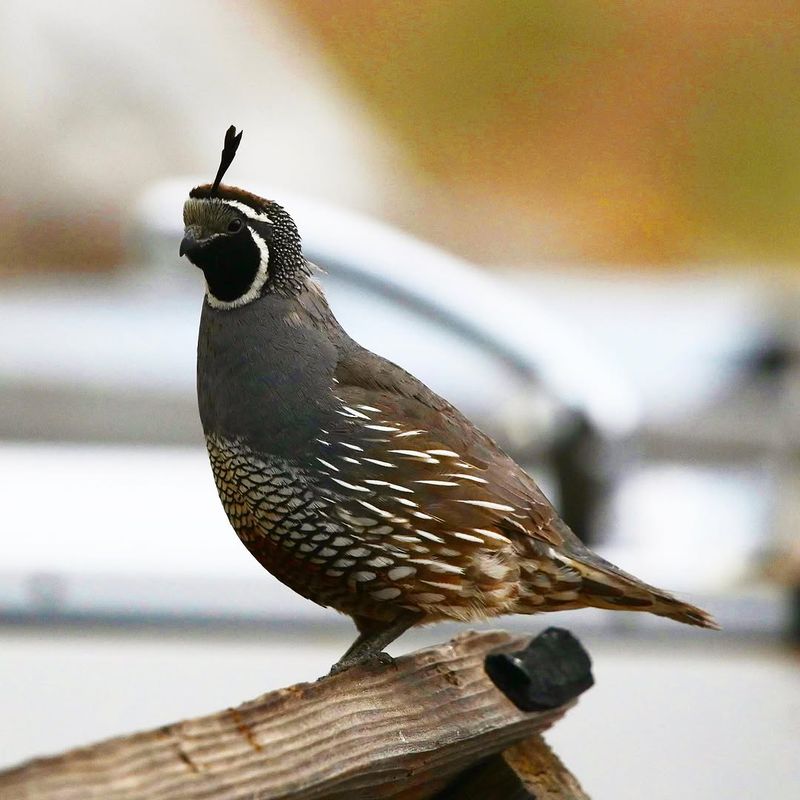
Tiny quail chicks need the right ground.
They can walk and follow adults very soon after hatching, but they are still small, delicate, and quick to tire. Loose soil near cover helps them scratch for food without moving too far into danger.
Compacted ground is harder to use. Chicks cannot work tight soil easily, and adults may spend less time foraging there.
Landscape fabric can be a barrier. It blocks access to soil and the small life moving through it.
Thick bark mulch can be awkward. Large chunks may bury insects and make footing harder for young birds.
Leaf litter over loose soil works better. It holds seeds, small insects, and natural cover without becoming a deep obstacle.
Open patches are useful when placed well. Bare soil right beside shrubs can support foraging and dust bathing.
Bare soil far from cover is risky. Chicks need escape options close by.
Avoid heavy raking during nesting season. Eggs, chicks, and hidden insects may all be present in the ground layer.
Skip pesticides in foraging zones. Chicks may feed on insects moving through that same soil.
A small, soft patch can matter. Loose ground near shelter gives young quail a safer place to learn how to feed.
7. Nearby Water Shortens Travel
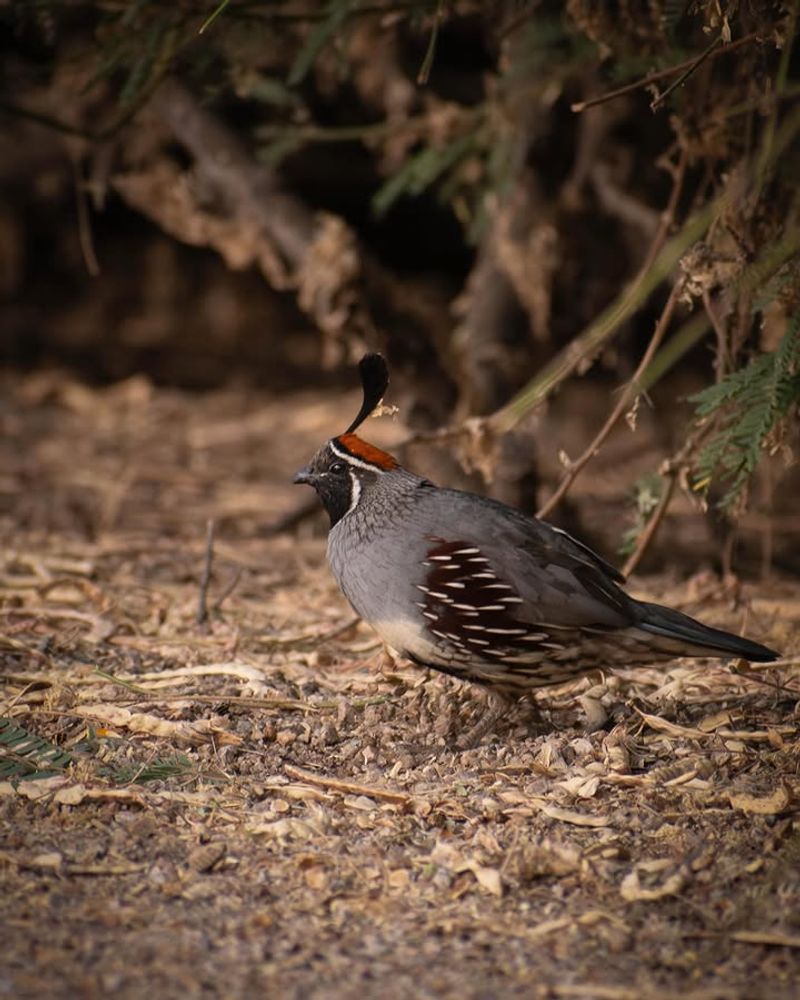
Water close to cover can make a yard more useful.
Adult quail can travel for water, but nesting changes the equation. A female tending eggs or guiding chicks benefits from resources that are close, safe, and easy to reach on foot.
Use a shallow source. A deep birdbath or steep-sided bowl can be dangerous for small birds.
A terracotta saucer can work well. Add pebbles or flat stones so birds have secure footing.
Keep water near cover. Birds prefer to drink where they can retreat quickly.
Do not tuck water deep inside dense shrubs. That can create an ambush point and collect debris fast.
Clean it often. Summer water grows algae and mosquito larvae quickly when ignored.
Refresh every couple of days. During heat, daily checks are even better.
Place water on level ground. A tipped saucer creates mud and loses usefulness.
Avoid attracting pets to the same spot. A drinking station should not become a place where cats or dogs wait.
Do not add food beside it. Food and water together can draw rodents and predators.
A simple water source can help, but only when kept clean.
For quail, safe water is shallow, visible, close to escape cover, and never allowed to become stagnant.
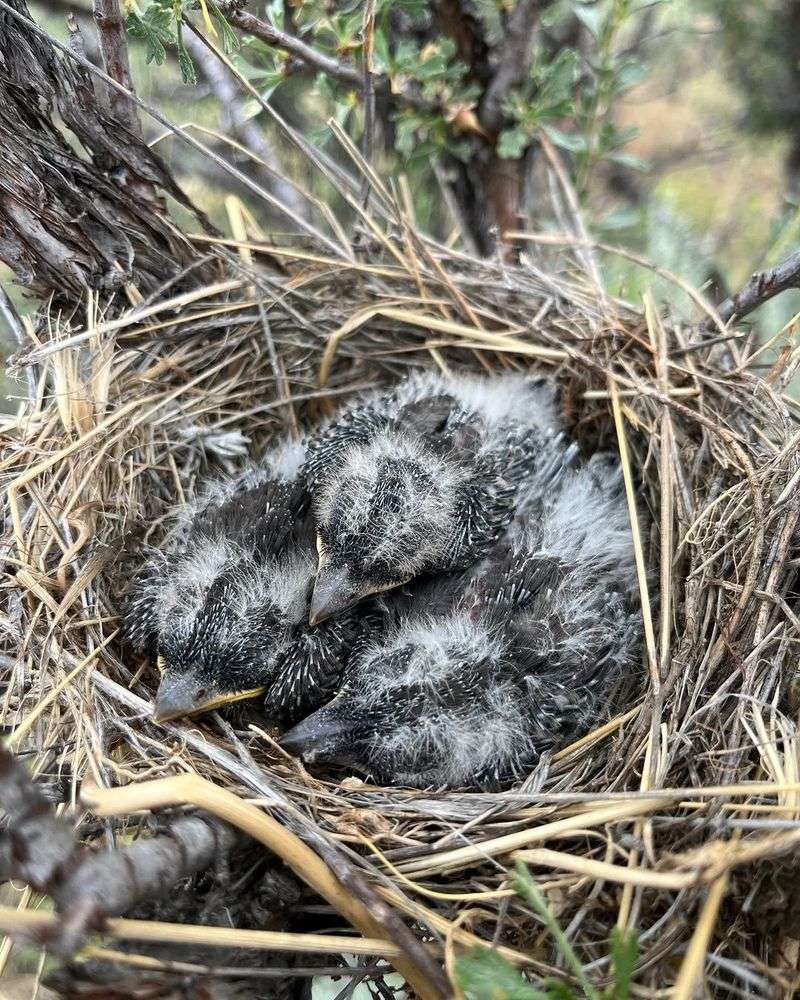
8. Leave Every Active Nest Alone
A dusty hollow may be intentional.
California quail use dust bathing to keep feathers in good condition and help manage external parasites. The behavior can look funny, with birds wriggling, fluffing, and tossing dust through their plumage.
Look for shallow depressions. A dust bath often appears as a small saucer-shaped hollow in fine soil.
The spot may be reused. Birds often return to a dust bath when it remains undisturbed.
Sunny areas are common. Dry, fine soil works better than damp ground.
Do not fill every bare patch. A small area of open dusty soil can be valuable wildlife habitat.
Keep it close to cover. Quail need a quick route back to shrubs when danger appears.
Avoid pesticide-treated areas. Birds should not bathe in dust that may carry harmful residues.
Do not confuse dust bathing with plant damage. A shallow bowl in bare soil is different from roots being pulled up.
Create a small dust zone when appropriate. Loosen fine soil in a quiet corner and let the birds decide.
Keep it away from heavy foot traffic. A frequently disturbed patch loses its value quickly.
A dust bath is a sign of comfort.
When quail use one in your yard, they are showing that the space feels safe enough for more than a quick pass-through.