The Root Vegetables Pennsylvania Gardeners Should Sow Now For Fall
Late summer gives Pennsylvania gardeners a second chance at the good stuff.
The tomato plants may look tired. Pepper beds may be slowing down. Weeds may be winning a few corners, and the garden can feel like it is coasting toward the end of the season. But under that worn-out summer look, fall planting is ready to begin.
Root crops love this handoff.
Warm soil helps seeds sprout quickly, while the cooler weeks ahead help roots develop better flavor, firmer texture, and that sweet finish fall gardeners wait for.
The challenge is timing. Sow too late, and roots stay small. Sow into rough soil, and they fork or stunt. Let the seedbed dry out, and germination can fail before the row even appears.
The window is open, but it will not stay open forever.
So which root vegetables should Pennsylvania gardeners sow now for a fall harvest?
Start with the fastest crops first, then decide which slower roots still have enough season left in your part of the state.
1. Round Radishes Deliver The Fastest Harvest
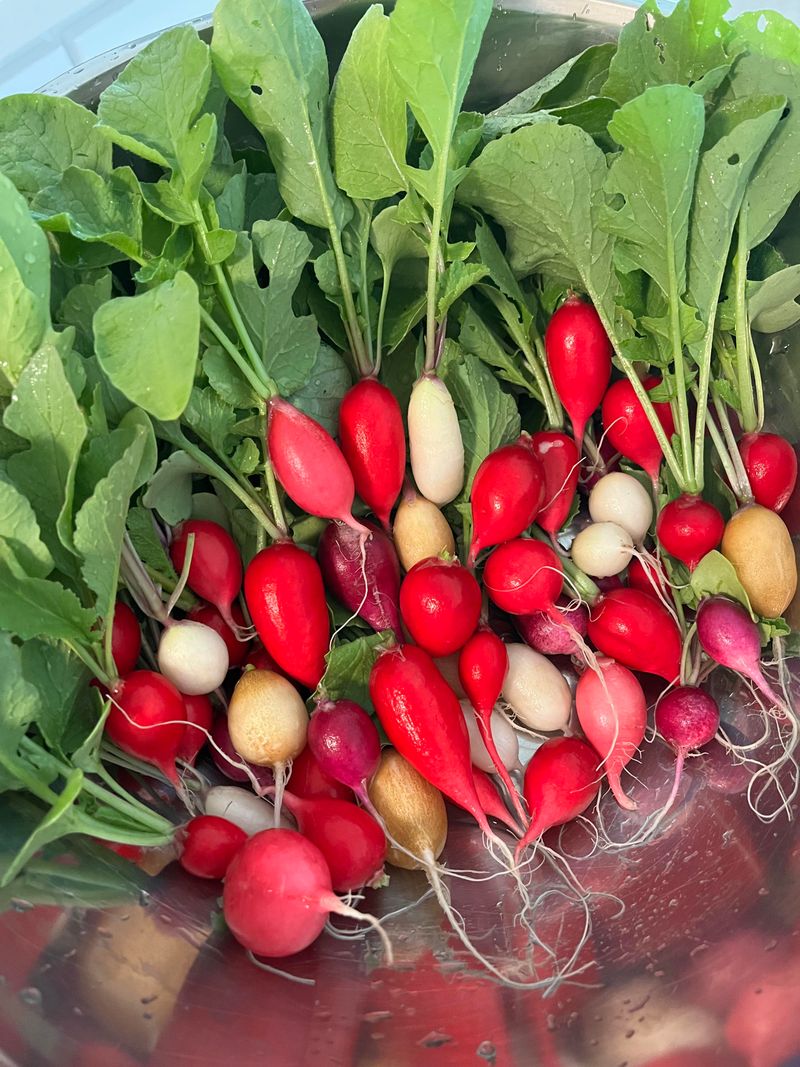
Round radishes are the speed crop of the fall garden.
They move from seed to harvest quickly, which makes them perfect for late-summer beds that just opened after exhausted summer vegetables. In many Pennsylvania gardens, quick varieties can size up in less than a month under good conditions.
That speed is useful. It gives gardeners in northern counties, mountain areas, and frost-prone pockets a realistic root crop even when the calendar feels tight.
Sow directly into the bed. Radishes do not need transplanting and perform best when their roots grow without disturbance.
Plant shallowly. A half-inch depth is usually enough for strong contact without burying the seed too deeply.
Give them space early. Seedlings can start close, but crowded radishes stay thin, pithy, or misshapen.
Thin to about two inches apart. That small gap gives each root room to swell into a crisp globe.
Moisture decides quality. Dry soil followed by a sudden soak can crack roots or make them tough.
Use a light mulch once seedlings appear. Straw, shredded leaves, or fine compost can help keep moisture steadier.
Harvest promptly. A radish left too long in warm soil can turn hot, woody, and disappointing.
Succession sowing works beautifully. A short row every ten days can keep harvests coming through early fall.
Round radishes are not fancy.
They are fast, dependable, and exactly the kind of crop that makes a tired late-summer garden feel productive again.
2. Daikon Radishes Need Deeper Soil
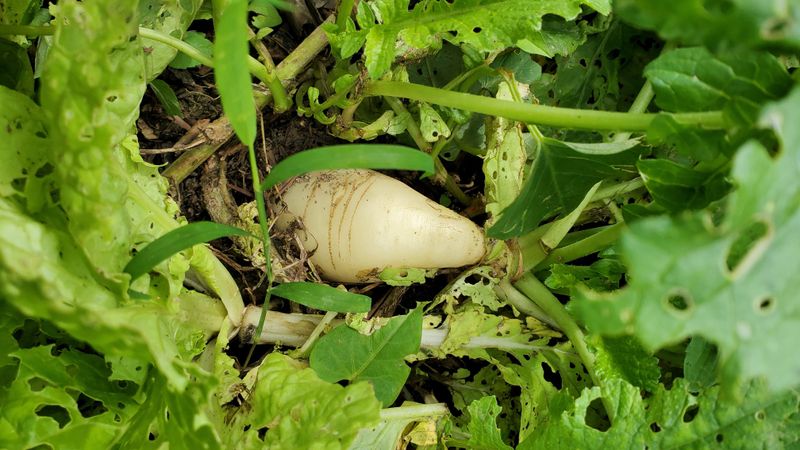
Daikon radishes ask for more room below ground.
Unlike quick round types, these long roots need loose, deep soil and a longer growing window. A well-grown root can stretch far down into the bed, which means soil preparation matters before the seed goes in.
Compacted ground causes trouble. Stones, hard clay, roots, and clods can force daikon to fork, twist, or stop short.
Work the bed deeply. The top foot or more should be loose enough for the root to travel straight.
Your Pennsylvania Garden Changes Every Week. Your Plan Should Too.
Gardening in Pennsylvania changes quickly throughout the season. Every Friday you’ll receive a simple weekly plan showing exactly what to plant, prune, fertilize, harvest, and protect so you never miss the right timing.
Do not overdo nitrogen. Too much leafy growth can come at the expense of a clean, well-shaped root.
Sow in late summer while time remains. Daikon needs more days than small radishes, so earlier planting gives the best fall results.
Plant seed about a half-inch deep. Keep the row evenly moist until sprouts appear.
Thin with confidence. Crowded daikon plants will not make impressive roots.
Give each plant several inches of space. The leafy tops also need airflow as they expand.
Cool weather improves flavor. Roots that mature during chilly nights often taste sweeter and less sharp than roots pulled in heat.
Harvest before the ground becomes difficult. Large roots can be harder to pull once cold weather firms the soil.
Use them fresh, roasted, or pickled. Their crisp texture makes them one of the most versatile fall roots.
Daikon is not the crop to squeeze into a shallow, neglected bed.
Give it depth, spacing, and enough time, and it turns late-summer sowing into a serious fall harvest.
3. Baby Beets Offer Roots And Greens
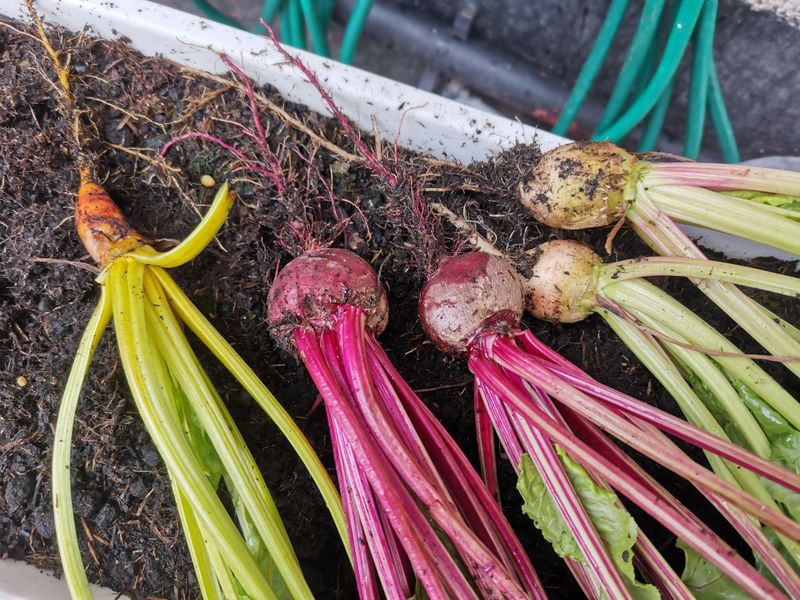
Beets give two harvests from one row.
The roots are the obvious prize, but the greens are useful long before the roots reach full size. That makes beets especially rewarding in fall, when every square foot of garden space matters.
Beet seed is unusual. What looks like one seed is often a small cluster that can produce more than one seedling.
That means thinning is not optional. Several sprouts may appear from one planting spot.
Use scissors for thinning. Snipping extras at soil level avoids disturbing the seedling you want to keep.
Sow about a half-inch deep. Warm late-summer soil usually helps germination, but moisture must stay steady.
Some gardeners soak seed before planting. A short soak can soften the seed coat and encourage more even sprouting.
Aim for baby roots. Beets harvested at one to two inches across are tender, sweet, and quick to cook.
Larger roots need steadier care. Dry spells can make texture tougher and flavor earthier.
Do not strip the leaves. Harvest a few outer greens, but leave enough foliage to feed the developing root.
Keep the soil evenly moist. Moisture stress can create poor texture and uneven internal color.
Thin to about three or four inches for fuller roots. Closer spacing works only when baby beets are the goal.
Beets handle light frost well. That gives Pennsylvania gardeners extra breathing room in many fall seasons.
A beet row is practical and generous.
It feeds you early with greens, then comes back with sweet roots once cool weather deepens.
4. Short Carrots Beat Heavy Soil
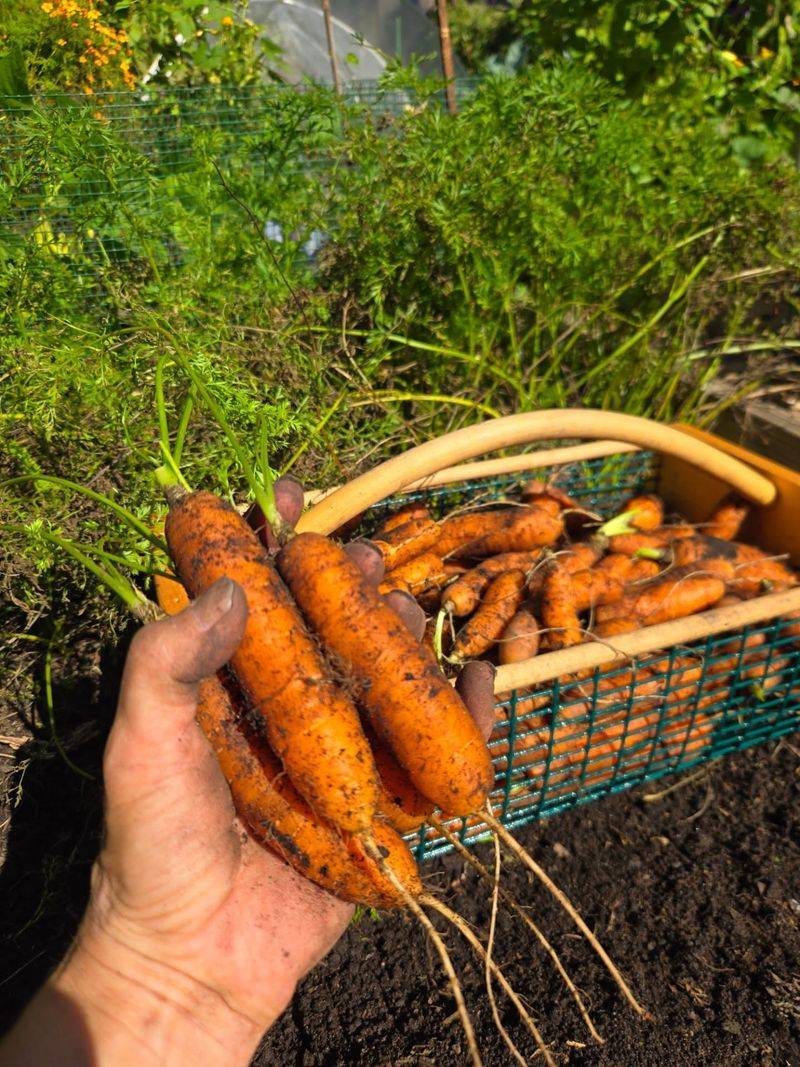
Short carrots are the smart choice for many Pennsylvania beds.
Long, slender carrots look beautiful in seed catalogs, but heavy soil can make them frustrating. A root that hits clay, stones, or compacted layers will fork, bend, or stop growing before it reaches full size.
Shorter types solve much of that problem. Nantes, Chantenay, and other blunt-rooted varieties can size up well in beds that are prepared carefully but not perfectly sandy.
Start with a fine seedbed. Carrot seed is tiny and needs close contact with loose soil.
Remove stones and clods. Anything hard in the path can shape the root badly.
Work the top eight to ten inches. Even shorter carrots need a smooth runway below the surface.
Sow shallowly. A quarter inch of fine soil cover is often enough.
Keep the row damp. Carrot seed can take longer to sprout than impatient gardeners expect.
Use burlap or light row cover during germination. Remove it as soon as seedlings appear.
Water gently. A hard stream can wash the seed into piles or bury it too deeply.
Thin early. Crowded carrots stay skinny no matter how long they remain in the ground.
Leave two to three inches between plants. That spacing gives each root room to develop properly.
Fall cold improves sweetness. Carrots often taste best after cool nights begin working on their starches.
Short carrots are not a compromise.
They are the practical Pennsylvania answer to heavy soil, tight timing, and the dream of crisp fall roots.
5. Turnips Handle Cooling Nights
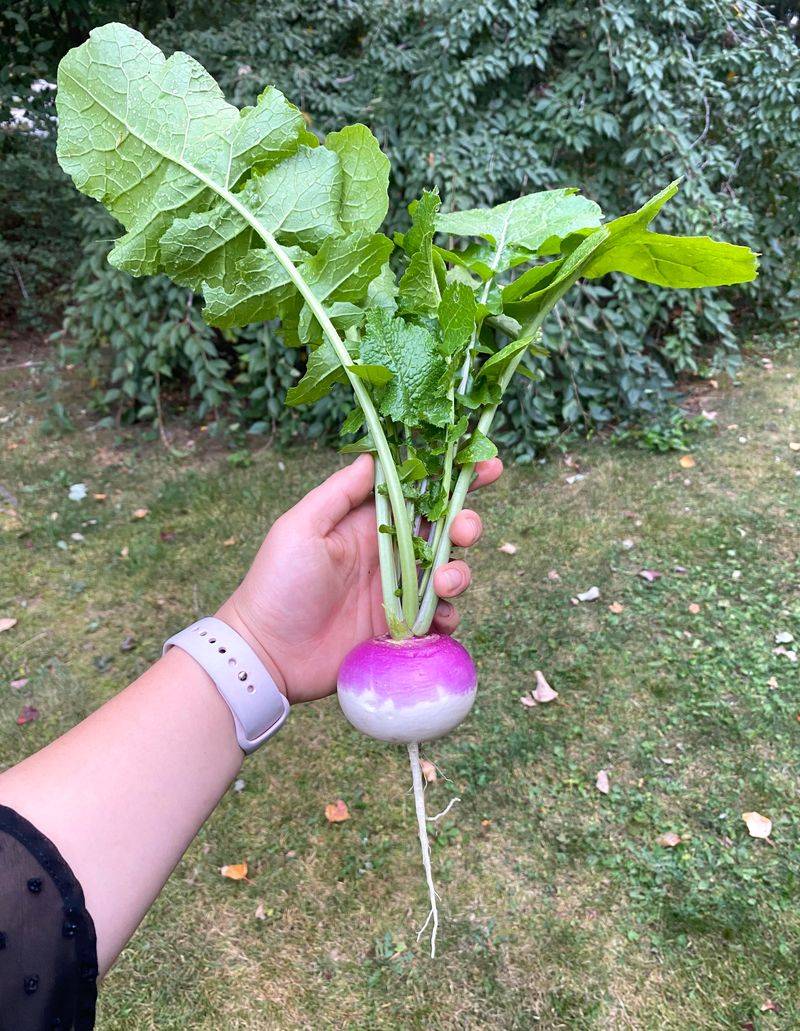
Turnips are quick, tough, and underrated.
They germinate readily in warm late-summer soil, then grow into cooler weather with very little fuss. For Pennsylvania gardeners who want both roots and greens, they are one of the most useful fall crops to sow.
The roots mature fast. Many varieties can reach harvest size in about six to eight weeks.
The greens come sooner. Tender young leaves can be picked lightly while roots continue to grow.
Sow directly into prepared soil. Turnips do not need transplanting and prefer an uninterrupted start.
Plant shallowly. A quarter to half inch of soil cover is usually enough.
Thin before the row gets crowded. Small seedlings left too close together produce small roots.
Give roots four to six inches of space. Larger varieties need more room than salad-sized types.
Cool nights improve flavor. A light frost can make the roots sweeter and less sharp.
Harvest at two to three inches wide. Bigger turnips can become woody or strong flavored.
Keep moisture even. Dryness can make roots tough and bitter.
Use greens young. Older leaves can become stronger in flavor, especially after stress.
Try them in more than soups. Roasted turnips, mashed turnips, and sautéed greens all earn a place in fall cooking.
Turnips are forgiving, but not careless.
They reward timely sowing, steady moisture, and prompt harvest with fast food from a cooling garden.
6. Rutabagas Need An Early Start
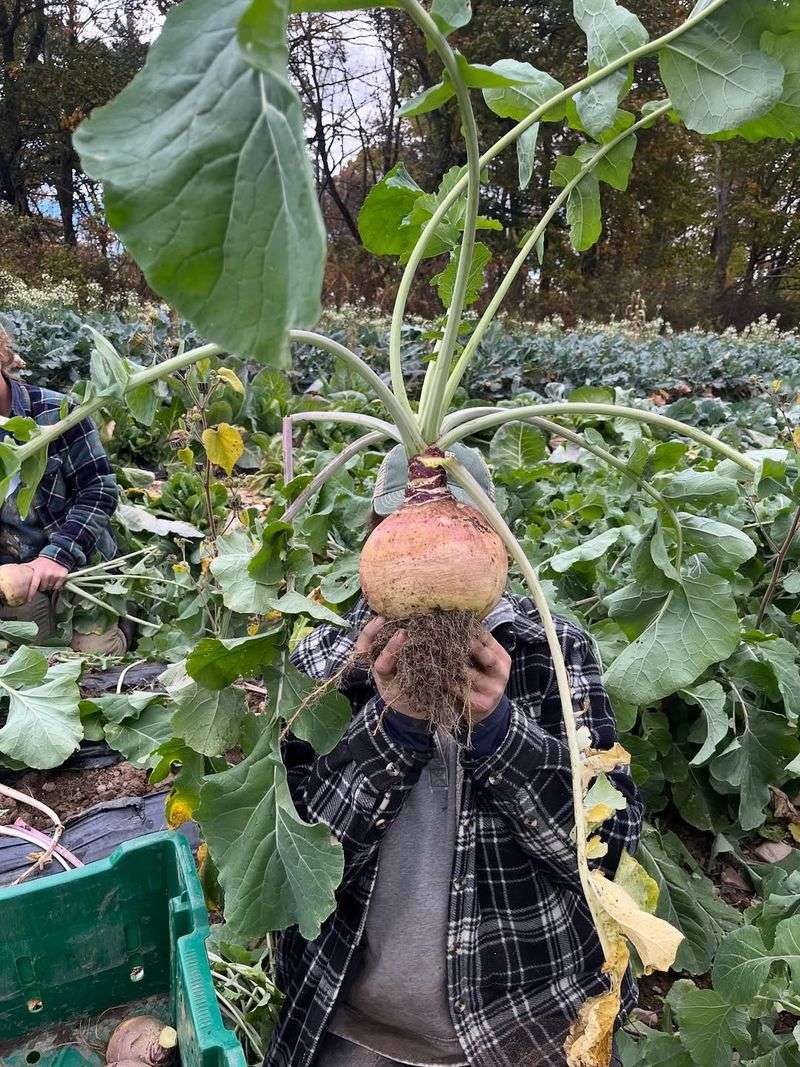
Rutabagas are the slow roots on the list.
They are delicious in a fall garden, but they demand more calendar space than many gardeners realize. By late summer, the planting window may already be tight or closed in colder parts of Pennsylvania.
That timing matters. Rutabagas often need close to three months or more to produce full, usable roots.
Northern counties need the earliest sowing. Mountain and high-elevation areas run out of growing time faster.
Southern and southeastern gardens have more flexibility. Even there, late sowing can leave roots undersized.
Sow as early as the fall calendar allows. Gardeners planning ahead often start rutabagas in early to midsummer for autumn harvest.
Plant seed about a half-inch deep. Keep the row evenly moist during germination.
Thin generously. Rutabagas need more room than turnips because the roots grow larger.
Aim for eight to ten inches between plants. Crowding leaves them small and slow.
Consistent moisture keeps texture better. Dry spells can create a tougher, more fibrous root.
Cold improves flavor. Rutabagas often taste better after frosty nights mellow their bite.
Leave them in the ground where conditions allow. They can handle more cold than many other roots.
Harvest before the ground locks hard. Frozen soil can make digging difficult even when the root itself is hardy.
Rutabagas are worth growing, but they do not forgive delay.
They belong to gardeners who count backward early and give the crop the long runway it needs.
7. Parsnips Require The Longest Window
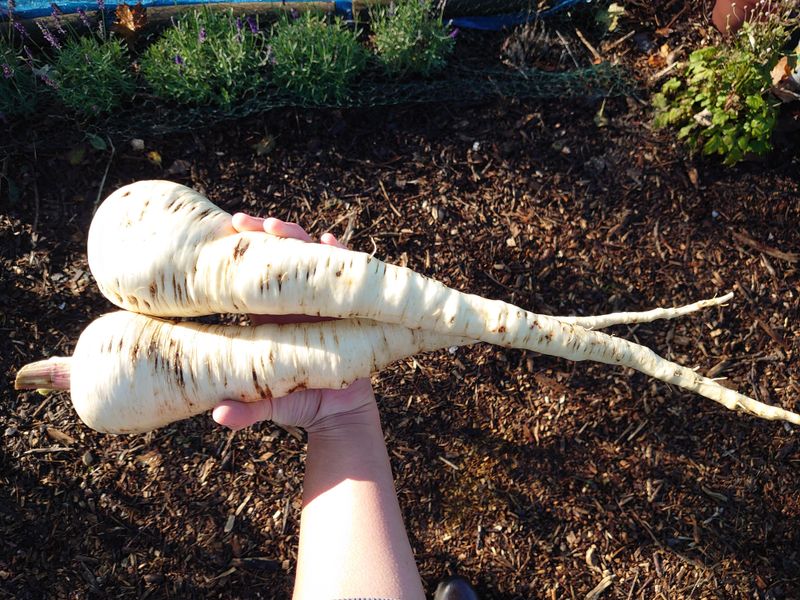
Parsnips are a lesson in patience.
They take longer than almost every other root crop in the fall garden, and their germination can be slow enough to test anyone’s confidence.
By late summer, a full fall harvest is often unrealistic in much of Pennsylvania unless the seed went in much earlier.
The flavor explains the effort. Cold weather turns parsnips sweeter, richer, and more complex than many other roots.
The timeline is the hard part. Many varieties need well over 100 days, and germination alone can stretch for weeks.
Fresh seed is essential. Old parsnip seed loses strength quickly and can leave empty rows.
Prepare deep soil. Parsnips can grow long, and they fork easily in compacted or stony ground.
Sow shallowly. A quarter inch of fine soil cover is usually enough.
Keep moisture steady for a long time. The seedbed must not dry out during the slow germination period.
Mark the row clearly. Parsnips can take so long to appear that unmarked rows are easy to disturb.
Thin seedlings carefully. Three to four inches between plants gives roots room to fill out.
Mulch for overwintering where practical. A protective layer can make winter digging easier in milder parts of the state.
Cold is part of the reward. The best flavor usually comes after frost has worked through the roots.
Late sowing is usually a gamble.
Parsnips are best planned months ahead, but gardeners who already planted them can look forward to one of fall’s sweetest harvests.