What It Means When An Indigo Bunting Turns Up In Your Indiana Garden This Summer
You catch a flash of color near the fence post, sharper and more electric than anything that has visited your feeder all season. It stays just long enough to register, then it is gone before you can even reach for your phone.
This is not the bird your Indiana yard usually hosts, and that is exactly what makes the moment worth paying attention to. Some visitors do not show up out of luck. They show up because something in the space they landed on is doing its job.
If this particular traveler picked your garden over every other yard on the block, that is not random. It is a signal, and most people miss it without realizing what they are looking at.
Keep reading to find out exactly which bird just claimed your fence post, and what your garden is doing right to deserve the visit.
Bright Blue Songbird Signaling a Healthy Indiana Garden
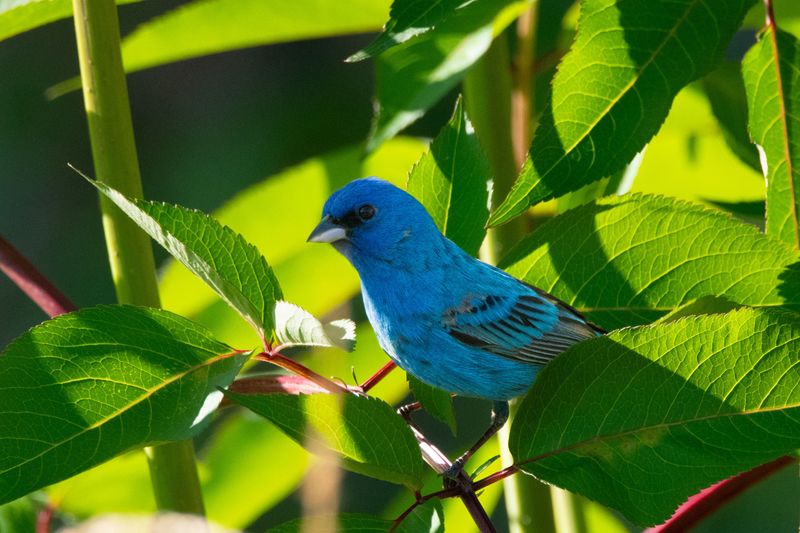
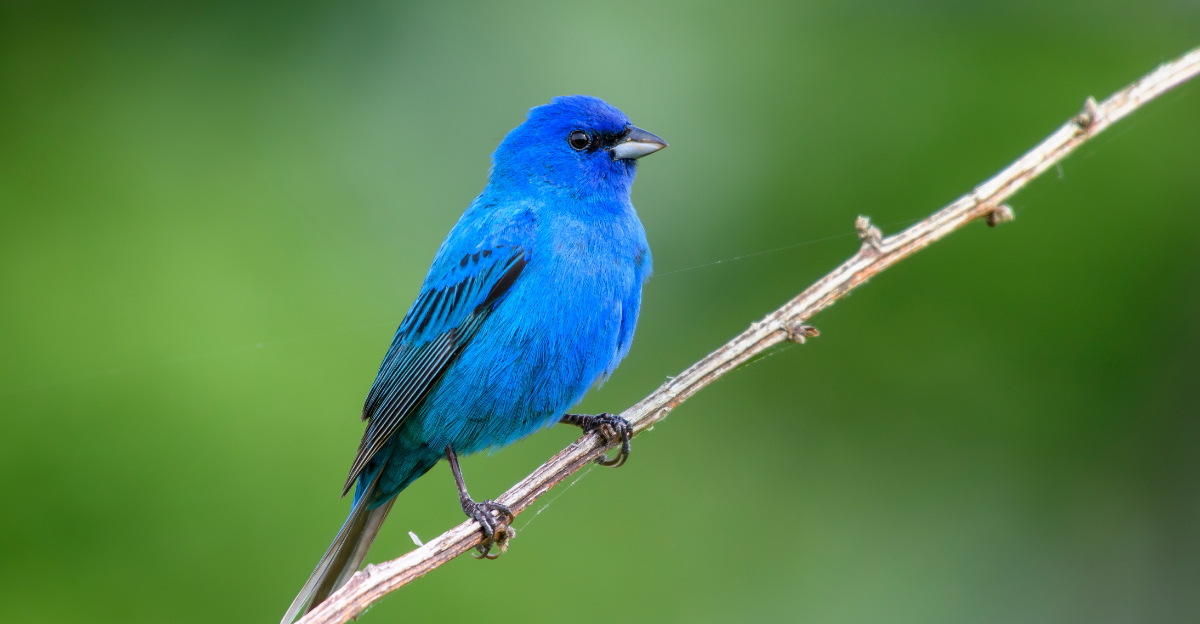
That flash of electric blue is not a trick of the light. A male indigo bunting in full summer plumage is one of the most jaw-dropping sights any backyard birder can witness.
Indigo buntings are small, finch-like birds that weigh about half an ounce. Their feathers do not actually contain blue pigment; they scatter light to produce that stunning color.
Seeing one in your Indiana garden this summer is a genuine signal. It tells you that your yard offers something wild birds actively seek out.
Healthy gardens attract healthy wildlife. When a bunting chooses your space, it means you have a working ecosystem, not just a pretty patch of flowers.
These birds prefer areas with dense shrubs, open edges, and seed-producing plants nearby. A yard that checks those boxes becomes a magnet for them.
Buntings are also sensitive to pesticide use. If one visits regularly, your garden likely has a low chemical load, which benefits every creature living there.
Neighbors may never see one all season. Your garden standing out to a bunting means it genuinely offers food, shelter, and safety in ways other yards do not.
Think of a visiting bunting as a living report card for your outdoor space. It grades your garden as excellent, and that is worth celebrating with a second cup of coffee.
Indigo Bunting Range and Breeding Season Across Indiana
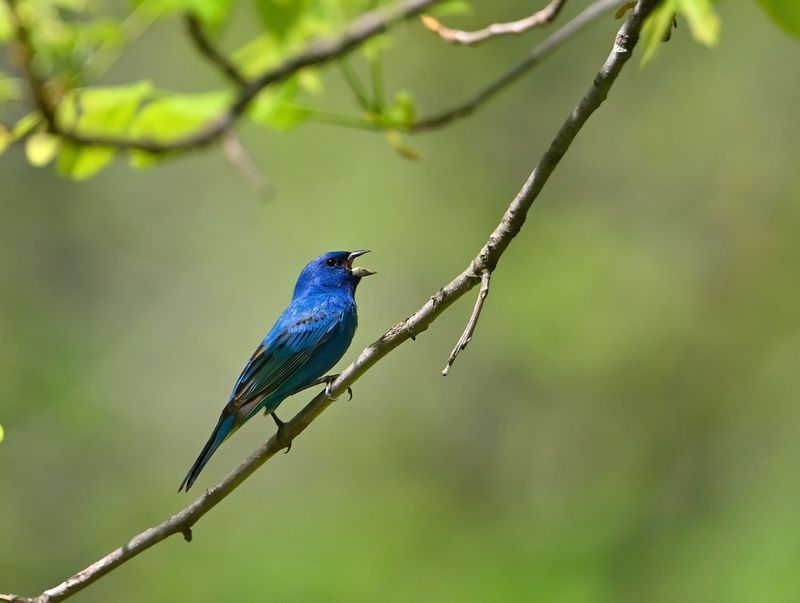
Buntings travel far to reach your yard. These birds winter in Central America and the Caribbean, then fly north each spring to breed across the eastern United States.
Indiana sits squarely in their core breeding range. Males typically arrive in early May, and females follow within a week or two after them.
By June, most pairs have already claimed territory. The male sings from a high perch, sometimes for hours, to defend his patch and attract a mate.
Breeding season in Indiana runs from May through August. During that window, your garden has the best chance of hosting a pair or even a returning family group.
Young males look brownish with hints of blue. First-year birds are often confused with sparrows until that telltale blue starts bleeding through their feathers mid-summer.
Your Indiana Garden Changes Every Week. Your Plan Should Too.
Gardening in Indiana changes quickly throughout the season. Every Friday you’ll receive a simple weekly plan showing exactly what to plant, prune, fertilize, harvest, and protect so you never miss the right timing.
Females are plain brown with faint streaking on the breast. Spotting one near your feeders means a male is almost certainly nearby, even if you have not seen him yet.
By late August, families begin grouping together before the long migration south. Keeping feeders stocked through September can catch these departing flocks at their hungriest.
Understanding this seasonal rhythm helps you prepare your garden at exactly the right time. A little planning before May turns your yard into a reliable stop on their annual journey across the continent.
Habitat Features That Draw These Birds Into Yards
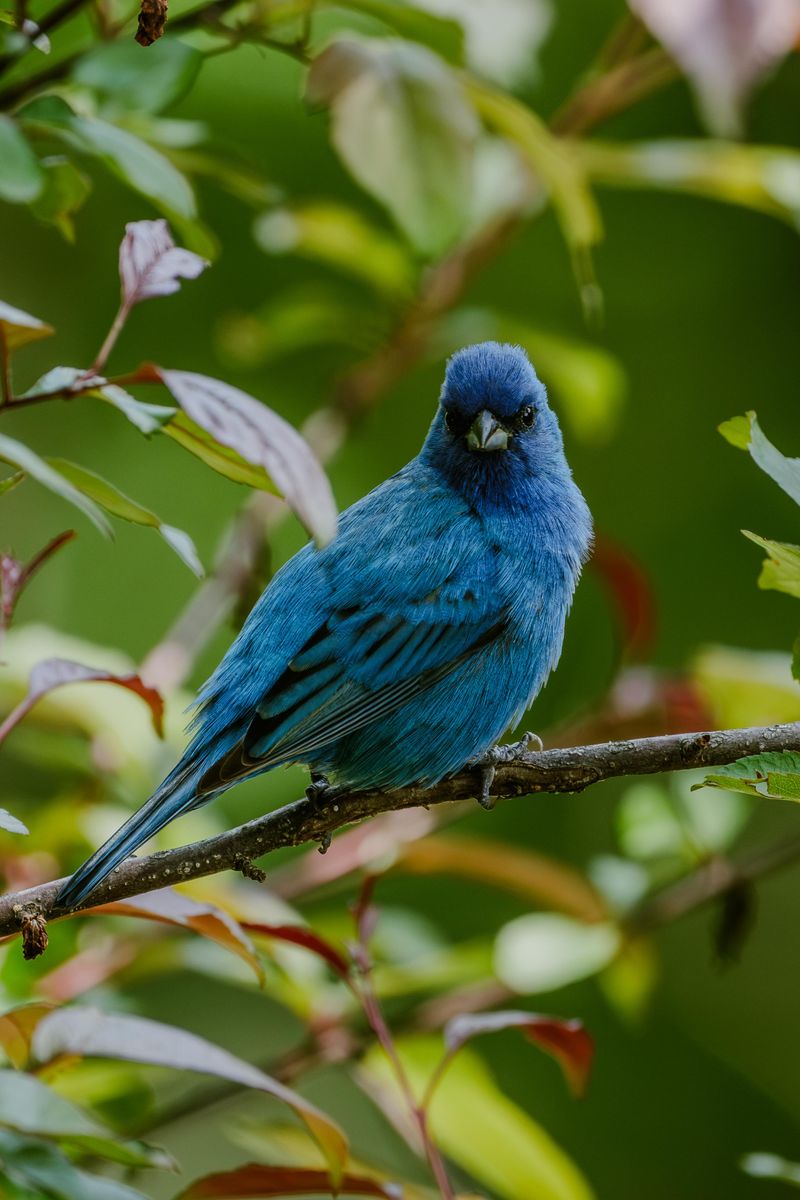
Buntings are edge birds at heart. They love the boundary where open ground meets dense shrubs or woodland, which is exactly what a well-planted suburban yard can offer.
A manicured lawn with no structure will not attract them. Add some layered planting, and suddenly your yard starts looking like prime bunting real estate.
Tall grasses near a fence line are a major draw. Buntings forage along the ground and need cover close by so they can retreat quickly if a hawk appears overhead.
Brush piles are surprisingly effective. A loose stack of sticks and branches in a back corner mimics the tangled undergrowth these birds rely on in the wild.
Water is another powerful attractant. A shallow birdbath placed near dense shrubs gives buntings a safe place to drink and bathe without feeling exposed to predators.
Avoid keeping your yard too tidy. Leaving some seed heads standing on spent flowers through summer gives foraging birds a natural buffet right at ground level.
Sunlight matters too. Buntings prefer partly sunny spots with some open sky above, so they can watch for danger while feeding below in the vegetation.
Layering your plantings from low ground covers up to mid-height shrubs and then taller trees creates the exact habitat structure that makes a bunting feel at home all season long.
Feeder Setups and Seed Choices That Attract Them
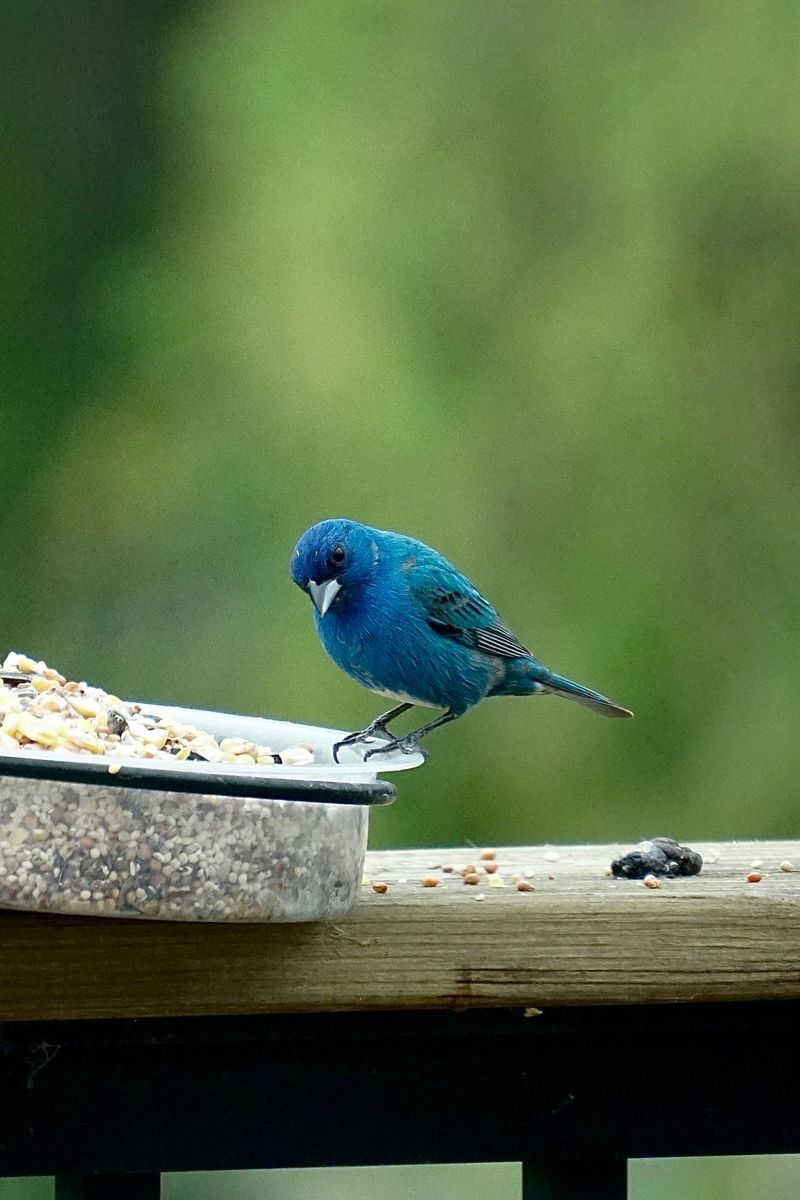
White proso millet is the magic word for buntings. If your feeder holds sunflower seeds only, you may be missing the one food these birds actually prefer most.
Buntings are ground foragers by nature. They feel most comfortable eating from low platform feeders or from seed scattered directly on bare, clean ground beneath a shrub.
Tube feeders with small ports also work well. Place them no higher than chest level so the birds do not have to perch awkwardly while feeding in the open.
Location matters as much as seed type. Position feeders within ten feet of dense cover so birds can dart to safety without crossing a wide, exposed stretch of lawn.
Nyjer seed, often called thistle, is another solid option. Buntings occasionally feed on it, especially when millet runs low or other finches have claimed the primary feeder spots.
Keep feeders clean and dry. Wet, moldy seed is ignored by buntings and can actually drive away the birds you worked hard to attract in the first place.
Squirrel baffles help protect your seed supply. When squirrels drain feeders daily, birds stop visiting because they learn the food source is unreliable and not worth the trip.
Set up a simple camera near your feeder once buntings appear. You will capture footage that makes every neighbor jealous and proves your garden is doing something genuinely special this summer.
Native Plants and Shrubs That Offer Cover and Food
Native plants are the secret weapon most gardeners overlook. They evolved alongside local wildlife, which means birds like buntings are wired to recognize and trust them instinctively.
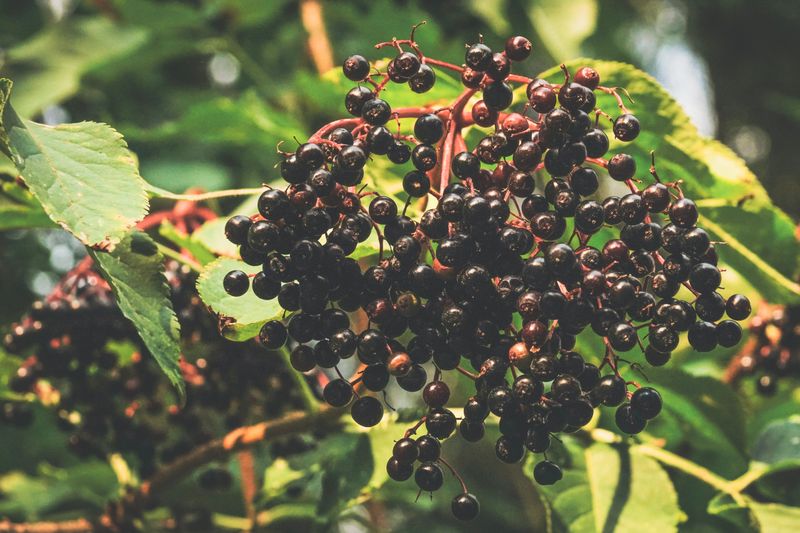
Elderberry is a top choice for bunting habitat. It grows fast, produces berries by late summer, and creates exactly the dense, mid-height cover these birds love to nest near.
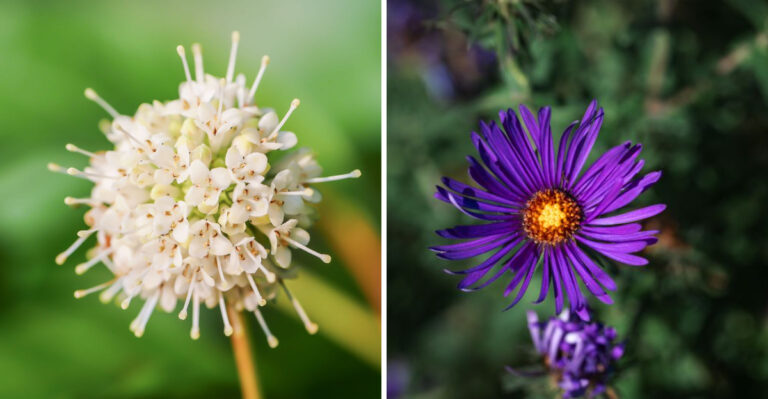
Purple coneflower, also called echinacea, is a double winner. Its blooms attract insects in summer, and its seed heads feed finches well into the fall season.
Native grasses like little bluestem and switchgrass are worth planting in bunches. Their seed heads feed buntings directly, and their dense clumps provide low cover for ground-level foraging birds.
Serviceberry is another excellent shrub to consider. It fruits early in the season and draws many species, creating bird activity that signals to buntings that your yard is a safe zone.
Dogwood shrubs, especially red-twig varieties, provide both fruit and nesting structure. Female buntings sometimes build their cup-shaped nests low in dense shrubby growth just like dogwood branches.
Avoid invasive shrubs like burning bush or barberry. They look tidy but offer little real value to native wildlife and can crowd out the plants that buntings actually depend on.
Swapping even two or three plants for native alternatives this season can make a measurable difference in the birds your Indiana garden attracts before summer ends.
Signs Your Garden Could Become a Nesting Site
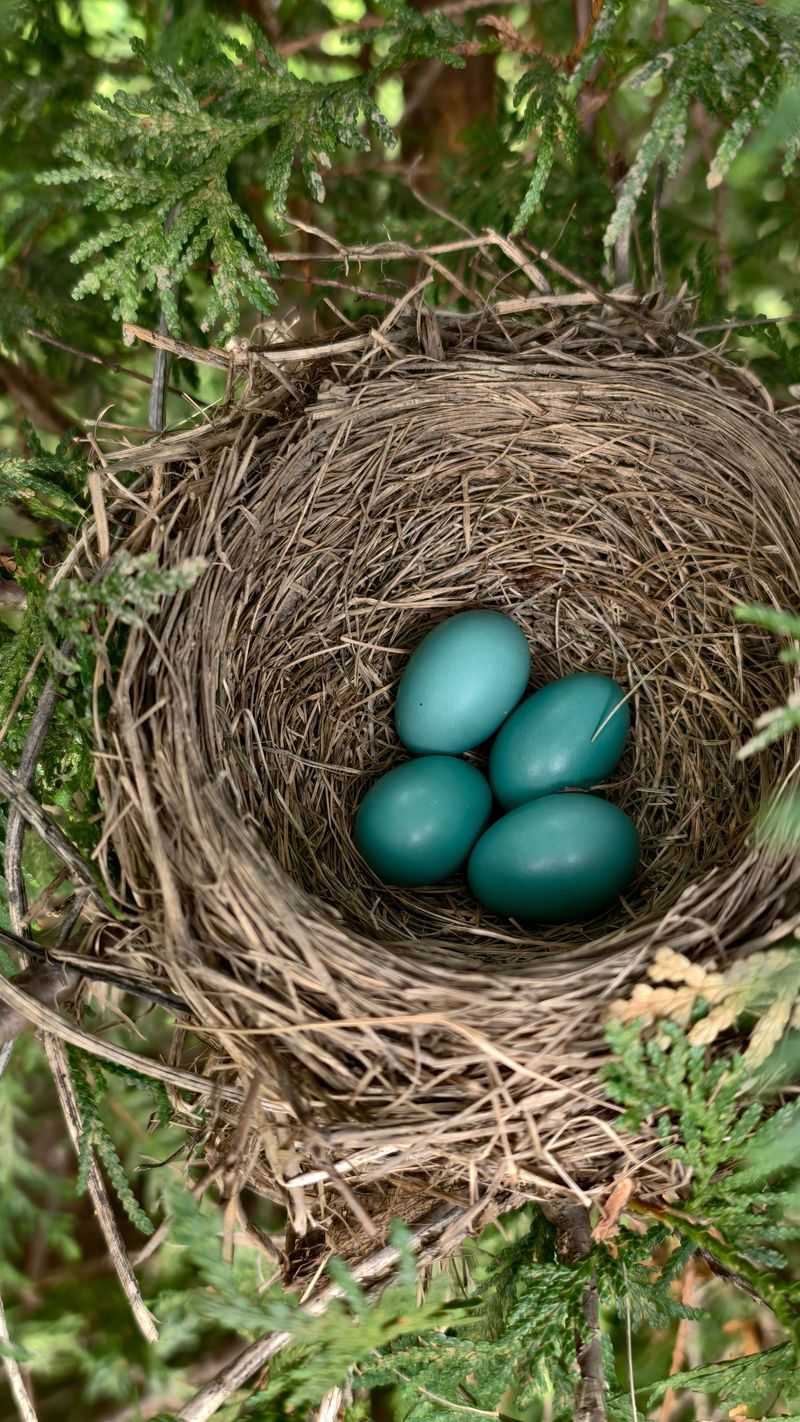
Hearing a male bunting sing from the same spot every morning is a strong clue. Repeated singing from one perch means he has claimed that area as his breeding territory.
Watch for the female. She is the one who actually builds the nest, weaving a tight cup from grasses, bark strips, and leaves low in a dense shrub.
If you spot a brown female carrying nesting material, do not approach. Give her space, because disturbing her during nest building can cause the pair to abandon the nest site.
Nests are typically placed one to three feet off the ground. They are small, compact, and surprisingly hard to find even when you know roughly where to search in the shrubs.
Once eggs are laid, the female incubates them for about twelve days. The male continues singing nearby but rarely visits the actual nest, keeping predators from noticing its location.
Young buntings leave the nest before they can fully fly. You may see fluffy, short-tailed juveniles hopping near ground level while a parent watches nervously from a branch above them.
Leave a section of your yard slightly wild through the entire season. Unmowed grass, standing stems, and undisturbed shrubs give nesting pairs the stability they need to raise a family successfully.
A garden that hosts nesting indigo buntings this summer is one worth protecting all year. That tiny blue bird chose your space, and giving it a reason to return is the best gardening goal you can set.