10 Proven Ways To Naturally Repel Pests From Your Montana Vegetable Garden
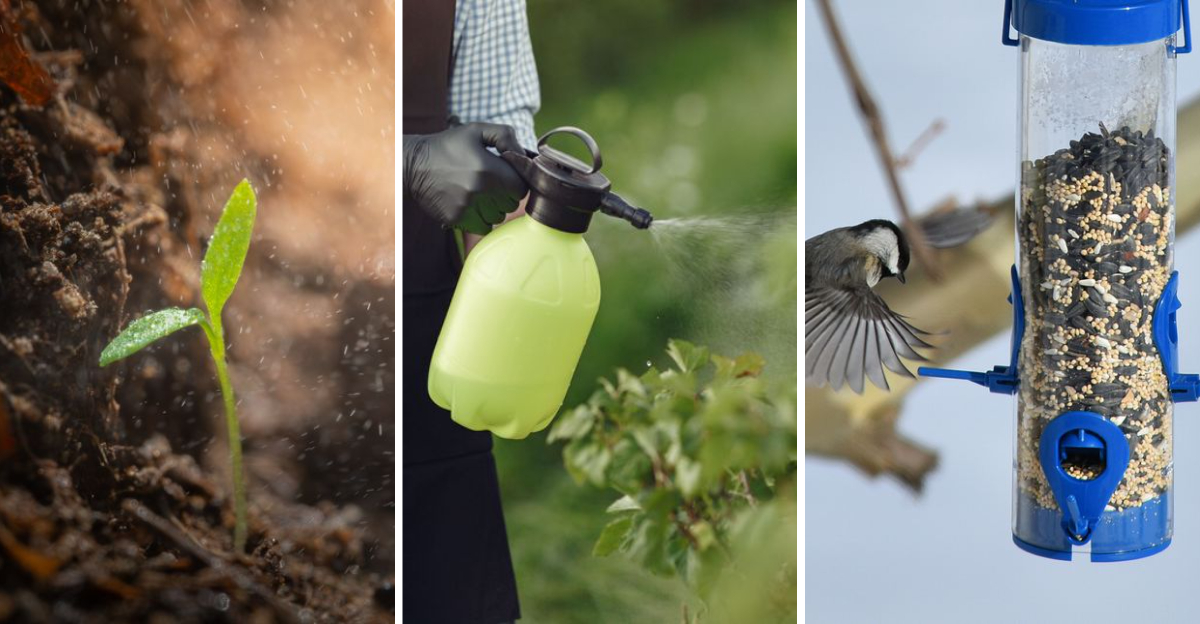
Slugs reach your seedlings before you even wake. Aphids weaken your plants within hours of arriving. Montana winters end abruptly, but garden threats start again immediately after.
Deer test your fences the moment temptation strikes. Rabbits find your lettuce before you finish planting it.
Beetles damage your leaves with alarming, surprising speed. Chemical sprays might remove pests, but they harm your soil too.
Predatory insects can protect your crops without costing you anything. Companion planting confuses hungry pests long before they reach your rows.
Marigolds and garlic disrupt the scent trails pests use to find you. Barriers and simple traps shift the odds firmly in your favor.
Timing your planting correctly can outsmart pests before they arrive. Smart choices now protect your entire Montana harvest going forward.
Every method here gives you real control over your garden’s fate. Ignore these tactics, and your vegetables become someone else’s dinner.
1. Plant Marigolds Around Vegetable Bed Borders
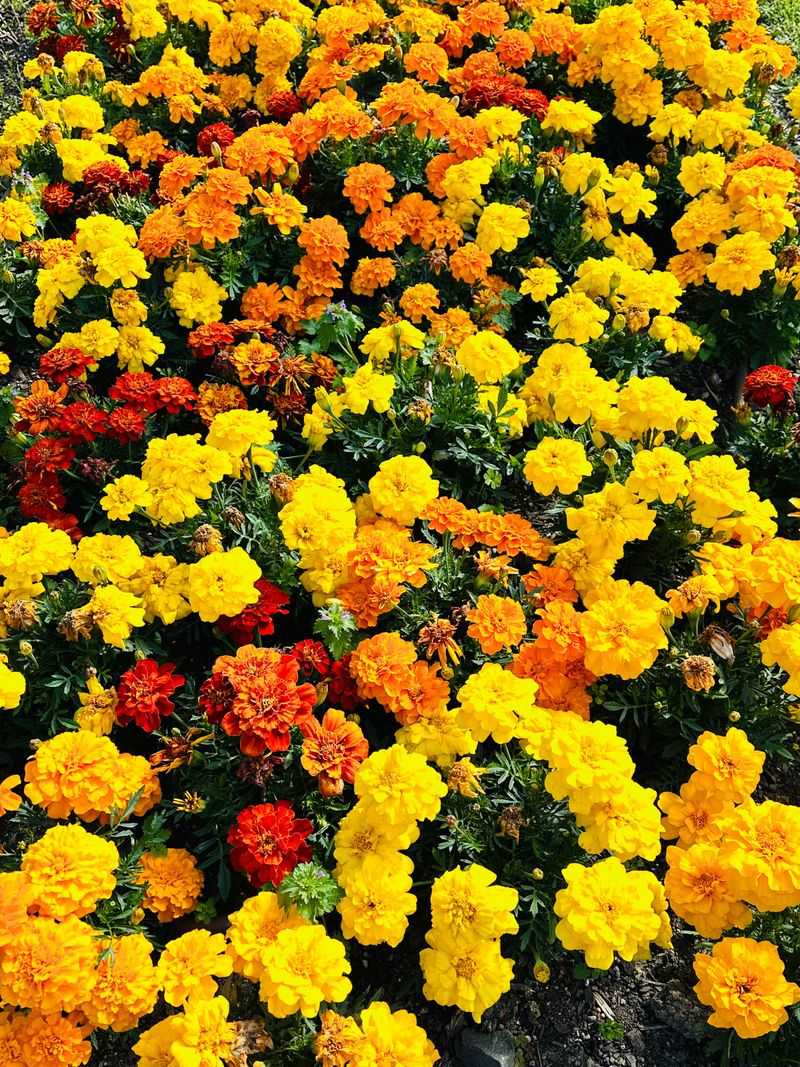
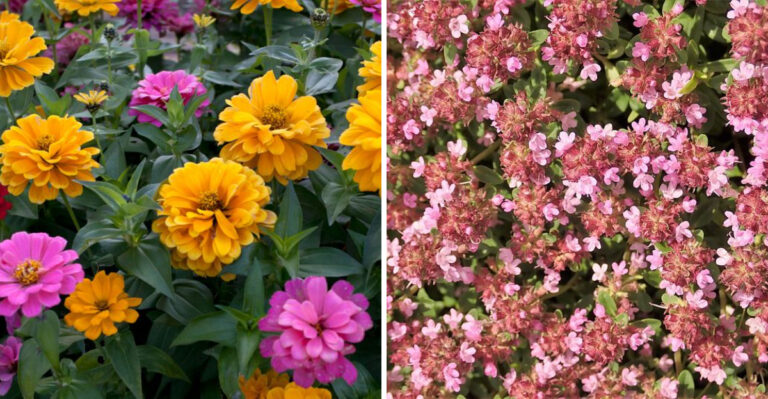
Marigolds are the unsung heroes of the vegetable garden. Their bold scent is believed to help deter several common pests, though nematode suppression is the effect with the strongest research support.
Gardeners have used marigolds as a natural barrier for generations. The flowers release compounds called thiophenes, which many insects find unpleasant.
Planting a thick border of marigolds around your beds creates a fragrant wall of protection. Space them about six inches apart so the scent forms a continuous barrier your pests will avoid.
French marigolds are especially powerful because they are compact and bloom all season long. Their roots even release pest-repelling compounds into the soil beneath your vegetables.
You can start marigold seeds indoors about six weeks before your last frost date. Transplant them outside once the soil warms up and frost risk has passed, timing that varies significantly across Montana depending on elevation and region.
They also attract pollinators, which means your tomatoes and squash will produce more fruit. A well-planted marigold border can provide ongoing pest protection throughout the season.
2. Introduce Ladybugs To Control Aphid Populations
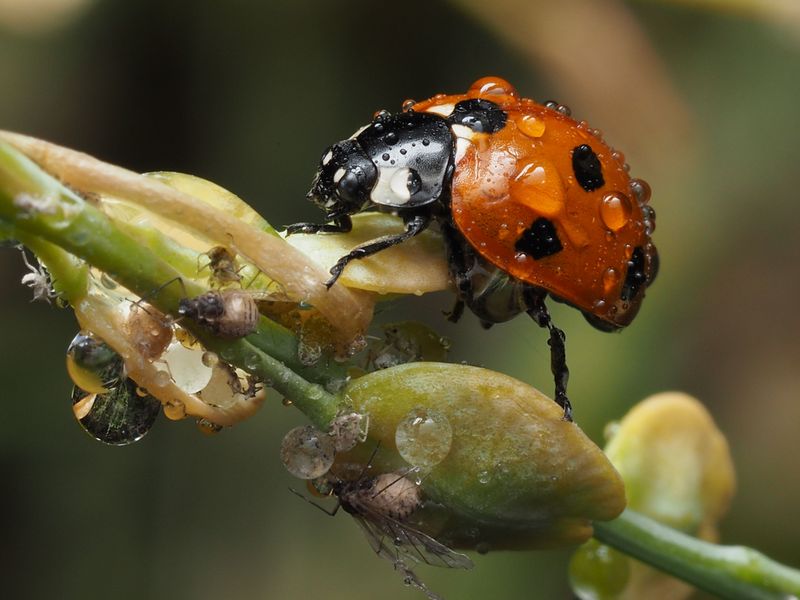
Aphids can damage a vegetable crop quickly if populations grow unchecked. Ladybugs are nature’s answer, and they eat aphids like it is their full-time job.
A single ladybug can consume up to 5,000 aphids in its lifetime. That is a staggering amount of pest control packed into a tiny, spotted shell.
You can purchase live ladybugs from garden centers or online retailers. Release them at dusk near aphid-infested plants so they settle in rather than flying away immediately.
Misting the plants with water before releasing them helps the ladybugs stay put. They are thirsty after shipping, and a damp plant gives them a reason to linger and start feeding.
To keep ladybugs around long-term, grow plants like dill, fennel, and yarrow nearby. These flowering herbs provide nectar and shelter, making your garden a permanent ladybug habitat.
Avoid using any sprays, even organic ones, right after releasing them. Give your new pest-fighting allies a few days to establish themselves before applying anything to the foliage.
3. Spray Neem Oil On Affected Leaves Weekly
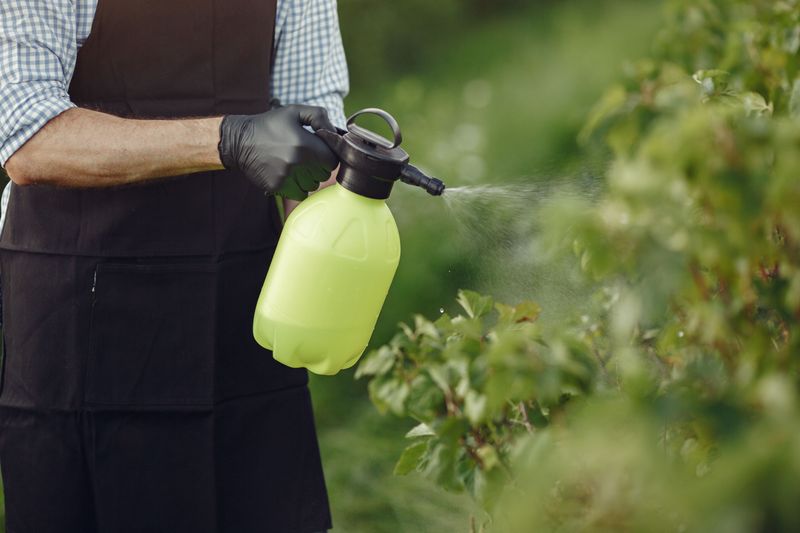
Neem oil is pressed from the seeds of the neem tree and has a long history of use as a natural pest deterrent.
Modern gardeners love it because it affects a wide range of insect pests while generally being considered safer for bees and birds than synthetic pesticides.
The active compound, azadirachtin, disrupts the life cycle of pests so they stop feeding and reproducing. Bugs exposed to neem oil lose the urge to eat, and that alone can save your crop.
Mix two tablespoons of neem oil with one teaspoon of dish soap and one quart of warm water. Shake the bottle well and spray it directly onto leaves, covering both the top and underside surfaces.
Apply it in the early morning or evening to avoid burning leaves in direct sunlight. Consistency matters here, so commit to a weekly schedule throughout the growing season.
Neem oil also fights fungal issues like powdery mildew, which is common in humid Montana summers.
One spray handles multiple problems at once, making it one of the most efficient tools in your arsenal. Store unused solution in a cool, dark place and use it within a week for best results.
4. Use Row Covers To Block Flying Insects
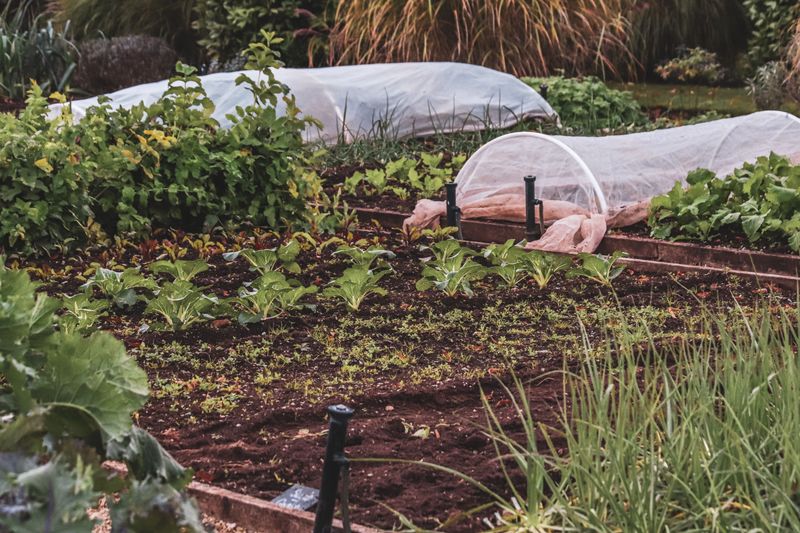
Flying insects can cause noticeable damage before you spot the problem. Row covers are one of the simplest and most effective physical barriers you can use.
These lightweight fabric sheets let in sunlight, air, and water while keeping cabbage moths, flea beetles, and carrot flies out. Think of them as a breathable shield for your plants.
Floating row covers come in different weights for different purposes. Lightweight versions work best for insect control, while heavier ones add frost protection on cold Montana nights.
Drape the cover loosely over your plants and anchor the edges with rocks, soil, or garden staples. Leaving some slack allows plants to grow without the fabric pressing against them.
Remove the covers during flowering if your plants need pollination from bees. Tomatoes, squash, and cucumbers all need pollinators, so uncover them for a few hours each morning.
Row covers are reusable for several seasons if you store them properly after harvest. Fold them carefully, rinse off any debris, and keep them in a dry place until next spring arrives.
5. Companion Plant Basil Near Tomatoes And Peppers
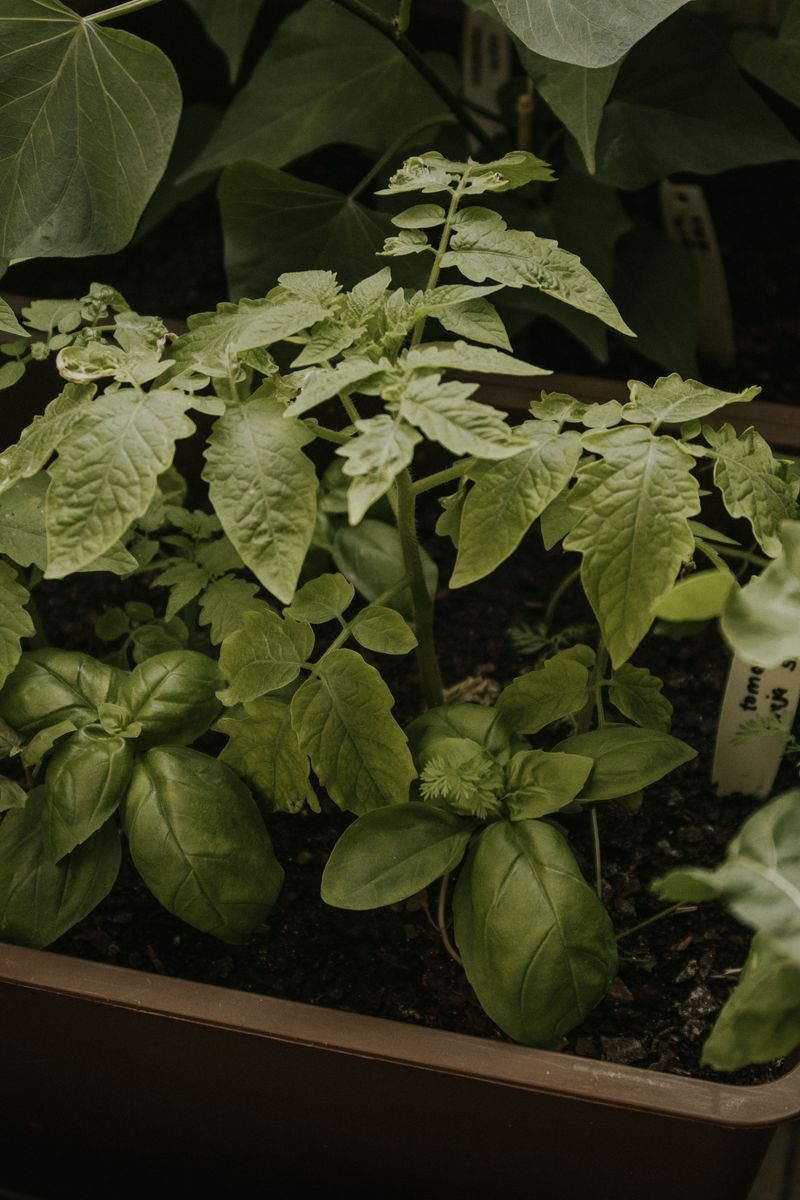
Basil and tomatoes are one of the most famous pairs in the gardening world. They taste amazing together in the kitchen, and they protect each other beautifully in the garden bed.
Basil is believed by many gardeners to help deter thrips, aphids, and tomato hornworm moths, though scientific evidence for this effect is limited. Planting it just six to twelve inches from your tomatoes creates a scented buffer zone that bugs avoid.
Peppers also benefit from having basil nearby because both plants share similar water and sunlight needs. Growing them together saves space and doubles the pest-repelling effect in a single bed.
Plant basil seeds or transplants at the same time you set out your tomato seedlings. They grow at a similar pace, so neither plant will crowd the other out.
Pinch off basil flower heads as they appear to keep the plant producing fresh, potent leaves. Flowering basil loses some of its pest-repelling strength, so stay on top of those blooms.
As a bonus, you will always have fresh basil within arm’s reach when cooking. A garden that naturally repel pests while feeding your family is a true win-win situation every summer.
6. Sprinkle Diatomaceous Earth Around Vulnerable Seedlings
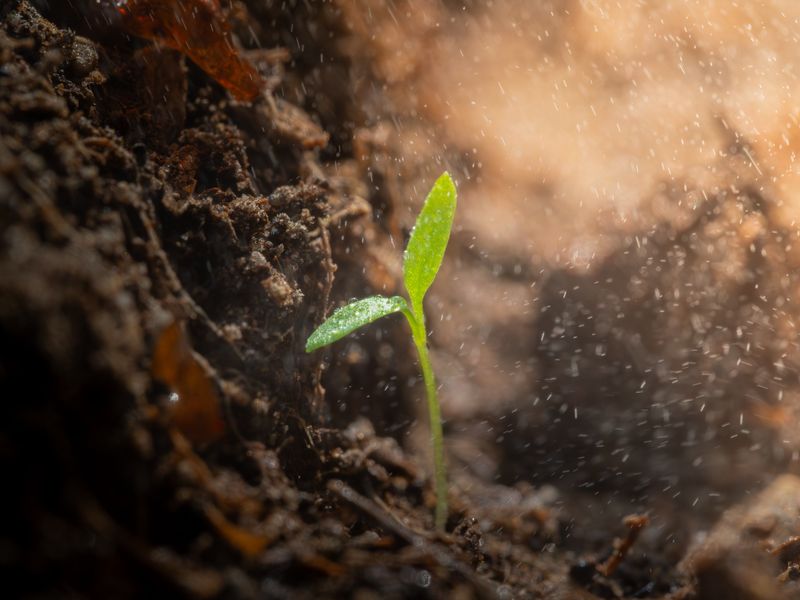
Diatomaceous earth sounds like a chemistry experiment, but it is actually fossilized algae ground into a fine powder. To soft-bodied insects, it feels like crawling across broken glass.
The tiny sharp particles damage the outer coating of slugs, beetles, and crawling larvae. Once their protective layer is compromised, insects dehydrate quickly and move on.
Sprinkle a thin ring of diatomaceous earth around the base of each seedling you want to protect. Focus on young transplants because they are the most vulnerable to pest damage in early spring.
Always use food-grade diatomaceous earth, not the kind sold for swimming pool filters. The pool version is processed differently and can irritate lungs if inhaled.
Wear a simple dust mask when applying it on windy days, especially in open Montana fields. The powder is non-toxic but very fine, and keeping it out of your lungs is smart practice.
Reapply after rain because moisture reduces its effectiveness significantly. Dry conditions are when this powdery barrier performs at its absolute best, so check after every storm and refresh as needed.
7. Attract Birds With Feeders Near The Garden
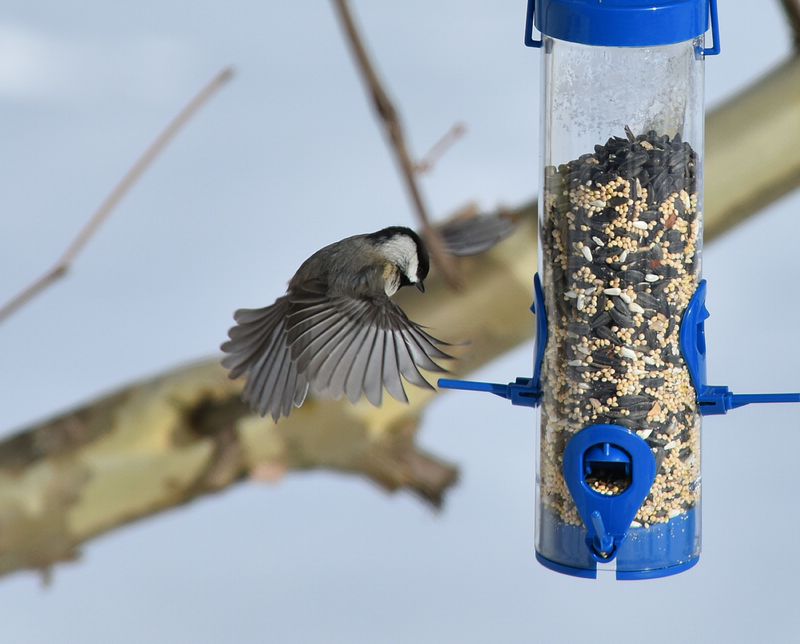
Birds are some of the most underrated pest controllers you can bring into your yard. A single robin or chickadee can eat hundreds of insects and larvae each day.
Placing feeders near your vegetable beds encourages birds to hang around longer. Once they discover the bug buffet your garden offers, they will keep coming back on their own.
Suet feeders attract insect-eating birds like nuthatches and woodpeckers that are especially aggressive hunters. These species actively search for beetles, caterpillars, and grubs hiding in your soil and foliage.
Position feeders within ten to twenty feet of your garden for the best results. Close enough to draw birds in, but far enough that bird droppings do not fall directly on your vegetables.
Add a shallow birdbath nearby to make the area even more appealing to visiting birds. Fresh water is a powerful attractant, especially during the hot, dry stretches of a Montana summer.
Native plants like serviceberry and elderberry also draw birds naturally without requiring any extra effort. A yard full of birds is a yard where pest populations stay low all season long.
8. Rotate Crops Yearly To Disrupt Pest Cycles

Pests are creatures of habit, and they love returning to the same spot year after year. Crop rotation breaks that cycle by moving their favorite food source to a new location.
When a pest overwinters in the soil, it expects to find the same plant family waiting in spring. Moving your crops leaves them searching for food they cannot easily locate.
Divide your garden into four sections and rotate plant families each year in a consistent pattern. Tomatoes, peppers, and eggplants all belong to the nightshade family and should move together.
Legumes like beans and peas are excellent follow-up crops after heavy feeders like corn or squash. They restore nitrogen to the soil while confusing pests that relied on the previous crop.
Keep a simple garden journal to track what grew where each season. Even a hand-drawn sketch helps you plan rotations without second-guessing yourself every spring planting day.
Consistent rotation also improves soil health over time, which produces stronger and more resilient plants. Healthy plants naturally repel pests better than stressed ones, making rotation one of your most powerful long-term strategies.
9. Handpick Larger Pests Like Hornworms Daily
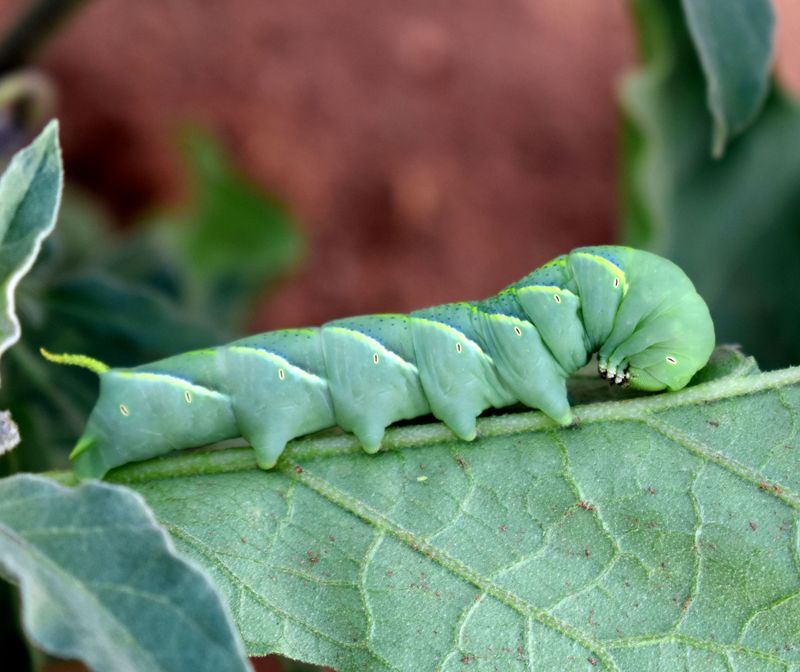
Tomato hornworms are enormous, green, and surprisingly hard to spot against leafy plants. But once you train your eyes to find them, handpicking becomes oddly satisfying.
These caterpillars can cause significant leaf loss within days if left unchecked. Catching them early and removing them by hand is one of the most effective controls available.
Go out each morning and inspect the undersides of leaves where hornworms like to hide. Look for dark green droppings on the soil below as a telltale sign of their presence above.
Wear gloves if you prefer, though hornworms are harmless to touch and cannot bite or sting. Drop them into a bucket of soapy water or relocate them far from your garden beds.
Japanese beetle grubs, squash bugs, and Colorado potato beetles also respond well to daily handpicking. Staying consistent for just ten minutes each morning makes a measurable difference over a full growing season.
Bring kids along for the hunt because most children find the process exciting and genuinely fun. Turning pest patrol into a game builds garden habits that last a lifetime.
10. Set Beer Traps To Catch Slugs
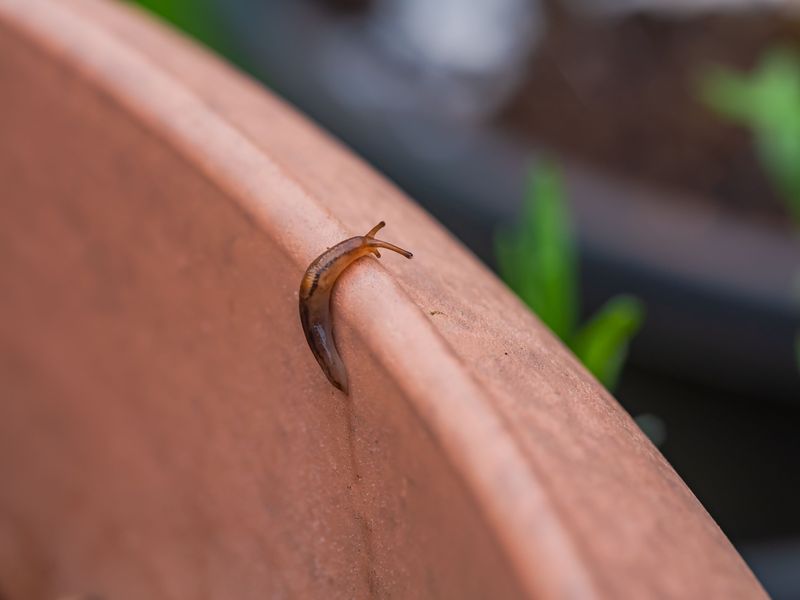
Slugs feed at night and can damage lettuce, cabbage, and seedlings before morning. A beer trap is one of the oldest and most satisfying ways to catch them in the act.
Slugs are attracted to the yeast in beer and will crawl toward the scent from several feet away. They fall in and cannot escape, which clears them from your garden without any chemicals.
Bury a shallow container, like a tuna can or plastic cup, so the rim sits level with the soil. Fill it halfway with cheap beer and check it each morning to empty and refill as needed.
Place traps near areas where you notice the most slime trails or leaf damage overnight. Spacing them every three to four feet along a bed edge gives you maximum coverage across the garden.
Non-alcoholic beer and a yeast-and-water mixture work just as well if you prefer not to waste the good stuff. The yeast is what draws slugs in, not the alcohol content itself.
Refresh the traps every two days to keep the scent strong and the liquid fresh. Consistent trapping through the wet parts of the season will naturally repel slug populations from your garden for good.