This Summer Job Can Boost Vibrant Hosta Leaves In Wisconsin Gardens
Picture this: it is July, the sun is blazing, and your hostas look more like wilted lettuce than lush garden showstoppers. Something is quietly robbing them of moisture, cool soil, and the nutrients they crave.
That something is the absence of mulch. One simple summer job, done right, can completely change how your hosta leaves look by the time fall rolls around.
Gardeners across Wisconsin and the upper Midwest have been skipping this step for years, and their plants show it every single season.
The good news is that mulching hostas is not complicated, not expensive, and not time-consuming. You just need to know what you are doing and why it works so well.
This guide walks you through everything, from why hosta leaves struggle in summer heat to what your plants will look like after a full season of proper mulch care.
Whether you are a first-time gardener in Wisconsin or someone who has grown hostas for decades, there is something here that will change how you think about summer plant care. Get ready to give your garden the upgrade it has been waiting for.
Why Hosta Leaves Struggle In Summer Heat
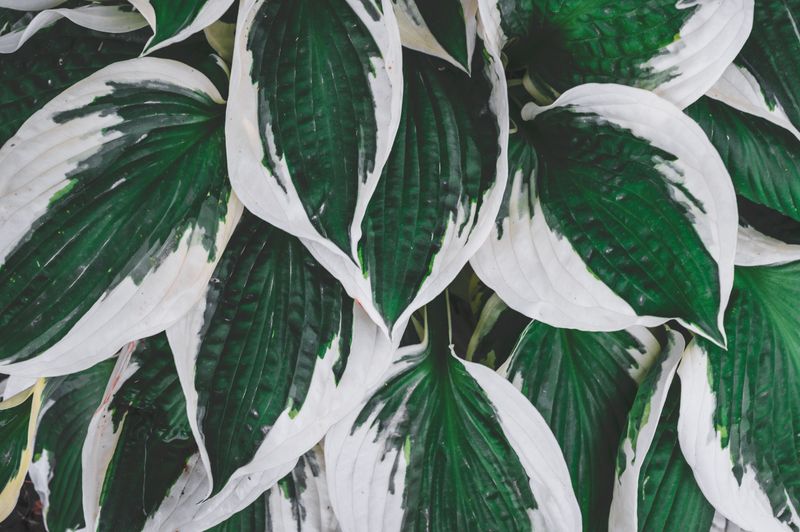
Hosta leaves are sensitive. When they are unhappy, they show it fast. Summer heat in the upper Midwest affects hostas significantly, and they feel every degree of it. These plants love cool, moist soil more than almost anything else in the garden.
When ground temperatures rise, the roots stop absorbing water as efficiently. The leaves then start to scorch, curl, and fade, losing that rich green or blue color gardeners love.
Soil moisture evaporates quickly on hot days. Without something covering the ground, that moisture is gone before the roots ever get a chance to use it.
Direct sun exposure also heats the soil surface to surprisingly high temperatures. Even shade-loving hostas planted under trees can struggle when the ground itself becomes warm and dry.
Wisconsin summers bring stretches of heat that last days or even weeks. During those stretches, unprotected hosta roots are working overtime just to survive.
Stressed roots mean stressed leaves. Pale edges, brown tips, and limp foliage are all signs that the plant is struggling beneath the surface.
Many Wisconsin gardeners blame these symptoms on pests or disease when the underlying cause is often different. The soil around their hostas is too hot and too dry for the plant to thrive.
Understanding this connection between soil temperature and leaf health is the first step. Once you see the problem clearly, the solution becomes obvious and satisfying to apply.
The Mulching Job Most Gardeners Overlook
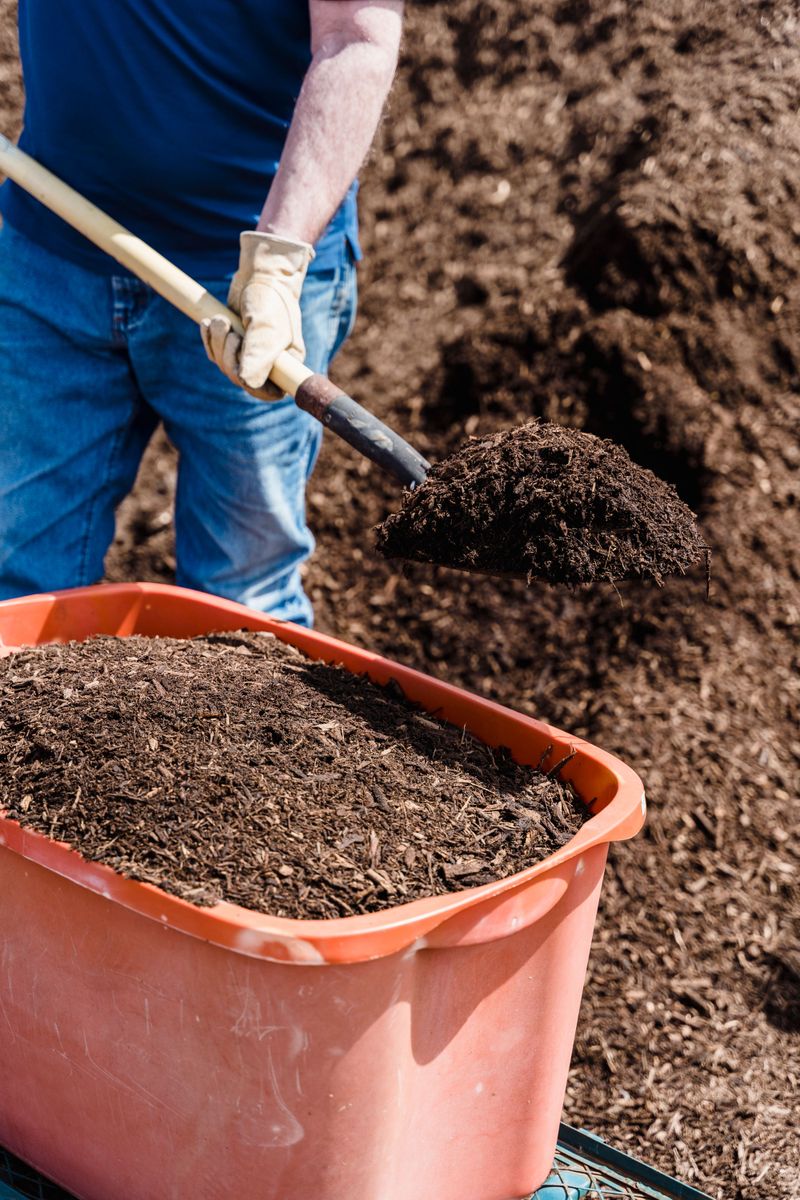
Most people mulch in spring and call it done. That is exactly where things go sideways for hosta leaves.
Spring mulch breaks down fast. By midsummer, that protective layer has thinned out, and the soil beneath is exposed again.
A second round of mulching in early summer is the job that most gardeners skip entirely. It feels redundant, but the timing could not matter more for hostas.
Your Wisconsin Garden Changes Every Week. Your Plan Should Too.
Gardening in Wisconsin changes quickly throughout the season. Every Friday you’ll receive a simple weekly plan showing exactly what to plant, prune, fertilize, harvest, and protect so you never miss the right timing.
Early July is the sweet spot. The soil has warmed just enough that adding a fresh layer locks in moisture right before the hottest weeks arrive.
Skipping this step means leaving your plants vulnerable during the most stressful part of the season. The roots end up fighting heat and drought at the same time.
Adding fresh mulch mid-season also refreshes the look of garden beds. Faded, matted-down mulch from spring does not do much for curb appeal or plant health.
Think of it like reapplying sunscreen. One coat in the morning is not going to protect you all day in the blazing sun.
The same logic applies to your garden beds. Hostas need consistent protection, not a one-time fix that fades before the season peaks.
Taking an hour or two in early July to refresh mulch around hostas is one of the more effective tasks a gardener can do. The results show up fast and last all the way through fall.
Choosing The Right Mulch For Your Hostas
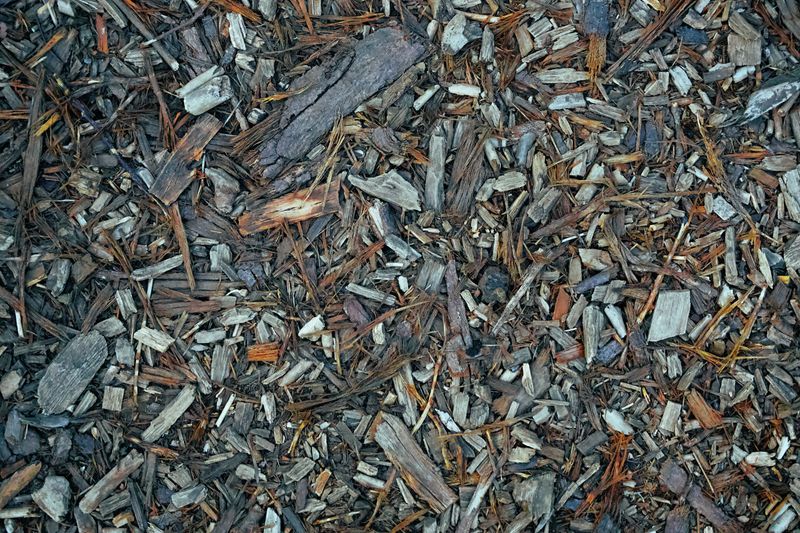
Not all mulch is created equal, and hostas have strong preferences. Choosing the wrong type can do more harm than good.
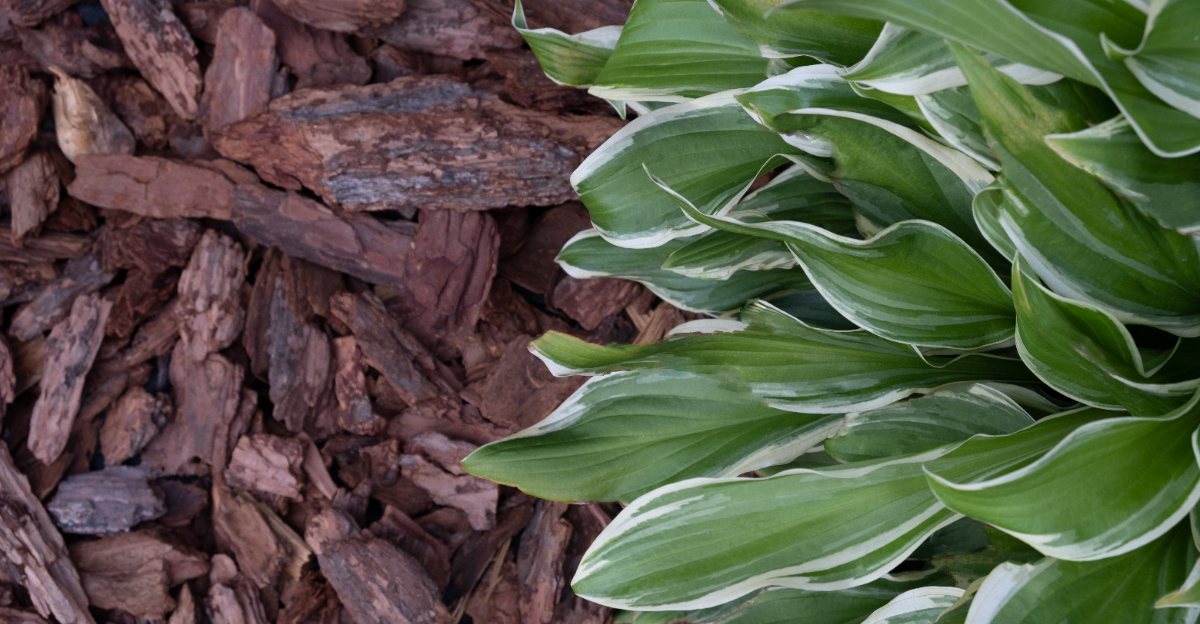
Shredded hardwood mulch is a top pick for hosta beds. It breaks down slowly, adds organic matter to the soil, and holds moisture without getting soggy.
Wood chips work well too, especially for larger beds. They are easy to spread, last a long time, and create a natural forest-floor feel that hostas absolutely love.
Avoid dyed mulches if you can. The colorants can be harmless, but the wood used is often low quality and breaks down in ways that can affect soil chemistry.
Straw and pine needles are also popular options. Pine needles add a slight acidity to the soil, which can benefit hostas growing in more alkaline ground.
Avoid using rubber mulch anywhere near hostas. It holds heat rather than repelling it, which is the opposite of what these plants need during a hot summer.
Fresh grass clippings can work as a temporary fix, but they mat down quickly. A matted layer blocks airflow and can create conditions that invite mold and rot near the crown.
Compost mixed into mulch adds a bonus layer of nutrients. As it breaks down, it feeds the roots slowly and steadily without any extra effort on your part.
The best mulch is one you will actually use consistently. Pick something accessible, affordable, and appropriate for your soil type to keep hosta leaves looking their best all season.
How Thick To Layer It Without Inviting Pests
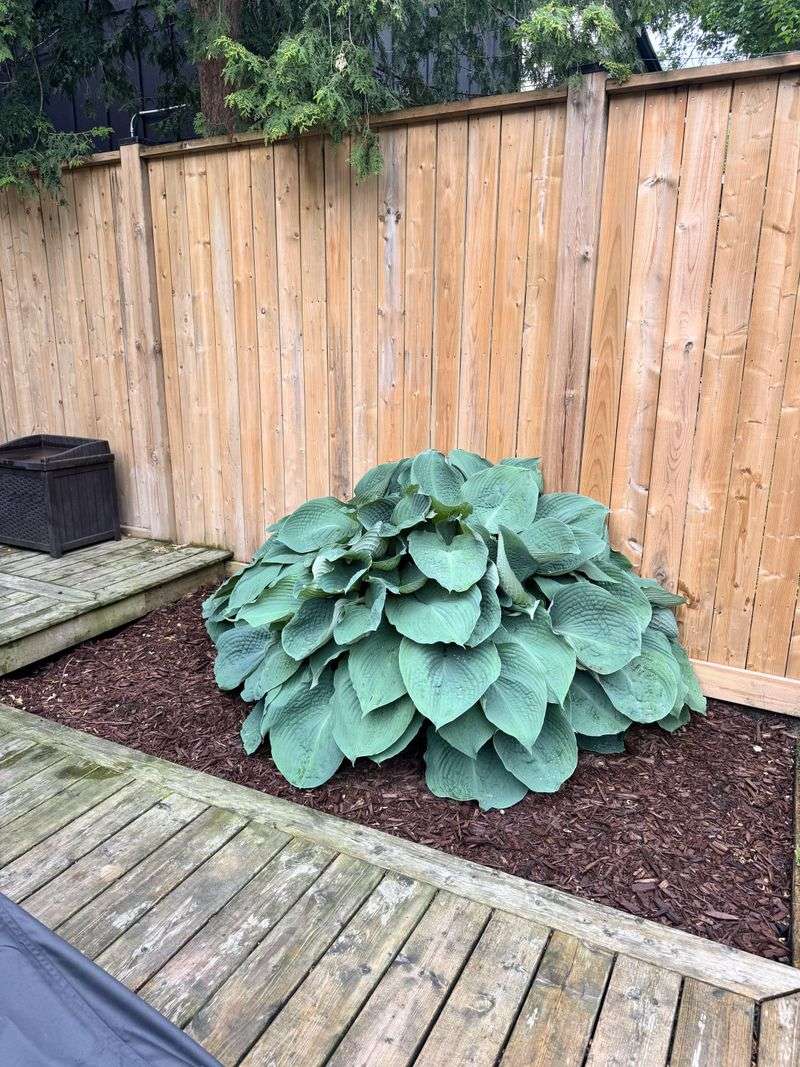
Mulch depth is one of those things that sounds simple but trips up a lot of gardeners. Too little does nothing, and too much creates its own set of problems.
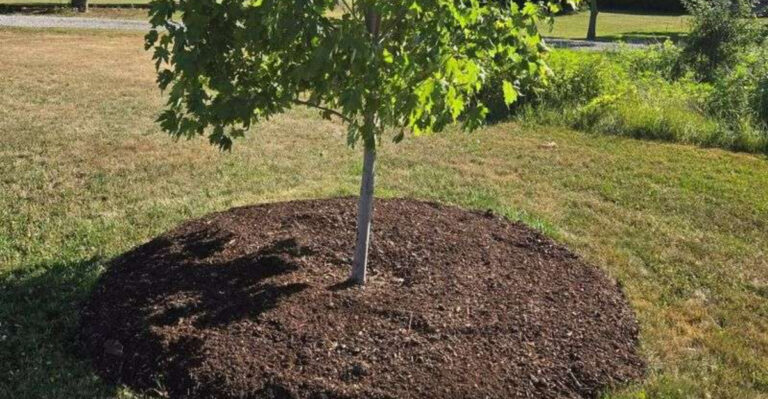
The sweet spot for hostas is two to three inches of mulch. That depth insulates the soil, holds moisture, and keeps weeds from getting established.
Going deeper than three inches can trap excess moisture near the crown of the plant. A wet crown is an open invitation for crown rot, which is a common cause of hosta decline.
Keep mulch pulled back about an inch from the base of each plant. That small gap allows airflow and prevents slugs from setting up camp right next to the stems.
Slugs are a real concern in mulched hosta beds. They love the cool, moist conditions that mulch creates, so managing the gap at the crown makes a big difference.
Applying mulch in a donut shape rather than a volcano shape is the right approach. Volcano mulching, where material piles against the stem, causes rot and pest issues over time.
Check the depth of your mulch layer every few weeks during summer. Rain and foot traffic can compact it, reducing its effectiveness faster than you might expect.
Topping off a thin layer takes only a few minutes and keeps protection consistent. Staying ahead of the breakdown cycle means your hosta leaves stay protected without any dramatic intervention needed.
Watering Habits That Pair With Mulching
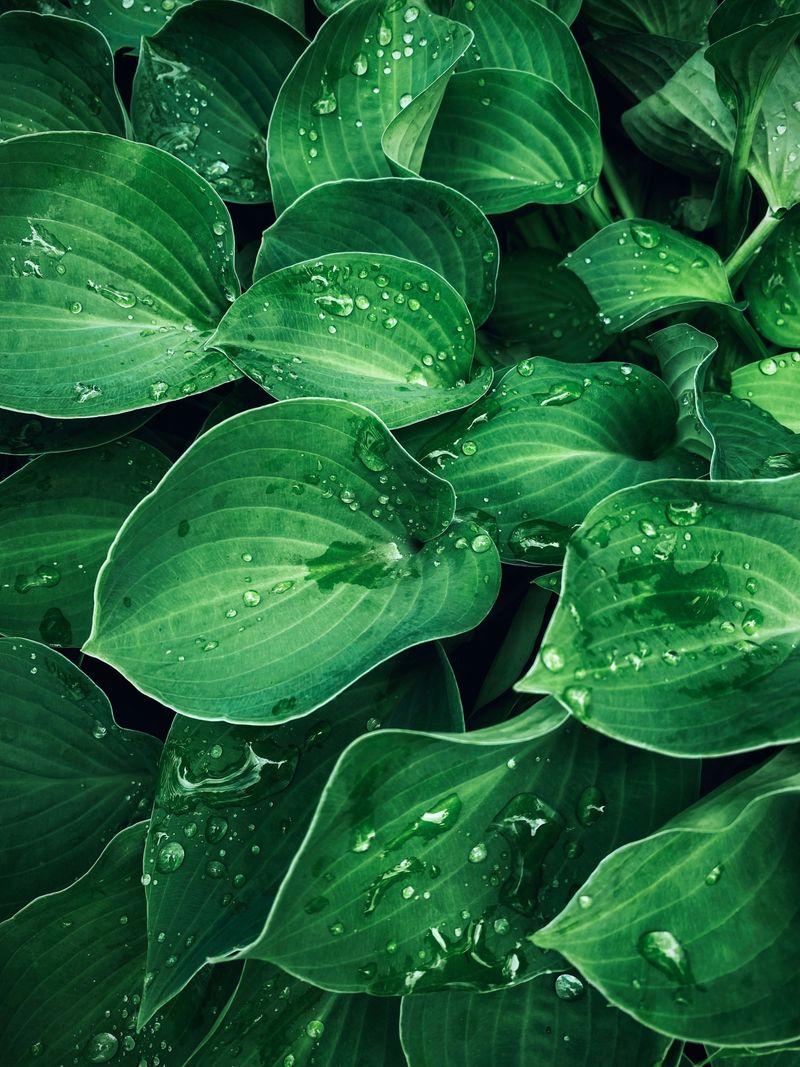
Mulch and water are a team. One without the other leaves hostas only halfway protected during a difficult summer stretch.
After laying fresh mulch, water the bed thoroughly. This settles the mulch into place and pushes moisture down into the root zone where it actually matters.
Deep watering once or twice a week beats shallow watering every day. Shallow watering keeps moisture near the surface, which encourages roots to stay high and vulnerable to heat.
Deep watering trains roots to grow downward. Deeper roots reach cooler soil layers, giving the plant more stability during hot, dry spells.
Water in the morning when possible. Morning watering gives leaves time to dry off before evening, which reduces the chance of fungal issues on the foliage.
Avoid overhead watering if you can. Soaker hoses or drip irrigation deliver water directly to the root zone and keep the leaves dry, which hostas prefer.
After mulching, you may notice you need to water less often. That is the mulch doing its job, slowing evaporation and keeping the ground consistently moist between rain events.
Pay attention to how the soil feels under the mulch. If it is still moist two inches down, you can skip a watering cycle without any stress to the plant.
Pairing smart watering with fresh summer mulch creates the ideal growing environment. Hosta leaves respond quickly, often looking noticeably brighter and fuller within just a couple of weeks.
What Vibrant Hostas Will Look Like By Fall
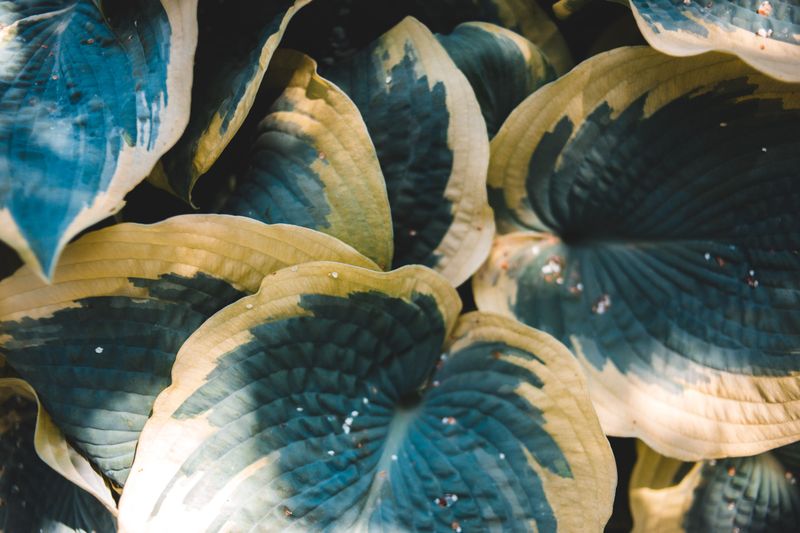
Fall is when the results show. Hostas that received proper mulching care during summer put on a strong finish before the season ends.
Leaves that were protected from soil heat stress stay larger and more vibrant longer. Colors deepen as temperatures cool, and well-nourished plants hold their shape beautifully into October.
Blue hostas become more intensely blue-green. Gold and chartreuse varieties brighten noticeably in the lower autumn light, especially in the morning hours.
Healthy hosta leaves also size up over the season. A plant that struggled last year due to dry soil will often produce noticeably bigger leaves the following year after a full summer of mulch protection.
The difference between a mulched bed and an unmulched one becomes obvious by September. One looks noticeably fuller, and the other appears duller.
Fall is also when hostas store energy for next spring. A plant that spent the summer thriving rather than surviving puts away more reserves, leading to an even stronger emergence the following year.
Vibrant hosta leaves heading into fall are a sign of a healthy root system. Strong roots built on cool, moist soil are the direct result of consistent summer mulching.
Neighbors will notice, and you will feel the satisfaction of a job well done. One summer of focused mulch care for your hosta leaves pays off in ways that keep growing season after season.