How To Tell If Your Arizona Citrus Tree Is Healthy This August
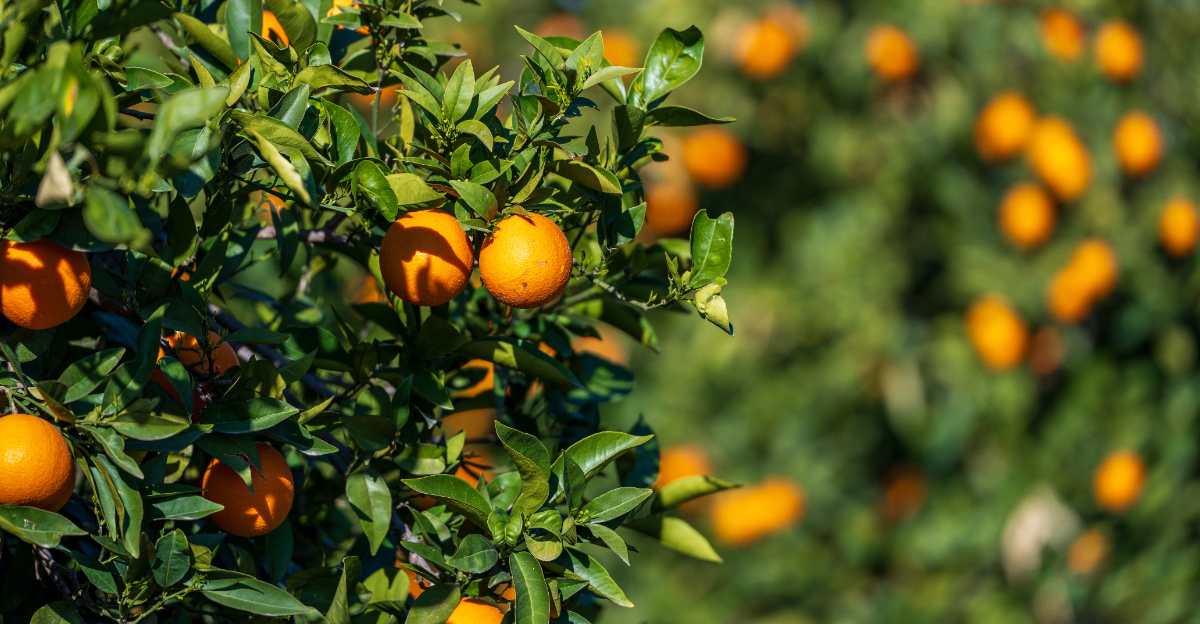
August can make almost any citrus tree look a little different. A few changes are completely normal, while others deserve a closer look.
It is easy to mistake healthy summer growth for signs of trouble. The desert has a way of making even strong trees look stressed.
Your citrus tree gives small clues long before serious issues appear. Knowing what is normal can save you a lot of unnecessary worry.
In Arizona, this is one of the best times to pay attention to new growth. The tree is already showing how well it handled another long stretch of summer heat.
Spend a few minutes looking before making any big changes. Careful observation often tells you far more than quick assumptions.
A healthy citrus tree has its own way of showing everything is on the right track.
Once you know what to look for, those signs become much easier to recognize.
1. Healthy Green Leaves Show Good Tree Vigor
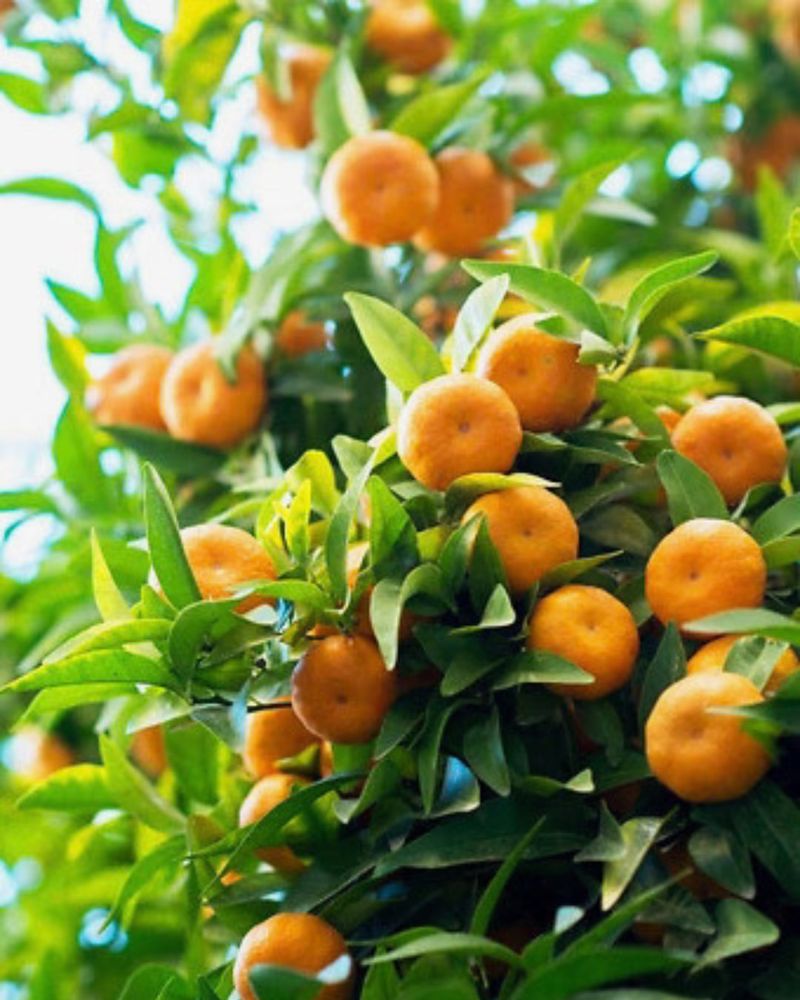
Leaf color tells you more than almost anything else on a citrus tree. Deep, glossy green leaves are a strong sign the tree is pulling in enough nutrients and water to keep up with summer heat.
Yellowing between the veins can point to iron or manganese deficiency, which is fairly common in alkaline desert soils. Pale, washed-out leaves across the whole canopy often suggest the tree needs nitrogen.
Both issues are manageable once you identify them.
Healthy leaves should feel firm and slightly waxy, not limp or papery. Limpness during the hottest part of the afternoon can be normal, but if leaves stay wilted in the early morning, that is worth paying attention to.
Spotting, curling edges, or sticky residue on leaves can point to pest pressure like aphids or citrus leafminer. Check the undersides of leaves regularly.
Catching these early gives you more options for managing them without stressing the tree further.
Older leaves near the interior of the canopy may be slightly less vibrant than new growth, and that is usually fine.
2. Summer Flush Looks Strong And Even
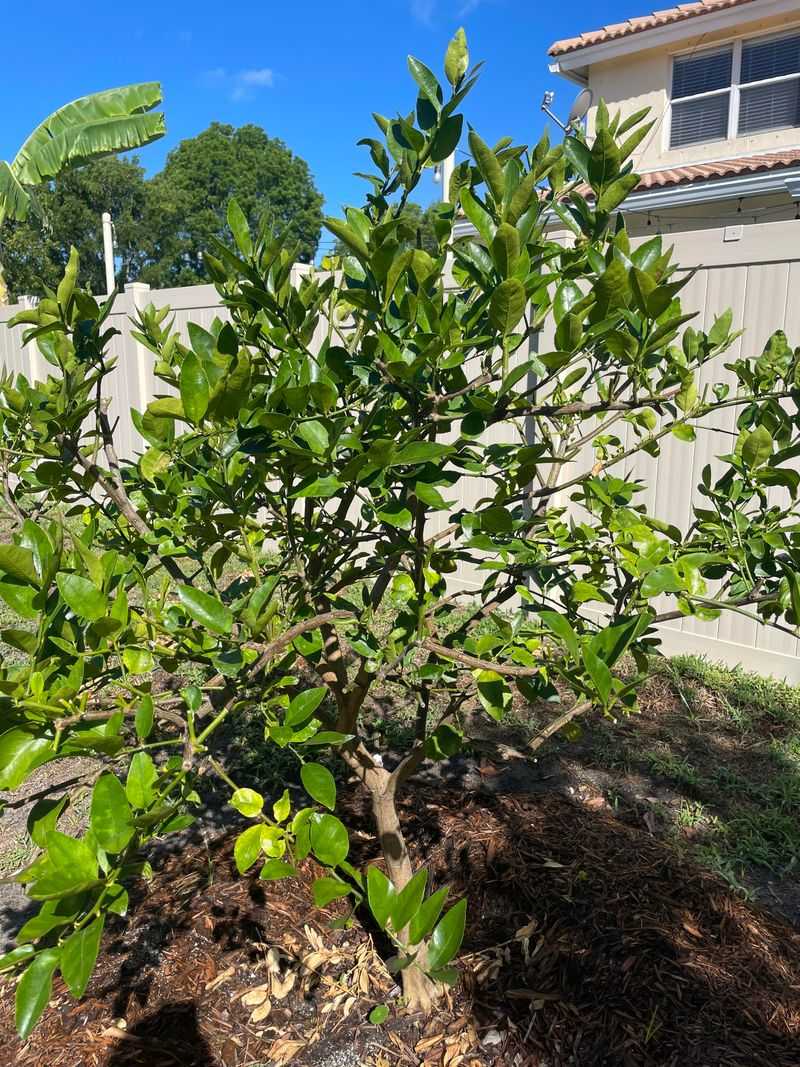
Citrus trees push out new growth in flushes throughout the year, and August often brings a summer flush that signals real vitality. Seeing a burst of soft, light-green shoots across the canopy is genuinely encouraging during peak heat season.
A strong flush looks fairly even across the tree. Growth that clusters only on one side, or shows up on just a few branches, can mean uneven irrigation or some localized stress worth investigating.
New growth tips should be upright and firm as they mature. Drooping or twisted new shoots sometimes indicate pest activity, particularly citrus leafminer, which tunnels through soft new leaves and leaves a telltale squiggly trail behind.
Not every tree pushes a heavy summer flush, and the timing can shift depending on irrigation schedule, soil conditions, and the variety you are growing.
Some growers actually dial back nitrogen in midsummer to avoid encouraging too much soft growth that pests can exploit.
If your tree skipped a summer flush entirely, that alone is not cause for alarm. Some trees conserve energy during the hottest weeks.
Your Arizona Garden Changes Every Week. Your Plan Should Too.
Gardening in Arizona changes quickly throughout the season. Every Friday you’ll receive a simple weekly plan showing exactly what to plant, prune, fertilize, harvest, and protect so you never miss the right timing.
Watch for a flush in September as temperatures begin to ease.
3. Developing Fruit Holds Steady On The Branches
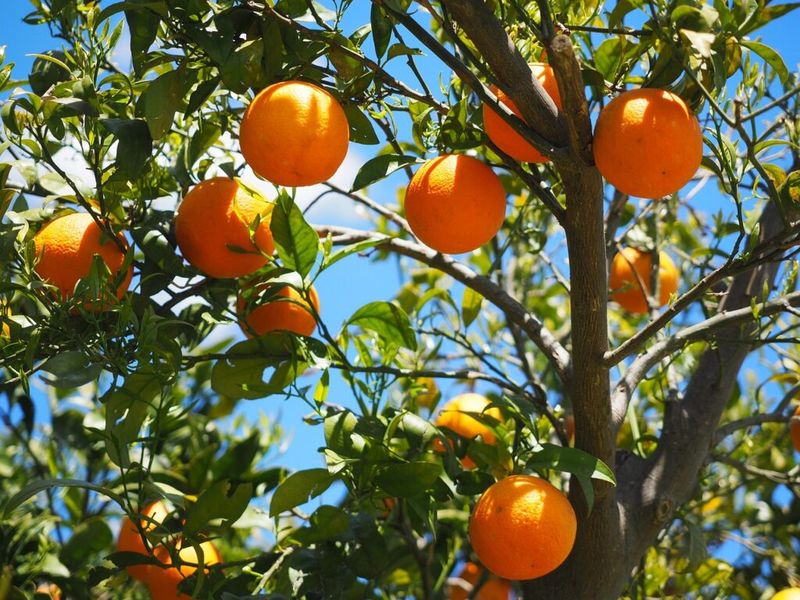
Fruit drop in summer gets a lot of attention from citrus growers, and for good reason. Some drop is completely normal.
Trees naturally thin themselves when they are carrying more fruit than they can support through the heat.
What you want to watch for is excessive drop, especially if it happens suddenly. Losing a handful of small fruits over a few weeks is one thing.
Dropping large numbers of marble-sized or bigger fruit in a short window can point to water stress, heat damage, or a nutrient gap.
Fruit that holds on and continues sizing up through August is a solid indicator the tree is managing heat and irrigation reasonably well. Check the stem end where the fruit attaches.
A firm, green connection is a good sign. A shriveled or yellowing stem can mean the fruit was already struggling before it dropped.
Splitting fruit is another issue that can show up in late summer. It often happens when irregular watering causes a sudden flush of moisture after a dry stretch.
Keeping irrigation consistent matters more during this time of year than at almost any other point.
Fruit size and color at this stage will not tell you much about ripeness, since most Arizona citrus is still months away from being ready.
4. Trunk Bark Shows No Signs Of Sunburn
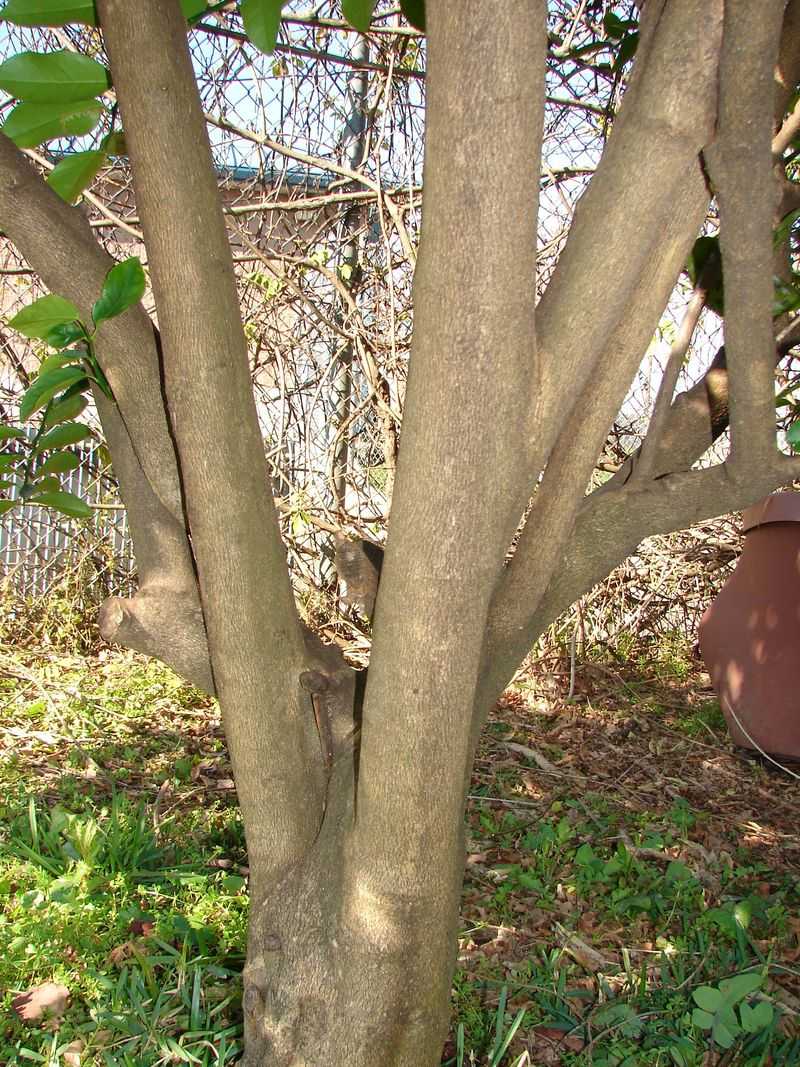
Sunburned trunk bark is a real problem in the desert, and August is when it tends to show up most clearly. Citrus bark is not built for direct, prolonged sun exposure, especially on the south and west sides of the trunk.
Healthy bark should look relatively smooth and consistent in color. Bleached, cracked, or sunken patches on the trunk are warning signs.
Sunscald damage can allow pests and pathogens to enter, so catching it early is worth the effort.
White latex paint, diluted roughly 50-50 with water, is a commonly used method for protecting exposed citrus trunks from sun damage. Some growers use commercial tree wrap instead.
Both approaches have their supporters, and local nurseries in the Phoenix or Tucson areas can give advice based on your specific conditions.
If your tree has a full, well-developed canopy, the trunk may already be getting enough shade from its own foliage. Younger trees or recently pruned trees are more vulnerable because they have less natural shading.
Check the trunk all the way down to the soil line. Bark near ground level can also suffer from reflected heat off pavement or gravel.
5. Light Leaf Drop Can Be Normal In Hot Weather
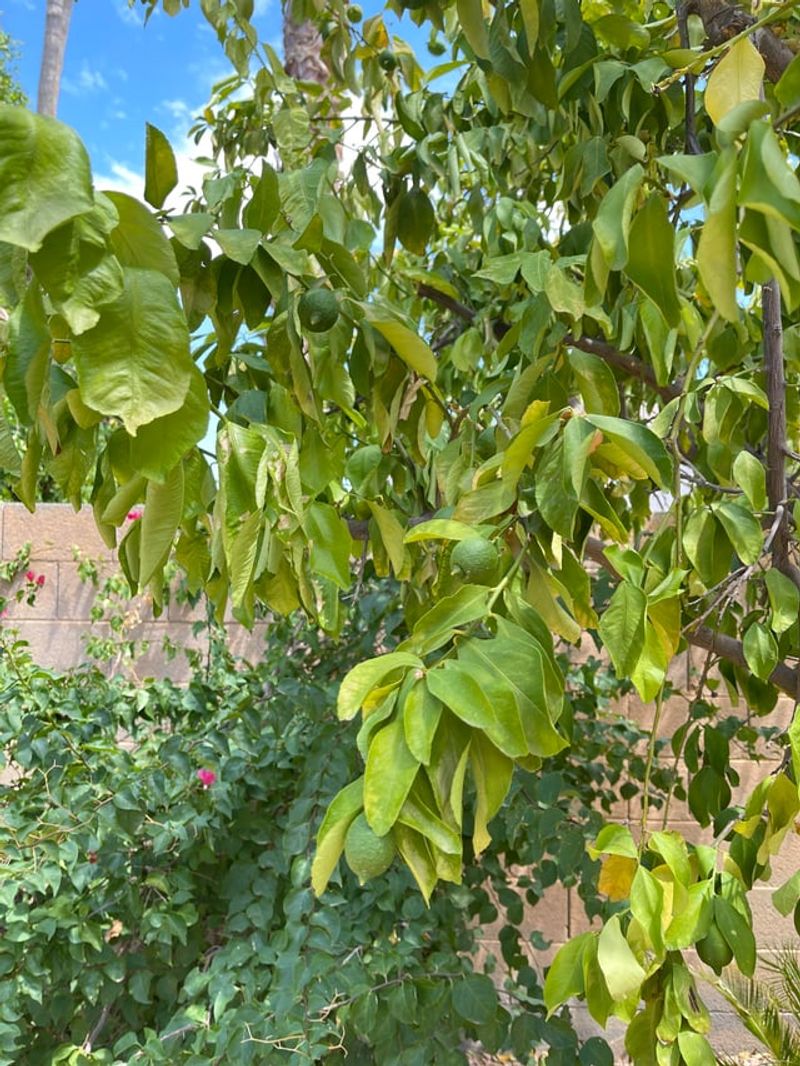
Finding a small scatter of fallen leaves under your citrus tree on an August morning is not automatically a red flag. Citrus trees do shed older leaves as part of their normal cycle, and summer heat can speed that process up a bit.
What separates normal shedding from a real problem is the scale and the pattern. Losing a modest number of older, interior leaves is generally fine.
Rapid defoliation across large sections of the canopy, or heavy leaf drop paired with wilting, calls for a closer look at irrigation and root health.
Leaf color before the drop matters too. Yellowing of older leaves near the trunk interior is usually just natural turnover.
Yellowing and dropping of newer leaves at branch tips is a different story and can suggest nutrient deficiency or root stress.
Wind can also knock leaves loose during summer monsoon storms, which are common in southern and central parts of the state. A few leaves lost to storm activity usually regrow without much trouble once conditions calm down.
Keep a rough mental note of how much leaf drop seems typical for your tree over time. Every tree has its own baseline.
6. The Canopy Stays Full And Well Balanced
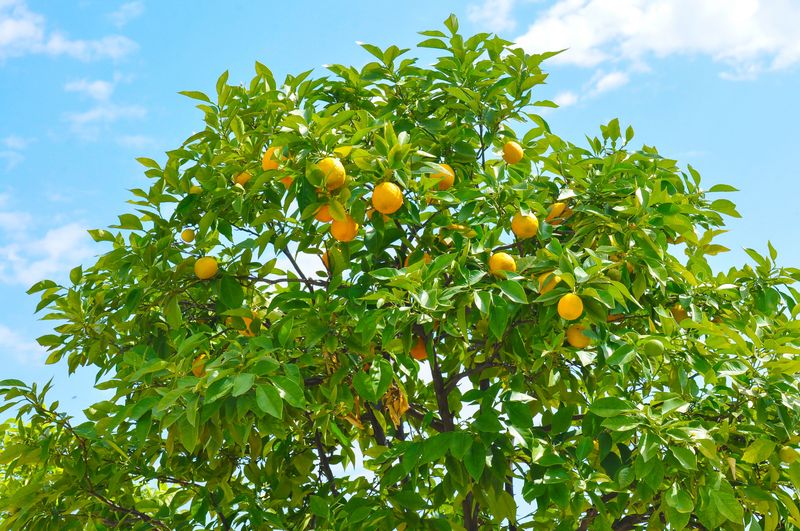
A full, even canopy is one of the most reassuring things you can see on a citrus tree in the middle of summer. It means the tree has enough energy and resources to maintain its foliage under serious heat pressure.
Gaps in the canopy are worth paying attention to, especially if they appeared recently. Bare branches on one side of the tree can sometimes point to root damage, girdling roots, or an irrigation head that stopped working.
It helps to check your drip system regularly during August.
Canopy shape also reflects pruning history. Citrus trees generally do not need heavy pruning, and cutting them back hard in summer can expose bark and branches to sunscald.
Light shaping is fine, but major pruning is better saved for late winter in most cases.
A balanced canopy distributes fruit load more evenly and reduces the risk of branch breakage from heavy fruit clusters. If you notice one side of the tree is significantly heavier with fruit, you may want to thin a few fruits to reduce strain on those limbs.
Interior canopy density matters too. Some airflow through the center of the tree is healthy and helps reduce humidity that can encourage fungal issues.
7. Irrigation Reaches The Entire Root Zone
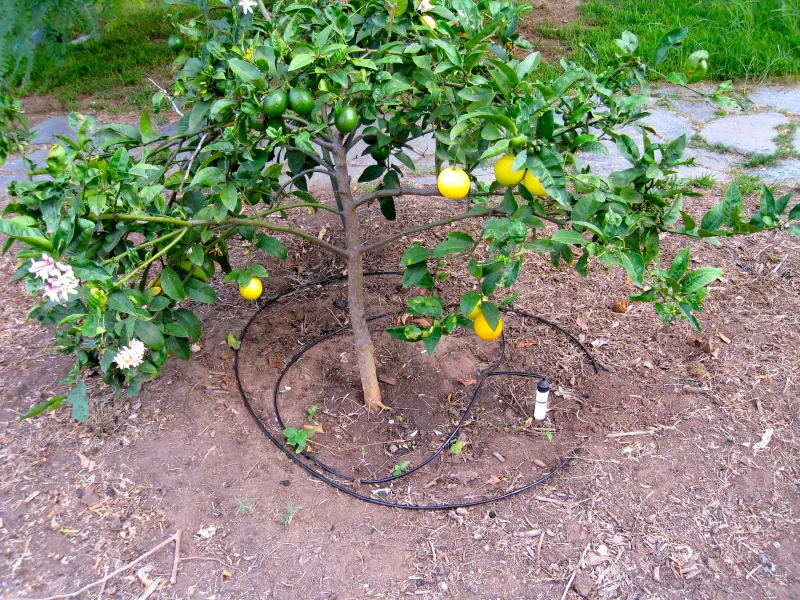
Water distribution matters more in August than at almost any other time of year. A citrus tree can look okay on the surface while quietly dealing with dry spots in the root zone that are limiting its ability to handle heat.
Citrus roots spread well beyond the canopy edge in established trees. Placing emitters only at the trunk base is one of the most common watering mistakes in desert citrus care.
Emitters should be spread out toward and beyond the drip line to reach the active feeder roots.
Check your system for clogged or misaligned emitters regularly. Sand and mineral buildup from hard desert water can block drip emitters over time.
A quick visual check every couple of weeks during peak summer can catch problems before the tree shows stress symptoms.
Watering frequency in August often needs to increase compared to spring. A general guideline for established citrus in hot desert climates is deep, infrequent watering rather than shallow, frequent cycles.
Deep watering encourages roots to grow downward, which helps the tree access moisture more efficiently.
Soil type affects how quickly water moves through the root zone. Sandy soils drain fast and may need more frequent irrigation.
Clay-heavy soils hold water longer but can become waterlogged if overwatered.